
Translated material
Rare photos of the royal family
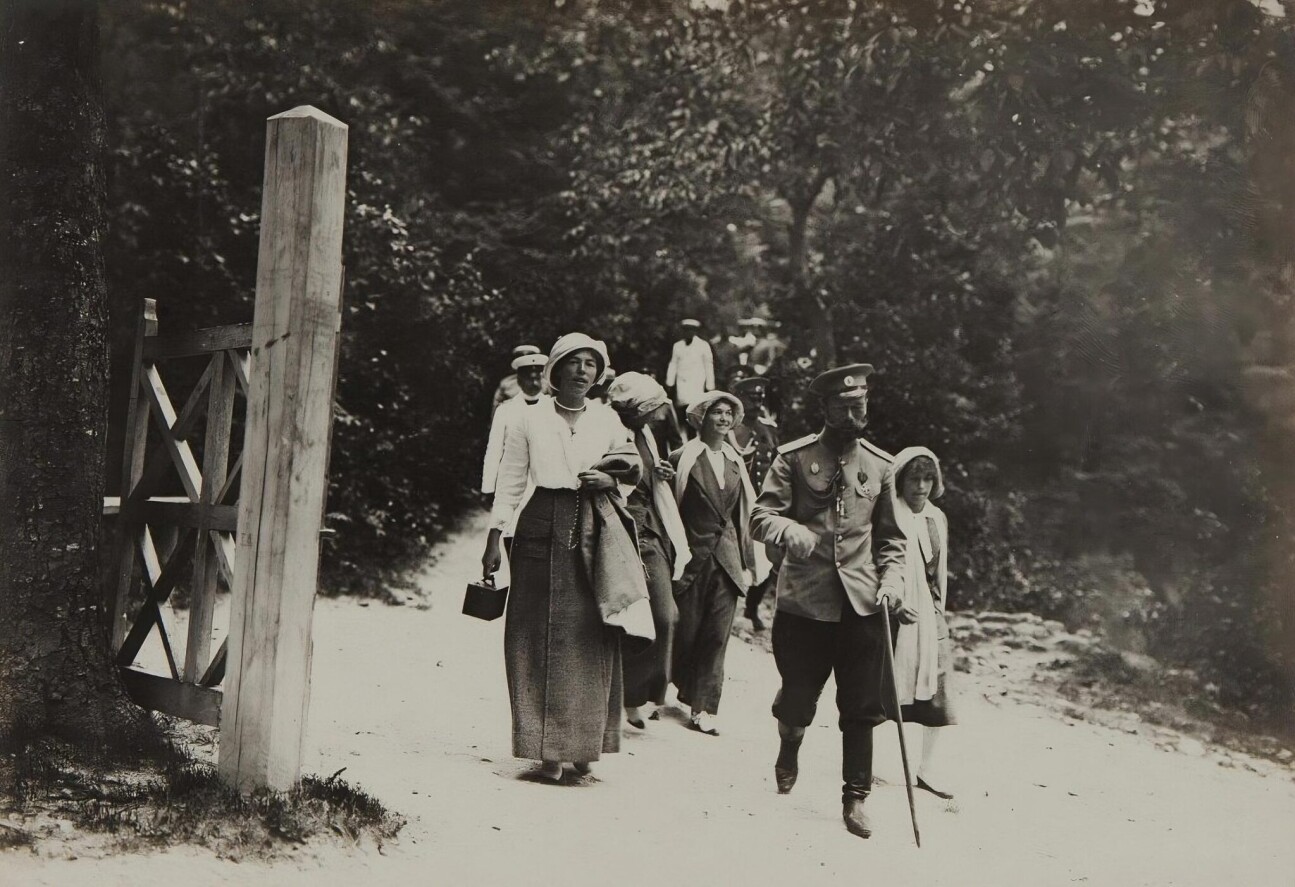
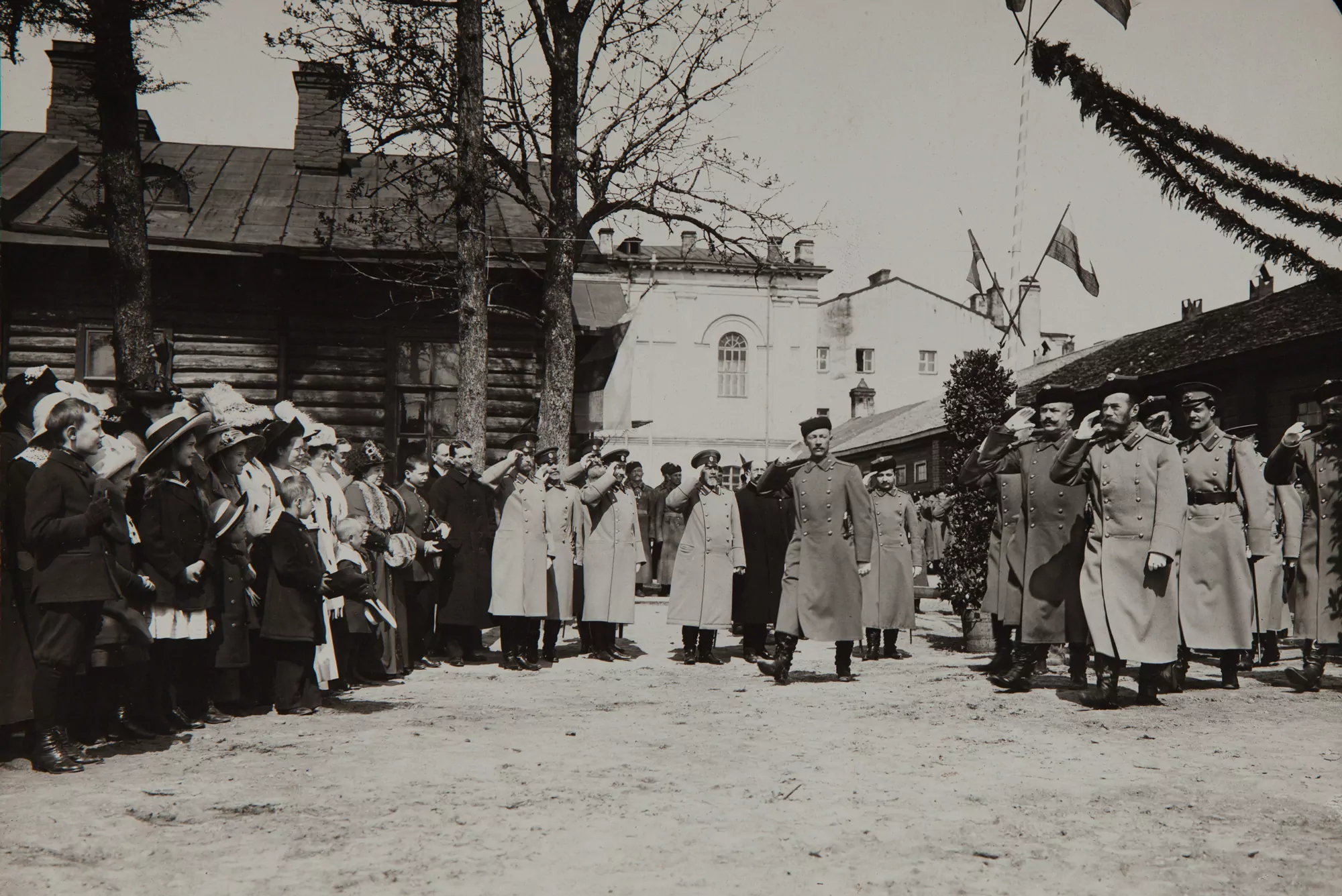
He was the shadow of Nicholas II, followed him with a camera for almost 20 years, but the emperor did not even know his name. Alexander Yagelsky became one of the first movie operators of the Empire and created the largest archive of pictures of the royal family. After the revolution, the Soviet authorities seized them, but the widow of Yagelsky took several albums abroad - these personnel occasionally surfaced at auctions. Decades later, the archive opened, unique photos of tsarist life - in the Gallery of Cold .
The ancestor of the documentary cinema was a personal photographer of Nicholas II. For a long time, these personnel remained hidden from the public
Help "cold" to tell human stories
We put a person in the center of our journalism and talk about people who are faced with injustice, but do not lose their spirit and continue to fight for their rights and freedoms. In order to further cover human stories, we need readers' support - thanks to your donations, we continue to work, despite the pressure of the state.
- Foreign card
- RF map ↘︎
- Patreon ↘︎
- Translation
- Crypt
Monthly
Once
5 €
- 10 €
- 20 €
30 €
5 €
- 10 €
- 20 €
- Another
- Bank of the Russian Federation
- Foreign Bank
Card number:
5536 9138 6472 8742
Copulated!
Recipient:
Taisiya Bekbulatova
Copulated!
Recipient:
Projektas Šaltis
Copulated!
Account number:
LT613500010016198323
Copulated!
Swift bic:
EVIULT2VXXX
Copulated!
Bank:
Lietuvos Bankas (Bank of Lithuania)
Copulated!
Comment-nazing payment:
Parama įstatymų numatytais tikslais (Be Konkretaus Tikslo)
Copulated!
We ask you to indicate the comment so that we can accurately determine the receipt of funds. The phrase translates as follows: "Support for the statutory purposes (without a specific purpose)."
Sum: €
To sacrifice
When making a donation, you accept the privacy policy
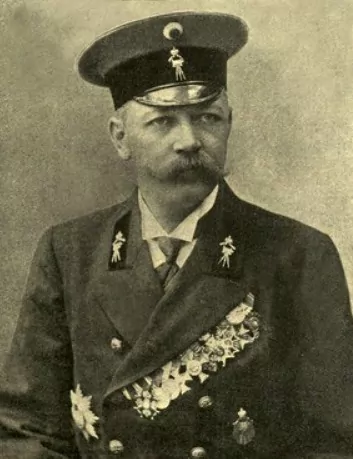
Photo: New Time magazine, 1911
Alexander Yagelsky was born in 1861 in Warsaw (then Poland was part of the Russian Empire). In the 1880s, his brother Ignatius moved to Moscow and opened a photo studio there. In 1888, Alexander joined him. However, a year later the police closed the workshop: there were some “rebellion pictures” there, and a “political property” was initiated against Yagelsky. Later, the investigation came to the conclusion that the materials were not dangerous, but the brothers were still expelled from Moscow.
After that, the Yagelsky moved to St. Petersburg, where Ignatius opened the studio again, and Alexander settled in “K. E. Fon Gan and Co. - a photomaster located in Tsarskoye Selo, a suburban residence of the imperial family. Atelier belonged to Casimir Jacobson (in the girlishness of Gan), the widow of the assistant to the senior engineer-mechanic of the courtyard. It was she who received the “exclusive right” to shoot Nicholas II and his relatives.
In 1891, Yagelsky became a co -owner of the studio, and six years later - a court photographer. Most of his works remained in private albums and were not published without the permission of the Ministry of the Imperial Court, so the work did not bring Yagelian wide fame. In addition, his pictures came out under the brand of Atelier “K. E. Fon Gan and Co., ”and even the emperor himself and his environment were called Yagelsky simply“ Han ”.
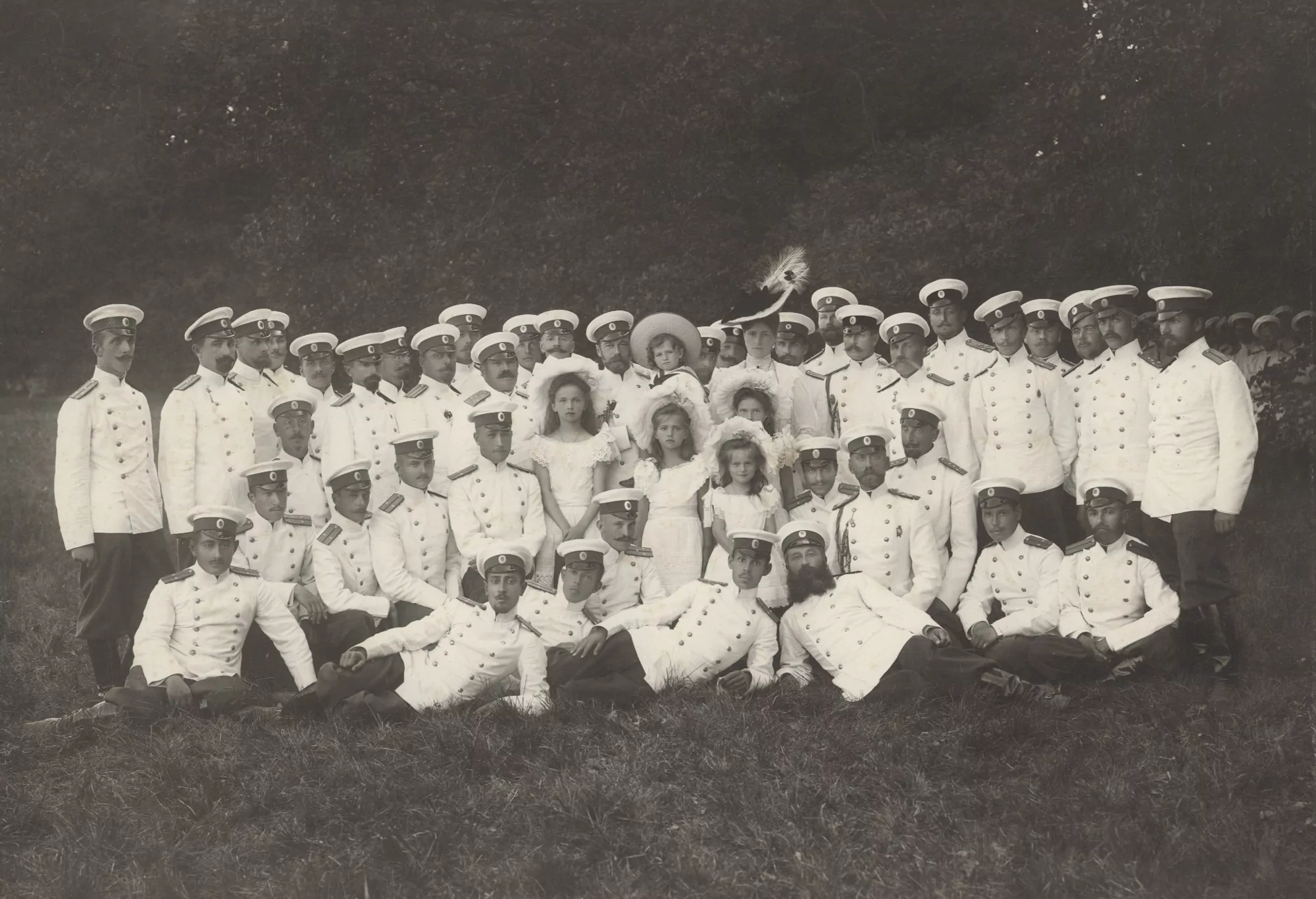
Photo: Alexander Yagelsky / State Historical Museum
In 1900, Yagelsky bought the most modern film equipment at that time: a film apparatus, a showing machine with drying drums, as well as a simple copy installation. He began to conduct a video of the royal family and various events of the court.
Initially, his movie recordings lasted about a minute - each bobin contained 20-30 meters of the film. In 1903, Yagelsky updated the equipment and was able to shoot up to 100 meters of film. This made it possible to mount the simplest films, gluing the captured fragments in a logical sequence.
I moved to Austria, and I like the salaries of doctors in Europe and Russia to be compared, and the living conditions are beautiful here. We are very pleased with the society 7 minutes of reading
Yagelsky experimented with angles: he shot not only general, but also medium and close -ups, tried to drive the camera in motion - even in the car on corners. To shoot a panorama (horizontal rotation of the camera), he had to simultaneously rotate the handle of the mechanism and smoothly rotate the heavy apparatus standing on a tripod.
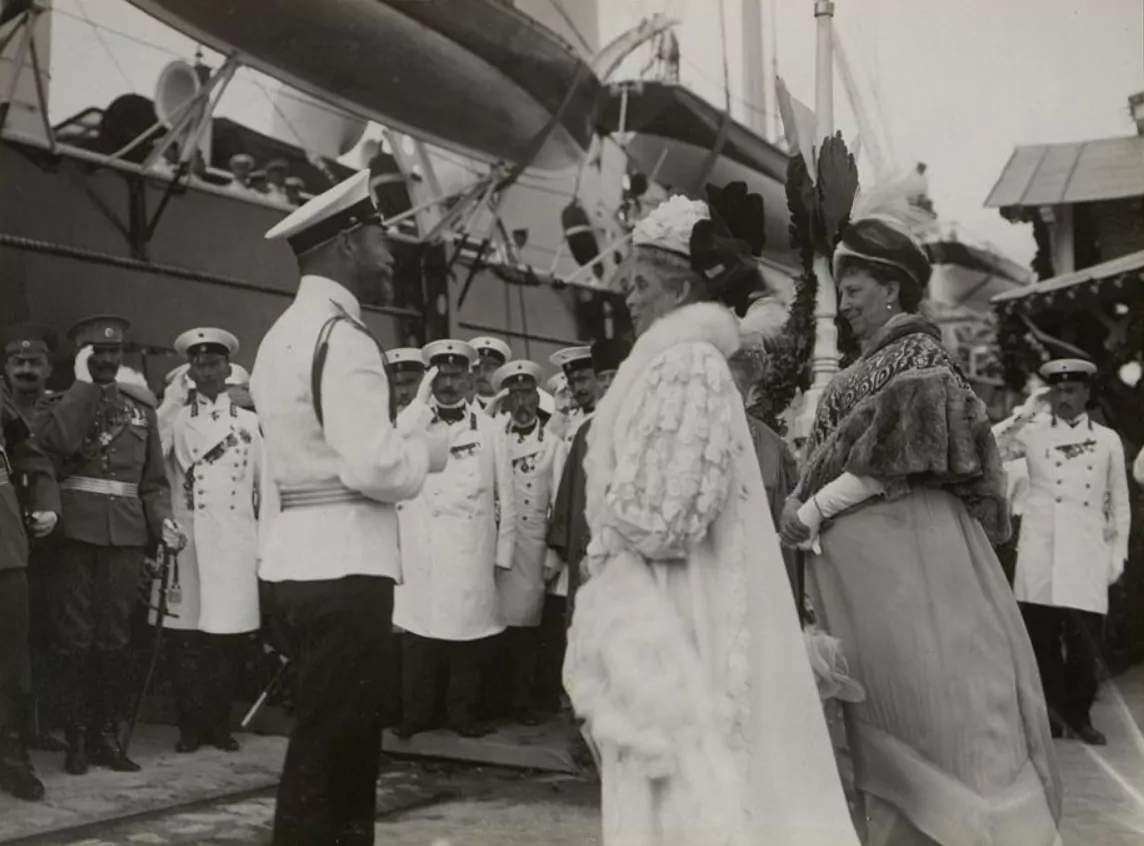
Photo: Alexander Yagelsky / State Historical Museum
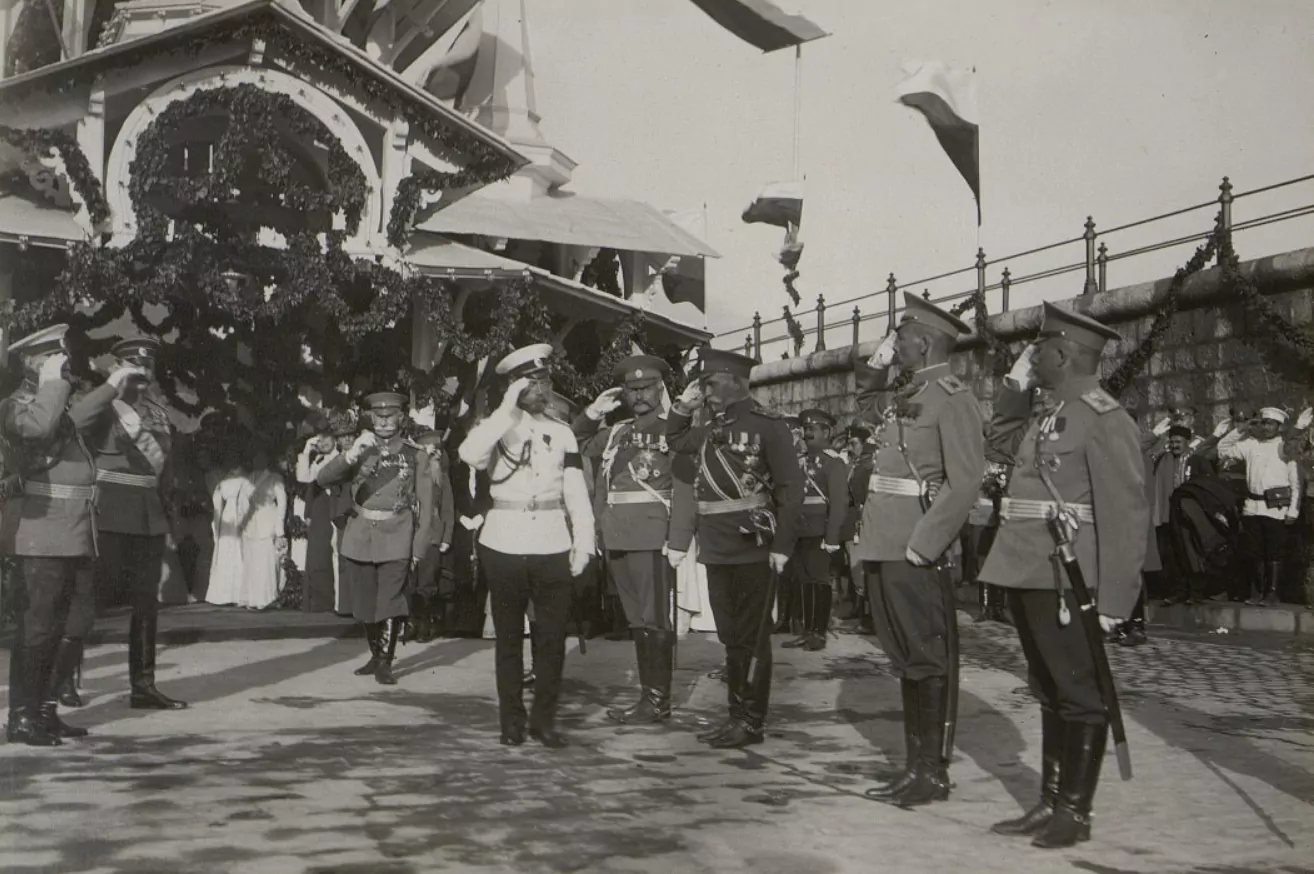
Photo: Alexander Yagelsky / State Historical Museum
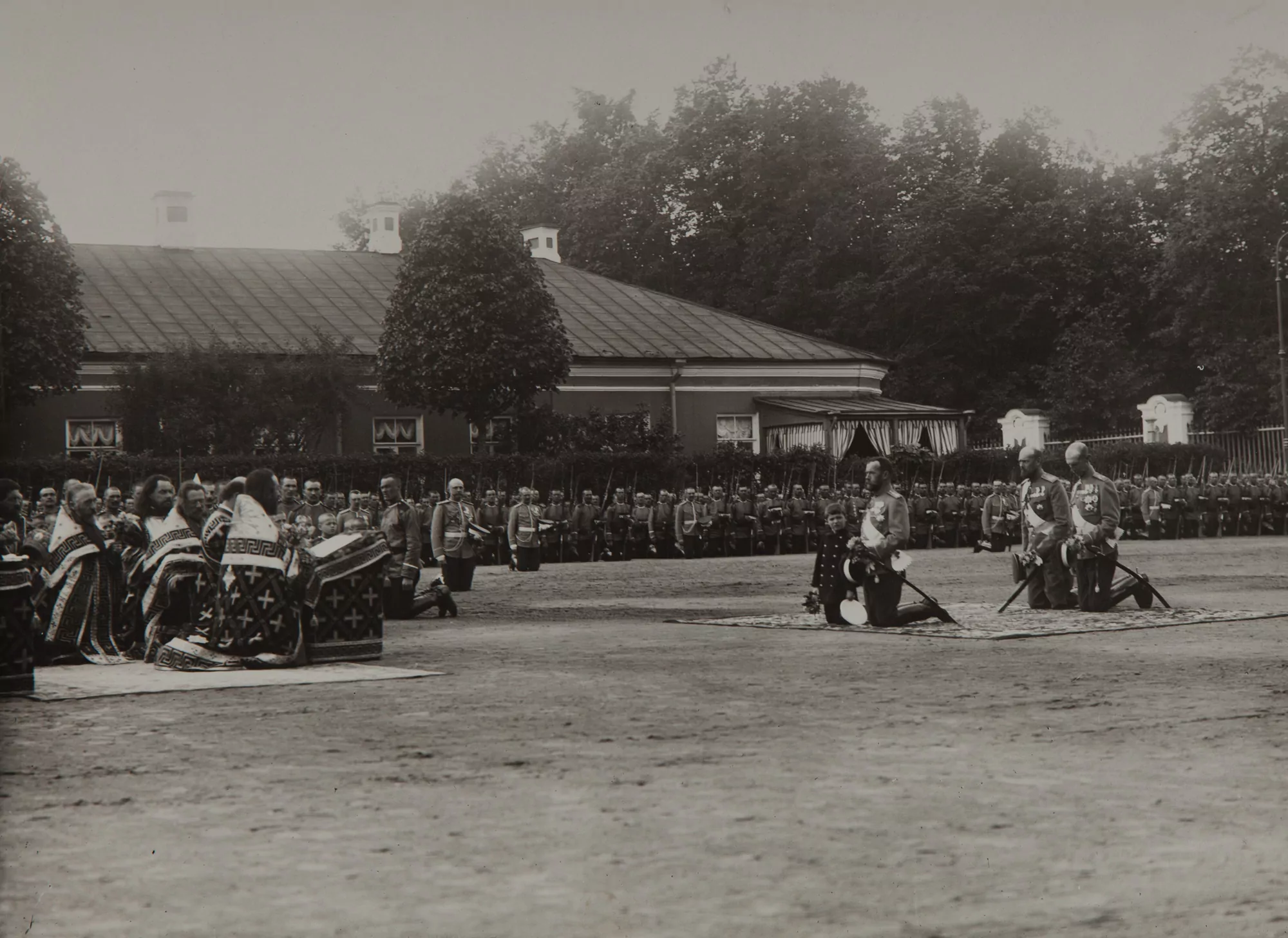
As a court cinema, he recorded what was happening at court: walks, entertainment, picnics. Nicholas II himself treated cinema with suspicion, but was fond of photography, so he allowed himself to be shot.
By 1902, the filming archive was so large that Yagelsky proposed creating a separate historical and cinematic department at the imperial court. However, his petition was refused three times. As a result, all the shot materials were stored in the private collection of K. E. Fon Gan and Co. - this was the first unofficial movie archive in the country.
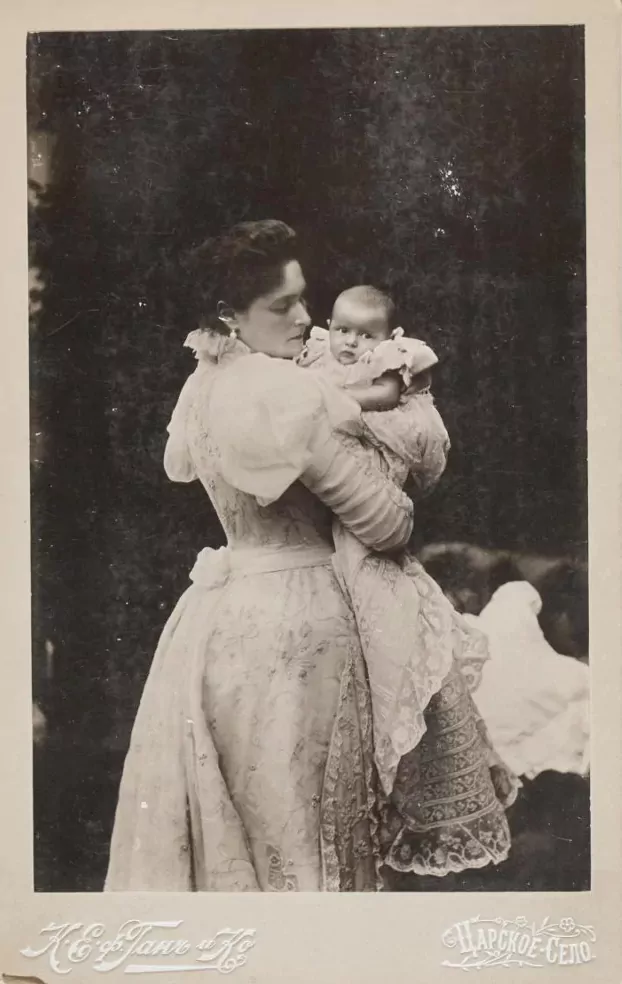
Photo: Alexander Yagelsky / State Historical Museum
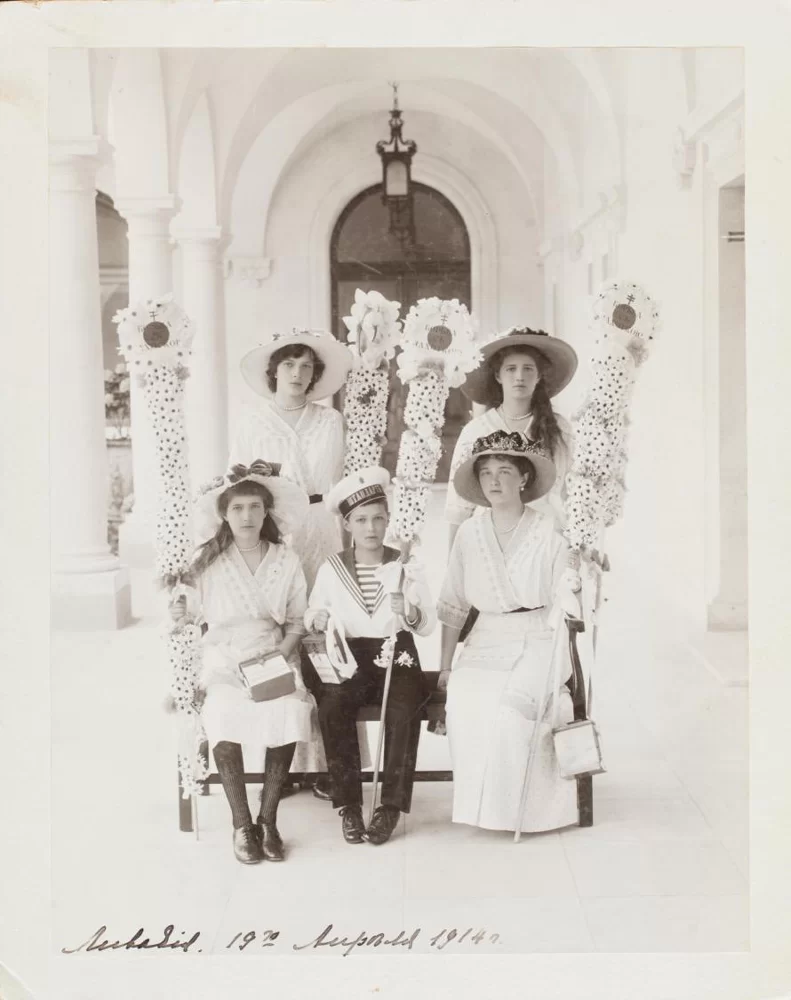
Photo: Alexander Yagelsky / State Historical Museum
Despite the difficulties with permits from the Ministry of the Imperial Court, the cadres of the court chronicle still became available to the general public. In 1907, the French company Gaumont bought three documentaries of Yagelsky and released them. Two years later, Yagelsky entered into an agreement with the commercial home “A. Khanzhonkov and Co. " Khanzhonkov, one of the pioneers of the Russian film distribution, received the rights to a public demonstration of records admitted to show.
“Films shot in a week by the court photographer Yagelsky were watched on Saturdays. One film presentation on Saturdays gave food for a week, ” recalled Alexander Mosolov, head of the office of the Ministry of Imperial Courtyard.
Soon, Yagelsky moved from separate chronic fragments to full -fledged documentaries. In 1911, he was awarded the title of "photographer of the court of His Majesty." He shot the private and official life of the emperor, and also accompanied Nicholas II on almost all trips to the front during the First World War. Over the years, he shot more than 20 thousand meters of film.
In October 1916, Alexander Yagelsky died suddenly. After the October Revolution of 1917, the Soviet authorities seized his archive. First, the materials were transported to Petrograd (the so -called Petersburg from 1914 to 1924), and then, in 1928, to Moscow. The movie materials of Yagelsky became the basis of the central film photophone archive (currently the Russian State Archive of Film Photo -Documents).
Sweden deportes Russian scientists for many years they prohibit entering the Schengen zone for many years, without explaining the reasons for the world of 5 minutes of reading
The widow of Yagelsky tried to challenge the seizure of the archive, but did not succeed. After the revolution, she left for Poland, where she could take away several royal albums. These pictures of Yagelsky still appear at auctions. The preserved materials that remained in Russia are now located in the Russian State Archive of Films in Krasnogorsk. Among them is a collection of tsarist newsreels for 10 hours or more than 12 thousand photographs.
In order not to miss the main materials of the "cold", subscribe to our social networks!


"Cold" needs your help to work further
We continue to work, resisting prohibitions and repression in order to maintain independent journalism for Russia the future. How do we do it? Thanks to the support of thousands of caring people.
What are we dreaming about?
About simple and at the same time complex - the ability to work further. Life will change many times beyond recognition, but we, the editors of the Cold, want to stay with you, our readers.
Support the “cold” today, so that we continue to do what we are best done - to be independent media. Thank you!
Author: Daria Morozova photo: Alexander Yagelsky / State Historical Museum