
Translated material
Irreparable harm
How political prisoners with mental disorders survive in Russian prisons
Illustration: Oksana Miroshnikova
In Russian pre -trial detention centers and colonies, people with mental diagnoses are sitting. How many of them, no one counts. Independent doctors are not allowed to be allowed, they do not give out medicines and stigmatized. Some, unable to withstand the conditions of content, commit suicide, others have been balancing between life and death for years. Sasha Skochilenko, as well as loved ones to Maria Ponomarenko, Anna Bazhutova and Artyom Kamardina, told Novy-Kazakhstan about the struggle of the psyche political prisoners with disorders for their rights.
This material was first published on the website of Novaya Gazeta Kazakhstan. The original can be read here .
Note of the editorial office
The material contains obscene vocabulary.
Pretends that everything is fine
- I have a cocky condition. I was removed from the pills. I have derealization, I sleep badly. But I say to everyone that everything is fine with me, - so Stremerka Anna Bazhutova explained to the groom Alexander Demchuk her psychological state, calling him from the Perm pre -trial detention center at the end of this March.
In June 2024, the Ostankino District Court of Moscow sentenced Bazhutov to 5.5 years in the colony, finding guilty under the article on the spread of “fakes” about the Russian army (paragraph “d” of part 2 of article 207.3 of the Criminal Code of the Russian Federation). The reason for initiating a criminal case was the stream of Ani on the Twitch platform. On a closed air, the girl urged to “rebuild” the guilty in the murder of civilians in the buch of the “Russian people”. For these words, she apologized in the same stream and almost immediately deleted the record.
After the start of mobilization, Anna and the fiancé left for Kazakhstan. A year later, they had to return, because the health of Anina’s mother with an oncological diagnosis worsened. Around the same time, the same stream published the telegram channel “Male Legion”-a new form of movement “Male State”, which is recognized in Russia extremist. Bazhutova expected that aggressive associates of the ultra -right blogger Vladislav Pozdnyakov would break the windows of her apartment. Instead of Z-Hateers, security officials came.

In August 2024, early in the morning, people in uniform burst into the apartment where Anya and Sasha lived. They searched and took young people to the investigation department at the Ostankino court. From there the next day, Demchuk returned home, and Anna was imprisoned in SIZO-6 “Pechators”. Another experience was added to the emotional shock due to the arrest: it is forbidden for the newly arrived in the insulator to take prescription drugs with them. Bazhutova was left without the usual drug therapy.
At the trial, the girl said that she spoke out against the massacre in Bucha, being in a serious emotional state and under the influence of new drugs. The tablets are needed by Bazhutova to control mental diseases under control. In 2014, when Anya was 20 years old, a borderline personality disorder was diagnosed. She spoke about life with PRL four years ago, describing her condition as hypersensitivity with a constant change of mood and a “black hole inside”.
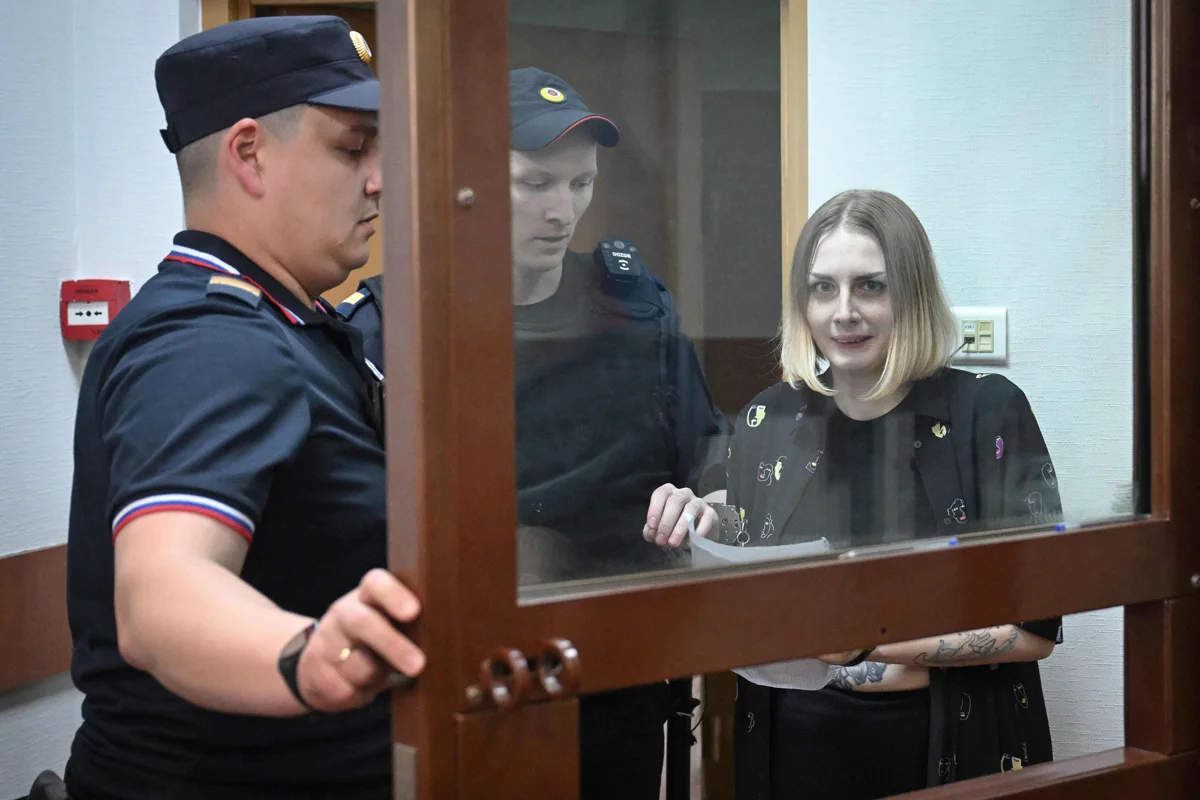
Anna almost does not leave the house for many years: in 2016, against the backdrop of panic attacks in the subway, she developed agorathobia-the fear of the accumulation of people. Due to the complexity of life in four walls, depression began. The blogger constantly takes antidepressants, antipsychotics and normotimics that the psychiatrist appointed.
A week after the chief physician of the "printers" handed over inquiries and recipes from a psychiatrist, Anna was allowed to receive tablets.
However, the FSINS psychiatrists have the right to adjust the treatment or completely cancel the doctor’s prescription from the will. The situation occurred in the fall of 2024, when Bazhutov was transported to a pre-trial detention center-5 of Perm. During the stage, the prisoners were given out convoys. The psychiatrist of the Perm insulator adheres to its own view of the treatment of mental disorders:
- He decided that this treatment is not suitable, that she is engaged in punitive psychiatry. And abruptly canceled all the drugs, changed them to a diuretic, ”says Alexander Demchuk.
First, Bazhutov covered the abolition syndrome. Apathy began, she did not get out of bed. When I called Sasha, he heard in his voice how his bride was bad. Together with a sadvocate, they made a lawsuit against a psychiatrist because of his unlawful actions. “After that, he became silk, immediately returned all the drugs,” Alexander describes the effectiveness of official complaints. But Anna was left without drugs for three to four weeks.
Apathy was replaced by increased emotionality. In January of this year, the SIZO-5 administration wrote to Anna for three episodes of sleep within seven minutes (although it is not prohibited to sleep and lie after lifting on a seasoned bed). In response, the girl broke her head on the corner of the sink to the blood. Demchuk says that Ani had not had so sharp reactions for a long time. There was no one nearby who would reassure her. As a result, the same psychiatrist helped that previously replaced her therapy with a diuretic.
Anya was surprisingly well assimilated in prison life, says Sasha. She did not even need the help of a psychotherapist from the will. It supports not only drug therapy, but also concern for cellmates. One of them Bazhutov helps to cope with suicidal moods. The streamer also had such thoughts, but now she feels better:
- We discussed her whether she wants to kill herself in prison or not. She says: I want to live as ever before.
Because Anya knows what will come out, she sees the goal, ”says her groom.
At the same time, Demchuk does not exclude that reality is not so optimistic, just Anya does not tell him the whole truth: “He says that he is holding, but as if actually not really. A couple of times in conversations, it slipped that she was pretending. ”
The problem with agorathobia remained. Bazhutova almost did not go outside alone, but before the arrest she learned to ride a taxi and re -mastering public transport. In conclusion, progress came to naught: it leaves from the insulator building only under the escort. Demchuk says that if Anya is released now, she will not leave until a close person arrives behind her.
Recently, Anna began to reduce the dosages of her drugs. She fears that the dependence on them will cause pressure and blackmail from the employees of the IK-5 of the city of Vyshny Volochok of the Tver region. She was brought there in mid -April. The tablets from the insulator was not allowed to pick up. Demchuk does not exclude problems with the availability of medicines in the colony and fears that his bride’s condition will deteriorate. In her last word, Anna admitted that in almost a year in a pre -trial detention center she had no moral strength and she "is very afraid of the zone."
Help in uniform
Access to psychological assistance among Russian prisoners appeared in the late 1980s. Since 1992, psychological laboratories opened in the colonies. FSINS psychologists and psychiatrists are engaged in therapy, that is, people in uniform. Such experts, first of all, should pay attention to the adaptation and correction of prisoners, which means that their assistance is addressed to healthy, and not people with psyche disorders. A key role in the formation of approaches to work with prisoners is played by the Research Institute at the FSIN. Its experts create manuals for prison psychologists, and also process reports on their activities.
About 3,500 psychologists are involved in the Russian penitentiary system - usually one, a maximum of three in each institution. At the same time, the number of prisoners in one colony or investigative insulator can reach thousands of people plus employees with whom psychologists are also required to interact. The Federal Penitentiary Service regularly reports on the “successes” achieved in the work to maintain the mental health of the Zekov: there are lectures on how to raise self -esteem and classes to know your own “I”. The largest (and also almost always unsuccessful) part of the work of internal specialists is aimed at preventing the burnout of the FSINESS themselves. Against the background of chronic personnel hunger, there are no need to talk about real psychological assistance to the Sideltsa.
As for full -time psychiatrists, they can diagnose, as well as confirm or refute the existing one. However, the court will still trust the diagnosis made as part of a criminal case with a forensic psychiatric examination, says Anna Karenikova, lawyer, member of the Council of the Memorial human rights center and former lead analyst in Moscow. Diagnosis and treatment of defendants and convicts are engaged in psychiatric hospitals.
More and more often, within the framework of punitive psychiatry, diagnoses are made to healthy people only because of their anti-war position and sent for unlimited treatment.
So did this with Victoria Petrova and Alexander Gabyshev , who was kept in the medical institution for almost three years.
Psychiatrists in the field can give a tablet, and then if you often complain, Karetnikova says. Then they will give valerian or motherwort. If the prisoner has certificates from a psychiatrist from will, the chance to get something more seriously than valerian is increasing. But in this case, the drugs are issued in accordance with the purpose, and it is forbidden to store them in the chamber. Employees are afraid of prescription medicines because the convict can accumulate them and try to commit suicide. Therefore, it is extremely difficult to achieve such tablets from will. To do this, the prisoner has to constantly write applications for an appointment with a psychiatrist and convince him of the need for these drugs. If it turns out, the doctor will put the prisoner on a preventive accounting and give an appointment. The prisoner will transfer it to loved ones, they will buy drugs and pass them to a pre -trial detention center or colony. The process can take more than one month, and all this time a person will be without treatment.
- In captivity there is no term “mental disorder”. There you are either crazy or not crazy. And you are crazy if you are concerned with employees or cellmates. If you make noise, fight, scream, quarrel, do not take care of yourself, then most likely you are a psycho. But in prison, a healthy person can go crazy. No one must be strong, no one must be mentally healthy in such a situation, ”says Anna Karetnikova.
Psychologists in uniform quickly disappointed in their work and do not see the point in it, because more than 60% of the freed are returning to the colony. And the employees burn out and become indifferent to the problems of prisoners.
On an ongoing basis, specialists who do not obey the FSIN are not allowed into closed institutions. Therefore, there are practically no non -profit organizations that would take care of the emotional health of prisoners. The Foundation “Extend” holds group sessions in educational and colonies of Tomsk , Bryansk , Azov and other cities. The main area of activity is assistance on the eve of liberation with adaptation in the wild.
Some prisoners agree to communicate with a penitentiary psychologist only for their own benefit. Including, the possibility of parole depends on its characteristics. Few people count on the real help of a psychologist, since there is no talk of confidentiality: everything you tell you can be used against you. In this opinion, all the interlocutors of Novo-Kazakhstan are unanimous.
"In jail, everything is flooded with blood"
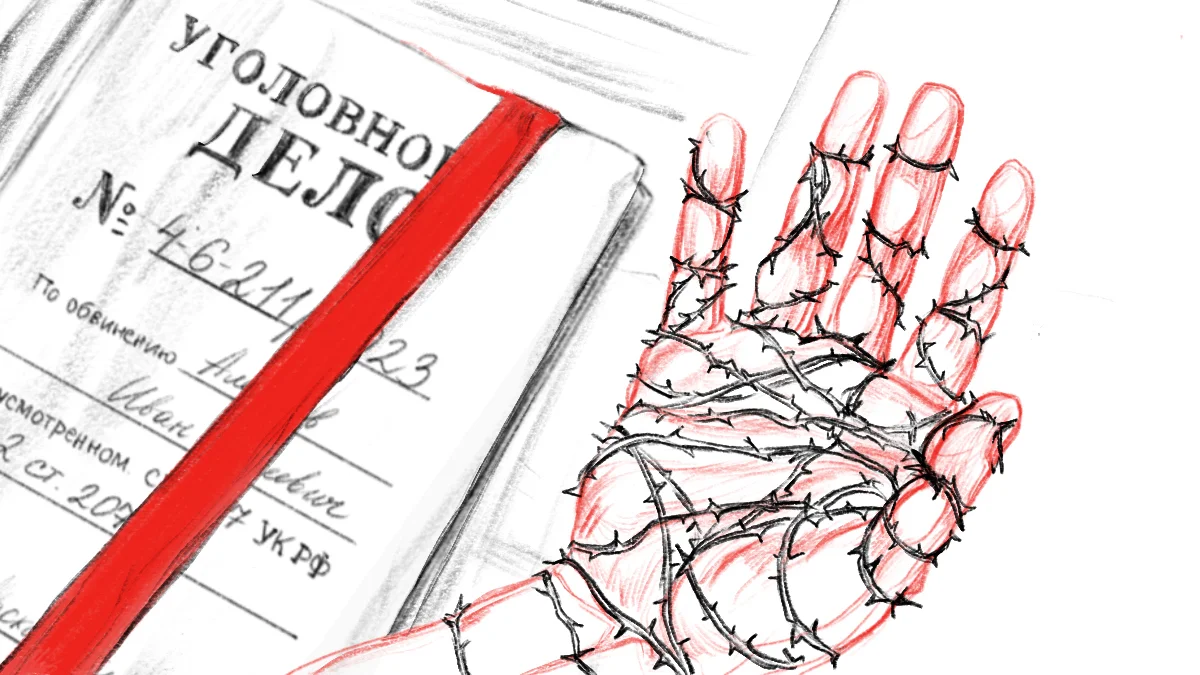
Psychologists test everyone who arrived in the colony and observe them on quarantine. This is done with one purpose: to identify a tendency to “destructive behavior”, that is, to suicide and self -confusion (in the penitentiary system this is called acquaintance). Having discovered cuts in his hands, the prisoner is immediately put on preventive accounting, and glue the red strip on the folder with business.
If the prisoner prone to the self-horn then does something with him, then there will be nothing to be a careful psychologist for it. If the specialist missed the “psycho”, he can be held accountable, up to the criminal. Dead prisoners spoil the statistics of a correctional institution and are associated with no one needs paper work.
“You won’t surprise anyone in prison,” says Karetnikova. - Sometimes there are serious reasons for this. Sometimes a person can cut his hands or belly, just if the operative slowly brings him a cigarette. In jail, everything is flooded with blood, you walk on the floor and do not pay attention.
To share with your doctor in uniform with your problems and suffering is pointless:
- If the FSINOVSKY Psychiatrist says: “Doctor, I have a mental illness, I have depression,” he simply will not understand and send it back to the camera. Depression is not considered a significant diagnosis at all until it is confirmed by the fact that you want to die. Therefore, there are so many radical actions. Someone announces a hunger strike, someone cuts himself-to show that he is at the limit, ”the lawyer explains.
Cases of suicide attempts (including completed) in the colonies of the year are preserved at about the same level. In 2019, 274 prisoners committed suicide, in 2021 there were 252 of them. In 2023, the FSIN hid almost all the data on the prisoners, including the figures on mortality and incidence. We know only about certain cases. Last July, the pianist Pavel Kushnir died as a result of a dry hunger strike in the Birobidzhan pre-trial detention center, where he was due to anti-war videos. At the end of last year, Andrei Kotov committed suicide in the Moscow pre -trial detention center, previously accused of conducting “tours for gays”. In November 2023, the Ukrainian, the Ukrainian, prisoned by the most terrible female IK-2 in Mordoviamaria, spoke about her attempt to open the veins after the administration was beaten by her. She was not called an ambulance. “They just said:“ You will die here, ”Maria said to the human rights project“ Women's Slava ”.
For a long time, the rights of prisoners, to which punitive psychiatry applied, defended the independent psychiatric association of Russia. Almost a year ago, her executive director Lyubov Vinogradova died . Nobody could replace it and the organization almost does not work, they answered Novo-Kazakhstan in the association.
Political prisoner Maria Ponomarenko tried to commit suicide due to constant bullying by the administration of the Barnaul pre-trial detention center. In March 2025, she complained that she was on the verge of suicide, and on April 17 she declared a hunger strike because of an inhuman relationship.
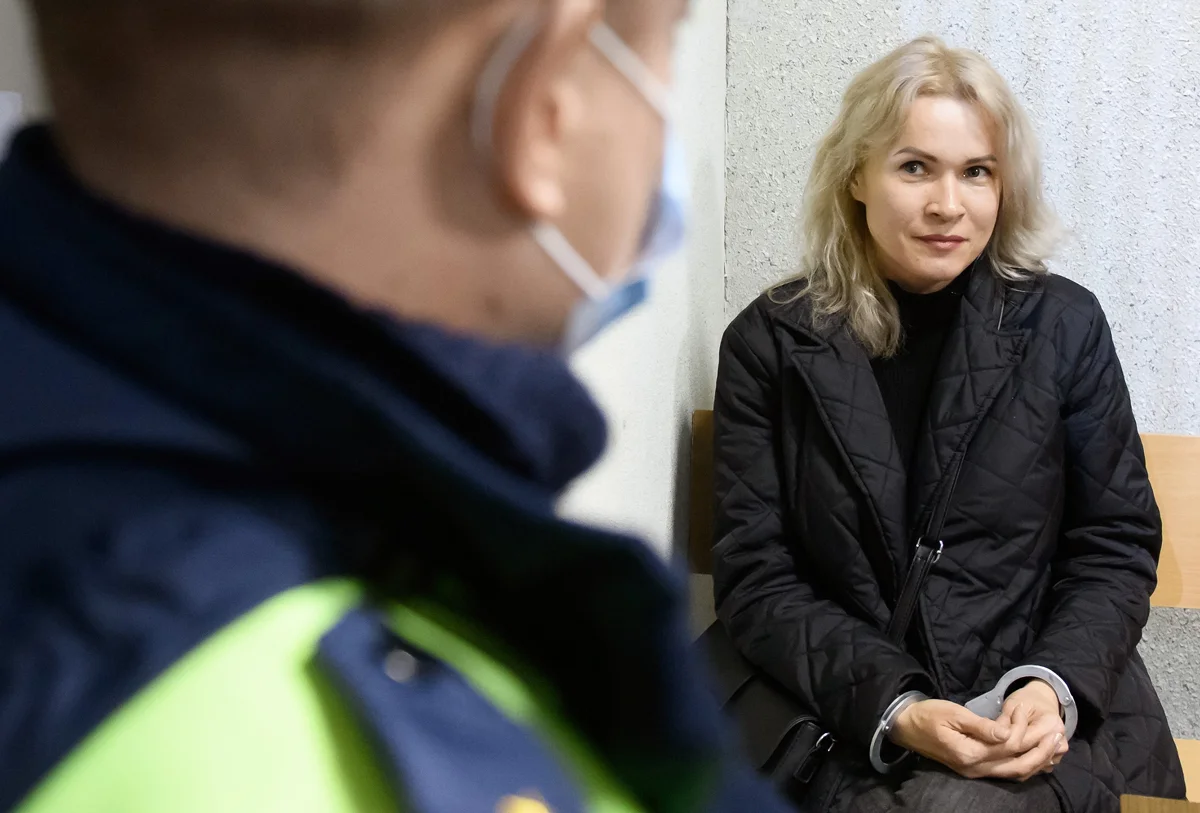
In the summer of 2022, during the preliminary investigation in the criminal case of the spread of military “fakes”, the journalist diagnosed “hysterical personality disorder” (the outdated name of a dissociation). Despite the fact that she receives drugs to reduce symptoms, over the years of conclusion (at the beginning of 2023, the court appointed her six years of colony) Maria's condition worsened. The lawyer Ponomarenko, Dmitry Shitov told about this in his telegram channel:
- In the first examination, doctors [Altai Regional Clinical Psychiatric Hospital named after Yu. K. Erdman in Barnaul] write that with a hysterical disorder, Maria is able to control and realize the consequences of her actions. The second examination after a year and a half, at the end of 2023, showed that Maria is not quite able to realize and control herself. But where was she all this time? Inside the FSIN system. Did her mental health become worse? It became.
The so -called hysterical disorder caused a conflict with a convoy, which by force brought Maria to an optional disciplinary commission. The situation provoked her acute manifestation of the disease: Ponomarenko cried, resisted, and eventually completely lost control of herself and stepped barefoot on the feet of two FSINESS.
- Maria explained this to a state of nervous breakdown. This is not a fiction of protection. The Clinic Clinic Commission of Erdman's clinic found that indeed, at the time of the manifestation of an acute hysterical disorder, Ponomarenko did not fully realize the consequences of her actions, could not fully manage them, ”Shitov explained .
The journalist was convicted under the article on harmless harm to health (part 2 of article 321 of the Criminal Code of the Russian Federation) and sentenced to 1 year and 10 months. Given the deadline in a pre -trial detention center (day and a half), the new sentence will lengthen the time of the conclusion of Maria Ponomarenko for about one month.
In connection with the aggravation of the disease, Maria was prescribed forced outpatient treatment, which she is obliged to undergo after the release, three years later. Dmitry Shitov considers this approach to inhuman and focuses on the fact that they will not treat it inside the FSIN system. You can only raise the question of getting a free doctor to her on a regular basis. The lawyer discussed this opportunity with the client, but so far this issue is not a priority and it is extremely difficult to find a psychiatrist in Barnaul.
Doctors from the will
Bring a doctor from the will is the only way to gain access to high -quality psychotherapy in conclusion. According to the Rules for Assistance to Prisoners, the medical organization must send a doctor to a prison institution within three days from the date of receipt of the request. In practice, prisoners are waiting for support for months, many do not receive it.
Самое сложное — добиться разрешения следователя (в СИЗО) или сотрудников ФСИН (в колониях и тюрьмах). Чтобы экс-депутата Алексея Горинова госпитализировали, понадобилось открытое письмо Владимиру Путину, под которым подписались три сотни врачей. Аналогичное письмо не помогло Алексею Навальному: вместо того чтобы лечить, его убили в колонии. Долгое время в проведении операции отказывали Игорю Барышникову .
У Софьи Субботиной,девушки бывшей узницы Кремля и психоактивистики с биполярным расстройством Саши Скочиленко, на получение разрешения ушло около трех-четырех месяцев. Всё это время сотрудники «Арсеналки» находили предлоги для отказа. Помогли жалобы на СИЗО, которые писала группа поддержки Скочиленко. Художницу осудили на 7 лет по «фейковой» статье (п. «д» ч. 2 ст. 207.3 УК РФ) за замену пяти ценников в магазине «Перекресток» в Петербурге на листовки с информацией о погибших мирных жителях при бомбежке драмтеатра в Мариуполе. 1 августа 2024 года ее освободили в рамках обмена заключенными.

Субботина рассказала «Новой-Казахстан», какого врача должны пропустить к пациенту за решеткой. Это может быть медик из государственного или частного учреждения, обязательное условие — официальный трудовой договор. Софья долго искала клинику, которая бы оформила визит врача в «Арсеналку». Согласился только
Антон Костин, психиатр и главврач Open Mind Clinic. Его консультация в клиникестоит 11 тысяч рублей. К Саше он приезжал бесплатно:
— Вызов частного психиатра на дом или, как в нашем случае, в тюрьму — это всегда очень дорогая история. За первый прием мы заплатили по-настоящему много. Но когда врач посетил Сашу и узнал ее историю, он больше не брал с нас денег, — говорит Субботина.
К Скочиленко регулярно приходили два врача. Костин навещал художницу раз в несколько месяцев: к нему обращались, когда она чувствовала себя плохо и была необходимость подкорректировать медикаментозную терапию. Каждую неделю приезжал психотерапевт, который работает с Сашей уже много лет. Когда он узнал о случившемся, тоже отказался от оплаты.
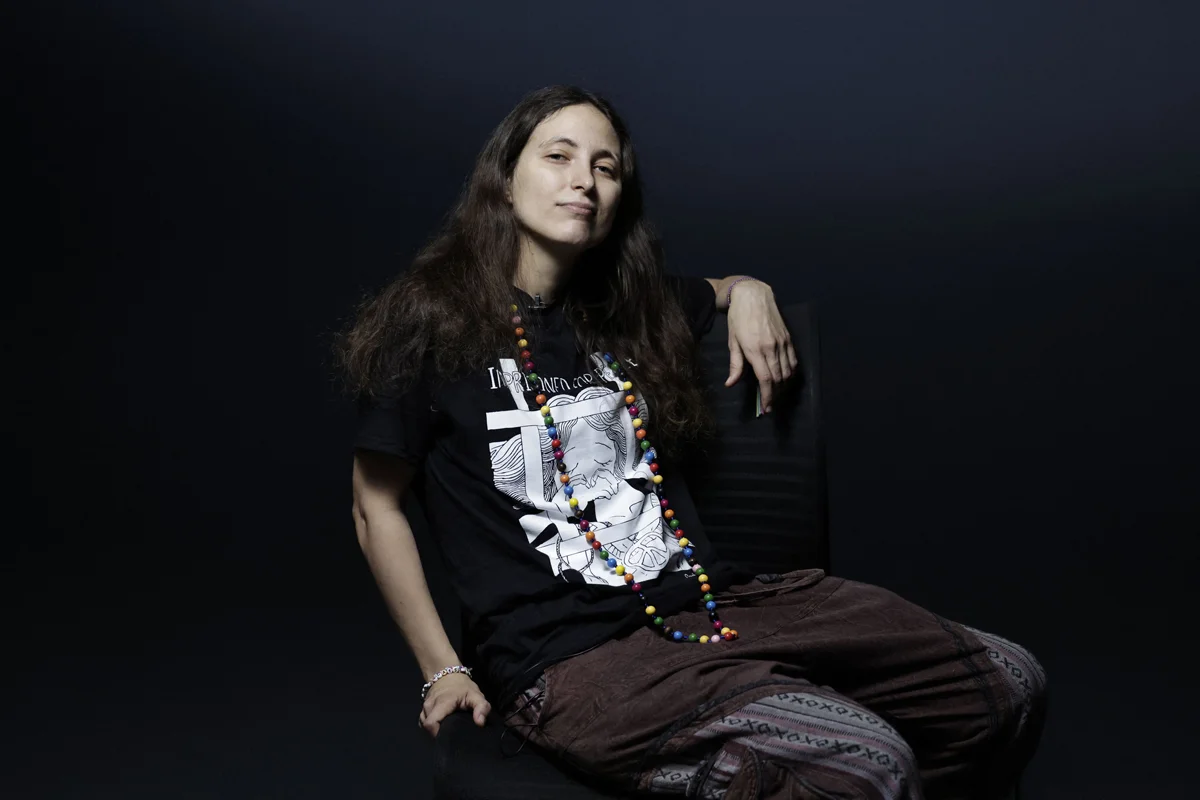
Необходимость в гражданских врачах появилась из-за того, что в изоляторе Скочиленко не предоставляли помощь. Психиатра «Арсеналки» Саша считает чудовищным человеком и садисткой:
— Она называет пациентов психами. А если человек ей говорил, у него панические атаки, она отвечала: «Панические атаки — это когда забираешься под стол и ссышь под себя». Когда я с ней встретилась, первое, что она мне сказала: «Наша основная задача понять, почему вы это сделали».
Помочь мне у них задачи не было. Общаться с таким психиатром нельзя, потому что он работает на мусоров,
— вспоминает Саша и добавляет, что на первых сеансах с ее врачом присутствовал сотрудник изолятора и «грел ушки», но потом ему надоело слушать о переживаниях девушки.
Эта же психиатр не хотела выписывать Скочиленко таблетки, которые назначил ее доктор. Из медикаментов в «Арсенале» только так называемый, витамин А (советский нейролептик аминазин) и витамин Г (галоперидол, одно из первых лекарств для лечения шизофрении). Благодаря усилиям группы поддержки Скочиленко стали выдавать ее препараты. Они были очень кстати: осенью 2022-го у Саши началась депрессивная фаза биполярного расстройства и развился посттравматический синдром. Этот период она вспоминает как самый страшный и тяжелый в заключении.
Скочиленко уверена: людей с психическими диагнозами в российской пенитенциарной системе дискриминируют. Причем делают это как сотрудники, так и другие сидельцы. Первые отказывают в лечении, вторые создают невыносимые условия в камере:
— Люди с ментальными особенностями часто становятся козлами отпущения и мишенью агрессивных женщин, — рассказывает Скочиленко. — Особенно если человек не в силах защитить свои границы, потому что он в состоянии сильной депрессии, лежит на кровати, плачет целыми днями, отказывается вставать на проверку или идти мыться. Их называют неадекватными, психованными — это самые большие ругательства в тюрьме. Насилие над «неадекватной» женщиной — и есть отношение к человеку с диагнозом.
Женщину, которая слышит голоса или что-то видит, сокамерницы будут коллективно травить и жаловаться на нее [администрации]. А она не может ответить либо к ее жалобам никто не прислушивается.
Благодаря терапии, говорит Саша, она прожила в тюрьме «нормально, иногда хорошо»:
— Меня спрашивают, откуда в тебе такая сила? Почему ты на судах улыбалась? Всё просто: у меня есть терапевтическая схема, которая мне помогает. Был такой момент: я лежу [в камере] и мне радостно просто от того, что мне тепло, у меня ничего не болит, я дышу. Я научилась радоваться тому, как ползали муравьи во дворе. Даже самые маленькие радости важны.
Страшный опыт заключения дает о себе знать и сейчас, спустя девять месяцев после освобождения. Скочиленко страдает от клаустрофобии, панических атак, нулевой стрессоустойчивости и ночных кошмаров:
— [Во сне] я видела кровь, расчлененку, убитых животных. За мной гнались. Я оказывалась голой на сцене, я писала контрольную по математике, к которой не готова. Мне снилось, как следователи топят меня в тазу или как меня выталкивают из самолета без парашюта. Из-за этого я не хочу ложиться спать и не высыпаюсь.
Иногда Саша хочет исчезнуть. Она выходит гулять и говорит себе: «Сегодня хороший день для того, чтобы заблудиться в лесу». Но всегда возвращается из леса. Она продолжает терапию и с большим оптимизмом смотрит в будущее, зная, чтосможет всё преодолеть. «Теперь я понимаю, что человеческая психика способна на огромные чудеса», — говорит Скочиленко.
«Пока он за решеткой, лучше ему не станет»
Даже при активных действиях родных и защитников визит вольного специалиста не всегда возможен: окончательное слово — за администрацией. До ареста поэту и инженеру-конструктору 34-летнему Артёму Камардину диагностировали тревожное расстройство личности. Он принимал антидепрессанты и транквилизаторы, которые стабилизировали его состояние.

В конце 2023 года Камардина приговорили к семи годам колонии общего режима по двум статьям: о возбуждении ненависти (ч. 2 ст. 282 УК РФ) и о публичных призывах к действиям против безопасности государства (ч. 3 ст. 280.4 УК РФ). Это самый большой срок среди трех фигурантов «Маяковского дела». Поводом для преследования стало стихотворение Камардина «Убей меня, ополченец», которое он декламировал 25 сентября 2022 года в центре Москвы на «Маяковских чтениях», посвященных мобилизации. Следствие считает, что этим стихотворением парень возбудил ненависть к «участникам военных действий в ЛНР и ДНР». На следующий день силовики пришли домой к Артёму и его будущей жене Александре Поповой. Над девушкой издевались и применяли физическую силу. Камардина избили, а также подвергли сексуализированному насилию с применением гантели.
Пострадавшим от пыток необходима психологическая поддержка. Вместо мягкого кресла в кабинете психолога Камардин оказался на нарах. Попова приносила администрации назначения от врача, но противотревожные препараты не выдавали. Привезти независимого доктора в московское СИЗО «Бутырка» невозможно, поскольку там есть свое больничное отделение. В ноябре того же года Камардина вывезли на психиатрическое освидетельствование в НМИЦПН им. В. П. Сербского. Месяц он провел в одной палате с обвиняемыми в убийстве, в отделении для подследственных, которое входит в структуру ФСИН.
— Все врачи, которые там работают, выполняют приказы, как и все остальные сотрудники этой службы. Если есть необходимость поставить определенный диагноз или признать человека невменяемым, они это сделают, — говорит жена поэта.
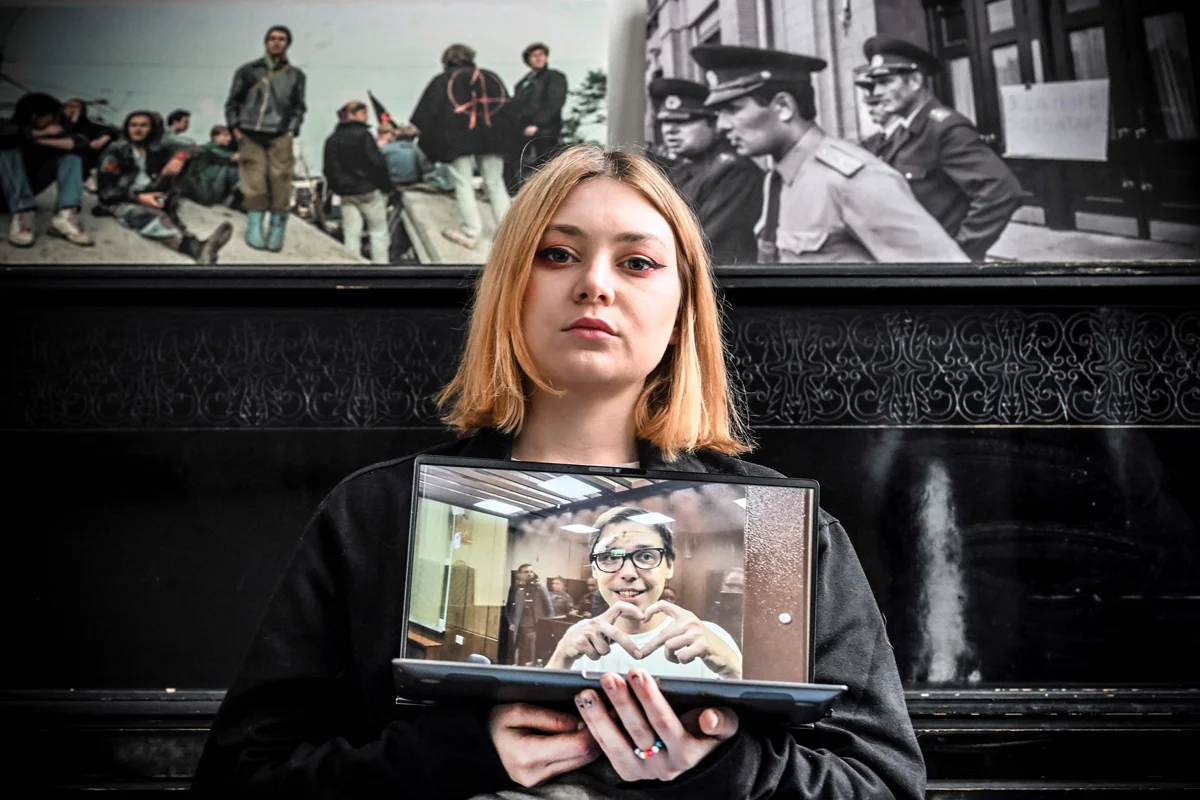
В институте Сербского москвичу вместо тревожного расстройства диагностировали смешанное расстройство личности (то есть признаки сразу нескольких расстройств, без преобладания одного из них) и назначили непривычный для него антидепрессант — амитриптилин. От него состояние Артёма ухудшилось и он отказался его принимать.
В декабре 2024 года Камардина доставили в ИК-2 в городе Покров Владимирской области (там же отбывали срок политзаключенные Алексей Навальный, Алексей Горинов и Константин Котов). Помимо ментальных проблем, Артёма мучают боли в спине и ногах, а также мигрени. В доступе невролога, как и психиатра с воли, ему отказали. Единственное лечение — выдавали обезболивающее. Отказ в медпомощи Саша Попова связывает с тем, что колония находится в стадии ликвидации и администрации было «плевать на всех».
По неизвестным причинам покровскую колонию должны закрыть в течение 2025 года. Сидельцев распределяют по другим исправительным учреждениям этого региона. В конце марта Камардина этапировали в ИК-4 города Вязники. Александра продолжит добиваться, чтобы к мужу пустили врачей и передавали антидепрессанты. Получится или нет, она не знает.
В неволе состояние Артёма сильно ухудшилось. У него паранойя, тремор, нервные тики — весь букет того, что связано с тревожным расстройством, перечисляет Попова. К этому списку добавились признаки ПТСР и «жуткой депрессии». На ментальное состояние Камардина влияет не только отсутствие медикаментов и ухудшение физического здоровья, но и само лишение свободы:
— Он мне говорил, что отчаянно нуждается в психотерапии и медикаментах. Настолько ему тяжело всё это переваривать, настолько тяжело жить. Ему плохо и с этим пока ничего не сделать. Тёма говорит, что с таблетками было бы чуть проще переносить весь этот трэш, глушить тревожность. Но даже прием медикаментов сейчас глобально не улучшил бы его состояние. Пока он за решеткой, ему будет становиться только хуже: как физически, так и эмоционально.
Камардину осталось сидеть еще почти четыре года. Он боится, что последствия заключения нанесут непоправимый вред как его телу, так и психике.
Добиться посещения вольного врача сложно даже для политических узников с медийной поддержкой. У обычных заключенных такой привилегии просто нет. Адвокат по назначению не будет заниматься этим сложным процессом. А денег на платного юриста, как и на врача, нет. Кроме того, арестант сам должен осознать, что нуждается в помощи психолога или психотерапевта:
— Я не знаю ни одной истории, когда [заключенная] женщина бы вообще задумалась об этом. Это очень длинная цепочка, которая делает нереальным право любого заключенного воспользоваться вольным психологом в тюрьме. Задача выглядит просто нерешаемой, — говорит основательница проекта помощи женщинам в заключении «Женский срок» Саша Граф.
Психологи лучше митингов
Изменить несовершенную и опасную для жизни систему поможет только реформа федеральной службы исполнения наказаний. В провале одной из таких попыток первый заместитель директора ФСИН Эдуард Петрухин признался 13 лет назад. С тех пор система продолжает деградировать.
В феврале 2025 года Минздрав подготовил проект приказа, который может еще больше ограничить доступ заключенных к гражданской медицине. Сроки приезда врача в колонию растянутся до бесконечности и, не дождавшись помощи, человек может умереть. «Предлагаемые поправки — это прямое нарушение гарантированных государством прав граждан», — не сомневается адвокат Владислав Лапинский.
Профессиональная и своевременная психиатрическая помощь в заключении снизит количество попыток суицида и завершенных самоубийств, подводит итог юрист Анна Каретникова. Саша Скочиленко тоже уверена, что спасти ментальное здоровье политзаключенных могут только специалисты с воли:
— Они помогут заключенным больше всех митингов и петиций. Это безумно важно, потому что иначе будут сухие голодовки со смертями, попытки суицидов, так называемые нервные срывы. Психотерапия и психотерапевт предотвратят смерть политзаключенных в тюрьмах.
Ирина Новик , специально для «Новой-Казахстан»