
Translated material
"We again seem to be in 1939"
How Poland builds the strongest army in the EU and whether the Poles will go to protect the country in the event of Russian aggression. Report from Warsaw and Border Guardia with Belarus of the Polish Gainovka
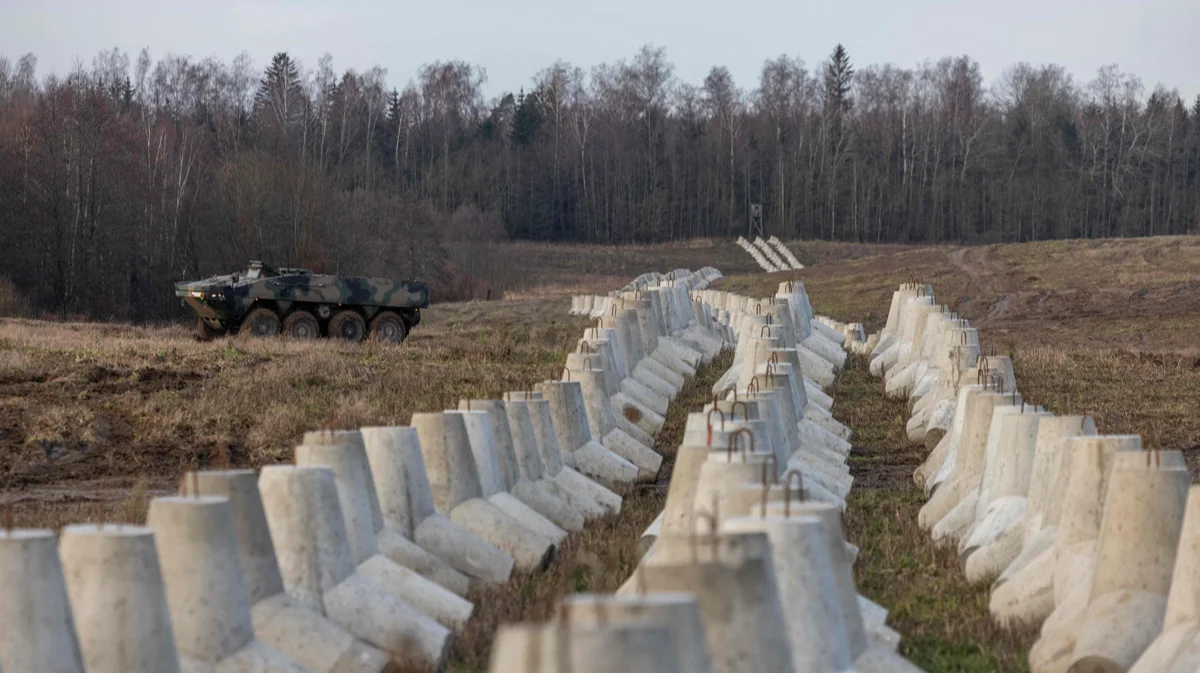
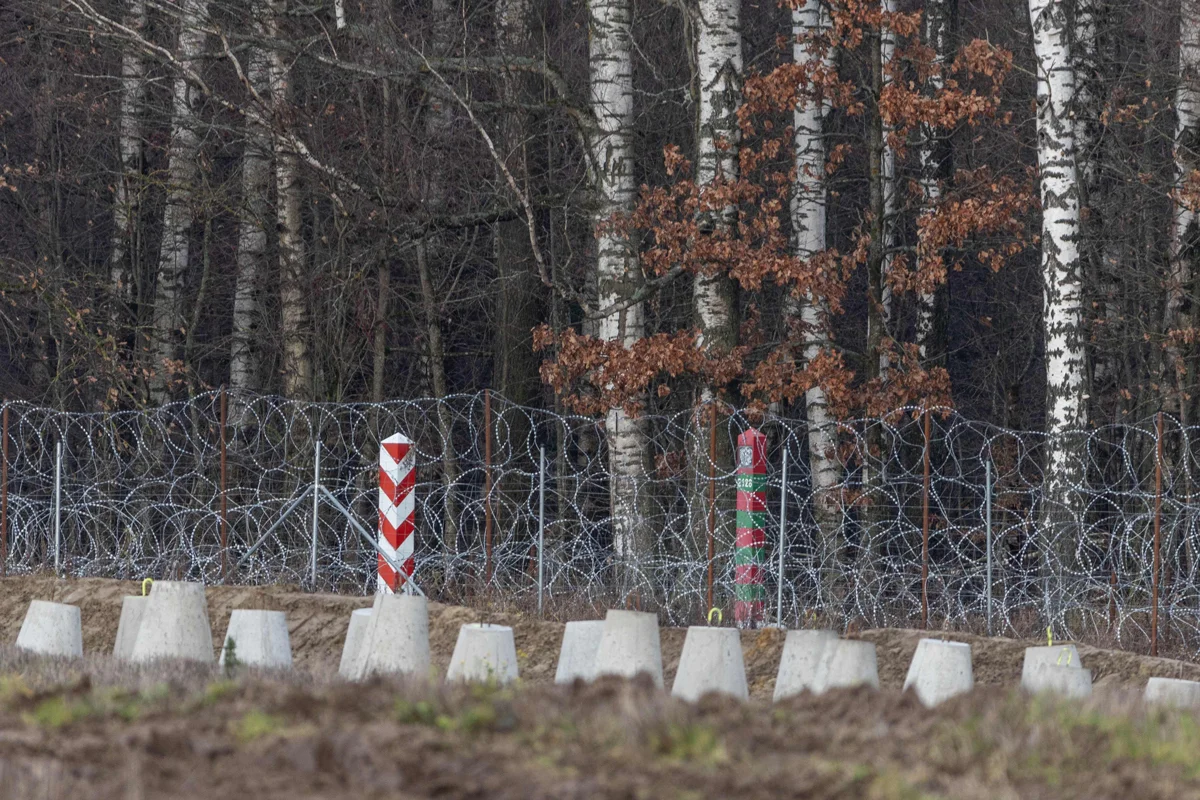
The armored personnel carrier stands next to concrete anti-tank barriers on the Polish-Russian border near Dabrovka, Poland, November 30, 2024. Photo: Wojtek Radwanski / AFP / Scanpix / Leta
According to the Poles, the feeling of a Russian threat is in their blood. Therefore, after a full -scale invasion of Russia in Ukraine in the country, they seriously thought that sooner or later the Russian army could start a war on their territory. And they decided to arm themselves.
Over the past three years, Poland has become a leader among NATO countries on defense expenses, reaching an indicator equal to almost 5% of GDP. In addition, Poland has the third largest army in the North Atlantic Alliance (after the United States and Turkey). The plans - by 2027 to double the number of military. However, despite the impressive scale of the money spent, this is still incomparable with Russian. A particularly painful question is the number of the army. In Poland, already more than 20 years ago, several generations of people have grown up to the EU, for whom the values of the world and human life are more important than protecting the territory. Whether the Polish state and society are ready for a potential war with Russia-in the report of the Novo-Europe correspondent, Yulia Akhmedova.
Eastern Front
In the small city of Gaynovka, not far from the Belarusian border, nothing reminds of the large -scale militarization of Poland, which official authorities are talking about in recent years. The city, often called the “gates to Belovezhskaya Pushch,” - it is there that the territory of the famous reserve begins - as if sleeping, slowly covered with April, which is doubly cold snow.
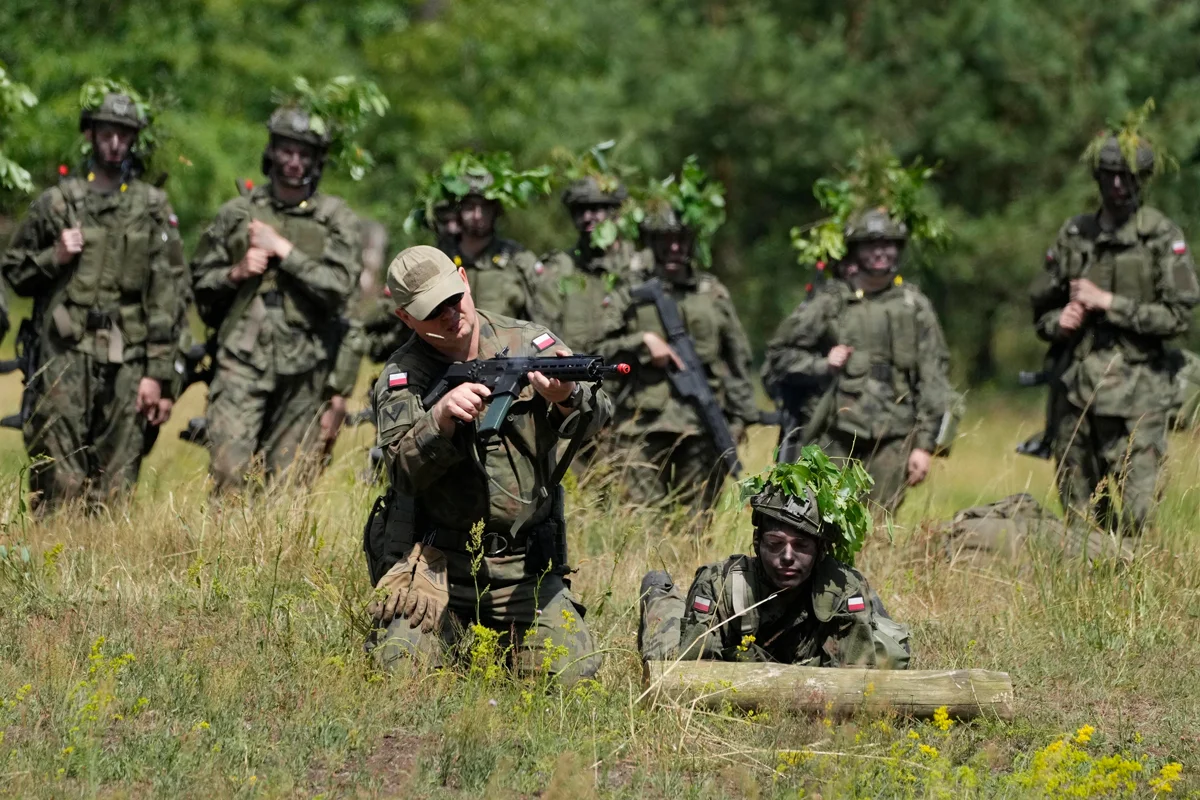
At the entrance to the city administration of Gainovka, a set of a set into a territorial defense is deployed. This kind of troops appeared in Poland back in 2017 to prepare reservists without interruption from their main place of work, since the obligatory fees of fighters take place only on weekends once a month.
Two people in shape - a man and a woman - with a bored look sit at a table, which laid out many training manuals in military service. The woman looks at the phone, the man periodically answers the questions of the administration. Those who want to sign up in Teroboron passes through them clearly.
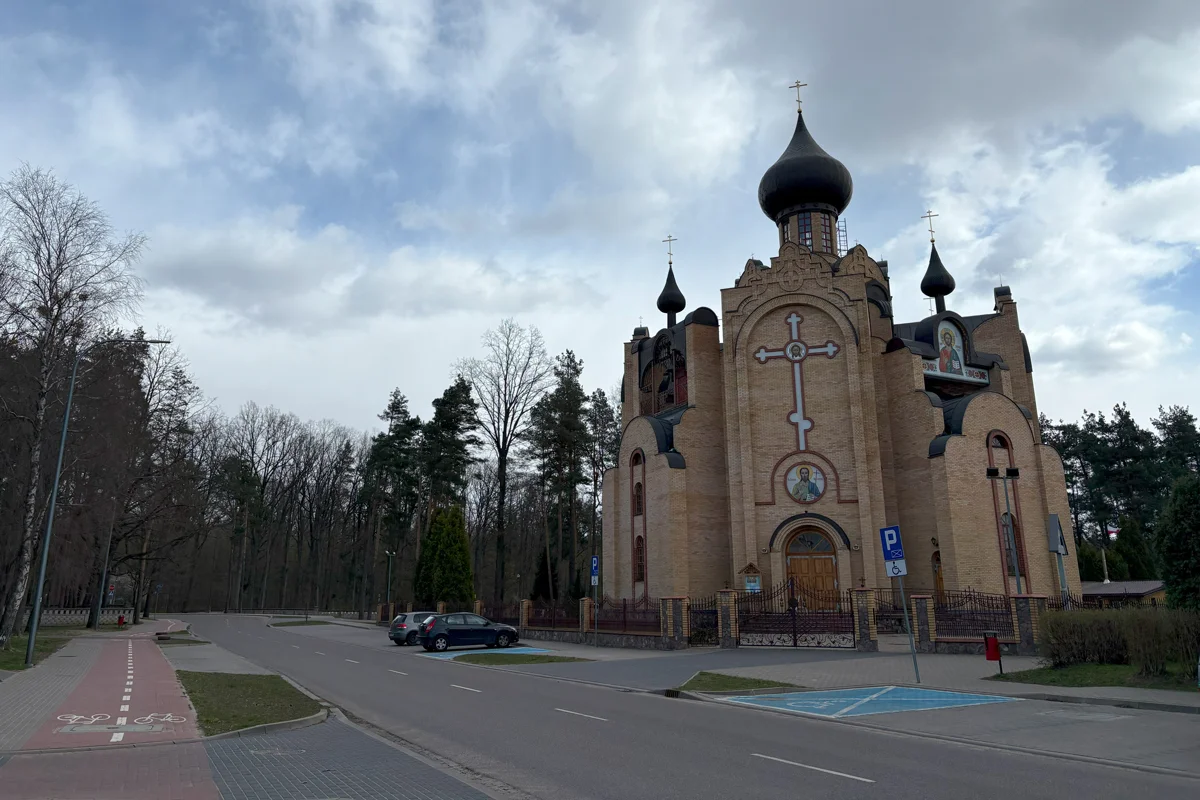
In Gainovka, many speak in Belarusian, Russian or a mixture of these languages with Polish, as is often the case in settlements located on the border of different states. There is even a center of Belarusian culture and a lyceum, where Belarusian is taught as a language of national minority. And the protest white-red-white flag is adjacent to the official white-red Polish.
Observing the unhurried life of the border Gainovka, where even on Thursday, only bells of churches are violated by silence in the afternoon, it is difficult to imagine that the “ largest operation since 1945” to strengthen the eastern line of Poland is not far away.
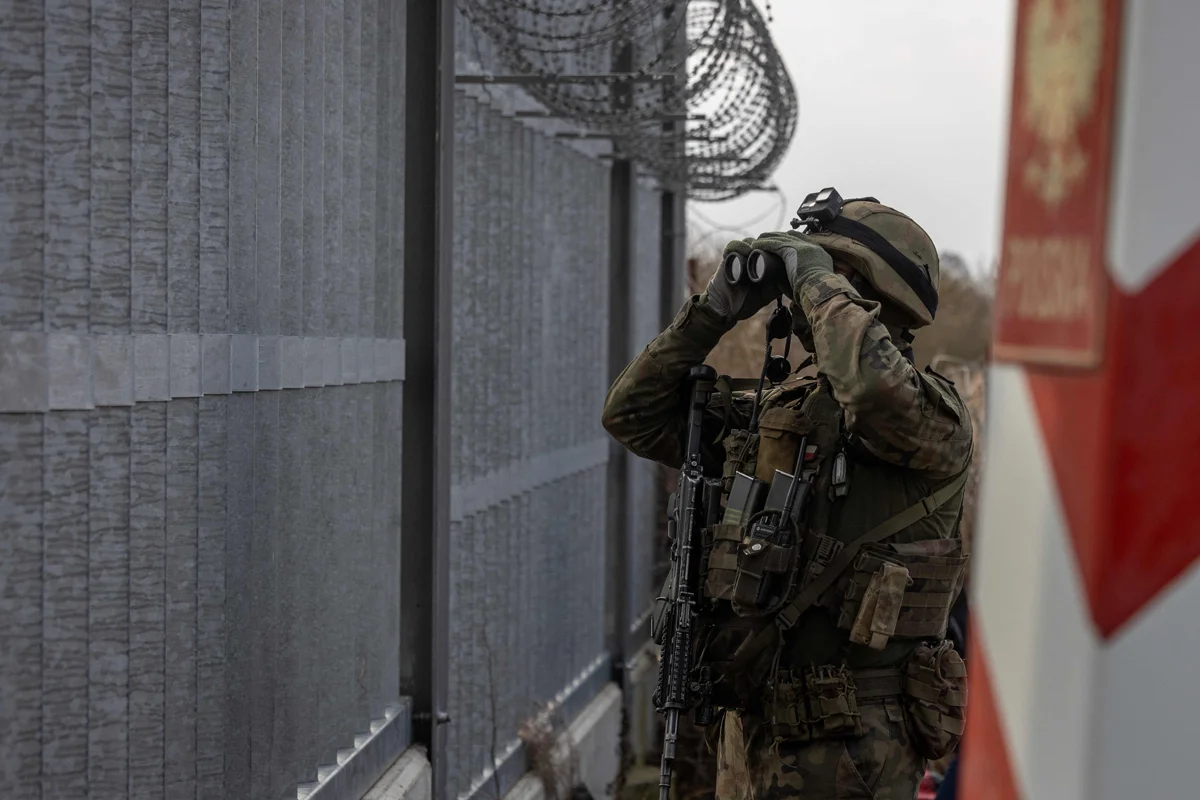
There, along the border with Belarus and the Kaliningrad region, the long rows of anti -tank reinforced -concrete hedgehogs are placed, bunkers and shelters are built, and radar systems and balloons are installed. The territory is marked with signs with inscriptions, including in Russian: "The military zone, the entrance is prohibited."
The construction project of the Vostochny Brother Strike system costing $ 2.55 billion is planned to be completed until 2028. In addition, Poland and the Baltic countries announced the withdrawal from the Ottavsky Treaty prohibiting the use of anti -personnel mines.
“With this decision, we send a clear signal: our countries are ready and can use all the necessary measures to protect our territory and freedom,” the statement of the defense ministers of the four countries said.
According to the forecasts of European experts and politicians, after the end of the war in Ukraine, Russia may need from three to eight years to recover and attack again - already on the EU. The Baltic countries and Poland, which have, with Russia, in addition to the common border, also painful historical experience, were the first to respond to a possible threat.
More weapons
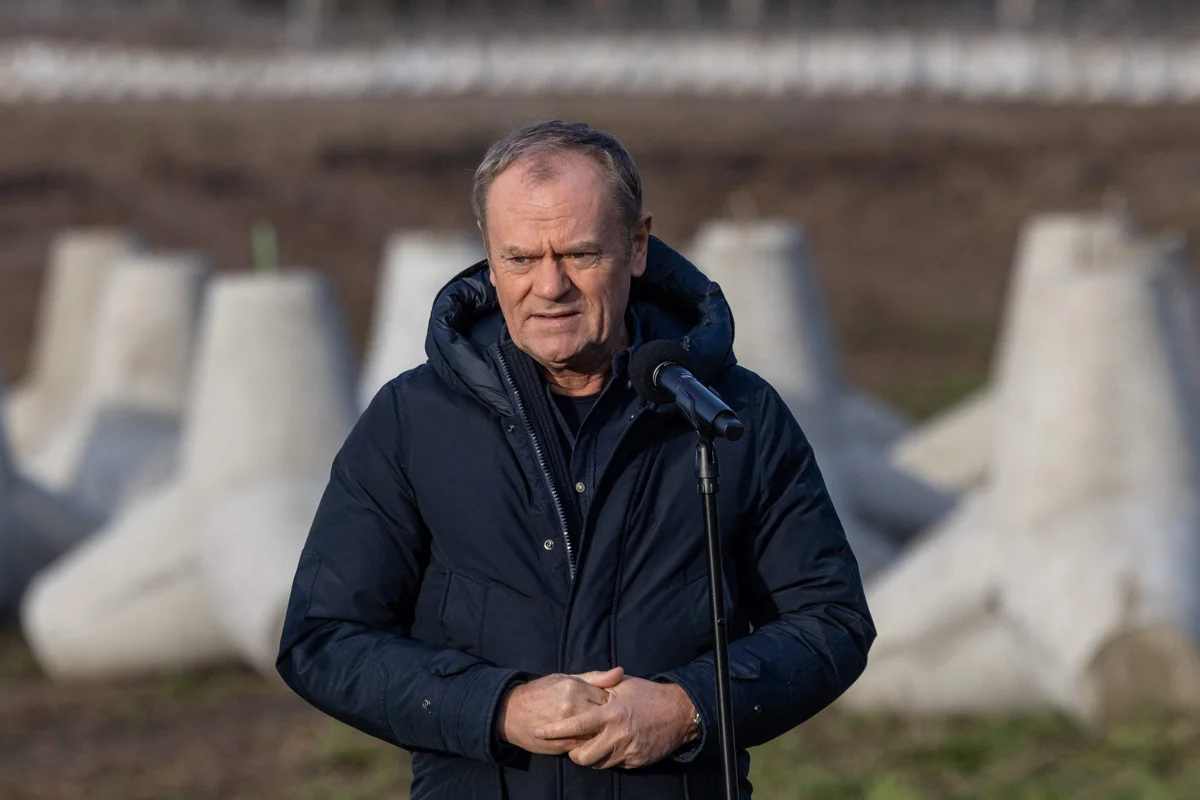
Polish Prime Minister Donald Tusk openly says that Europe lives in “pre-war time”, so you need to actively arm yourself and invest more funds in defense. Poland is the only EU countries who spend almost 5% of their GDP on these needs. It is to this indicator that Donald Trump calls the alliance members, although 3%look more realistic, which they are preparing to discuss at the next NATO summit. However, now not all countries reach even the current target of 2%.
The United States itself in 2024 spent 3.38% of its GDP, or $ 968 billion on defense. However, in absolute numbers, given the size of the American economy, this is twice as much as the total amount that all European NATO countries spend.
According to the Swedish Institute for Research of Peace Research (Sipri), in 2022, Poland increased the defense costs by 75%, sending $ 31.6 billion there. In 2024, expenses rose to $ 35 billion. And although this is a really impressive amount for the Polish economy, it is still much less than that of richer and large countries in Europe: Germany (97 billion), Great Britain (82 billion) and France (64 billion). But at the same time, Poland's costs are greater than, for example, in Spain (21 billion).
Poland purchases the most weapons in the United States. So, for example,
In September 2023, a contract was signed for the purchase of 486 Himars installations, the beginning of the supply of which was scheduled for the end of 2025. Such a large -scale arsenal will make Poland one of the largest Himars operators in the world. For comparison: Ukraine from the United States received only 39 launchers.
The country also purchased almost a hundred American AH-64e Apache, 366 M1A2 Abrams tanks, 32 fifth generation fighter F-35A, two Patriot air defense systems and the air defense control system. In addition, Poland entered into a contract with South Korea for the supply of tanks and howitzers for $ 5.8 billion.
“We are now buying a lot of weapons from our partners, and this is largely due to the situation in Ukraine. We sent a large number of weapons and ammunition there, so we need to replenish our own reserves as quickly as possible, since we see a threat from Russia, which probably will not stop in Ukraine, ”says Alexander Koziol, an expert on the European Security Institute of International Relations (Pism).
The Polish authorities officially do not disclose information about how many military equipment they delivered to Ukraine. But, according to journalists of the Polish edition of Defense 24, we can talk about several hundred tanks, a couple of dozens of fighters and military helicopters, more than 50 self -propelled howitzers of Polish Krab and many other weapons.
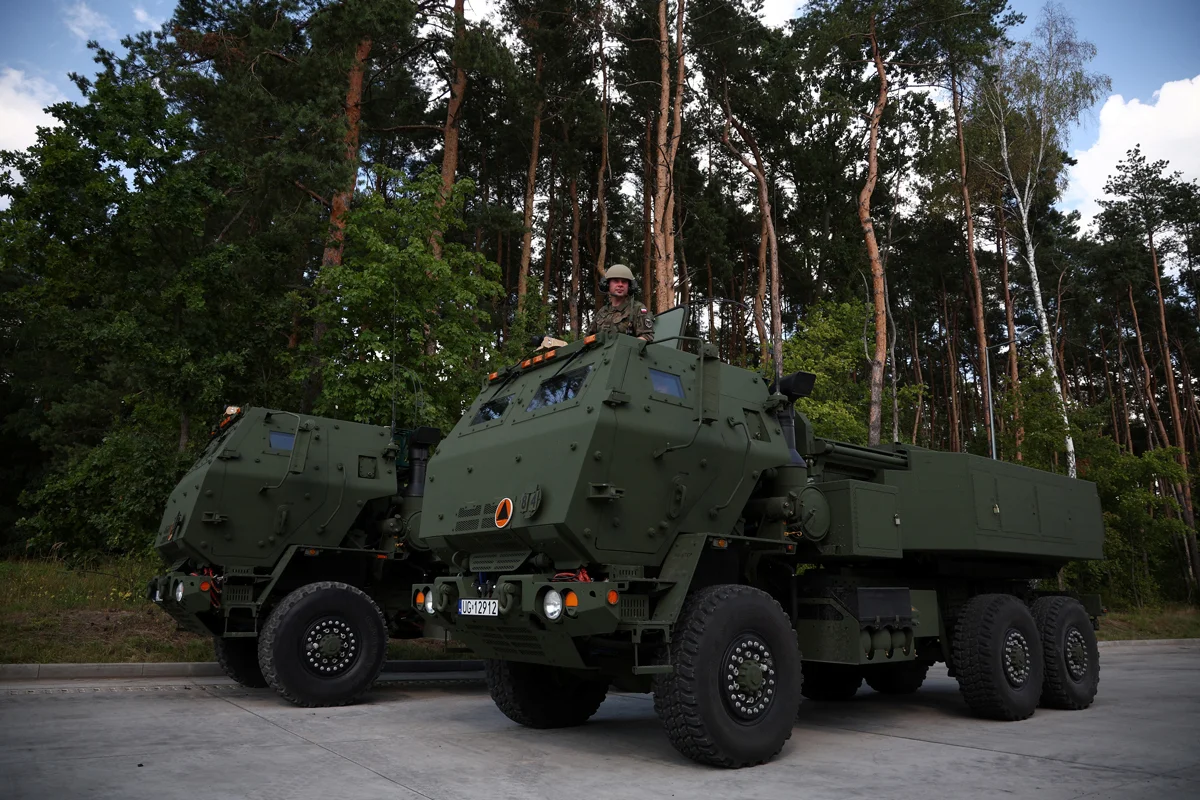
As Alexander Koziol notes, its own Polish defense industry is very small and produces mainly light weapons: for example, Grot rifle (MSBS GROT), a self -propelled artillery installation Krab (AHS Krab).
The Newsweek publication is more radically in assessments of the state of the Polish military industry. According to the magazine, the country practically exhausted the reserves of Soviet ammunition of 122 mm caliber, sending the remaining Ukraine. The reserves of NATO shells are also minimal. To produce their own, in Poland there are no metallurgical plants for the production of shells, capsules and nitrocellulose - an important component of artillery gunpowder.
In addition, there are problems with the infrastructure of ammunition storage. So far, there are not enough specialized warehouses in the country, where constant control of temperature and humidity was observed. Without this, ammunition costs at least 2000 zlotys (460 euros) in a year or two will need repairs.
There are also not enough forms, body armor and helmets for soldiers. Often reservists are given out their former clothes and equipment. Aviation suffers from a shortage of personnel: senior pilots resign, but there are almost no new ones.
"We do not run away from this"
Poland has the third largest army of NATO, in which more than 216 thousand people serve (with a total population of almost 40 million). This is second only to the US Army (1.3 million) and Turkey (481 thousand). For comparison: in the regular army of Germany - 185 thousand people, in France - a little more than 200 thousand.
At the same time, the army of Ukraine now has more than 800 thousand people, while Russia has 1.5 million . In March 2025, Prime Minister Donald Tusk spoke about the plan to increase the number of Polish military personnel to 500 thousand-in particular, with the help of special military trainings. “By the end of the year, we want to have a working model so that every adult man in Poland can undergo military training and that this reserve is enough to reflect possible threats,” said Tusk.
According to him, training will be voluntary and will replenish the army reserve without returning to the country's extremely unpopular policy in the country, which was canceled in 2008. During this time, a whole generation of men who have no idea about the army or military affairs as a whole has grown up in Poland.

But there are interested in this kind of training. Karol Luchka - a fair -haired young man in a fashionable black hoodie working in the field of NPOs - reacted to the idea of dusk about military training with enthusiasm.
“When I saw the announcement of [trainings], I decided that this is a good idea and I would not mind [to undergo training], because, in my opinion, there really is such a need in Poland. Geographical location, the history of Poland is said that we can’t escape from this, ”
- says Karol.
When he was 18 years old, he went through the medical board and was recognized as suitable for military service. By that time, the obligatory military service in Poland had already been canceled. Therefore, as Karol says, it did not matter to him what they would write in a military ticket. The possibility of any war seemed absolutely unrealistic, a relic of the past, which remained only in the memory of his grandparents. But in recent years, Luchka notices how anxiety is growing in Polish society and the threat from the eastern neighbor is becoming more likely.
“The peak of hysteria fell on the second anniversary of the war. For some reason, it was then that there were a lot of conversations that they would attack Poland and so on. I just saw the family that everyone began to panic. But then it subsided a little. It’s just that in my family, as in many others, I think there is some fear at a subconscious level, the belief that Russia is equal to death. When my mother went to study in Moscow, her family seriously thought that she would not return alive from there, ”says Karol.
Genetic level
Indeed, the almost two -hundred -year history of relations between Poland and Russia laid an imprint on the views of many Poles. With Mikhal Pototsky, a 40-year-old journalist of one of the small Polish publications, we meet in a cafe overlooking the Palace of Culture and Science-the Stalinist skyscraper, erected as a “gift of the USSR to the Polish people”.
“The feeling of a threat from Russia among the Poles - at the genetic level,” Michal begins the conversation. - My great -grandfather participated in the Warsaw battle [in 1920]. Then there was the experience of 1939, the Soviet occupation in 1944-1945. Even in the 1990s, when, it would seem, Russia went along the European path, my father said that as soon as it recovers, this threat would return. ”
According to Michal, it happened - even after the invasion of Georgia in 2008. Then the President of Poland Lech Kachinsky said the then famous phrase:
“We know very well that today is Georgia, tomorrow - Ukraine, the day after tomorrow is the Baltic countries, and later, perhaps my country, Poland.”
Read more about what was happening in Russian-Polish relations in the past
In the XVIII century, Poland survived three sections , following which its territory went to three countries, including the Russian Empire, which received a significant part of the Commonwealth: the modern regions of Belarus, Latvia, Lithuania, Poland and Ukraine.Despite the fact that Poland lost independence, the Poles constantly tried to return it and raised major uprisings. It was possible to gain relative autonomy within the framework of the Kingdom of Poland in 1815, but according to the results of the brutally depressed January uprising (1863–1864), all granted rights were taken away, and the Kingdom of Poland turned into an ordinary province of the Russian Empire.
Poland was able to restore its independence only in 1918 and confirm it as a result of a fierce battle with the forces of the RSFSR near Warsaw two years later. However, already in 1939, Germany and the USSR concluded Molotov -Ribbentrop Pact, according to which German and Soviet troops invaded Poland and divided it among themselves.
The USSR began to carry out violent Sovietization and staged mass deportations of Poles to Siberia and Kazakhstan. One of the worst events of Polish history is the execution in 1940 about 22 thousand Polish officers and representatives of the intelligentsia in the Katyn forest by decision of the NKVD of the USSR.
After the end of World War II, Poland was restored as a state, but Joseph Stalin demanded that a new pro -Soviet government at the head of it stand. In 1955, Poland became part of the organization of the Warsaw Treaty - the Military Union of Socialist States with the leading role of the USSR.
According to Michal, in 2014 and then in 2022 the feeling of a Russian threat in Poland grew, and now, when Donald Trump came to power in the United States, reached a peak. A sense of security that Poland had an entry into NATO in 1999 disappears.
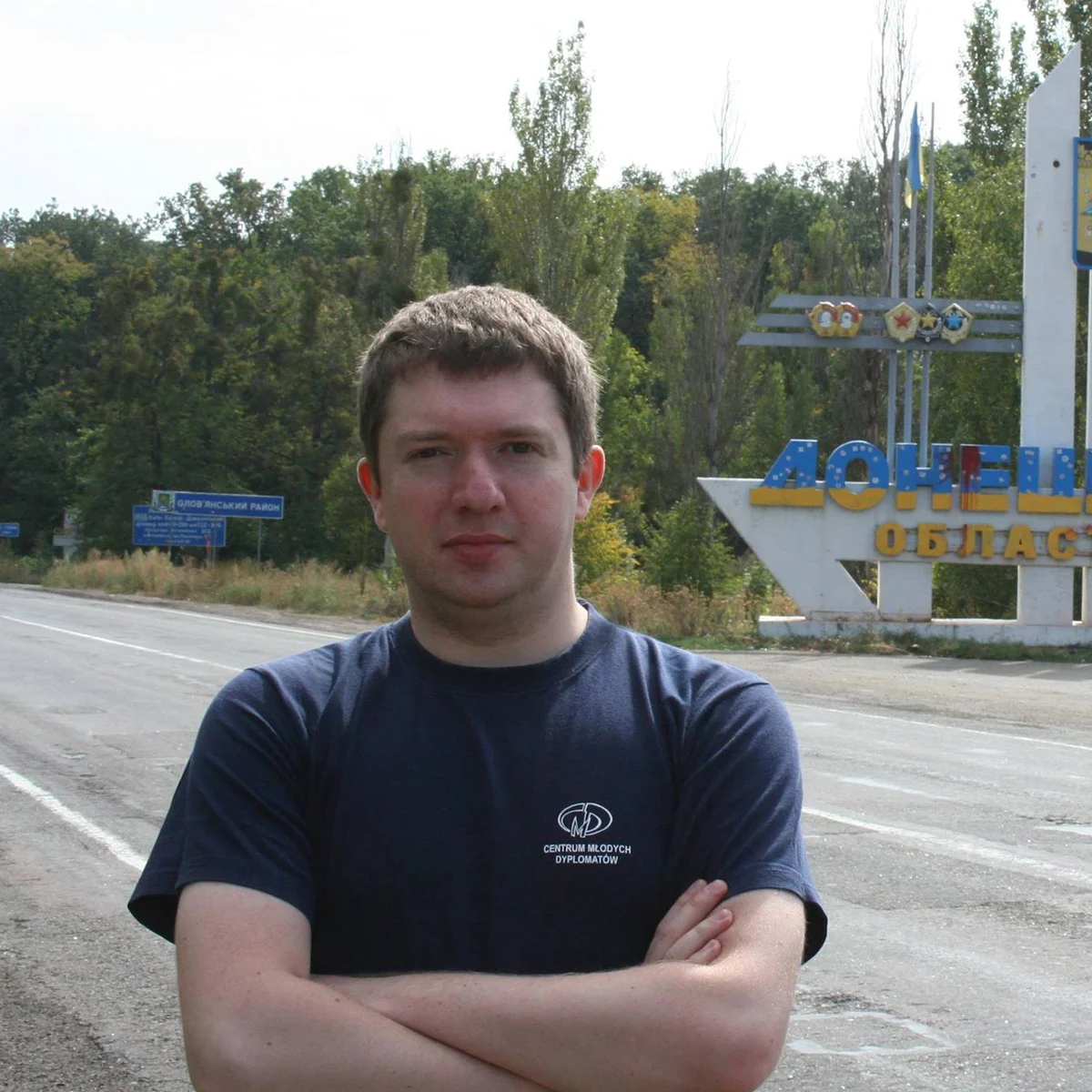
“Although the US Minister of Defense called Poland an exemplary member of the Alliance, the States recently announced the withdrawal of troops from the Polish military airfield the other day. The media write that the Pentagon is completely considering the possibility of recalling 10 thousand American military from Romania and Poland. And this is a disaster in fact, because the NATO agreement works only until everyone is sure that it works, ”says Pototsky.
When asked if he himself was ready to go to military training, Michal replies that before the announcement of Tusk he thought about it and even found out how much such a course costs, because "the example of Ukraine shows how much this can be useful."
"5% for defense is sacred"
At the same time, the Poles are unanimous in the fact that their government has chosen the correct strategy in terms of the purchase and production of military equipment. Even despite the fact that other spheres of society - such as medicine, education, and providing housing - require more financing from the budget.
“No one touches 5% to defense is holy. If a democratic society allows you to spend this amount on safety when there are social and household problems, this means that the sensation and understanding of the threat is not fiction ”,
- Mikhal Pototsky is sure.
In addition, experts, although they recognize the existence of problems in other areas, including healthcare, do not see their direct connection with defense costs. “Yes, there is, for example, a serious problem of underfunding healthcare. We all sometimes encounter the need to contact doctors and feel the weaknesses of this system. But this problem has existed in Poland for many years, now it has simply become more noticeable against the backdrop of an increase in the expenses of defense, ”says Alexander Koziol, expert in European security.
“If you look at the numbers, I would not say that other areas of state funding suffer,” the expert continues. “I think Poland - a country with an actively growing economy - can still afford to simultaneously invest in what directly affects the everyday life of citizens and safety.”
“At least for now, I don’t know anything about the cutting of other expenses due to defense,” adds Malyosh , the economic journalist of the publication Rzeczpospolitej. - Perhaps this will happen in the future, but at the moment there were no such cases. For example, health care costs in Poland even higher than defense: more than 200 billion zlotys, about 6% of GDP. We do not radically increase them, which, in my opinion, is a mistake, but this is not directly related to defense. Historically, the level of healthcare financing was approximately the same. ”
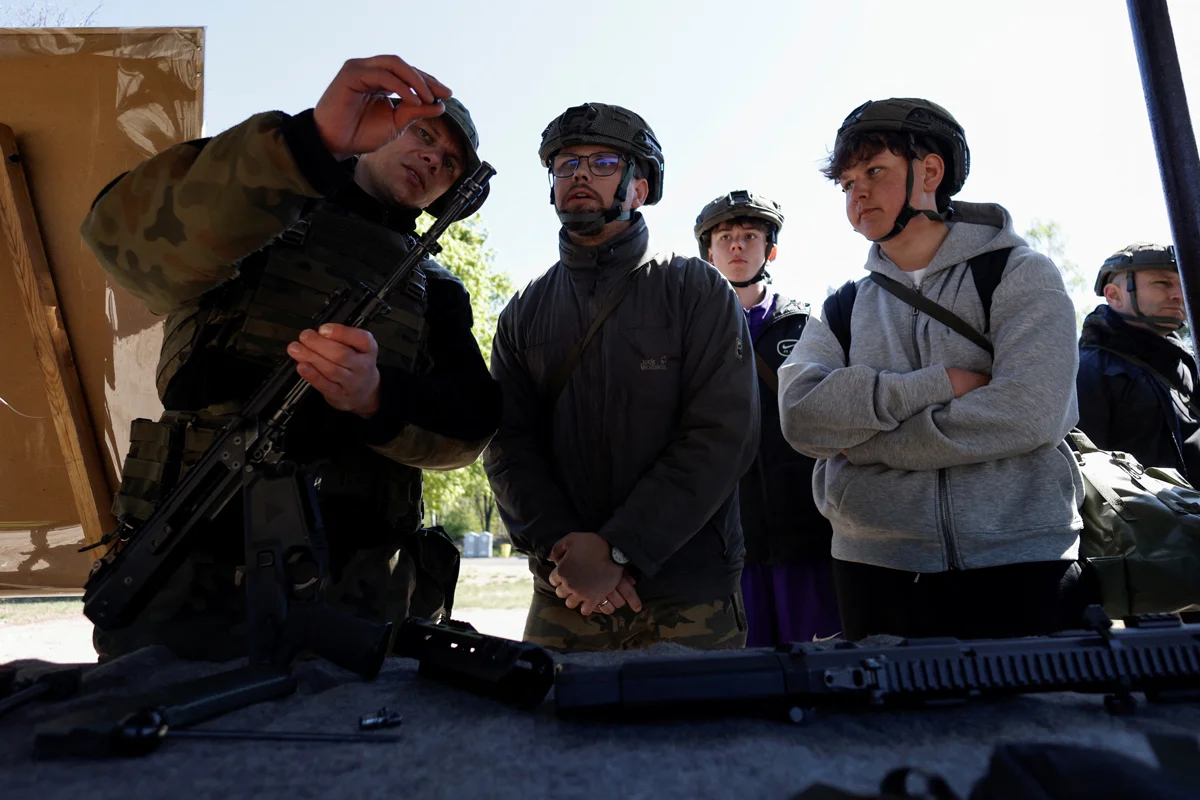
Как объясняет Милош, оборонный бюджет Польши складывается из нескольких частей. Первая — государственное финансирование, которое по закону составляет не менее 3% ВВП. Вторая — специально созданный Фонд поддержки вооруженных сил ( Fundusz Wsparcia Sił Zbrojnych , FWSZ), который, по сути, закупает вооружение в кредит у стран-производителей. Третья — специальный фонд ЕС, из которого Польша, вероятно, получит к концу 2025 году около 6 млрд долларов.
При этом в Польше растет дефицит бюджета. В апреле 2024 года госдолг составил почти 40 млрд злотых, что в четыре раза больше, чем за аналогичный период 2023-го. Это был худший результат как минимум за последнее десятилетие.
«Конечно, оборонные расходы увеличили государственный долг Польши, — говорит Милош. — Но при этом нужно понимать, что даже без этих расходов у нас был бы дефицит. В 2024 году мы потратили на оборону около 140 миллиардов злотых, а дефицит бюджета составил более 200 миллиардов. С другой стороны, если смотреть на общий госдолг Польши, то он составляет около 55% ВВП, а средний уровень по ЕС — около 80%. Так что госдолг Польши всё еще относительно невысок по сравнению с другими странами ЕС».
Что касается инфляции, то, как отмечает Мачей Милош, сейчас она снижается : «Я не думаю, что рост оборонных расходов усиливает инфляцию. Частично потому, что основная часть расходов — это покупки за границей: в США, Южной Корее и т. д.».
Общий враг — или популизм?
Однако есть в Польше и другая точка зрения на происходящее. 35-летний Кшиштоф работает в сфере перевозок. Он родился и вырос в Беларуси, а польское гражданство получил только полгода назад на основании происхождения, что делает его военнообязанным. Однако всерьез он об этом не задумывается и считает ситуацию вторжения России в Польшу маловероятной.
«У людей из мира бизнеса совершенно другое отношение к происходящему, — говорит Кшиштоф. — Здесь, наоборот, всем хочется, чтобы политики быстрее договорились, открыли границу, сняли санкции, чтобы можно было нормально вести дела. В бизнесе деньги не пахнут».
По его мнению, польские политики, заявляя о российской угрозе, тоже преследуют свои интересы. «Мне кажется, что это очень преувеличено, тем более накануне выборов, когда просто надо показать, что государство действительно думает о своих гражданах, утешить тех, кто боится. Ну, то есть в том числе я вижу в этом какой-то популизм», — говорит мужчина.
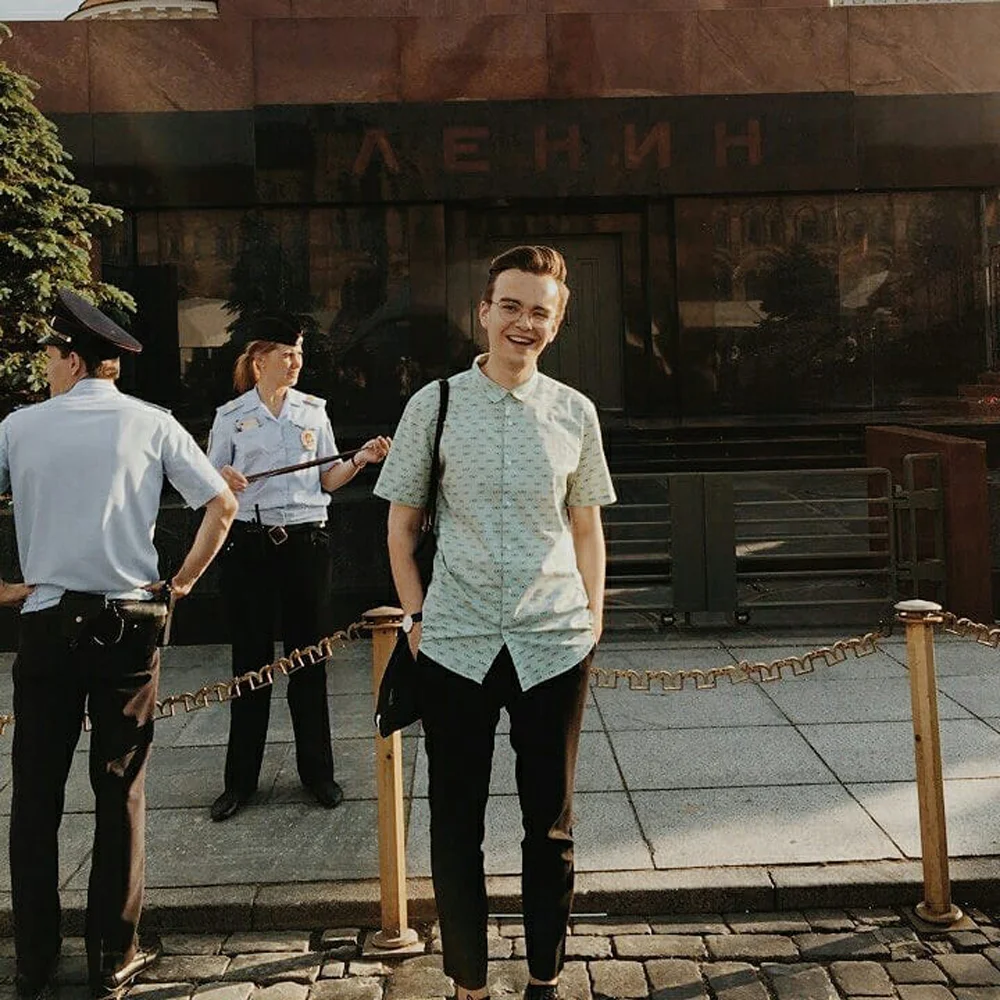

С ним согласен и Михал Пызик. Михал — квир-персона из Варшавы, его инстаграм сегодня заполнен модельными снимками в откровенных нарядах. Но еще пару лет назад он фотографировался у мавзолея на Красной площади, побывал на Байкале и в Магадане и мечтал жить в Москве. Переехать не получилось, но Михал продолжает активно следить за непростыми отношениями России и Польши.
По его словам, он никогда не питал иллюзий по поводу политического режима в РФ. На протяжении веков Россия была агрессором и «всегда хотела большего»: «Я была супер-удивлена, что это [вторжение в Украину] произошло так поздно. Думал, всё случится вскоре после Крыма. Видимо, пандемия коронавируса затормозила». (Михал попросил написать цитаты в женском роде или смешанно)
Как и многие поляки, Михал поддерживает идею наращивания оборонных расходов. «Даже такие люди, как я, глубокие пацифисты, понимают, что когда с одной стороны Россия, а с другой — [текущее руководство США], мы снова как будто в 1939-м, между Германией и СССР. Поэтому активное вооружение — очень рациональная идея», — считает он.
Но при этом Михал не верит в возможность скорого нападения России на страны ЕС — как минимум потому, что РФ слишком истощена войной в Украине и не в силах атаковать НАТО сейчас. Кроме того, Михал согласен с бизнесменом Кшиштофом в том, что в преддверии президентских выборов местные политики активно используют эту тему в своих интересах: прибегают к «концепции общего врага, от которого только они могут защитить».
«Мне кажется, они хорошо понимают, что ничего не будет, но хотят показать, что так заботятся о своих гражданах. Поэтому это такой, как мне кажется, политический трюк перед выборами», — считает Михал.
Игра на двух пианино
Тем не менее, Бартош Велиньский, политолог и заместитель главреда «Газеты Выборча» , истоки которой связаны с польским движением «Солидарность», отмечает, что политики в стране просто не могут обходить вопрос военных затрат стороной. «Нельзя избежать реальности, а реальность мрачная», — утверждает Бартош. И тот факт, что даже Дональд Туск, проевропейский политик, взял курс на вооружение — естественный ответ на происходящее.
«Когда Туск стал премьер-министром в первый раз, в 2007 году, в Польше мало говорили о военной повестке, — вспоминает Велиньский. — Существовала уверенность в НАТО, а в Европе был распространен подход, что с Россией можно сотрудничать. Внутри самой Польши обсуждалось, что, возможно, стоит найти более позитивные нарративы в своей истории и не держать старые обиды. Поэтому, будучи проевропейским политиком, Туск не делал акцента на оборонной политике».
В 2014 году он сменил должность на пост председателя Европейского Совета и уехал работать в Брюссель. В 2015 году к власти в Польше пришла консервативная и евроскептическая партия «Право и справедливость» (PiS) — «размахивая флагом и пытаясь убедить людей, что нужно вернуться к патриотизму», особенно на фоне оккупации Крыма. Так, необходимость противостоять России и развивать собственный оборонный потенциал стали одними из главных направлений политики PiS.
В 2023 году, когда Туск в результате «исторических выборов» снова оказался на посту премьер-министра Польши, «было уже абсолютно всем очевидно, что история вернулась».
«Это изменило всю стратегию, безопасность стала главной темой [всех основных политических сил], — считает Велиньский. — И это срочная проблема. Нам нужна лучшая армия, нужны укрепления на восточной границе, нужна контрразведка для борьбы с российскими агентами и киберзащита».
По словам Велиньского,
вопросы обороны для Польши сейчас гораздо важнее, чем здравоохранение или школьное образование. Поэтому Туск ставит эту тему на первый план. «Это не политический трюк, не пропаганда. Это реальная экзистенциальная угроза для Польши, и он на нее реагирует»,
— подытоживает политолог.
Эту же повестку активно продолжает использовать и PiS — главный конкурент Туска. Но разница — в акцентах, отмечает Велиньский. Если Туск считает, что Польше нужны два столпа — США и Европа, то для PiS, известных противников евроинтеграции, американцы, конечно, важнее.
«Конечно, они сейчас заявляют, что Туск против Америки, а тот, в свою очередь, атакует PiS за то, что те препятствуют инвестициям в оборону, потому что выступают против Европы. Но главный вопрос остается: должны ли мы быть ближе к США или к ЕС? Мы, конечно, члены ЕС, но всё же американская ядерная сдерживающая сила и присутствие американских войск в Польше — это важный фактор. Понятно, что нужно, как у нас говорят, играть на двух пианино. Но на каком играть громче?» — задается вопросом Велиньский.
Без четкого плана
Но на прямой вопрос, готовы ли они пойти в армию в случае нападения России, собеседники «Новой-Европа» — даже те, кто относится к угрозе вполне серьезно, — отвечают неуверенно.
Михал Потоцкий признается, что часто прокручивает в голове сценарии, как бы он поступил, но четкого понимания, что делать, у него нет: «Я думал о том, что я, например, хорошо знаю языки, в том числе русский, и, наверное, это могло бы пригодится в сложное время для помощи военным. Но четкого плана нет — как его не было и у многих украинцев».
Похожая точки зрения и у Карола Лучки: «Я могу заявлять что угодно, но я не знаю, как поведу себя на самом деле. Сейчас мне кажется, что если никто из моих близких не будет против, если у меня не будет детей, которых нужно будет, в первую очередь, вывезти в безопасное место, то, думаю, я бы пошел служить, да. Но так я думаю сейчас, в мирное время. Какой будет моя реакция в стрессовой ситуации — я не знаю».
«Если начнется война и российские танки поедут к границам Польши, я сразу беру кошку, сажусь в машину и до свидания. Я абсолютно ничего не должен этой стране просто по факту своего рождения здесь», — радикально заявляет Михал Пызик.
По мнению Михала Потоцкого, большинство его соотечественников не готовы к войне, и в этом они близки к другим европейцам. He believes that
«поляки уже прошли точку невозврата к обществу, для которого насилие — нормально». В окружении журналиста ведутся разговоры о том, что стоит купить недвижимость в Испании — и уехать туда в случае военной угрозы.
Похожую картину отражают и соцопросы . В случае войны остаться в Польше готовы 59% граждан, оказать вооруженное сопротивление агрессору — 11%. 20% поляков говорят, что после начала боевых действий уедут за границу. Результаты другого исследования показали: чем выше образование респондента, тем более он склонен думать о бегстве от войны за пределы своей страны.
В целом, и обычные граждане, и эксперты сходятся во мнении, что главное для Польши — создать такую армию, при оценке которой потенциальный агрессор примет решение не нападать, потому что боевые действия обойдутся слишком дорого. Однако, по словам Михала Потоцкого, ему трудно поверить в выполнимость планов правительства, по крайней мере в отношении заявленных Варшавой намерений довести численность вооруженных сил до полумиллиона человек.
В самой Гайновке на границе Польши и Беларуси, где уже активно ведутся работы по строительству системы укреплений, настроения тоже смешанные. О том, что с территории исторически и культурно близкой Беларуси в Польшу могут в скором будущем заехать российские танки, люди предпочитают не думать.
«Какой смысл? Если действительно что-то начнется, я всё равно не смогу ничего сделать, — объясняет местный житель Раслав (имя изменено). — Поэтому, честно говоря, я не обращаю на это [заявления политиков] внимания. Не читаю и не смотрю новости, потому что это всё — политическая игра. Им надо что-то обсуждать, нагнетать обстановку. Я не хочу в это вовлекаться».