
Translated material
EU countries agreed on the 18th package of sanctions against Russia
Slovakia, which blocked it, abandoned its veto after negotiations with the head of the European Commission
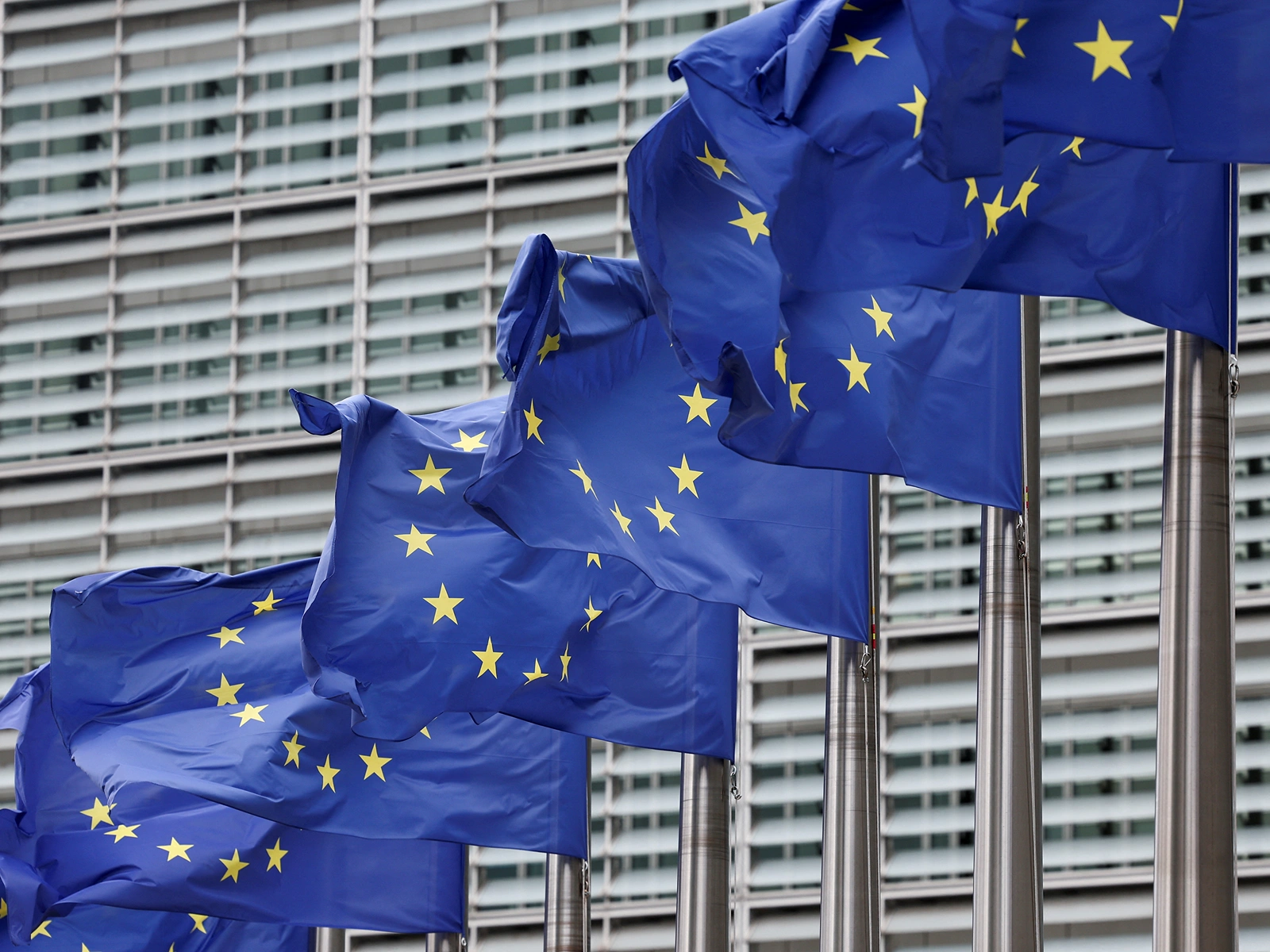
The EU countries have approved the 18th package of sanctions against Russia. The head of European diplomacy, Kaya Kallas, announced this, calling it “one of the toughest” to date. New restrictions will affect, among other things, Russia’s “shadow fleet”, the Nord Stream gas pipeline and will lower the price ceiling for Russian oil.
In order not to miss new texts from “Layout”, subscribe to our telegram channel
The ceiling on prices for exported oil will be reduced from 60 dollars per barrel to 47.6
The sanctions provide for the blacklisting of another 105 “shadow fleet” vessels, restricting Russian banks’ access to financing, a ban on transactions related to the infrastructure of the Nord Stream 1 and Nord Stream 2 gas pipelines, and lowering the price ceiling for Russian crude oil. The EU is also going to put pressure on Chinese banks that help Russia circumvent sanctions, block the export of technologies used in the production of drones, impose sanctions against the largest Rosneft oil refinery in India and those who are “engaged in the ideological indoctrination of Ukrainian children.”
According to Reuters, EU countries agreed to lower the price ceiling for oil exported to G7 countries from $60 per barrel to $47.6. The current price has been held since December 2022.
In June, this package of sanctions was blocked by the authorities of Hungary and Slovakia. Hungarian Foreign Minister Peter Szijjártó then said that these sanctions would “undermine the energy security” of EU countries and lead to an increase in utility tariffs.
“We did this because the European Union wants to prohibit member states, including Hungary and Slovakia, from buying cheap Russian natural gas and cheap Russian oil, as they did before,” Szijjártó said.
However, on July 17 it became known that Slovakia would stop vetoing the draft 18th package of sanctions. Prime Minister Robert Fico said he agreed to support the initiative after negotiations with the head of the European Commission, Ursula von der Leyen. According to him, Slovakia received guarantees from the European Commission of assistance in the event of a possible gas shortage, price hikes, as well as in disputes over possible claims for damages from Gazprom.
Photo: European Union flags fly outside the European Commission headquarters in Brussels, Belgium, July 16, 2025. REUTERS/Yves Herman
Support “Vestka” - it’s important and safe →