
Translated material
The whole city disappeared in 17 seconds
On the night of May 27-28, 1995, an earthquake with a magnitude of more than seven on the Richter scale began on Sakhalin. In the city of Neftegorsk, in 17 seconds, almost all the buildings formed like card houses, and immediately after that fires began in the village. The catastrophe claimed the lives of more than two thousand people. From under the rubble, couples lying in an embrace, exhausted children and the remains alive in the ruins of the inhabitants were taken out. The survivors were amputated the limbs right among the wreckage, and paws were erased at the search dogs. The city did not begin to restore, and some surviving in the disaster, having buried their relatives, finished their lives of suicide or drank in cemeteries. Neftegorsk tragedy - under the heading "Disaster".
We put a person in the center of our journalism and talk about people who are faced with injustice, but do not lose their spirit and continue to fight for their rights and freedoms. In order to further cover human stories, we need readers' support - thanks to your donations, we continue to work, despite the pressure of the state.On the evening of May 27, a grade 11 graduate Victoria Ivankova, together with their older sister Lyudmila, went to celebrate the end of the school. Their mother was on duty that night on a TV tower on the outskirts of Neftegorsk, and the father stayed at home. "Dad, we are at the disco!" The sister shouted goodbye.
Dancing took place in a local culture house and were supposed to last until one in the morning. When the evening came to an end, the light and the club’s employee, who was called Aunt Galya, announced in the hall, announced that it was time to disperse.
Several schoolchildren went to gather in the locker room, but about two dozen other graduates did not want to diverge home and vied with vying aunt Galya and DJ Valery to turn on the last song. Having succumbed to persuasion, the adults surrendered, and in the hall the hit of 1994 “Eins, Zwei, Polizei” of the Mo-DO group played.
But the track did not have time to finish to the end. “The last song played a minute and a half, and suddenly the light will go out sharply. [When there was a push] Vika takes me by the hand and says: “Let's go!” We took a step, and that’s it. The ceiling from the height of a two -story house collapsed throughout the children. I hit the head and back. I thought that I was conscious, but probably lost it, ” recalled Lyudmila Ivankova in a conversation with Medusa.
 The most mysterious song of Russia was looking for many people, hired a detective and turned to “Wait for me”. But to find “my wandering fire” could not be the Internet and memes of 12 minutes of reading
She woke up with screams: "Is there anyone alive?" Lyudmila began to get out of the rubble and call her sister-but she did not answer. That night, out of 26 graduates, 17 were killed. Victoria among them.
Lyudmila recalls : “She got out when tremors were still felt. Near the club there was a car and shone with headlights. <...> I thought that I could fill up again - and ran home. "
But she was not at home. In his place, she saw only ruins.
The price of negligence
The village of Neftegorsk was designed in 1962 for families of employees of the local oil producing enterprise Vostokneftegaz. It was built for several years: at first they built only 17 five -story Khrushchevs and several two -story houses, but over time, kindergartens, a spacious school, a dining room for a hundred places, an amateur theater and the Palace of Culture appeared in Neftegorsk.
The settlement was in the tundra near the Kadylanya River in the Sakhalin Region. Initially, he was called the East, but in 1970 they assigned him the official name "Neftegorsk". At the time of the tragedy in 1995, 3197 residents lived in the village.
The fact that the area was seismically dangerous was known. But the designers were in a hurry with the surrender of objects, ignoring the key requirements of strength and stability. The buildings were built as cheaper as possible, and when designed, they repeatedly allowed violations: they did not take into account the features of the soil, they chose inappropriate structural elements.
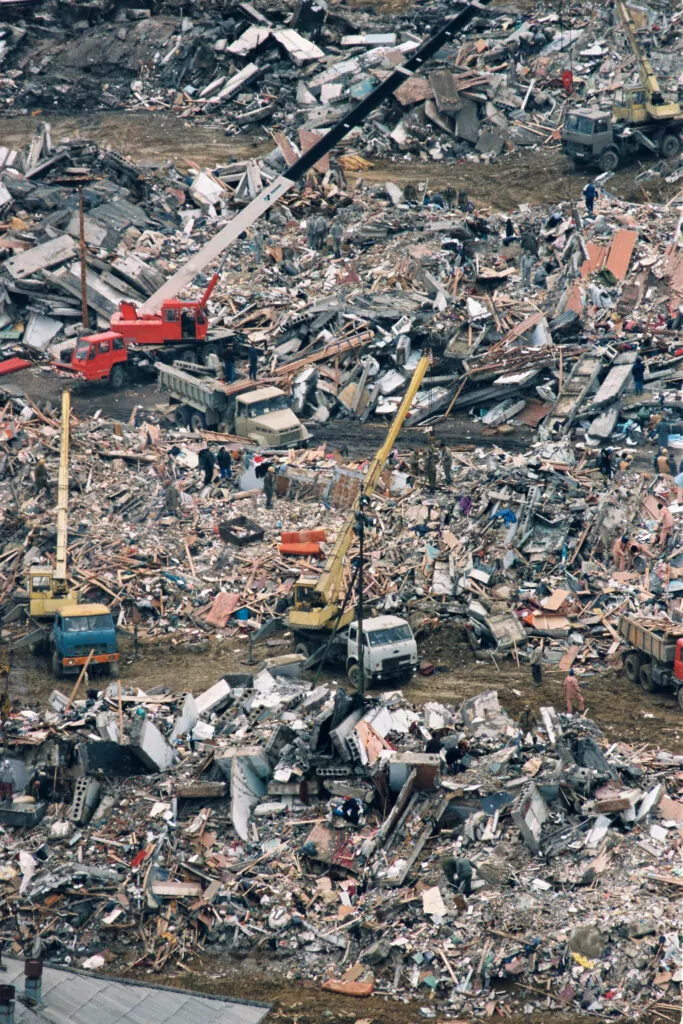
“Apparently, the builders saved. Many plates simply crumbled, somewhere the reinforcement was not welded among themselves, ” said the former Neftegogorsk policeman Andrei Glebov. Specialists of the Geophysical Service of the Russian Academy of Sciences subsequently studied the fragments of the destroyed buildings and found that their strength was 26 kilograms per square centimeter instead of 75.
In addition, during the construction, designers were repelled from incorrect seismic zoning maps, which greatly underestimated the possible intensity of earthquakes in this area-along them, in this area there could be earthquakes with a capacity of not more than six to seven points, but life showed that it was a strongly low assessment.
 The most terrible transport disaster in the history of Russia has destroyed two passenger trains. More than 500 people died - many of them burned alive. The negligence of the builders society 17 minutes of reading led to this
Back in the 1970s, geologists warned that the district is located on the border of lithospheric plates and is extremely seismic. However, no one began to correct incorrect cards then. On the contrary, in the 1990s, against the backdrop of the political and economic crisis in the country, the Sakhalin authorities began to close the seismic plants. The center in Obninsk, which used to receive data on seismic activity in Neftegorsk, was not able to record the threat: the equipment only allowed the already occurred tremors that had already occurred after some time.
"People burned alive before our eyes"
On the night of May 27-28, 1995, an earthquake began on Sakhalin. According to seismologists, it has become the most destructive in Russia over the past century. Underground fluctuations were felt throughout the island - from the northern outskirts to the adjacent parts of the mainland. At different points, the magnitude of the oscillations differed , but in Neftegorsk it reached at least 7.5 on the Richter scale.
Locals felt the first shocks at 1:04 nights. They did not even have time to realize what was happening, as they were under the rubble - in 17 seconds almost all the buildings formed. Only a few dozen houses survived, mostly one -story .
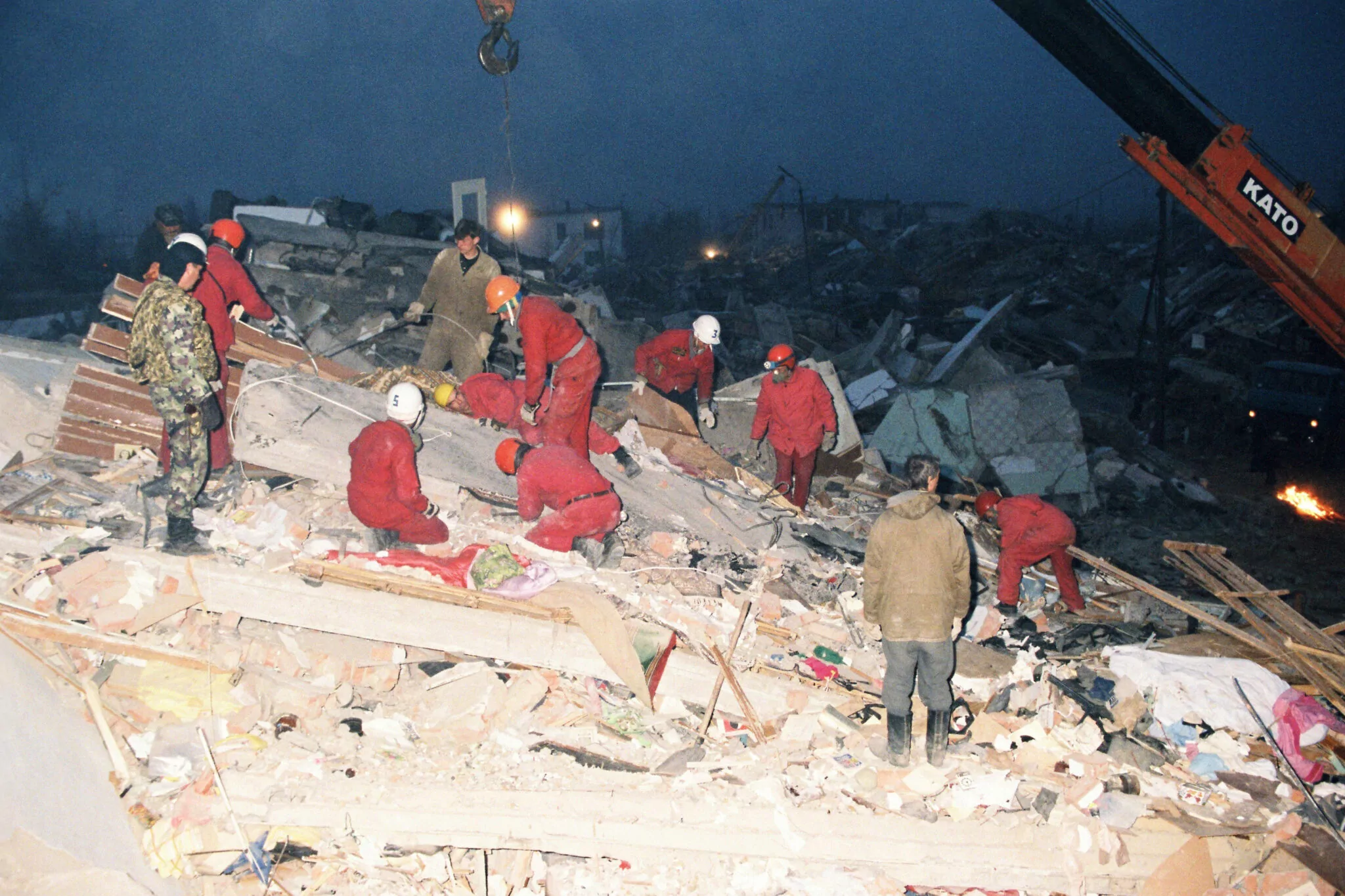
Concrete plates of houses weighed tons, so many of the local residents died instantly. They managed to escape those who accidentally ended up on the street, managed to leave the building - or at least ended up in the "voids" among the debris.
Tectonic scrap with a length of 80 kilometers damaged the railway tracks, cut off the communication lines and destroyed all the crossings around Neftegorsk. In the first hours after the tragedy, no one from the outside did not suspect what had happened - the village was in full isolation.
The survivors were left alone in pitch darkness. The head of the local police, Viktor Novoselov, recalled that after the earthquake, the survivors started cars and turned on the headlights-so that those who got out of the rubble could navigate in the dark.
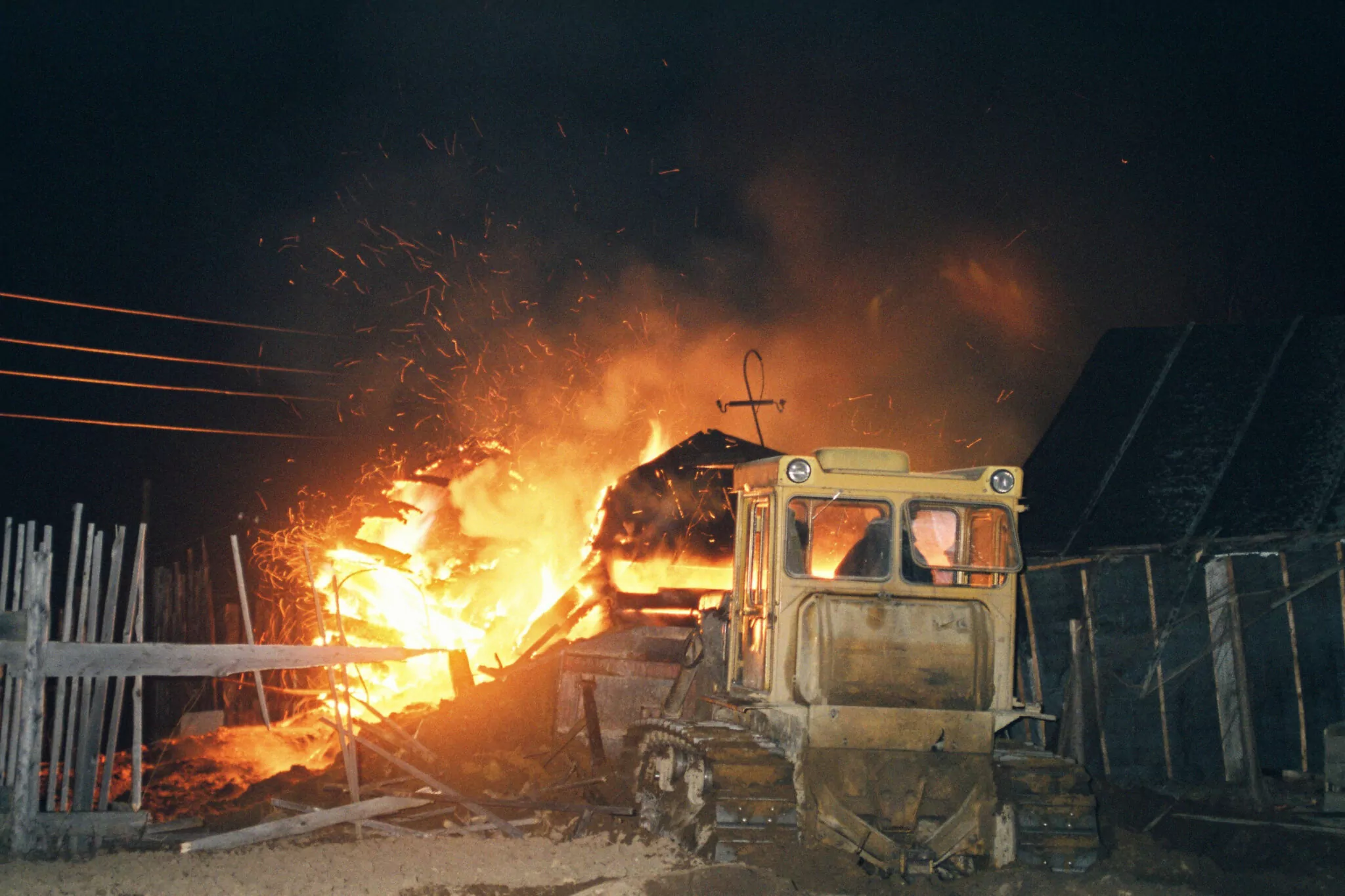
Immediately after the underground shocks, fires began in the village. Eyewitnesses recall that the first to the house No. 10 and No. 16, then - No. 5 and No. 18 (in Neftegorsk there were no streets, only the numbers of the houses). Only one house was able to extinguish, the rest burned to the ground - along with those who were still living inside. Relatives ran through the rubble in sneakers melting from fire, heard the screams of relatives, but could not help them.
“Before our eyes, people burned alive, some, even stuck out of the building, burned from below and shouted, and we could not help. I can’t recall the name of the woman - her head [remained] outside, and below everything burns and bakes. [She] one of our inhabitants says: “I know you have a gun. Bring and shot me.” He says: "I can't." She says: “Well then, cut my hair because my head was numb.” He cut off her hair with a knife and she almost in front of her eyes scored herself, because there were such pains, it was impossible, ” recalled the local resident Vasily Bursky.
"Three ribs were broken, but I did not feel"
The first to learn about the tragedy was the employees of the Department of Internal Affairs and the authorities of the Okhinsky district - thanks to the senior sergeant of the Neftegorsk police, Andrei Glebov.
On the evening of May 27, he was at home with a one-year-old daughter-his wife and son at that moment were with relatives in Yuzhno-Sakhalinsk. Until the midnight, he watched the series, and before going to bed he decided to dial a bath. To better hear the child, he put forward the bed with his daughter in the corridor. When Glebov was about to climb into the water, the girl cried. He wrapped himself in a towel, took his daughter in his arms - and at that moment he felt a strong impetus under his feet.
"Girls, there are no more Neftegorsk, destroyed and burns"The earthquake dumped their house on the side. Glebov and the child literally “moved” on the street along the wreckage - he himself did not understand how this happened. The street was a little more than 10 degrees of heat. Under the moans and cries of the wounded neighbors, Glebov made his way through the rubble and soon noticed a friend who was sitting behind the wheel of a fuel truck at the house. He turned on the highlight - and then Glebov saw that all the nearest houses had turned into ruins.
 For years, NTV showed a talk show about sex here about female orgasm, blowjob and cunnilingus, and the Russians learned to use condoms. Why was it closed? Society 15 minutes of reading
Without wasting time, he rushed to the police building - there was a service UAZ. Having broken the glass with his elbow, he found the keys in the cabin and started the car. Surviving locals were already gathered next to the department. Among them, he noticed his neighbors with the car and handed them his daughter.
“I give my daughter, I say:“ Let him stay with you for now. ” Then I look, and she is all in the blood, let's look at what it is. And the neighbor is to me: “Yes, calm down! This is not her blood, but yours!” And then I understand that my whole face is shy-because of the plates that poured. Then it turned out that I had three ribs broken, and I went on adrenaline and did not feel, ”Glebov recalled .

The earthquake completely destroyed the routes and bypass roads leading to Neftegorsk. Having talked with the head of the village Natalya Rastorgueva, Glebov decided to get to the gas distribution unit at the Kydylanyi railway station first - it was urgent to block gas so that there was no greater tragedy. “[In Kydylanya] we were met by an aunt-operators who completely imagined what happened there [in Neftegorsk]. Laugh, funny: “We shook us like - we posted from the beds!” - Glebov recalls in a conversation with Medusa. - And we take and say: “Girls, there are no more Neftegorsk, destroyed and burns.” And all. They have hysteria, they are in shock. "
Glebov thought that the district center - the city of Okha 80 kilometers from Neftegorsk - could also not become. He went to the village of Sabo to get to Okha from there, but he was not immediately allowed to make a phone call. As the chief of Glebov, Viktor Novoselov, recalls, at first the policeman was taken by the drunkard and told to get away, but he insisted on his own.
In the morning, a representative of Sakhalinmorneftegaz arrived from Okha to Glebov to evaluate the consequences of the tragedy, but when he saw an all -terrain vehicle, he refused to go: “He comes out, behaves arrogantly:“ I need to see what happened there. Now they’ll send the road, we’ll go to the jeep. ” I freaked out at him, the men dragged me. At that moment, it depended on him a lot, and every minute was decided. ”
According to Glebov, a real rescue operation began only when the pilots of helicopters headed to the Northern Watch, along the way, saw the ruins of Neftegorsk. “Then the“ turntables ”began to sit down one after another,” he recalls.
At the limit of possibilities
The rescue operation officially began only at noon on May 28 - 11 hours after the disaster. The head of the on-duty shift of the fire and rescue unit, Roman Trushkov, recalled : “When we flew over the Neftegorsky, a terrible picture appeared to us: at first it seemed that we see only mountains of construction garbage.”
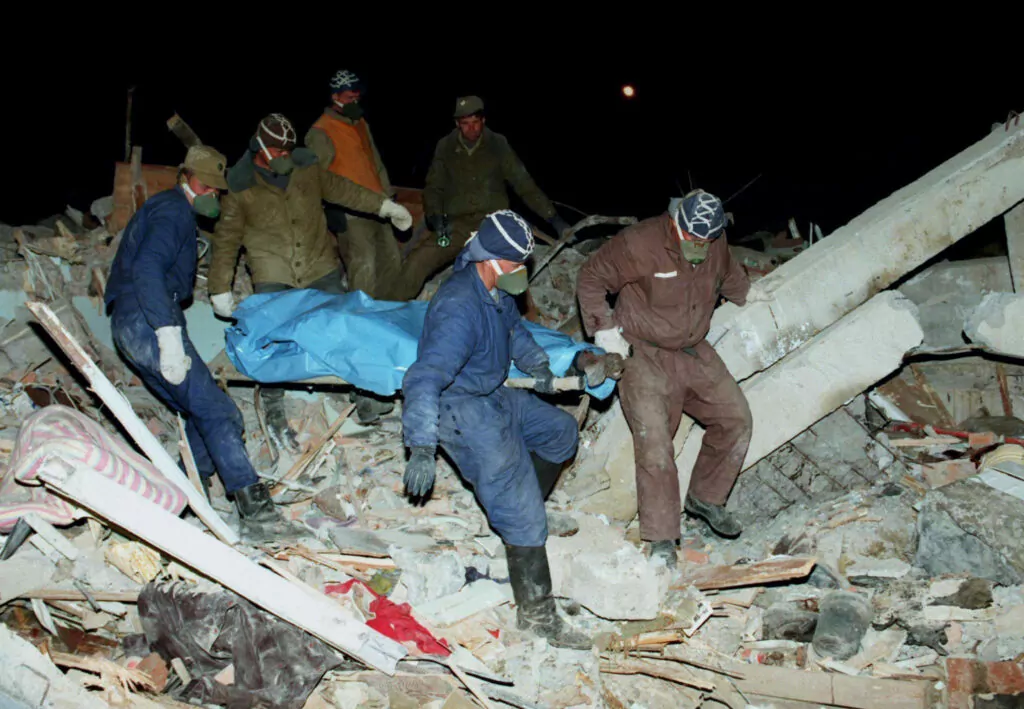
People under the rubble moaned , knocked, called to the rescue, trying to show signs of life. Each survivor found was immediately injured by Dexamethasone (this drug can reduce the pain and inflammatory reaction in case of tissue damage) - almost all rescuers with them had ampoules and disposable syringes.
Some victims amputated limbs right on the rubble. One woman was cut off the hand - the plate that crushed her hand was impossible to move, and any attempts to drag her only squeezed the woman more and caused her unbearable pain.
 One of the largest sectors of Russia plunged into a large -scale crisis of thousands of miners risk being left without work, dozens of companies can close, and cities can empty the economy of 17 minutes of reading
To find the survivors, the “Minute of Silence” was used in Neftegorsk - every hour for 5-10 minutes, all the people turned off in the village, all people fell silent, and rescuers did not even move to catch the slightest sounds under the rubble. So it was possible to discover a married couple, covered with gravel and debris. They were alive, but could not move.
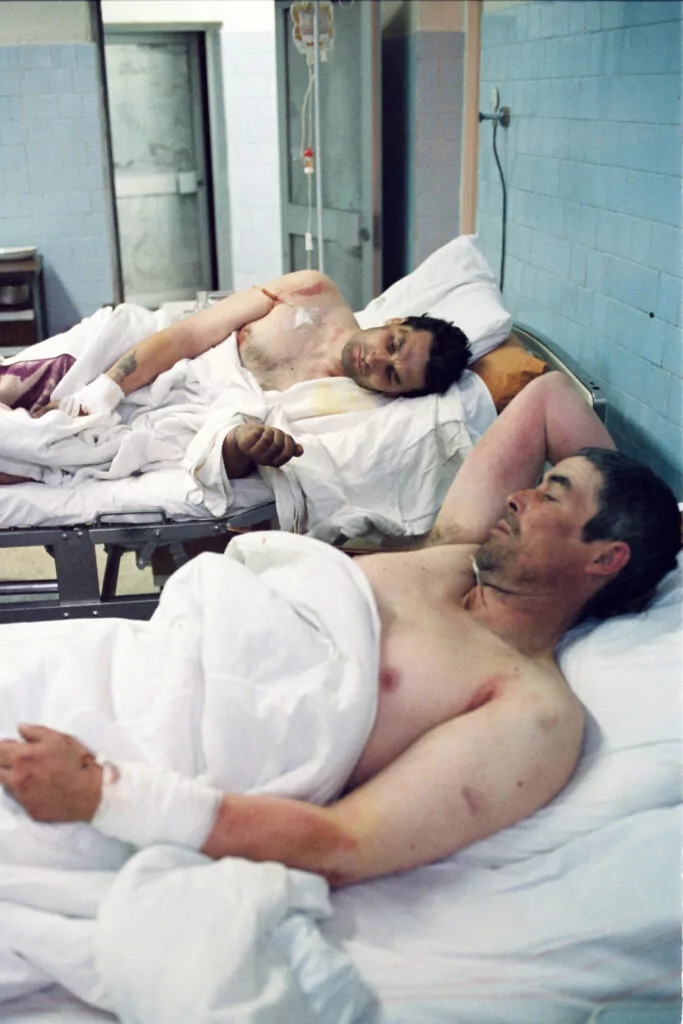
The earthquake destroyed not only residential buildings, but also a local hospital . According to the book "Neftegorsk: the tragedy and the pain of Sakhalin", out of 35 employees of the hospital, only five survived that night. There were not enough doctors, so the first aid was provided, including rescuers. Only in the evening of May 28, a doctors brigade arrived from Okhi.
The traumatologist Vadim Kravchenko recalled that specialists had to work at the limit of human capabilities: “They pulled out the victims of the rubble. If there was access to the hand of a living person, they immediately put a dropper, if there was access to the head, they gave people to drink through a tube. Before this emergency disaster, I could not even assume that a person could not sleep for a whole week! Indeed, this is unthinkable, difficult. But this is how medical workers worked in Neftegorsk. Short breaks, a glass of strong tea or coffee with sugar - and again for business! ”
The surviving locals also connected to the analysis of the rubble. “Fear, fear ... It was somehow turned off,” recalled the local resident Vasily Burchi. - We were like robots. It is necessary - they took it out, wiped it, put it, brought, gave, handed it away, went, as they say, further. Three days on this stress, neither there is nor sleep, I didn’t want anything. ”
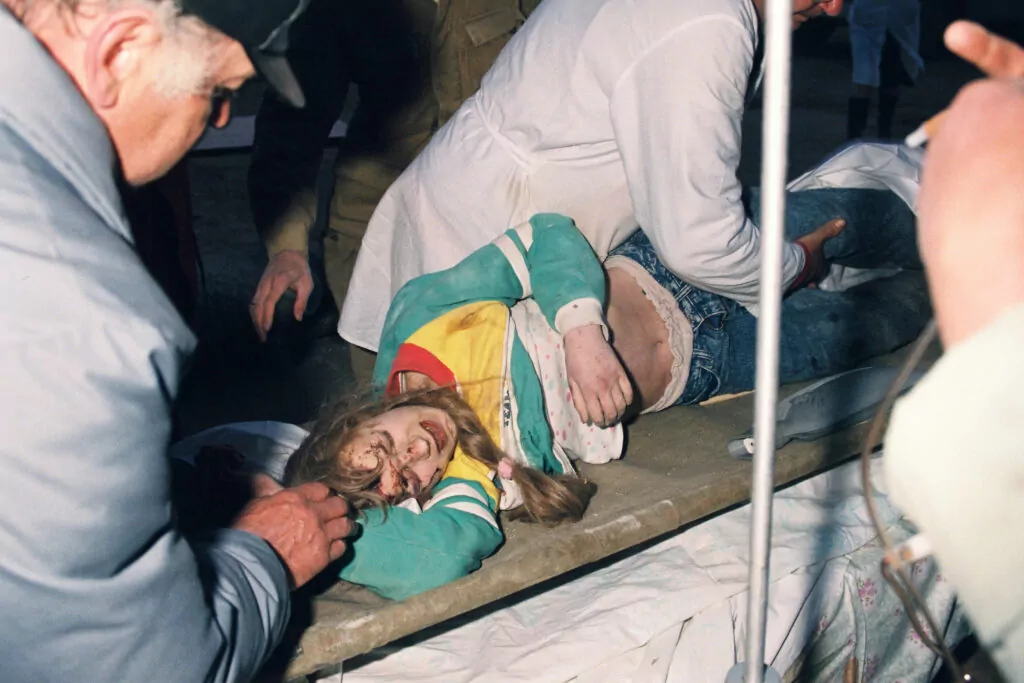
A huge role in the rescue operation was played by search dogs. The spaniel named Lenya and Setter Lessy found 35 survivors - they sensed people even under nine -meter rubble. Rizenchneuzer Tayla worked at the site of the tragedy for a whole week, completely erasing the pillows of the paws. She led the rescuers to the concrete plate, under which the husband, wife and child lay. All three did not move , and at first they were mistaken for the dead. But the boy’s pupil suddenly reacted to a bright light.
According to the memoirs of Andrei Glebov, all survivors were first taken to the surviving two -story houses, and already from there they were already sent to OHO on helicopters. The drivers of cars transporting the victims were everyone who at least somehow knew how to drive, even the children: “On the first night they pulled out a lot of people. The neighbors were pulled out with jacks, used crowbar. [The victims] even taken away kids for 12-13 years. They all were afraid: "And there will be nothing for us for this?" I said: “Can you ride? Everything, go!” ”
Went to bed right in the coffins
The psychotherapist Vladimir Slabinsky, who lived in 1995 in Vladivostok, learned about the earthquake in Neftegorsk by phone from old friends. He immediately gathered his colleagues and went with them to the village to support the victims.
As Slabinsky recalls in a conversation with Medusa, the Primorye authorities refused to finance their trip, so he himself found sponsors - he turned to Caritas, whose mission acted in Vladivostok for help. It was led by a man named Frank, who once survived the earthquake in the Pacific Islands. He immediately agreed to help.
Caritas allocated funds for a trip of six specialists: one clinical psychologist, three psychotherapists and two social workers. There was enough money for the road and accommodation, but the mission participants worked completely on a voluntary basis.
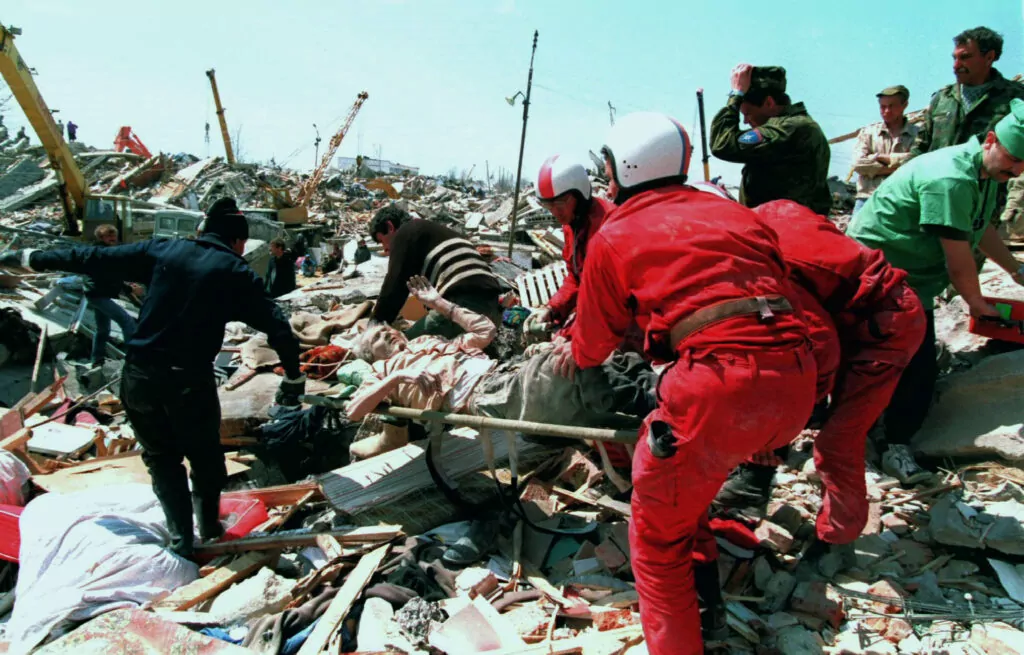
The team spent the first night in Okha, and the next day I reached Neftegorsk. The first thing that struck specialists in the destroyed city was “a very strong smell, scary”, which was everywhere.
“It was very concentrated: the cadaveric smell mixed with the smell of concrete and destruction - very specific,” recalled Slabinsky. -I am a doctor by training, I was in an anatomist, in the judicial morgue-but there is something else here. He is different, this smell, really like the smell of death "
Every day to the point where psychologists worked, 8-10 people came . I had to work without rest, from dawn until late at night. The main task, according to Slabinsky, was to help people who have lost relatives find the meaning of life again. Sometimes even the opportunity to worthy to bury loved ones became the first step along the way.
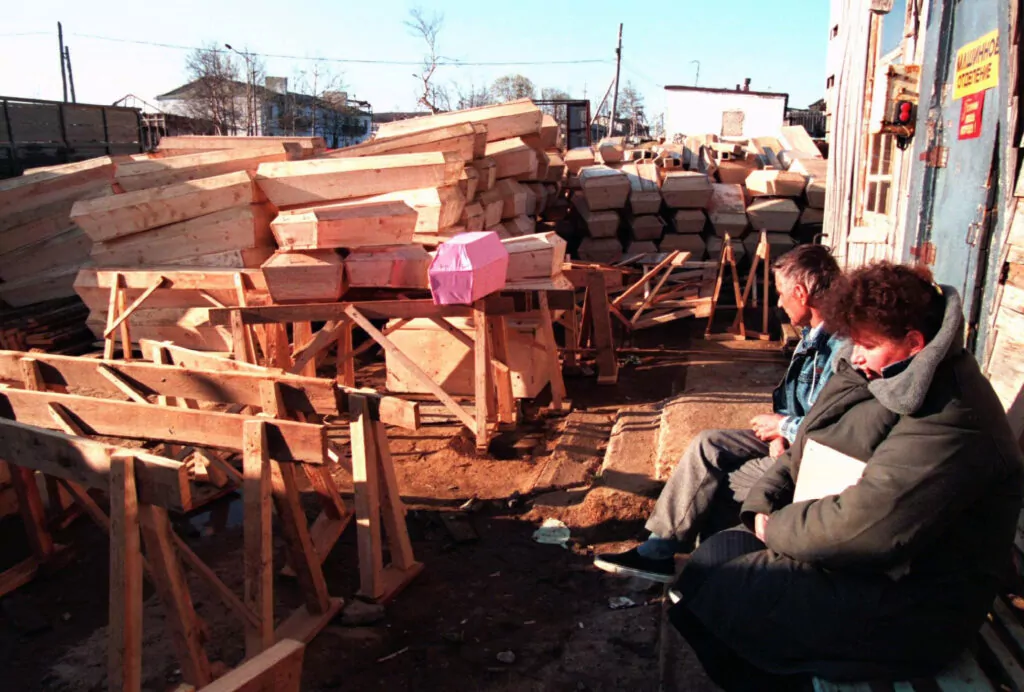
Slabinsky recalled that many local residents in those days completely changed the perception of death. Some men who made the coffins for the dead, in short breaks between work went to bed right in them.
The whole world helped - but not all help came
The Sakhalin press first wrote about the tragedy in Neftegorsk only on May 30 - two days after the earthquake. At this point, 1642 people - rescuers and the military already worked on the spot. Almost 200 units of equipment, 25 aircraft and 15 helicopters were involved.
According to the rescuers, it felt that the arrived did not have enough experience - tourists and climbers, soldiers and sailors who had not previously worked in the conditions of emergency helped to disassemble the rubble. But even professionals did not always imagine how to act in a particular situation.
Some residents of Neftegorsk spent several days under the rubble. The two -month Dasha Yagudin was found only on the fifth day - she had been lying without food and water all this time. And the rescuers pulled out six -year -old Vova Bespalenko either on the fourth, or on the fifth day (the data vary). Кадры его спасения облетели весь мир — их позже показали в телепрограмме «Как это было?»
Но даже при таких масштабах работа продвигалась медленно. Разбор завалов сильно затрудняла плотная застройка. Из-за этого многих удалось достать только к 10 дню — уже мертвыми .
К середине июня 1995 года в списке погибших числился 1841 человек. К концу года их число выросло до 2040 человек.
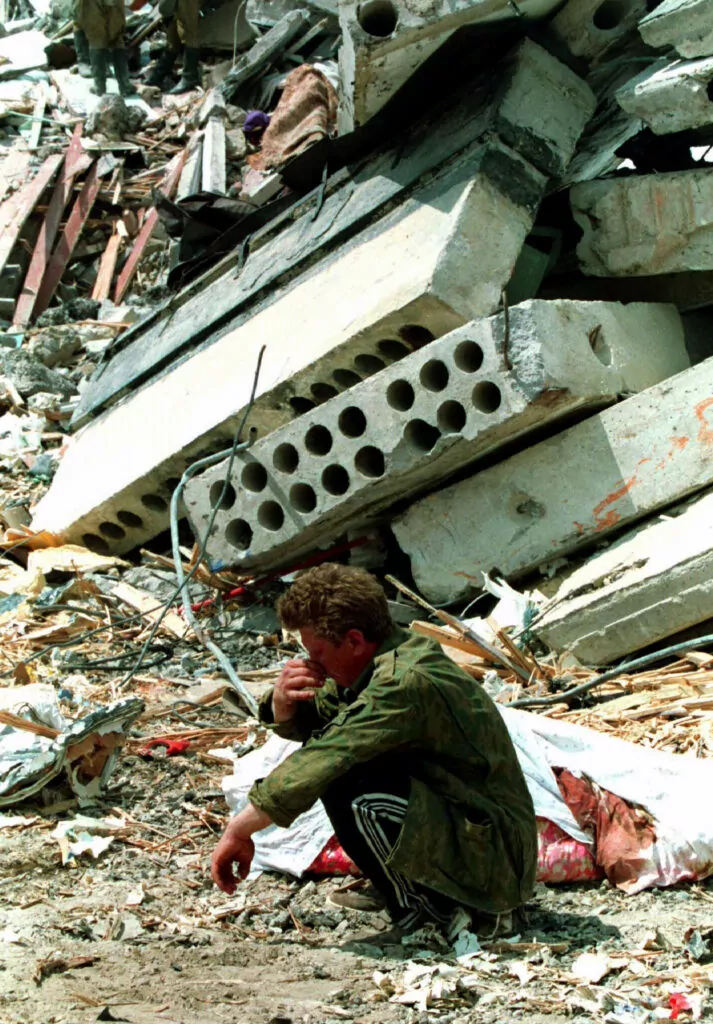
Оставшимся в живых хотел помочь весь мир. По данным одного из руководителей спасательных работ Валерия Белоносова, Охинская больница с 28 мая по 31 августа 1995 года получила 164 тонны «материальных ценностей» на сумму более миллиарда рублей — еду, медикаменты, медицинские инструменты и даже аппаратуру от японского Красного Креста и из США. Материальную помощь на 70 миллионов долларов отправили из 100 стран.
Однако далеко не вся помощь дошла до пострадавших. Горожане обвиняли местные власти в краже предназнаценных пострадавшим гуманитарных грузов. Например, жительница Нефтегорска Светлана Паршина в разговоре с «Медузой» вспоминала , что узнала о гуманитарной помощи, когда похоронила мужа и занялась восстановлением документов. В начале июня 1995 года она пошла в администрацию, где ей выдали одеяло, трусы, двое колготок и футболку для сына. Позже Паршина со свекровью заходила в гости к чиновнице городской администрации, которая отвечала за распределение гуманитарной помощи для пострадавших, и увидела в квартире этой женщины импортные товары из гуманитарной помощи.
 Russia was recorded in the “Chaos Quartet”, along with other members, it undermines the “world order”. Who else enters there and what are they doing? World 8 minutes of reading
«У них там все висело — они предназначенную для нас помощь себе разбирали, — рассказала Паршина “Медузе”. — Они [работники администрации] считали, что нефтегорцы богатые и много денег получили. А ничего, что мы остались без кола и двора? Мы же все потеряли. И без прошлого и с неизвестным будущим [остались]».
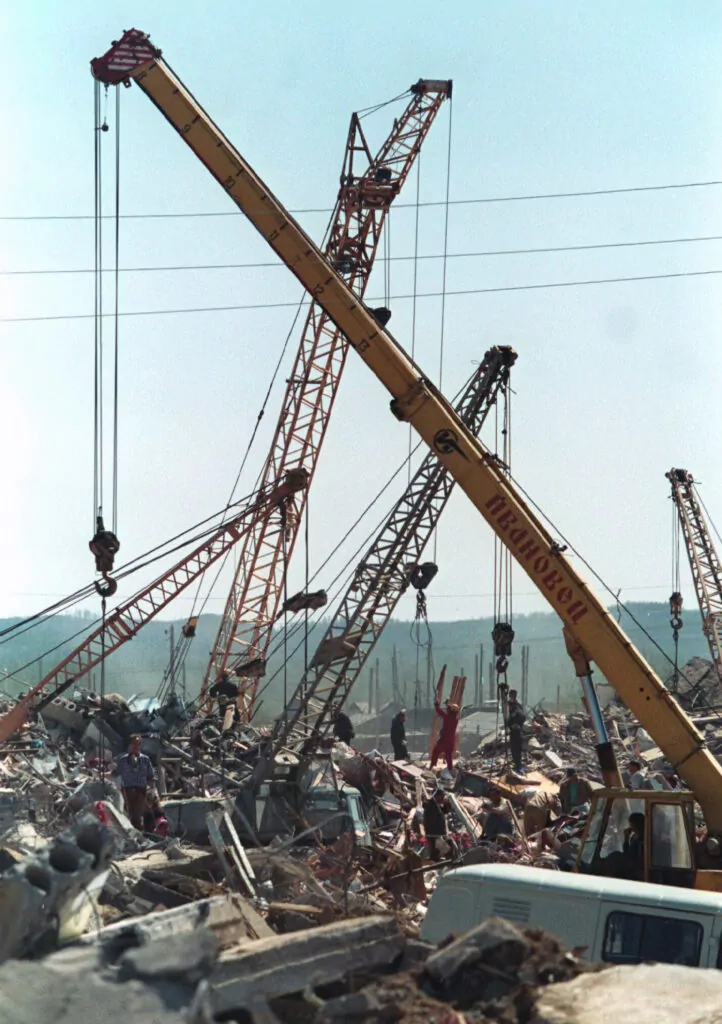
Но от иностранной помощи непосредственно в спасательных работах российские власти отказывались . «Наше доблестное правительство сказало, что мы справимся своими силами, и отказалось от этой помощи. [Хотя спасателям] не хватало кранов», — говорит местный житель Василий Буцерка. Предложение Японии поставить гуманитарную помощь нефтегорцам отверг лично Ельцин: «Мы пока не приняли [иностранную помощь], мы пока в силах справиться сами, а то потом могут сказать нам: “Отдавайте Курильские острова“», — цитировал президента «Коммерсант».
«Жили прямо на кладбищах»
Восстанавливать Нефтегорск не стали . Уже 6 октября 1995 года поселок официально убрали с карты России. Руины зданий засыпали землей. 31 мая 1995 года президент России Борис Ельцин объявил в России день траура. Общий экономический ущерб от катастрофы, по оценкам 1996 года, превысил два триллиона рублей (425 миллионов долларов).
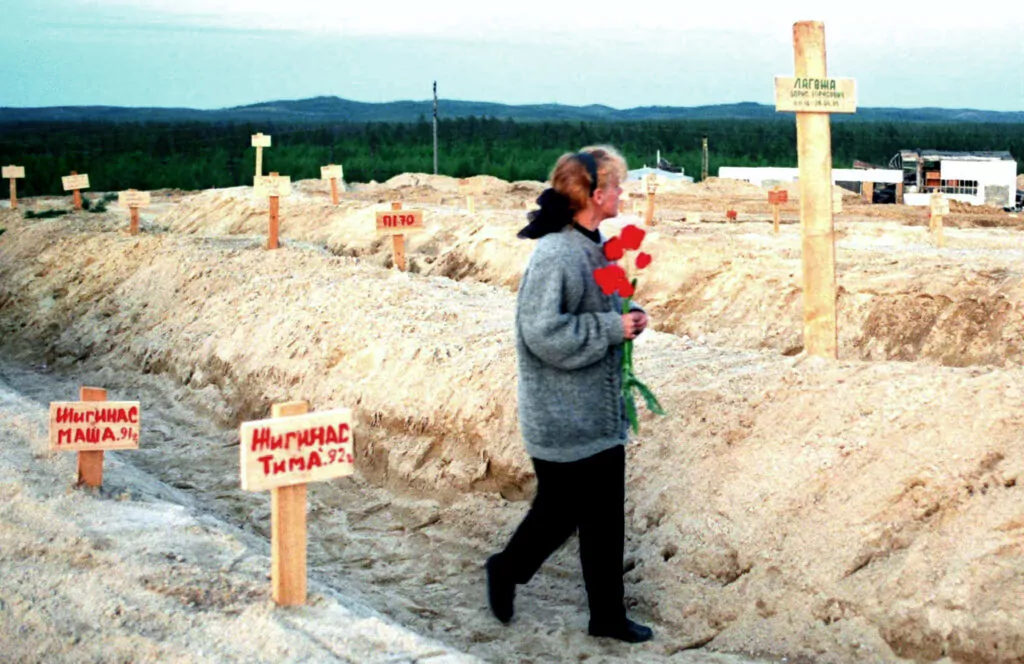
Сегодня на месте поселка — мемориал и небольшая часовня. Вместо жилых домов — надгробные плиты, на которых высечены номера разрушенных домов. На месте гибели выпускников установлен главный памятник. Люди теперь возвращаются сюда только почтить память погибших.
Владимир Слабинский рассказал «Медузе», что не все выжившие смогли пережить утрату. Некоторые покончили с собой, другие спились и умерли, не дожив даже 2000-х годов. Его слова подтвердила местная жительница Эльвира Гуляева: «Здесь [раньше] у них была стабильность, семьи, а тут они их хоронили. Люди пили сильно и, бывало, жили прямо на кладбищах».
«Где-то на протяжении месяцев трех без 15 [минут] час, без 10, сын прям во сне начинал навзрыд плакать. Каждую ночь в одно и то же время где-то около часу ночи», — вспоминала жительница Нефтегорска Светлана Паршина
Бывшие жители Нефтегорска создали закрытую группу в «Одноклассниках», где собрали сотни архивных снимков, видеозаписей и личных воспоминаний. В начале 2000-х годов они делились новостями и поздравляли друг друга с праздниками. Сейчас же все чаще пишут о смерти земляков.
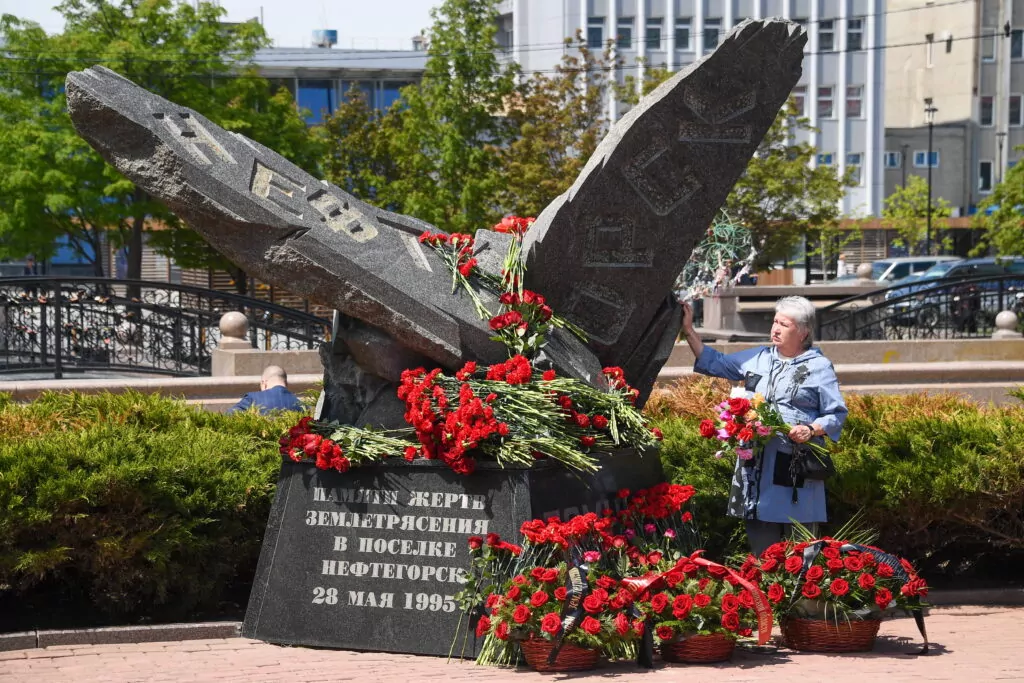
Каждое 28 мая выжившие стараются собираться на севере Сахалина. Они приходят на место бывшего поселка, возлагают цветы к мемориалу и навещают могилы погибших.
In order not to miss the main materials of the "cold", subscribe to our social networks! Telegram
  Instagram
  Facebook
  Tiktok
  X
X"Cold" needs your help to work further
We continue to work, resisting prohibitions and repression in order to maintain independent journalism for Russia the future. How do we do it? Thanks to the support of thousands of caring people.
What are we dreaming about?
About simple and at the same time complex - the ability to work further. Life will change many times beyond recognition, but we, the editors of the Cold, want to stay with you, our readers.
Support the “cold” today, so that we continue to do what we are best done - to be independent media. Thank you!
Support