The remains of 6,000 years discovered in Columbia belong to people from the previously unknown group of South Americans - research • The Insider • RIMA — Russian Independent Media Archive
Colombian scientists have announced that they had found an previously unknown group of ancient South Americans, different from other groups who settled South America, Reuters reports. The discovery was made after the complete sequenication of the DNA of the ancient remains found in 1992 during archaeological excavations near the capital of the country of Bogota.
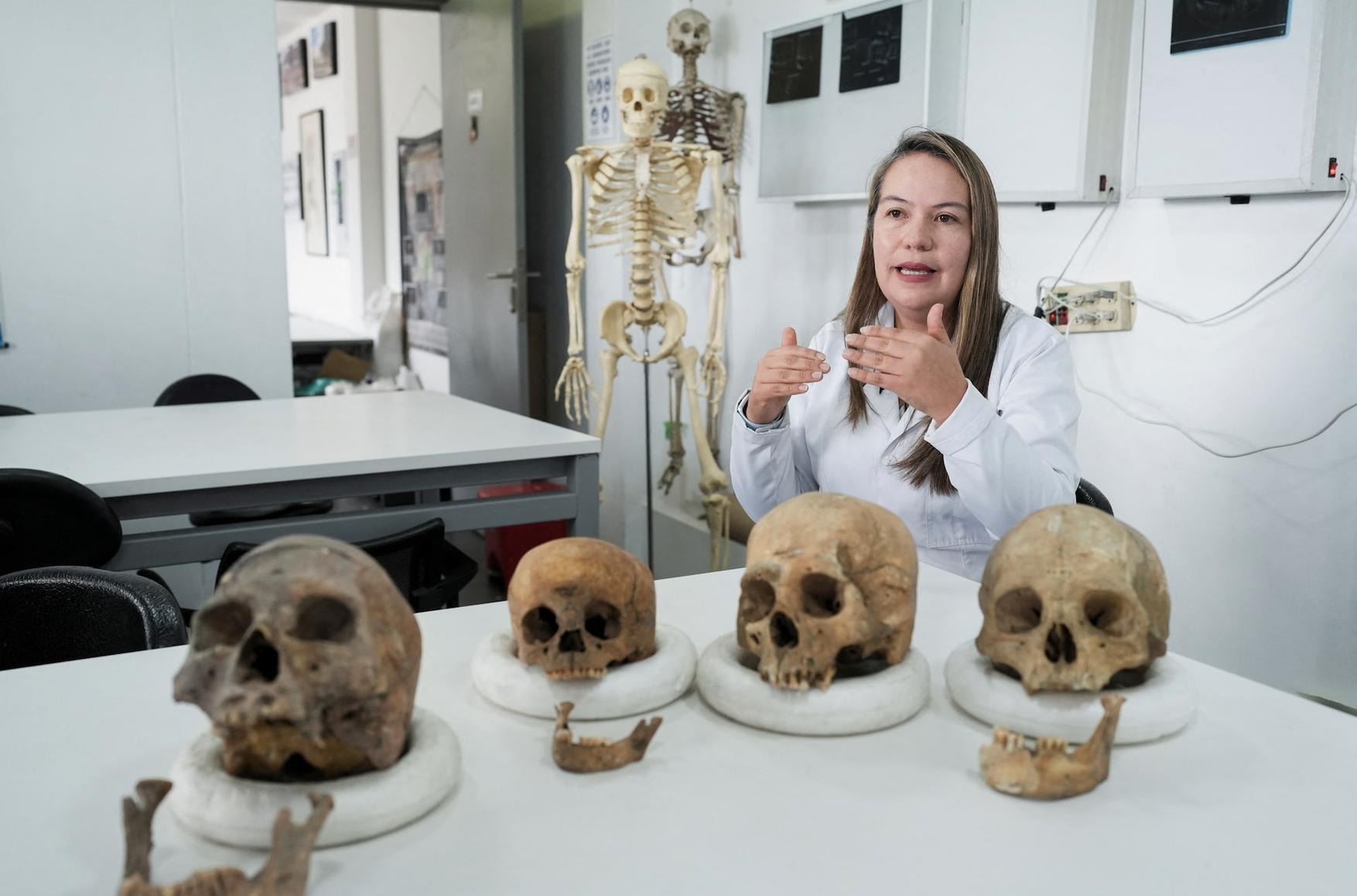
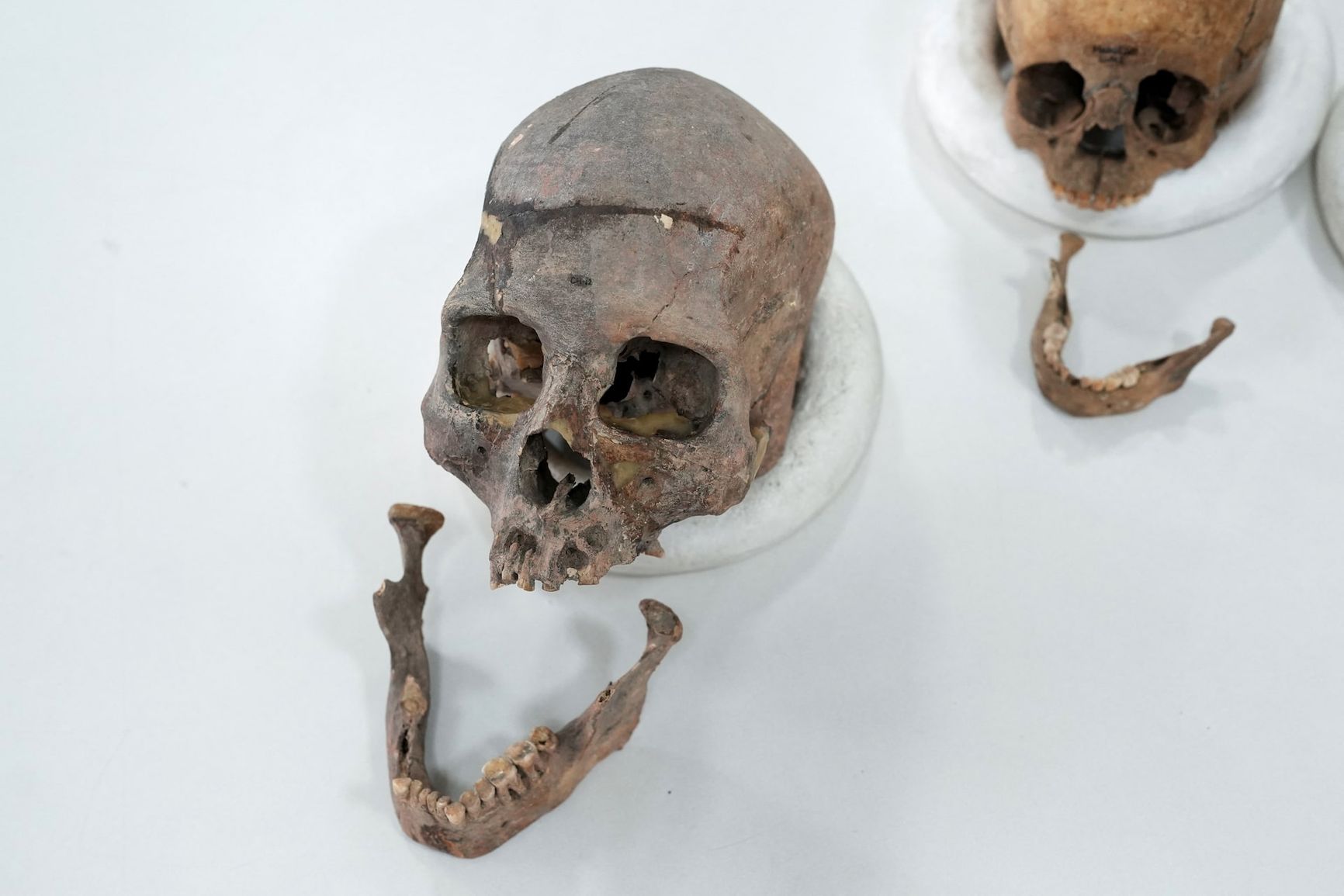
A group of ancient people was called Chekua - in honor of the area where the remains were discovered. The find included partially fragments of the remains of about 30 people and one almost a whole skull. These people lived about 6000 years ago, their genome was not previously completely sequenced.
Photo: Reuters
“When we began to compare them with individuals from other parts of America, we found that people of the dockramic period found here, on the Kundi -Yasens plateau, have a genealogical line that was not previously reported. This is a new line, ”said Dr. Andrea Casas, a researcher from the Institute of Genetics of the National University of Colombia.
According to her, the rest of the bones studied in the framework of the same research project have common genetic features with the remains found in Panama, which indicates that people were part of the groups that migrated through Central America and Colombia during the spread of human populations south of the Bering Strait 20 thousand years ago.
Scientists do not yet know what the origin of the Chekaa. According to Casas, this group may have been an isolated nomadic community of hunters and collectors. The group could die out due to climatic conditions, diseases or lack of food, there are no information about its possible descendants.