
Translated material
Resting from death
The fugitives from the armies of the Second World War and Svo. Comparative analysis - as the homeland of deserters met then and now

June 2025, Angara. Farm timber. Photo: Gufsin of the Krasnoyarsk Territory
Deserters from fascist troops are heroes. In any case, from the point of view of the rest of the world, Negerman. But even in denacted Germany, monuments to the fugitives were put from the Wehrmacht. True, they were private initiatives, projects, decisions - local authorities, not federal. Rehabilitated desertion from the Wehrmacht Bundestag only in 2002. On one of the monuments, a tablet with a line from Gunther Aikh: "Be sand, not oil in the transmission of the world." Or “in the mechanism of the world”, they still translate.
There can be no parallels between the country of Ordnings and the land from “live and remember”. Half a century, as this story by Valentina Rasputin was published by a separate book. Almost immediately, in the same 1975, they printed again-and this circulation was also bought instantly. Next - dozens of reprints. For her, Rasputin received the 1977 USSR State Propertia; Later, Solzhenitsyn will say: “In the whitened Soviet literature, it was inconceivable to utter even a half -word understanding, and even more so sympathetic to the deserter. Rasputin - crossed this ban. ” And among the Germans-with all the denazification-even in 1986, the government directly refused the rehabilitation of deserters.
“Live and Remember” was the first to publish “Our Contemporary” in 1974, before that, excerpts were printed by Irkutsk newspapers (bodies of the regional committees of the CPSU and Komsomol).
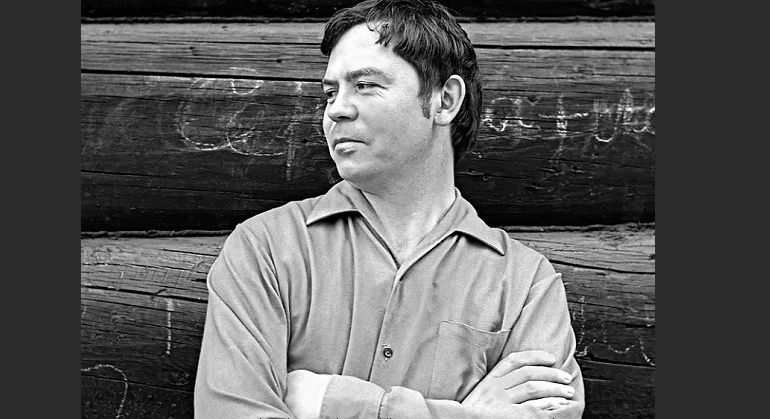
Then, no later than February 1976 , David Samoilov writes his “deserter” (“jumped out of the encirclement ...”; in fact, in the heading of this material-the Samoilovskaya line). In 1977, Grigory Chukhrai removes the "quagmire"-also about the deserter of the Great Patriotic War.
Doesn't it seem strange?
By that time, Germany was re -educated, the USSR was attached to the monolith of the parties and the people, the army and the people, but the Germans did not recognize their heroes, but deserters from the Red Army - if not traitors of a national cause and duty, then panties, weaknesses, victims of circumstances in the best case tried to understand and talked about them, talked about them.
Oak
Military personnel. 31 years old. Captain. I will call him Andrei, so as not to write his own name, even though he and his wife history has nothing from Rasputinsky Guskov, Andrei and Nasten. It is impossible to compare desertion from the Red Army and from the current one, if only because then the Great Patriotic War was going on, now a special military operation. So that it was more visible to be a gap between that country and this one, let Andrey be.
I will say right away: in front of me is a copy of his appeal to one of the garrison military prosecutors, supported by copies of other documents, evidence of his loved ones and people who participated in his fate.
So, called in October 2022. Partial mobilization, military registration and enlistment office of one of the Siberian cities. Andrei reports that he has a restriction on departure from Russia: he served under the contract in the FSB border government for Armenia and had admission to the 2nd form to the information constituting GOSTain, and upon dismissal at the end of the contract he signed the relevant documents.
Andrei reply: now he is the property of the Ministry of Defense and these restrictions on him do not apply.
Upon arrival at the temporary deployment point in Novosibirsk, he again reports to the command on the restrictions on the exit. There is no reaction.
From December 2022 to June 2023-there. Then 16 days of vacation. When it returns from it, the employees of the checkpoint (to the FOL zone) Matveev Kurgan stop Andrei. Draw up an act. Give him a notification of the ban on the intersection of the state border. The base is indicated. The same thing he had previously reported to the command. Well, reports again. And about what it turned out. Answer: You must figure it out yourself, since you yourself should have to take off your restrictions.
Further - several attempts to cross the state border in the Matveevs Kurgan. Unsuccessfully. And where will it work? Answer: Nowhere, information about the non -allowance has passed everywhere. Again, the report to the commander of my military unit: I can’t cross the border in a legal way.
Andrei refuses the idea of passing a border in a bag with potatoes in the Ural body, after which it is filed in the Lists of OSC (unauthorized abandonment of the part).
Op, also say “Sochi”, “soch”. He is the 500th, Pyathatka, deserter.
The captain turns to the prosecutor's office of the Southern Military District: what to do? They answer: the decision on the temporary restriction of your exit was made not by our employees, but by other security authorities of the state. “At the same time, taking into account the complex operational situation and the introduction of martial law in the new constituent entities of the Russian Federation, the previously established entry regime to their territory continues to operate, including In relation to citizens whose right to border crossing is limited. ”
Reports to the command of his military unit, as well as to the headquarters of the Central Military District and to the Department of the Border Service. According to Andrei - no answers.
They don’t let them go, they demand to appear there. So it drags through until Andrei scores on everything. He goes back to Siberia, returns to the forestry and, until July 2025, is engaged in peaceful labor.
The trouble comes from the rear. While he cuts the taiga, he finds out that his wife is cheating. It turned out to be in connection, and already long, with her impatient brother (they have a common father), the age difference is three years old. And now she is pregnant again (they had a common child at that time with Andrei). Andrei does not go to understand, but makes her understand that everything is over. And then she passes the captain.
From the city where he lived, where he was called on his, a threat comes, they knit him. As said, on suspicion of “in desertion during the period of mobilization or martial law (part 3 of article 338 of the Criminal Code, from 5 to 15 years)”, they are taken to the capital of the neighboring region, handed over to the military commandant’s office.
I learn about the captain when he is there for the second week. Through third parties, and with their stories there are people from Rasputin's places, from the hangar, they are surprised and say: and in our village there are four or five people in the village. The military registration and enlistment office knows about them. The reasons why they returned from there are different for everyone. And do not pull them. They live, they also work on the forestry-"you need to work ... they are sparingly treated."
And Andrei would have lived and worked if not such a story in the family.

By the way, the story there, by the way, is even more colorful: this brother, because of which the cheese-brow, himself has been sitting since April for the molestation of a minor, again his relative, from 10 years old, now she was 14. At the same time, he had a wonderful three-year-old child, as people say ...
But not fatal passions are striking, without them it does not happen, not serial incest in the outback, these two years of Andrei’s calm work are striking, in general, in sight, amazingly and this is “sparingly relate to these” ... This is in the hangar! This is the Angarsk people now spare ... those who ruined the orphan in “Live and remember”.
"Teach us to breathe under water"
Angarsk stories are always an indicator. Angara is not the Irkutsk and Krasnoyarsk, not black and red (I mean the power of thieves' concepts, denilov in the Baikal region and the power of Vertukhaev and the asset in Krasnoyar), the hangar grinds everything, it is its own, special, with its own law. For some, that law is worse and tougher, for others it is fair. Previously, the most free land that promises something (along the hangar is an alternative to the shackle tract and completely different villages), then completely Gulag. Since the 50s of the last century-inverted, reeded, bedroom, flooded. Or waiting for the flood - when the construction of the hydroelectric power station and, accordingly, the burning of the villages was delayed and postponed for decades.
Launched on current and aluminum flaps - first for the USSR, then for the Black brothers, then for Deripaska and the Yeltsin family.
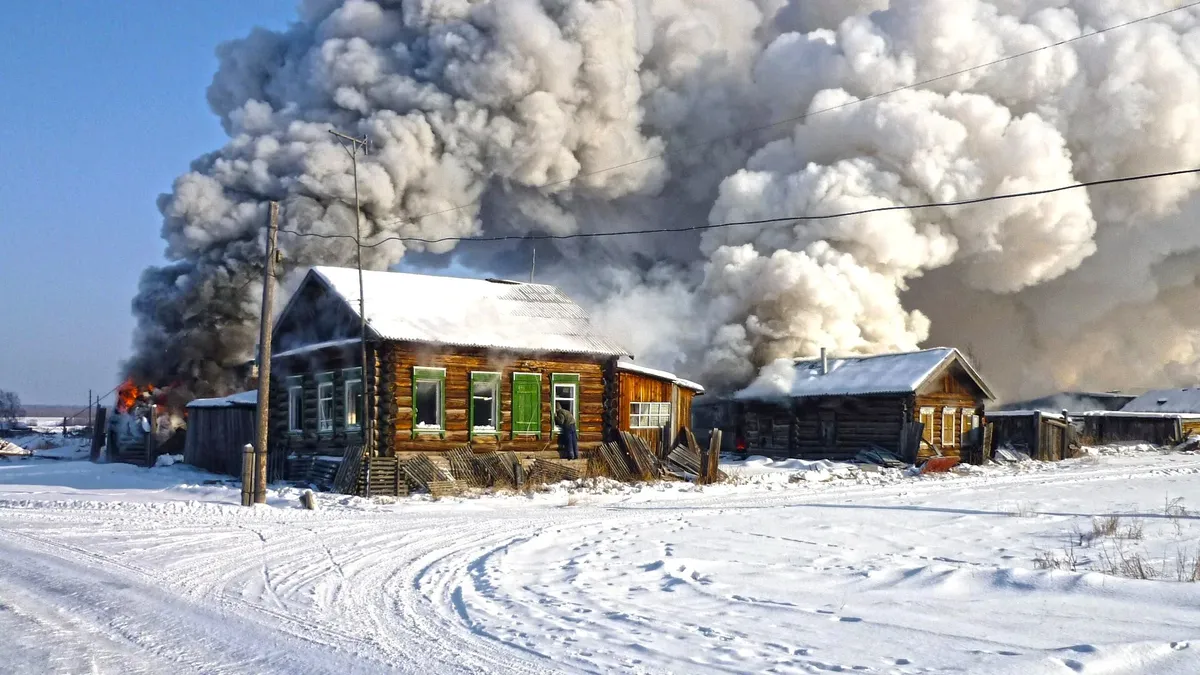
And now almost destroyed. And the river, and the islands, and the shores, and the terraces along them, and the villages, and their isolated culture. These were special people, other Russians; From them, from the only one thousand miles, the surroundings of the old -timer (relocated Pomors) of the Enclave, little is left. Dispersed.
From the outside, this life does not understand, and there is no assessment of this trouble. Angarsky are special, yes, but for some reason this feature is given to them.
Those people were native to Rasputin, he wrote about them with pain, with suffering. And, for example, they were nobody, who was serving a link here in the 30s Anatoly Rybakov, and in the “Children of Arbat” he clearly showed how the locals treated the prisoners and exile-no “mercy to the fallen” did not spend the night there. Viktor Astafyev did not like Angarsky. When in the mid-90s they talked about the completion of the Boguchansky hydroelectric power station and flooding of all these old villages, I asked him about the passivity of Kezhmares. They were preparing to flood their homeland, and they were silent. And suddenly Astafiev broke through. He said, without choosing words, like Angars, despising all his eternal way, since the 30s they went to cooperate with the authorities, passed fugitive prisoners and exiles. They (!) Caught them and shot them. Astafyev did not say that these hydroelectric power stations are retaliation.
Neither the deserters of the Great Patriotic War, nor the Vlasov, nor who visited German captivity, and then got into the Gulag, left their memories, these topics were taboo (therefore we are talking about the works of Soviet art, and not the real fate of deserters and their texts - against the background of hundreds of memoir volumes of Europeans).
But in letters to the Krasnoyarsk “memorial”*, poured in a stream since the late 80s of the last century, the trembling handwriting of the old people already had reality. As in Bratsk - the war ended 20 years ago - at the bus stop, a Vlasovian, who came out after a long imprisonment, was stabbed. As the locals tracked, too, for many years after the war they passed - the deserter and passed. Retribution?
One of the last Soviet leaders on the hangar told me that he did not experience more horror, reading the morning Gothic police reports every day that they put him on the table. Retribution? No, he said. Probably the result: from the end of the 50s of the last century (when flooding went, and the bakeries went to the forest) in local village councils the most discussed issues were alcoholism and the deprivation of parental rights. Chron and hton.

I do not want to be incorrectly understood: in 2019 I wrote in “New” about the next savagery on the hangar-young guys from the coastal (150 km along the highway from Bratsk), having blocked the federal road “Vilyui”, shot cars and people in them. So, after the publication, a letter came from the locals, and I probably agreed with him: “People from the flood zone were peasants, the salt of the earth with excellent genes, and the marginals like four Coastal scumbags came up just from the west ... Zekov is being taken to us, it also adds color. As before in Siberia they said: Navones people. Local peasants do not behave like that. Although scumbags can be immigrants from any class of society. ”
About manure. Rasputin in "Farewell to Matera" is "Hung." And in relation to people, a cynical and empty girl is thrown by this word: “... lagging behind Andrei, suddenly clutched into the conversation of Klavka, as if burned her. - Found on what to cry! And they cry, and cry ... Yes, she struck all the nasal, your Matera! There is nothing to breathe. What joy did you find here?! Around, a new life has long come, and you are all like a dung, for the old beetles, you are grabbing, everything is a kind of sweetness in it. You only deceive yourself. It's time to chase your mature and send it by the hangar "...
The recent vice-governor of the Angara region, who had previously led the investigating authorities in Krasnoyarsk and Kemerov, was amazed in Irkutsk: “Nowhere in Russia there are no such huge number of crimes against the personality, sexual integrity”; “In Moscow, cases of sexual crimes against children are initiated on average once a day. In the Irkutsk region there are days when we are exciting such things to eight.
A giant number of killed children ... a giant number of suicides of children ”; “The cases of murders in the courts in other years Irkutsk traverse are sent one and a half times more than Muscovites. More than the entire North Caucasian Fedorkroch. ”
The Yenisei long ago, long before flooding, called (for the eyes) of Angarsk mochas. That is, the sands. Pescaries hold the bottom, rarely rise to the surface. Now these are the deep people literally: they are drowned. They call themselves that. Their homeland is flooded. Just from the 50s and began to drown. And still. The plans include new hydroelectric power stations in the hangar.
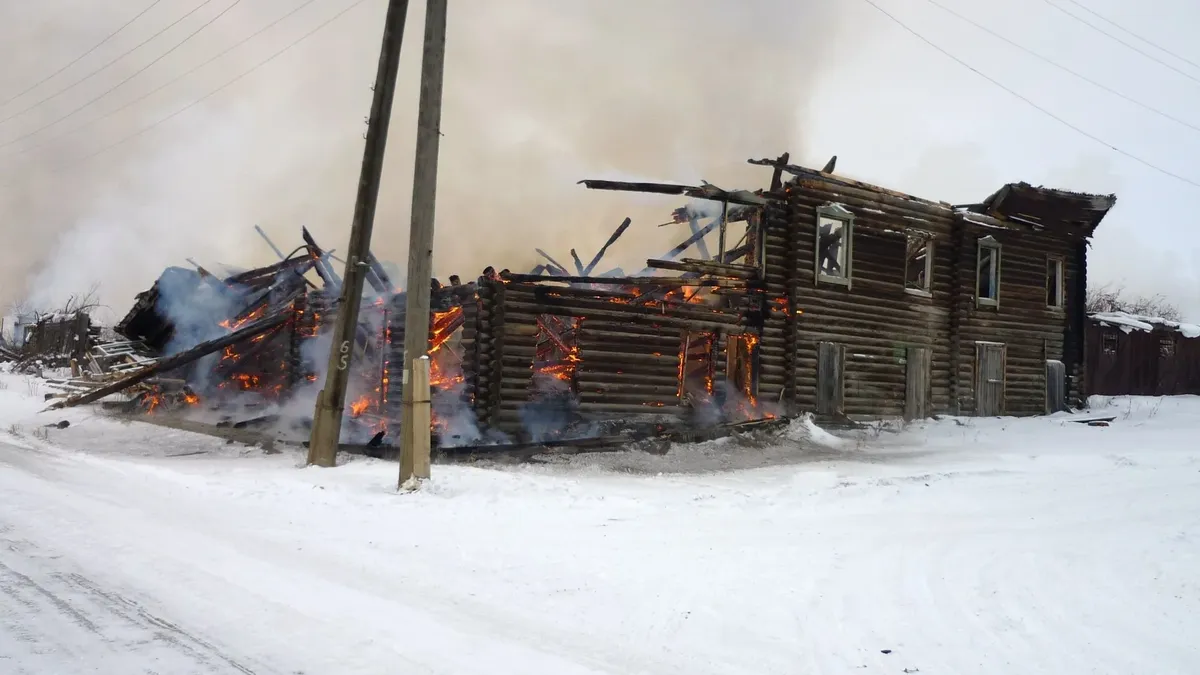
And much of what the authorities spoke about the deep people, though. And the Kremlin really relies on him. They coincide in something main. And the Kremlin’s links to his deep, aspirations are legitimate. So the indicator, no less.
But now the Angarsky do not pass the current deserters. They regret and spare. Give them to live.
Pierced?
And that means, the Kremlin is now late to read signals from the depths of Russia. He does not hear the voice from the depths. From the bottom.
And continues the dredging.
Such a common place in the domestic half -drunk rhetoric: the West does not understand the "Russian soul." You might think, Russians understand it.
And you can only assume. There was an immersion, the acquisition of the gills - there will be surfacing. Who has not died is drooping.
Great and little people and dead
The war, however, does not spare anyone. Neither those who are for her, nor those who are against. Not those who do not care. And even more so, she does not spare deserters and does not understand which of them is a coward and who is a hero, who left that army, which is right and who is the troops of the aggressor. There is no home home. Neither Rasputin, neither in Samoilov, nor the Chukhrai (even though there the character did not go anywhere, hiding in the attic of the mother’s house). The compatriots met and hung deserters from the Wehrmacht on lanterns even in the spring of 1945, that is, “without five twelve” (the Germans say so). In the novel of the Hans, Werner Richter, who fought, is “not killing” in front of his mother’s eyes - as a deserter - Gerhard.
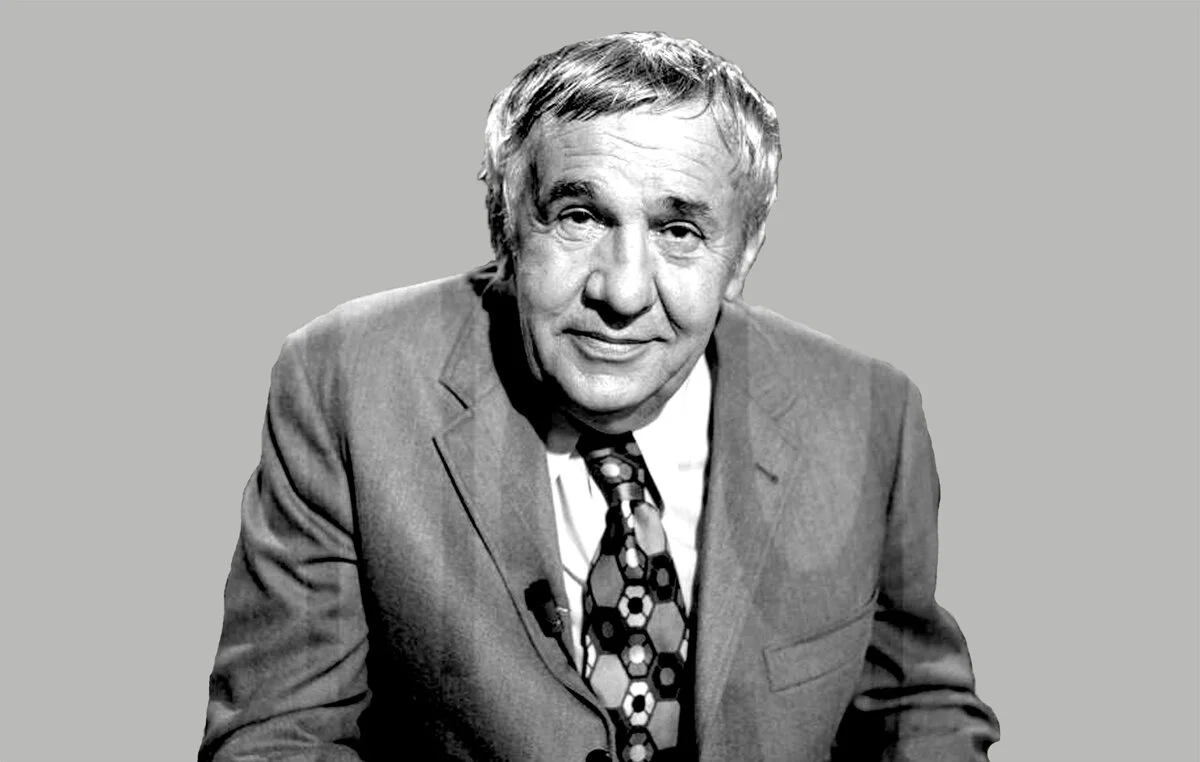
In Richter, the whole family of “little people” of the Lorentsev dies in the novel/disappears. The old man himself, called up at the end of the war. Three of his sons - both a convinced Nazi and the one who was always against it, and the third who simply sang along with the majority, not believing that it could be deceived, the same Gerhard, who realized everything “without five twelve”, but that is already the point. The groom of their sister is dying, honest and conscientious, and therefore “simple” fulfilled his duty. The fate of women are crippled; The old woman remain, the mother of all these dead, with the only grandson. And he at the end runs in front of the cars with the remnants of the family belt of the Lorentsev-separately for this last page and historical optimism, Richter thanked his former enemy, who fought on the other side of the front-the poet Boris Slutsky, he wrote a review of this novel, published in the USSR in 1960.
From it: “Another problem posed by Richter is about good people. More precisely, about how to do a good person at a bad time. After all, scoundrels are in the minority. There are much more decent people - both in the novel and in Germany of that time. Why are the scoundrels still set the tone? Why are good people only silent and silently put their heads under the bullets? Why do they shoot at other good people? .. "
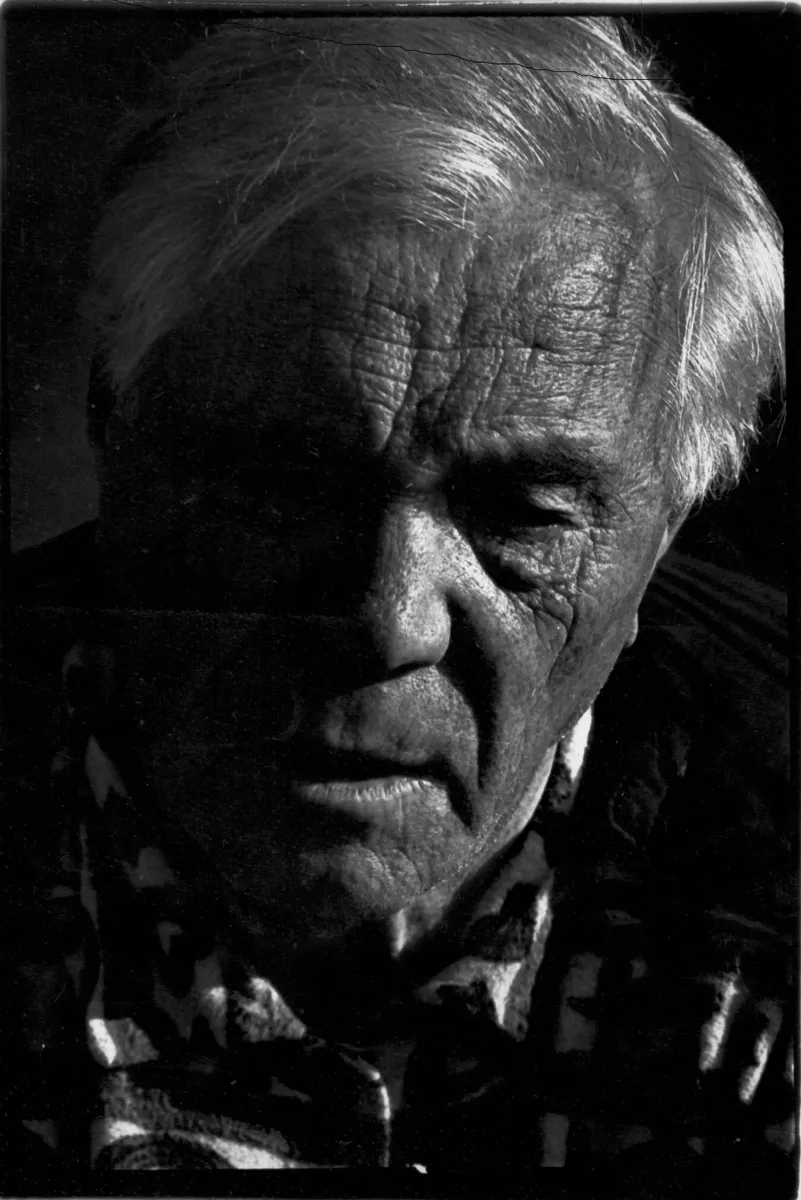
But what Viktor Astafiev told me in 1994 about that novel and that problem: “... my uncle in Divnogorsk lived-he was cunning, he surrendered, then fled. What was it not to run? The Germans drove the grimaced wire on aluminum pegs, covered the prisoners with one thread and said: Ivana, if you run away, we will be fluff. They themselves left, drank vodka, did not guard. No one fled ... The Germans already in the first years after the war began to tell the truth about her. In the 50s, Richter’s “do not kill”, the “time to live and the time to die” of the remark came out. But Remarus was not in this war, and Richter fought, and I was stunned by this truth - we could not write like that:
Censorship is one thing, but, besides it, in any case, we will write with respect, love for our people, and he wrote with hatred for his people-for the people who began to catch the retreating Germans in the 45th and hang on lanterns. ”
But what he said - after another two decades, in 2015 - one former SS, after the war, a successful businessman, having arrived in Russia, a country against which he fought: “After you go through the war and see all the dead and wounded, sooner or later you will begin to identify yourself with soldiers who go and fight for your country. And it’s very difficult to respect them too much. They are respected in your country, but in our country, on the contrary, they are not respected. And this is actually quite stupid ... Because if you hear, if you know that a person is ready to go into battle for his country, then this should have the highest ethically ethically assessment. ”
So: it does not matter who is right and who is not, matters only how a soldier fulfills his duty. Such a medieval representation, which was just that war, the second world, it seems to have destroyed to the ground, because evil and good were never divided so clearly. And yet.
Well, then a deserter, from whatever the army he escaped - is definitely a criminal?
Это, к слову, говорил на «Эхе Москвы» в интервью Виталию Дымарскому** Рудольф фон Риббентроп, сына Иоахима фон Риббентропа (министра иностранных дел нацистской Германии — Нюрнбергским трибуналом признан виновным по всем пунктам обвинения и повешен первым из главных нацистов, прах развеян).
Рудольф фон Риббентроп («отличные гены») умрет в 2019-м, в 98 лет. Похоже, так ничего и не понял, ни от чего не отказался, во всяком случае тогда, в 2015-м, рассказывал, что Гитлер не хотел войны с СССР, он решился на упреждающую наступательную операцию: Сталин наверняка напал бы на Германию…
«Пока живой»
К делу Андрея знакомые подключают юриста. Но тот не успевает разослать никаких бумаг, пока капитан находится в комендатуре. Приходит видео: его с другими загружают в военный транспортник, улетает в Ростов. Потом приходит весть из Луганской области. Неделя в распределительном центре. И — снова в ту же часть. Встречается с сослуживцами. Сидит за решеткой, пока идут допросы — «командование, ФСБ, всякие разные статусные люди».
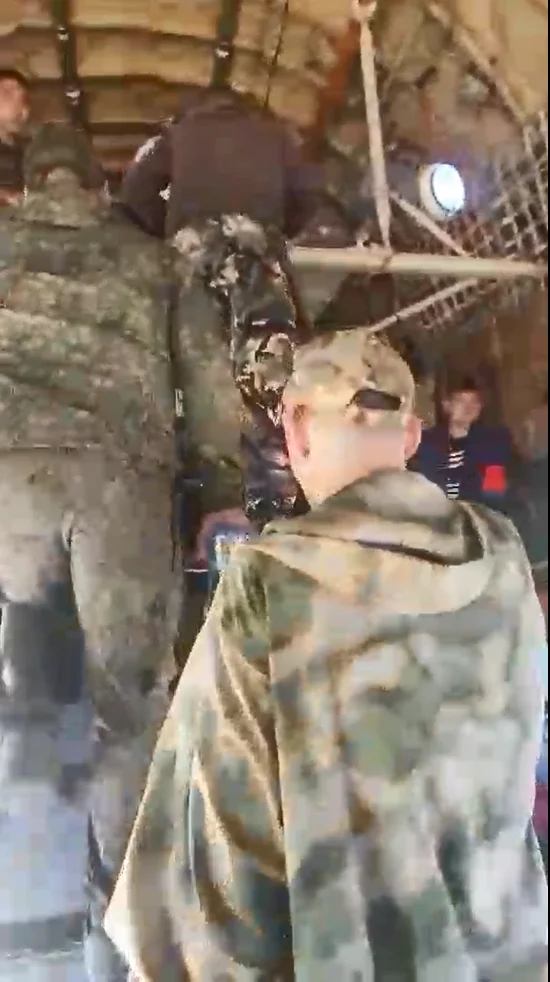
В промежуточном итоге — почти никаких санкций. Но капитана на какое-то необозначенное время ставят на лейтенантскую должность. Обещают потом перевести в штаб: говорят, в нем катастрофически не хватает офицеров, «штаб голый, так что не время отдавать в штурмы».
Раз так, юрист откладывает свои труды, тем более погружается в депрессию — он сам уже не раз выезжал в зону СВО, это не прошло бесследно, и как раз там гибнет его родной брат. Но у капитана все более-менее.
Меж тем родня написала — «чтобы не в штурмы определили, а куда-то по званию» — в приемную Владимира Путина. Оттуда сделали запросы по всем инстанциям. Пришли разные ответы, объединяет их то, что все они сугубо формальные, отписки.
Уголовную статью и статус «СОЧи» с него в документах вроде убрали, но, по словам родственников, «междусобойчик все равно происходит», к нему особое отношение. Из части его перекидывают в другую, потом еще, и сейчас он — «командир штурмового отделения (?), но на задание их пока не отправляют: готовит к нему своих ребят в полях». И нет ясности, пойдет ли Андрей во главе своей группы или он ее отпустит и начнет тренировать другую. Фон: «очень много беглецов, и за любую провинность — сразу на передок». Андрей подавлен, конечно. В списки на боевое задание его то подают, то убирают. «Нервотрепка эта выматывает. Но терпит. Понятно, не спит. Простыл, но это все мелочи жизни. Пока живой. Ну а дальше не знаем».
Параллельно начинаются судебные заседания по делу разлучника (но судят его, конечно, не за то, а за растление малолетней родственницы). Вину полностью признает, ни от чего не отказывается. У него явка с повинной. Но раскаяния и извинений нет.
Возможно, пойдет на СВО. Там с Андреем и встретятся. Все это, конечно, уже не один Распутин, а и «Сто лет одиночества» Маркеса, и… То и не то, сегодняшняя жизнь все рифмует и закольцовывает в какую-то «Санту-Барбару», если б ее снимал Балабанов.