
Translated material
Merkel: Poland and the Baltic countries have disrupted negotiations with Russia
Europe failed to reach a common position, says former German chancellor
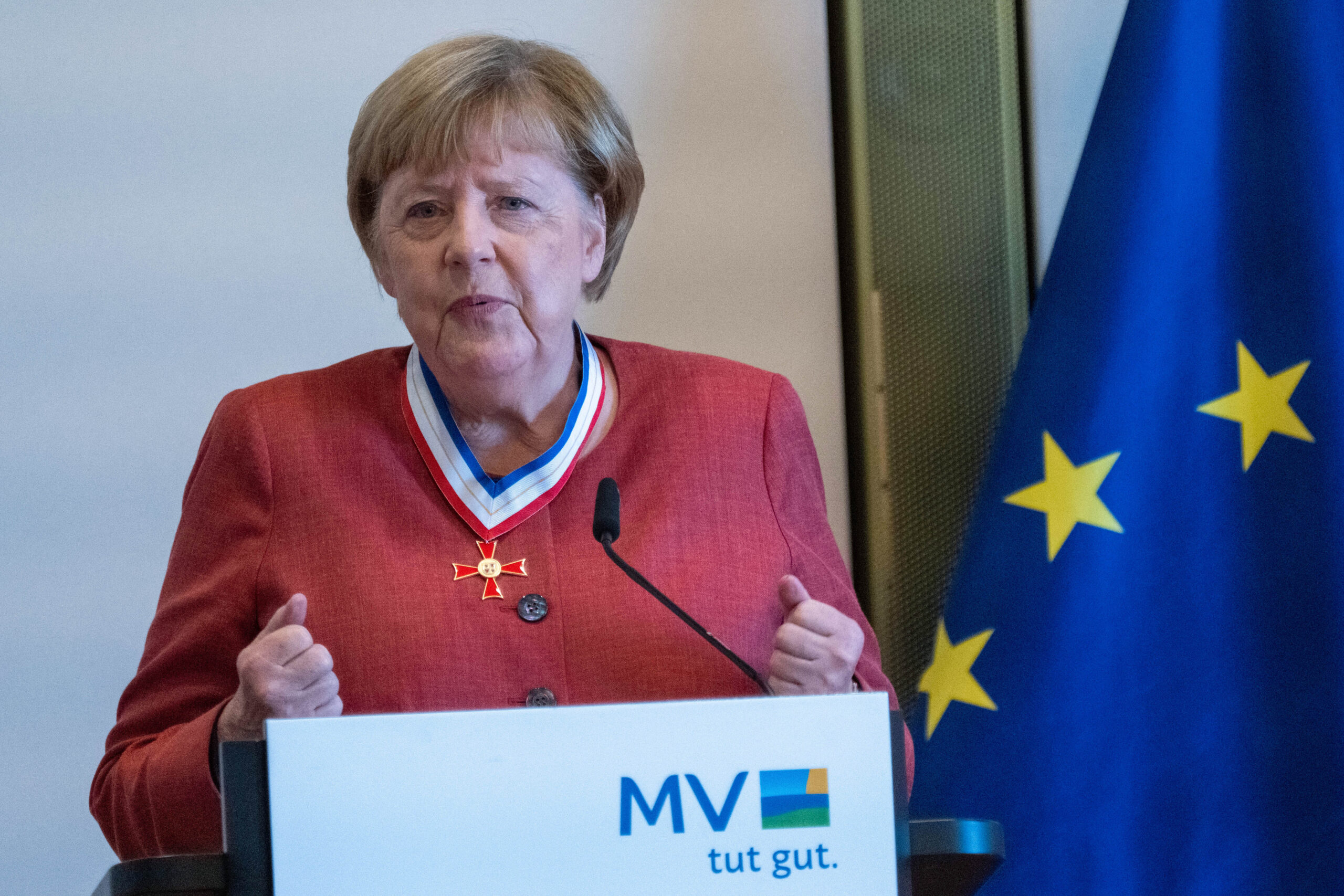
Former German Chancellor Angela Merkel said in an interview with the Hungarian publication Mandiner that in 2021 Poland and the Baltic countries blocked her initiative to start direct negotiations between the European Union and Russia. According to Merkel, the idea was to establish political dialogue with Moscow before the situation in Ukraine escalated into an open phase of conflict.
The states of Eastern Europe, according to the ex-chancellor, perceived this initiative with caution. “These countries feared that Europe would not be able to develop a common policy towards Russia,” Merkel said.
The former chancellor believes that the refusal to negotiate with Russian President Vladimir Putin was one of the prerequisites for subsequent events.
“The inability to directly negotiate with Putin influenced the further development of events,” Merkkl emphasized.
In order not to miss new texts from “Layout”, subscribe to our telegram channel
The pandemic has deprived world leaders of the opportunity to negotiate and seek compromises
Merkel stressed that in the current conditions, Europe needs to rethink its strategy. “Now times have changed, and we need to consider what is the best position to take to achieve peace,” she said.
According to the former chancellor, this is only possible if Europe “acts as a real deterrent and supports Ukraine.”
The former head of the German government also added that the coronavirus pandemic has complicated political interaction between countries and deprived world leaders of the opportunity to negotiate directly.
“During the pandemic, leaders were unable to communicate face to face and, therefore, reach new compromises. Videoconferencing is not suitable for this,” Merkel says.
Orban, Russia and trust in Putin
In the interview, Merkel also touched upon the topic of relations with Hungarian Prime Minister Viktor Orban. She rejected claims that he is Russia's "Trojan horse" in Europe.
“No, this is nonsense. We wouldn’t fall for this, I think it’s absurd,” Merkel said.
At the same time, she emphasized that she does not support Hungary’s decision to continue importing Russian energy resources, despite the EU sanctions policy.
Speaking about her own relationship with Putin, Merkel admitted that she lost confidence in him after the annexation of Crimea in 2014, but still tried to maintain a dialogue in order to prevent a large-scale conflict.
Merkel also recalled that the Minsk agreements of 2014–2015 were created precisely in order to “give Ukraine time” - although Moscow later regarded this as a deception.
Angela Merkel served as Chancellor of Germany from 2005 to 2021 and was considered one of the key mediators between Russia and the West. After leaving office, she for the first time openly condemned Russia's actions in 2022, saying that the cessation of diplomatic mechanisms led to the war in Ukraine.
Previously, “Layout” talked about three probable scenarios for the development of events after the end of the war in Ukraine .
Photo: Angela Merkel. Stefan Sauer/dpa via Reuters Connect
Support “Vestka” - it’s important and safe →