
Translated material
The EU approved the 19th package of sanctions against Russia
The sanctions also include a ban on the import of Russian LNG
The leaders of the European Union countries at the summit in Brussels finally approved the 19th package of sanctions against Russia . It came into force on October 22, after Austria, Hungary and Slovakia withdrew their objections.
The package coincided with tightening US sanctions , which, according to European foreign policy chief Kai Kallas, demonstrates “a united transatlantic front of pressure on Moscow to end the war in Ukraine.”
In order not to miss new texts from “Layout”, subscribe to our telegram channel
Restrictions affect natural gas, banks, crypto services and the movement of Russian diplomats
New European sanctions include a ban on imports of Russian liquefied gas from 2027 and a complete ban on transactions with Rosneft and Gazpromneft.
The provision of crypto services to Russian residents has been limited and control over the movement of Russian diplomats within the Schengen zone has been tightened. It is not specified exactly how diplomats’ movements will be restricted. It was previously reported that they will have to notify the authorities of EU countries in advance about planned trips.
In addition, the EU expanded the “black list” of shadow fleet vessels, adding 117 tankers to it, and introduced a ban on reinsurance of Russian ships and aircraft.
The new EU sanctions introduced as part of the 19th package included Alfa Bank, MTS Bank, Absolut Bank, as well as the automaker Sollers.
The EU sanctions also included foreign branches of Russian banks: Alfa Bank, VTB and Sberbank in Belarus, and a VTB branch in Kazakhstan. The restrictions for them come into force on December 2. The list also includes the VTB branch in Shanghai and the Belarusian banks BelVEB and Belgazprombank.
In total, the sanctions list included more than 45 organizations, including banks, crypto exchanges and companies from China, India and Central Asian countries, accused of helping Russia circumvent restrictions.
Moscow called the EU decision hostile
Vladimir Zelensky welcomed the increased sanctions pressure, saying that Kyiv will not agree to “territorial concessions” to Russia.
Moscow called the EU decision hostile. The Kremlin and the Russian Foreign Ministry said they were preparing retaliatory measures.
“Verstka” previously talked about travel restrictions for employees of Russian diplomatic missions in the European Union . Notification of travel outside the country of accreditation is a compromise. The Czech Republic initially proposed a complete ban on such movements, but in the final version, in all likelihood, a softer version with a notification procedure was included.
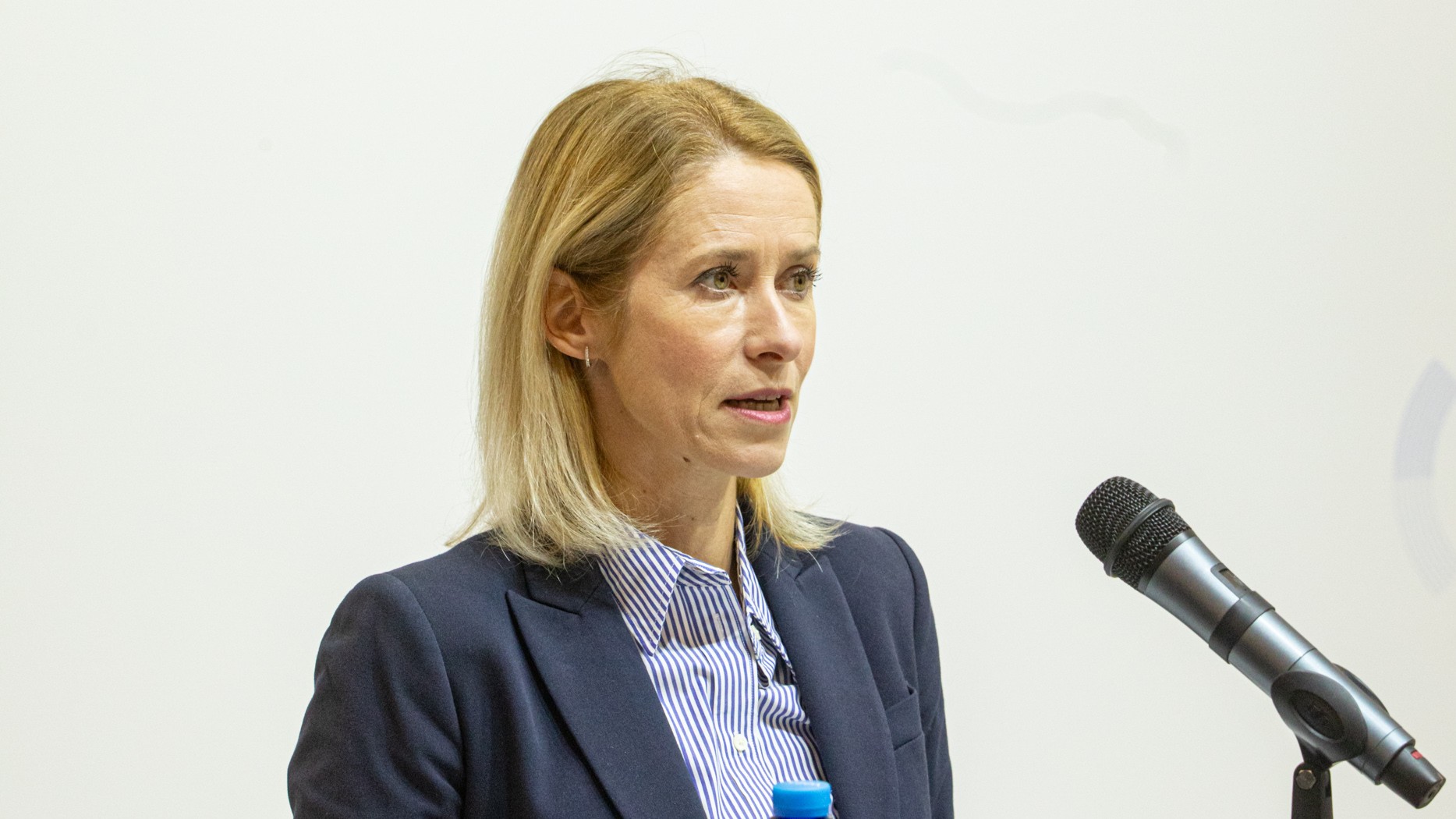
Photo: Kaja Kallas, EU foreign policy chief. Official account in X
Support “Vestka” - it’s important and safe →