
Translated material
Groundhog Zen
Letter from Boris Kagarlitsky* from a colony - about the life philosophy of a Russian political prisoner

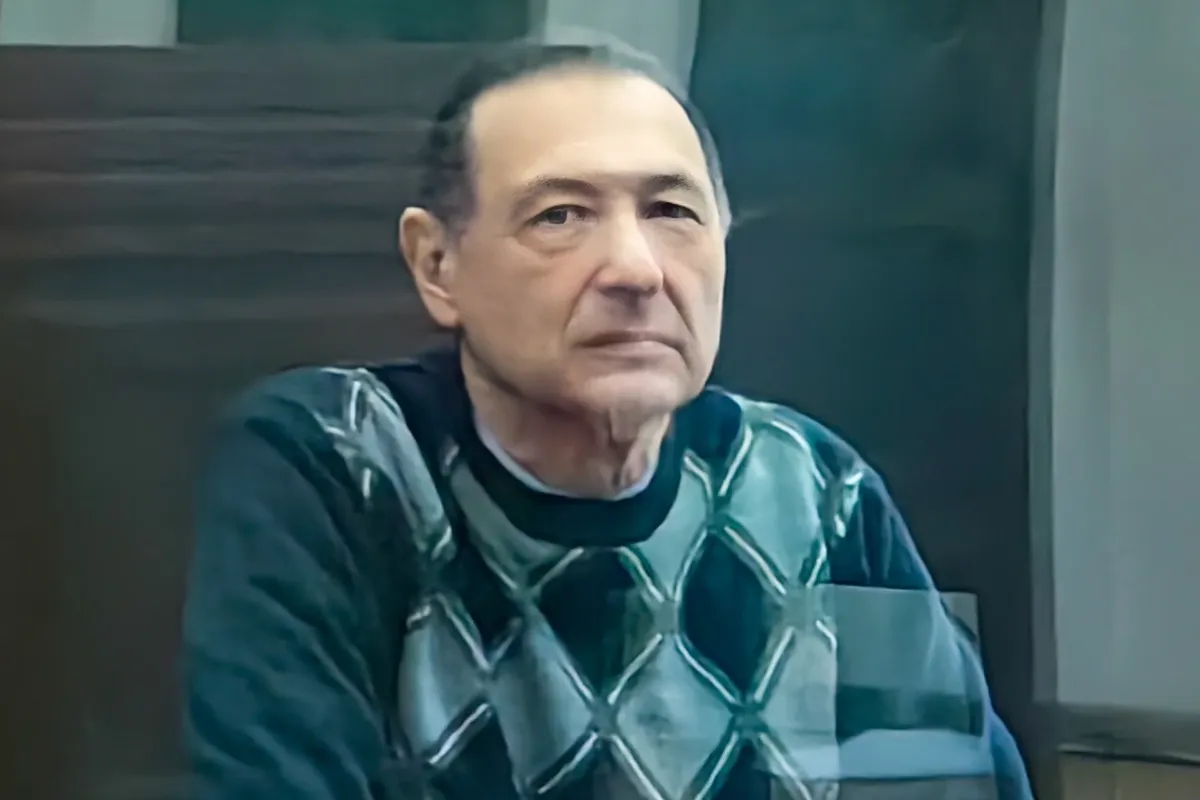
Boris Kagarlitsky. Photo: Evgeny Razumny / Kommersant
(18+) THIS MATERIAL (INFORMATION) IS PRODUCED, DISTRIBUTED AND (OR) SENT BY FOREIGN AGENT KAGARLITSKY BORIS YULIEVICH OR CONCERNES THE ACTIVITIES OF FOREIGN AGENT KAGARLITSKY BORIS YULIEVICH.
Recently, volunteers who correspond with political prisoners regularly send us Shalamov’s stories and fragments from Solzhenitsyn’s texts about life in Stalin’s Gulag. Apparently, this should lift the spirits of modern prisoners: you can compare and understand how much better everything is with us. At least here, in Torzhok.
And in fact, not only have the situation and morals softened greatly over the past years and there are even telephone numbers that allow you to call your family, but most importantly, the FSIN-letter service has appeared. In order for the reader who has no prison experience to appreciate its advantages over the Russian Post, I will inform you that of the letters that I sent to freedom through the Russian Post, less than half reached the outside world, but only one single article was lost through the FSIN letter, and only because someone read it so enthusiastically that he forgot to return it to the system. No, don’t think that ideology is mixed in here. I rewrote the article and it was successfully published. And if someone likes my texts, that’s even nice...
In general, now both I and my correspondents outside are popularizing the FSIN-letter system in every possible way. They even came up with an advertising slogan for it: “It’s easy to sit down, it’s comfortable to sit!”
If we talk about other prison amenities, then how can we not mention the daily mandatory exercise and diet, which allows you to successfully lose weight. Unless, of course, you abuse transfers and store purchases. But this was also taken care of: broadcasts are not every month (depending on the mode and article), and purchases in the store are limited to a monthly amount.
We always go to bed and wake up at the same time. Stability, calm and predictability. Not like being free!
Of course, there are also difficulties. For example, one of my neighbors’ jaw fell out. Our audience here is not particularly young, this happens. The last time the jaw was done by a very conscientious dentist, it lasted ten years, but, alas, nothing lasts forever. And the local doctors helped. The jaw was glued in place. It turned out well, beautiful. Only, they say, she doesn’t need to chew. What is it for then? Decorative.
My neighbor, however, ignored the recommendation and tried chewing. It almost works if you support it with your hand. But in the end, he still had to give up this practice; he now carries his jaw in his pocket. To avoid putting your teeth on the shelf.
The fauna here is mainly ducks. They have their own trusting relationships with prisoners. We had one person whom they even seemed to recognize by sight and fell into his arms. He also recognized some of the ducks by sight. At least it was clear that the friendship was mutual. Only now the man has already freed himself, and the ducks have lost interest in us.
If there is anything truly frightening about modern camp, it is the monotony. Every day the same thing happens. But by and large nothing happens at all. Everyone inevitably remembers Groundhog Day. And in order to get used to this, you have to develop a special philosophy of life. In a Buddhist spirit. I call this “marmot zen.”
The problem is that my correspondents in the wild also persistently complain about “Groundhog Day.” Month after month they wait for something, hope for something, but nothing happens. Lots of news, no events. People who remain free begin to whine and ask for support. We, of course, try to encourage them. The main thing is not to lose your sense of humor. It seems like a lot of people are having trouble with this right now. And behind bars, a peculiar sense of humor somehow develops on its own, sometimes even in people from whom you don’t expect it. For some time now I began to write down prisoners’ aphorisms, often involuntary. For example, our electricity recently went out. In principle, it’s okay if it’s in the middle of the day, but many people are used to watching TV (there, too, the same programs are always on, you can’t change channels).
I go into the room with the TV, people are sitting in front of the black screen as if nothing had happened. I ask: what is it like to look at a black screen? They say you can watch it. I just can't switch.
On the other hand, why switch at all? And why is the flickering of identical faces on the screen better than complete blackness? In a sense, watching TV that doesn't work is a completely adequate activity, given the current situation. The same groundhog zen that I already wrote about.
At least we have our memories and our knowledge, which we easily share with others - with those who may be interested. Until consciousness goes out, there is no need to be afraid of the dark screen.
It is clear that the current times provide little reason for joy. History is stalled. Reading letters from outside, I continually catch myself thinking that it is much more difficult to experience what is happening there. We, immersed in the elements of everyday absurdity, have already become accustomed to everything. Almost not scary, and at times even funny. All that remains is to feel sorry for those who remained on the outside of the fence. Don’t lose heart, don’t panic, treat everything with philosophical calm. Still, change is inevitable. And if it becomes completely unbearable for you, then you can always join us. Believe me, it's not difficult at all!
05.09.25
IK-4 Torzhok
*Recognized as a foreign agent in the Russian Federation
This material was published in the fifteenth issue of Novaya Gazeta. Magazine". You can buy it in the online store of our partners.