
Translated material
War
One thousand four hundredth day. Zelensky named 20 points of the peace plan. This plan has changed in the last month - here's how
Since February 24, 2022, Meduza has been broadcasting live about the Russian-Ukrainian war. We publish your letters in our daily materials because we are sure that we need to continue talking about the war. Share with us the thoughts you have about the war. What feelings are you experiencing? How does war affect you, your life, the lives of your loved ones and your attitude towards the world? The feedback form is at the end of this article. You can read the previous day's review here .
World
Vladimir Zelensky for the first time publicly named all 20 points of the peace plan discussed by Kiev, Moscow and Washington. At a meeting with Ukrainian journalists on December 24, the President of Ukraine described the plan as a “basic document on ending the war” and commented on its main points. Among the unresolved issues in the plan are the issues of territories and the status of the Zaporozhye NPP.
Other points imply strong guarantees of Ukraine's security from allies, maintaining the number of Ukrainian Armed Forces at the level of 800 thousand people in peacetime, Ukraine's future membership in the EU, as well as the creation of a Peace Council chaired by Donald Trump, which will monitor compliance with the agreement.
Zelensky admitted that individual provisions of the agreement or the entire document would be submitted for approval to an all-Ukrainian referendum. But he warned that for this the country needs a real ceasefire for 60 days.
Press Secretary of the Russian President Dmitry Peskov did not comment on the provisions of the peace plan announced by Zelensky at a briefing on Wednesday. A Bloomberg source close to the Kremlin called the document a “typical Ukrainian plan.” The agency's interlocutor said that Russia views the current 20 points of the plan as a starting point for negotiations, but will seek to make “key changes.”
In particular, Moscow is not satisfied that the plan does not guarantee that NATO will not expand eastward and that Ukraine will have a neutral status if it joins the European Union. The Kremlin also wants “clarity” on the status of the Russian language in Ukraine, the lifting of sanctions and the fate of assets frozen in the West.
How the peace plan has changed over the past month
- Axios publishes on November 20 a 28-point peace plan for ending the Russian-Ukrainian war developed by the Donald Trump administration. According to the document, Crimea and Donbass are recognized as Russian, the Armed Forces of Ukraine withdraw from the Donetsk region, Kiev refuses to join NATO, but is provided with security guarantees similar to the fifth article of the alliance’s charter, sanctions are lifted from Russia, and its frozen assets are used to restore Ukraine.
- Europe has an alternative plan, which proposes not to reduce the number of the Armed Forces of Ukraine, to negotiate disputed territories along the current line of contact, and not to prohibit Ukraine from joining NATO.
- The US and Ukrainian delegations are holding “productive” talks in Geneva. The parties are reducing the peace plan, agreeing on most of its points, leaving the most controversial issues for settlement by the leaders of the countries.
- Representatives of the United States and Russia meet in Abu Dhabi. Moscow considers the original 28-point plan "a good basis for a peaceful settlement." But it has already been reduced to either 19 or 22 points.
- Due to the leak of telephone conversations of Vladimir Putin’s assistant, it becomes clear that the draft peace plan was drawn up and handed over to Washington by Moscow.
- Delegations of Ukraine and the United States meet in Florida. The key negotiator from Kiev is no longer there - the head of the office of the President of Ukraine, Andrei Ermak, was fired in the midst of negotiations due to a corruption scandal. The main problematic issues have not been resolved .
- The American delegation flies to Moscow for negotiations with Vladimir Putin. The parties do not disclose details, but it is clear that a compromise peaceful settlement has not been found.
- The US peace plan is divided into four separate documents. The first talks about aspects of Ukrainian sovereignty, others touch on territorial issues, economic cooperation between the West and Russia, as well as issues of European security in general.
- The next negotiations between the USA and Ukraine - issues about territories and security guarantees are again not resolved .
- A new version of the 20-point plan is emerging - it mentions a demilitarized zone in the Donbass. Zelensky is trying to rewrite the document.
- Vladimir Zelensky is holding talks in Berlin with US Presidential Special Envoy Steve Witkoff and European partners. The main result is that Washington promises Kiev “platinum security guarantees” modeled on the NATO charter.
- Steve Witkoff holds separate meetings in Miami with Russian and Ukrainian delegations.
- The Kremlin says Ukrainian and European changes to Trump's plan hinder peace.
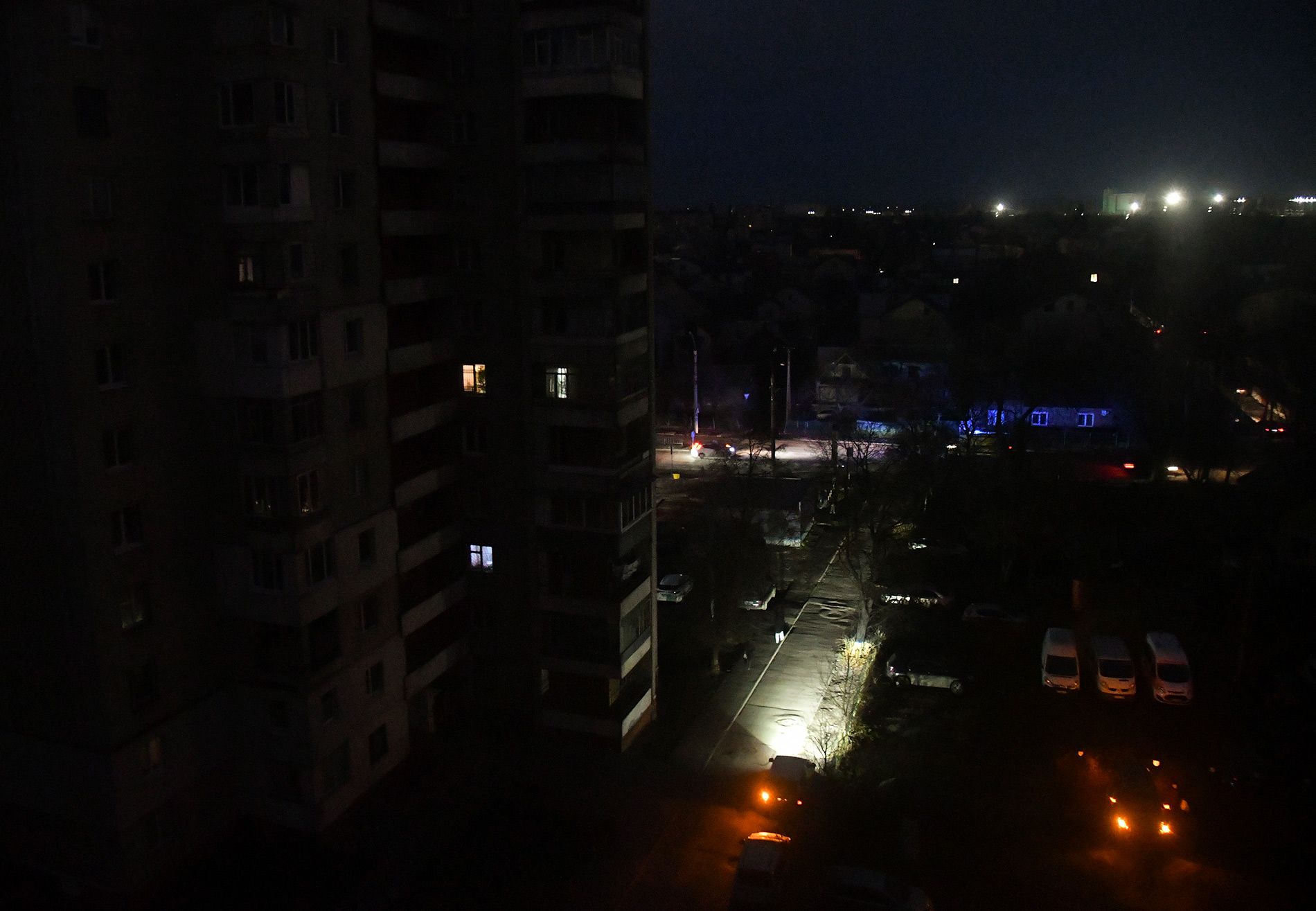
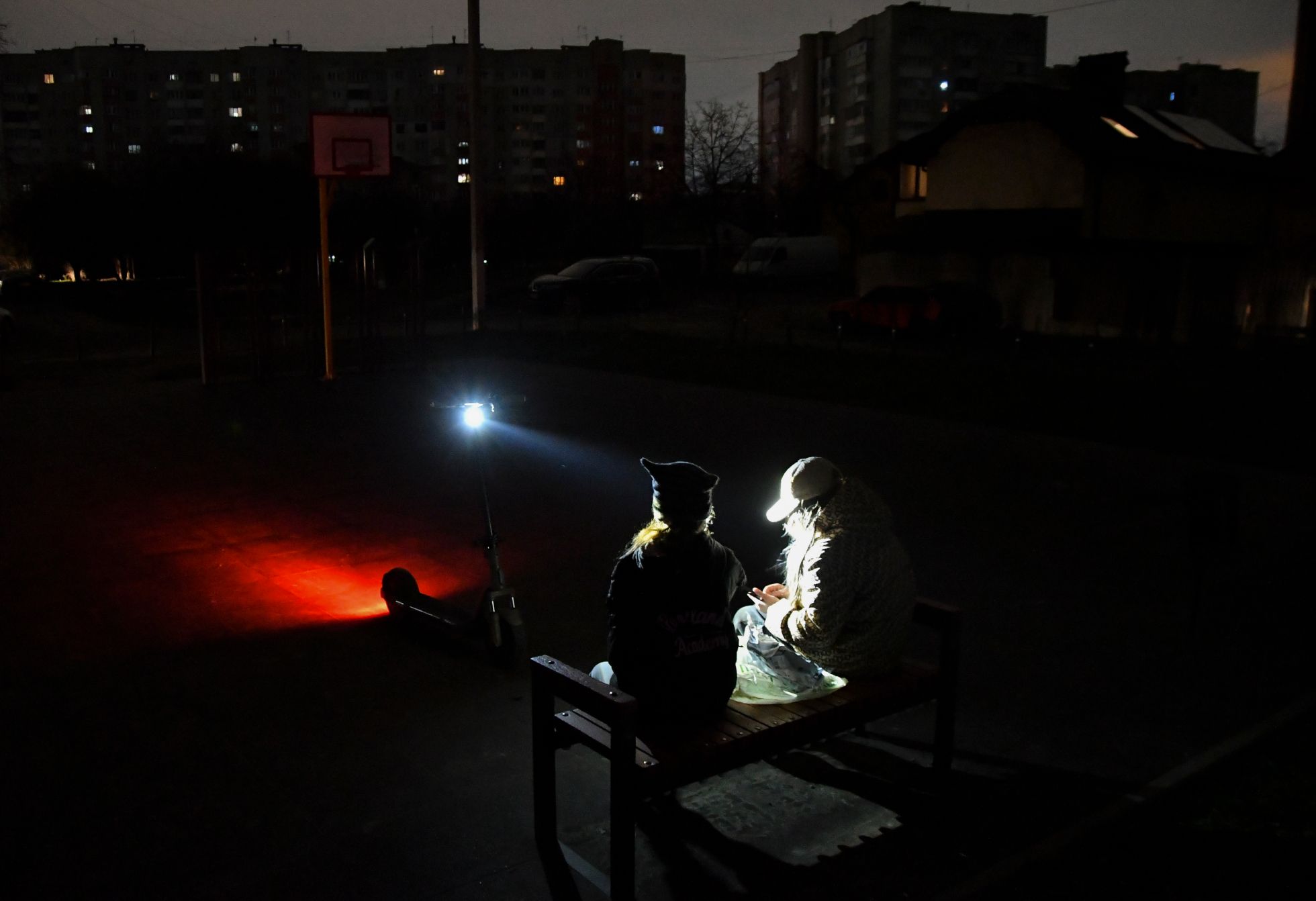
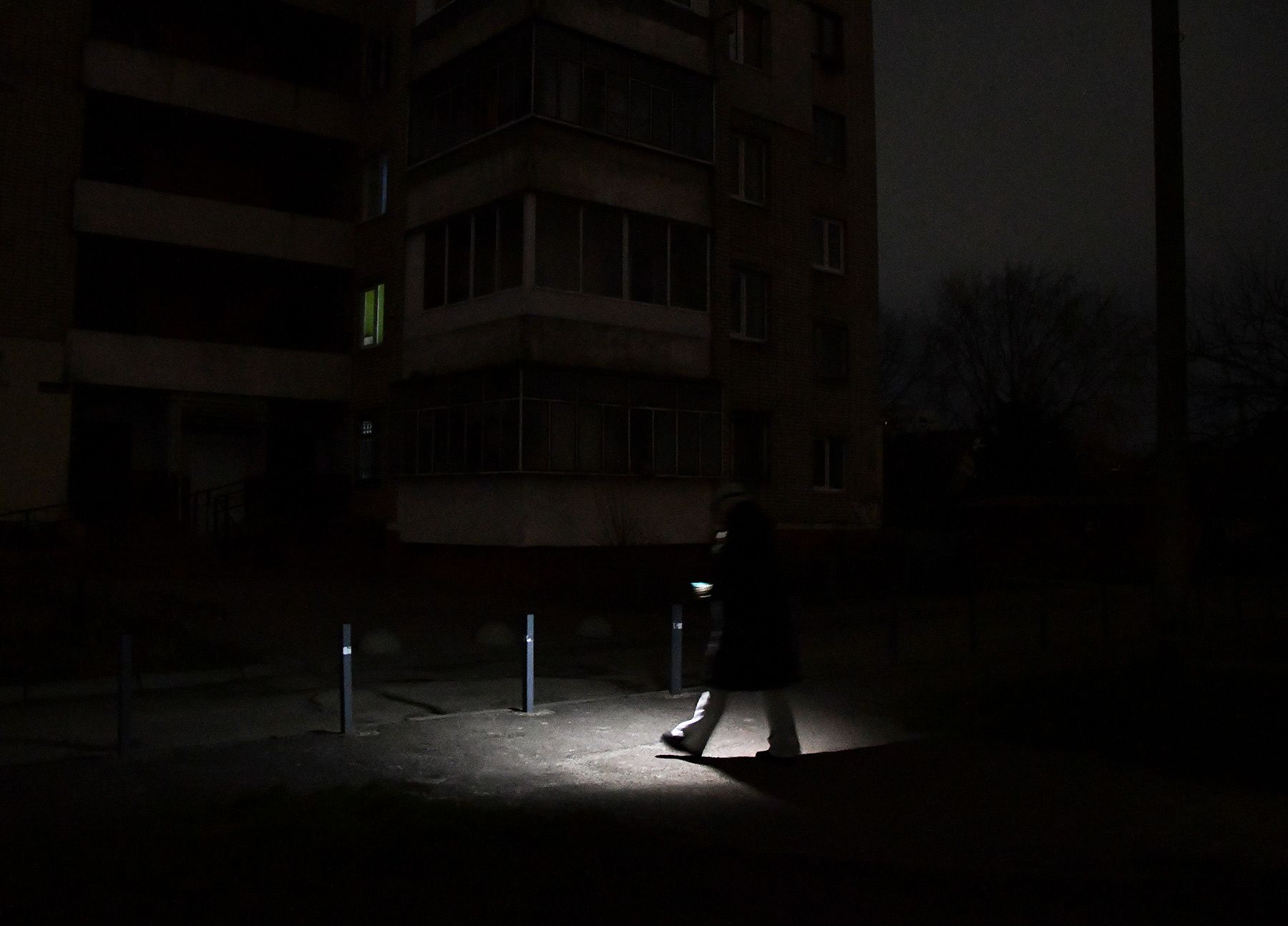
War in photographs. Blackout in Lviv
On December 23, the Russian Armed Forces launched a massive attack on the Ukrainian energy system, using more than 650 drones and 38 missiles of various types. As a result, ten Ukrainian regions were completely or partially de-energized, and energy facilities in the western regions of Ukraine were mostly damaged. Unscheduled power outages were introduced throughout the country. This is the ninth such major attack on the power grid in 2025—and the fourth in December.
War through the eyes of Meduza readers
How we choose letters
Meduza's readers live in different countries and have different attitudes towards the war. We publish your letters to see this event through your eyes. Our editors try to present all points of view, even if they do not coincide with the editorial position. However, in accordance with the Meduza code, we do not publish messages that contain “hate speech,” justify the murder of civilians, or express direct support for an aggressive war.
Vladimir (Ekaterinburg) . You know, what triggers me most lately are the phrases “Nothing about Ukraine without Ukraine” or “Ukraine must decide for itself when to stop.” No and no again. Ukraine is not at war on its own. The country is supported by more than half of the world: it gives and repairs weapons, technology, intelligence, money, sends instructors, and suffers losses from the sanctions imposed on Russia. Ukraine has no right to ignore the opinion of the countries that helped it and preserved its statehood. And these countries have every right to discuss its fate and make decisions.
Moreover, what is being proposed now (Donald Trump’s plan) is definitely better than what will happen in a year. When Russia occupies Donbass and its troops will be stationed there (and not a buffer zone), and the remaining areas will be captured and destroyed even more. And I'm not even talking about the exhaustion of the army, fatigue from war and the will to resist.
It's time to lock in the losses and start healing the wounds. But the leadership of Ukraine constantly bets on zero, expecting black swans in the form of the collapse of Russia, its war with NATO or the death of Putin.
We must be realistic. There is no justice in this world and there never will be.