Translated material
Last reserves or readiness for war: what awaits the Russian economy in 2026?
What will happen to the ruble exchange rate and will Russia have enough money for war?
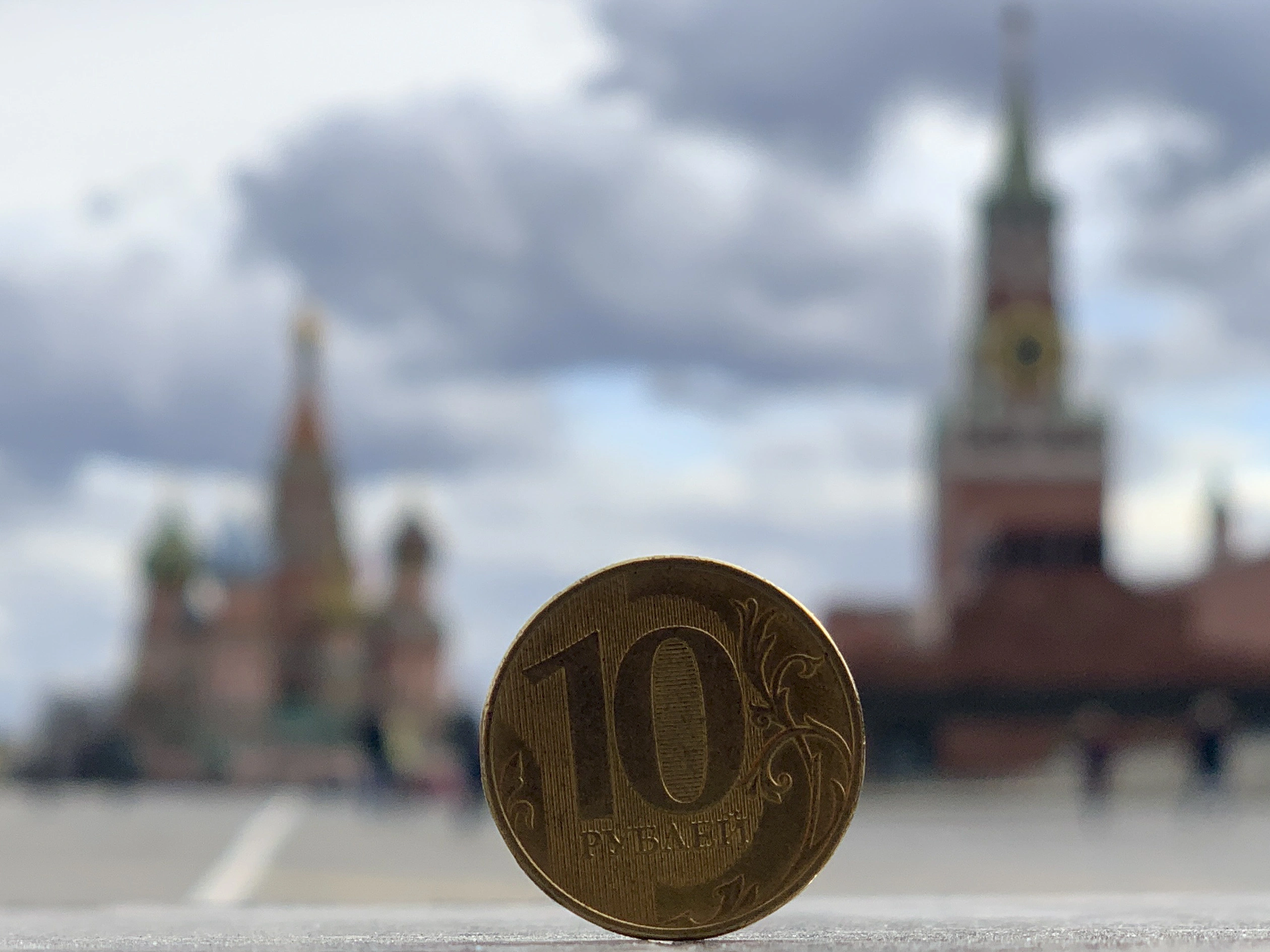
The Russian economy has survived almost four years of war in Ukraine relatively stable. Despite international sanctions, Moscow managed to avoid a long recession, contain inflation, maintain control over key sectors and even demonstrate modest growth. Will this work in the fifth year? “Layout” collected expert opinions on this topic.
In order not to miss new texts from “Layout”, subscribe to our telegram channel
Will the Russian economy grow in 2026?
The Russian economy managed to avoid a protracted recession thanks to large-scale military spending, reorientation of production towards the defense industry and the use of accumulated reserves. This was accompanied by a sharp increase in employment and demand from the least protected categories of people - but this resource seems to have been completely exhausted.
Economic growth is slowing down, some experts are even talking about an upcoming recession - a decline in the economy. It is usually accompanied by rising unemployment and declining real wages.
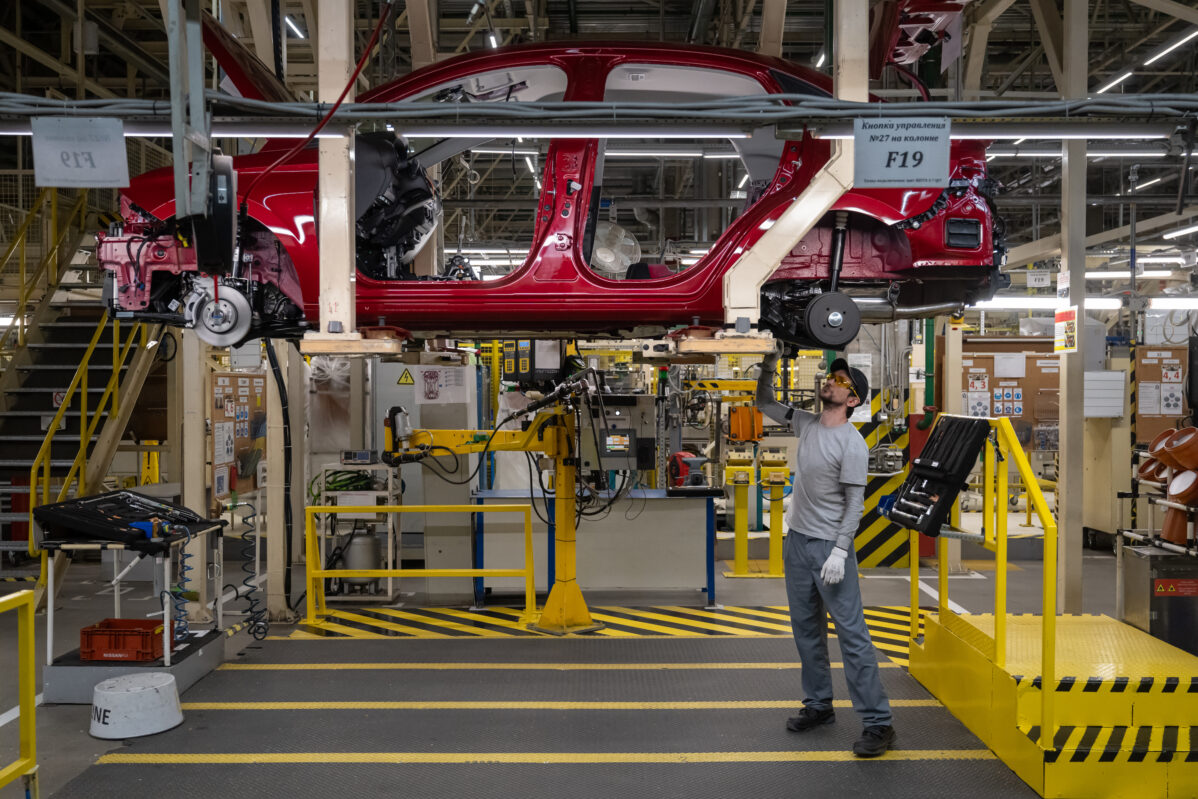
GDP growth will slow next year to 0.8% in annual terms after 0.9% in 2025, according to a consensus survey of 18 economists conducted by Vedomosti. In September, the Ministry of Economy almost doubled its forecast for GDP growth for 2026 - to 1.3% instead of 2.4%. But even this forecast can be called optimistic - the IMF predicts growth for Russia at 0.8%, the lower limit of the Bank of Russia is only 0.5%.
At the same time, the structure of the existing GDP growth demonstrates a deep deformation of the economy, The Bell notes . In the third quarter of 2025, two-thirds of economic growth was achieved not by the production of goods or services, but by the expansion of the state apparatus and the security bloc. And a number of key industries — mining, wholesale trade and transportation — declined.
How Russians' incomes will change in 2026
During a December live line, Russian President Vladimir Putin said that real wages in the country were growing at a “good pace” - by 4.5%. But this is an average annual estimate, and by the end of the year it is likely to decrease - according to the forecast of the Ministry of Economic Development, real wage growth in 2025 is expected to be 3.4%, and in 2026 - 2.4%. Non-governmental calculations also reduce this estimate - according to the Financial Times, already in November the growth of real wages in the country stopped , almost catching up with inflation.
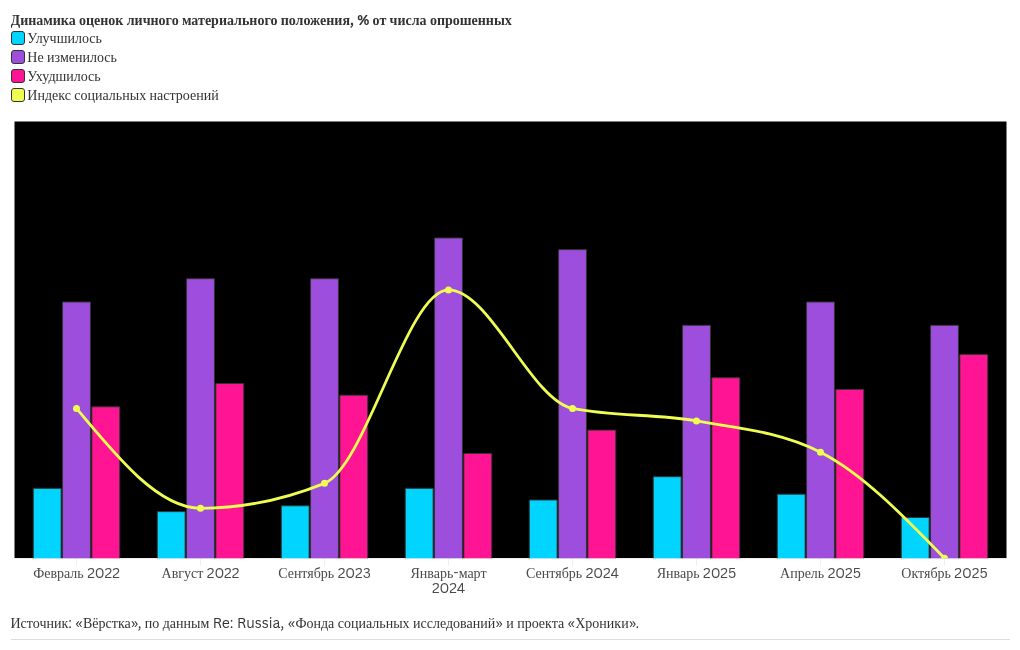
The growth in prosperity observed since the beginning of the war gradually slowed down and almost completely stopped by mid-2025, notes a study by sociologists Vladimir Zvonovsky and Alexander Khodykin. Against this background, the structure of inequality in society is being restored, the original beneficiaries of the war, residents of depressed regions, are becoming poorer again, the self-assessment of the financial situation of citizens has seriously deteriorated in the spring, and by mid-autumn it has reached its minimum since February 2022.
The poorest groups in 2026 will face another blow to their pockets - an increase in utility tariffs. On January 1 they will grow by 1.7%, in October - by 9.6%.
What will happen to the ruble exchange rate?
The Russian budget for 2025 was based on the ruble to dollar exchange rate of 92 rubles. Instead, since April the exchange rate has remained at 80 rubles per dollar. A strong ruble is a big problem for an export-oriented economy, significantly reducing budget revenues.
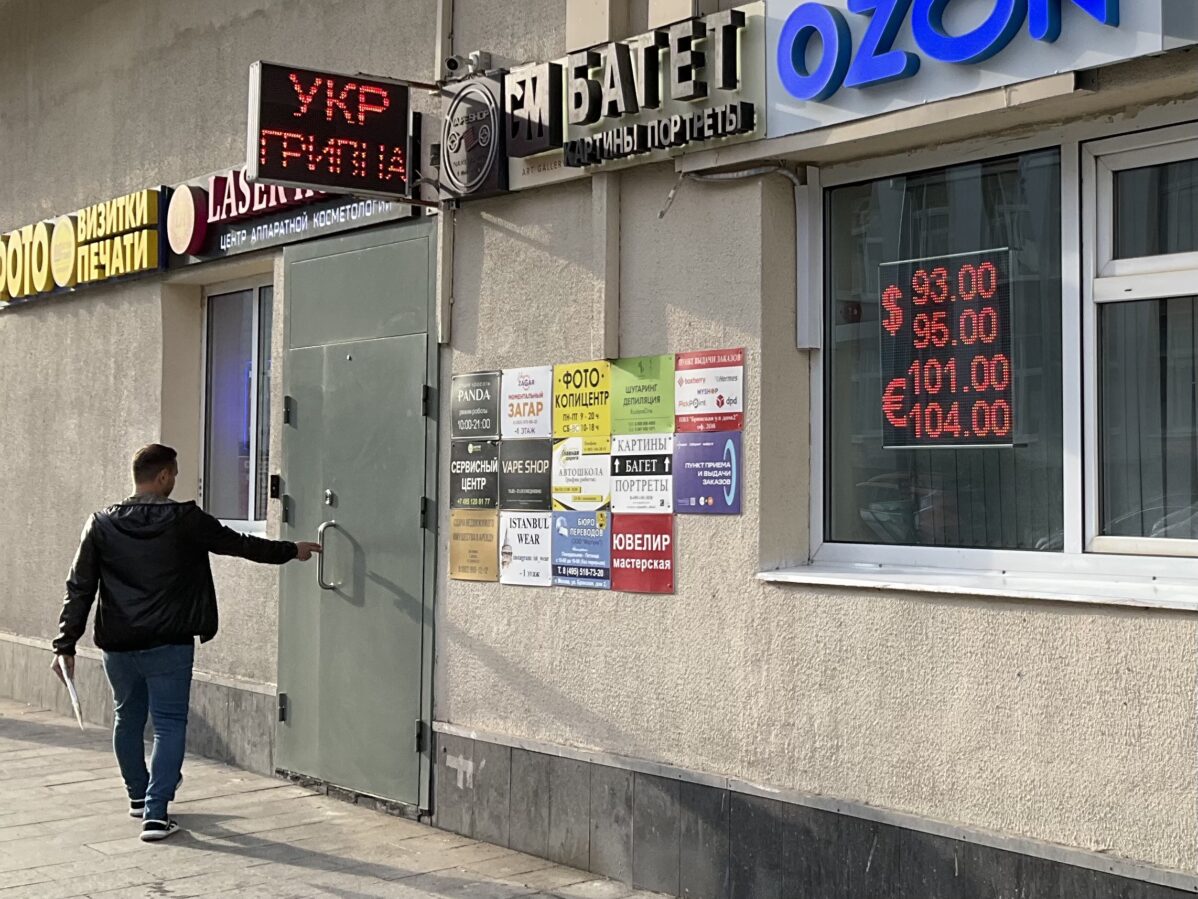
At the same time, most analysts did not believe that the ruble would remain at this level for so long, and assumed that the dollar would rise to 100 rubles within a year, Forbes notes . At the beginning of December, the dollar reached new lows - 75 rubles. Experts now believe that the ruble will gradually weaken gradually over the course of the year to a level of 90–95 rubles, the magazine’s publication says.
In the budget for 2026, the exchange rate is set at 92.5 rubles per dollar. However, the head of the Ministry of Economic Development, Maxim Reshetnikov, says that his department may adjust the exchange rate forecast in favor of strengthening the ruble as early as April.
At the same time, The Bell notes, the government has few tools for managing the exchange rate: the authorities can neither actively weaken the ruble nor effectively protect it in the event that economic factors are directed against the currency.
What will the increase in taxes and fees lead to?
The Central Bank estimates the contribution of the VAT increase next year from 20 to 22% to inflation at 0.8 percentage points. However, they admit that their forecasts are based on the experience of the previous VAT increase in 2019 - carried out before a full-scale war, against the backdrop of low inflation and inflation expectations.
Against this background, cars in Russia have already become more expensive due to an increase in the recycling fee , and by the fall, household appliances will become more expensive due to the introduction of a technological fee . This growth may impact businesses even more than citizens, limiting the ability to upgrade production tools.
Changes in the tax and tariff burden on the economy will lead to an increase in business costs and a decrease in margins. This could worsen the financial situation of small and medium-sized businesses and drive some of them into the shadows, points out one of the Forbes experts. In the long term, high taxes weaken the economy, which is already slowing to a crawl.
Will Moscow be able to maintain military spending?
In 2026, the government expects the budget deficit to be almost 3.8 trillion rubles (1.6% of GDP), despite rising taxes. To close the gap, the state plans to continue borrowing money - in conditions of being cut off from global financial markets, this is done within the country.
In 2026, the cost of servicing the national debt should amount to 3.9 trillion rubles (1.7% of GDP). This is more federal budget spending on education and health care. It is becoming increasingly difficult to continue these borrowings, but Russia cannot now reduce spending on the military and security forces, and this is almost 40% of planned expenses.
At the same time, it was not possible to fulfill the 2025 budget with the planned parameters - last year the government calculated that the deficit for the year would be 1.17 trillion rubles (0.5% of GDP), in reality it turned out to be five times higher. It is already clear that budget revenue forecasts for 2026 may be too optimistic, notes the Forbes expert, especially taking into account falling oil prices and the growing discount on Russian oil on world markets.
However, the state will apparently have enough money until the end of the year, and this continues to be a problem for Ukraine. And although the state is running out of ways to influence the economy using traditional market methods, Russian industry continues to exceed plans for the production of missiles and drones, says the former head of Ukrainian military intelligence, Kirill Budanov. There is also enough money to hire volunteers for the front, he says. According to Budanov, Russia fulfilled the plan to recruit 403 thousand volunteers in 2025 in early December. In 2026, it is planned to hire 409 thousand people.
Illustration: Anadolu via Reuters Connect
You can support “Layout” from any country in the world - it is still safe and very important. We really need your support now
How to help us