Translated material
Blackout in Belgorod after a missile strike by the Ukrainian Armed Forces: what is known
The blow hit two electrical substations - Frunzenskaya and Belgorod.
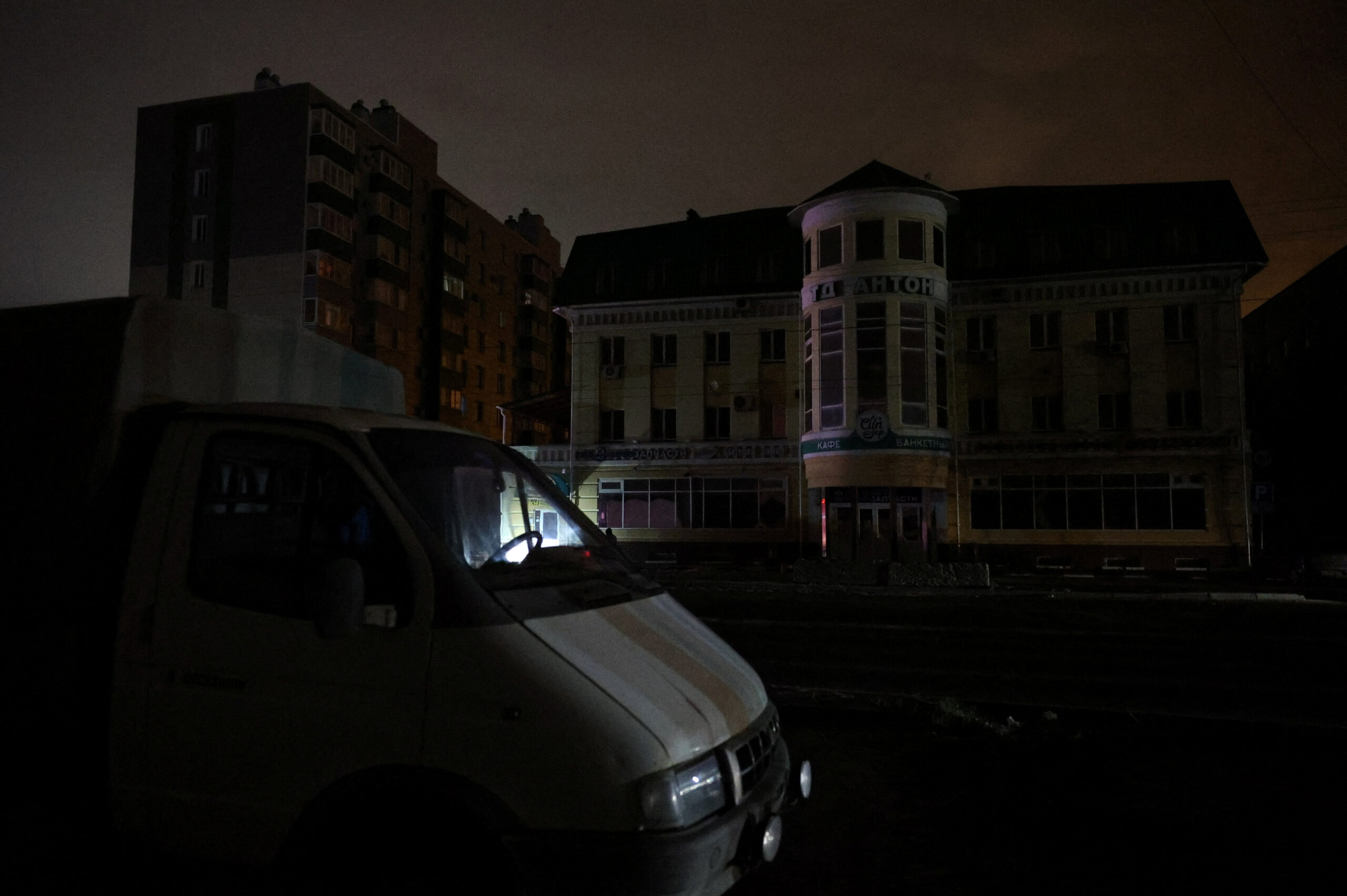
In Belgorod and a number of settlements in the region, electricity was partially lost after a missile strike by the Ukrainian Armed Forces on February 3. Governor Vyacheslav Gladkov began his message with the words “bad evening” and said that “the infrastructure was seriously damaged,” and there were no casualties.
“All operational services are working on the ground. Information about the consequences is being clarified,” he wrote.
In order not to miss new texts from “Layout”, subscribe to our telegram channel
The Frunzenskaya and Belgorod substations came under attack
According to the Ashes publication, the blow hit two electrical substations - Frunzenskaya and Belgorod. After this, the power went out partially or completely in at least nine municipalities in the region.
The regional Vodokanal reported a power outage at water intakes; residents also complained of interruptions in water, internet and heating at temperatures around minus 20 degrees.
Rosseti said that it expects to restore power supply in the Belgorod region by 01:30 am on February 4.
Earlier on the night of February 3, the Russian Armed Forces launched a massive attack on Ukraine. Kyiv said that the main target of the attack was critical infrastructure and accused Russia of violating the energy truce.
This is not the first blackout for Belgorod
Throughout January, the Ukrainian Armed Forces have been systematically attacking the energy system of Belgorod , the largest Russian city in the front-line zone, Vorstka wrote. The city has already experienced a long blackout and the largest missile strike of the war. Vyacheslav Gladkov even urged citizens to consider the possibility of evacuation.
Despite partial stabilization, Belgorod is still on the verge of collapse - power engineers say that “one successful hit is enough.”
The Belgorod energy system is structurally vulnerable. According to Vorstka sources, by the end of last year the capacities of both city thermal power plants - Belgorodskaya and Luch - were disabled. There is almost no generation left in the city, and electricity is supplied through main power lines from the Kursk and Voronezh regions. The entire supply of Belgorod is actually maintained at 5-6 key substations, one of which receives current from high-voltage lines.
“Remove this one point and the power in the city is turned off,” explain the power engineers.
Despite repeated strikes, power engineers manage to avoid a complete blackout, but the situation remains extremely unstable, Vverstka sources say.
The heaviest blackout occurred on the night of January 8–9: more than half a million people were left without electricity, interruptions in heat and water affected about 200 thousand residents. The authorities admitted that backup generation is not able to compensate for losses, and in the event of new serious damage, a “real catastrophe” with heat supply in winter conditions is possible.
Photo: Blackout in Belgorod on January 9. REUTERS/Stringer
Support “Vestka” - it’s important and safe →
You can support “Layout” from any country in the world - it is still safe and very important. We really need your support now
How to help us