
Translated material
"Stop poisoning people!" How the federal Clean Air project failed
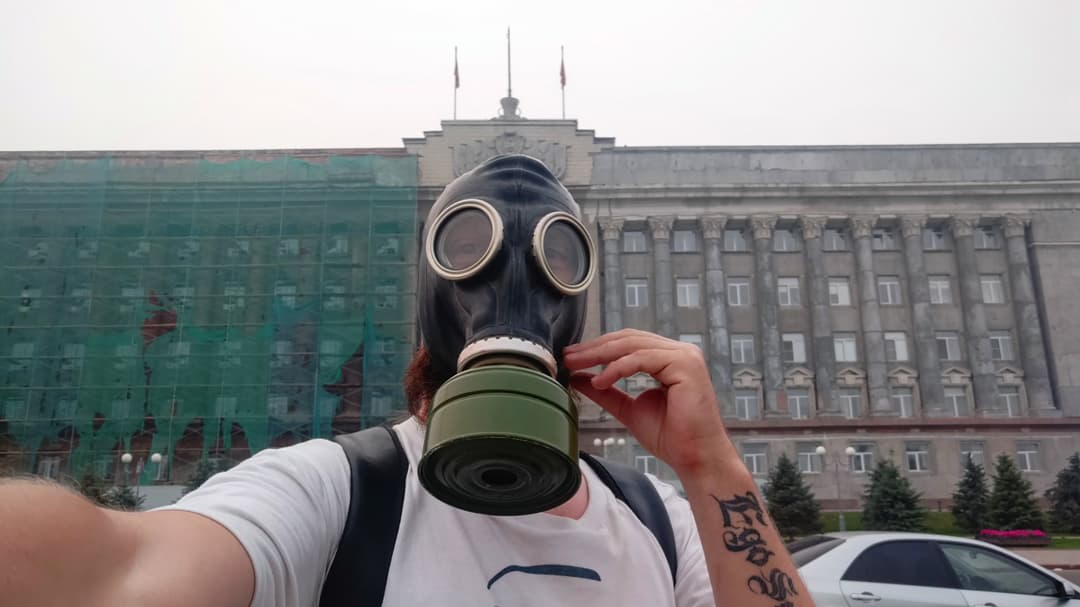
In January 2026, the Ministry of Natural Resources abandoned plans announced in the fall of 25 : to expand the Clean Air program throughout the country, which they have been trying to implement in a number of regions since 2019. This was preceded by a collective letter from the heads of industrial enterprises, which stated that most factories do not have the technological ability to reduce emissions of hazardous substances by half and they can only achieve this through a significant reduction in production.
North. Realities tell why the Clean Air program in Russia failed and what role war, sanctions and political repression played in this.
According to the Ministry of Natural Resources, in 2019-2024, the federal budget and enterprises spent approximately 718 billion rubles on the Clean Air project as part of their investment programs. Expenditures on “national defense” in the Russian budget for 2025 amounted to 13.5 trillion rubles, and if taken together with “national security”, about 17 trillion. In terms of a day, this is approximately 37 billion rubles or 46.6 billion rubles, respectively. It turns out that the total cost of the federal project, designed to span years and dozens of cities, is comparable to three weeks of war in Ukraine.
"About 24 thousand additional deaths"
“In some cities measures have been taken, in others they have not been taken. In some they are trying to ensure that the Constitution is respected, in some they are not trying,” residents of the Bashkir Sterlitamak are outraged by the refusal to distribute “Clean Air” throughout the country. At the end of January, they recorded an appeal to Deputy Prime Minister Dmitry Patrushev and Minister of Natural Resources Alexander Kozlov.
“Residents of the country’s polluted cities, in particular our Sterlitamak, lived in the expectation that the result of the experiment would be verified solutions to correct the situation. The refusal to expand the project, it turns out, indicates that the experiment was unsuccessful,” the appeal says.
According to the report of Rospotrebnadzor, additional mortality associated with the negative impact of environmental factors in 2024 amounted to 16.4 cases per 100 thousand people. Of these, 4.6 are due to atmospheric air pollution, 7.4 – to the quality of drinking water, 1.9 – to soil pollution, another 2.5 – to the so-called physical factors (primarily noise, vibration and other types of chronic environmental stress, these are not injuries or accidents).
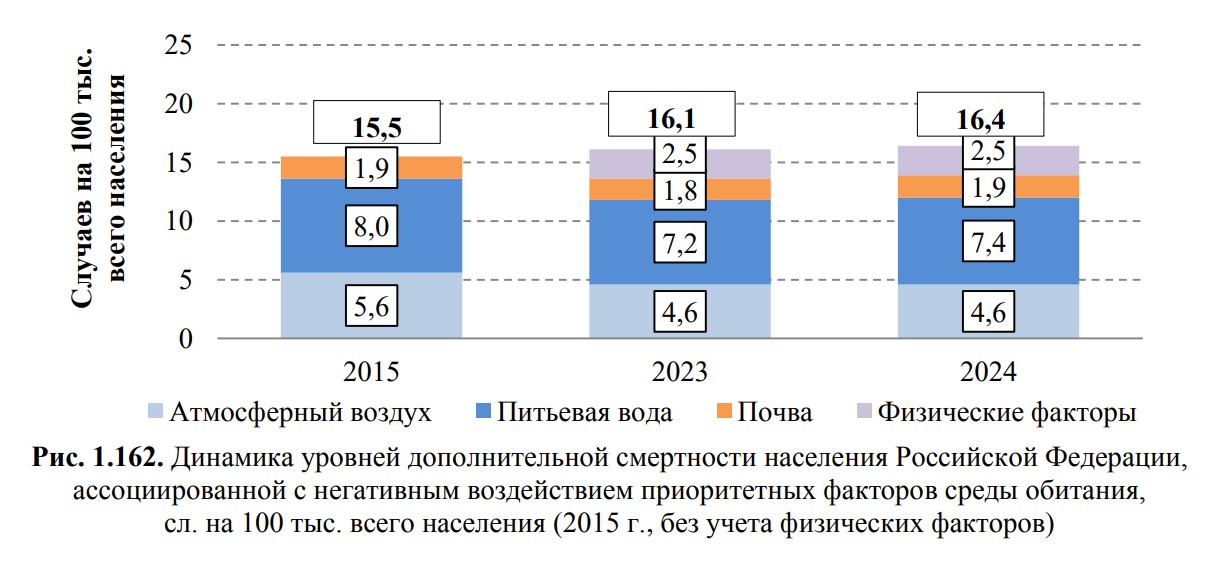
In terms of the entire population of the country, this gives about 24 thousand additional deaths per year. If we count only “ecology” in the narrow sense (air, water and soil), we get 13.9 cases per 100 thousand, that is, approximately 20.3 thousand deaths. That's about 440 additional deaths than the year before. At the same time, the department records a decrease in excess mortality rates over the past ten years - 89.3% of the 2015 level.
According to the principle - “where is it worse”
The federal project "Clean Air" is part of the national project "Ecology". This is a set of management procedures: first, summary calculations of pollution are made, then a comprehensive plan is approved for each city (what exactly needs to be changed in industry, energy, utilities and transport). Emission quotas are then approved for major pollution sources and monitoring is set up. The passport of the national project “Ecology” was approved at the end of December 2018, and “Clean Air” itself started as a federal project in 2019 and was designed until December 2024 (later the deadlines and goals were extended).
Twelve pilot cities were chosen to start the project: Bratsk, Krasnoyarsk, Norilsk, Omsk, Lipetsk, Magnitogorsk, Mednogorsk, Nizhny Tagil, Novokuznetsk, Cherepovets, Chelyabinsk and Chita. In them, the experiment on emissions quotas was launched on January 1, 2020 and is valid until December 31, 2026.
By government order dated July 7, 2022, the project was expanded, and from September 1, 2023, quotas were extended to another 29 cities. The selection took place according to the principle “where is it worse” – where observations record high or very high levels of air pollution.
Project activities were supposed to be financed from the federal budget, consolidated regional budgets, but mainly from extra-budgetary sources. In the report on the project, the Ministry of Natural Resources writes that the federal budget in 2019-2024. spent 40.5 billion rubles (which is less than the planned 52.57 billion), and enterprises invested over 670 billion in their investment programs (which is almost twice the planned 381.79 billion rubles).
Blind Spots
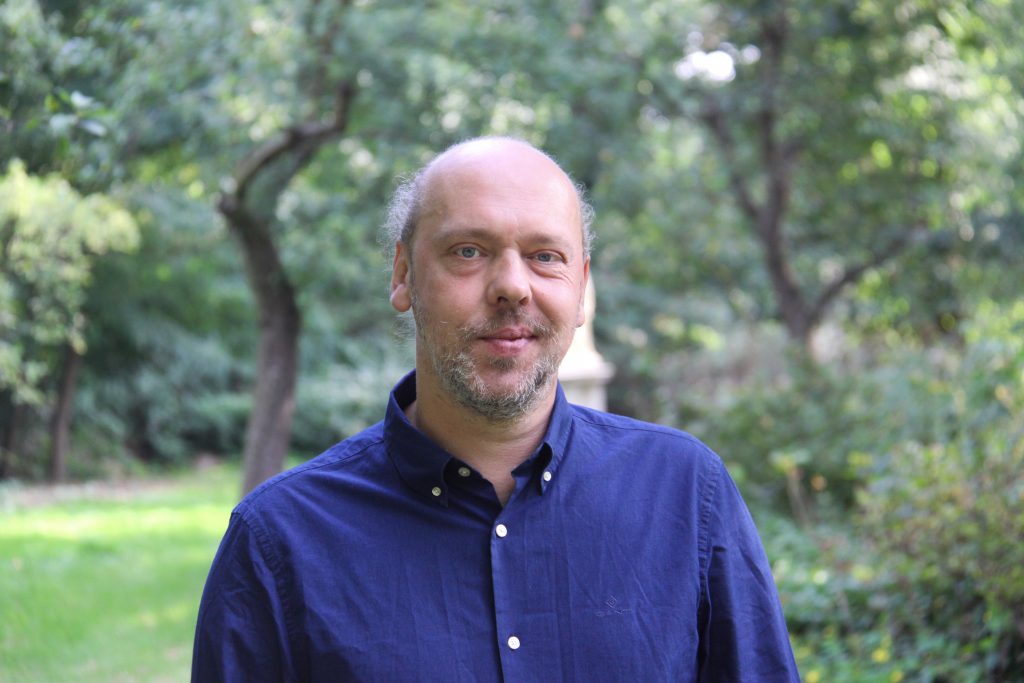
– The cities were, in principle, chosen correctly. The only thing is, these are not all the cities that had to be taken - there are many more places where the situation is very difficult,” comments ecologist Vladimir Slivyak , co-chairman of EcoZashchita!, laureate of the Right Livelihood Award (2021). – After the Soviet Union, Russia inherited a gigantic number of environmental problems. It took more than 30 years to correct this situation. But the state simply didn’t care about it. I’m very sorry, but the previous, more democratic authorities of this country were also, to put it mildly, not interested in the environment.
The city of Sterlitamak was not included in either the twelve pilot cities or the additional 29 cities of the project. But the Republic of Bashkiria has at least signed quadripartite agreements with the Russian Ministry of Natural Resources, Rosprirodnadzor and the largest polluting enterprises - the Bashkir Soda Company in Sterlitamak and Gazprom Neftekhim Salavat in Salavat - on reducing industrial emissions and introducing automatic emission control systems (AEC) with increased monitoring of air quality.
At the same time, there are many cities on the map of Russia that are not mentioned at all in the context of the Clean Air program, although the ecology there “cannot be called anything other than terrible,” the expert says. For example, the city of Kirovo-Chepetsk, an industrial satellite of Kirov, is located next to a large chemical production facility. It stands on the Vyatka River, and nearby there is a colony of IK-5.
Alexey (name changed due to the law on undesirable organizations), a native of the Vologda region, spent a year and a half in this colony for a minor crime.
“The river there is still young, with large tributaries, but that’s not the main thing: in all this time I haven’t seen a single fisherman. Not a single one! Because there are no fish there,” Alexey recalls his impressions. – The zone is located right on the shore, next to it is the largest saltpeter plant in Europe. And you feel it. I fed the yard cats with whatever I could take out of the dining room. One day I put a bowl of mashed potatoes for them on the street - it started to rain, and after about five minutes the mashed potatoes turned deep purple. Starch with acid gives an instant reaction - here is your “indicator”. The cats didn't even touch this purple one.
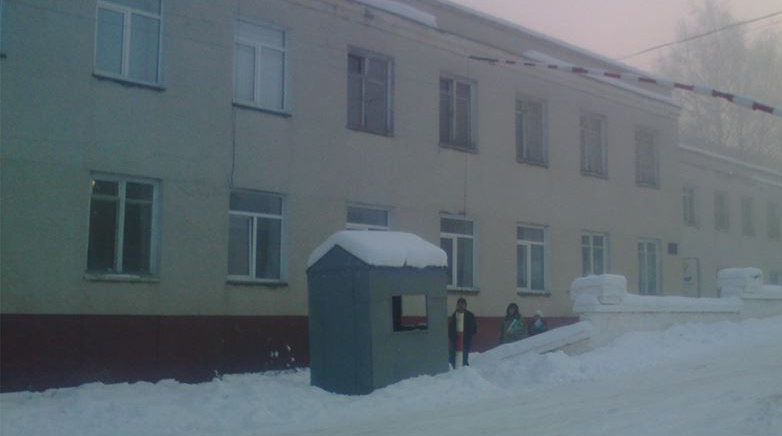
The city, according to Alexey, looks dying - entire blocks of abandoned five-story buildings, sometimes four apartments per entrance are occupied, and they heat the entire building. The economy is tied to the site of the Kirovo-Chepetsk chemical plant (production of fertilizers and large chemicals); other chemical enterprises operate nearby.
– And one more thing that finished me off: the guys from the Caucasus, accustomed to clean air, and many of them almost immediately developed skin problems - psoriasis, ulcers, inflammation. On the very first day they saw me with a washcloth and warned me: take it away, otherwise there will be unhealed wounds. I didn’t believe it, I rubbed it - and where I tore off the skin, the abrasion never healed the entire time I was there. Doctors shrug their shoulders: “We have such an environment, but what do you want?” We had a guy from Dagestan, he had terrible ulcers on his head. We tried everything we could to help, but nothing helped. I think it will heal only when he gets out and goes home, where the air is different,” says Alexey.
After returning from Kirov, the ecology of his native Vologda region seemed “simply heavenly” to him. It’s even better in industrial Cherepovets (Vologda Region), one of the 12 Clean Air pilot cities, where the level of air pollution has increased over the life of the project - from “increased” to “high.”
However, in the official statistics of Roshydromet, Kirovo-Chepetsk is classified as a city with a low level of air pollution. The average annual concentrations of observed impurities, according to the yearbook for 2024, did not exceed the MPC.
“Everything looks beautiful on paper: someone needed to show that “there are improvements” - so they drew plans, reports, percentages,” comments Vladimir Slivyak. – But in fact, there was serious pollution and it remains the same. This program has not made the environment truly safe anywhere: in every such city, people continue to get sick - and the connection with the air there is obvious.
The dirtiest air
According to Roshydromet reports, in 2024, in 203 cities - this is approximately 80% of settlements where regular monitoring is carried out - the average annual concentration of at least one pollutant was above one MPC (maximum permissible concentration). 73.7 million people live there. Most often, excess formaldehyde hangs in the air: excesses of the average annual MPC were noted in 149 cities with a population of about 60 million. Next come suspended substances (excesses in 105 cities, 37.6 million inhabitants), as well as nitrogen dioxide and benzo(a)pyrene. The latter is formed by burning solid fuel; this is a problem in cities with stove heating and coal-fired thermal power plants.
Roshydromet divides the degree of air pollution into four categories: low, increased, high and very high. Three metrics are used for the calculation. The first is API, an index of chronic pollution based on average annual concentrations (high level - 7-13, very high - ≥14). The second is SI (standard index), peak indicator: how many times the maximum single concentration exceeded the MPC (high level - 5-10 MPC, very high - more than 10 MPC). The third is NP, the highest frequency of exceeding the MPC (high level - 20-50%, very high - over 50%).
In 2024, 116 cities have levels of pollution rated as high or very high, covering about 50.9 million people—roughly 47% of the urban population. In 33 cities, one-time excesses of more than 10 times the MPC were recorded during the year, with a total of 288 such episodes recorded.
Sources of pollution
Cities included in the Clean Air program can be divided into four groups according to the main type of air pollution.
First group: sulfur, sulfide metallurgy.
The worst situation according to these indicators is in Norilsk. The city's air is almost entirely spoiled by one class of emissions: sulfur dioxide from the processing of sulfide raw materials at Norilsk Nickel sites (primarily the Nadezhda Metallurgical Plant and the Copper Plant). The Roshydromet yearbook describes Norilsk as a city that fluctuates between “high” and “very high” levels of pollution.
Second: coke chemistry, full cycle metallurgy.
This is, for example, Cherepovets, a complex industrial hub with a large number of metallurgical enterprises. The key role here is played by the Severstal company (Cherepovets Metallurgical Plant). In addition to dust and oxides, the city also suffers from unpleasant odors. Roshydromet in the yearbook directly records for Cherepovets an increase in average annual concentrations of benzo(a)pyrene (a product of incomplete combustion of coal chemicals) and hydrogen sulfide (a typical marker of industrial emissions).
Third group: solid fuel as a source of heat supply.
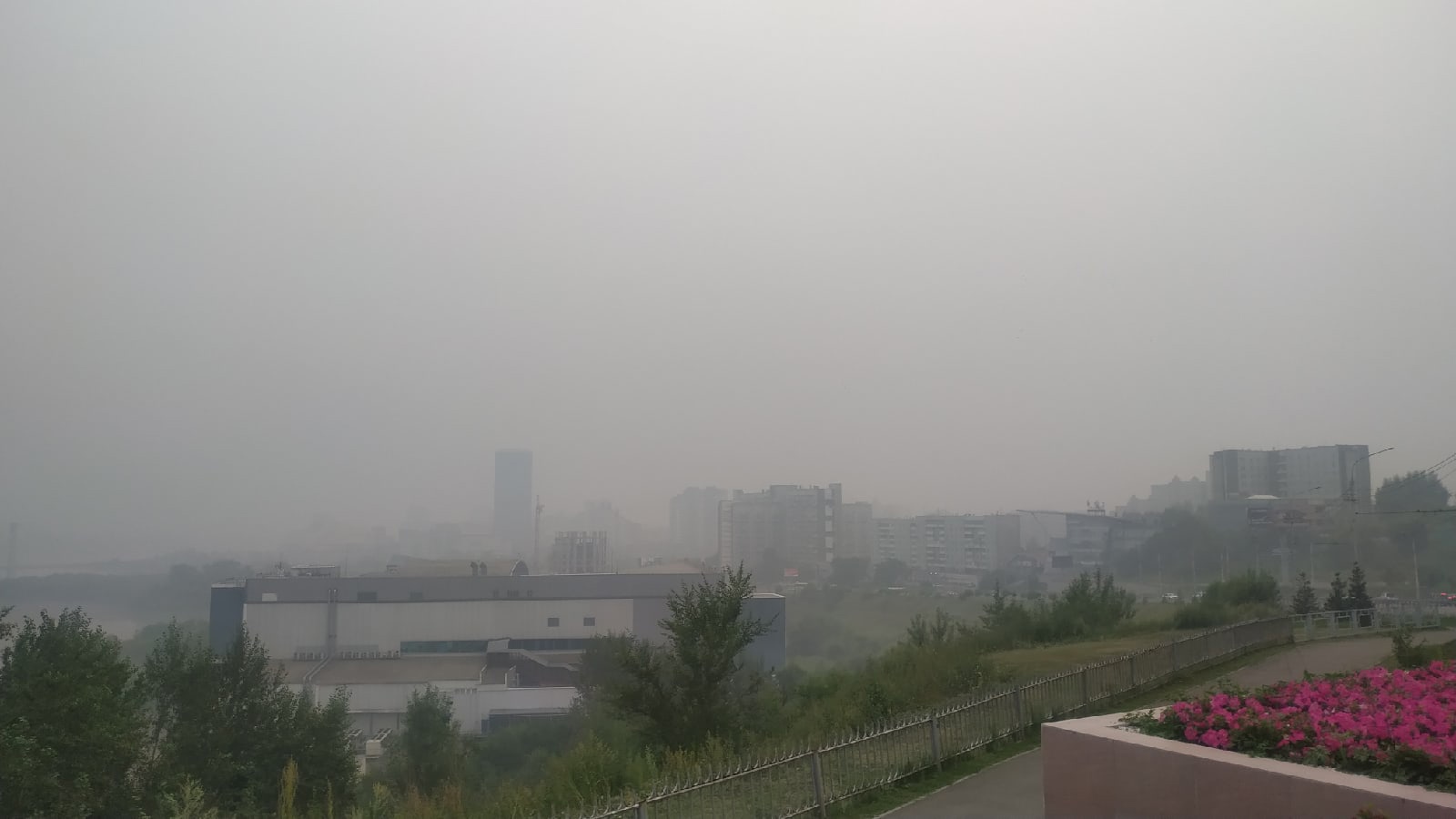
This is primarily Krasnoyarsk and its infamous “black sky” . The city, located in a lowland among the mountains, in the event of unfavorable weather conditions, literally begins to suffocate, because smoke from burning solid fuels, emissions from factories and vehicle exhausts simply do not dissipate in the air. Before the start of the Clean Air project, experts estimated that about a third of pollution comes from transport, about a third from the Krasnoyarsk aluminum smelter, and another quarter from the three thermal power plants of the Siberian Generating Company. According to the Roshydromet yearbook, the city maintains a “very high” level of air pollution.
Fourth group: petrochemistry.
In the pilot dozen cities, this group was represented by Omsk, where a large oil refinery operates, plus city thermal power plants add their share of emissions. According to the Roshydromet yearbook, this is one of the cities where the level of pollution has increased during the implementation of the Clean Air project.
Rescue Plan
Based on the type of the main source of pollution, a plan for implementing the Clean Air program is written on paper. The document spells out what exactly is preventing you from breathing, who is responsible for it, how to fix it, and who should pay.
Thus, in Krasnoyarsk, in order to bring emissions to approximately 81.5% of the 2017 level by 2024, and to 79.86% by 2026, the program focused on heat and transport. City thermal power plants and the private sector had to switch from coal to other types of fuel. City residents could submit an application to the mayor's office and, using funds from the national project, be supplied with gas or electric heating or modern solid fuel boilers. According to official data, this opportunity will be available from 2022 to 2025. 2,600 households took advantage.
They decided to switch public transport to electricity. According to the plan, the city was to buy 25 trams, 65 trolleybuses and 11 electric buses, and official sources say that this has been done. However, the Accounts Chamber of the Krasnoyarsk Territory assessed the environmental effect of the implementation of the Clean Air project as “positive, but insufficient from the point of view of a significant impact on the level of comfort and health of the population of the region.”
In those cities where the majority of emissions come from a single source, the comprehensive plan is tied to the investment program of the pest enterprise.
Thus, in Norilsk, Norilsk Nickel was supposed to provide “Clean Air”, which relied on the utilization of sulfur dioxide (SO₂). The sulfur program at the Nadezhda Metallurgical Plant looks like this: furnace (smelting) gases with SO₂ must go into the sulfuric acid production chain, then the acid is neutralized with limestone to produce “virtually non-hazardous” gypsum waste, for which a specialized gypsum storage facility has been provided in advance. The program started in 2023, and after reaching the design indicators, NMZ should show minus 45% of SO₂ emissions (compared to the base year of 2015). A similar program was supposed to work at the Copper Plant. However, it had to be rewritten to accommodate import substitution of technologies and equipment.
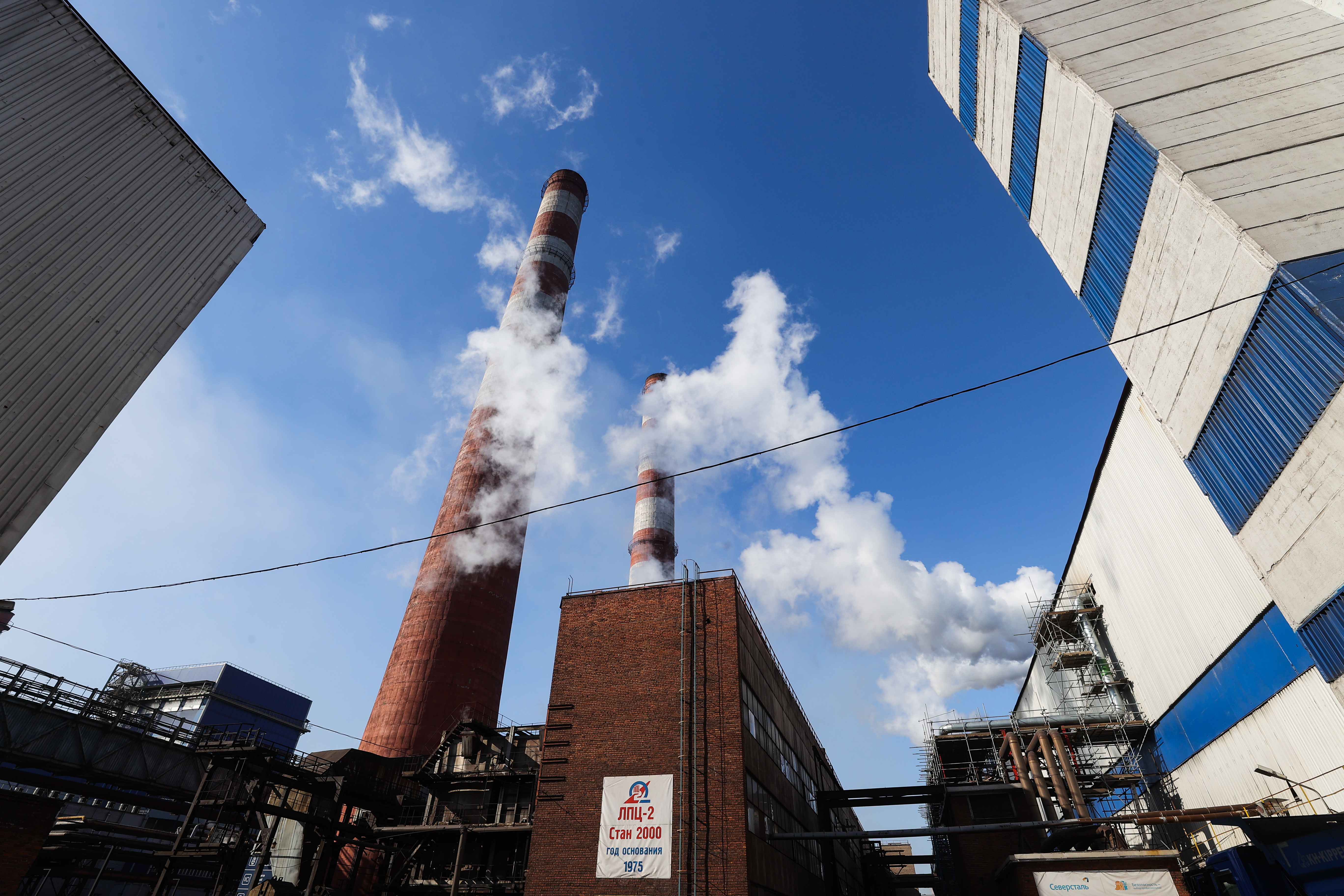
In Cherepovets, Severstal’s investment program plays a key role. By 2024, total emissions were to be reduced by 74.3 thousand tons (this is 19.1% of the 2017 level), and “hazardous” emissions - by 7.5 thousand tons (8.8% compared to 2017). They planned to spend 28.12 billion rubles on this, of which 12.56 billion were federal funds. Additionally, Severstal announced its own investment project worth 116 billion rubles, which “will completely replace sintering production at CherMK, which will lead to a reduction in pollutant emissions by 96 thousand tons and greenhouse gases by 2 million tons of CO₂.” This program also had to be adjusted to take into account the sanctions.
The comprehensive Clean Air plan for Omsk provided for reducing emissions from stationary sources from 216.9 thousand tons (2017 base) to 161.9 thousand tons by 2024, and then to 133.0 thousand tons by 2026. Including, for “hazardous substances” - from 104.9 thousand tons to 80.6 thousand and 65.9 thousand tons, respectively. The total budget of the plan is 148.55 billion rubles, of which 141.84 billion is business money. The list of participants includes 24 enterprises, but the main locomotive is the Omsk Oil Refinery (Gazpromneft), which has planned investment activities worth 135 billion rubles. The city, in turn, is responsible for updating transport (gas buses), developing gas stations and gasifying the private sector. At the end of 2024, emissions in Omsk have been reduced by 11.3% (instead of the desired 20%). Most of the measures to reduce emissions were carried out by only four enterprises: JSC Gazpromneft - Omsk Refinery, JSC Heat Company, JSC Omsk Kauchuk and JSC Omsk RTS.
Subtotals
Public presentations by the Ministry of Natural Resources on the successes of the Clean Air program are at odds with data from another official source. Roshydromet, comparing the results for 2024 with the original 2017, notes that among a dozen pilot cities, the level of air pollution decreased only in Magnitogorsk. In four cities it increased (Mednogorsk, Nizhny Tagil, Omsk, Cherepovets). In six – it remained unchanged: high or very high (Bratsk, Krasnoyarsk, Novokuznetsk, Chita, Chelyabinsk, Lipetsk). The authors of the report have not decided which group to include Norilsk, which from year to year floats between high and very high levels of pollution.
In 116 cities of Russia (this is 48% of the total number of cities), Roshydromet records high and very high levels of air pollution. 47% of the urban population, or 50.9 million people, live in such conditions. In the Asian part of Russia it is worse than in the European part - precisely because of coal as the main type of fuel.
“The dynamics of air pollution by emissions from enterprises of various industries over the past 5 years shows: in cities with aluminum industry enterprises, the level of pollution increased by 7%; in cities with non-ferrous metallurgy enterprises – by 9%; in cities with ferrous metallurgy enterprises – by almost 11%; in cities with enterprises of the energy, chemical, petrochemical and oil refining industries, the pollution level decreased by 7–30%,” says the Roshydromet yearbook.
Impact of repression and war
During the war years in Russia, an important lever for promoting the environmental agenda – public protests and activism – disappeared. Before the war, in Krasnoyarsk, rallies “For a Clear Sky” attracted thousands of citizens.
Now, due to large-scale political repression, such actions are absolutely impossible. “Important Stories” calculated that 487 environmentalists and environmental activists were persecuted in the first two years of the war in Russia alone. Many environmental human rights activists were forced to leave the country.
– Some environmental initiatives are still alive, but they just don’t get involved in politics and don’t touch the government or large industry. Relatively speaking, talk about garbage - most likely they won’t touch you. But if you start speaking out about the system, a person will almost certainly have problems,” says Vladimir Slivyak.
In the fall of 2025, the Ministry of Natural Resources spoke about plans to expand the Clean Air project throughout the country. Emission quotas were to be introduced in another 98 cities with high and very high levels of air pollution, the goal was to reduce emissions of substances of the 1st and 2nd hazard classes by 50%. However, at the beginning of 2026, the department abandoned this idea after receiving a letter from the Ministry of Industry and Trade, which outlined the consolidated position of the industry.
Business leaders from 20 regions of the country said they were unable to halve emissions. Some reported that they had already carried out all possible modernization, while others said that there was no technological opportunity for this. Still others admitted that they would have to completely re-equip the entire production line. Business also doubted the methodological calculations, recalling that the main contribution to air pollution is made by road transport, not industry. Conclusion: reducing the volume of harmful emissions is possible only through reducing production. And this will deprive the population of the necessary heat and electricity generation, in particular , said the head of Buryatia, Alexey Tsydenov, regarding the largest coal-fired power plant in the region.
Business will never, of its own free will, spend money on reducing emissions, emphasizes ecologist Vladimir Slivyak - simply because it does not bring profit.
– In such matters, the state still has a key role – simply according to basic logic. Here is a city with high pollution: formally the laws are observed, everyone is used to it, but life does not become any easier. New measurement methods appear - and suddenly it turns out that everything is worse than previously thought. Business by itself will not fit into this story: it exists to make money. Therefore, without pressure from regulators, without political will, without a strict “must change,” nothing will move,” Slivyak insists. – There are sectors – be it in a democracy or in an authoritarian system – where changes are only possible from above, because we are talking about the public good. And if anyone should be a guarantor that public interest will not be sacrificed for someone else’s benefit, it is the state. It must come and say directly: stop poisoning people! “You have a year—or six months—to take real measures. If you don’t, we’ll look into it seriously.” This is how it works everywhere: first you need the will of the state and clear rules of the game, and only then can business interest, technology and a market for solutions appear.

The Ministry of Industry and Trade does not mention the sanctions imposed against Russia due to the war with Ukraine. Meanwhile, it was the sanctions that made the implementation of the Clean Air project, if not impossible, then extremely difficult. Enterprises simply cannot purchase new equipment and technologies for gas purification, combustion automation and measurement, as well as continuous emissions monitoring.
Firstly, key Western suppliers of industrial automation, drives, electrical equipment and instrumentation - Siemens, ABB, Emerson Electric, Honeywell - left the Russian market in 2022.
Secondly, the EU and the US have introduced export restrictions on high-tech dual-use products. These are electronics, sensors, analyzers, software, certain types of industrial equipment and components that can be used both in the military industry and in environmental projects.
Thirdly, exclusive manufacturers of environmental equipment, such as DURAG GROUP, stopped cooperation with Russia (their products are used in thermal power plants and in systems for monitoring the efficiency of gas purification).
"Gray import", which is successfully used by Russian business with full approval of the state, allows you to replace some of the equipment. But these schemes are more expensive, take longer and do not provide service guarantees. In addition, changing the equipment supplier usually means the need for redesign - at a minimum, this shifts the implementation timeline.
“Sanctions, of course, have an impact in the sense that not every Russian enterprise can go and buy some technology or equipment,” notes environmentalist Vladimir Slivyak. – For some industries this is very difficult or even impossible to do. This cannot be denied. But at the same time, there are a lot of other ways how the environment could be improved and pollution reduced - just nothing is being done. Yes, there are sanctions, but this is not the reason that there are no improvements. If we wanted to improve, we could, I'm sure. And this, in my opinion, speaks to a simple thing: the state has no real interest in bringing such projects to fruition. If tomorrow Putin said: “It should be clean here,” officials would run in, plant directors would start dragging around their offices, pretending to be vigorously active, putting pressure, coercing. With us they know how to do it when “necessary”. And since nothing major changes, it means that the “need” has not been heard. And it’s not even a matter of something being stolen or sawn apart – this is almost always present. The difference is this: sometimes the money disappears, but at least some result still appears. And here there is a feeling that the money is gone, but there is no result. This is the main diagnosis: lack of political will.
"Stop poisoning people!" How the federal Clean Air project failed