Translated material
Hidden beneficiaries of Yamal LNG
How EU companies make money on Russian gas and ensure the survival of the Yamal project
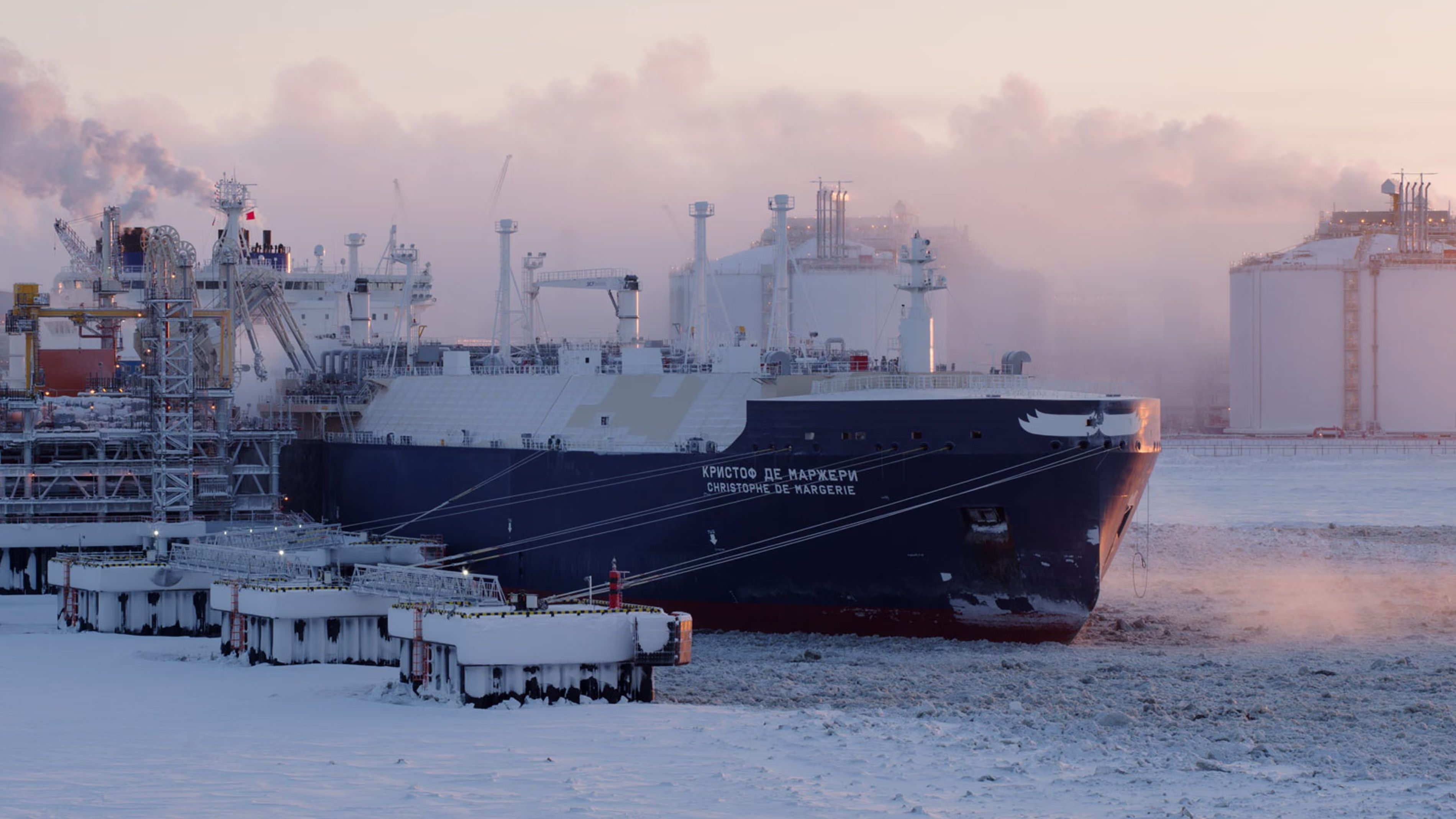
Instead of the promised abandonment of Russian liquefied natural gas (LNG), in the spring of 2026, European countries increased their purchases to a record level. Against the background of the war in Iran, supplies from the Yamal LNG plant to the EU in the first four months of the year increased by 17%, reaching 6.7 million tons. From January to April, European terminals received 91 shipments - this is 98% of the enterprise’s total exports, which allowed Russia to earn almost 3.88 billion euros.
But Europe’s dependence on Yamal LNG is not limited to fuel purchases. Despite public statements about curtailing business in Russia, Western corporations continue to earn billions from the project and supply technologies without which LNG production would be in danger of stopping.
Read in the Arctida investigation how the international concern TotalEnergies withdrew dividends and received excess profits by reselling gas, and how the supply of imported components necessary for the survival of one of the largest Russian gas production and liquefaction projects is arranged.
It will take about 15 minutes to read this text. In the first two sections we show how TotalEnergies continued to profit from Yamal LNG after 2022. In the third we talk about the supply of Western equipment for the project. The fourth is about the sanction exceptions that helped the Yamal LNG subsidiary ensure the operation of the fleet and international logistics, as well as the limits of this scheme. The fifth section contains the main conclusions.
How billions were transferred to the EU
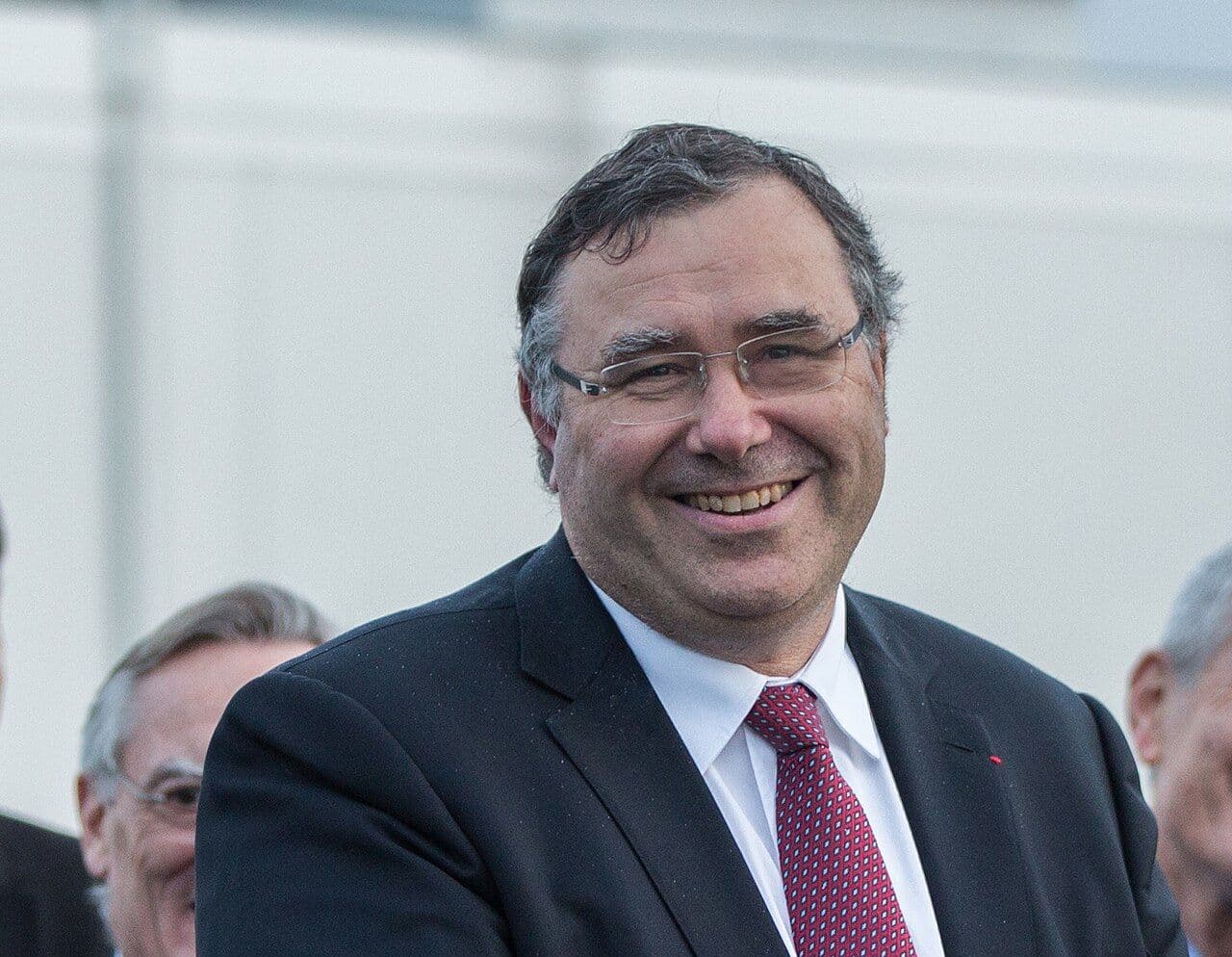
“We have not received dividends from Yamal LNG since 2023,” Patrick Pouyanné, CEO of the French company TotalEnergies, categorically stated in April 2024. According to him, profits from Russian assets are not available for withdrawal and remain in special accounts within the country.
By that time, the European concern, which for years had been one of the key partners in the gas production and liquefaction project in Yamal, had already publicly distanced itself from Russian business for two years. After the start of Russia's full-scale invasion of Ukraine, TotalEnergies condemned Moscow's actions, announced a gradual winding down of activities in the country and stopped financing the large Arctic LNG 2 project.
However, the concern retained a 20.02% share in the share capital of Yamal LNG. Moreover, internal financial documents of OJSC Yamal LNG show that TotalEnergies continued to withdraw billions of rubles in dividends at least until the end of 2024.
Thus, in 2022, payments of Yamal LNG OJSC were recorded in the amount of 50.5 billion rubles in favor of TotalEnergies Treasury. In 2023, despite statements from top management that withdrawal of dividends was impossible, the concern received 43.1 billion rubles from the Yamal project. And in October 2024 - another series of tranches for 6.5 billion rubles.
In total, from 2022 to 2024, the French concern received dividends from Yamal LNG in the amount of 105.2 billion rubles. Almost half of them were transferred to TotalEnergies accounts after 2023.
According to banking records available to Arctida, payments were made through European banks that continued to work with Russia, in particular through the Dutch branch of Deutsche Bank AG and the Austrian Raiffeisen Bank International AG.
All these operations not only brought income to TotalEnergies, but also replenished the Russian federal budget . In parallel with transfers to Europe, OJSC Yamal LNG regularly transferred income tax on non-resident dividends to the Federal Treasury. Payments were made at a preferential rate of 5% and ranged from 420 million to 1.2 billion rubles for each tranche. A total of 3.6 billion rubles were paid to the Russian tax budget.
Superprofits under cover
Dividends were not the only source of income for the French concern from the Yamal project. No less profitable for TotalEnergies was a long-term offtake contract , under which the company pledged to buy 4 million tons of LNG annually until 2041.
What makes this contract unique is its pricing formula. Unlike new contracts tied to European gas hubs, the TotalEnergies contract is historically tied to oil prices. This creates favorable conditions during periods of gas crises. A clear example is the situation in August 2022. Purchasing liquefied gas in Sabetta at predictable “oil” prices of about $12–15 per 1 million BTU , the company sold it on the European market at extremely high spot prices, which at its peak exceeded $90 per 1 million BTU.
The corporation deliberately abandoned hedging of these transactions, that is, the traditional financial mechanism in which the future sale price is fixed in advance to protect against price fluctuations. Due to sanctions risks, TotalEnergies chose to sell gas at current, unrestricted market prices. At times of peak demand, this made it possible to accumulate all the excess profits received. Answering questions from journalists about the ethics of such trade against the backdrop of global sanctions pressure on Russia, Patrick Pouyanné formulated the company’s current strategy:
“This is not Russian money - this is a European contract.”
This formula comprehensively describes the real business model: gas is physically produced and liquefied in Yamal, but the main profit from its sale ends up in Europe on the accounts of Western buyers.
However, the new EU sanctions regimes make further implementation of this agreement impossible. The 19th package of sanctions set a deadline: from January 1, 2027, the import of Russian LNG under long-term contracts into the European Union will be completely prohibited. Initially, TotalEnergies management expected to redirect these volumes to Asia or Turkey, but the European Commission banned EU firms from any trade in Russian LNG on the global market.
The 20th package of sanctions adopted in April 2026 finally closed the issue, providing TotalEnergies with legal protection tools against financial claims from Russian suppliers. As a result, in February 2026, Patrick Pouyanne announced a high probability of an imminent declaration of force majeure and early termination of obligations under the contract. However, despite its readiness to terminate the trade agreement, the corporation plans to retain a 20% stake in the share capital of Yamal LNG .
Gray imports for Yamal LNG
Western corporations not only benefit financially from the project, but also actually ensure the very possibility of gas production and liquefaction. The production complex operates on imported equipment, which could not be replaced. Key stages of the plant's technological process depend on liquefaction technologies from the American company Air Products, compressors from the German concern Siemens and gas turbines from the American corporation Baker Hughes.
The Yamal LNG project itself is not subject to direct blocking sanctions. For a long time, European regulators completely avoided tough measures against the Russian gas industry due to the EU's dependence on energy supplies. However, since 2023, the sanctions policy has gradually tightened: while the first restrictions concerned mainly dual-use goods, subsequent packages began to block access to almost all high-tech components.
At the same time, some transnational corporations - Samsung Heavy Industries, GTT, Siemens, General Electric and Baker Hughes - announced their voluntary withdrawal from the Russian Federation and strict control of supply chains back in 2022-2023. However, an analysis of customs declarations for 2023 conducted by Arctida shows that neither public statements about withdrawal nor sanctions restrictions led to a complete cessation of equipment supplies to Yamal LNG.
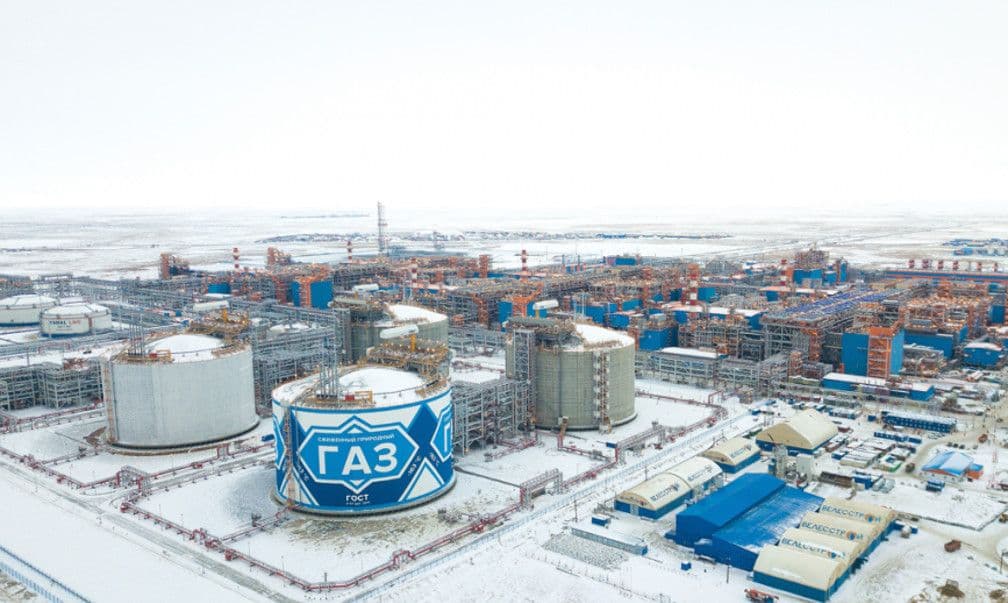
Thus, in 2023, Italian enterprises ZA.VE.RO. SRL and Filters SpA used legal loopholes in early sanctions packages to directly supply Yamal from Europe with high-precision ball valves designed to operate at temperatures of -162 degrees Celsius and sealing rings made of fluorosilicone rubber, which have no analogues in Russia.
Read more about these legal loopholes
Equipment from other companies began to arrive through third countries. Thus, the Spanish cooperative AMPO S.COOP continued to supply Yamal with steel check valves, but now using the Turkish company Aztek Enerji as a logistics and financial intermediary.
The Turkish company Uzay Group has become an important supply channel. In 2023, through it, the plant purchased American measuring pressure sensors and PCB Piezotronics vibration measuring amplifiers for a total amount of about 17 million rubles. Through the Uzay Group, Yamal LNG continued to receive products from Siemens, despite the fact that the German concern announced its final withdrawal from Russia back in 2022.
However, already in 2023, the Yamal project received its latest operator panels and hundreds of programmable logic controllers (PLCs) necessary to control production processes.
Why might the use of such PLCs and operator panels be dangerous?
In total, according to Arctida’s calculations, in 2023 the total amount of purchases of Western equipment at Yamal LNG amounted to 3.5 billion rubles.
Fleet, currency and new sanctions
After the outbreak of a full-scale war, Yamal LNG had to rebuild the international infrastructure not only for the supply of precision parts for production in Russia, but also for logistics in general. Singapore's Yamal Trade, a wholly owned subsidiary of the project, played a key role in this. According to Arktida, part of the export operations and settlements with foreign contractors who provided the fleet for the Yamal project passed through it.
One of the main sources of foreign exchange earnings for Yamal Trade was the export of gas condensate, a by-product of gas production. When the EU imposed a strict maritime oil embargo, European officials feared that a ban on the export of gas condensate would lead to the overflow of reservoirs in Yamal and a halt in supplies of the LNG that Europe critically needed. Therefore, in December 2022, the EU Council adopted an amendment that removed gas condensate produced at LNG plants from the impact of sanctions.
According to the data available to Arctida, in 2023, 53 large consignments of condensate were exported absolutely legally. The main destination country was the Netherlands, where 538,517 tons of raw materials were shipped, accounting for 65.2% of these supplies. The second largest recipient was Singapore, which received 287,497 tons.
The full embargo on condensate will come into force only on January 1, 2027, and until that moment its implementation generates foreign exchange earnings.
This liquidity, accumulated in Yamal Trade’s foreign accounts, makes it possible to pay for international contracts, bypassing Russian banks, transfers from which are blocked by compliance.
One of the items of such international expenses is providing Yamal LNG with specialized gas carriers . According to customs data, Yamal Trade Pte. Ltd. received from December 2020 to January 2025 43 vessels from South Korea.
It is noteworthy that for a long time such supplies were not subject to sanctions restrictions. However, in February 2024, South Korea extended export controls to maritime vessels. However, continued deliveries are still possible thanks to exceptions for previously concluded contracts and the use of foreign intermediary shipping companies. The vessels are assembled in South Korea, but their formal customers are international companies, for example, the Greek Dynagas and the Japanese MOL.
Legally, the shipyard sells the vessel to a company from the jurisdiction of NATO or Japan, after which this independent shipowner puts the gas carrier on a long-term time charter to Singapore's Yamal Trade. An example of such a loophole is the contracts for the Yenisei River and Lena River vessels, which are valid until 2033–2034. However, the shadow infrastructure , dependent on loopholes in sanctions restrictions, turned out to be slow and vulnerable to any shocks. The first blow was a change in global routes: after the Houthi attacks in the Red Sea in early 2024, logistics operators began to divert tankers from the shortest route through the Bab el-Mandeb Strait, bypassing Africa. Extension of flights disrupted the turnover schedule of Yamal's small fleet.
The crisis was aggravated by the 14th package of EU sanctions , which banned the transshipment of Russian gas in the Belgian Zeebrugge. Previously, tankers reloaded fuel onto ordinary ships there and quickly returned to the Arctic, but now they are forced to make long journeys on their own.
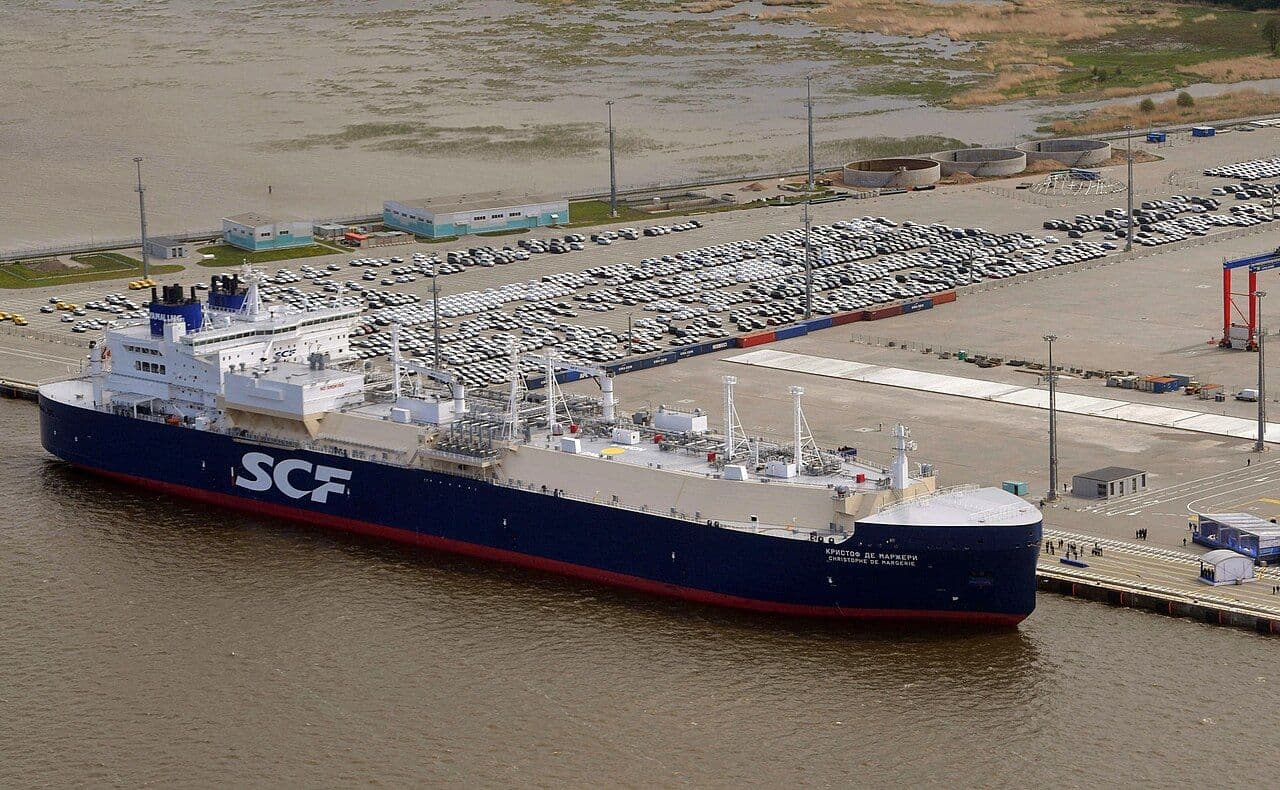
The logistical impasse was clearly evident in the spring of 2026 during the crisis in the Middle East. When the conflict restricted shipping in the Strait of Hormuz and forced Qatar to suspend shipments, European spot gas prices rose by more than 50%. Yamal LNG was able to only partially take advantage of this situation: against the backdrop of a shortage, the project increased export volumes to the European Union. However, due to logistics restrictions, the company was physically unable to redirect fuel to more marginal Asian markets, missing out on the opportunity to receive maximum export revenue.
The final restriction was the 20th package of EU sanctions, introduced in the spring of 2026, and synchronous measures from South Korea, which banned the maintenance of Russian gas carriers at their shipyards.
Unlike small ball valves or sensors, repairs of complex marine engines are more difficult to organize through gray imports and Turkish gasket companies. This requires certified dry docks and the competence of engineers.
Income, loopholes and their limits
An Arctida investigation has found that one of Russia's largest LNG projects continues to operate and generate profits for foreign shareholders such as TotalEnergies, despite political statements about severing economic ties. This demonstrates the specifics and limitations of the current sanctions regime: thanks to targeted EU regulatory exceptions and the arrangement of equipment supplies through third countries, the participation of Western technologies and structures in the Arctic project remains.
At the same time, the latest packages of restrictions aimed at banning gas transshipment in Europe and refusing to service the fleet show the real vulnerabilities of the built-up shadow scheme. If the shortage of the component base can so far be compensated for by gray import instruments, then isolation from foreign port and ship repair infrastructure can lead to more complicated logistics, increased costs and a physical narrowing of sales markets for Russian gas.
Cover photo: Novatek