Translated material
Cold front
NATO warns of military threats from Russia in the Arctic and conducts large-scale exercises there. How did a conflict-free region become an arena of geopolitical confrontation?
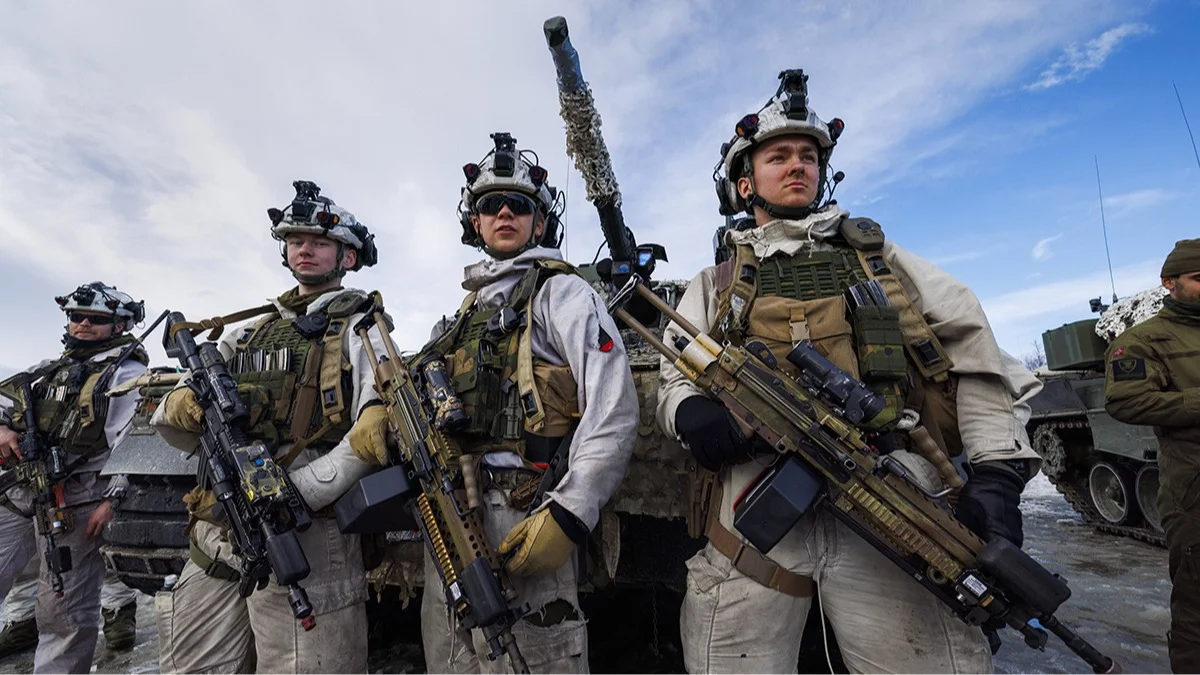
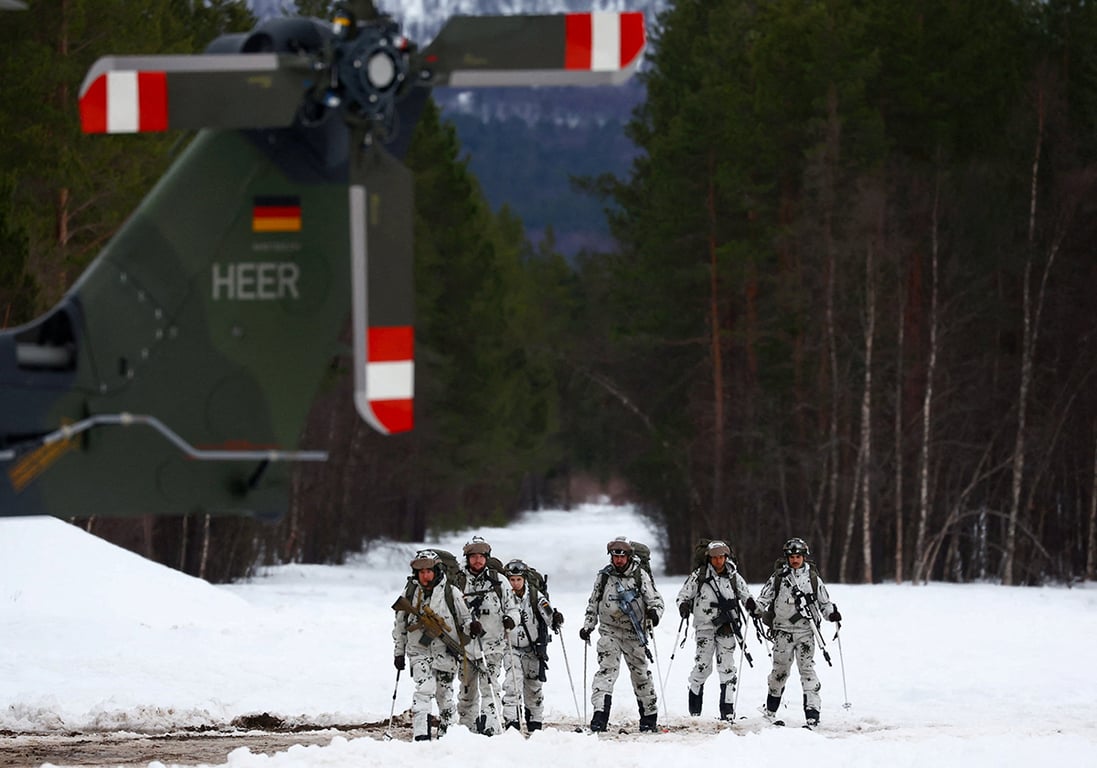
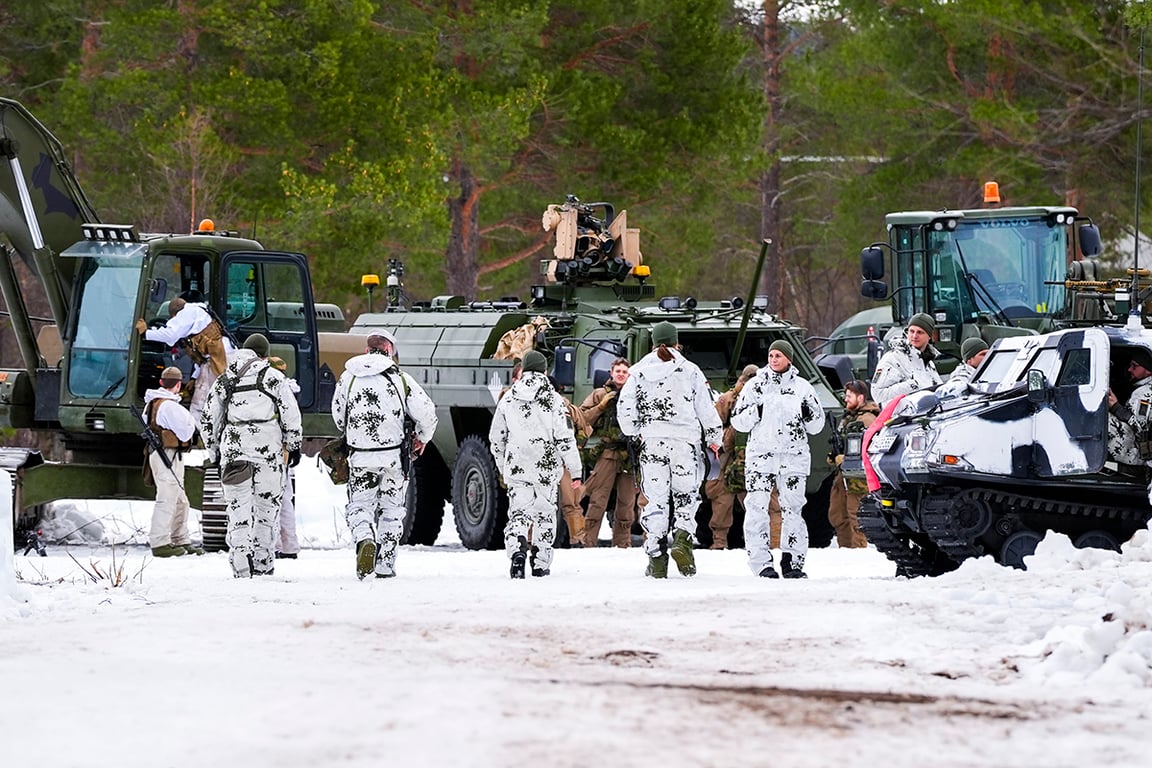
NATO exercise Cold Response 2026 in northern Norway, 14 March 2026. Photo: Robert Meerding / NL Beeld / Scanpix / LETA
The likelihood of a military conflict in the Arctic is steadily increasing and will become especially high if the war in Ukraine ends. This is stated by military and political leaders from NATO countries, drawing attention to the “advancement of Russian infrastructure further and further north.” There are still many weak points in NATO’s defense on its northern borders. For example, the United States has only one division specifically trained to fight in Arctic conditions. To strengthen its position in high latitudes, NATO launched the Arctic Sentry mission in February, the purpose of which is to consolidate all allied activities in the region into a single strategy. These days, the new architecture of Arctic policy passed its first test: in northern Europe, on March 19, the large-scale exercise Cold Response 2026, in which military personnel from 14 NATO countries were involved, ended. An important part of the exercises was to practice the actions of civil services in the event of full-scale fighting in the Arctic. Moscow, in turn, places full responsibility for the militarization of the Arctic on the West, suspects it of “plans for a naval blockade of Russia,” and also promises symmetrical and asymmetrical responses. Read about how and why the situation in the region, previously far from geopolitical conflicts, has changed so radically in the material of Novaya Gazeta Europe.
"All of Norway defends Norway"
A train arrives at the station in Narvik, Norway. There are dozens of seriously wounded people in the carriages. They became victims of military clashes that suddenly began in Finland. The wounded are urgently distributed to ambulances, buses and even boats. There are not enough beds in the city's hospitals - the victims are taken to other cities. We even have to take the wounded to dental clinics.
At the same time, in another Norwegian city - Tromsø - a speedboat approaches the pier, bringing the wounded directly from the front line. They are also being urgently distributed to hospitals. But that's not all: another incident occurs in Fjelldal. There, a passenger bus collides with a tanker truck with chemicals, firefighters and doctors urgently go to the scene of the disaster.
March 12, 2026 could be the worst day in the history of Northern Europe. Fortunately, these were all just scenarios for civilian exercises as part of the international military exercise Cold Response 2026. However, what happened at three points on the map of Norway was part of a larger process: a computer simulation of a crisis took place over ten days, “creating” an unprecedented burden on civilian authorities and crisis management systems. The goal is to test the entire evacuation and relief chain at local, regional, national and Northern European levels under maximum stress conditions.
Norway is well aware that in the event of a conflict, the preparedness of the healthcare system will be no less important than military equipment. Therefore, 2026 has been declared the “Year of Total Defense” in the country.
- Norwegians are being prepared for the fact that perhaps someday they will have to become a reliable rear. The motto is simply stated : “All of Norway defends Norway.”
Parallel training
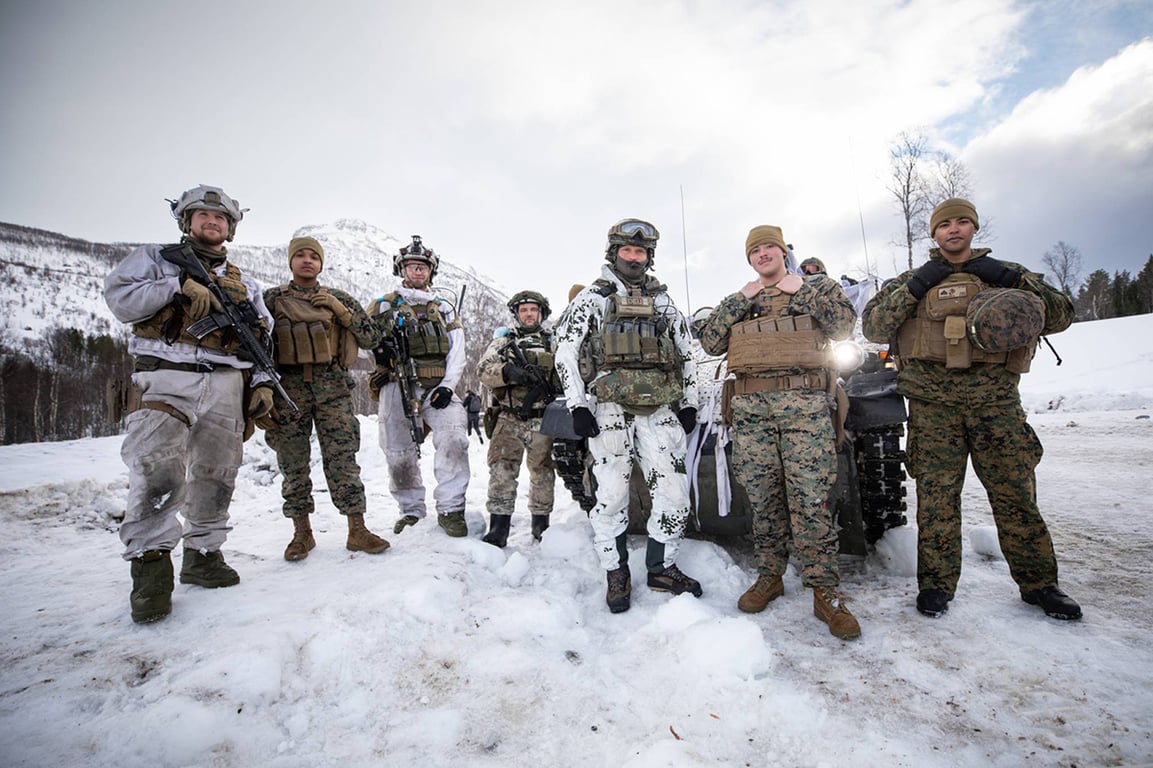
The importance of the home front is also understood by the NATO leadership. That is why civilian exercises were included in the framework of Cold Response 2026 - the largest maneuvers of the Alliance on the northern flank. From March 9 to 19, they united more than 25 thousand military personnel from 14 countries (of which approximately 4 thousand were Americans). Land operations take place in the Norwegian regions of Troms and Nordland and northern Finland, while sea and air operations take place in the North Atlantic and regional airspace.
The exercises included testing, in particular, NATO's ability to transport troops across borders in winter conditions. For example, the transfer of the headquarters of the Swedish division with all subordinate units to Finland was a difficult logistical test. An important element was also the logistics operation to retrieve more than 14 thousand pieces of machinery and equipment from warehouses in secret mountain storage facilities in Norway (such a scheme is beneficial both in terms of speed of response to crises and financially).
Artillery units, meanwhile, learned, among other things, to camouflage themselves and move to evade drones. NATO does not hide the fact that they paid special attention to these aspects, given the role of reconnaissance and attack drones in Russia’s war with Ukraine. In parallel with the maneuvers “in the field,” the headquarters conducted large-scale computer simulations of combat operations.
At the same time, the exercises turned out to be slightly smaller than originally planned.
At the end of February, it became known that the United States had recalled several F-35 fighter jets and about 150 military personnel. This was probably due to the preparation of attacks on Iran,
although officially representatives of the American army avoid answering. And then, directly pointing to the escalation in the Middle East, French President Emmanuel Macron ordered the recall of the aircraft carrier Charles de Gaulle with a crew of approximately 1,800 people and send it to the Mediterranean.
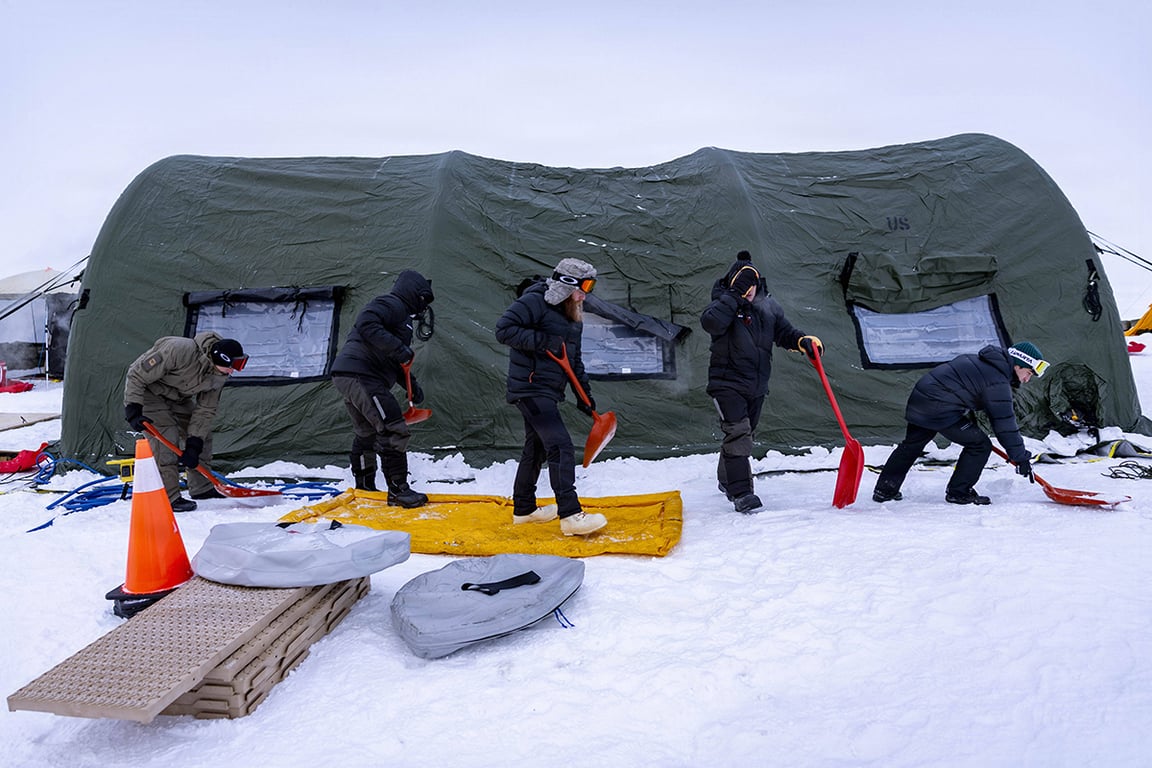
One way or another, it is obvious that NATO now does not forget about the Arctic. It is significant that at the same time as Cold Response, another exercise was taking place in the region - ICE CAMP 2026 (“Ice Camp”). They started on March 7 and will last three weeks. During this period, American submariners will practice navigation and ascent in the extreme conditions of the Arctic on the nuclear submarines USS Delaware and USS Santa Fe. Representatives of the Navy and Air Force of the United States, Australia, Canada, France and Great Britain, as well as employees of defense research institutes of Norway and Japan are involved in the maneuvers.
From low to high tension
From the point of view of NATO and the West in general, the source of threats and challenges is obvious. The NATO Maritime Strategy, updated in the fall of 2025, identifies Russia as “the most significant, direct and long-term threat to the security of allies,” seeking to “fundamentally change the Euro-Atlantic security architecture.” Among other things, it points to its “building up of military power” in the Far North and the Arctic.
Such sentiments did not always prevail: the Arctic was perceived as a space for cooperation in science and economic activity (the region contains huge untapped hydrocarbon reserves). It was assumed that institutional ties (primarily within the framework of the Arctic Council, which unites eight states of the region), pragmatic economic interests and harsh climatic conditions create reliable armor protecting the region from any geopolitical storms.
In 1987, in his Murmansk speech, Mikhail Gorbachev proposed to permanently transform the Arctic into a “zone of peace” and demilitarization. And in general, for decades, Russia and Western countries have more or less successfully been guided by the principle of High North, Low Tension (“Far North - low tension”). Even after the Russian-Georgian war in 2008 and the annexation of Crimea in 2014, Arctic cooperation has shown remarkable resilience. The parties continued to agree on borders (as was the case with the 2010 agreement between Norway and the Russian Federation on the delimitation of spaces in the Barents Sea), signed binding agreements on search and rescue of people, and jointly managed fisheries resources.
However, as experts from the Finnish Institute of International Affairs (FIIA) argued ,
Since 2015, the concept of a peaceful Arctic has been an illusion, skillfully maintained by Moscow. She actively used hybrid methods of influencing the Western Arctic states:
created artificial migration crises on the northern sections of the borders with Finland and Norway, disabled submarine cables providing communications between mainland Norway and the Spitsbergen archipelago, bought up land in strategically important areas (close to radars of air defense systems, ammunition depots, key power grids, railway junctions and telecommunication networks), suppressed navigation signals over the countries of Northern Europe.
No more cooperation
Russia's full-scale invasion of Ukraine has finally shattered the illusion that the Arctic can be isolated from the rest of the geopolitical situation. The first victim was the Arctic Council. On March 3, 2022, the United States, Canada, Denmark, Iceland, Norway, Sweden and Finland suspended participation in all meetings of the Council and its subsidiary bodies - in order not to interact in any way with the eighth member, Russia. As a result, about a third of the Council's 130 projects were frozen , and scientific cooperation in the Arctic was paralyzed. And in September 2023, Russia announced its withdrawal from another association—the Barents/Euro-Arctic Council (BEAC).
Dramatic changes have occurred, among other things, from the point of view of military security. Finland and Sweden, which had maintained military neutrality for decades, joined NATO in April 2023 and March 2024, respectively. That is, seven of the eight Arctic states were united by Article 5 of the Alliance Charter (an attack on one is considered an attack on all). Finland's accession increased the land border of the Russian Federation with NATO members by more than 1.3 thousand kilometers, effectively doubling it. At the same time, the Baltic Sea has become what military analysts are now increasingly calling “NATO’s internal lake.” This reinforced the traditional fears of the Russian leadership, and also significantly increased the importance of the Arctic and the Kola Peninsula as a “window” for the projection of naval power.
The war in Ukraine has seriously weakened Russia's conventional (i.e. non-nuclear) forces in the North. The best units - for example, the 80th and 200th motorized rifle brigades - were transferred to the Ukrainian front, where, according to Western intelligence, they lost a significant part of their personnel and equipment. Under these conditions, according to analysts at the RAND Center (USA), Russia in the Far North has begun to increasingly rely on strategic deterrence and nuclear blackmail. The Russian Northern Fleet has all the necessary tools for this:
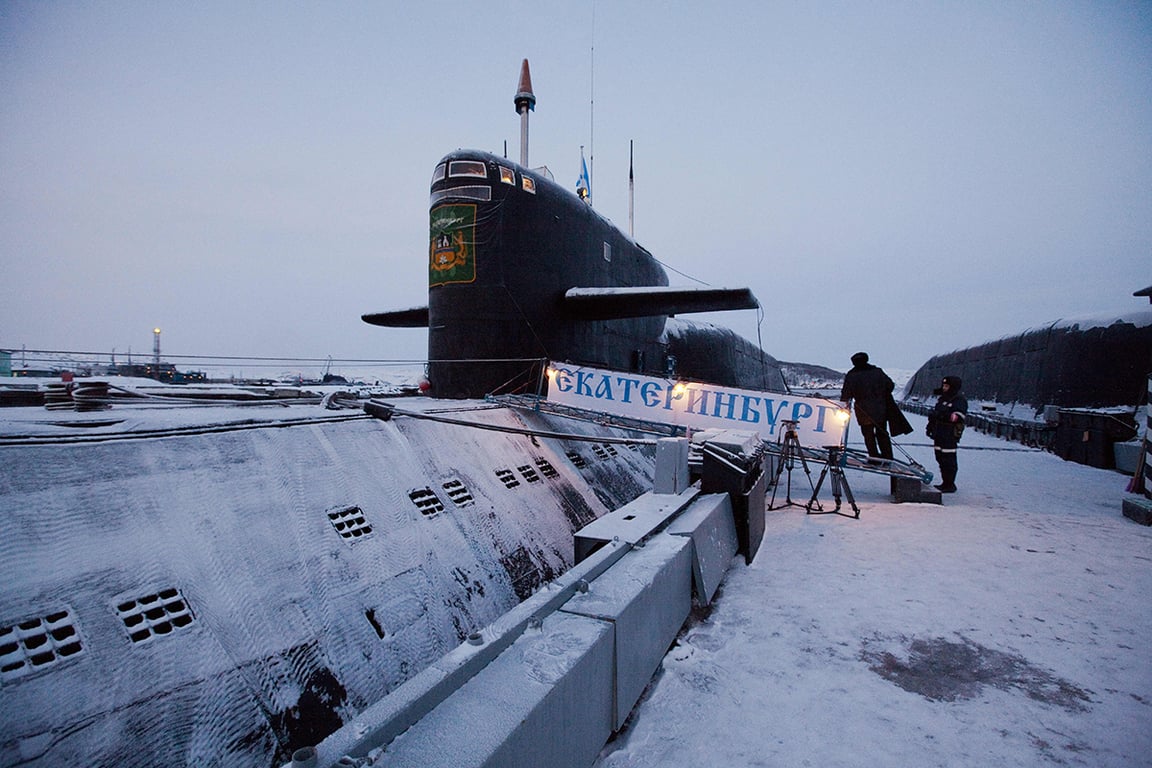
It is on the Kola Peninsula, tens of kilometers from the new NATO borders, that about two-thirds of the Russian naval nuclear deterrent forces are concentrated - nuclear submarines of the Dolphin and Borei projects,
equipped with intercontinental ballistic missiles.
In general, in recent years, Russia has reactivated and modernized more than 50 previously “frozen” Soviet-era facilities in the Arctic, including 13 airfields, ten radar stations and 20 border outposts. “Threats are evolving from climate change to economic threats to strategic and military threats as, for example, Russian infrastructure moves further and further north into the Arctic Circle,” Canadian Foreign Minister Anita Anand said on March 11, calling on NATO to take a closer “look north.”
Western experts point out that Russia is blurring the line between the civilian and military sectors. For example, new Russian patrol icebreakers are armed with cruise missiles and artillery installations. The weekly Zvezda (part of the media group of the same name, which is supervised by the Russian Ministry of Defense) admitted that this was a signal to the West: “So that no one would have the desire to rattle there [ on the Arctic shelf. — Approx. ed. ] weapons, lay its paw on the entire region, declaring it a zone of its economic interests, Russia is taking a number of appropriate proactive steps,” and “guided cruise “Caliber” on the latest ships is one of them.”
The same applies to the infrastructure component of the Northern Sea Route (NSR), a key trade and economic project in the Arctic, which was made possible by melting ice and could change global trade by reducing travel time from Asia to Europe. Experts at the NATO Defense College consider the NSR a “dual-use” project. That is
civilian ports, airfields, communication systems and other elements are being built by Russia in such a way as to ensure strengthening of the Arctic defense and at any moment begin to serve military purposes.
Moscow makes counterclaims to the West. As Russian Ambassador to Norway Nikolai Korchunov told Izvestia on March 2, NATO countries “in recent years have been rapidly increasing their military presence and the intensity of training and operational activities in the northern latitudes.” And Vladislav Maslennikov, a senior official from the Russian Federation in the Arctic Council, noted at the end of February that the North Atlantic Alliance “is clearly carried away by the militarization of the Arctic,” as a result of which it is turning into “a new arena of confrontation and military-political confrontation.”
In the new concept of foreign policy of the Russian Federation, adopted in 2023, one of the goals is stated to be “neutralizing the course of unfriendly states towards the militarization of the region and limiting Russia’s opportunities to exercise its sovereign rights in the Arctic zone of the Russian Federation.” It is significant that in the section “Regional Directions of Foreign Policy” the block on the Arctic is in second place - right after the “Near Abroad”.
Dragon in the ice
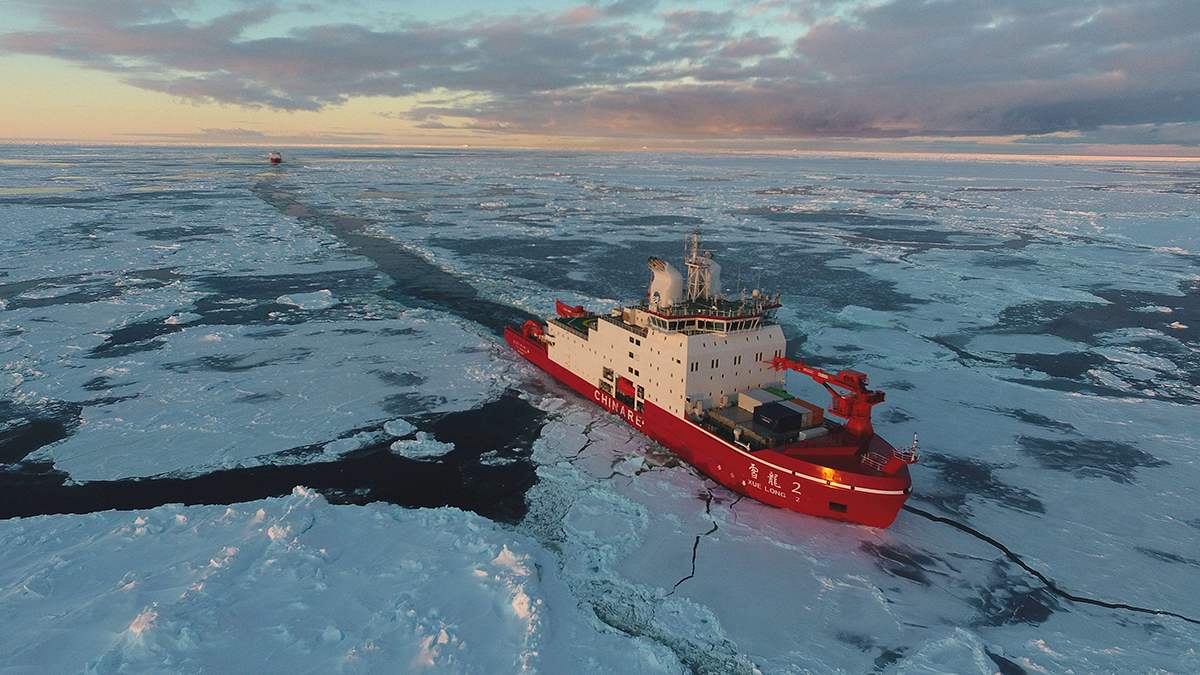
The same concept states as a goal “the establishment of mutually beneficial cooperation with non-Arctic states pursuing a constructive policy towards Russia.” First of all, we are talking about China. It proclaimed itself a “near-Arctic state” and announced its intention to become a “great polar power” by 2030. To realize these ambitions, Beijing needed a guide, and Moscow became it.
Beijing's economic interests are focused, in particular, on the development of the Polar Silk Road project, a northern sea corridor integrated into the Chinese Belt and Road mega-initiative. From a geographical point of view, we are essentially talking about the same NSR, so Beijing cannot do without interaction with the Russian Federation. In addition, China has become a key external partner in Russian Arctic projects for hydrocarbon production. For example, China produced about 70% of the equipment for Russia's flagship Yamal LNG project.
The second area of activity is scientific. China has two permanent research stations in the Arctic: in the Norwegian Svalbard archipelago and in Iceland.
Meanwhile, in the West these objects are treated with caution. Thus, in 2020, the Swedish Space Corporation blocked the Chinese from accessing a satellite ground station in the polar city of Kiruna due to fears that the data collected was being used by the People's Liberation Army of China. And there have already been many examples of counteraction to Beijing’s initiatives. For example, in 2011, a former Chinese official tried to buy 250 square meters. km of land in Iceland under the pretext of building an airfield and - unexpectedly - a golf course. The deal was eventually blocked. In 2020, Canadian authorities prevented the takeover of a gold mine by the Chinese. And in 2024, the Norwegian government blocked the sale of the last private plot of land in Svalbard when it turned out that China was interested in buying it.
The fears are not unfounded. The 2020 edition of The Science of Military Strategy (a textbook published by the National Defense University of China) explicitly states that mixing military and civilian activities is “the primary way for great powers to achieve a military presence in the polar regions.” The text also notes that China should “fully exploit the role of the military in supporting polar scientific research and other operations.”
NATO's Supreme Allied Commander Europe, Alexus Grinkevich, recently stated that Russian and Chinese research vessels are not actually “studying seals and polar bears”: they are “ conducting bathymetric studies [collecting data on depths and bottom topography. — Approx. ed. ] and are trying to understand how they can counter NATO capabilities at sea and underwater.”
At the same time, this open military cooperation is also actively developing. Russian and Chinese warships regularly conducted exercises in close proximity to the American Aleutian Islands. And in the summer of 2024, Chinese and Russian bombers conducted joint patrols near Alaska for the first time.
Marriage of convenience
Meanwhile, despite the public rhetoric about strategic partnership, the alliance between Moscow and Beijing in the Arctic is a classic marriage of convenience. This metaphor was used in 2023 by the then representative of the US National Security Council, John Kirby, and one can quite agree with him.
Moscow has historically been wary of China's advance into the Far North: for example, it initially opposed granting it observer status in the Arctic Council.
How deep this mistrust still is became known thanks to the leak of internal documents from the Department of Counterintelligence Operations (DCRO) of the FSB, which were obtained by The New York Times. It follows from the documents that Russian counterintelligence considers China as one of the main intelligence threats, recognizing that Chinese companies and research centers, under the guise of academic initiatives and mining projects, are conducting active espionage in the Russian Arctic.
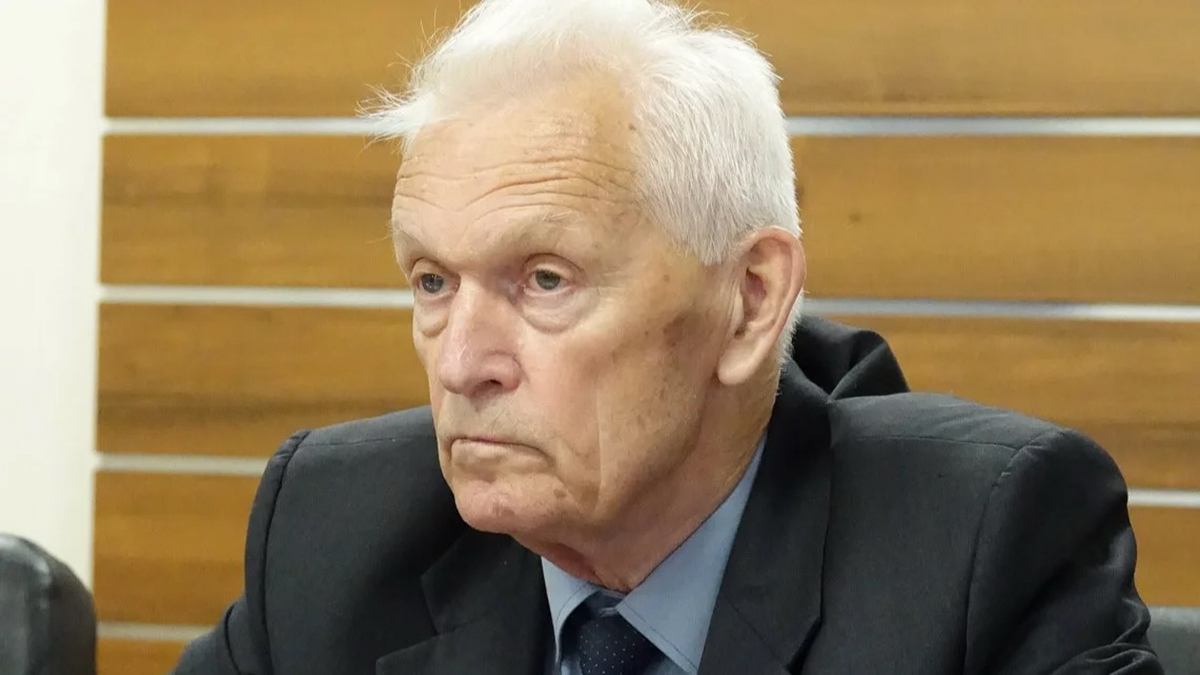
Allegedly, the recruitment of Russians is also actively underway. A high-profile case is the arrest in 2020 of the president of the Arctic Academy of Sciences, Valery Mitko, on charges of treason and transferring secrets to China (he died in 2022 while under house arrest).
The deepest rift between Moscow and Beijing lies in the area of international law. The Arctic section of the Foreign Policy Strategy of the Russian Federation mentions the task of “ensuring the immutability of the historically established international legal regime of the internal sea waters of the Russian Federation.” Moscow considers the areas along which the Northern Sea Route runs to be such. Accordingly, it is confident in its right to single-handedly set rules there (for example, requiring all foreign vessels to obtain passage permits in advance).
Russian experts like to talk about the hostile activities of the “collective West to challenge Russia’s status in the Arctic.” However, de facto, the PRC is doing the same thing. The Chinese White Paper on the Arctic , which determines the country's policy, states: the region is “the heritage of all mankind” and, in accordance with the UN Convention on the Law of the Sea, non-Arctic states there have the right to free navigation, scientific research and the laying of submarine cables.
Western experts, for example, from RAND, see this as an opportunity for the West: it is able to split the fragile alliance between Moscow and Beijing in the Arctic if it changes its tactics and begins to strategically interact with the PRC. For example, he will build a working relationship with him regarding the development of natural resources.
The US is “observing and reacting”
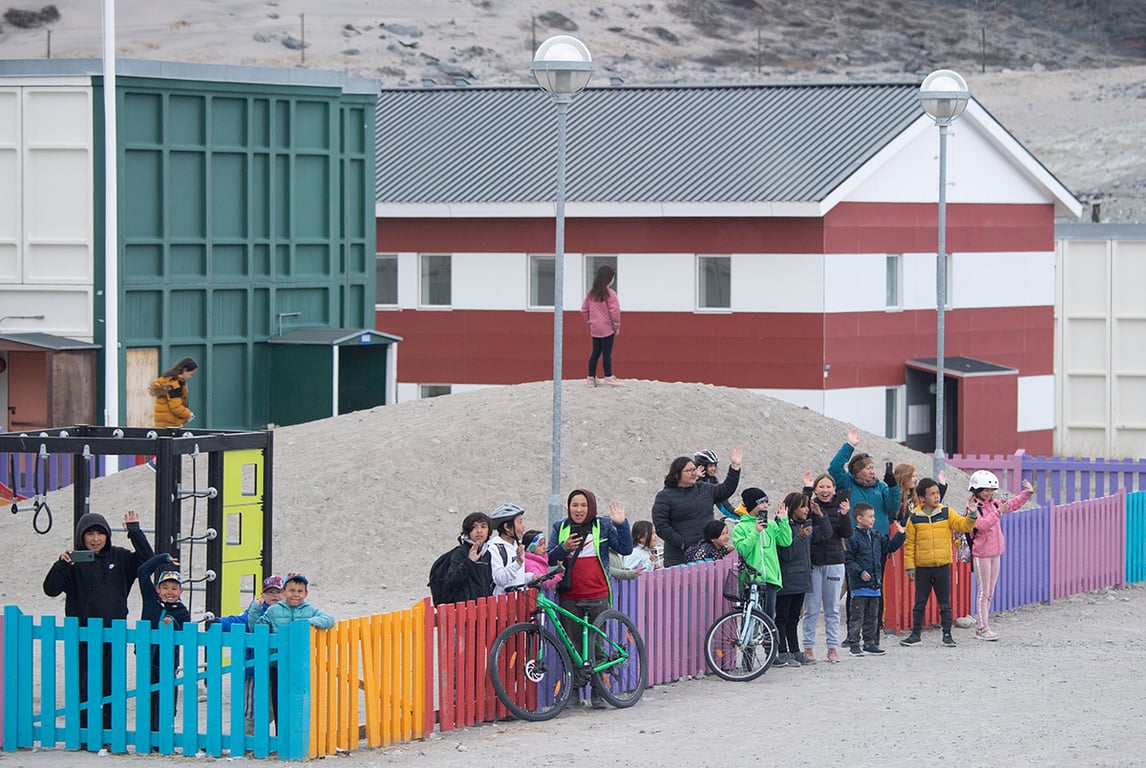
Meanwhile, there is no talk of effective interaction between the West and China in the Arctic. The United States is determined to contain Beijing, and with it Moscow.
The US National Strategy in the Arctic region, adopted in 2022 (that is, under the administration of Democrat Joe Biden), said a lot about the need to balance the influence of Russia and China. And the Pentagon’s Arctic Strategy, updated in 2024, called the rapprochement between the Russian Federation and China one of the main challenges.
The documents outline the formation of a full-fledged icebreaker fleet as one of the key conditions for ensuring American security and influence in the Arctic.
The United States currently has only three icebreakers, while the Russian Federation has more than 40 (including eight operational nuclear icebreakers). The plans include the construction of at least 11 heavy icebreakers, but the first of them will not be ready until 2028.
Military experts also note that the US Army currently has very little equipment and technology adapted for the Arctic. In addition, there is only one unit specifically trained for combat in Arctic conditions: the 11th Airborne Division.
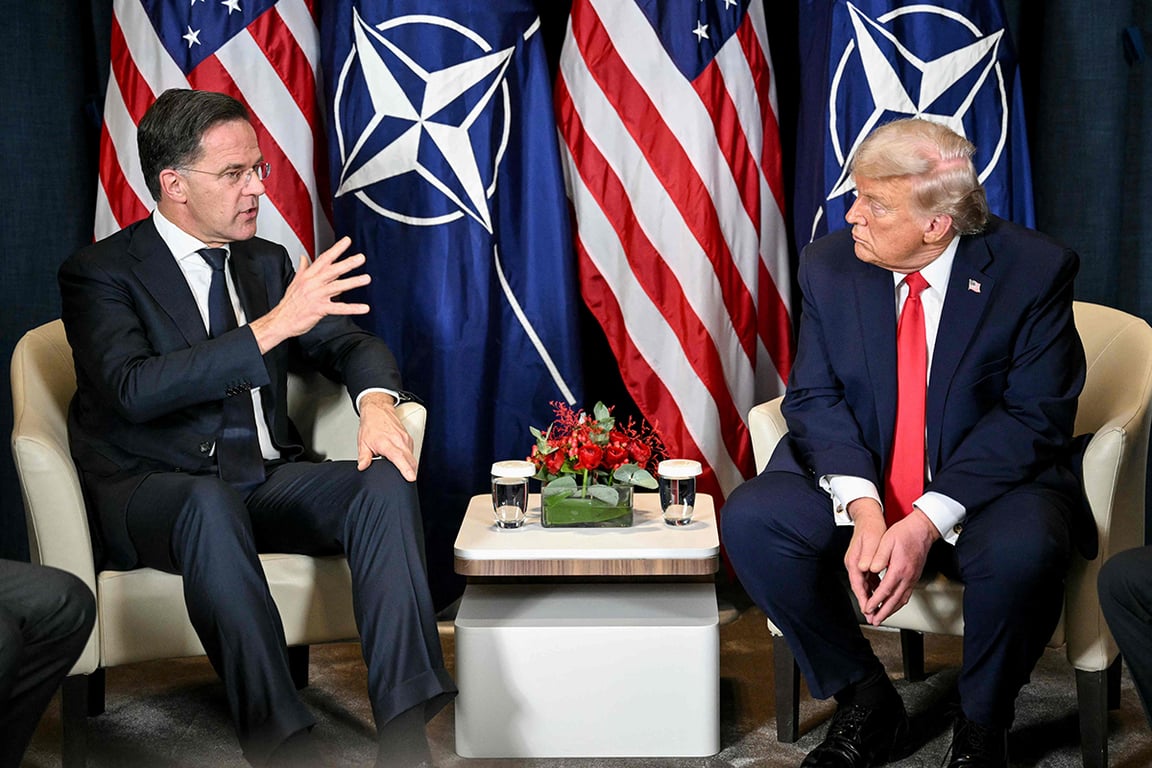
As for strategy, the United States relies on the “monitor-and-respond” principle in the Arctic. That is, instead of building dozens of new bases in the ice, the United States is investing in technologies that increase awareness of what is happening: modernizing early warning systems, expanding radar coverage, and strengthening low-orbit satellite constellations. The Pentagon is confident that, if necessary, it will be able to quickly transfer strike units to any point in the Arctic. The emphasis is also on interaction with allies; With some of them (Norway, Denmark, Finland and Sweden), the United States has concluded bilateral defense cooperation agreements in recent years.
True, under Donald Trump, allied relations have faced a crisis. Let us recall that the president issued an ultimatum demanding that Denmark transfer control over Greenland, where the American Pituffik base is located, to the United States, calling such a step critical for the national security of the United States and the West as a whole. Trump argued: only the United States can protect its allies from threats from the Russian Federation and China - in particular, by deploying elements of the latest Golden Dome space missile defense system in Greenland. The head of the White House trolled his allies with pictures with the inscription “Greenland is a US territory since 2026,” openly threatened crushing tariffs, and did not even rule out the forceful seizure of the island.
But in the end, having brought the situation almost to the limit, Trump, as usual , reversed the move : on January 21, following a meeting with NATO Secretary General Mark Rutte, the head of the White House spoke about the formation of “the framework for a future agreement concerning Greenland and, in a broader sense, the entire Arctic region.” Leaks in the media suggested that Denmark could transfer sovereignty over small areas of Greenland to the United States so that Washington could establish military bases there. But no official information has appeared since then.
A consequence of that crisis can be considered the launch of NATO's multi-domain operation Arctic Sentry. The official goal is to strengthen NATO's position in the Arctic and unite the activities of 32 allies in the region under one common operational strategy. Meanwhile, there is an unofficial but obvious goal that experts pay attention to: to prove to the United States that the remaining members of the Alliance are capable of shouldering the main burden of costs and ensuring the security of the Faroe-Iceland border (the strategic section of the Atlantic Ocean between Greenland, Iceland and Great Britain). The current Cold Response exercise took place within the framework of the Arctic Sentry mission.
In addition, the crisis has forced North Atlantic allies to dramatically increase investment in Arctic security. For example, on March 12, Canadian Prime Minister Mark Carney announced the allocation of 35 billion Canadian dollars ($25.6 billion) for the development of the country’s military facilities - in particular, bases, airfields and ammunition depots - in the Arctic.
Potentially hot archipelago
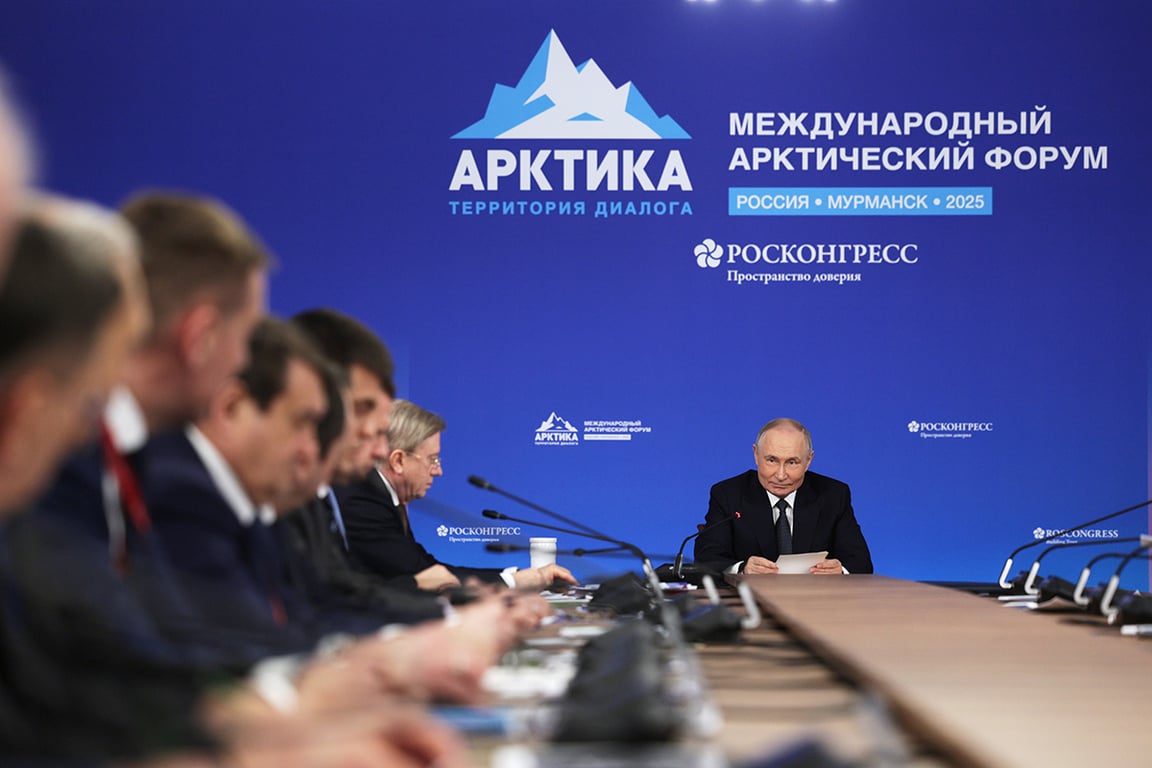
There are many options for where exactly in the vast Arctic space an escalation could occur. Experts point to several potential hot spots. And, oddly enough, Greenland is rarely mentioned among them. Contrary to Trump's claims that "China and Russia want Greenland," they have so far shown no significant military or even economic interest in the Danish island.
But this cannot be said, for example, about Spitsbergen. Let us recall that this archipelago has a unique regime: it belongs to Norway, but all states party to the 1920 treaty have equal rights to reside and conduct economic activities. The main Russian representative there is the Arktikugol trust. But this is not about the economic feasibility of coal mining, but about the desire to stake out a place in the archipelago for oneself.
Any use of the archipelago for military purposes is prohibited. However, in a February report from Svalbard, The Wall Street Journal (WSJ) said that locals “fear that Russia’s expanding military footprint in the Arctic and President Trump’s ambitions for Greenland” could end the peaceful era on “this sleepy and forgotten island.” As Arctic expert Andreas Esthagen from the Norwegian Fridtjof Nansen Institute told the newspaper, Svalbard “would be the second or third domino that would fall in the event of a real conflict between NATO and Russia.”
In a February analysis from the Washington Atlantic Council entitled “What's Putin's Next Move?
Five scenarios of a Russian attack that Europe needs to prepare for”, it is the attack on Spitsbergen that comes in number one.
It is alleged that the attempt to capture the archipelago will be preceded by a series of hybrid actions, including the destruction of underwater infrastructure and the deployment of intelligence officers in civilian clothes. “Northern Fleet marines or airborne troops deployed from the Russian mainland could quickly capture and occupy the archipelago with virtually no warning, presenting NATO with a fait accompli. NATO must prepare detailed plans for the return of Svalbard in the event of aggression,” the document says.
Meanwhile, the Russian Foreign Ministry claims that Western countries are trying to drag demilitarized Spitsbergen into the “battle for the Arctic.” The department pointed to certain Western “dual-use objects that allow, along with civilian ones, to carry out tasks of a military-applied nature.”
One of the recommendations from the Atlantic Council analysis is the stationing of Norwegian special forces on Svalbard along with US, British and Dutch Marines. However, Andreas Esthagen, quoted in the WSJ article, is confident that this could provoke Moscow, which could then try to “seize these territories in order to secure access to the Bear Gap [ the waters between Spitsbergen and mainland Norway. — Approx. ed. ] and protect your Kola Peninsula, where the world’s largest stockpile of nuclear weapons is located.”
Scenarios for all occasions
In addition, in October last year, the Arctic Institute (USA) published an analytical article under the telling title “Alaska, not Greenland, should concern the United States in the Arctic.” The authors are confident that Trump's fixation on Greenland is wrong. Strategic threats in that area are quite successfully controlled thanks to the US presence at the Pituffik base, as well as cooperation with Denmark, Canada and the NATO alliance as a whole. At the same time, a much more unpredictable situation is developing in the northern part of the Pacific Ocean: in the Bering Sea and Kamchatka region, where nuclear submarines and ships of the Russian Pacific Fleet are based. Russian military exercises there have repeatedly disrupted the activities of American fishermen, raising serious concerns in the United States about violations of their rights and the risk of accidental escalation. The already mentioned factor of China, which is increasingly conducting joint sea and air exercises with the Russian Federation, is also important.
As Defense News reported on March 9, NATO intends to carefully study scenarios that could lead to conflict with Russia. For this purpose, a research group led by the USA and Norway is being created. Also, Canada, the Czech Republic, France, Italy, Sweden and Türkiye have already confirmed their participation in the Arctic security modeling. They will have to prepare an extensive report by 2029 called “Scenarios for the High North for military exercises and analysis - Winter Storm 2030.” The ultimate goal is to reformat Arctic forces by 2040.
Meanwhile, there is already no shortage of hypothetical escalation scenarios. For example, a report from the RAND Corporation released in February examined in detail 11 theoretically possible incidents in the Arctic and calculated Russia's likely reaction to them.
What could destabilize the situation in the Arctic?
- US operation to “ensure freedom of navigation” on the Northern Sea Route. The Russian Navy is responding to the demonstrative passage of American warships along the NSR with aggressive “active pursuit” and maneuvering, as well as exercises off the coast of Alaska. But the risk of direct armed conflict is low, since Moscow is unlikely to consider the threat to Russian interests high.
- Ecological disaster in the Chukchi Sea. A Russian tanker suffers an accident and a major oil spill occurs. The US is offering assistance in dealing with the consequences. If Washington politicizes the incident, Moscow could reject assistance and accuse the United States of trying to interfere. Experts consider this scenario the most likely of all those considered.
- Dispute over the extension of the continental shelf. The UN Commission rejects a significant part of Russian claims to the Arctic shelf in favor of Canada and Denmark. Russia does not recognize the decision. Escalation is possible if Canada or Denmark begin exploration for mineral extraction. In response, Russia may send ships and submarines to that area or demonstratively plant the Russian flag on the ocean floor.
- Sabotage against LNG infrastructure in Yamal. Unidentified activists with the slogan “Bring Ukrainian children home” attack the LNG terminal in the port of Sabetta. Russia responds with attacks on Ukrainian energy or grain infrastructure. If assistance from Western intelligence services is suspected, asymmetrical actions against NATO energy infrastructure are possible.
- Incident with a Russian fishing vessel off Spitsbergen. A Russian vessel resists detention in a fishery protection zone; A Norwegian officer is wounded and a chase ensues. Experts assess this conflict as purely tactical and not posing a strategic threat: both sides will be interested in resolving it quickly.
- Norwegian environmentalists infiltrate a Russian floating nuclear power plant off the coast of Siberia. The Russian crew detains environmentalists. If the incident does not become public, Russia will try to avoid negative publicity and quietly resolve the issue with Norway. Otherwise, Moscow may launch a campaign to discredit activists and use them as a tool of pressure on Norway: for example, to achieve the lifting of sanctions.
- New US base in Greenland. The United States and Denmark are building a base in eastern Greenland and laying an underwater sensor network to track Russian submarines. Russia should not expect a direct military reaction: the waters around Greenland are not considered vital for the defense of the Northern Fleet bases. But Moscow will operate in a “gray zone”: fomenting protests by local pacifists against the US base and jamming GPS signals.
- An American B-52 is violating Russian airspace. A bomber carrying nuclear weapons goes off course near the Northern Fleet bases. Russian air defense forces must decide in a few minutes whether it is an accident or a threat; an attempt to land the plane or shoot it down is possible. The scenario is considered the most dangerous.
- Collision between Russian and US ships near Alaska. During Russian and Chinese maneuvers near the Aleutian Islands, a Russian ship accidentally rams an American fishing vessel. Moscow will likely try to minimize the scandal and portray the incident as a tragic accident.
- Deliveries of long-range missiles to Finland. SHA sells PrSM missiles with a range of more than 300 miles to Finland. Russia perceives this as a completely expected step. But tensions could rise if the missiles are used in exercises near the border or if the United States negotiates access to the systems for its troops on Finnish soil.
- Russian nuclear submarine disaster. Russia will refuse foreign aid and could use the tragedy for a domestic campaign - accusations of sabotage by the West or a search for culprits among the military leadership.
In general, from the RAND analysis, we can conclude that Russia will not react too violently to the gradual planned strengthening of NATO (for example, the possible purchase of missiles by Finland), since these threats are already included in the Kremlin’s calculations. But sudden deviations from the norm (an accidental flight of an airplane into Russian territory, a ship collision) will be perceived extremely sharply and are fraught with escalation. And this is especially dangerous given the lack of reliable, permanent deconfliction mechanisms in the Arctic: any local incident can provoke a chain reaction.
As the Cold Response 2026 exercise showed, NATO is well aware of this and is actively preparing for the worst-case scenarios, just in case.