
Translated material
“The judge said that he does not see any threats in Russia.” How anti-war Russians are denied asylum in the West and around the world
It is becoming increasingly difficult for Russians to obtain asylum. We are talking not only about Western countries and the United States, which began expelling Russian refugees en masse , but also about countries neighboring Russia. Human rights activists with whom The Insider spoke note that the immigration and political situation in a number of states that previously hosted anti-war Russians has changed noticeably.
Content- 1. Where it got worse
- 2. Germany
- 3. In other European countries
- 4. USA: suitcase, airport, Russia
- 5. Three stories of deportees from the USA
- 6. Persecution of Russians in Kazakhstan
- 7. Difficulties of flying
Where it got worse
One response to Russia's full-scale invasion of Ukraine in February 2022 was a mass exodus of Russians who opposed the war or feared mobilization. Among those who left the country were those who ended up at the front or simply in the army, but managed to desert. Some of those leaving (the same deserters or oppositionists) did not have foreign passports, so the list of countries they could go to was very limited.
Legalization in other states was not an easy task for anti-war Russians from the very beginning, and over the past year the situation has worsened significantly. In the media and social networks, reports are increasingly appearing about denials of asylum to Russian citizens, deportations and even detentions for subsequent extradition. At the same time, in most cases there is no talk of persecution of Russian citizens specifically - the attitude towards migrants in general has changed.
In the United States, about a thousand asylum seekers with Russian citizenship were under threat of deportation, and the first flights to Russia—not direct, through third countries— took place last summer. In Croatia, protection is massively denied to natives of the North Caucasus, and in Germany, courts make negative decisions on what human rights activists believe are “iron” cases of deserters. Kazakhstan has already expelled people who clearly face criminal liability in Russia. And Moscow is trying to use Interpol databases or lists of terrorists and extremists to persecute unwanted citizens, creating problems even for those who have a passport from another country.
In the United States, about a thousand asylum seekers with Russian citizenship are under threat of deportation, some of them have already been expelled
The Russian authorities also support the spread of panicky rumors about the threat of mass deportations of anti-war emigrants. However, according to human rights activists, this perception of what is happening does not correspond to reality. The frightening picture emerging by 2026 consists of many unrelated factors, but there is no talk of a single campaign. At the same time, in some countries the attitude of the authorities towards Russians who fled war and repression has really changed. Most noticeably, according to the observations of human rights activists, the situation has worsened in Kazakhstan and the United States, but Russian emigrants in Germany, Croatia, the Netherlands, Sweden, Bulgaria and some other countries also face new problems.
Germany
Increasingly, Russians are facing difficulties in Europe. This reversal of trends is particularly evident in Germany, which, although still a safe haven for many, has taken a much tougher stance on migration since the change of government in May 2025. The demonstrative fight against migrants by the team of Chancellor Friedrich Merz, who is clearly trying to please right-wing populist sentiments in the country, is even often compared to what is happening in the United States under Donald Trump. And although the scale of the processes in Germany does not yet reach those overseas, the indiscriminate approach of the German government is difficult not to notice.
For example, in Germany the humanitarian visa program for Russians has now actually been stopped. The authorities cite the need to ease the burden on the budget and social sphere. However, under the gum visa program, fewer than 3,000 Russians came to the country during the four years of war, which is significantly less than the number of migrants from other categories.
The coordinator of the human rights initiative inTransit , who wished to remain anonymous, told The Insider that the situation has not moved forward since September 2025. Moreover, people who had previously received approval for humanitarian visas were never able to put them in their passports, with the exception of one person known to human rights activists. In addition, since September 2025, two gum visas have been issued to Belarusians - political prisoners Maria Kolesnikova and Viktor Babariko, released in December 2025.
Since September 2025, two gum visas have been issued in Germany - to released political prisoners from Belarus Kolesnikova and Babariko
“We have been seeking gum visas for the Moskalevs for a long time on an exceptional case. I know that the German Foreign Ministry made every effort to ensure that the visas were issued, but the Ministry of Internal Affairs blocked this decision, and the Minister of the Interior did not sign the approval, so we applied for a French humanitarian visa and brought them to France. Authorities say that humanitarian reception will remain only for completely exceptional cases. But the Moskalevs’ case is exceptional, and they didn’t give me a visa. A group of oppositionists - Ilya Yashin, Andrei Pivovarov and representatives of Free Russia - specially went to the CDU/CSU congress to talk about the possibility of resuming the humanitarian program, but also received a negative answer,” said an inTransit employee.
In January 2026, the story of deserter Georgiy Avaliani became widespread in the media. A civil engineer from Moscow ended up in the war in Ukraine against his will, was tortured and deserted three times. He managed to travel to Europe, where he reached Germany and asked for asylum. The Federal Office for Migration and Refugees (BAMF), having examined the case on its merits, refused Avaliani and his family, considering that he was not in danger in his homeland. As justification for the decision, BAMF cited the statement of former Defense Minister Sergei Shoigu about the end of mobilization in Russia in October 2022.
In addition, an employee of the department doubted the existence of “torture cellars” in the Russian army. Human rights activists note that Avaliani’s case is not an isolated one, and BAMF stamps out refusals according to a template, without delving into the details of the cases and changing only the data of the applicants in its decisions. Bodies of the European bureaucracy have repeatedly referred to statements by the Russian authorities about the end of mobilization, Alexander Solovyov, coordinator of the project “Consuls of the Anti-War Committee,” explains The Insider: “The decisions regularly write that nothing threatens the applicants in Russia, so let them come back.”
In March, news from the Echo publication thundered in the Russian-language media, which reported that Germany had begun to deport anti-war Russians through third countries, in some cases explaining its decisions by the “lack” of mobilization in Russia.
Previously, local officials had not resorted to such a practice, since there is no direct air service between the two countries. Now Russians are periodically expelled under escort through Belgrade or Yerevan. Those deported include LGBTQ+ activists, anti-war Russians and those who donated money to organizations that are “banned” or “terrorist” from a Russian perspective.
This is partly due to the peculiarities of the German bureaucracy. Until the end of 2023, in Berlin, as part of an exception, it was possible to apply for a freelancer visa. To do this, one could come to Germany even using the usual tourist Schengen visa of any country and prove the risks of returning to Russia, they told inTransit. Many Russians took advantage of this. However, local authorities then abandoned this practice.
As a result, instead of a residence permit, the Berlin migration department began to issue applicants with a “duldung” - a status on temporary deferment of deportation. If a person found a permanent job, he could become legalized. In addition, the “duldungs” were regularly extended. However, in August 2025, their issuance also ceased, and people began to receive deportation orders. Typically, a person was given time - about four months - to voluntarily leave Germany. However, the deportation police began to come to them literally after a couple of weeks and send them under escort to Russia through third countries.
Despite this, human rights activists emphasize that there is still no need to talk about mass expulsions. As Maria Krasova, a lawyer for the inTransit project, explained to The Insider, we are more likely talking about the “randomness” of this practice:
“There are no signs of systemic patterns - deportations are not associated, for example, with antisocial behavior, offenses, gender or length of stay. In Germany, the situation is complicated by several factors: population fatigue and high social burden on society (as evidenced by the election results), a slow law enforcement apparatus, an opaque asylum decision-making process, and the inaccessibility and often ineffectiveness of legal protection systems for asylum seekers. In Berlin, for example, the situation is complicated by the apparent lack of cooperation and sound distribution of responsibilities between the BAMF and the LEA, the office for foreigners in Berlin.”
Another thing is that the lack of mass participation hardly makes life easier for those who were not lucky enough to be a “candidate” for the growing list of “isolated” cases. For example, in mid-March, the police detained and placed 26-year-old Ilya Shkolny in a pre-trial detention center in the Bavarian Hof.
In Russia, the young man participated in rallies, was a volunteer for Alexei Navalny’s political campaigns, transferred money to FBK and was a member of the committee of the Moscow branch of the Libertarian Party of Russia. Shkolny ended up in Germany in June 2022, entering on a tourist visa.
Ilya, who speaks German at the C1 level, entered the master's program at the University of Bayreuth, married a German citizen Anzuela, with whom he had been in a relationship since 2019, and applied for asylum. But he was refused, citing the lack of mobilization in Russia. Then Ilya applied for a residence permit due to marriage and was again refused.
“The migration department said that since Ilya did not receive asylum, it means that his risks are “irrelevant” and he must return to Russia and from there receive a marriage visa. Ilya could not return to Russia - he was in obvious danger there,” they said inTransit.
In March 2025, the German authorities planned to deport a Russian, accusing him of crossing the border on the “wrong visa.” At the same time, the university was ready to offer Ilya a job. In addition to human rights activists, local politicians also joined the case to save Shkolny from deportation to Russia. Maria Krasova notes that in this case we are clearly talking about an bureaucratic mistake.
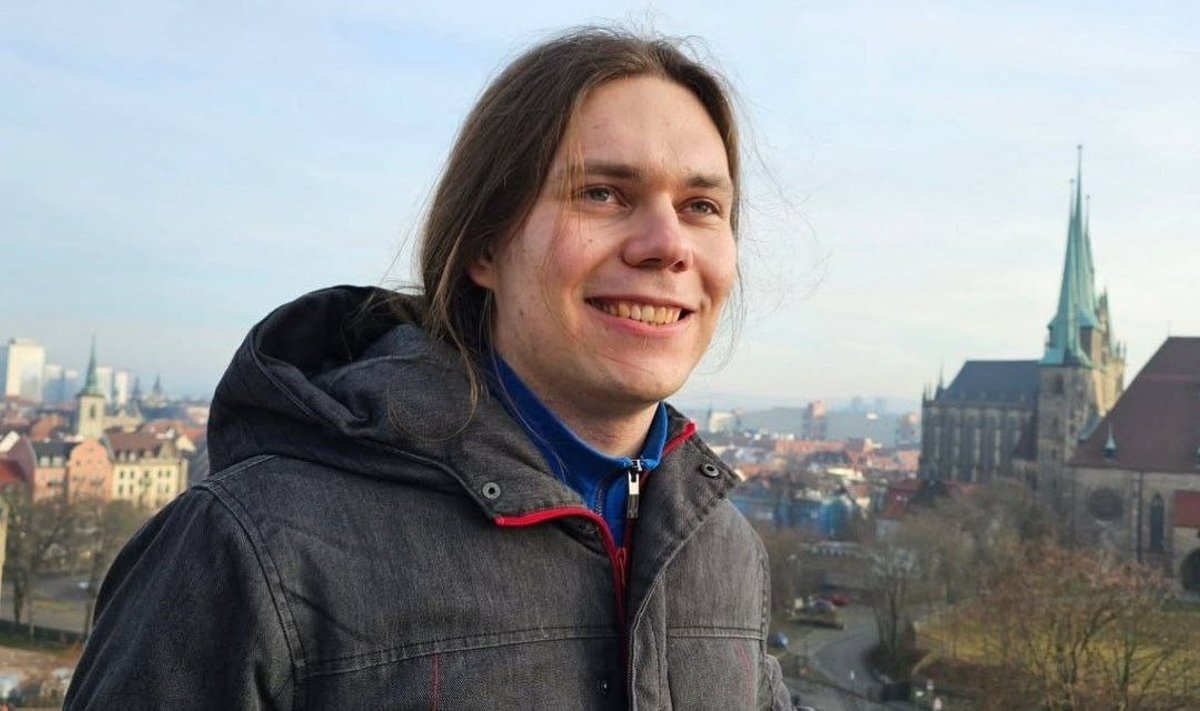
Ilya Shkolny
The inTransit coordinator, in turn, emphasizes that protecting people already in a deportation prison is very difficult, and a person cannot cope alone or even with the help of German lawyers:
“We have collected new circumstances confirming the risks and a new evidence base, which is based on our experience. A year ago, we defended a person in Denmark who was marked “extremist, FBK” in the Chimera database.
We argued that he was in danger in Russia, relying on letters from organizations such as Transparency International, letters from Russian investigative journalists specializing in Chimera, and most importantly, scientific publications from the Academy of the Russian Ministry of Internal Affairs. It describes in detail how this database is used in operational work to collect information, identify oppositionists, extremists, political activists, and so on. 80% of operational departments are connected to it. This is a very important confirmation that no applicant can collect on his own.
Based on this, we sent an urgent request to the court to stop the deportation - and another application for asylum. The court decided that the risks were indeed high and ordered BAMF to review his case again.”
In total, according to Echo, in 2025 Germany forcibly deported 126 Russians, and another 1,748 Russian citizens are listed in statistics as “voluntarily leaving.” At the same time, human rights activists emphasize that we are not talking about special treatment of Russians - the new approach of the German authorities affects almost all migrants with an uncertain status.
In other European countries
Most likely, the number of deportations will increase in the near future - and not only in Germany. In February, the European Parliament approved a single list of “safe third countries”, which should simplify the procedures for refusing refugee status and deportation. But no one can say for sure how this will work in practice. As The Insider's interlocutors note, there are enough countries in Europe where Russians are not recommended to seek asylum. Among them are Croatia, the Netherlands, Sweden and Bulgaria.
In the Netherlands and Sweden, asylum seekers have to wait in refugee camps in psychologically and physically difficult conditions. Bulgaria and Croatia are openly demonstrating that they do not want to give asylum to Russians.
Human rights activists are aware of a case where a person won a trial in Bulgaria, but the migration department still refused to legalize him and delayed the process in every possible way. During the entire war in Ukraine, Croatia did not approve a single request for asylum from Russian deserters. If the applicant also happens to be a native of the North Caucasus, then he is at risk of being detained and extradited to Russia.
Croatia is not alone in such practices. For example, on March 20, Estonia expelled a Chechen asylum seeker to Russia who was in danger in his homeland. The young man, whose name is not disclosed for security reasons, was deprived of full legal assistance and was unable to defend his rights, human rights activists note.
In addition, in Europe they are especially wary of deserters who signed a contract with the Russian army. “The main problem of those applying for refugee is that often even those who really deserve to receive this status incorrectly collect the package of documents and incorrectly describe their case. People often come to us after the first refusal. This complicates the process. Therefore, we strongly recommend that you contact human rights defenders before submitting!” - advises Solovyov.
In Europe, they are especially wary of deserters who signed a contract with the Russian army
Consul of the Anti-War Committee Margarita Kuchusheva, in an interview with The Insider, emphasizes that it would be incorrect to talk about tightening European policy regarding Russians applying for asylum. Now the EU has accumulated a lot of people who arrived in 2022-2023 and by 2026 have gone through all the bureaucratic stages: the first refusal, the first appeal, the second, and so on. That is, technically the time has come when final decisions are made on their cases, which is why it may seem that the situation has worsened.
One way or another, the statistics are alarming. The publication "Vestka" drew attention to Eurostat data, according to which in 2025, EU states issued 10,415 orders to Russian citizens to leave their territory - a record number over the past five years. This figure is almost twice the pre-war 2021 level. And in 2025, 38% more Russians were expelled from the EU than in 2024. However, from these data it is impossible to understand how many of the expelled Russian citizens there were cases similar to the stories of Avaliani or Shkolny.
Thus, despite a sufficient number of examples when Russians who are in serious danger in their homeland faced the risk of deportation, at the moment the situation in the EU is perhaps one of the most prosperous. Deportations of those who are in serious danger in the Russian Federation, if they occur, are still sporadic. Moreover, the authorities of European countries often give deportees time and the opportunity to leave the country on their own. However, this does not negate the fact that in general the situation of Russians who left the country after 2022 for political reasons is objectively becoming more and more difficult.
USA: suitcase, airport, Russia
In the United States, the degradation of the refugee reception system was facilitated by the coming to power of the Republican administration led by Donald Trump. Anti-war Russians also became victims of the crusade against migrants declared by Washington. At the same time, as Alexander Solovyov, coordinator of the “Consuls of the Anti-War Committee” project, explained to The Insider, although there are indeed many deportations from the United States, “not every flight is filled with Russians, and those who are expelled are not always political activists who are in danger of something in Russia.”
“Unfortunately, there are many people who came, apparently, for a good life. They submitted documents that were either untrue or lacked sufficient grounds for granting asylum. Another question is that among those deported there are actually activists who should not be expelled. But it’s also impossible to say that hundreds of anti-war Russians are being deported from the United States,” says Solovyov.
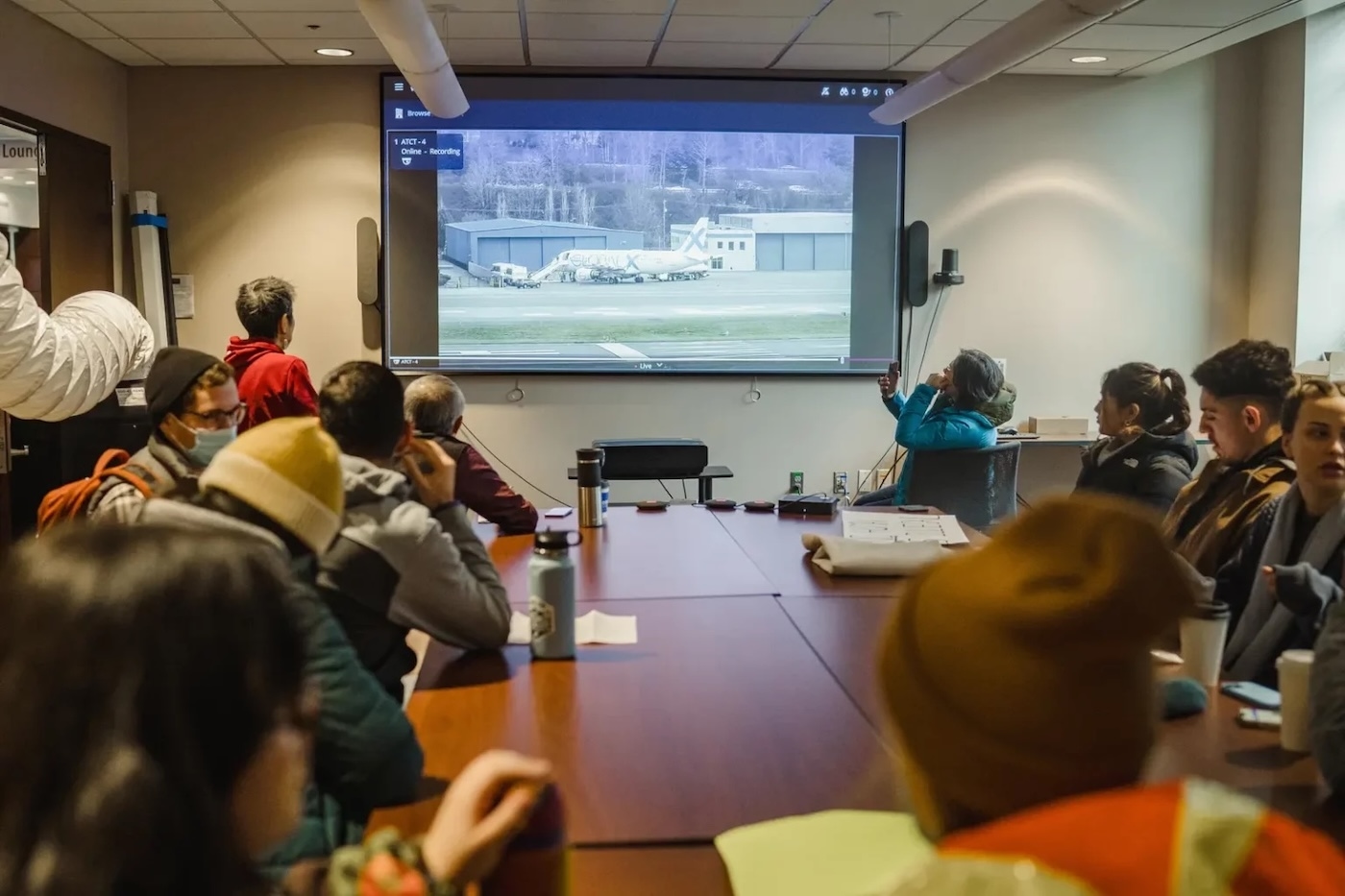
Immigration attorneys at the University of Washington watch a live feed of a deportation flight boarding at Boeing Field.
The fact that among the Russians who requested asylum in the United States there are quite a lot of those who “went for a better life” was confirmed in a conversation with The Insider by the head of the American NGO Russian Refugee Foundation, former Moscow municipal deputy Sergei Vlasov.
According to him, attitudes towards Russians seeking asylum began to deteriorate under President Joe Biden, when in June 2024 the authorities decided to more carefully check Russian citizens crossing the border with Mexico. In fact, all asylum seekers with Russian passports began to be sent to migration prisons, or detention centers (from detention centers), although previously the majority were released until a decision on their case was made. With Trump coming to power, immigration judges at these prisons began, according to Vlasov, “to issue refusals to everyone, to send everyone home.”

US-Mexico border wall
“Detention judges are typically former prosecutors or ICE officers who are used to working in the system and taking orders. They are obviously biased,” emphasizes the head of the Russian Refugee Foundation. — Let’s say there are ten cases, only a couple of which have real grounds. But now these cases can go under the knife. The person has no criminal history; he was checked in all international databases. So why not let him go to trial in his own state, where judges are less biased? But they are kept in migration prisons for a year, or even more, where the attitude is completely different.”
According to the human rights activist, in the current situation, in order to obtain asylum in the United States, you need “a very strong case with real documents and a clear story.” “It won’t work like before—flying in with just one administrative staff and sitting and waiting,” says Vlasov. “And I definitely do not recommend going across the Mexican border now, because this means one hundred percent ending up in prison and a biased trial.”
To obtain asylum in the United States, you need “a very strong case with real documents and a clear history”
However, Russians with “strong cases” have already become victims of the US administration’s chaotic fight against migrants. One of the most shocking stories happened with Perm activist Leonid Melekhin, who was expelled from the United States and sent to a pre-trial detention center in his homeland on charges of “justifying terrorism.”
Russian authorities were pursuing him because of his connections with Alexei Navalny's headquarters. Melekhin crossed the Mexican border in August 2024, virtually immediately after the Biden administration introduced the practice of holding Russian asylum seekers in migration centers.
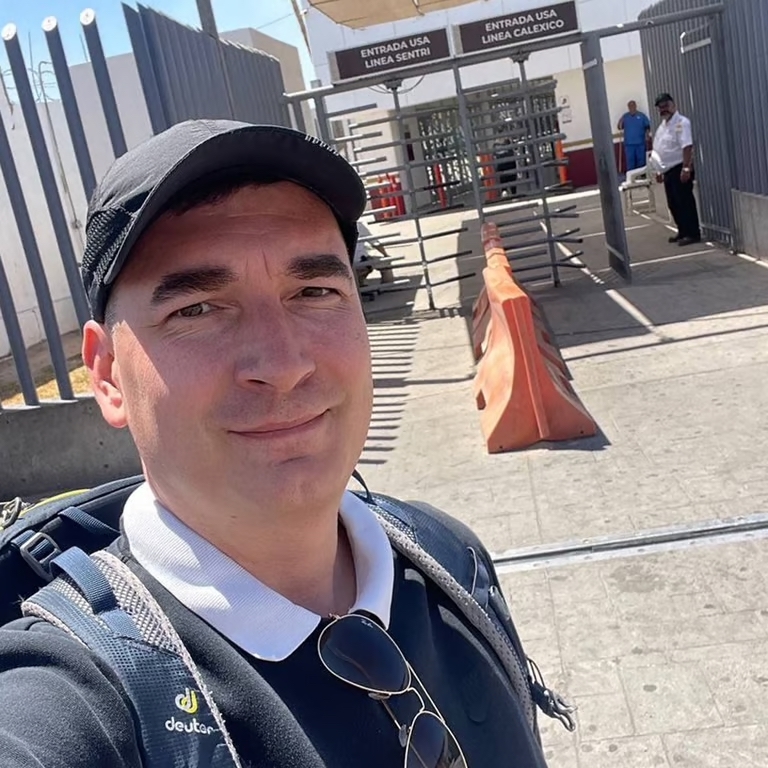
Leonid Melekhin
Right now the drama is unfolding for the spouses Elizabeth and Dmitry. She openly spoke out in Russia against repressive laws against LGBTQ+ people, and he is a Ukrainian from the temporarily occupied territories. According to the girl, in the United States, where they had to flee after the start of the war, they requested asylum within the established time frame and provided all the evidence, documents and letters of support. At one of the hearings, the judge said that there were no additional questions in the case, but later, at the request of the prosecutor’s office, the hearing was postponed to provide the originals of internal passports, military ID and work records. And before the next meeting, the prosecutor's office sent a motion to close the case without consideration, which the court granted. Now Elizabeth and Dmitry have until April 17 to file an appeal, otherwise, according to human rights activists, they face deadly deportation to Russia.
Three stories of deportees from the USA
The Insider was able to talk to three Russians who, like Melekhin, ended up in US immigration prisons and were then deported to their homeland. They all managed to avoid arrest.
Anti-war activist Andrei Sakharov left Russia for Georgia in 2022, spent eight months in Mexico in 2024 and from there, after catching a “window” in the CBP One application , finally legally entered the United States with his wife. There, however, they were immediately handcuffed and forced to sign documents about illegally crossing the border.
“My wife was kept at the border for 17 days, me for ten, although they have posters hanging there that say that the maximum period of such detention is three days,” says Sakharov. According to him, there are employees in migration prisons who like to torture people:
“On the day of my departure, I asked the duty officer for the opportunity to say goodbye to my wife - she saw me, stood and cried. And he answered with a smile: “No.” I started arguing, and they told me that I was nobody here and should shut up.”
Andrei had evidence of opposition activities since the 2010s, but he was unlucky: the lawyers did not provide the necessary documents on time, the judge agreed to wait, but postponed the hearing on his case for three months. During this time, US immigration policy sharply tightened. Andrey was denied protection.
Fearing forced deportation, he asked for it himself, hoping to avoid returning to Russia. And indeed, a Moroccan officer helped him during the transfer, who agreed to assist the couple in purchasing tickets to Istanbul. As a result, the couple ended up back in Mexico, where the dog was waiting for them all this time. Andrey now plans to legalize there, having refused offers to apply for humanitarian visas to Europe.
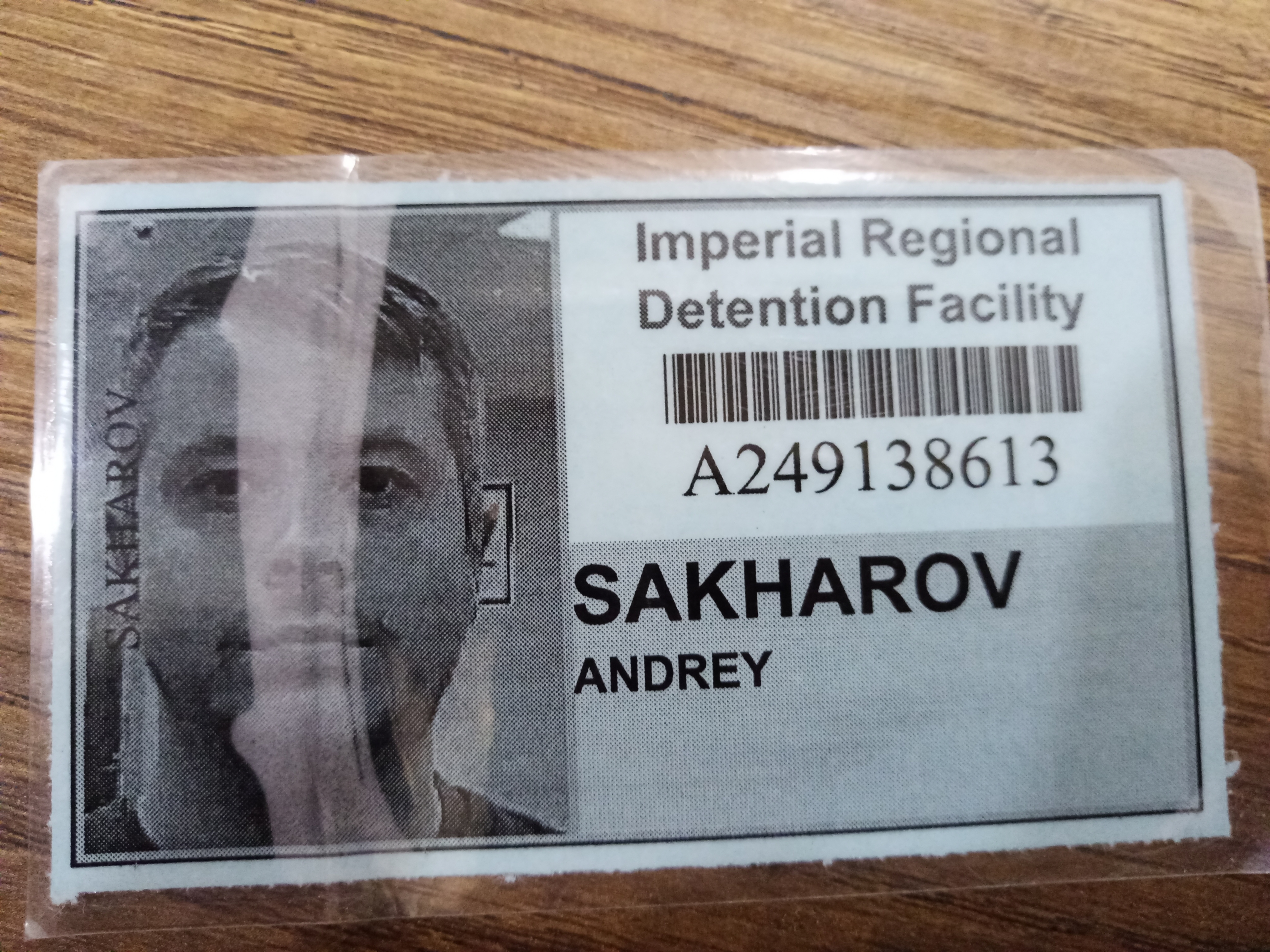
Badge issued to The Insider's interlocutor at an American migrant detention center
Other interlocutors of The Insider, Pavel and Elena, flew to Mexico in September 2024 and waited for about five months for a “window” at CBP One to legally cross the border. But after Trump came to power in the United States in January 2025, everything changed dramatically: the application was closed, already approved slots were canceled, and the National Guard was brought to the border.
“We were confused, but at the beginning of February we decided to go the old fashioned way - by car,” says Pavel. — There were nine of us in the car. On February 8, we crossed the border on our first try. The police came running, handcuffed me and took me to the processing center.”
In the USA they ended up in different children: Pavel - in California, Elena - in Louisiana. At first they were afraid that all arrivals after January 20, 2025 would be deported. Later, Pavel was interviewed in the form of a test under the Convention against Torture, which he successfully passed: in the past he had been detained at rallies, donated to FBK, and was denounced to the police by his own father because of his anti-war position. But Elena was refused, after which, contrary to the judge’s promises to give the couple a “second chance,” they began to prepare her for deportation. Pavel asked to send them out together.
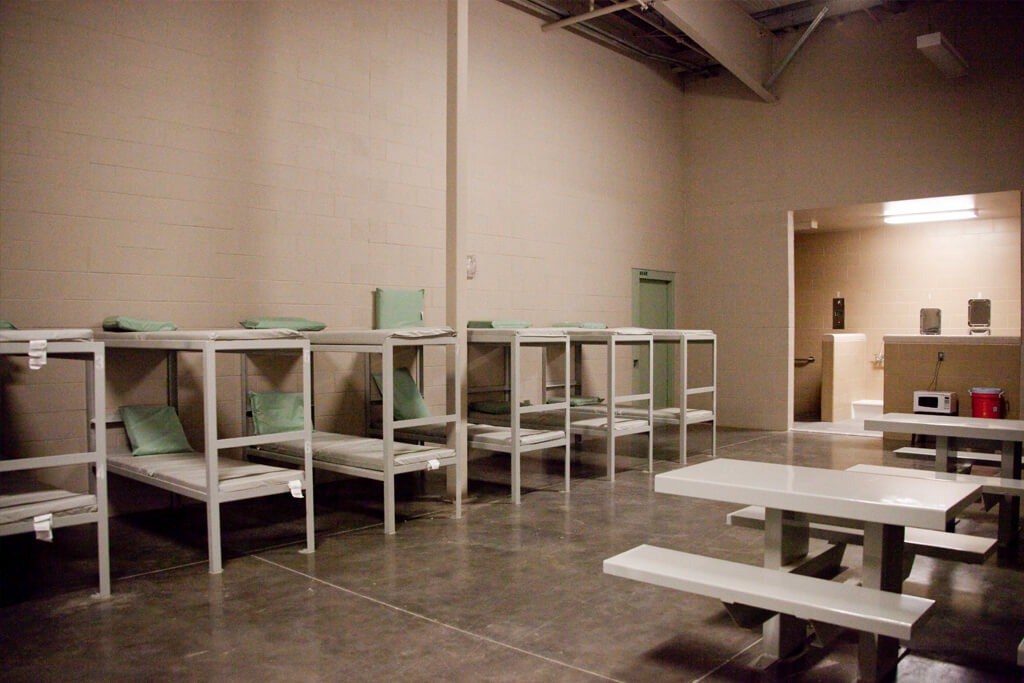
The situation in migrant detention centers in the United States
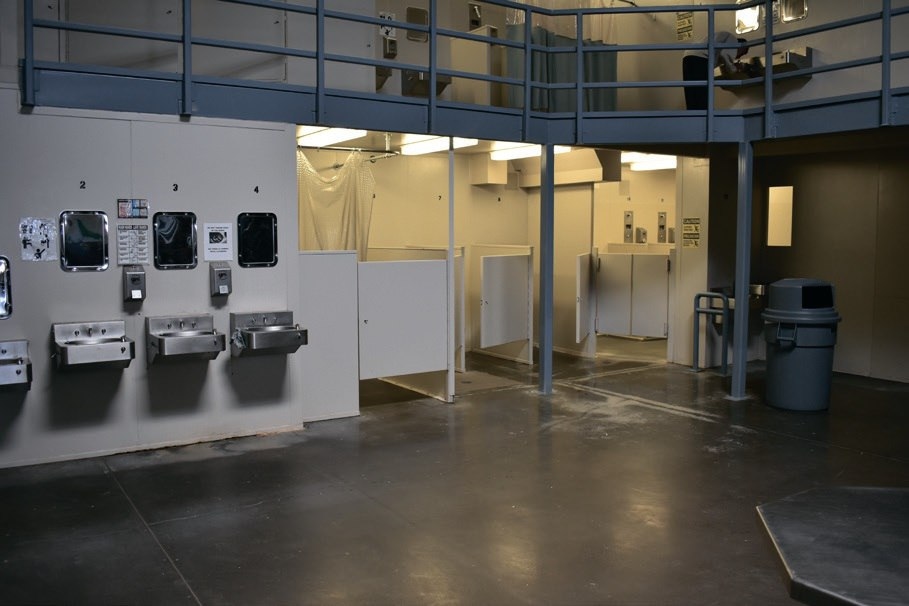
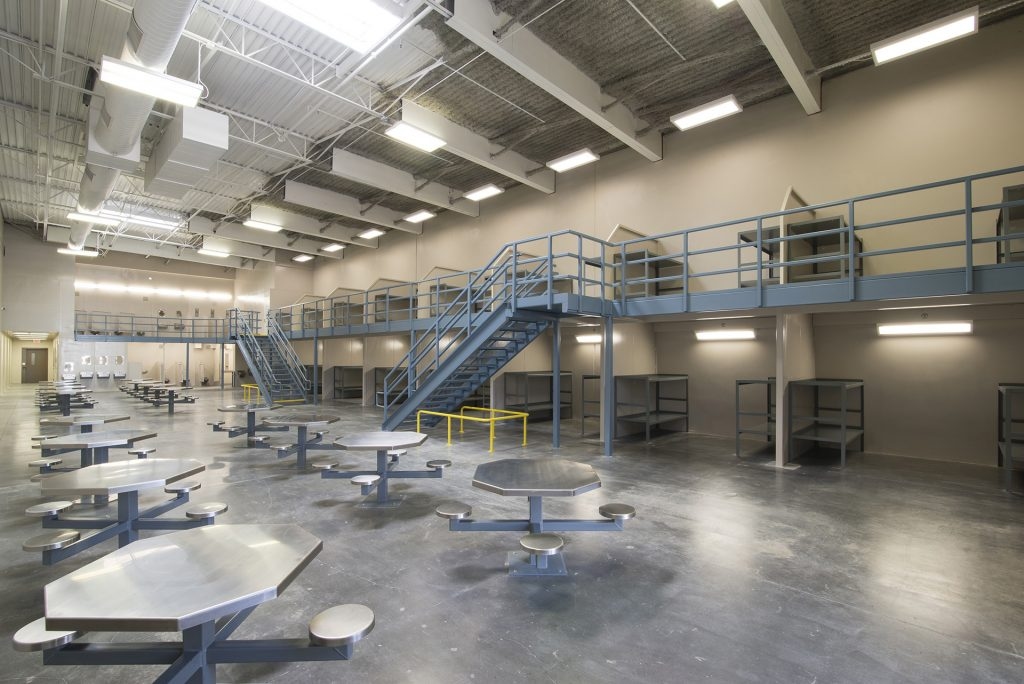
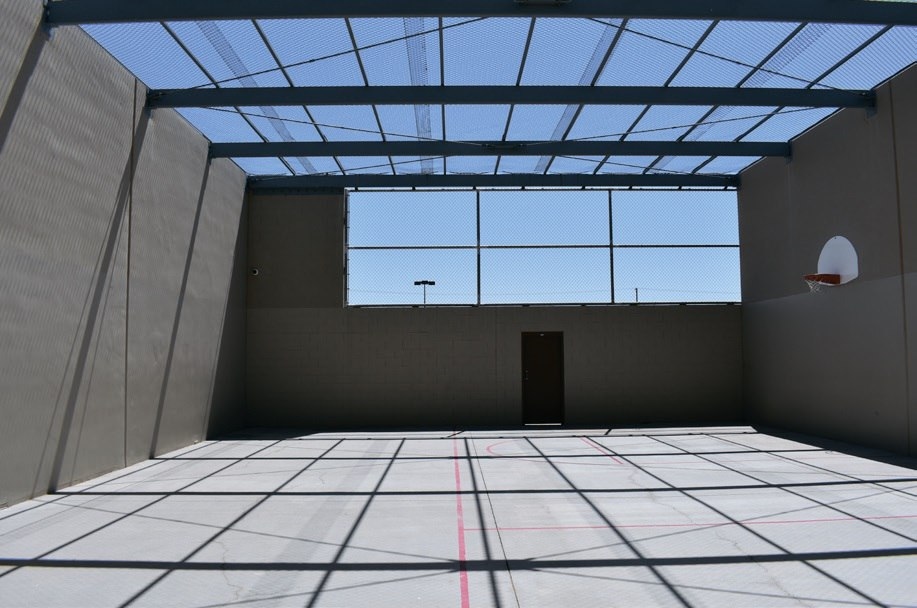
As a result, the couple ended up in Russia, but they managed to avoid detention and leave again - this time to Europe. Now Pavel and Elena are staying in France, learning the language and hoping for full legalization. “They don’t put you in any prison here, they give you social housing, small money and food packages,” says Pavel about the new country.
Another hero of The Insider, Evgeniy, has participated in opposition rallies since 2017, was once detained, and in 2022 went to protests in the first days of the war in Ukraine. In May 2023, Evgeniy and his wife flew to Mexico to apply for political asylum in the United States. When crossing the border, they were separated: his wife was released, and Evgeniy was sent to a migrant detention center in California.
During his imprisonment, he changed seven detainees, two of which, according to him, were real prisons. People from the CIS, unlike citizens of other countries, did not receive any information about their status for months, Evgeniy recalls. It later turned out that his case would be heard by a judge known for the minimal approval rate of asylum applications. In addition, Evgeniy himself made a mistake by deciding to submit documents on his own. The papers were delivered to the court one day late, and the Russian lost the opportunity to wait for the decision in freedom.

Queue of cars on the US-Mexico border
At the final hearing, the judge stated that he did not see any threats to Evgeniy in Russia. He tried to challenge the decision, but soon found himself faced with a choice: remain in prison for another year or two, awaiting a decision on his wife’s case, or agree to deportation and return later if her case is successful. Evgeniy chose deportation - departure was scheduled for May 1, 2025. During a layover in Morocco, the Russian caused a scandal, flatly refusing to fly to Moscow and demanding to give him his passport to fly to another country. Despite threats from airport staff and even the participation of the police, he was able to fly to Istanbul and then to Astana, where he stayed with relatives.
At the final hearing, the American judge said that he did not see any threats in Russia
“Now I’m in Kazakhstan, my wife is in the USA,” says Evgeniy. “I have no doubt that everything will be fine.” We have a good lawyer, a good judge. But staying in Kazakhstan for a long time is scary. Here the situation is not changing for the better, I’ll probably have to move somewhere.”
At the end of March, it became known that another deportation flight carrying dozens of Russians had departed for Moscow via Cairo from the United States.
Persecution of Russians in Kazakhstan
The second country where human rights activists observe a worsening situation for anti-war Russians is Kazakhstan. At the beginning of the war in Ukraine, President Kassym-Jomart Tokayev publicly criticized the Kremlin's actions. In September 2022, against the backdrop of hundreds of thousands of Russians fleeing mobilization, he instructed the government to “show concern for them and ensure their safety,” because “most of them are forced to leave due to the current hopeless situation.” “This is a political and humanitarian crisis,” the President of Kazakhstan said then.
Thanks to Tokayev's rhetoric, Kazakhstan has gained a reputation as a relatively safe country for quick travel. However, it soon became clear that the republic was unlikely to become a “safe haven” for anti-war Russians. Already at the end of 2022, the first reports of deportations of deserters appeared. Thus, FSO officer Mikhail Zhilin, who fled Russia during mobilization, was expelled to his homeland. Later, the Barnaul Garrison Military Court sentenced him to six and a half years in a maximum security colony.
At the beginning of the war, Tokayev criticized the Kremlin's policies, so the republic acquired a reputation as a relatively safe country to move to
In 2023, detentions and deportations from Kazakhstan of military personnel who did not want to participate in the “SVO” continued. Moreover, Russian security forces also began to act in the country: in Astana they detained ex-contractor Kamil Kasimov .
Some anti-war Russians have tried to seek asylum in Kazakhstan, but human rights activists say this is virtually impossible. Since the declaration of independence of the republic, almost the only case of refugee approval has been known, and that was back in the 1990s. Instead, the authorities are stretching out the process of refusing asylum, giving the person the opportunity, with the help of human rights activists, to travel to a third country.
In recent months, however, this scheme has begun to operate with serious glitches, and Kazakh security forces have begun to show increased interest in Russian migrants. In January 2026, a native of Crimea, Alexander Kachkurkin, who worked as an IT developer, was deported from Kazakhstan to Russia.
The formal reason for his deportation was two administrative protocols - for crossing the road in the wrong place and smoking a hookah in a closed room. The extradition procedure, which usually lasts weeks and even months, in this case took only a few hours - from drawing up protocols to deportation. In Russia, Kachkurkin was immediately detained and taken to the Meshchansky Court of Moscow, which arrested him in the case of “high treason.”

Alexander Kachkurkin
At the end of January 2026, the Prosecutor General's Office of Kazakhstan, at the Russian request, approved the expulsion of Chechen oppositionist Mansur Movlaev, who was tortured in his homeland. The authorities of the republic made a decision in violation of their own legislation - Movlaev was scheduled for a hearing on February 11 to appeal the refusal to grant him refugee status.
Thanks to the efforts of human rights activists, the activist has not yet been deported to Russia, but he has been denied protection. The oppositionist's lawyers plan to appeal. At the same time, Movlaev is in a pre-trial detention center, which means he cannot travel to a third country. The activist faces a serious threat: he will almost certainly face torture and, possibly, extrajudicial execution in Chechnya.
In February, Kazakhstan satisfied the Russian request for the extradition of former employee of Alexei Navalny’s headquarters, Yulia Emelyanova, who was detained on August 31, 2025 at Almaty airport during a transfer to a flight to Vietnam. To avoid extradition, she tried to obtain asylum in the republic. Moreover, the country's Prosecutor General's Office guaranteed that the issue of extraditing the activist would not be considered until all procedures related to obtaining this status were completed. Human rights activists managed to slow down Emelyanova’s extradition, but on February 27 the court denied the activist asylum.

Yulia Emelyanova
Consul of the Anti-War Committee Margarita Kuchusheva, commenting on Emelyanova’s case, notes that Kazakhstan granted the request to extradite the activist not even under the article under which Russia requested her: “Legally, this is absolute nonsense. This alone is a monstrous procedural error.” In addition, as she told The Insider, the court announced the decision to extradite Emelyanova at a closed meeting, in the absence of lawyers:
“The court refused to provide us with both a written and oral decision. All this shows that such cases are handled very poorly. Political decisions are made, and the process itself goes beyond all boundaries of jurisprudence.”
Human rights activists emphasize that the risks for opposition Russians in Kazakhstan have grown so much that it should not even be considered as a transit country. “Many people think that transit is safe. No, now you can’t meddle in Kazakhstan at all,” states Kuchusheva. Human rights activists advise those who are already in the republic to move to another place if possible.
In March, the National Security Committee of Kazakhstan began an investigation into the forgery of temporary residence permits in the country. There have been reports in the media from some anonymous human rights activists that this threatens “mass deportation” of anti-war Russians.
However, lawyers interviewed by The Insider explained that buyers of fictitious documents are witnesses in the case and do not bear criminal liability. The most serious outcome for them could be the revocation of their residence permit and deportation from the country if they have lived in it illegally for more than a year. One way or another, human rights activists advise everyone who used such schemes to leave Kazakhstan, especially if they face persecution in Russia.
Flight difficulties
It will most likely not be possible to draw up a single map of countries that are safe and unsafe for Russians - there are too many nuances in each individual case. Nevertheless, human rights activists with whom The Insider spoke highlight several states in which staying in even in transit carries serious risks. These are Azerbaijan, Belarus, Venezuela, Vietnam, Egypt, India, Indonesia, Kazakhstan, Cambodia, China, Cuba, Kyrgyzstan, UAE, USA, Tajikistan, Thailand, Turkey and Uzbekistan.
Despite the fact that Türkiye is a member of NATO, human rights activists know of at least one case in which local security forces kidnapped a person to extradite him to the Russian side. Moreover, according to them, “it was not some famous activist.”
In general, none of the countries in the post-Soviet space can be called safe for Russian oppositionists. With some reservations, only Armenia and Georgia stand out.
Speaker of the Armenian Parliament Alen Simonyan said that his country will definitely not extradite Russians persecuted for political reasons. At the same time, the republic is in close legal ties with Russia, so there is always a risk of detaining a person who is included in a single search database. In addition, there are known cases of kidnapping deserters by Russian security forces. It is especially dangerous for fugitive Russians to appear in the area of the Russian Armed Forces base in Gyumri.
None of the countries in the post-Soviet space can be called safe for anti-war Russians
At the same time, since the beginning of the war in Ukraine, Armenia has never extradited Russian citizens for political reasons. Rather, there is a danger of being stuck in the republic for a long time while the proceedings are ongoing. In this case, a person finds himself in limbo and forced to rely on the good will of Armenian officials. For example, activist from Tatarstan Ilfat Gareev, stuck in Armenia due to a Russian extradition request.
Nevertheless, Armenia is now relatively safe, Kuchusheva believes. “For now, Armenia is holding up well. There were no systemic violations on their part,” says the lawyer.
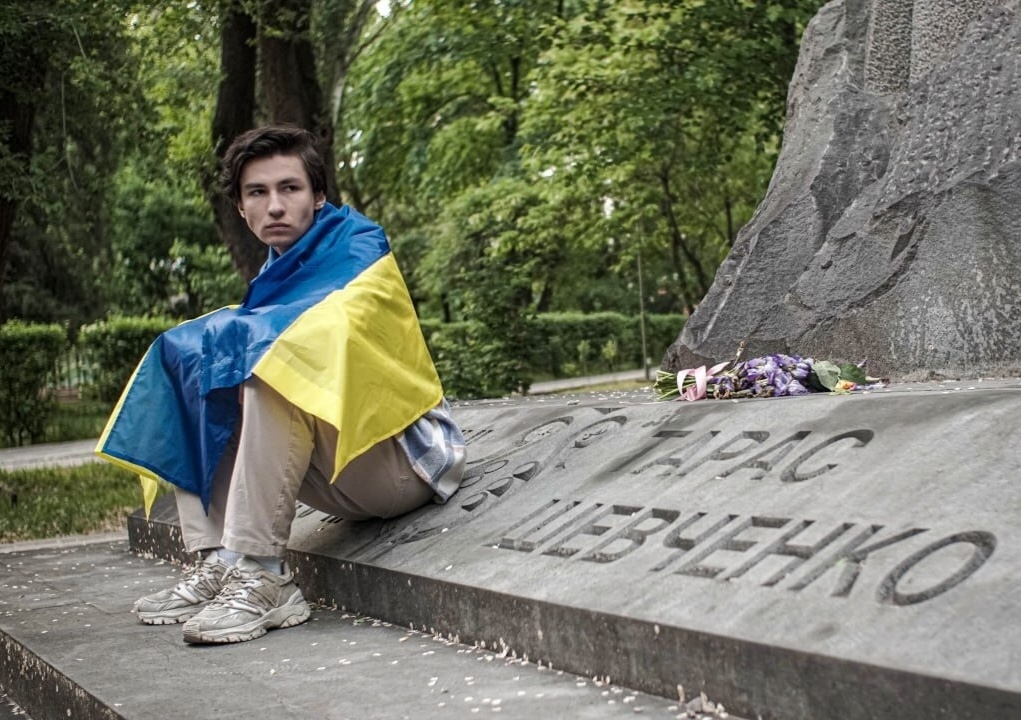
Ilfat Gareev
Georgia has not yet openly extradited Russian political activists, but there are known cases of kidnapping and smuggling of people. The internal political situation also has an unfavorable effect: in recent years, the country's authorities have been inclined towards a pro-Russian course and rhetoric. Фиксируются инциденты, когда антивоенным россиянам, которые участвовали в местных протестах или «просто активничали», закрывают въезд в страну.
«Бывает, люди уезжают по каким-то своим делам, а назад им вернуться не дают. Экстрадиций мы пока не заметили, но на долгий срок оставаться там не советуем», — поясняет Кучушева.
В марте из Грузии выдворили российского художника Константина Рачковского, который пытался получить убежище. В стране у него осталась жена. А сейчас в Тбилиси задержан Михаил Тимофеев, бывший помощник экс-губернатора Хабаровского края Сергея Фургала. В ближайшее время местные органы должны будут рассмотреть вопрос о его экстрадиции на родину. Ему уже отказано в предоставлении политического убежища.
Articles on the topic
We really need your help
Sign up for regular donations