
Translated material
The attraction of the Erzya word: outstanding individuals who learned the language by vocation
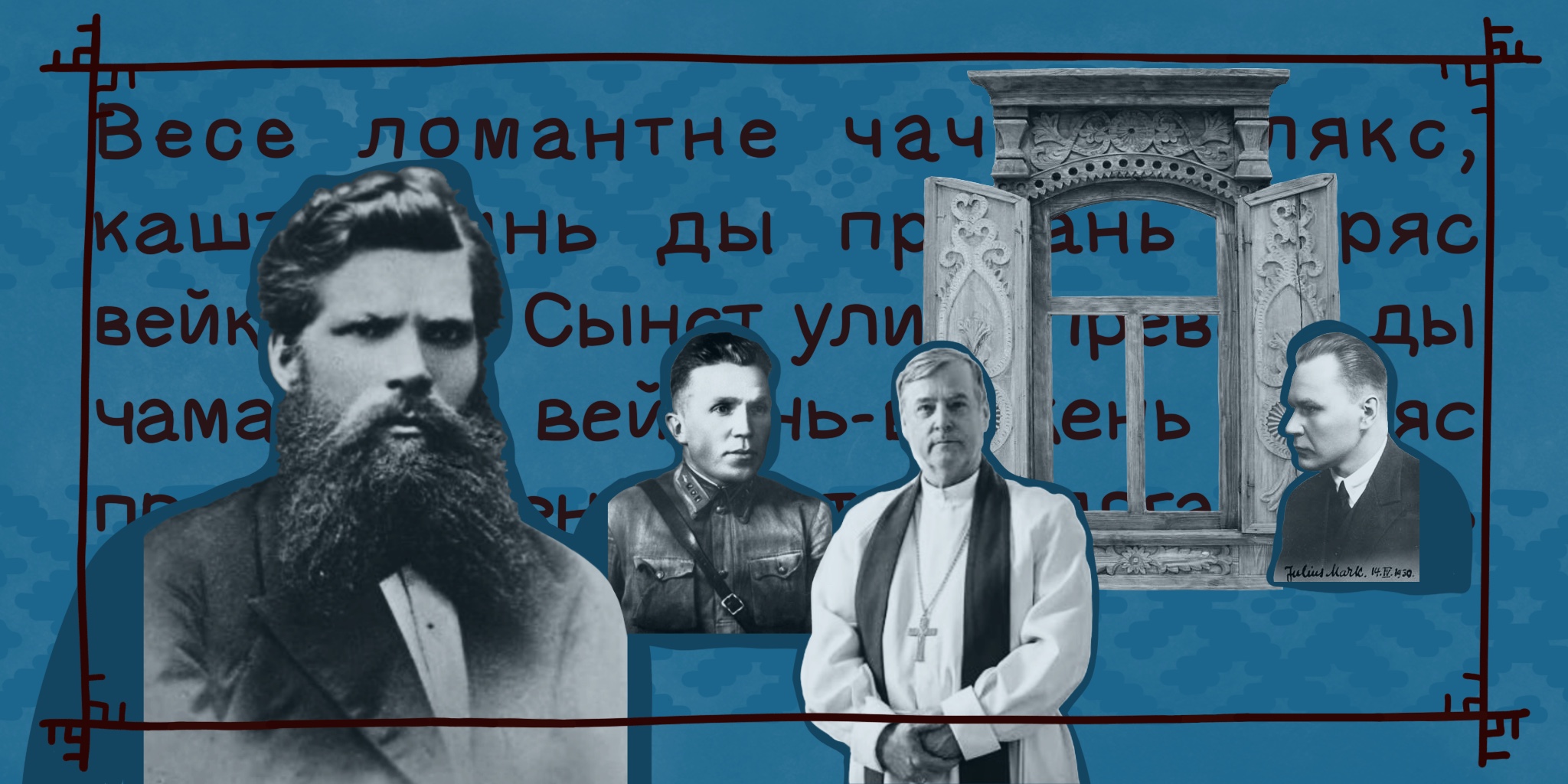
April 16 marks the Day of the Erzyan Language, one of the Finno-Ugric languages of Russia, whose fate today largely depends on the efforts of the speakers and researchers themselves. Preserving the language became even more difficult after a law was passed in 2018, despite protests , according to which the study of the native language was no longer compulsory. Therefore, now the efforts of people trying to preserve the languages of the indigenous peoples of Russia are especially important.
The history of the Erzya language is not only the history of the people, but also the history of people who came to it from the outside: scientists, enthusiasts, priests and even intelligence officers, for whom Erzya became a tool of science, communication, faith or survival.
The Erzyan language has an amazing ability to unite people of various nationalities and destinies. For some, it has become an object of deep scientific interest, for others - the key to spirituality, and for others - a tool for survival in extreme conditions. This list represents outstanding linguists, researchers and public figures who, without being Erzya by birth, mastered this language and made an invaluable contribution to its study and preservation.
Gallery of names
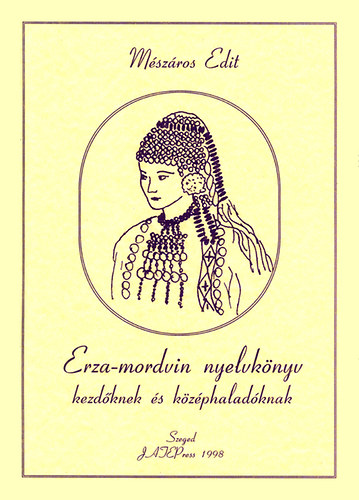
Edith Mészáros (1958–; Hungarian).
Linguist and researcher who has devoted years to creating fundamental lexical works. Author of the “Erzya-Mordovian-Hungarian Dictionary” (Erza-mordvin-magyar szótár) and the reverse “Hungarian-Erzya-Mordovian Dictionary” (Magyar-erza-mordvin szótár). She also wrote an important textbook of the Erzya language (“Erza-mordvin nyelvkönyv - Kezdőknek és középhaladóknak”), intended for those who are just starting to learn the language or want to deepen their knowledge.
Arzami Ochey (Alexey Andreevich Arzamasov) (1985–; Udmurt)
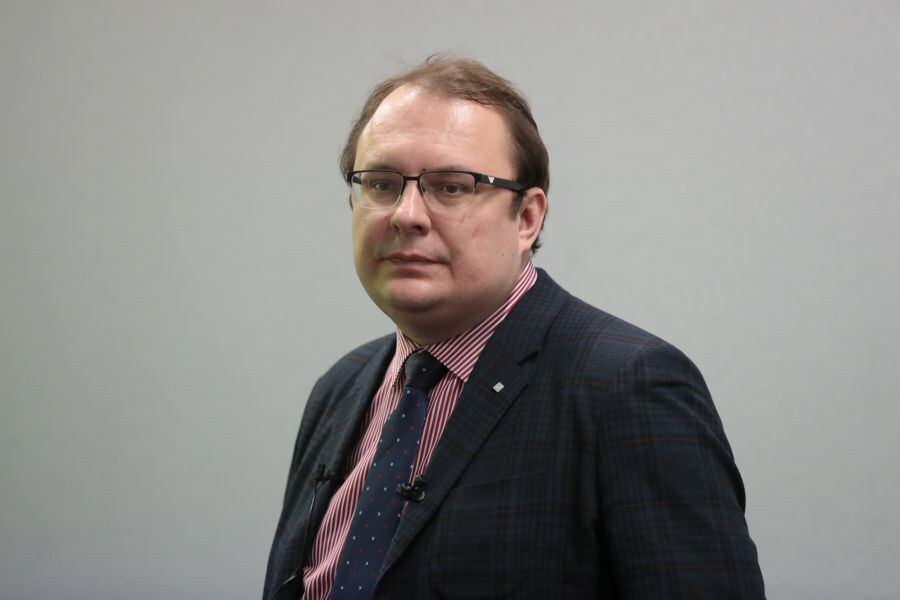
Linguist and historian, whose path to uralistics began with the study of Hungarian philology. As the creator of the artificial Uralic language Budinos, he demonstrates phenomenal language abilities. It has a dozen languages in its arsenal, among which Erzya takes pride of place along with Mari, Tatar and European languages.
Janne Saarikivi (1973–; Finnish)
Outstanding Finnish linguist and publicist. Specializing in Uralic languages, Saarikivi speaks a huge number of dialects of the Finno-Ugric group - from Vepsian to Sami. For him, the Erzyan language is not just an object of study, but also a living instrument of interethnic communication.
Feoktiston Sandor (Alexander Pavlovich Feoktistov) (1928–2004; moksha)
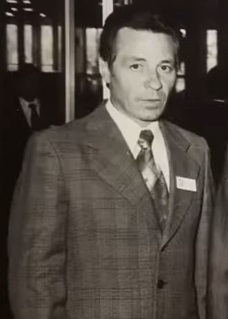
Famous linguist and Finno-Ugric scholar. Despite his ethnic affiliation with the Mokshans, he became one of the largest specialists in the Erzya language. Teaching at the prestigious Hungarian ELTE University, he transmitted knowledge about the history of Erzya literature to the entire European community. The photo shows Feoktiston Sandor in 1980 at a conference in Turku.
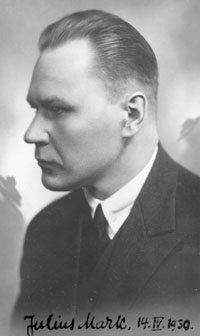
Julius Mark (1890–1959; Estonian)
Vice-President of the Estonian Academy of Sciences, whose scientific career was inextricably linked with Helsinki and Tartu. Back in 1918, he defended his master’s thesis on the Mordovian (mainly Erzya) languages. His academic path through the Komi, Udmurt and Erzya languages eventually led him to teaching at Harvard and Georgetown.
Nikolai Ivanovich Kuznetsov (1911–1944; Russian)
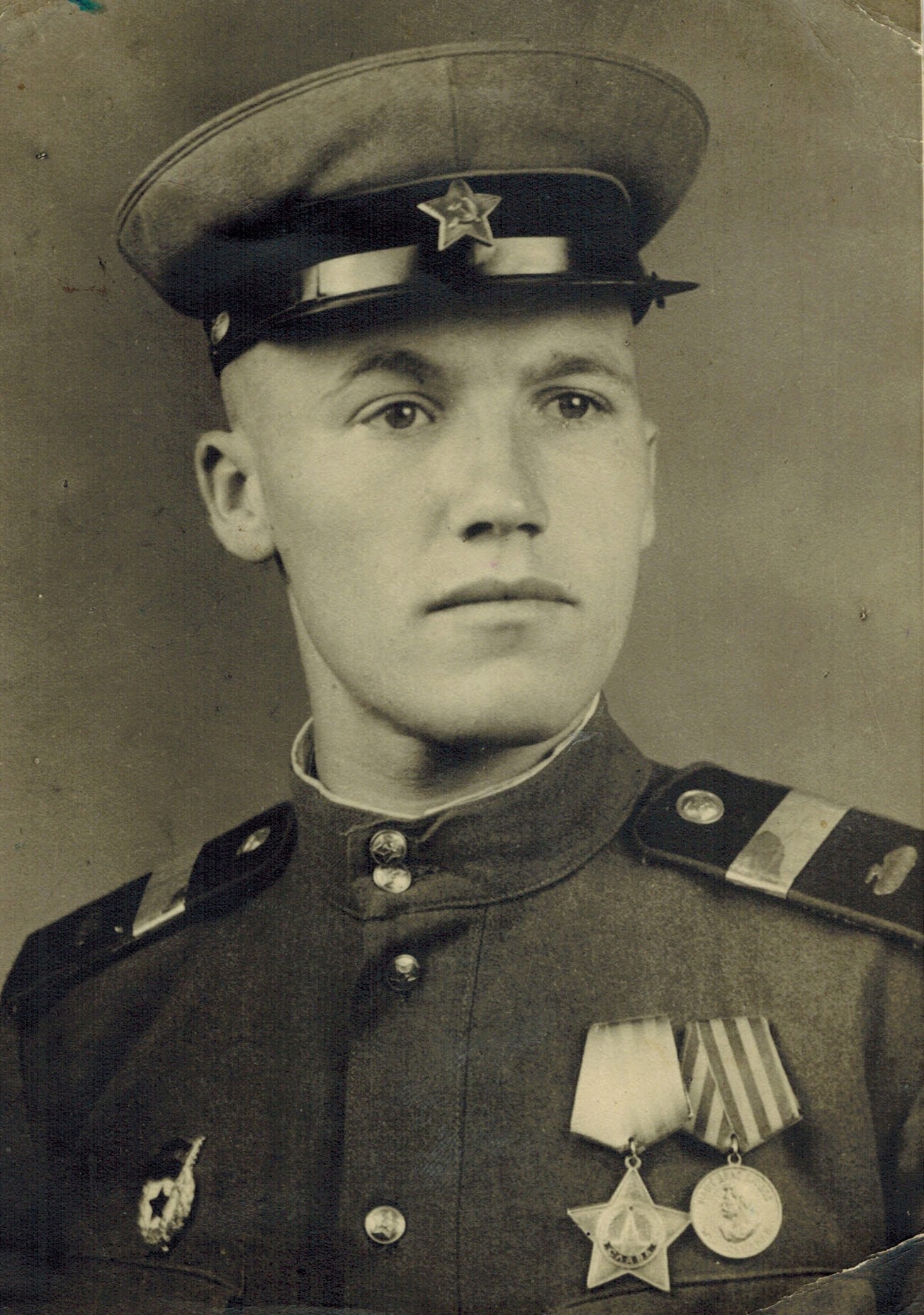
A Soviet intelligence officer whose biography resembles an adventure novel. Originally from the Sverdlovsk region, he had a unique “linguistic ear.” Working at logging sites and factories in the Urals, he came into close contact with colleagues of different nationalities. Kuznetsov independently, without textbooks, mastered the Komi, Moksha and Erzyan languages at such a level that he could freely communicate with native speakers.
Later, this rare ability to switch between languages and dialects (including impeccable German) helped him become one of the most effective intelligence officers in the history of World War II.
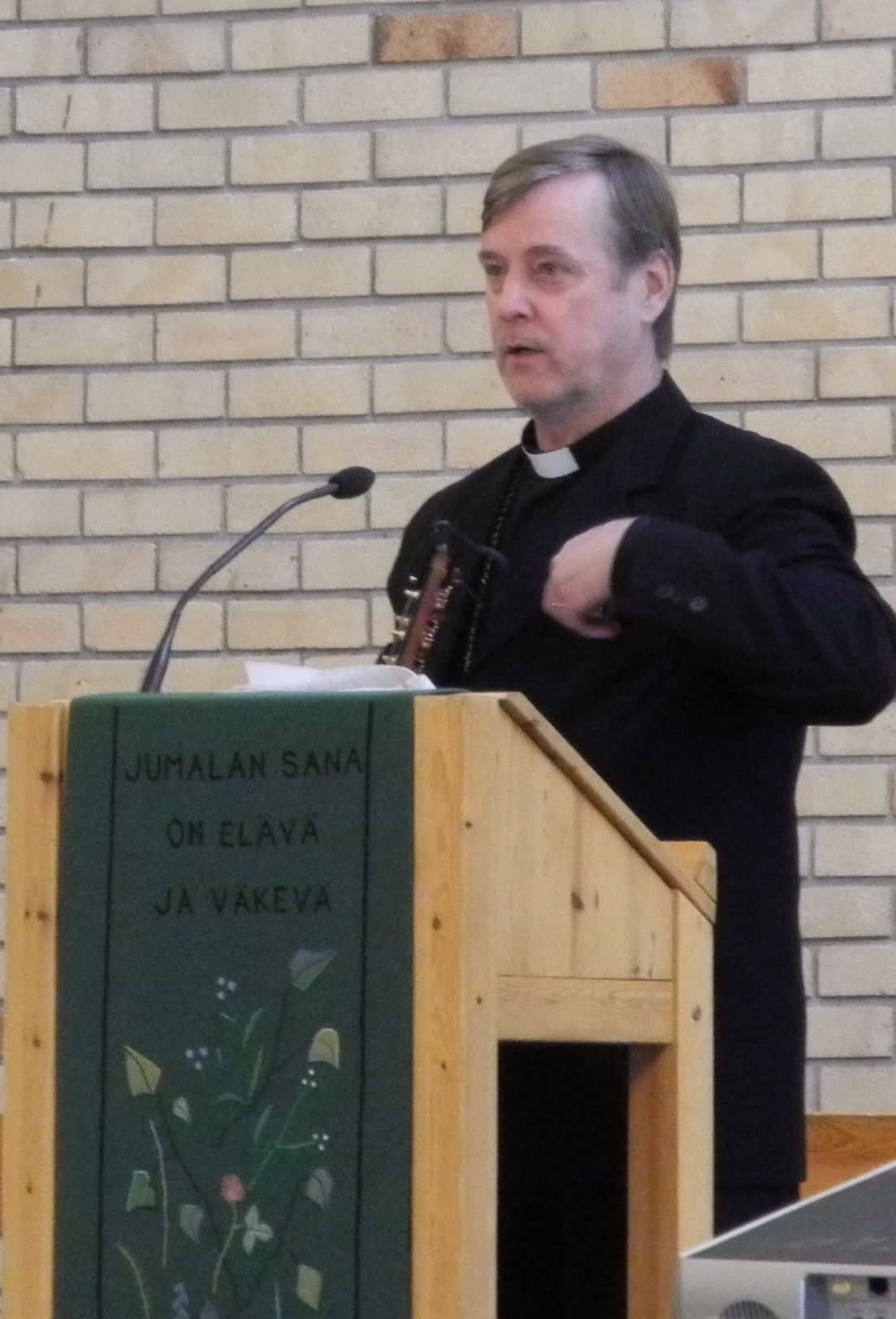
Arvo Survo (1954–; Ingrian Finn)
Lutheran pastor, poet and musician. In the early 90s, Survo was at the forefront of the creation of two Lutheran communities in the capital of Mordovia. This was an important step for the religious life of the region, since services were conducted in their native languages - Erzya and Moksha. For him, the Erzya language is the language of prayer and poetry. Arvo writes and performs spiritual songs in a variety of languages, including Erzya and Moksha, contributing to the revival of the religious and cultural identity of the Finno-Ugric peoples.
Heikki Antinpoika Paasonen (1865–1919; Finnish)
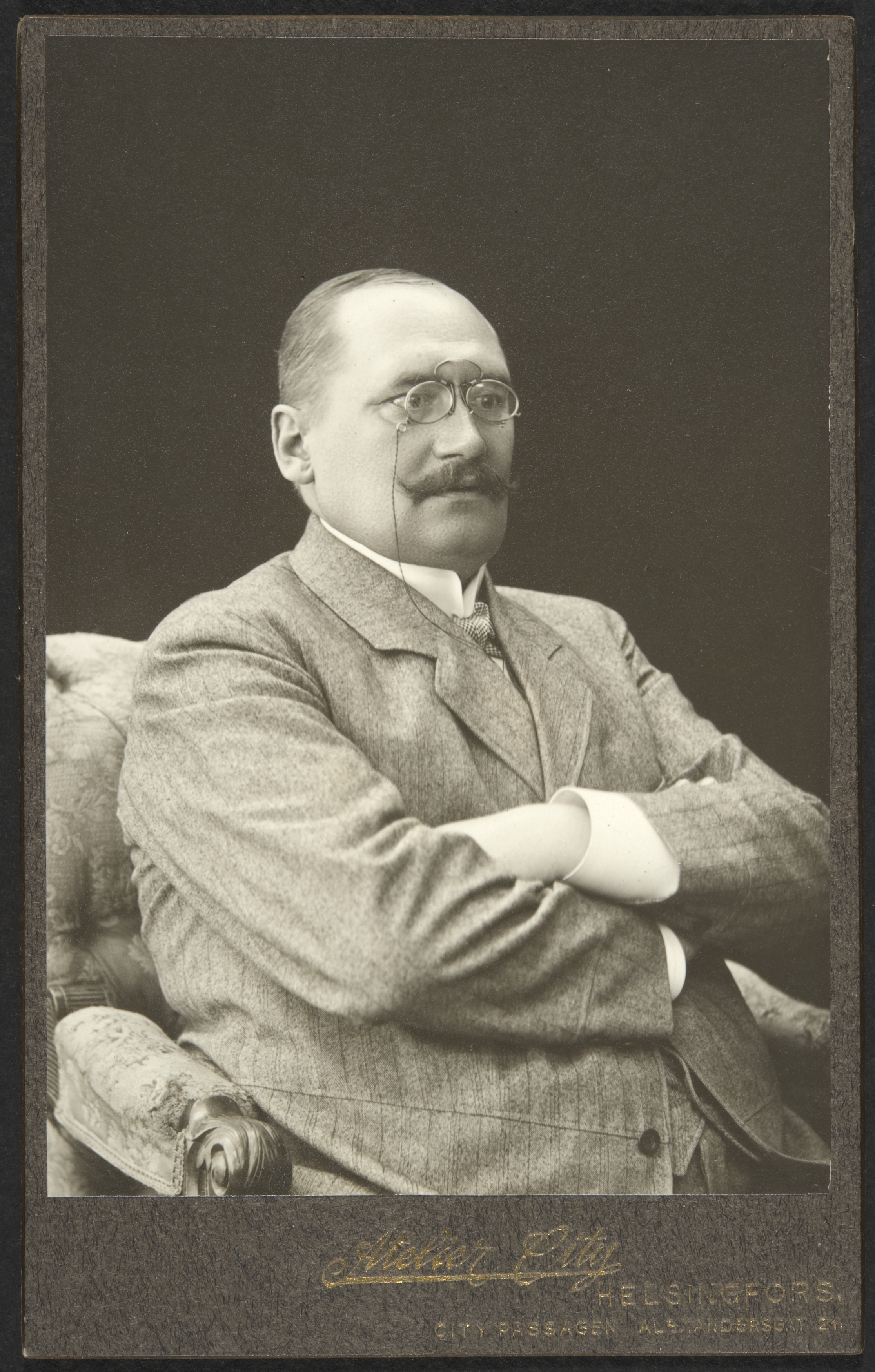
Linguist-ethnographer, whose contribution to the recording of Erzya and Moksha folklore is considered invaluable. His 1893 dissertation laid the foundations for the study of Mordovian phonetics, and his expeditions made it possible to preserve for posterity layers of folk culture that otherwise might have been lost. He was also one of those who scientifically proved the relationship of Erzya with Finnish, Estonian and Hungarian languages. He showed that Erzya is not an “isolated dialect”, but part of a huge and ancient language family with a rich history.
Ferdinand Johann Wiedemann (1805–1887; Baltic German)
An amazing example of a scientist who began to learn Estonian only at the age of 50, eventually becoming its greatest researcher. He showed no less interest in other languages of the region: his “Grammar of the Erzya-Mordovian language” (1865) and dictionaries became milestones in the Uralistics of the 19th century.
The portrait shows Ferdinand Johann Windemann in 1880. Author: Peter Borel.
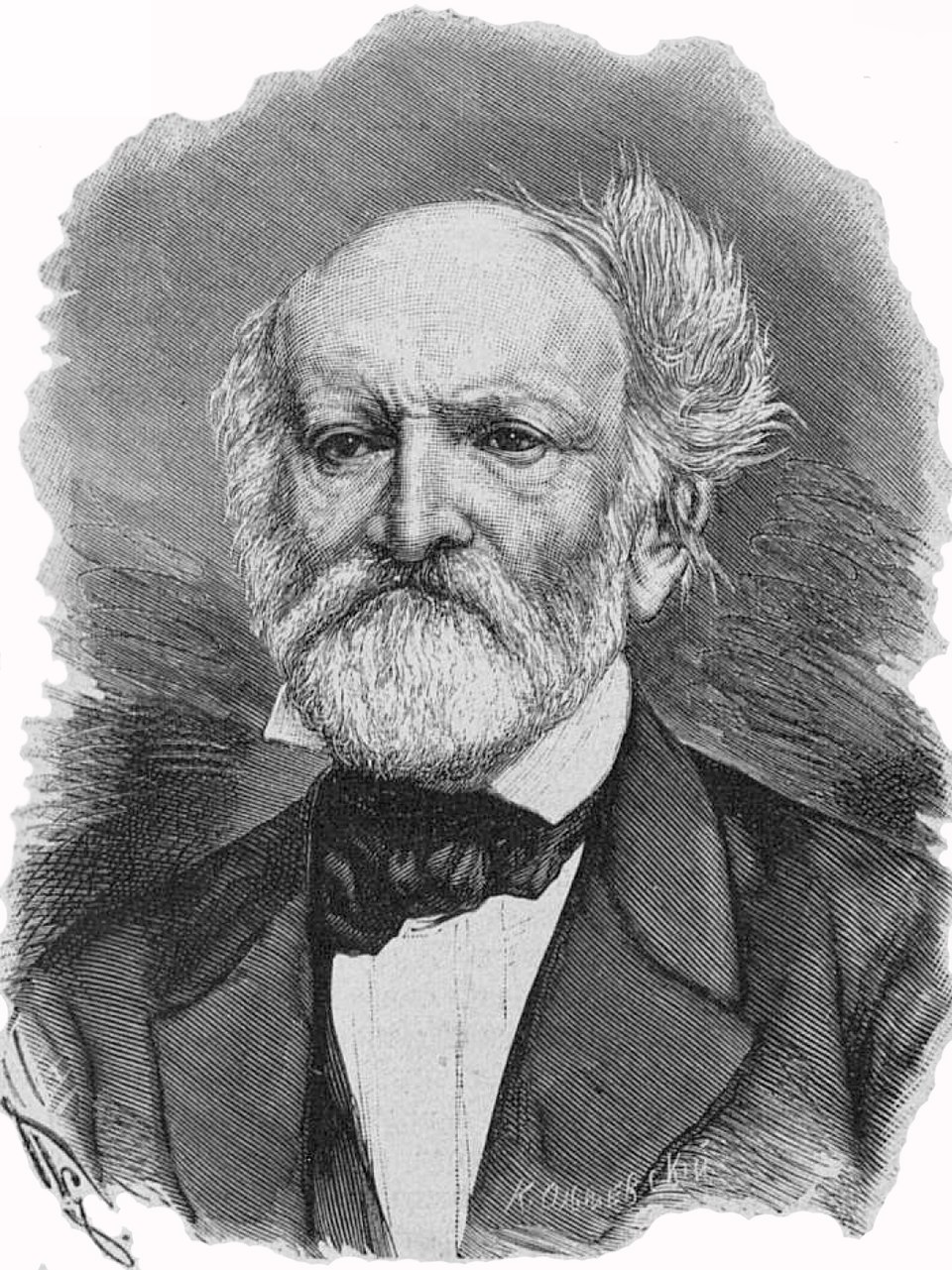
Mihkel Veske (1843–1890; Estonian)
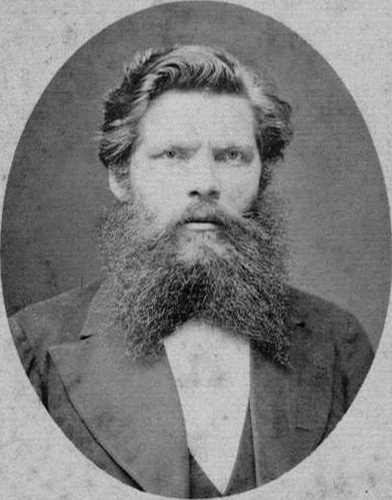
Poet and fighter for the national awakening of Estonia. Veske was one of the first Estonian linguists to apply the comparative historical method in linguistics. Between 1875 and 1884 he spent the summer months on expeditions comparing the dialects of different regions. Working in Kazan, he did not limit himself to theory, but actively studied the living speech of the Mari, Moksha and Erzya, translating their folk songs into Estonian, thereby building bridges between related peoples.
Waldek Pall (1927–2013; Estonian)
Estonian linguist, graduated from Tartu State University, and was an employee of the Academy of Sciences of the Estonian SSR for a long time. Waldek Pall devoted his life to Estonian toponymy and Mordovian languages. His synopsis of the Erzyan language textbook (1996) still serves as an important guide for researchers.
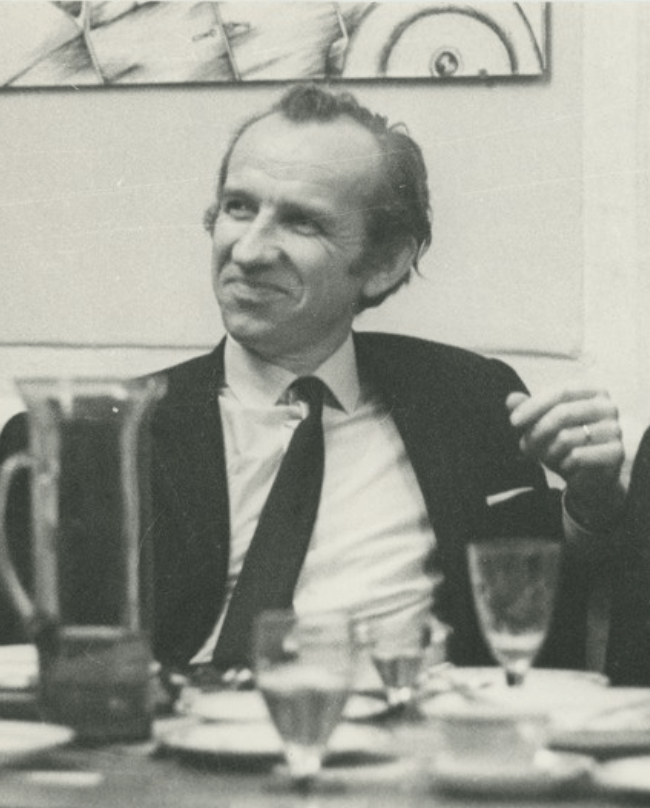
Dmitry Vladimirovich Bubrikh (1890–1949; Russian)
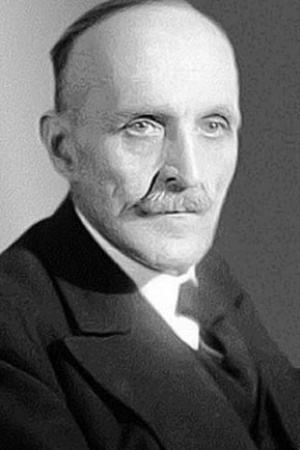
The founder of the Soviet Finno-Ugric school. Since the mid-1920s, he organized a number of expeditions to Mordovia. Participated in the creation of departments of Finno-Ugric studies in various universities of the USSR.
During the Great Patriotic War, he worked in evacuation in Syktyvkar, where he continued to teach and research Uralic languages. His “Erzya-Mordovian Grammar: Minimum” became the most important textbook that made it possible to structure the study of the language for new generations of linguists.
Culture and word
The stories of these people show that the Erzya language has become a personal choice for many. They study it not because they are obliged to do so, but because people have a personal interest in the Erzya language and culture.
The sculptor Stepan Dmitrievich Nefedov was a representative of visual art, but he called himself Erzya and became world famous under this name. He wanted people to know not only him, but also his people, his language.
By studying a language, we become familiar with literature and can appreciate the beauty of the language, its imagery and sound. Here, for example, is a poem by Erzya poetess Tatyana Mokshanova (she is also the author of the literary translation).
 Ledstnyan…
 Melse Kirdyan... Ledstyan...
 Vanstan sedey vaxo,
 Konas Vasnya Ketsni,
 Meile is a panksony-panksony.

 Yutazdent a yavan.
 Kodayak a oiman.
 Sekhte utsaskavan
 Dy sekhte paistoman.

 Valovozat, seredks, -
 Sasto we will catch the Chirtians.
 Arsematne erikst...
 Ledstnyan... melse Kirdyan...
 I remember...
 I remember... I remember...
 And I keep it close to my heart.
 Suddenly it starts to ache
 Or he will laugh.

 The connections with the past are strong.
 The light of peace goes out.
 I'm not happier.
 There is no one more unhappy than me.

 To pour out all the pain,
 I bow my soul.
 Thoughts are forever alive...
 I remember... I remember...
Poetry refers us not only to the personal memories of the author, but also to the memory of generations and the history of the people contained in the language.
Erzya Language Day is an important occasion to talk about the vulnerability of the language, and why it is so important, attractive, and why the ability to speak it is a reason for pride. A language lives not only where its speakers live, but also where someone deliberately chose it.

Yosö Kütt specially for Komi Daily