
Translated material
The house that Swift didn't build
The house that Swift didn't build.
An investigation into how the shadow financial system of Russia works
Security officers, state banks, oligarchs like Roman Abramovich and Vladimir Yevtushenkov, as well as the family of Nikolai Patrushev - all of them, oddly enough, turned out to be beneficiaries of Russia's disconnection from SWIFT and other financial sanctions against Moscow. It is these people and organizations that participate in the multi-billion-dollar network of cross-border money transfers that supply the Russian market with almost all imported goods - from iPhones to drones.
Roman Romanovsky, with the participation of Mikhail Rubin, Roman Badanin, Andrey Zakharov, Mikhail Maglov and Thomas Rowley, April 29, 2026
1. Where is cryptocurrency exchanged?
2. Which oligarchs are associated with the largest player in the market
3. How drones are imported into Russia
4. What does Patrushev’s family have to do with it?
— These sanctions will affect Turkey. If we can’t pay, we can’t buy gas,” Turkish Energy Minister Alparslan Bayraktar panicked in November 2024.
In those days, the United States imposed sanctions on the Russian Gazprombank, through which Ankara paid Moscow for supplies of raw materials. The Turks were seriously worried - after all, Russia's share in Turkish gas imports is almost 40% - and begged the Americans to make at least a temporary exception for them, allowing them to continue purchasing Russian gas. As a result, the United States accommodated them, as well as Hungary, by allowing payments through Gazprombank until May 2025 without the threat of secondary sanctions for the banks of these countries ×
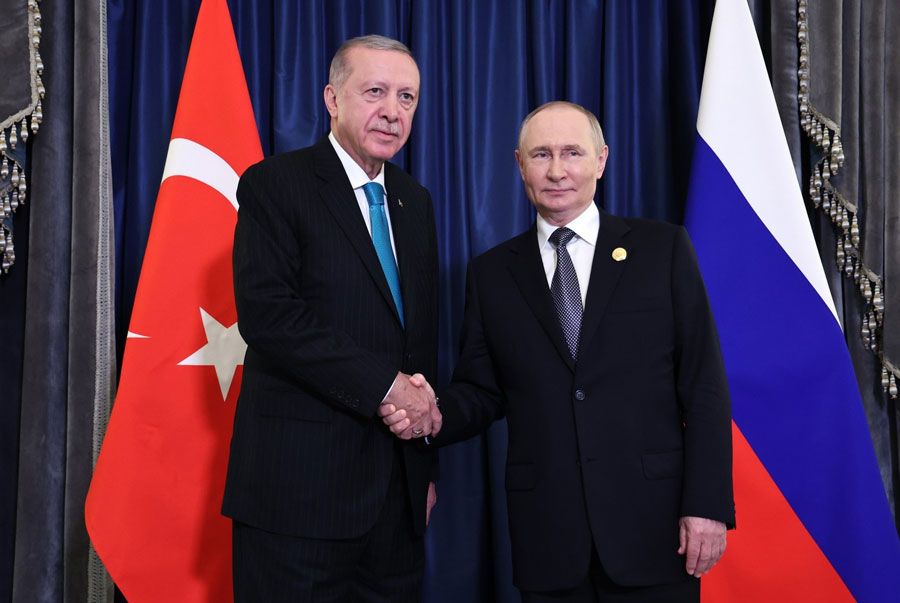
. But less than a year later it became clear that the worries were unnecessary - in the fall of 2025, Turkish President Recep Erdogan at a meeting with Vladimir Putin at the SCO summit in Tianjin, China ×
boasted: countries have tested non-cash netting, that is, a clearing mechanism, ×
— Russia will be able to invest part of Ankara’s gas money into the construction of the Akkuyu nuclear power plant in Turkey, which is being carried out at Moscow’s expense. Thus, the need to transfer money across borders seems to disappear.
Erdogan kept silent or did not know about something important: offsets are only part of a cunning scheme invented in Moscow. Part of the income from gas sales to Turkey could continue to flow to Russia despite any sanctions - only now through a shadow intermediary. The “project” managed to obtain financial documents from key participants in the cross-border payments market, including the company that helps the Kremlin supply Turkey with gas. These documents, as well as conversations with participants in foreign economic activity (hereinafter referred to as foreign economic activity) shed light on what a parallel banking system looks like, allowing Russia to circumvent sanctions.
Market in the City
In the summer of 2025, Moscow native Katya 
, author of the blog “Moving Difficulties: Argentina” ×
ran between the Empire and Federation towers of the Moscow City business center with 13 million rubles. cash in a backpack. She raised money from the sale of an apartment on Kashirskoe Highway and now wanted to take it to Argentina, where she moved with her family after mobilization began and where she was going to buy a house. Go to the bank after Russia is disconnected from SWIFT
, which occurred in March 2022 after Russia's invasion of Ukraine, ×
was not an option. A much more reliable place seemed to be the business district in the center of Moscow, once considered a high-status place where ministries and large companies were located, and now known to almost everyone in Moscow as a point for cryptocurrency transactions and unofficial cross-border payments. The volume of Russian foreign economic activity per day is about $2 billion - and a significant part of this colossal money passes, including directly physically, through Moscow City.
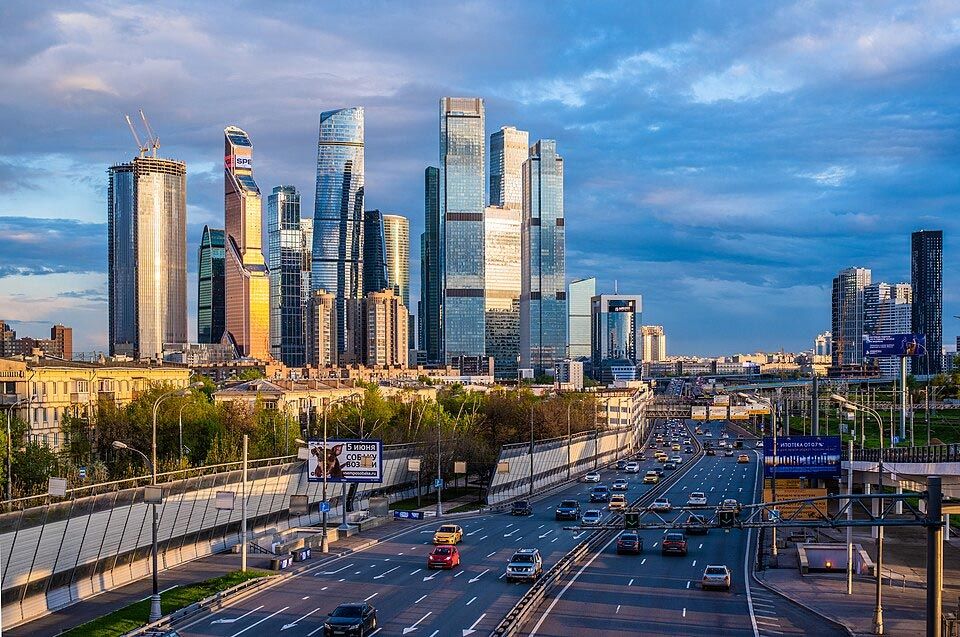
Katya could not shake the feeling that she was walking “in a gray zone,” although it happened just a couple of kilometers from the Garden Ring. On paper, everything looked legal, but in practice it wasn’t very good—the cryptocurrency exchange points found on the Internet did not indicate the exact office address. Only in correspondence did the managers inform which tower and which floor to go to, and then they met Katya at the elevator and escorted her to the room, which was locked every time with a key from the inside. The conversation with the cashier was recorded on camera, the image from which was studied in real time by a security officer. Katya didn’t immediately get along with the security guards: they didn’t like the fact that the crypto wallet the girl wanted to use was registered to her husband. At several points, both in the “Empire” and in the “Federation”, she was refused. Only in the evening, having adapted to the requirements of the exchangers, Katya was able to hand over paper rubles under the promise that the cryptocurrency would arrive in her wallet within 15 minutes. “They took an hour and a half to enroll—several gray hairs for every minute of waiting,” is how Katya later described her experiences.
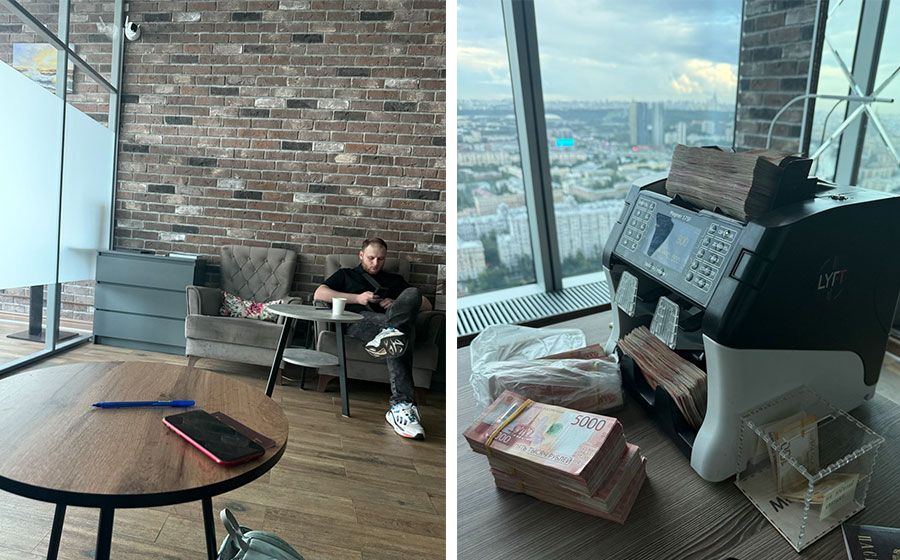
Katya’s case is an insignificant detail in the scale of the operations that are carried out in the City every day. On the Internet you can find a huge number of offers from so-called payment agents - these companies boast that for a small percentage (from 0.3% - 1.25%) they will accept rubles and then transfer them abroad through their partners in other countries, for example in India, the UAE, Thailand, Kyrgyzstan or Hong Kong, the Project found out by contacting several payment agents under the guise of potential clients and receiving from them agency agreement templates ×
. Such agents are almost always registered in the name of nominees: for example, the SpectrePay service, which hides its beneficiaries, offers to transfer money to the account of a company from Thailand, Harta Co - it, in turn, is registered in the name of 27-year-old children's football coach Doston Jabborov from Samara.
How this scheme works using the example of the largest payment agent on the Russian market, company A7 (more about it below):
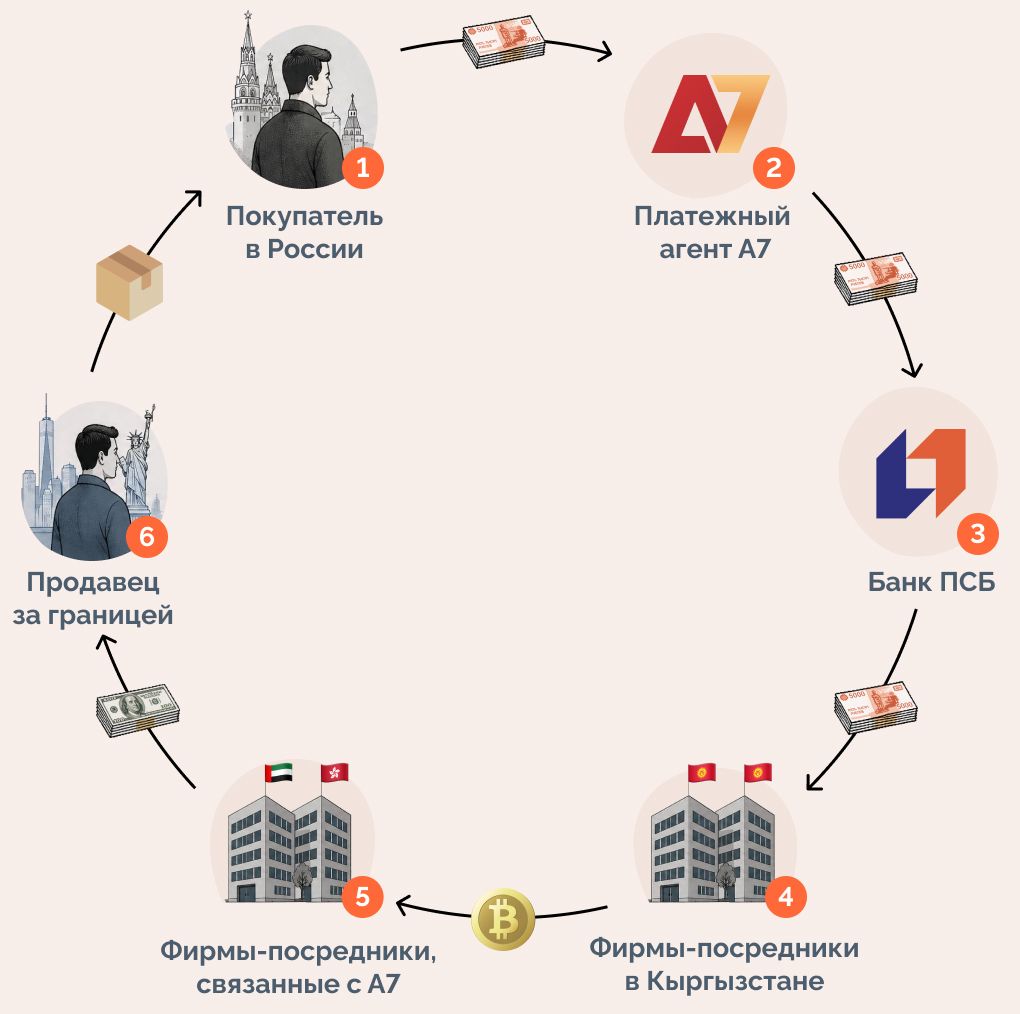
A buyer from Russia wants to pay for goods abroad.
A7 - receives rubles from the buyer in cash and non-cash form.
PSB Bank (partner and co-owner of A7) - provides banking infrastructure for transferring money to Kyrgyzstan, and, if necessary, provides loans and guarantees.
Intermediary firms in Kyrgyzstan buy cryptocurrency using the Grinex crypto exchange associated with A7. Local legislation is liberal in terms of transactions with cryptocurrencies, which makes it possible to hide the Russian origin of money.
Intermediary firms associated with A7 in third countries (most often in the Middle East and Southeast Asia) convert the received crypt into local currencies and pay the seller.
The seller abroad sends goods to Russia.
Although “paying agents” look dubious, their services are in demand by both individuals and legal entities. “A client from Russia needed to purchase a Cybertruck in the USA. However, the dealership only accepted payments in dollars through Bank of America, known for its strict compliance checks. It was important to conduct the transaction without mentioning the Russian trace and eliminate any risks for the supplier,” the payment service VD Technolab boasts of the successfully completed operation.
Naturally, such a popular market did not hide from the eyes of the Russian security forces. In September 2025 they will be there for three weeks
, Baza reported, ×
conducted raids in the City, seizing equipment and large sums of money - tens of millions of dollars were reported at one location alone.
However, this was nothing more than a media campaign - in the end, none of the crypto exchangers were strangely charged, and some even got their cash back
, said the founder of the Garantex crypto exchange Sergey Mendeleev ×
. The thing is that important security officials and oligarchs associated with the authorities are thoroughly involved in the shadow business thriving in the City, and the FSB, which provides a roof for cryptocurrency traders, “receives income from every operation.”
, says a high-ranking source close to the Kremlin and familiar with one of the largest shadow payment operators ×
.
How the authorities' attitude towards crypto has changed
January 2014: The Central Bank announced the illegality of issuing and exchanging cryptocurrencies for real money, threatening criminal charges for money laundering and terrorist financing. Crypto has been called “money surrogates,” and operations with it, according to the Central Bank, are speculative in nature.
January 2021: The first law dedicated to cryptocurrencies (“On Digital Financial Assets”) came into force. Crypto was recognized as property, not currency: the authorities allowed Russians to buy and own crypto, but prohibited them from paying for any goods and services within Russia.
January-February 2022: The Central Bank proposed to ban the mining and circulation of cryptocurrencies, the Ministry of Finance opposed a total ban, but for strict regulation. After 2 years, the position of the Ministry of Finance prevailed - to allow cryptocurrencies with strict control.
August 2024: With the tightening of Western sanctions and the prolongation of the war in Ukraine, the authorities allowed Russian companies to pay with crypto with foreign suppliers, but limited the list of those who can do this to participants in the so-called EPR (“Experimental Legal Regime”), inclusion in which is approved by the authorities.
November 2024: Authorities allowed cryptocurrency mining except for some regions and seasonal restrictions ×
both in domestic and industrial settings, but under state control: miners must register in the register and report regularly.
April 2026: The authorities decided to fully regulate the crypto market by adopting the law “On Digital Currency and Digital Rights”: from July 2026, everyone who wants to engage in cryptocurrency trading will have to obtain a license from the Central Bank and meet special requirements that will be determined by mid-2027.
Of course, in the cross-border payments market there are not only small structures registered in denominations. The main role belongs to large players operating billions of dollars.
— Someone who doesn’t know how to use a calculator said that annual commissions from crypto alone amount to $15 billion. This figure caused an erection at the very top. Therefore, we decided to clean up the market and put everything in the right hands,” says the Project’s interlocutor, who works in the cross-border transfer market.
Among these “hands” there are “the most correct ones”.
Investigations are expensive, but they're worth it.
By making a monthly donation to the Project, you will help us do even more important and high-profile investigations. This way you will support all investigative journalism in Russia!
Support the "Project"
Agent "Young"
Also in September 2025, when security forces carried out searches in Moscow City, on the other side of Russia, in Vladivostok, an amazing picture could be observed. A person whom the Russian authorities officially recognized as a “threat to national security”, it was with this wording that he was banned from entering Russia in 2015, ×
, reported via video link to Vladimir Putin about the creation of a “cross-border settlement system based on the A7 company.”
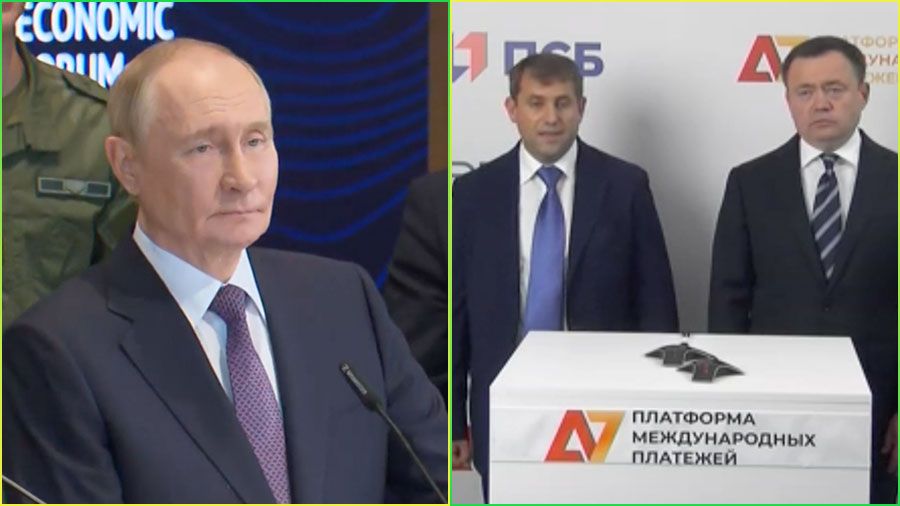
The man in the suit’s name is Ilan Shor, and standing next to him at the report to the president was Pyotr Fradkov, head of the defense bank PSB and the son of Putin’s old friend, former Prime Minister Mikhail Fradkov. Shor is the director and main owner of the A7 company, and Fradkov is a representative of the co-owner of the same structure.
At least in the public part of the event, Shor and Fradkov did not share the details of the transaction scheme they had built, limiting themselves to the adjective “high-tech.” “In ten months of work, we have carried out more than 7.5 trillion rubles... We carry out from 1.5 to 2 thousand operations per day. The plan for 2025 is that we will pay about 20 billion rubles in taxes, and these are new taxes,” Shor, a little confused, poured out huge numbers.
Shore has always done well with big numbers. Ten years before the teleconference with Putin, he staged the “robbery of the century” in his native Moldova - he helped local oligarch Vladimir Plahotniuc steal a billion dollars from three banks in the country
through non-repayable loans issued to Shor-related gasket companies ×
. As a result, Moldova's modest budget accumulated a debt equal to approximately 12% of GDP, which the state is still paying off. But Plahotniuc, as is commonly believed, had close ties with the Moldovan elite, which allowed Shor to escape punishment for some time. However, in 2017, a Chisinau court still found Shor guilty, sentencing him to 7.5 years in prison. But he didn’t put him in prison - the decision didn’t even come into force, supposedly because of Shor’s appeal, but in reality, probably due to the influence of Plahotniuc. While the proceedings were ongoing, Shor, sentenced by the court, managed to be the mayor of the small city of Orhei, buy and lead a political party, which he named after his last name. This amazing story only ended in 2019, when pro-European forces led by future President Maia Sandu came to power in Moldova. Then Shor had to flee to Israel, whose citizenship he also had. His status as wanted by Interpol made him unable to leave this country, especially since in 2024 in his native country he was sentenced in absentia to 15 years in prison. But by this time Shor already felt completely safe.
At the beginning of November 2023, a business jet from Istanbul landed in Moscow. Moldovan intelligence services claim that the Moldovan oligarch Ilan Shor was on board, and the plane itself belonged to the Russian oligarch Roman Abramovich 
, follows from the report of the Security and Information Service of Moldova, which was presented by its head in the country’s parliament ×
. Shor took a risk to some extent - not only was Interpol looking for him, Moscow had its own scores to settle. Back in 2015, he was banned from entering Russia based on an investigation into his company’s illegal acquisition of diplomatic license plates. Then the media reported that Shor, according to the Russian authorities, poses a threat to Russia’s national security. It was not specified whether this decision had a political background.
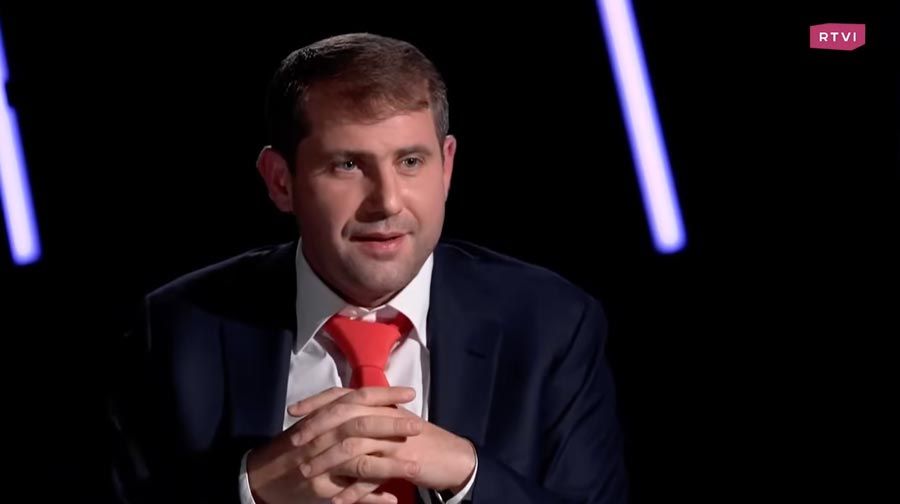
One way or another, eight years later, the organizer of the “robbery of the century” crossed the border without any problems. Whether he did this alone or was in Abramovich’s company, as some media outlets suggested, is unknown; at least, the oligarch’s representative denies it. One way or another, Shor returned to Russia triumphantly: soon he was sitting in the Moscow studio of the RTVI television channel, answering questions from Alexei Venediktov. “In my eyes, this is a very cool leader,” is how Shor recommended Vladimir Putin then.
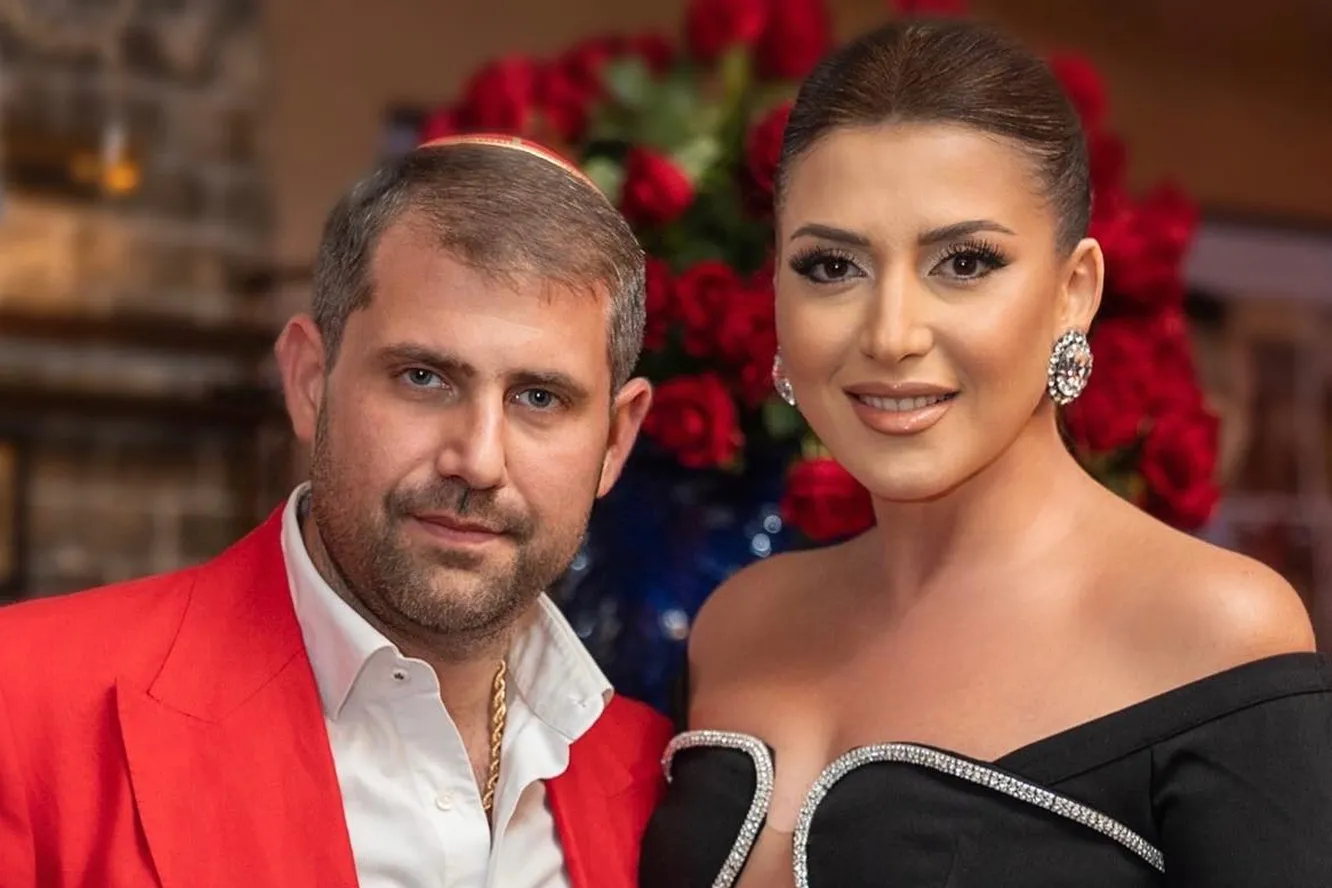
It was as if there were no past sins: Shor received a Russian passport and began to live freely in Moscow with his children and wife Sarah, who performs on stage under the pseudonym Jasmine. Such favor from the Kremlin had a price: Shor became an FSB informant under the nickname “Young”
, follows from leaked documents of Russian intelligence services, which The Washington Post newspaper studied three years ago ×
. On instructions from the Russian intelligence service, the Shor party organized protests and riots in Moldova in the interests of the Kremlin, and its activists participated in elections at various levels, bribing voters and supporting separatist sentiments.
While dealing with the Moldovan issue, Shor came into conflict with Putin’s assistant Dmitry Kozak, who at that time was in charge of the near abroad in the Kremlin, including Moldova, says an acquaintance of Abramovich ×
. Kozak did not like the way the fugitive businessman worked, whose activities he apparently did not control. It is unknown whether that conflict affected the effectiveness of Russia’s efforts to interfere in the affairs of the neighboring state, but one way or another, Kozak and Shor failed the mission - in recent years, pro-Russian forces have been defeated in Moldova in all directions - the parliamentary elections in 2025 and the presidential elections in 2024, as well as a number of local elections ×
. Kozak resigned, it is generally accepted that this was due to his disagreement with the war with Ukraine ×
, and Shor, with the help of Abramovich and the security forces, changed his profile and began creating the same company A7, the financial success of which he boasted to Putin in the fall of 2025.
Subscribe to the Project newsletter
Biggest Player
The A7 has more owners than officially stated. Formally, the company is owned by Shor (51%) and the state-owned bank PSB (49%), and the state corporation VEB. The Russian Federation, led by Igor Shuvalov, “provides support” for the project, follows from the report of Fradkov and Shor to Putin ×
. Unofficially, Abramovich can play an important but secret role in A7.
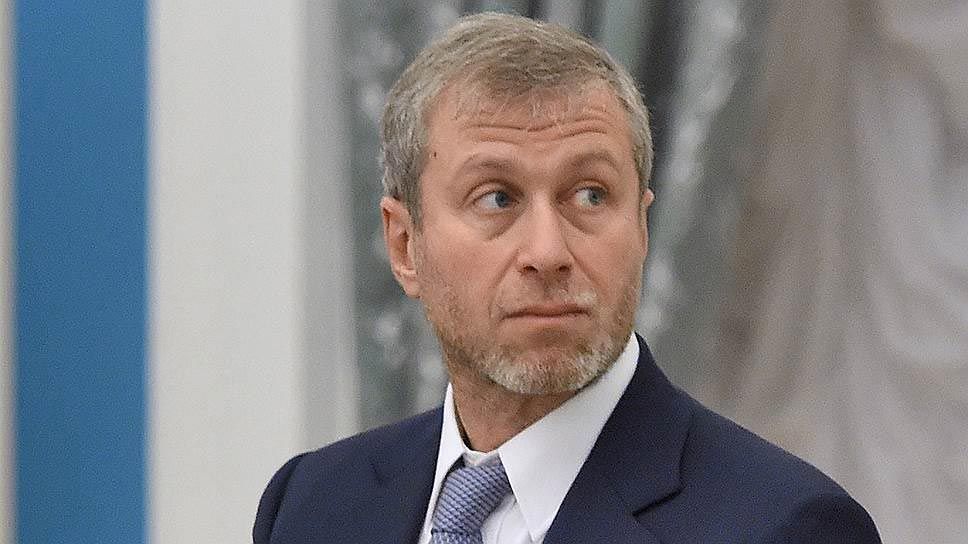
The oligarch’s partner, in a conversation with Project, claimed that Abramovich barely knows Shor. But at the same time, the interlocutor showed remarkable awareness of A7’s affairs. Shor is a “very smart” person whose “brains work like a computer,” the Project’s interlocutor describes the Moldovan scammer. According to his estimates, the A7 company has approximately a 15 percent market share of all cross-border transfers in Russia. The company itself on its website estimates the share even higher - 19% - but no matter what version is correct, all the Project’s interlocutors consider A7 to be the largest player in this industry. “There is no one else even close to A7,” says a source working in this market.
After reviewing the leaked financial documents of A7, “Project” can tell much more about this business than Shor himself publicly discloses. Кроме прочего, документы помогают обнаружить участие людей Абрамовича в ее деятельности.
Утечка документов А7
В сентябре 2025 года в сеть попала часть внутренних документов А7, в том числе — личные переписки Илана Шора с сотрудниками, протоколы совещаний, организационная структура, список клиентов и номинальных компаний, которые А7 использует для обхода банковских санкций. Также в утечке были документы, которые касаются других проектов Шора — например, фонда «Евразия», через который Россия пытается влиять на политику стран ближнего зарубежья. «Проект» дополнил эту утечку финансовыми документами всего холдинга А7, которые нам предоставил источник.
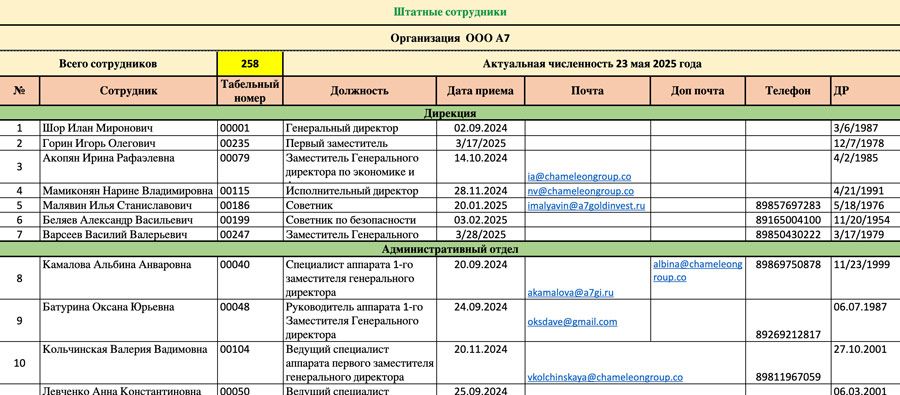
Западные страны давно в курсе деятельности А7: за помощь в обходе санкций другим компаниям, она сама попала под санкции — Евросоюза, США, Великобритании, Швейцарии и Украины ×
. Но это не мешает А7 переводить деньги по всему миру: из 21 ее компаний-прокладок в санкционных списках находятся лишь 3, и банки свободно пропускают платежи от них.
Всего в А7 работает около 2 тыс. человек. Топ-менеджмент — сплошь бывшие сотрудники государственного ВЭБа . Это первый замгендиректора Игорь Горин (был в ВЭБе старшим вице-президентом), заместитель по экономике и финансам Ирина Акопян (руководила проектами комплексного развития городской экономики ВЭБ. РФ), советник по ключевым вопросам Илья Малявин ×
. Госкорпорация вообще играет большую роль в жизни А7: выступает поручителем по кредитам , следует из финансовой отчетности ×
, а также совместно с Шором владеет одним из юрлиц , «Эксим Интернешнл» ×
, которое входит в структуру А7.
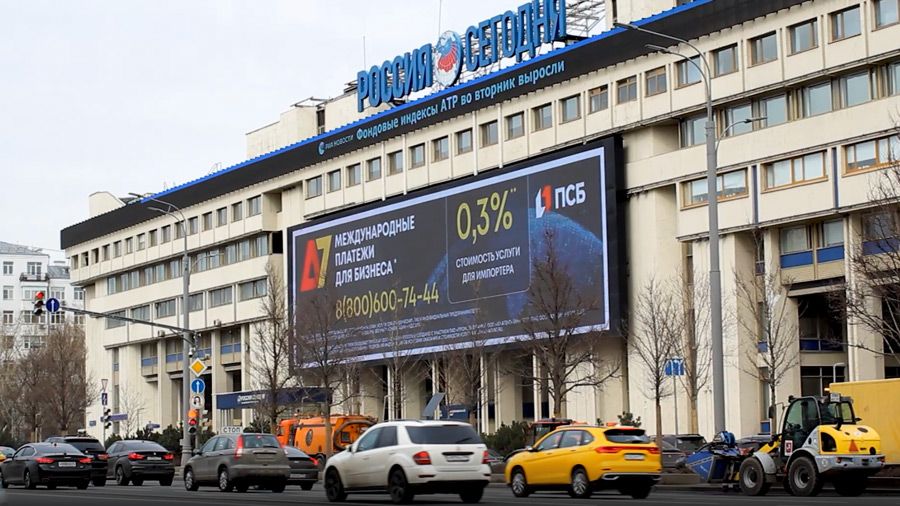
Кстати, именно ВЭБ в 2013 году поставил 26-летнего Шора в руководство молдавским банком Banca de Economii
, ВЭБ. РФ тогда владел 24,86% акций и по словам Шора «был утвержден председателем совета по предложению ВЭБа» ×
, из которого в итоге была похищена часть того самого миллиарда долларов. Глава госкорпорации Игорь Шувалов — давний знакомый Абрамовича. Будучи юристом, Шувалов сопровождал сделки последнего и его компаний, что помогло нынешнему госслужащему заработать целое состояние
. Правда, в 2013 году, когда Шор получил назначение в Banca de Economii, ВЭБом еще руководил Владимир Дмитриев ×
.
С момента своего появления в сентябре 2024 года A7 квартировал в бизнес-центрах Абрамовича «Белые сады» и «Сколково Парк». Уже в следующем году Шор, видимо, заметая следы Абрамовича, перерегистрировал юрлица компании по фиктивному адресу в Геленджике, в здании двухэтажного частного дома, где прописан еще десяток компаний. Сейчас в офисах Абрамовича остаются две «дочки» А7 «А7-Технологии» и «Эксим-Интернешнл» ×
.
Еще один признак участия олигарха — огромная финансовая помощь А7 со стороны предпринимателя Виктора Харитонина, которого в прессе давно называют «учеником Абрамовича».
Кто такой Виктор Харитонин
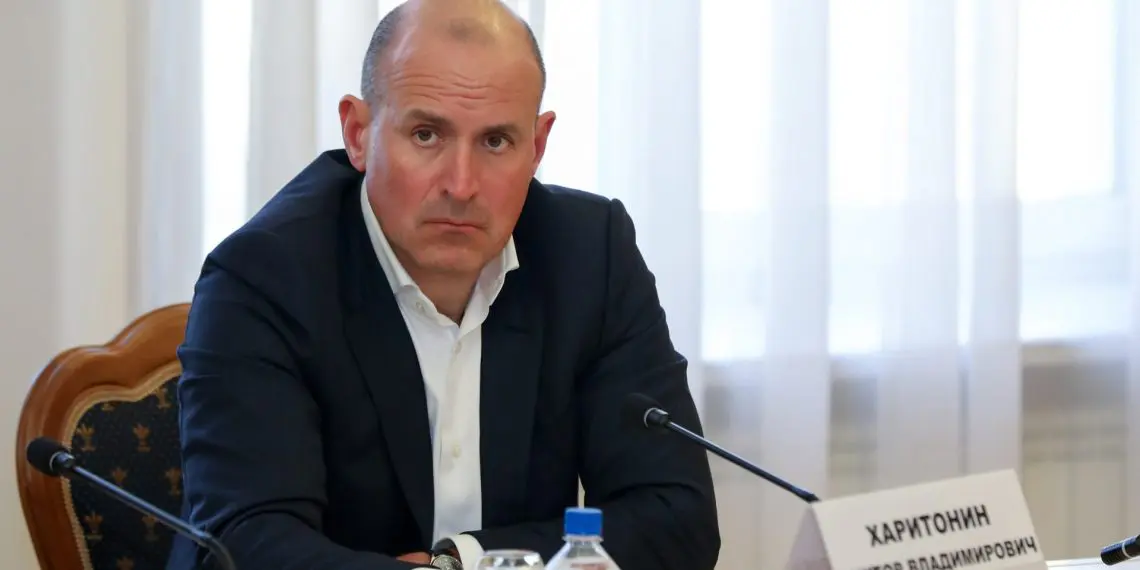
Харитонин знаком с Абрамовичем с конца 90-х , когда во главе инвесткомпании «Профит-Хаус» он скупал ценные бумаги в интересах олигарха ×
. Вместе они создали один из крупнейших в России фармацевтических холдингов «Фармстандарт», известный производством «Арбидола» и других лжелекарств. Благодаря дружбе с вице-премьером Татьяной Голиковой Харитонин ежегодно становился «Королем госзаказа» , пока журнал Forbes составлял этот рейтинг до 2019 года ×
, зарабатывая на подрядах миллиарды рублей. Формально Абрамович вышел из этого бизнеса еще в середине десятых годов.
Так, входящие в «Фармстандарт» фирмы «Огмент Инвестментс Лимитед», «Биокад» и «Генериум» ×
выдают компании Шора многомиллиардные займы — только за 2025 год они перечислили на счета платежного сервиса 196,4 млрд руб ($ 2,36 млрд) , следует из финансовой отчетности A7 ×
.
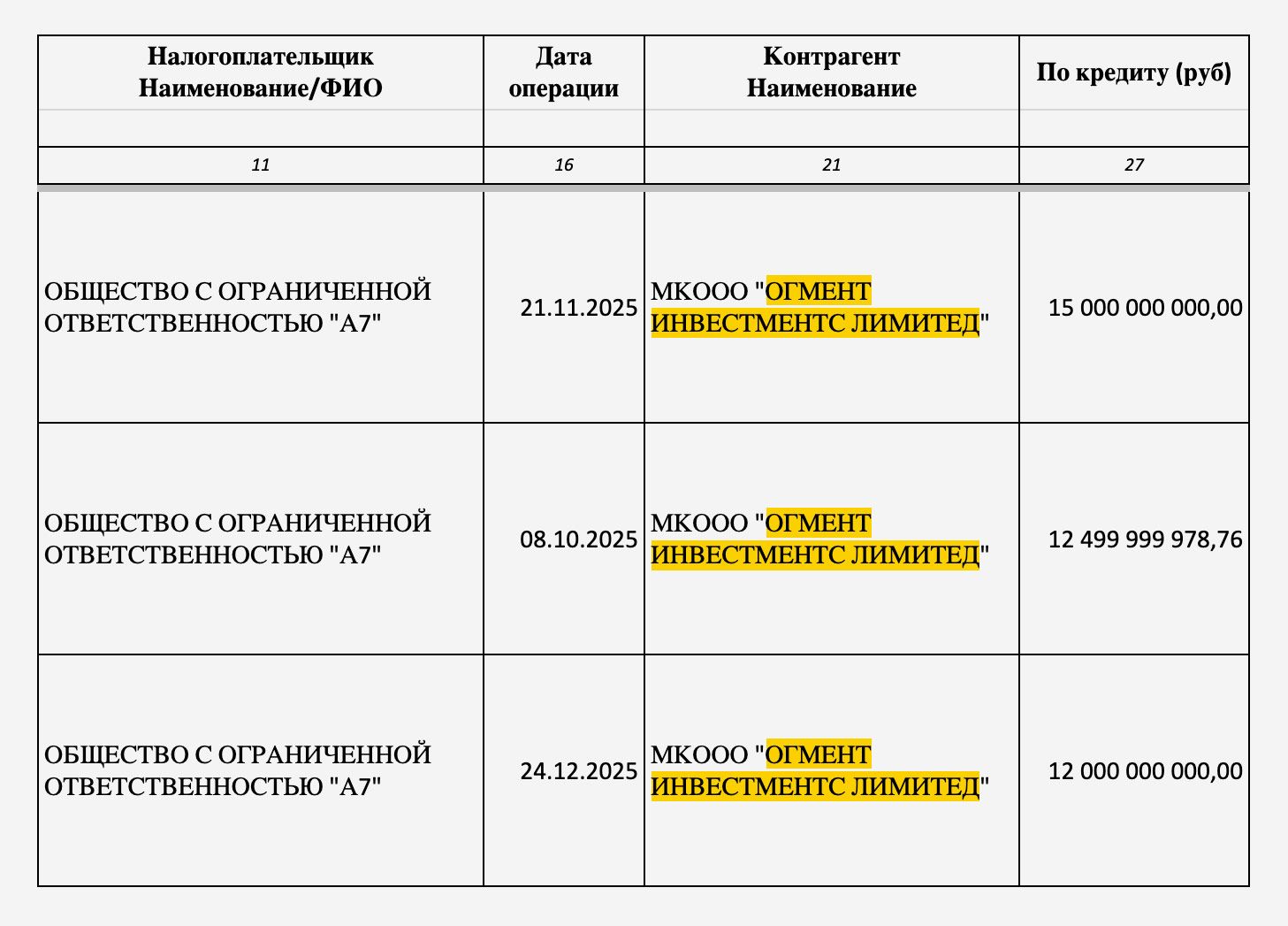
Собеседник «Проекта» на рынке трансграничных платежей называет Абрамовича «крышей и спонсором» А7, который выбрал Шора за его умение «выстраивать схемы». Представитель олигарха это опровергает (Шор и Харитонин не ответили на вопросы «Проекта»).
Комментарий представителя Романа Абрамовича:
Роман Абрамович не имеет никакого отношения к компании А7, не является её бенефициаром и не владеет какой-либо долей в ней.
Предположения о том, что Роман Абрамович участвовал или содействовал каким-либо договоренностям с «Промсвязьбанком» в связи с А7, не соответствуют действительности.
Публикация, в которой говорилось, что Роман Абрамович перевозил Илана Шора на своём самолёте, была впоследствии отозвана самим изданием
. Речь, скорее всего, идет о публикации молдавского новостного портала jurnal.md , которая была отозвана по требованию адвокатов Абрамовича ×
. Содержащиеся в ней утверждения являются ложными.
Ответ на вопрос, почему олигарх и его приближенные так упорно скрывают роль в деятельности А7, лежит в данных о том, какие операции проводит эта компания.
Bypassing sanctions
Шор давно связан не только с Молдовой, Израилем и Россией, но также и с Кыргызстаном. В 2010-х годах он владел магазинами дьюти-фри и торговыми площадями в главном аэропорту страны, Манасе, взяв в бизнес-партнеры дочь влиятельного местного депутата Кубанычбека Туманова. Сейчас связанная с Шором бизнес-авиация возит на своих самолетах президента страны Садыра Жапарова
, выяснили журналисты Rise Moldova ×
. Учрежденная киргизским правительством «Торговая компания Кыргызской Республики» (ТККР) стала ключевым звеном в сделках А7.
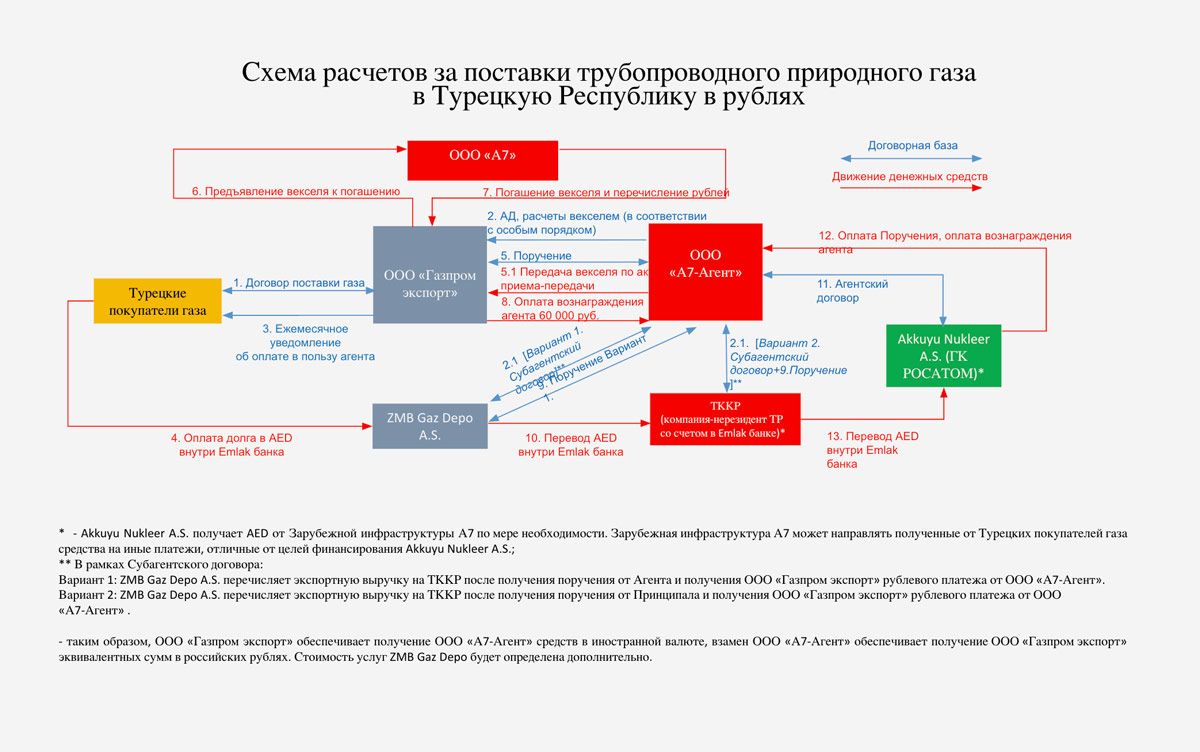
Именно через ТККР теперь должны проходить межгосударственные платежи за газ между Россией и Турцией, с которыми возникла трудность после введения американцами санкций против «Газпромбанка» в 2024 году. В документах, изученных «Проектом», есть подробная презентация схемы расчетов
, была ли она реализована — неизвестно ×
, согласно которой турецкие компании-потребители переводят деньги на счет «дочки» «Газпрома»
ZMB Gaz Depo AS ×
в турецком государственном банке Emlak. Оттуда они поступают на счет ТККР в этом же банке. Часть денег ТККР действительно, как и говорил Эрдоган, отправляет «по мере необходимости» турецкой дочке «Росатома»
Akkuyu Nukleer AS ×
на строительство АЭС, остальные же попадают на счет «Газпрома» через сложные офшорные схемы. Сколько именно денег в итоге может попадать в Россию, в документах не говорится. But it is known that Turkey pays Russia for gas, according to various estimates, from 3 to 10 billion dollars a year.
«Проект» изучил всех клиентов А7 и нашел среди них по меньшей мере 25 российских компаний, которые находятся под санкциями ЕС и США. Пять их них — производители и поставщики боевых дронов-камикадзе, которые российская армия использует на войне в Украине.
Клиенты А7 — производители и поставщики боевых дронов
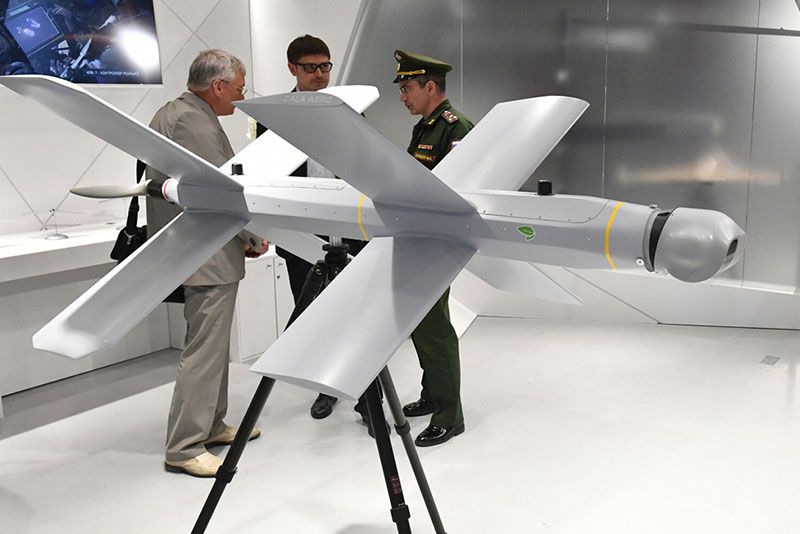
«Айди Солюшн»
Поставляет комплектующие для дронов «Ланцет»
( выяснили «Важные истории» ×
, считающихся одними из самых «убийственных» на фронте.
В 2024 году ввезла в Россию санкционной электроники на 123 млн руб. , следует из таможенных данных ×
.
Санкции: 🇺🇸 🇬🇧 🇨🇭🇺🇦
Перевела через А7 (2025):2,3 млрд руб.
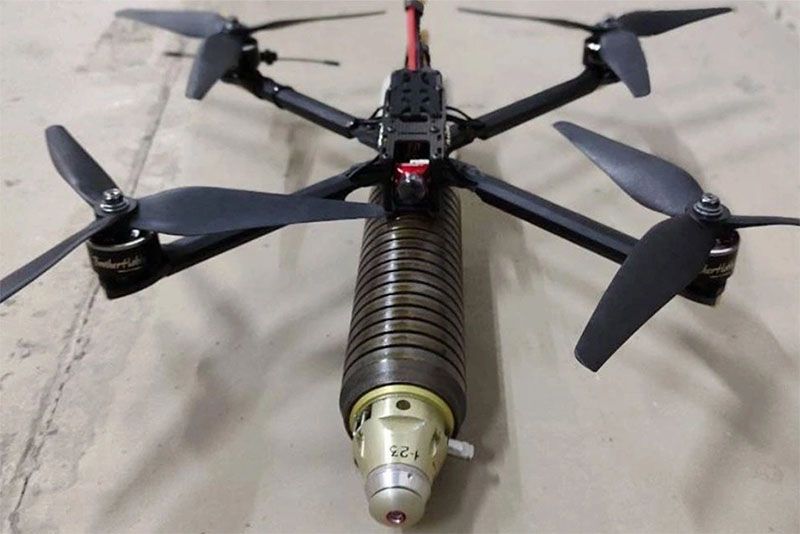
«Рустакт»
Производит и поставляет армии дроны-камикадзе BT-40
, выяснил Белорусский исследовательский центр ×
. Ключевую часть дронов — четыре двигателя — вынуждена закупать в Китае.
Всего в 2023—2025 гг. «Рустакт» ввез в Россию 3,5 млн двигателей , следует из таможенных данных, оказавшихся в распоряжении Белорусского исследовательского центра ×
— этого достаточно для сбора 870 тыс. дронов BT-40.
Санкции: 🇪🇺 🇨🇭🇺🇦
Перевела через А7:10,9 млрд руб.
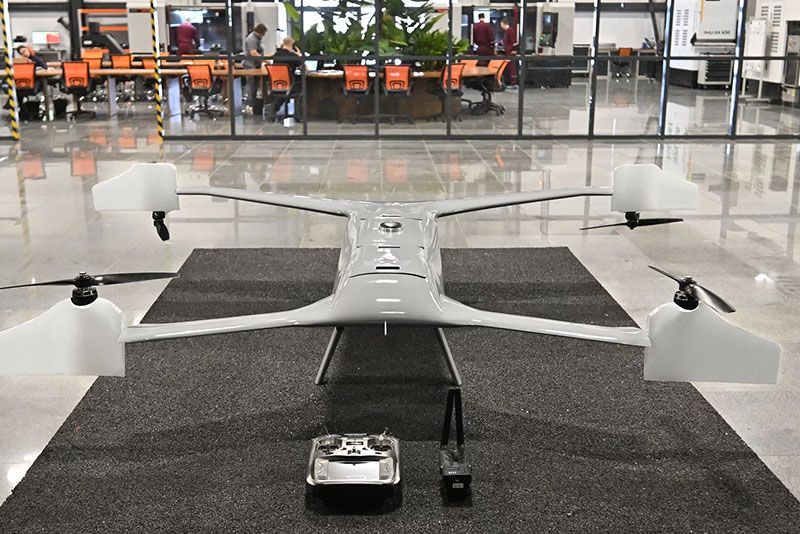
«Транспорт будущего»Производит гражданские беспилотники для сельского хозяйства, грузовые дроны и аэротакси. Неизвестно, поставляет ли беспилотники для вооруженных сил.
Санкции: 🇺🇦
Перевела через А7:580,9 млн руб.
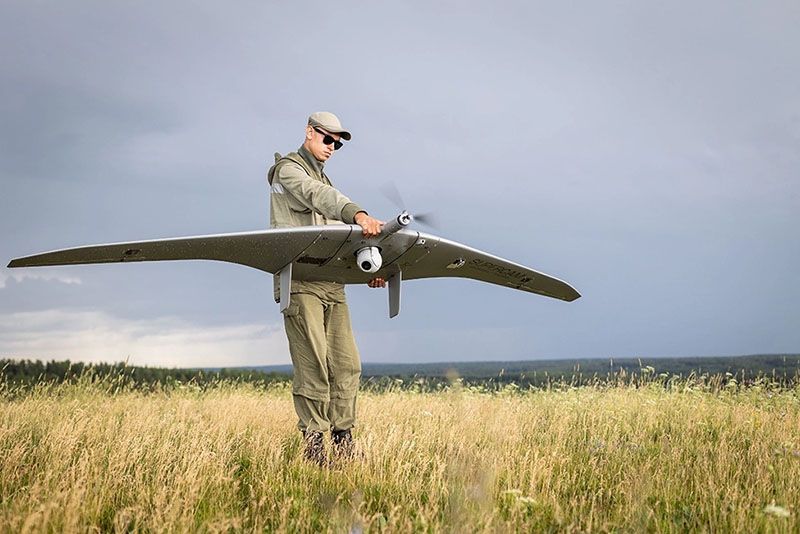
«Беспилотные системы»Производит беспилотники Supercam, которые российская армия используют для разведки, а также ударам по ВСУ боевыми зарядами. В Supercam используется около 40 комплектующих зарубежного производства , по данным Национального агентства по предупреждению коррупции Украины ×
.
Санкции: 🇺🇸 🇪🇺 🇨🇭🇺🇦
Перевела через А7:569 млн руб.
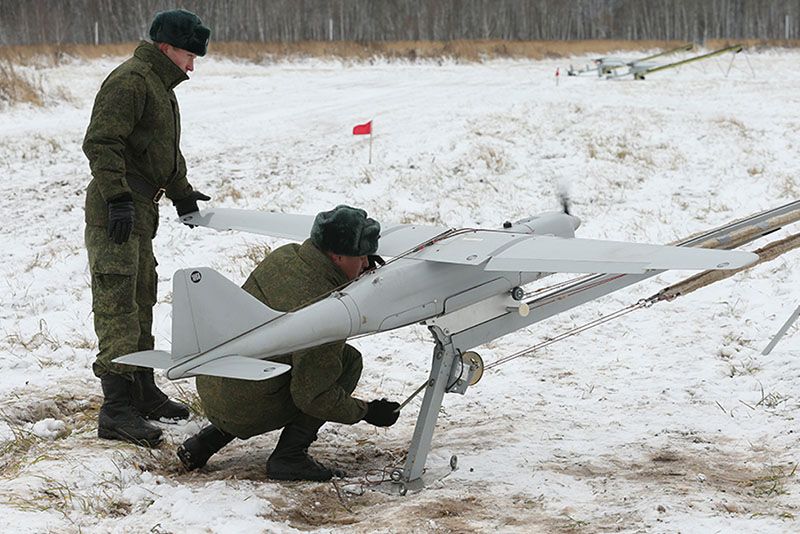
«Легион Комплект»Деятельность — поставляет комплектующие для разведывательного дрона «Орлан», который помогает российским военным обнаруживать силы ВСУ и наводить по ним огонь
Санкции: 🇪🇺 🇺🇸
Перевела через А7:480 млн руб.
Подсанкционные компании — далеко не единственные клиенты А7. Будет правдой сказать, что зарубежные расчеты через Илана Шора ведет едва ли не весь российский бизнес: потребительский, финансовый, туристический, нефтегазовый; здесь и частные, и государственные компании, даже запчасти для президентского лимузина Aurus закупают за границей с теневой помощью молдавского дельца, когда-то погоревшего на блатных автомобильных номерах.
Известные клиенты А7
Компании и бенефициары
Библио-Глобус Туроператор
Аркадий Ротенберг 38,9 млрд ₽
Wildberries Маркетплейс
Suleiman Kerimov
Татьяна Бакальчук 13,2 млрд ₽
Интернешнл Тобакко Групп Производитель сигарет
Игорь Кесаев
Сергей Кациев 4,3 млрд
Sunlight Сеть ювелирных магазинов
Сергей Грибняков 2,3 млрд
Арктик СПГ 2 Добыча природного газа
Леонид Михельсон 1,1 млрд
Турбинные технологии ААЭМ Производство турбин для АЭС
Росатом 704 млн
S7-Инжиниринг Инжиниринговый центр S7
Владислав Филев 500 млн
Рапарт Сервисез Компоненты Superjet 100
РФ 485 млн
Агро-Альянс Экспортёр круп
Семья Сергея Нарышкина 236 млн
ФГУП «НАМИ» Aurus и Москвич
РФ 228 млн
ФК «Динамо-Москва» Футбольный клуб
Банк ВТБ 210 млн
А7 — вероятно, крупнейший, но далеко не единственный игрок на этом рынке из числа приближенных к власти. Еще, как минимум, несколько компаний, специализирующихся на трансграничных переводах, связаны с ФСБ.
Бизнес Патрушевых
Старого товарища Путина, некогда всесильного секретаря Совбеза, а теперь помощника президента Николая Патрушева вспоминали многие собеседники «Проекта», рассказывая об устройстве этого рынка.
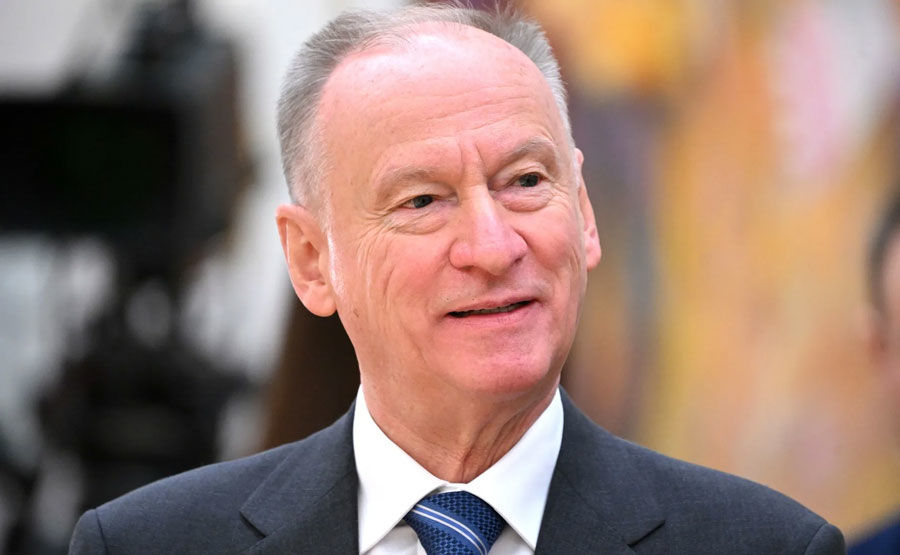
«Фарватер» и «Рускриптотрейд»
— Приходишь в «Москва-Сити», там сидит Алан Кирюхин, он дает номер счета в банке ПСБ. Переводишь на счет, получаешь в зарубежном банке, — рассказывает «Проекту» бизнесмен, который занимается внешнеэкономической деятельностью.
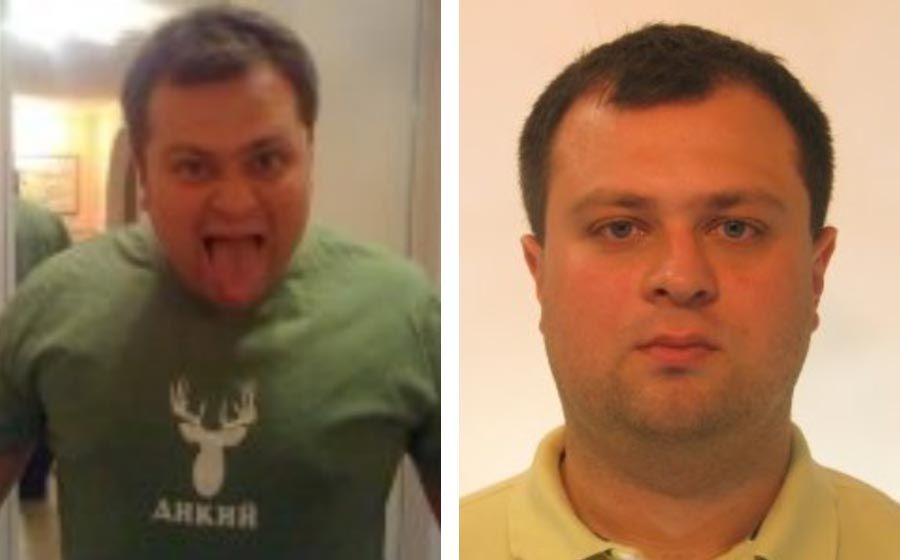
Кирюхин — директор и основной акционер платежных агентов «Фарватер Финанс» и «Рускриптотрейд». В отличие от А7, которая активно рекламирует свои услуги и держит по России множество офисов с вывесками, кирюхинские фирмы не имеют ни сайта, ни логотипа, а узнать о них можно лишь по сарафанному радио, от доверенных людей. Странно, если помнить, что годовая выручка этих компаний 1,3 млрд руб , знает «Проект» на основании изученных нами финансовых документов «Фарватера» и «Рускриптотрейда» ×
. Но совсем не странно, если знать, кто реальный бенефициар этих юрлиц.
По профессии Кирюхин — адвокат
, у него есть действующий адвокатский кабинет в Москве ×
, но «Проекту» не удалось обнаружить ни единого дела, которое он вел. Возможно, потому, что у него есть и вторая профессия — он работает номиналом семьи Николая Патрушева, бывшего директора ФСБ, друга и помощника Путина. C 2019 года Кирюхин является совладельцем различных юрлиц, связанных с младшим сыном Николая Андреем Патрушевым
— «НПО Современные технологии машиностроения», «Проектные решения», «ЦФУ», «Нева Инвест», АО «НСК» ×
. Также Кирюхин был владельцем компании «Веритасмед», директор которой Андрей Разумилов, брат жены Андрея Патрушева.
Система-Крипто
Есть на теневом финансовом рынке и другой заметный игрок, связанный с руководством ФСБ и лично Патрушевым. Это миллиардер, владелец АФК «Система» Владимир Евтушенков. Он — родня экс-начальника Центра специального назначения ФСБ Александра Тихонова
. Cтарший сын Евтушенкова Феликс женился на дочери генерала Тихонова Вере, выяснил «Проект» в ходе генеалогического исследования российской власти «Отцы и деды» ×
. С семьей самого Патрушева Евтушенков связан по-соседски — через элитный поселок в Серебряном бору в Москве. Евтушенков, владеющий значительной частью земли в Бору, по заниженным ценам обеспечил Патрушевых жильем там же.
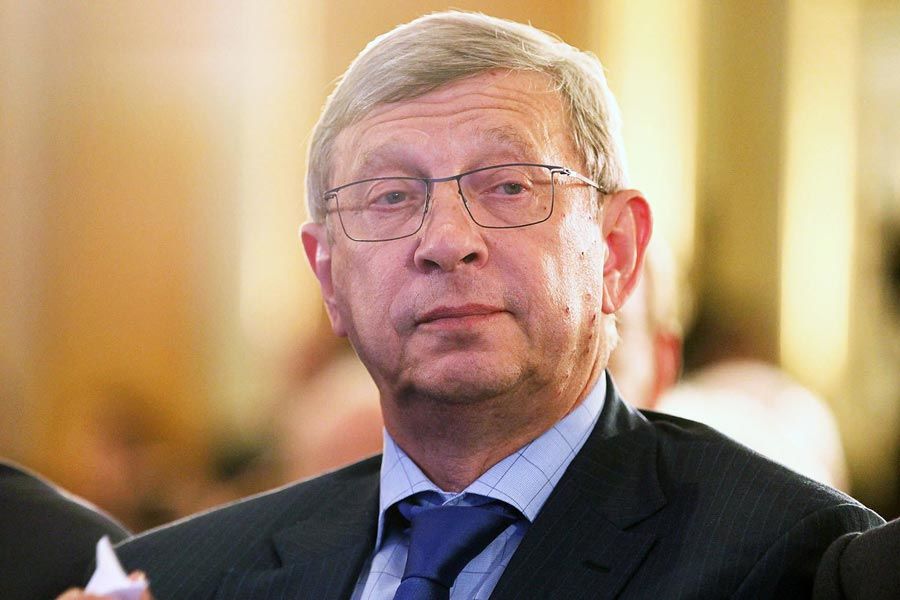
Криптовалютой АФК «Система» заинтересовалась в 2022 году: сначала ее структура «Система-Крипто» приобрела два дата-центра для майнинга в подмосковном Серпухове и Магадане, а позже занялась трансграничными платежами. Свой сервис «Система-Крипто» позиционирует как платформу для «быстрых платежей, где валюта не имеет значение».
В 2025 году структура Евтушенкова продала криптовалюты на 967 млн руб. 18-ти российским компаниям, три из которых находятся под санкциями — «Интегратор», «ТАВ», «Гербариум Офис Менеджмент» ×
.
Подполковник ФСБ
Еще один агент, связанный с силовиками — А2M, который особо не рекламирует свои услуги. У компании очень серьезный исполнительный директор по имени Дмитрий Королев. За этими распространенными именем и фамилией скрывается бывший подполковник ФСБ, служивший начальником погрануправления по Республике Алтай и в этом качестве фигурировавший в СМИ. Но он не владеет компанией — А2M записана на трех сотрудников банка «Ставр» — Александра Доценко, Константина Македонского и Магомеда Хамидова ×
, один из акционеров которого — миллиардер Давид Якобашвили , бизнес-партнер криминального авторитета Гавриила Юшваева, с которым они основали «Вимм-Билль-Данн», крупнейшего в России производителя молочной продукции и соков ×
.
* * *
Платежные агенты в современной России нужны не только государству и крупному бизнесу для миллиардных переводов, но и простым людям с их покупками. Вот как описывает свою работу руководитель одной из фирм, занимающихся международными платежами
, генеральный директор компании «Доверка» Кристина Семеняка ×
:
— Кому-то ты помогаешь приобрести лекарства. кому-то sexy toys в большом количестве — без этого тоже знаете ли тоже никуда, война войной, а обед по расписанию. Кто-то покупает жеребцов в Эмиратах. Было такое, что мы платили за надгробие…
Редактура — Михаил РубинФактчекинг — Екатерина Резникова