Translated material
The State Duma may allow the seizure of property of Russians who have left
The bill on bringing Russians abroad to administrative responsibility will be considered in the second reading on May 26
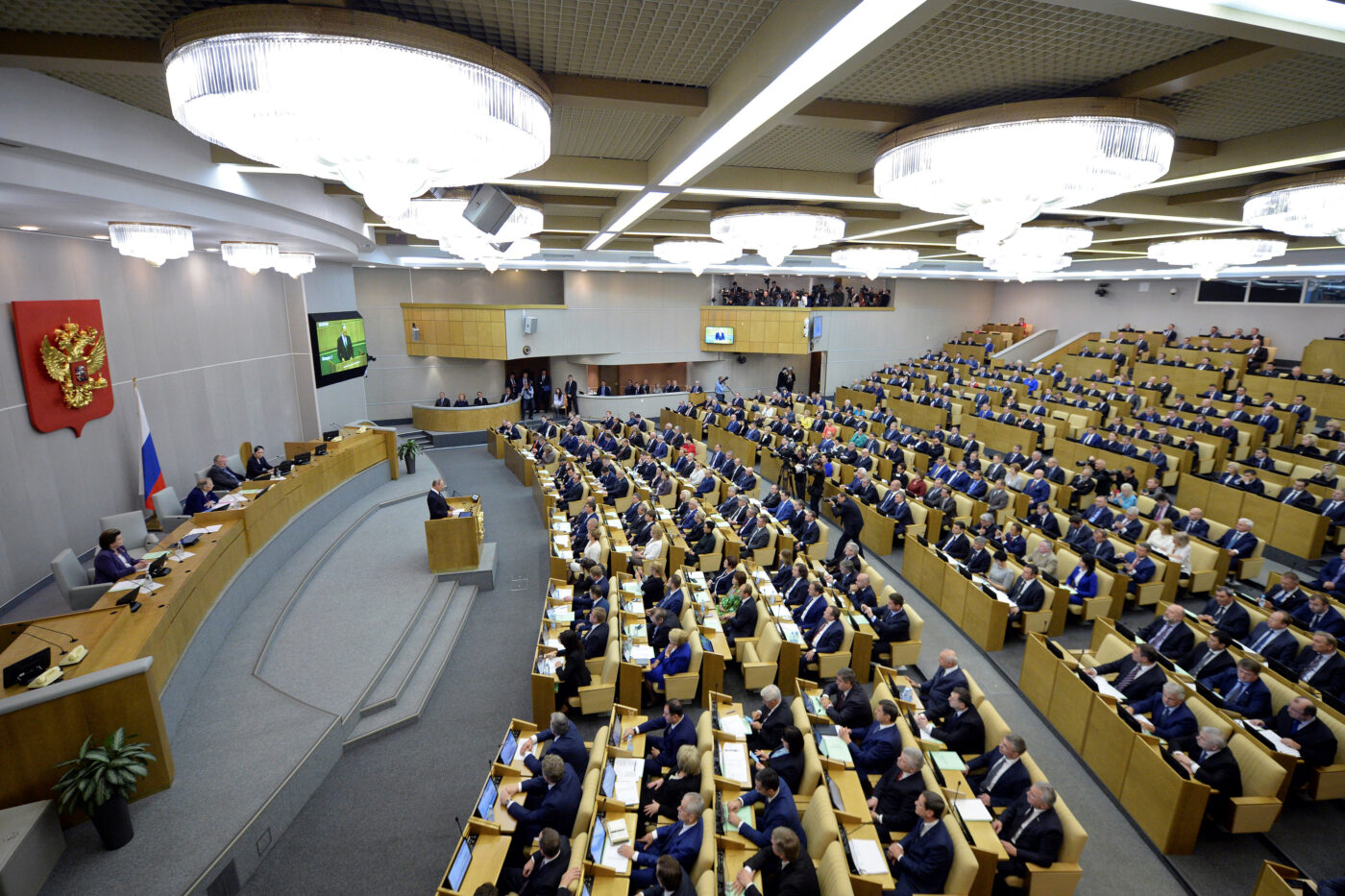
On May 26, the State Duma may consider in the second reading a bill that would allow Russians abroad to be held administratively liable for actions that the authorities consider directed against the interests of Russia. Kommersant reports this.
Previously, the State Duma Committee on State Construction and Legislation recommended adopting the initiative. The document also provides for the possibility of seizing the property of citizens who left the country as an interim measure. The court will have to decide on this.
In order not to miss new texts from “Layout”, subscribe to our telegram channel
What articles are included in the bill?
Amendments to the Code of Administrative Offenses were adopted in the first reading a year ago. Initially, the bill was introduced by the State Council of Tatarstan.
In the explanatory note, the authors of the document stated that after the start of the war in Ukraine, cases of public actions by Russians abroad, directed “against the foundations of the constitutional system, state and public security of the Russian Federation,” became more frequent.
For the second reading, the document included a closed list of articles under which Russians abroad could be held accountable. Among them are violations of the legislation on “foreign agents”, “abuse of freedom of the media”, calls for extremism and terrorism, public identification of the actions of the USSR and Nazi Germany, as well as a number of other political articles.
In addition, the bill will allow such cases to be considered without the personal presence of the accused.
In order not to miss new texts from “Layout”, subscribe to our telegram channel
The authorities are consistently tightening legislation
State Duma Speaker Vyacheslav Volodin previously stated that it is necessary to punish Russians who have left and who are “pouring dirt on Russia.” The idea of confiscation of property for anti-war and political statements has been discussed in Russia since 2023.
In April 2024, Vladimir Putin signed a law that expanded the list of articles under which confiscation of property is allowed. It included, in particular, articles about “discrediting the army,” calls for extremism, violation of the territorial integrity of the Russian Federation and “activities against state security.”
Also in April last year, a law was passed allowing citizens who left Russia to be tried in absentia on a number of political articles, including “fakes” about the army, calls for extremism and mass riots.
Maria Chashchilova, a lawyer for the human rights project OVD-Info, previously said that such articles “are politically motivated” and are used by the authorities to put pressure on Kremlin critics.
Previously, “Verstka” wrote about how the war scared away migrants from obtaining Russian citizenship . But the Russian passport remains popular among people from Tajikistan and Kyrgyzstan.
Photo: Vladimir Putin delivers a speech from the podium at the opening of the first session of the newly elected State Duma on October 5, 2016. REUTERS/Natalia Kolesnikova
You can support “Layout” from any country in the world - it is still safe and very important. We really need your support now
How to help us