
Translated material
Political jokes in modern Russia
html
This material (information) was produced and distributed by a foreign agent, Project Trait, or relates to the activities of a foreign agent, Project Trait. 18+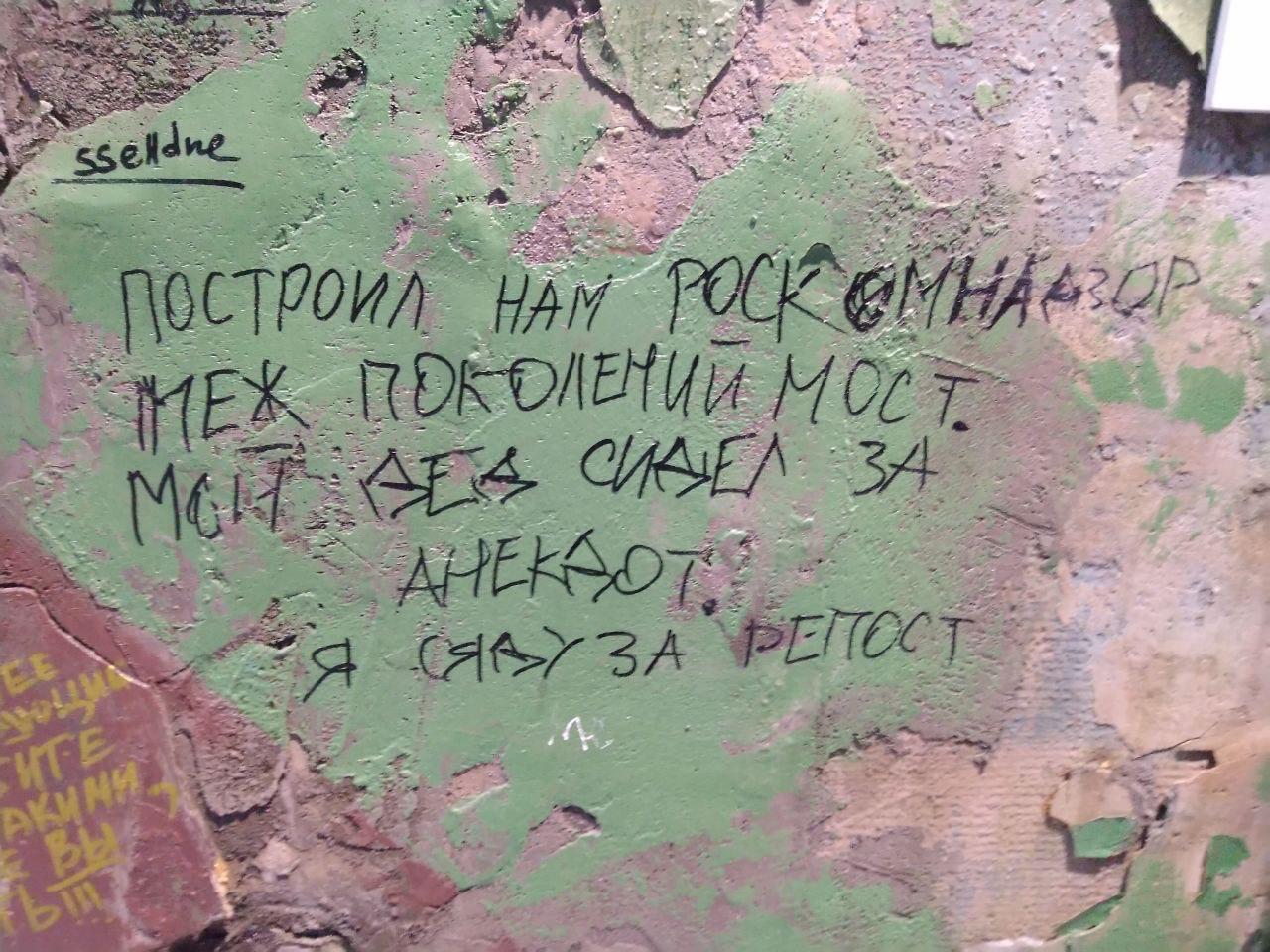
Conversation between Ilya Azar and Alexandra Arkhipova
In 2026, comedian Artemy Ostanin was sent to a colony for almost 6 years for a joke, and a resident of the Arkhangelsk region received several months for a “political joke.” And in general, in the fifth year of the war, people were tired of telling jokes about Putin and the North Military District. According to social anthropologist and folklorist Alexandra Arkhipova, now the place of oral jokes has been taken by performative jokes about Internet blocking and other prohibitions. The rehabilitation of Stalin has become one of the characteristic features of the political life of modern Russia. Against this background, comparisons between the Stalin era and today are emerging more and more often. How justified are they? How is the political humor of the Stalin era different from today? What has changed in the relationship between society and the state, and what, on the contrary, is surprisingly repeated? About this in a conversation with Alexandra Arkhipova, the author of a book about jokes about Stalin, for the Memory Project and “Traits”.— In January, a resident of the Astrakhan region was found guilty of discrediting the army because of a political joke. By this time he was already in prison, so they simply added three months to his sentence in prison, but, nevertheless, he was actually imprisoned precisely for a political joke. This reeks of Stalin’s times, but to what extent is this a common story now?
Now there are such cases, but there are less than a dozen of them. That is, this is not a mass practice, when cases are brought against the text of a joke. We know this case and another verdict for a classic military joke, quite brutal, which circulates on both sides of the front:
The soldiers of the artillery crew say to the commander: “Let’s hit there, on the other side of the Dnieper, very close.” The commander says that it’s impossible, because there are lands nearby, for example, Tkachev’s.
Then the soldiers propose to strike the Bryansk region, which is very close. It’s impossible, the commander replies, Medvedev’s land is there. And then the soldier says: “Where can we hit?” The commander thinks about it and says: “Enter the coordinates of the Kremlin, we’re definitely not there.”
They actually give him a sentence or give him an additional sentence. But other than this, there are few such cases, thank God.
Nowadays, all kinds of comedians and stand-up comedians are persecuted more for public display of humor . This is where they have a hard time.
A front of extrajudicial persecution is deployed against them: they are sent a summons to the army, expelled from the country , criminal cases are opened, that is, they are squeezed out of the public field in any way.
You can’t joke about Putin or the war in public, talking about such things in the kitchen is allowed, but in principle, if they heard it and it fits well into the case, then it’s also prohibited.
“But a joke, it turns out, is no different from news.” It is important that it does not contain what the Russian authorities consider “discrediting the Russian Army.” That is, for example, a joke about Bucha in a criminal case will go the same way as news about Bucha.
Yes, and in this sense it is absolutely impossible to make out where the joke was and where it was not, if we do not have a criminal case.
Not only that! Everyone knows that in Soviet times people were imprisoned for telling jokes. This is such a haunting saying, which is even reflected in a modern folk rhyme that I love very much:
Roskomnadzor has created a bridge between generations for us. My grandfather was imprisoned for telling a joke, I will be imprisoned for reposting it!
Dedicated to all Meduza readers! But the problem is that they weren’t imprisoned for telling jokes, they were imprisoned for anti-Soviet agitation and propaganda. That is, the essence of the article is very similar to the article about discrediting the army. This is a rubber-stamp story that leaves the opportunity for investigators to decide what constitutes anti-Soviet agitation and propaganda or discrimination, as in our case.
And yes, in Soviet times there were a lot of people imprisoned for telling jokes. Even the prosecutor's office was dissatisfied with this in Stalin's times and from time to time tried to somehow reason with the NKVD, suggesting that ditties and jokes should be taken into some separate proceedings. But the NKVD did not give in to these persuasion.
— In the article “The Humor of Russian Gallows” in December 2022, you wrote that one of the results of the shock into which the Russians fell from the invasion of the Russian army in Ukraine was the revival of the political joke. Wasn’t there one before that? I remember well the joke about Putin and vegetables . True, this is from the 2000s. Then there was some period when they disappeared?
The joke about Putin and vegetables is from somewhere in the mid-2000s, yes. And also about jellied meat, to which Putin, getting into the refrigerator, says, “Don’t shake, I’m getting ketchup. For now" . Another series of jokes about Khodorkovsky and Putin: “Well, Mikhail Borisovich, let’s sit on the track?”
But the problem is that the form of the joke has changed. People read them and forward them, and because of this we hear them less. And since we hear them less, it seems to us that there are fewer of them.
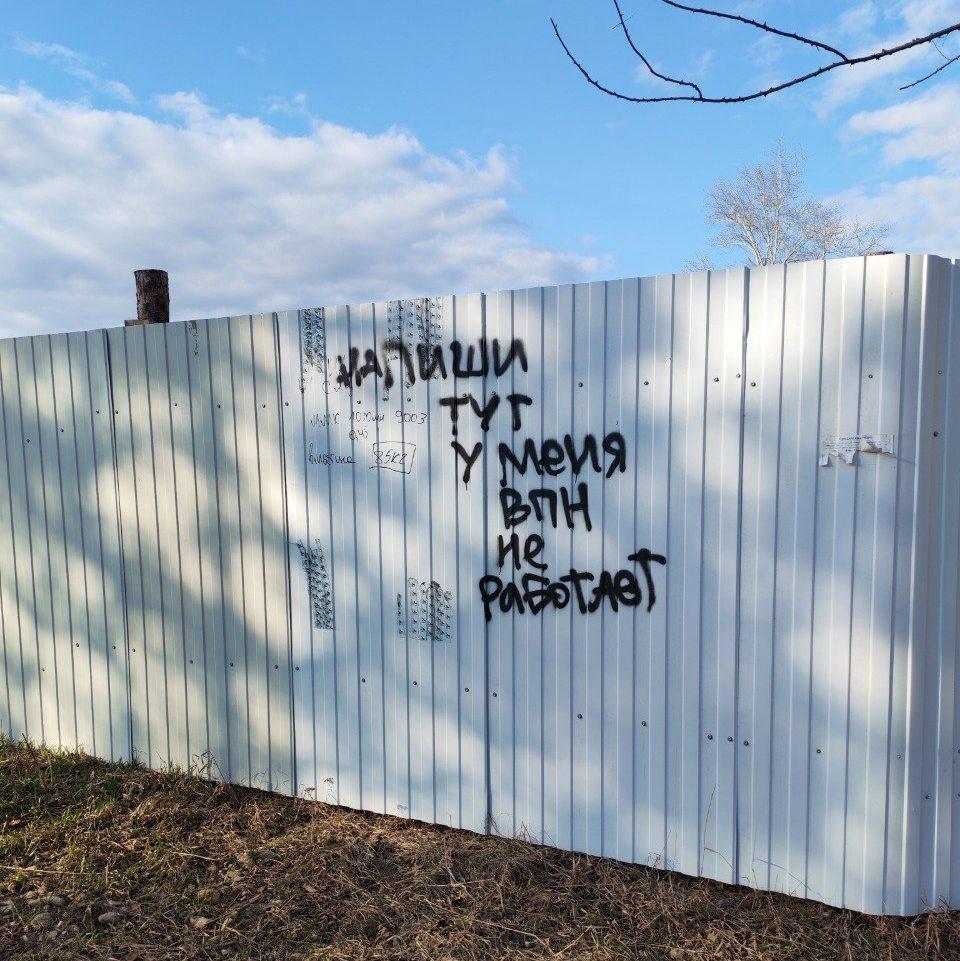
A visual form that has become more popular is memes, where you take a picture and put text on it. The text has become simpler, there are more memes.
The desire for political humor has not disappeared, but the form has changed.
And since 2022, there has indeed been a revival [of the political joke]. New jokes of the classical dialogue structure are appearing - what is called a street joke, a street joke, that is, one that can be retold on the street.
For example, an absolutely terrible joke:
A Russian soldier calls his mother home from Ukraine:
— Mom, I’m in Ukraine. They’re shooting, it’s scary, I’m hiding in the house, it’s such a meat grinder here.
- No need for a meat grinder, just take a blender!
Such jokes reflect this new idea, where the Russian no longer laughs at the scary Putin, trying to understand his motives. In the jokes that you remembered - about Putin and vegetables, for example, Putin is very angry, comparing all his colleagues to vegetables. This is an anecdote showing the inner logic of folklore Putin.
However, there is practically no Putin in the new jokes. He stopped being interesting.
Now the object of ridicule, the object of dialogue is basically such a hipster Russian, a Russian who was for the time being happy with his life, a Russian who was building his own inner good world, a Russian who did not believe that there would be a war.
Like this joke:
- Excuse me, tell me, what concentration camp are we being taken to?
- Sorry, I'm not interested in politics.
— Why did Putin disappear from jokes?
You can put forward different hypotheses, but it seems to me that Soviet and post-Soviet political jokes reconstruct the ruler’s internal logic for the people.
If we look at a series of jokes about Stalin, he is smart and cruel. Brezhnev in jokes is not cruel, he is stupid and completely dependent on his environment, which tells him what words to utter.
Putin is cruel and cynical. These are two of its characteristics.
But, I repeat, in modern jokes the object of hatred has shifted. These jokes, which circulate among opposition-minded people, focus not on Putin, but on those who, in their opinion, are to blame for what happened. The Russians were simply building their [private] life.
My favorite joke from this series is this:
A Russian comes to his friends and tells him that he bought an apartment with Smart Home technology connected to artificial intelligence. There, the lights come on when he even thinks about it, the food is heated when he feels hungry. Everything is great! His friends ask him: “Then why is he so upset?” He replies that yesterday his smart apartment packed all its things and relocated itself.
In this anecdote, the figure of a Russian, an ordinary resident of the country, appears. This has never happened in the entire history of Soviet jokes. There was Rabinovich, but he is not the average resident of the country. Rabinovich is smart, he is a Jew, a representative of a group of the population whose rights are constantly being limited.
—Where are these jokes told, if not on the street?
Surprisingly - on Instagram! Over the past few months, since the end of autumn 2025, I have been observing a trend in which such videos are gaining half a million views and 200 thousand likes.
 More on the topic “Awaken empathy, not hatred”: interview with anthropologist Alexandra Arkhipova about anonymous anti-war art
You and I, Ilya, cannot boast of such views. Here [Ekaterina] Gordeeva brought me almost a million, but my scientific videos get, if I try really hard, 50 thousand views. And this is already a success.
Incomparable to the success of jokes on Instagram. They are, however, very special. For lack of a good expression, I call them the ugly and incomprehensible term “performative jokes.” Well, all scientists love to come up with some kind of crocodile word that is unpleasant even to look at.
A performative joke is a reels, a 40-second mini-film where the plot plays on itself.
Very popular films where a person plays two roles. This is, as a rule, a perplexed Russian and a Russian who understands everything.
And one of the most popular plots of these reels is this:
A simple Russian, who is used to living in comfort, is used to not being interested in politics, asks into the phone: “Please tell me, are you following me?” “Yes,” the voice of a special services major replies from there, “I’m watching.” “Please tell me when my last client appointment for a manicure is, otherwise I forgot.” The voice says: “Your last entry, fool, is at 5 p.m. Only she won’t come, she has problems with her husband. My husband is losing money in his business and is planning to leave.” And he adds: “In general, straighten up, it’s a shame to look at you.”
- It's about a big brother who is watching over you.
Yes, yes, yes. There are hundreds of such reels, and they are recorded by a variety of layers - hairdressers, fashion models, all sorts of beauty bloggers. That is, people who are not labeled as prone to political behavior, so to speak.
- But I went to Anekdote.ru and found quite a lot of jokes about Putin there! I'm surprised that this site even exists, but in first place with 2500 pluses there is such an anecdote, but rather a real story:
Now there is another mess in Israel: riots, shelling, “kasam”, etc. I’m riding in a taxi, and the driver, hearing that I’m talking on the phone in Russian, says:
- Do you know what needs to be done with these Arabs? I have a great idea - to invite Putin to us for a week so that he can restore order here. There is silence in Russia, if we had Putin, there would be silence in Gaza too, no one would dare raise their heads. Putin is not afraid of anyone, one week would be enough for him!!!
To which my friend gloomily remarks:
— Putin doesn’t come for one week...
Firstly, you very correctly said that you were surprised that Anekdot.ru still exists. Secondly, this is really not a joke, but a story. There is a weak pointe here, and in a joke there should be an intersection of two unexpected frames - what is called a pointe.
Thirdly, we don’t know who and for what period put this rating at 2500 pluses, but on Instagram we see how these reels appear, how they compete, how they are liked, how they are viewed, how they are distributed. Of course, someone can read Anekdot.ru the old fashioned way, but this is absolutely nothing compared to what is happening on Instagram.
— Why do people record these reels?
The ability to tell political jokes is somewhat a derivative of your irritation with what is happening. And why is this important? When a person is very irritated by what is happening, he really wants to have allies. Do you agree?
This is such a basic human desire - to find allies. It is very difficult to fight alone. By the way, making people lonely and scared is the main, from a scientific point of view, property of propaganda.
 More on the topic “The goal of the state is not to imprison everyone, but to scare them.” How repression is changing in Russia and why there is so much cruelty in the system - an interview with Olga Sadovskaya
But finding allies is a problem, and this is where humor comes to the rescue. It doesn't matter - memes, performative jokes or text jokes. If you said or wrote something, and people around you smiled, liked, reposted, then this means that they liked it. People will only smile at something that triggers them as much as it triggers you.
Therefore, the worse the situation, the greater the surge of humor, because in this way people look for allies.
— But entrepreneurs don’t make performative jokes about war and repression?
And a conversation with an imaginary FSB officer is not about repression, do you think?
- Not directly, but indirectly - of course, yes. But this is not said directly, which means you won’t get jailed for it, because there is no invoice.
Exactly, you see, this is such a weapon of the weak, it’s like mucus, like a jellyfish that you pick up in your hands, but it floats away through your fingers. It's very difficult to work with this.
The second popular plot of a performative joke is when an average Russian sits and drinks coffee, and the voice of the announcer says that Russians are banned on this day. This is wildly popular now, the main trend of recent months. For example:
A man sits, calls the tax office and says: “You are worried about IP Smirnov. I pay for the air I breathe, but I don't have enough money. Can I breathe air like an individual?” Then he begins an absurd conversation with the tax office, during which he realizes that he cannot stop paying for the fact that he breathes air. And if he holds his breath, then this is a new article.
There are a lot of performative jokes like this, and this is also actually a conversation about repression.
It’s not for nothing that they have now allegedly released a manual that requires people to use the word “ban” less often because too many Russians are irritated by the bans.
“About how they use “clap” instead of the word “explosion.” This is a version of Aesopian language, which, as it seemed to me, is now absent from journalism, although it flourished in Soviet times.
Absent from journalism in exile, in emigration?
- No, we don’t need Aesopian language here... It seemed to me that the Russian media doesn’t have it either, but they simply don’t write about a number of topics, that’s all. But I don't follow too closely.
No, no, no. We need to be closer to the people! For example, in 2023, I remember news from one region - I don’t want to shoot which one now - that a UFO had fallen on the roof of a cowshed.
My eyes widened at first, but further from the text it is absolutely clear that it was a fragment of a drone that hit the barn. Then I contact friends of friends, and they explain to me that, of course, journalists were forbidden to write about drone strikes, and this is how they got out of the situation.
It is clear that everyone will click on the headline about a UFO, an unidentified flying object formally fits the meaning here, and all the details are in the news, but the ban has not been violated.
 More on the topic “People’s discontent that cannot find a way out will try to manifest itself.” Ekaterina Shulman on the Russians’ request for justice
Or, for example, “Fontanka”, if you read it carefully, writes the headlines in my favorite necrosis, but from the text it becomes more or less clear what is happening. This is such a mutation of modern media.
By the way, when I write about this in my telegram channel “(Un)entertaining Anthropology,” readers in Russia begin to scold me and say: “Why are you writing about this, you’re firing at them! Let them write at least this way rather than not at all when they are closed.” Or, for example, I wrote about Kinopoisk, which conveyed the plot of Zvyagintsev’s “Minotaur” as follows: “ The head of the company, Gleb, finds out about his wife’s infidelity at the moment when he is preparing to massively reduce the number of employees .” Again there was a chorus of dissatisfied voices, and I even stopped writing about it.
So Aesopian language blooms and smells. I’ll soon be able to give a master class on Aesopian language, you know?
— It turns out that in Soviet times the Aesopian language was used less? If you have a whole book with jokes about Stalin, but now they don’t directly joke about power. Now they are more afraid than in Stalin’s time, it turns out?
No, they say the word “State Duma,” which it banned.
— Well, the word “State Duma” is not Stalin or Putin.
No, it seems to me that [the Reels] are also quite political. It’s just that when we see a lot of jokes concentrated in one book, for example, mine about Stalin or a collection of Soviet jokes by Misha Melnichenko , then it seems to us that any person then knew all these jokes. But no.
Please note that in 1937 and 1953 people were afraid, but they told jokes precisely because they really wanted to create these chains of their own. And it worked.
 More on the topic “Stalin calls Mikoyan.” What jokes were they imprisoned for in the USSR and why are comedians being persecuted now?
Looking at your stern face, I can’t help but tell a story about 1952. I wanted to write a book, “Under the KGB’s Cap,” about how ordinary people behaved when confronted by the special services, when they were forced to be sexts, when they were being watched. I sorted through the archives for this, but like many other things, it was stopped by the war.
So here it is.
1952 Not a good professor's apartment. The KGB is watching her, and in general it is clear that full-blown anti-Sovietism is thriving there, the KGB officers really want to imprison everyone and disperse them, but the problem is that the owner of the apartment is a war hero and partisan, so reinforced concrete evidence of his anti-Soviet sentiments is needed.
In a complicated way, a young man, a secret agent, is sent there. He is a civilian who is forced under threat to work for the KGB. He meets the owner’s daughter and is invited to a party in this apartment.
Then I read the report of this sexo, let's call him Timofey, about a failed infiltration into a bad apartment. После того, как все поели и выпили, все гости начали по кругу рассказывать антисоветские анекдоты. Он пишет: «Каждый анекдот был ужаснее другого, и все смеялись, а я не смеялся. И когда дело дошло до меня, все на меня посмотрели с подозрением, спросили: «А ты какой последний анекдот слышал?» Я не смог ничего рассказать, и меня попросили уйти.
Этот хороший мальчик из хорошей семьи не знал таких анекдотов и в результате показал, что он настолько не свой, что ему пришлось уйти.
Так выстраивают сети своих, и именно поэтому анекдоты были так популярны в страшные годы режима. Именно поэтому люди такой юмор распространяют в Инстаграме.
— Инстаграм – это публичное все-таки пространство. Вот вы упоминали комиков, а Артемия Останина недавно посадили за шутки, которые не кажутся очень крамольными и страшными. Зачем его отправили в тюрьму, если есть куча шуток более острых в Инстаграме, где при желании можно найти авторов.
Думаю, дело не в комике как таковом, а в наличии у него аудитории. Если он комик и стендапер, рассуждает условный мозг репрессий на Лубянке, значит у него есть аудитория, которая будет ходить на его концерты, которая подписана на его странички в соцетях. Такого человека надо запугать или элиминировать, в любом случае притушить публичные выступления.
Что касается Инстаграма, то с этим все сложно, потому что количество преследований за Инстаграм крайне низкое. Дело в том, что [силовикам] очень сложно работать с видео! Представьте себя на месте полицейского, которому пожаловались на ролик в инстаграме. Это надо установить кто автор, что уже сложно, потому что компания Meta тебе эти данные не выдаст. Значит нужно проводить специальные розыскные мероприятия, выясняя, кто скрывается за этим ником. Если даже установил, то видео придется отдавать на экспертизу, которая должна доказать, что тут есть что-то неправильное, а если она это нашла, то нужно доказать, что кто-то был оскорблен, и для этого как раз и нужны доносчики.
В общем преследовать за высказывания в Инстаграме можно, но сложно.
Так что у современных репрессий есть два способа. Первый: силовики идут от конкретных людей — активистов, журналистов, тех же комиков — которых хотят убрать или притушить из-за того, что они делают.
Второй: это рандомные репрессии, для которых хороши мониторинг Центра «Э» и доносы граждан. Мониторинг Центра «Э» работает только с текстовыми площадками, которые предоставляют данные. Это «Телеграм» и «Вконтакте», который по прежнему впереди планеты всей по посадкам. Видео очень плохо мониторится,поэтому дела по Инстаграму — это заслуга неравнодушных граждан, которые наделали скриншотов и принесли их в полицию.
— Может, это субъективное ощущение, но кажется, что про Сталина смешнее шутили.
Когда анекдот долго вращается в устной среде, он оттачивается и проходит эволюцию, конкурируя с другими похожими анекдотами за выживание. Он должен быть идеально отточен, каждое слово должно быть на своем месте, он должен быть ни коротким, ни длинным, а иначе его не будут рассказывать.
Некоторым анекдотам на самом деле по тысяче лет! Например, знаете выражение: «Пойди докажи, что ты не верблюд»? Оно восходит к анекдоту из начала советской эпохи:
ВЧК останавливает на границе с Финляндией лис и спрашивает «Вы куда вы бежите?» Те отвечают: «Мы бежим, потому что ВЧК арестовывает всех верблюдов». «Так вы же лисы!» «Да пойди докажи это ВЧК» — отвечают они.
Если копать дальше, то выясняется, что этот анекдот встречается в мидрашах, комментариях к Торе, а самая ранняя фиксация этого анекдота — это Персия, XI век. И он ложится на любую острополитическую ситуацию.
Так вот, когда мы смотрим рилсы, о которых я рассказываю, мы хохочем в голос, но их сложно пересказать. потому что это видео.
Перестали существовать отточенные в устном пересказе короткие истории с блестящей концовкой. Когда я публикую анекдоты о Сталине, то я их не отбираю, но они уже прошли эволюционный отбор и кажутся дико смешными. А истории на «Анекдоте.ру» не кажутся смешными, потому что они только начинают этот отбор.
— Но я уже и про войну как раз прочитал несколько шуток, и они мне показались достаточно отшлифованными. Вот одна:
Россияне думали, что идут на украинскую землю, но их предупреждали, что не «на», а «в».
Мне кажется, достаточно смешная.
Шутка смешная, но, опять же, обратите внимание, она не диалоговая, и вы явно ее читали с экрана. Ее устно довольно сложно запомнить. Такое есть, конечно! Если вы полистаете огромное собрание советских анекдотов Миши Мельниченко, то там удачных анекдотов тоже не очень много на самом деле, даже при том, что они проходят этот эволюционный отбор.
Шуток про войну или про Путина — очень мало. Даже среди этих разыгранных сценок в Инстаграме. И тут вот в чем на самом деле зарыта собака. Любая юмористическая форма должна строиться на нарушении, на каком-то когнитивном диссонансе, на столкновении двух невозможных вещей.
 Ещё по темеЮмор «русских висельников» в 2022 году: как изменились анекдоты и шутки после 24 февраля
В 2022 году война была таким нарушением, и поэтому про нее были анекдоты и шутки, и ужасные высказывания, и все прочее. Но постепенно она стала нормальностью, про которую даже говорить нельзя, ведь мы все знаем, что за эти высказывания прилетает. Особенно хорошо это знают люди, остающиеся в России.
А юмор, он возможен тогда, когда есть столкновение с чем-то новым. Оно для воображаемой группы, к которой принадлежит рассказчик, невозможно, и поэтому надо высмеивать. Сейчас этим новым оказались блокировки интернета, запреты мессенджеров, бесконечные запреты вообще всего, повышение цен, грабительские новые налоги, бесконечно сваливающиеся со всех сторон и прочее, прочее, прочее.
Это не значит, что аудитория в Инстаграме и ТикТоке не знает про репрессии политзаключенных и войну. He knows. Но это уже является новой нормальностью, которая уже сложилась.
— Я хорошо помню ролик из КВН 2013 года, где на мотив Queen поют: « Дороги в стране, Как машины в стране, как и зарплаты, футбол, ЖКХ и конечно, кино… — Говноооо». Что-нибудь смешное из КВН вообще за годы войны приходило?
КВН – это одобряемый юмор. Из студенческого мероприятия КВН превратился в… XV век, Западная Европа, выходят шуты и перед королем они очень злобно высмеивают придворных. Их не казнят, потому что в этом их задача.
— Но такой скетч про «говно» вряд ли сейчас возможен.
Why not? Такая карнавальная форма юмора вполне существует. Осмеяли власть имущих — и как будто все хорошо. Так это и будет существовать.
— А вы же еще страшными историями занимались . В них война проникает?
Это как раз средство немедленного реагирования. Вот, например, был налет дронов на Москву и Подмосковье в ночь на 17 мая. Утром уже по всем чатикам расходилась увлекательная история о мальчике, который в детском саду рассказал своим друзьям, что его мама с папой играют в самолетики по ночам, а ему не дают.
Он рассказал воспитательнице, та оказалась прозорливой и пошла с этой историей в ФСБ. Те пришли в гости к мальчику и обнаружили, что родители собирают дома дроны. И эту историю утром 17 мая бодро рассказывали друг другу москвичи и жители Подмосковья при обсуждении вопроса, откуда прилетают дроны.
Ведь последние несколько лет, и особенно последние месяца-два, когда бомбят крупные города России, люди рассуждают, что дроны запускают какие-нибудь враги рядом сидящие: цыгане, бомжи, или, как в этой истории, просто какие-то враги внутренние.
Why is this happening? А из-за этого самого когнитивного диссонанса. С одной стороны, власти говорят: Украина слабая, мы ее вот-вот победим, вы в безопасности, спите спокойно. Такой был общественный договор прямо с самого начала войны: никакой войны нет, спите спокойно, сидите в ваших рестиках, все хорошо.
А тут дроны прилетают, и по дому соседнему ударило. How is that? Этот когнитивный диссонанс, и его надо как-то объяснить. Человеку оппозиционных взглядов просто жить, а у человека не оппозиционных взглядов мозг занимается тяжелой когнитивной работой, чтобы эти вещи как-то примирить.
Примирением является убеждение, что на самом деле это не Украина выпускает дроны, а это внутренние враги выпускают дроны. Жители одного подмосковного города тут же начинают винить соседний подмосковный город, что оттуда летят дроны. И это чудовищно сильно распространено — так и возникают городские легенды, понимаете?
- Understand! Еще я в вашей книге прочитал, что в советское время словосочетание «рассказчик советских анекдотов» стало таким же клише, как «вредитель» или «фашистский наймит», а сейчас такого не происходит.
Но зато у нас есть другое клише — блогер. Когда власть имеющие говорят «эти блогеры пишут», то это такое же клише, понимаете? Они производят тексты, которые нам не нравятся — клевещут, порочат, они враги. Это присутствует.
— Ну просто хочется сравнить то время с нынешним, и кажется, что происходит что-то похожее, но, видимо, все-таки не совсем.
Это вам, Илья, хочется, чтобы было похоже, и 90% ваших зрителей и читателей тоже хочется, потому что людям проще понять, что происходит кругом, когда говоришь: «Мы живем в 37-м году». Значит впереди нас ждет вот это и это. Люди все время впадают в этот грех возвращения себя в некоторые исторические периоды и сравнения с ним.
Но нет, мы не живем в 1937 году. Какие-то вещи похожи, какие-то вещи нет. Социальную эволюцию никто не отменял. В конце концов, нас с вами еще не расстреляли.
— Ну, мы-то далеко от России.
Ну, могли бы расстрелять и раньше.
— Слава богу, что не расстреляли. Надеюсь, до этого не дойдет. Хотя не знаю, что лучше: сидеть 20 лет или расстрел.
Сейчас рисунок репрессий — совсем другой. Понимаете, ваши вопросы связаны, собственно, не с анекдотами. При товарище Сталине, к которому вы все время апеллируете, репрессии были завязаны на принадлежность к группе. Троцкистов, кулаков, какими бы воображаемыми они ни были. Членов семей бывших дворян, священников и членов их семей, крестьян с территории Польши или Литвы.
Понятно, что это сверху украшалось, как торт розочками, и если человек случайно рассказал какую-нибудь антисоветскую крамолу, его тоже репрессировали. Но в основном репрессии касались групп, поэтому в те времена были массовые тоталитарные репрессии.
В России сейчас информационная диктатура, не тоталитаризм. Это значит, что репрессируют очень маленькое количество людей за принадлежность к группе. Разве что про журналистов можно такое сказать.
В остальном репрессии — рандомные. То есть ты можешь написать «нет войне» или вообще быть антивоенным поэтом и жить в России, и ничего тебе не прилетит, слава богу. А можешь лайкнуть какой-то пост, сидя в Усть-куте, и тебе прилетит.
Вот когда у тебя репрессии массовые, как при товарище Сталине, то нужно быстро рассматривать дела. Кроме специальных троек тебе нужны быстрые формальные основания человека упечь за три минуты. Антисоветский анекдот? Ну пошел!
— Потому что очень сложно, мне кажется, организовать сейчас такие массовые репрессии, как при Сталине, и чтобы всех запугать используется менее ресурсозатратный, но эффективный способ.
Это правда, но кроме этого в России еще клапан открыт, потому что всегда можно уехать.
— Уехать, может, и можно, но что там делать непонятно. Многим все равно придется возвращаться.
Это вы зря так говорите. Ситуативная депрессия страшно контрпродуктивна. Это, собственно говоря, то, чего от нас власти и хотят: чтобы мы накрылись одеялом и медленно ползли в сторону кладбища.
Но мы же не будем ползти в сторону кладбища, правда? Мы же будем более оптимистичны?
— Ну да, вот видите, и тему для разговора подобрали веселую! Про юмор!
Вы даже во время интервью три раза улыбнулись, я считала.
— Значит, хорошее настроение. Спасибо вам за него!
Илья Азар