
Translated material
Gang Tsapkov: the beginning
The Tsapka brothers created one of the most brutal gangs in Russian history. Visitors to their “rocking chair” were forbidden to drink and smoke, but they were allowed to rape and beat students and attack residents of neighboring areas. Soon the street punks turned into a serious gang, and some of its members became respected businessmen and officials. They received unlimited power over a large and prosperous region in the Krasnodar region. In 2010, gang members killed 12 people, including four children. And then the whole country learned what had been happening in the quiet village for many years. The first part of the history of the Tsapkov gang is in the material “Cold” .
They kept the whole city in fear for more than 10 years. But they were taken up only after the massacre, which hit the central media 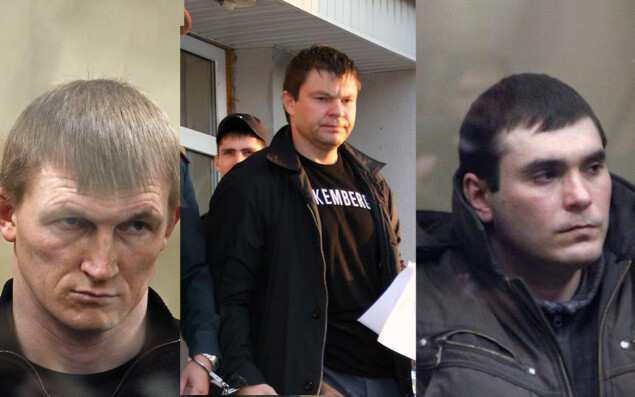
On November 5, 2010, special service vehicles arrived at the house of the Ametov family in the village of Kushchevskaya, Krasnodar Territory: police, criminologists, and the investigative committee. Local residents crowded behind the cordon were whispering: there was a rumor that a gas boiler had exploded in the house, a fire started and all 12 people who were inside were burned alive.
The night before, guests gathered in this house on Zelenaya Street, owned by local farmer Server Ametov. In honor of National Unity Day, Ametov's wife Galina set a large table. A family friend, financial director of a large company, Vladimir Mironenko, came from Rostov-on-Don with his five- and one-and-a-half-year-old daughters, his wife and her elderly parents. A neighbor from the house opposite, Natalya Kasyan, came with her 14-year-old son Pavel. The Ametovs’ daughter-in-law, 19-year-old Elena, was also there with their nine-month-old daughter Amira.
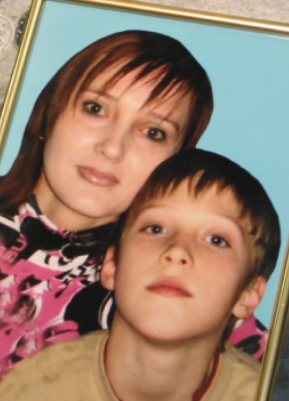
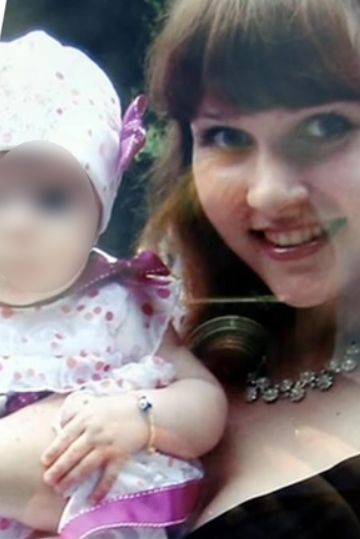
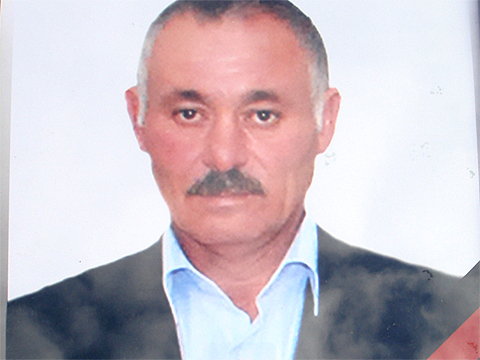
Experts working on the spot recorded three independent fires . But due to the fact that the windows and the front door were tightly closed, the fire died out due to lack of oxygen. However, the first floor was damaged quite badly. It was there that 10 bodies were found in the living room, and two more in the bedroom. However, it soon became clear that people did not die because of fire or smoke.
The bodies of the victims were cut up: 18 stab wounds were found on Galina, and seven stab wounds were found on the body of 14-year-old Pavel. Mironenko’s young daughters had severe head injuries, and marks were also found on their bodies, as if someone had strangled them. The youngest girl, nine-month-old Amira, died from carbon monoxide poisoning, but she also showed signs of beatings.
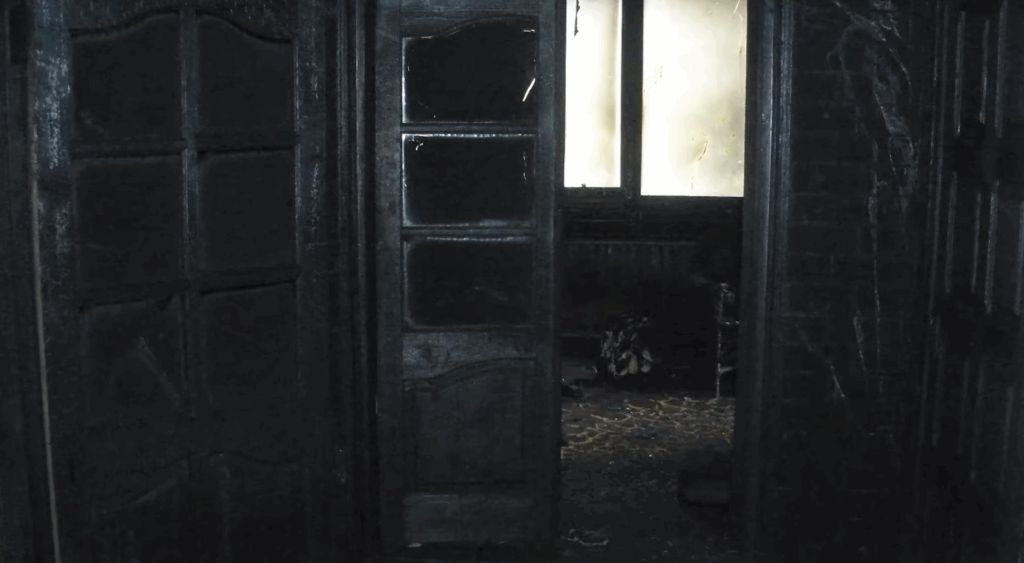
Almost immediately the theory of robbery was dropped: no valuables were missing from the house. The scene of the crime was similar to a massacre - or execution. The body of the owner of the house, 51-year-old Server Ametov, was found with a broken jaw, broken ribs, a broken head and stab wounds. Judging by the nature of the injuries and the position of the bodies, he was dealt with last and could have been forced to watch his family and friends die.
Investigators who arrived in Kushchevskaya had to figure out what happened in the house. But local residents already guessed who was behind this crime. In just a few days, the names of the killers will thunder throughout the country and will remain on everyone’s lips for many years.
Uncle Kolya
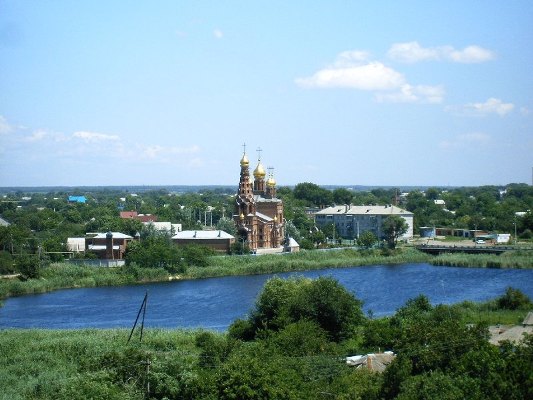
Stanitsa Kushchevskaya is the administrative center of the district of the same name in the Krasnodar Territory. It is located approximately 80 kilometers from Rostov-on-Don and 200 from Krasnodar. About 30 thousand people live in Kushchevka.
The economy of the region has always been tied to agriculture: animals are raised there, and wheat, corn, barley and other crops are grown in the fields. In the early 2000s, the Kushchevsky district ranked second in the region in terms of economic indicators. At the same time, a 17-meter “singing fountain” was built in the center of the village. And in general, there is everything for a good life: a swimming pool, a cinema, parks, cafes, schools, kindergartens, a medical college, a vocational school and the North Kuban Institute of Humanities and Technology, which in 2014 began to be called a college.
In the 1980s, when this story really began, almost all the land belonged to the state and was divided between collective farms and state farms - large collective farms. There were no private enterprises, people worked on state land, and in order to feed themselves, many gradually “carried” meat, grain and vegetables home from work. At that time, local resident Nikolai Tsapok, whom everyone would later simply call Uncle Kolya, organized the purchase of meat from state farms. According to the former head of the Kushchevskaya police, before this Tsapok was a “katala” - that is, a card sharper.
In 1986, the Soviet Union passed a law on self-employment, followed by legislation on cooperatives over the next couple of years. This opened the way for massive private business. Then Nikolai opened the production of car moldings, which were fashionable at that time - rubber linings for the body.
Things went well: according to Novaya Gazeta, the new product was distributed throughout the country. The proceeds needed to be invested in something, and the Tsapki - Nikolai and his brother Victor and his wife - bought a small plot of land on Chernomorskaya Street. A gym was built there, where his nephews Nikolai and Sergei, the sons of his brother, spent a lot of time.
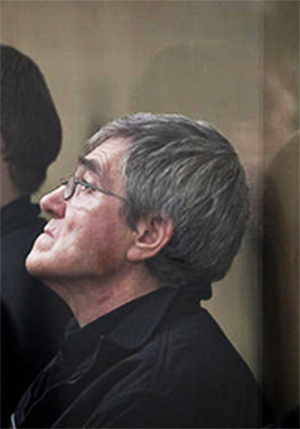
When Nikolai's son died of diphtheria in 1991, he turned all his attention to his nephews. According to the recollections of the village residents, the boys literally grew up in that gym. Gradually, a company of local youth began to form around the brothers - strong, aggressive young people.
At that time, they were considered ordinary bastards who provoked street fights and bullied passers-by.
Gym
As Novaya Gazeta journalist Elena Kostyuchenko, who visited the village in 2010, wrote , the gym soon became a meeting place for young people who were united by common interests. In total, about 30 men went there.
Journalists wrote that they had nationalist views, but now it is difficult to say how much this determined their actions. It is known that Crimean Tatars lived in Kushchevskaya - most often they settled in the area popularly called “Budenovka”. Young people from different areas were at odds, dividing the territory and, as local residents recalled, going to fight “wall to wall.” Server Ametov, the same one whose house would burn down in 2010, also took part in such skirmishes in his youth. He was just a Tatar from Budenovka. But Ametov quickly stopped fighting - while still young, he married a Russian girl, Galina, and they had a son and a daughter.
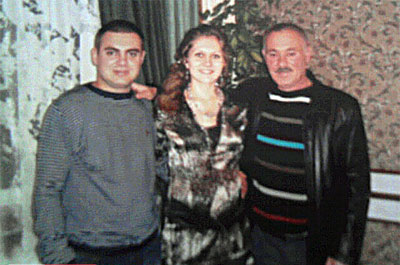
Kostyuchenko claimed that the young people who gathered in the gym paid special attention to orphans who studied at local vocational school number 55. They met the orphanage residents, took them to cafes, protected them from offenders, and taught them to “rocking chairs.” So they got new “sixes”.
The deputy director of the school said the following about the situation: “We have a special contingent, mainly children from low-income families. There are 390 children in total, including over 50 orphans, who have it the worst of all. A car without license plates pulls up, picks up the boys, and takes them somewhere. The briefcase is lying there - the student is not there. They bring us, we hear that they were given a task: to remove the garbage, dig a cellar, unload the furniture. Our orphans guarded the Tsapkov house, their currents and fields were guarded. They refuse to write statements - they are afraid. It happened that children dropped out of school after studying for only a few days. And they left without explanation..."
By 1993, when Nikolai Tsapko, Uncle Kolya’s nephew, turned 18, he became the de facto leader of the rapidly growing group.
Members of the local criminal community, in conversations with Novaya Gazeta, described him as a man “cruel, in excellent shape and absolutely without brains.” Nikolai dreamed of becoming a “thief in law” - that is, the criminal elite.
What is a “thief in law”? The concept of a “thief in law” arose in the pre-war USSR. These are people who unquestioningly comply with the “thieves’ law” - a set of unwritten rules of the criminal world, the so-called “concepts” that regulate all areas of life, including conflict resolution and financial management. The “law” also has more specific rules: for example, a thief in law must live modestly and not cooperate with the authorities. By the time the Union collapsed, these “concepts” were blurred and thieves became active economic and political players.
In Soviet times, thieves in law were famous for their strict rules: for example, living modestly and not cooperating with the authorities. But by the time the Union collapsed, these “concepts” were blurred and thieves became active economic and political players.
The younger Tsapok, Sergei, was initially on the sidelines in the local criminal hierarchy. However, even from adolescence he had an aggressive character. A local school teacher recalled in an interview that Sergei “studied poorly, he got straight C’s,” but even then he “showed signs of cruelty and unbridledness.”
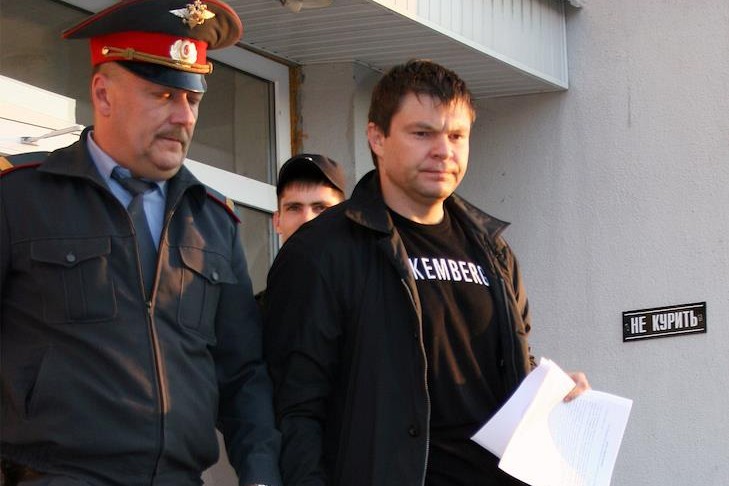
By 1998, the core of the gang had formed. They called Orthodoxy, nationalism and sports their values. Men in the gang were forbidden to drink alcohol or smoke, and had to train every day.
Moreover, they were trained by instructors whom the Tsapkas sent from Rostov-on-Don. Journalists who were then interested in organized crime groups and retold rumors, among other things, wrote that they were supposedly some kind of special forces. It is now impossible to find these special forces soldiers or to confirm their existence in any other way. However, it is known that these people trained young members of the group in hand-to-hand combat and taught them how to properly rip open the enemy’s stomach. According to Moskovsky Komsomolets, during training, group members cut each other with knives in order to “get used to the pain.”
Bandits
Later, during the investigation and trial, journalists described some of the most famous members of the Tsapkov gang. The total number of members, according to Novaya Gazeta, reached 150 people.
About Vladimir Alekseev, nicknamed Vova Bespredel, born in 1980, the Tsapkovskys themselves allegedly said that he was “like Dima Bilan.” The media, however, described him differently: he weighed 100 kilograms and, according to local residents, in a bad mood he could go into the center of the village with a bat and “destroy everyone he met.” Novaya Gazeta wrote that he set a “record for the region”: he received 11 allegations of rape in one day. Now it is impossible to verify information about multiple rapes, but we will return to the topic of sexualized violence. It played an important role in this story.
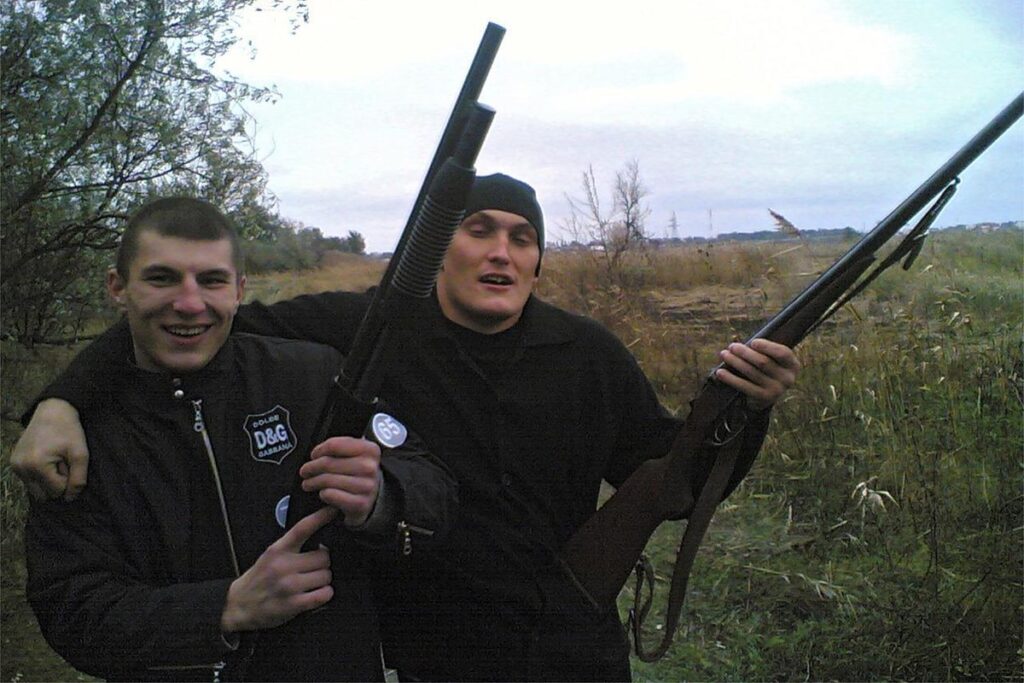
Journalists gave Sergei Karpenko, nicknamed Reece Jr., the following description: he had been in a gang since he was 15 years old and, weighing no more than 75 kilograms, could spar on equal terms with a hundred-kilogram Mayhem.
Vyacheslav Ryabtsev, nicknamed Buba, born in 1979 , was described as silent but cold-blooded. Novaya Gazeta quoted the following description: “He can come up from behind and quietly cut his throat.” It is known that he was fond of football.
About Andrey Bykov, nicknamed Bull, born in 1979 , Moskovsky Komsomolets journalists claimed that he grew up in a dysfunctional family, but he was allegedly literally picked up from the stairs by the mother of the gang leaders, Nadezhda Tsapok. She bought him clothes and stood up for him when they wanted to expel him from school. For this, Bull was betrayed to the gang. He was called “the strongest after Tsapok.”
Igor Chernykh, nicknamed Amur, born in 1965, stood out from the crowd. The media wrote about him: “Long, dead, awkward... a drug addict with many years of experience.” He allegedly drove a rusty car to buy cannabis. He had a prison sentence behind him, but for what - it is unknown. According to some reports , Cupid trained gang members in knife throwing.
Conflict with the "Tatars"
Sometimes the group organized trips: armed with chains, clubs and knives, the “tsapki” patrolled the areas of the village where their enemies lived, whom they collectively called “Tatars.” Those were forbidden to appear in the center of the village. Journalists wrote that the situation became tense due to a story that occurred in 1997.
Then two young men from the gang accosted Server Ametov’s son, Jalil. Ametov Sr. was actively involved in business in the 1990s: at first he bought and resold grain and vegetables, and later bought land and equipment and became a farmer.
The Tsapkovskys demanded from Jalil, who was about 16 years old at the time, a tribute for the right to meet the girl “problematically” - an amount today equivalent to approximately 11 thousand rubles. Jalil beat them. Some time after this, Nikolai Tsapok told the gang members: “The Tatars will not live in Kushchevka.” In addition to Jalil himself, all his friends, and then all the residents of his neighborhood, became enemies.
Tsapki gained more and more power. As journalists wrote , the gang maintained connections with larger criminal organizations and made contributions to the common fund. In addition, she began to control the flow of soft drugs through the area and began to “protect” dealers in illegal alcohol - “alcohol dealers.” In April 1998, with the support of the Krasnodar thief in law Volchok, 22-year-old Nikolai Tsapok was appointed “supervisor” of the Kushchevsky district.
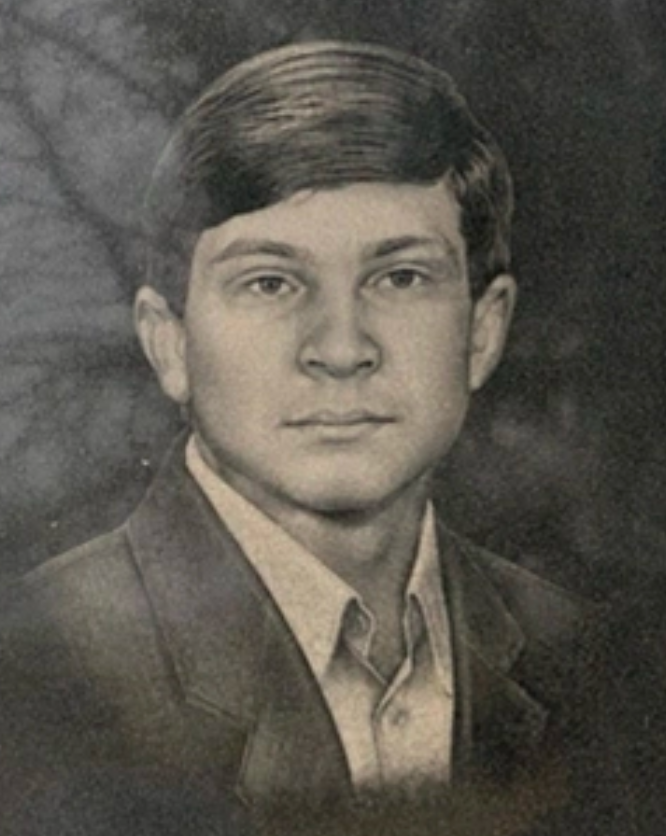
Journalists wrote that at the turn of the 2000s, the gang finally believed in their invulnerability, and the spiral of violence began to unwind more and more.
It is important to say that the media that wrote about Tsapkov’s gang often presented everything as a continuous story of criminal success and escalation of violence. The reality was probably more complicated. According to the recollections of the former head of the Kushchevsky district police department, in 1998 he “gave the order to react in the most severe manner to any attempt at racketeering,” and after that “the Tsapkovskys left the area and hid for several years in the Rostov region. The slightest attempt to return - and they came under severe pressure.” However, it is possible that he embellished: the decisive struggle with the Tsapki, apparently, lasted only a few months. And the residents of Kushchevskaya, who spoke with journalists, did not remember such a period at all.
"You, you and you - you will come with us"
When a resident of the village, Ekaterina Semenenko, was 16 years old, she began dating one of the ordinary members of the Kushchevskaya gang. As she herself said, there were “six” of them. When he went into the army, Catherine began to wait for him. Soon, one of his friends intimidated Catherine into having sex with him. “Basically, he took my virginity. And when my beloved man came home from the army <…>, this same one told him everything. Then he beat me for the first time, forced me to sleep with this same friend right in front of him. He put up a chair, actually sat down and looked at it,” she said .
A week later, Catherine’s boyfriend decided to “share” her with other friends. After that, when the girl tried to cut her wrists, her parents panicked and went to the police. Then the former lover began to watch her at the house, swore his love, and promised to take her away from the village. She took the application back.
But the story didn't end there. Life in the village became unbearable for her. As Elena Kostyuchenko wrote , girls who suffered from sexualized violence—and Ekaterina was not the only one—in Kushchevka were called “waste”: the shame fell not on the rapist, but on his victim. This happened with Catherine.
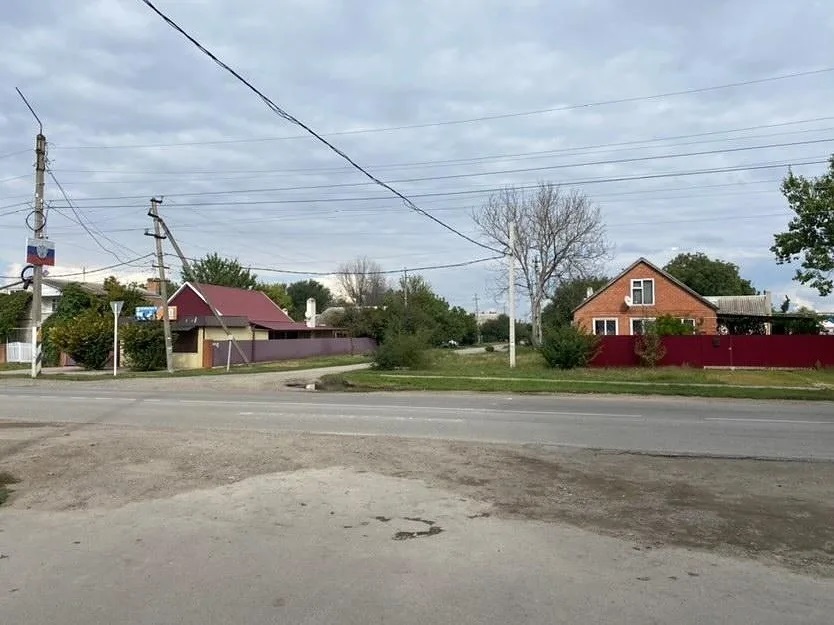
Years later, she recalled those events in a conversation with journalists: “They could shout to the whole street: “Hey, you there, whore, scum. Go, you will suck.” They didn’t keep it a secret that “we let this girl go around in circles, ha ha ha.” All of Kushchevka probably knows about this. They ruined my life."
As journalists wrote , there were dozens of stories like Catherine’s in Kushchevka. Students of the local medical school suffered especially. Of the 400 students, 350 were girls who came from the surrounding villages. We can no longer verify many details, but the media wrote that the Tsapkovskys were literally hunting for them: they caught them on the streets, waited at the gates, took them from discos, broke down doors in their rented apartments.
Elena Kostyuchenko cited in her report the following quote from a college teacher: “Here is our park - the guys drive around it as they want, they see a girl - and they cross... And when Kolya was alive, they went to the school as if it were their home. They open the door with their feet and walk down the corridor. They look into classrooms, looking for who they need. Or simply, with a finger: you, you and you - will you come with us.”
One of the few who challenged the gang was the rector of the North Kuban Humanitarian and Technological Institute Galina Kroshka. In 2005, she supported her students who decided to write a collective letter addressed to the governor, prosecutor and head of the regional police department. 170 people signed it and it was published in the media. It spoke for the first time about beatings and robberies associated with Tsapki. An inspection came to Kushchevskaya; criminal cases were opened against several police officers for abuse of official powers.
However, Sergei Tsapok remained free, and just four months later, the Regional Department for Combating Organized Crime under the leadership of Alexander Khodych, Tsapok’s godfather, began collecting materials that formed the basis of the criminal case against Galina Kroshka.
The baby was accused of forging documents and sent to a pre-trial detention center, where at the age of 44 she suffered her first stroke, and after some time the second. Her daughter Evgenia later spoke about her mother’s fate: “The judge ordered my mother to undergo a repeat comprehensive inpatient forensic psychiatric examination at the Serbsky Institute. A mental disorder was discovered there <…>. But the documents from the Serbsky Institute were not important to the judge. The preventive measure against my mother remained the same - detention. They mocked her in a sophisticated and purposeful manner for the edification of others.”
“Everything, Slava, we’ve finished the game”
By 2000, Tsapki was firmly involved in the agricultural business. They received management of the assets of the largest agricultural enterprise in Kushchevka, the Stepnyansky state farm. Moreover, with an obligation to pay off his debts. However, as Kommersant wrote , a member of the group later testified that its leaders, together with their accomplices, began to put the proceeds into their pockets, in no hurry to pay creditors. How true this is is now difficult to say - when the authorities tried to conduct an audit and terminate the deal, the state farm’s documents mysteriously burned. And the head of the Kushchevsky district was shot - his murder has not yet been solved.
Over time, Tsapki received millions in soft loans for the development of the enterprise and began to expand. The media claimed that about two-thirds of the village's population worked for the state farm. So the Tsapki gained almost unlimited power over the population - where else would you go to work if you were fired?
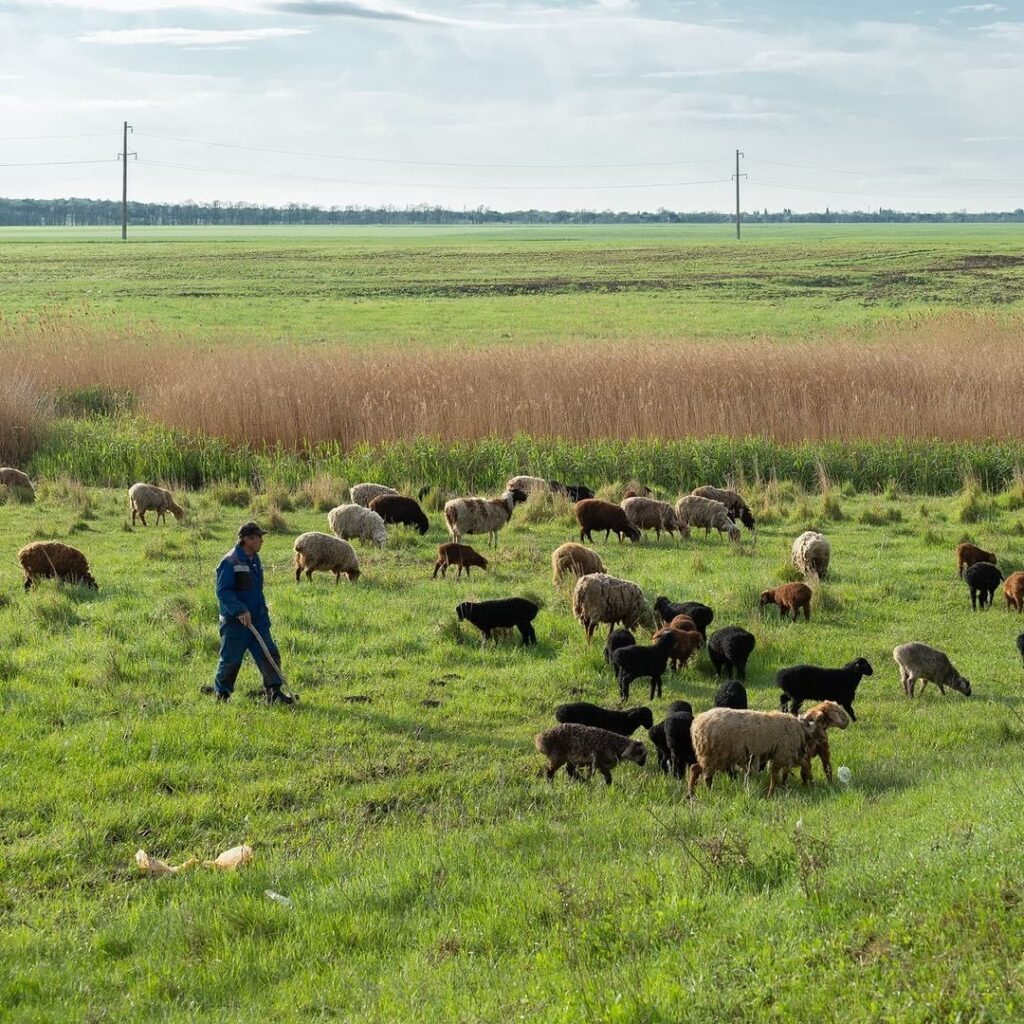
The average salary at the enterprise was 15 thousand rubles. For comparison, at that time the salaries were as follows : in agriculture - a little more than 4.5 thousand, in mining - about 23, in the country as a whole - 10,700. Because of this, journalists called the Tsapkov philanthropists and the best farmers of the region.
In October 2002, the leader of the organized crime group, Nikolai Tsapok, announced to his “friends” that he would soon be “crowned” as a thief in law. It is not known for sure whether he was really going to be “promoted” like that. In any case, his plans were not destined to come true. Five days later he was killed.
Years later, his mother Nadezhda said that that day Nikolai was at the gym, then getting ready to go home, but stopped at a grocery kiosk. There his friend Vyacheslav Ryabtsev, nicknamed Buba, approached him. And at that moment, a masked man shot through the glass from the kiosk.
However, Ryabtsev, who described in detail everything that happened in his diaries (they were then published by Novaya Gazeta), gave a slightly different version of events. According to him, Nikolai entered the stall because a girl with whom he was allegedly in love worked. Ryabtsev was driving past and saw Tsapok’s car at the kiosk, remembered that he owed him 500 rubles and decided to stop to give him this money. That's when the shooting started.
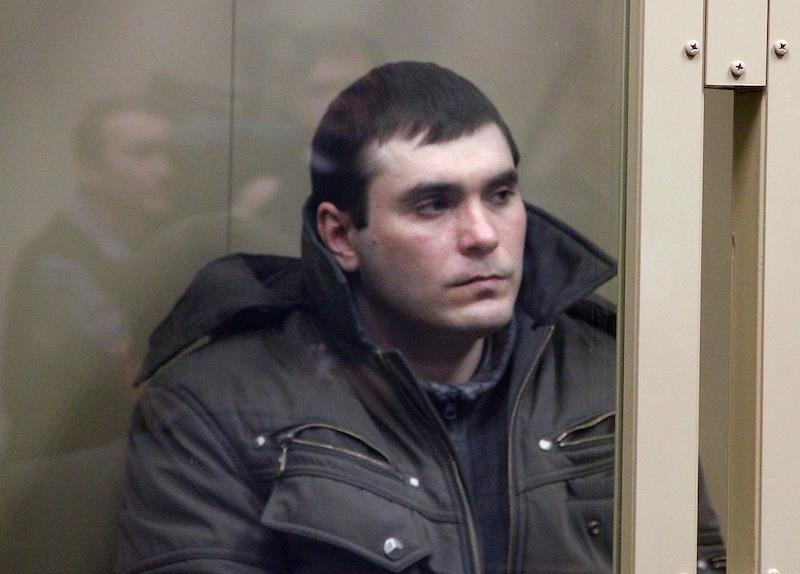
“In my peripheral vision I see: Nikolai is standing on his feet, but holding his stomach: “That’s it, Slava, we’ve finished the game, this is the end.” He left the stall and sat down near a tree. <...> I somehow immediately reconciled myself, there was such weakness in my body, warmth in my chest - probably bleeding. I think to myself: well, that’s all,” Ryabtsev wrote in his diary.
Ryabtsev himself survived, but lost part of his lung. And Tsapok died on October 31, 2002 in a Krasnodar hospital without regaining consciousness.
“He came to tell me to keep quiet”
The death of Nikolai Tsapok changed the balance of power in the gang. The brothers’ mother, Nadezhda Tsapok, a woman with an iron grip who was feared in the village no less than her sons, accused the group’s founder, Uncle Kolya, of poor leadership. And she decided that from now on she would manage the family’s affairs herself together with her youngest son Sergei.
He wanted to find and punish his brother's killers. He was literally obsessed with this idea. The main suspect for him was the local farmer Server Ametov, with whose son the Tsapkovskys once had a conflict, and his son’s friend Leonid Kadyan, who served as an auto mechanic in one of the military units of the region. Sergei Tsapok did not have evidence, but he did not need it.
However, one of the first high-profile murders was another one - Valery and Roman Bogachev. As Olga Bogacheva, a resident of Kushchevka, told journalists of the “Base” project, in the early 2000s she and her husband Valery had a business: they owned agricultural land, and then bought several helicopters for chemical treatment of fields.
Bogacheva estimated their fortune at about three million dollars. At some point, Sergei Tsapok demanded to pay tribute, but the Bogachevs flatly refused. Shortly after this, on September 16, 2003, Valery Bogachev and his son, 20-year-old Roman, were shot right in the courtyard of their house. Both died in hospital. The day before, the family was preparing for the wedding of their second son, and there were already tables and canopies in the yard - as a result, they had to be used for the wake.
Sergei Tsapok and Byk came to their funeral. But, Bogacheva believes, definitely not to express condolences.
“There were coffins on the platform, and I was sitting between them,” she recalled . “He laid flowers and looked at me. You see, he did not look at my husband or my son. He came to tell me to keep quiet. I was silent. I already had to leave with my youngest son. Я полгода здесь не жила, потому что понимала: пока все не разделят, мне не надо тут быть. Опять же поняла как? После похорон мне нужно было на фирму <…>, я поехала. А бухгалтер мне говорит: “Ольга Николаевна, у нас ни компьютеров, ни документов, одни скрепки в столах лежат”».
Из дома тем временем пропали документы на пять вертолетов. Сразу после этого бизнес Богачевых искусственно обанкротили: якобы нечем платить по долговым обязательствам. Как говорила Ольга, дело об убийстве мужа в итоге закрыли из-за недостатка улик. Вероятно, речь идет о приостановлении следствия в связи с тем, что убийцу так и не нашли.
Депутаты и меценаты
В это время Вячеслав Рябцев по заданию Сергея Цапка долго следил за другом семьи Аметовых Леонидом Кадяном. В 2006 году Цапок поручил Рябцеву убить Кадяна и отправил с ним для подстраховки одного из своих самых жестоких и преданных боевиков — Андрея Быкова по прозвищу Бык.
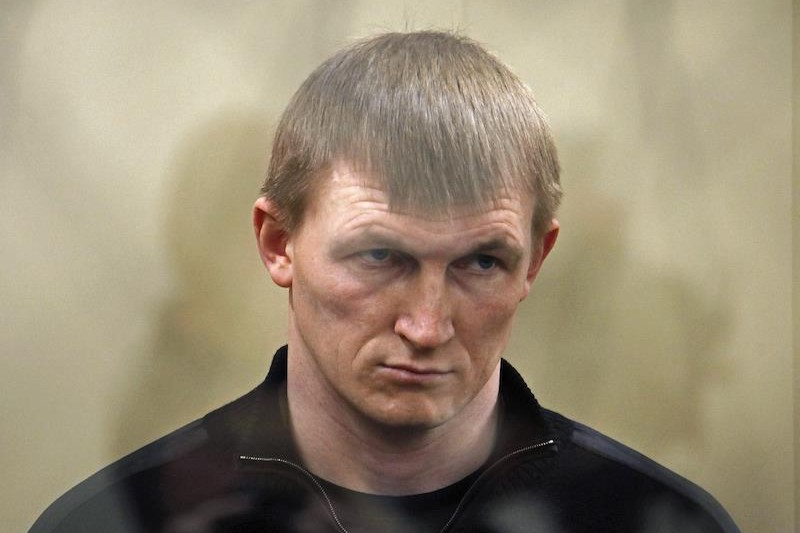
В назначенный вечер они спрятались во дворе Кадяна. У Рябцева в руках был обрез двустволки, у Быкова пистолет. Когда Кадян зашел во двор, Рябцев поднял обрез и выстрелил в упор, но якобы специально мимо: надеялся, что, оглушенный выстрелом, тот развернется и убежит, пока Быков не успел сориентироваться — так, по крайней мере, он объяснял свои действия позже.
Кадян, однако, застыл на месте. Рябцев выстрелил второй раз, задев ему руку. Тот спросил: «Пацаны, что же вы делаете?» После этого Быков убил его. Тут надо оговориться, что это версия Рябцева, который писал свои дневники позже в попытке оправдаться за содеянное. Как было на самом деле — мы уже никогда не узнаем. Брат Кадяна говорил милиции, что Леонида убили «цапковские» люди.
Но следствие сочло версию о причастности Цапка к убийству неперспективной и приостановило расследованиеВ то же время дела у Цапков шли в гору. Участники ОПГ стали мимикрировать под легальный бизнес и политическую элиту. Причем успех приходил к ним с невероятной скоростью.
В 2004 году Сергей Цапок стал депутатом совета Кущевского района, а позже вошел в Совет молодых депутатов Краснодарского края. В 2009 году он защитил в Южном федеральном университете диссертацию с темой «Социокультурные особенности образа жизни и ценности современного сельского жителя» и стал кандидатом социологических наук. В 2009 году он открыл охранное агентство «Центурион Плюс».
Юрист Андрей Карпенко, работавший в станице в те годы, позже описывал эту трансформацию так: «… к тебе в офис приходит не бандит Цапок <…>, а депутат Кущевского районного совета Цапок Сергей Викторович, Цеповяз Вячеслав Андреевич. Они были тогда с виду очень законопослушные граждане, меценаты».
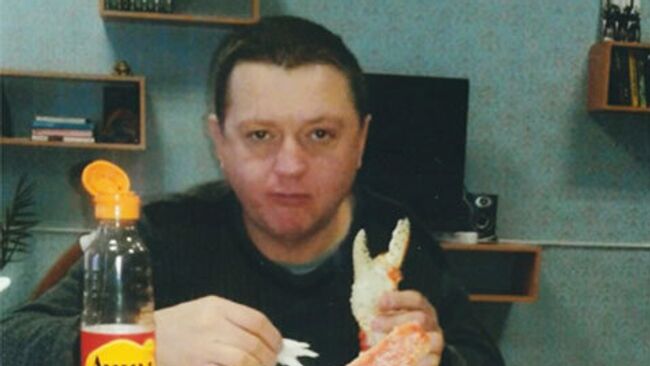
Как писали в «Новой газете», под контролем семейной фирмы Цапков «Артекс-Агро» — которая выросла на землях, связанных с совхозом «Степнянский», — оказались колоссальные угодья: 13 тысяч гектаров земли (по другим данным, до 45 тысяч гектаров) и поголовье из нескольких тысяч коров.
Главным покровителем банды журналисты называли начальника кущевского Регионального управления по борьбе с организованной преступностью (позже — главу Центра по противодействию экстремизму Краснодарского края) Александра Ходыча. Он стал крестным отцом сына Сергея Цапка, а в станице его звали «Мистер Миллион» — якобы с этой суммы в рублях начинались его ставки за решение вопросов.
Система, выстроенная Цапками, была практически непробиваемой. Но, судя по всему, ощущение полной безнаказанности и привело их к краху.
12 убитых
После того как Сергей Цапок расправился с Кадяном, в его плане мести за смерть брата оставался еще один человек. Цапок был уверен, что заказчиком убийства его брата был местный фермер Сервер Аметов. Подготовка к расправе над Аметовым началась в феврале 2010 года и заняла девять месяцев.
Бандиты вели наблюдение за домом фермера на улице Зеленой из припаркованных машин и с территории недостроенного коттеджа по соседству. По информации следствия, Цапок задумывал вырезать всю семью одним кухонным ножом, а затем вложить его в руку Аметова. Журналисты «Московского комсомольца» писали , что бандиты хотели инсценировать, как будто Аметов в состоянии острого психоза расправился с родными, а потом, опомнившись, наложил на себя руки.
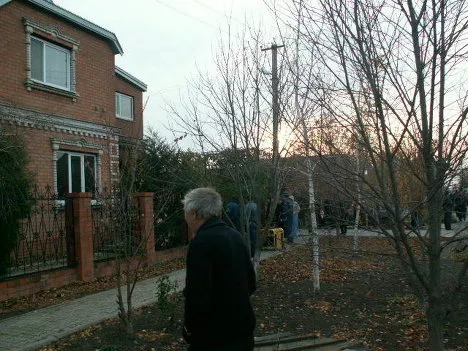
Участники банды подготовились : закупили одежду и обувь, чтобы потом сразу избавиться от нее, надели маски с прорезями для глаз и запаслись скотчем. Сергей Карпенко по кличке Рис-младший принес шесть пар тканевых перчаток и пылесос, чтобы уничтожить возможные следы преступления.
В Ростове они украли автомобильные номера, а на собственной заправке наполнили 25-литровую канистру бензином вперемешку с дизельным топливом.
Как вспоминал в дневниках Вячеслав Рябцев, вечером 4 ноября 2010 года пятеро участников банды собрались у него: сам Сергей Цапок, Владимир Алексеев (Вова Беспредел), Андрей Быков (Бык), Сергей Карпенко (Рис-младший) и Игорь Черных (Амур). Они переоделись во все черное.
Дальше Рябцев описывает сцену подготовки, во время которой Цапок якобы обращался к собравшимся: « “ Так, пацаны, заходим в дом Аметова, маски не снимаем, нам нужен он и его сын. Всех остальных закрываем где-нибудь. После я задам несколько вопросов насчет Николая (имеется в виду брат Сергея Цапка, убитый в 2002 году. — Прим. “Холода”) . Валим их обоих и сразу уходим. Когда зайдем, сделаем так, чтобы остальные думали, что это грабеж. Стрелять только в крайнем случае. Андрей и Вова, берите стволы, третий у меня ” , — раздавал Цапок инструкции». По пути, как позже рассказывал Карпенко, Цапок сказал:
«Сегодня будет пролито много крови и произойдет то, к чему я готовился восемь лет»Около 18:50 преступники проникли во двор со стороны огородов. Как писали журналисты «Московского комсомольца», сторожевую собаку они усыпили каким-то лекарством. С криком «Это ограбление!» они ворвались в бильярдную, где после бани отдыхали Сервер Аметов и Владимир Мироненко. Сбив их с ног, они избили их и связали им руки и ноги скотчем.
Бильярдная и баня находились в отдельном строении, поэтому потом они зашли в сам дом. Цапок наставил пистолет на гостей и приказал не двигаться. Женщин, стариков и детей связывали клейкой лентой. Чтобы поддержать легенду об ограблении, главарь потребовал у хозяйки деньги. Галина Аметова отдала все сбережения — 200 тысяч рублей.
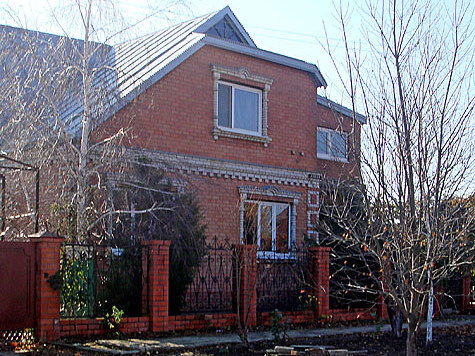
Затем большую часть взрослых стащили в гостиную и положили на пол так, чтобы они видели друг друга. Невестку Аметовых, 19-летнюю Елену, с тремя маленькими девочками заперли в ванной комнате, приставив к ним Игоря Черных.
Дальше, найдя на кухне подходящий нож с длинным лезвием, Цапок передал его своим подчиненным. Те стали убивать. Как впоследствии писали СМИ, Алексеев и Карпенко действовали с особой жестокостью. Последний позже так объяснял свои действия: «Убивая людей, я спасал свою жизнь: я считал, что Цапок меня тоже убьет». По словам Карпенко, он несколько раз просил сообщников оставить в живых детей, но его не послушали. Один член группировки — Быков, судя по данным следствия и приговору суда, — в убийстве Аметовых и гостей не участвовал, хотя был на месте событий.
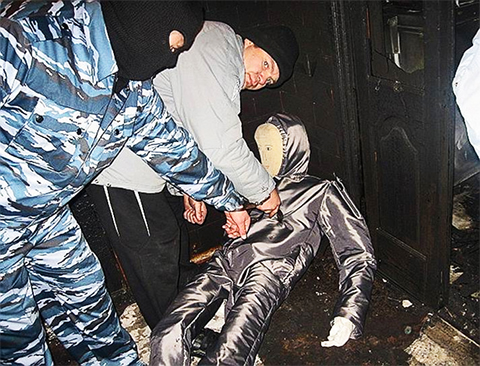
Черных расправился с детьми. По словам одного из следователей, который позже работал над делом Цапков, тот вызвался сам. Он заклеил скотчем рот и нос пятилетней Ире и полуторагодовалой Алене, а затем задушил их. Девятимесячную Амиру он с размаху бросил на пол.
Как позже на следственном эксперименте рассказал Цапок, Сервера Аметова убивали последним (правда, позже он отказался от своих слов). Аметову сломали челюсть и ребра — как писали СМИ, во время пыток. Закончив резню, бандиты свалили тела в кучу, облили принесенным бензином и подожгли. Сверху на мертвых бросили еще живую маленькую Амиру.
Услышав детский плач уже на выходе, Черных вернулся и ударил Амиру кулаком по голове. Позже девочка задохнулась от угарного газа.
Бандиты покинули дом, рассчитывая, что огонь уничтожит все улики, но пламя не разгорелось из-за недостатка кислорода — окна и дверь преступники оставили закрытыми.
Из дома Аметовых они вернулись к Вячеславу Рябцеву. Там они сожгли одежду, тщательно вымылись, а затем отправились в местный клуб «Малинки», где всю ночь «праздновали».
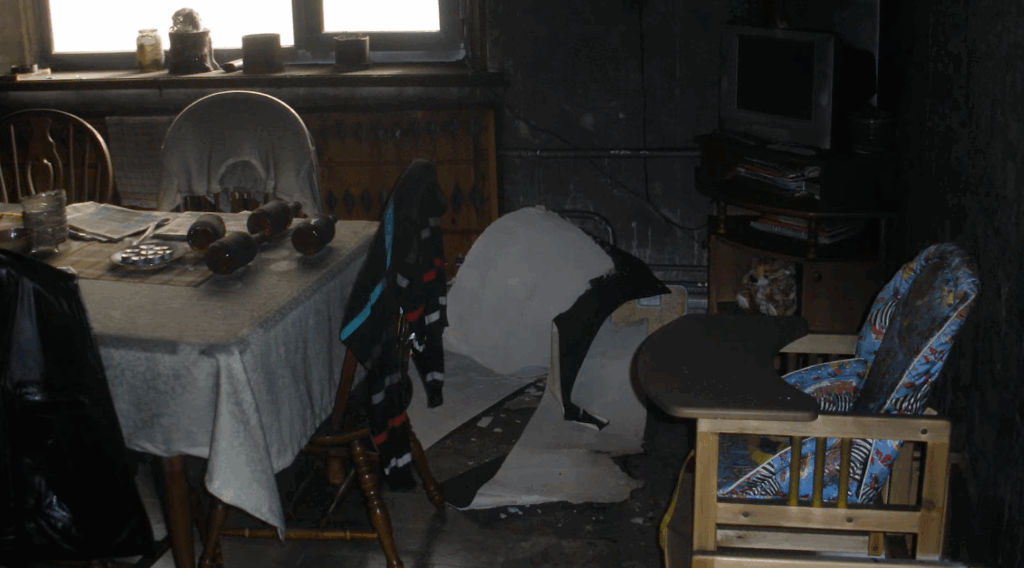
На следующий день обгоревший дом Аметовых и 12 тел внутри обнаружили родственники. И дело бы могли замять, если бы не случайное стечение обстоятельств. В то утро в станицу приехала съемочная группа Первого канала для съемки передачи «Жди меня» — в местном детдоме мог находиться пропавший ребенок. Они передали информацию о пожаре и массовом убийстве коллегам.
Поднялась шумиха, началось расследование, а Сергей Цапок срочно улетел из страны — по одним данным, в Дубай, по другим — на Мальдивы. Его подельники вылетели в Египет.
Как все же удалось задержать участников банды, кто из них избежал наказания и как Цапки даже из тюрьмы умудрялись шокировать всю страну — читайте во второй части материала, которая выйдет на следующей неделе .
Видеоверсию материала смотрите по ссылке .
Автор: Дарья Волошина