
Translated material
How lonely people are buried in St. Petersburg
Unidentified man 522057. How lonely people are buried in St. Petersburg. Report "Paper"
In the depths of St. Petersburg cemeteries there are areas where there are almost no visitors. Rows of identical columns, rare artificial flowers. These are social burials - for unidentified and homeless people. But sometimes those who have family are buried here. Relatives can search for a grave for months - among thousands of standard headstones with surnames or numbers.
“Paper” visited special areas. We tell you how unclaimed bodies are buried and why anyone can be among them.
40-year-old Maxim K. disappeared at the end of 2025. He lived with his family in Priozersk, went to St. Petersburg to work - he got a job in security - and warned his family that due to his work schedule he would not be in touch often. When Maxim stopped calling and answering on Vkontakte, his wife did not immediately raise the alarm. And a month later I received a notification from the State Services: their child was assigned a survivor’s pension.
“Naturally, everyone was alarmed, how so,” recalls Maxim’s brother-in-law Konstantin Strugov. “We went to the registry office, received a death certificate, but there are no coordinates: where, what, how - just look for it yourself.”
Konstantin began searching for information. He understood this area better than others, because he himself works in a cemetery. He made inquiries about his missing relative, and a forensic expert he knew suggested where to look.
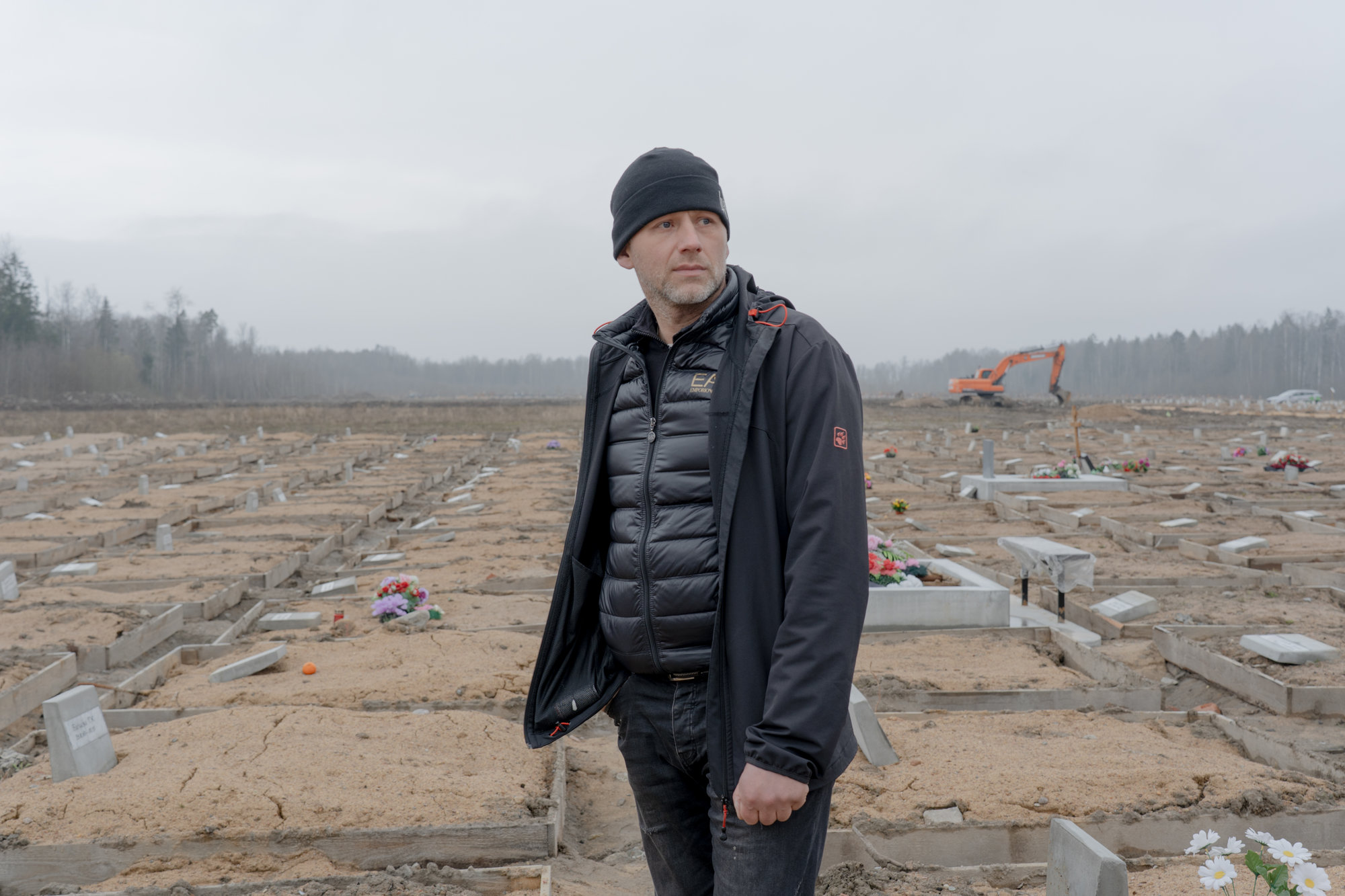
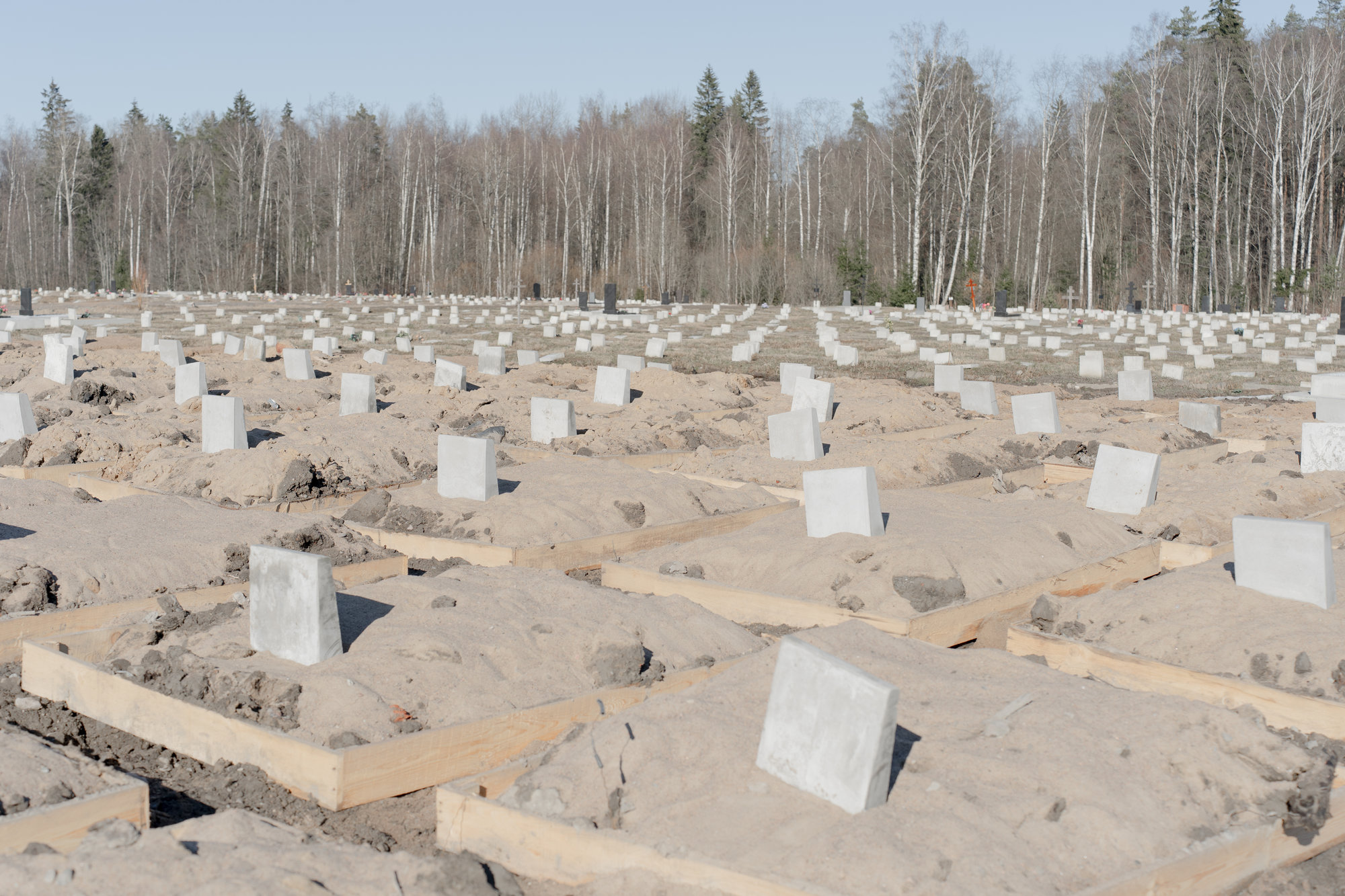
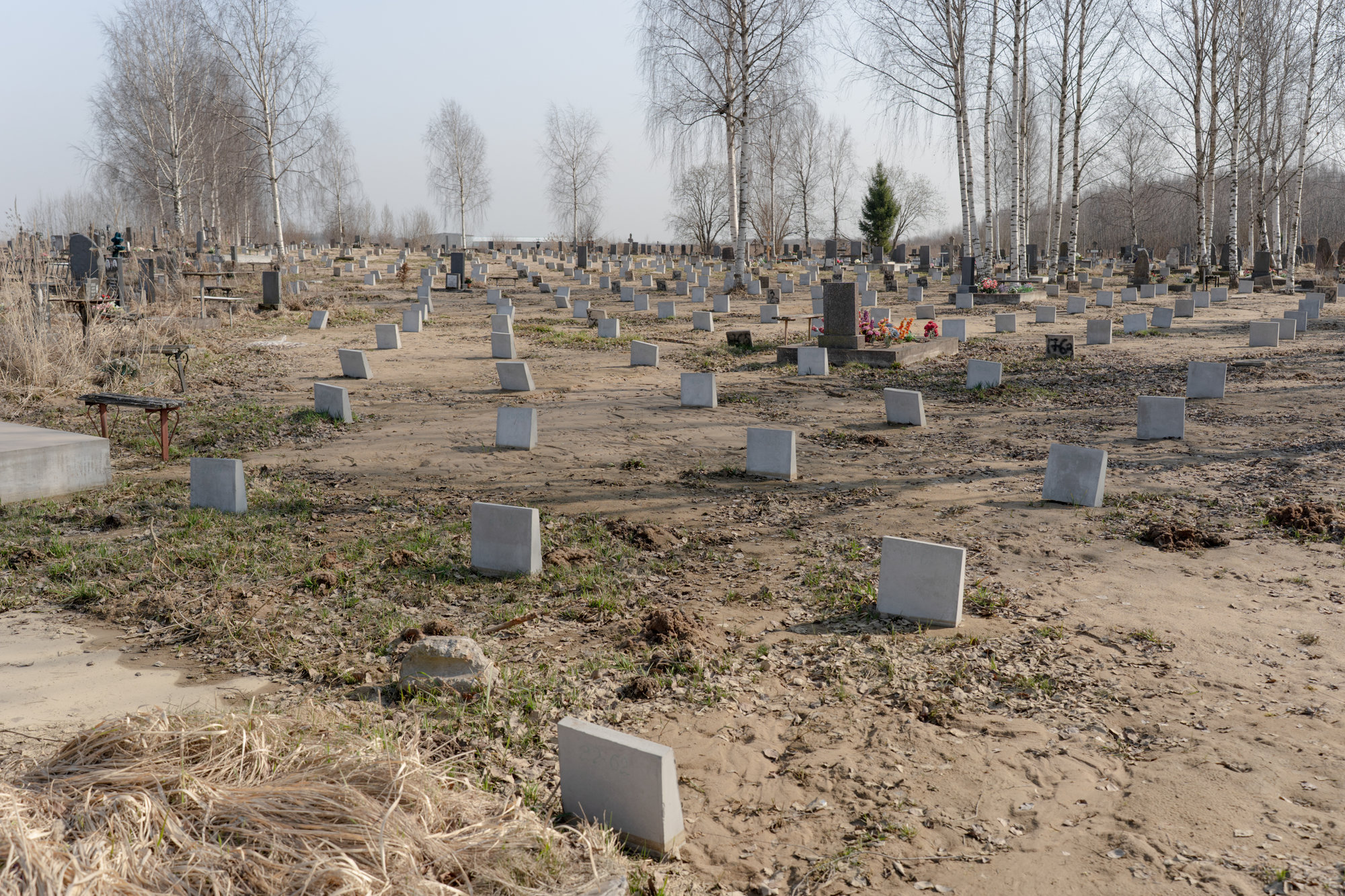
From the entrance to the Northern Cemetery to the area for “rootless people and refuseniks,” as local workers call them, it’s about two kilometers. Past monuments, fences and new burials strewn with wreaths, the path leads to a large field. It seems empty. Looking closely, you can see low concrete pillars. There are about six thousand of them.
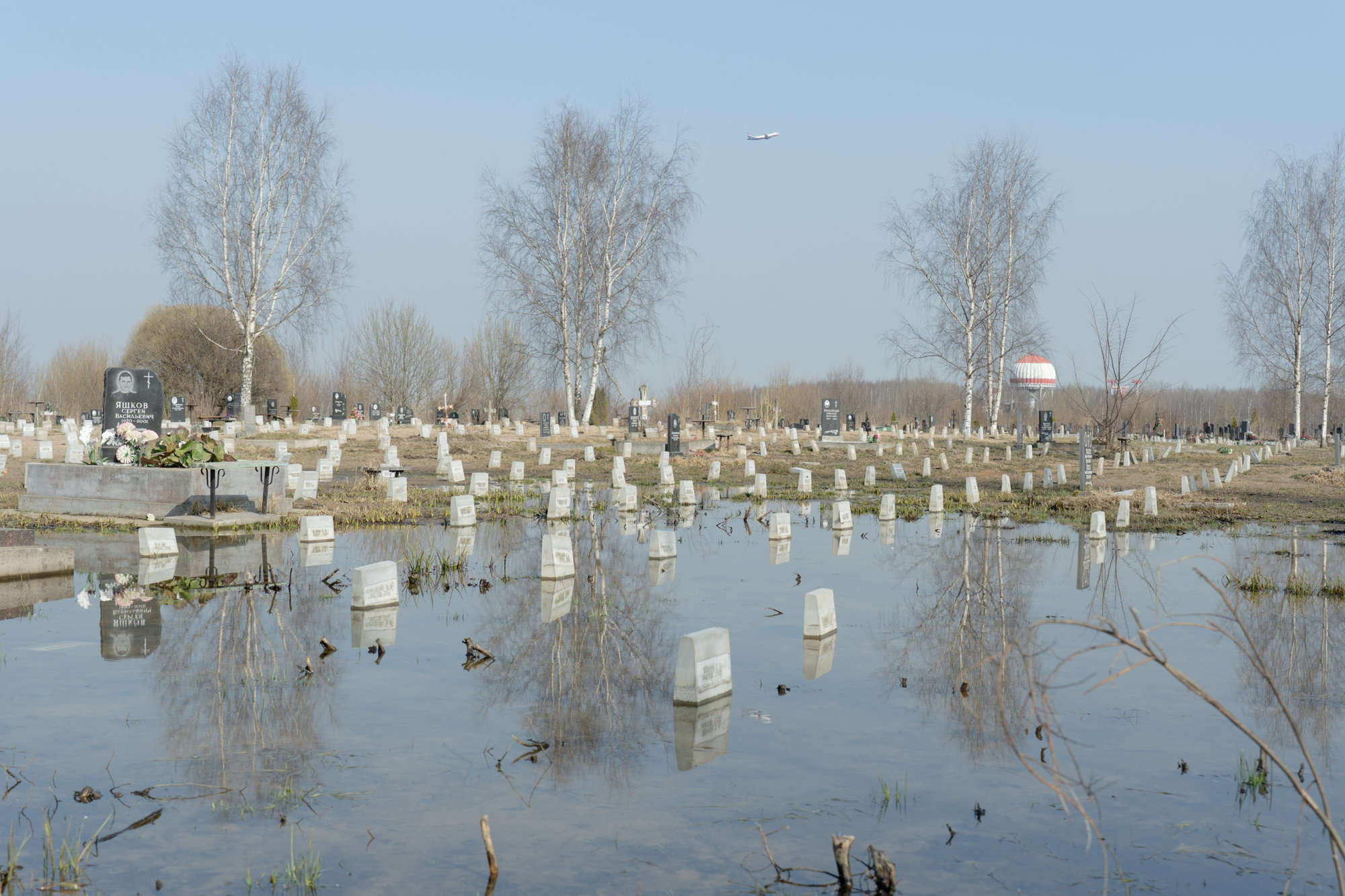
The site is divided into dense rows. The paths separating them barely allow one to get to a specific place. Water accumulated after winter floods burial places in places.
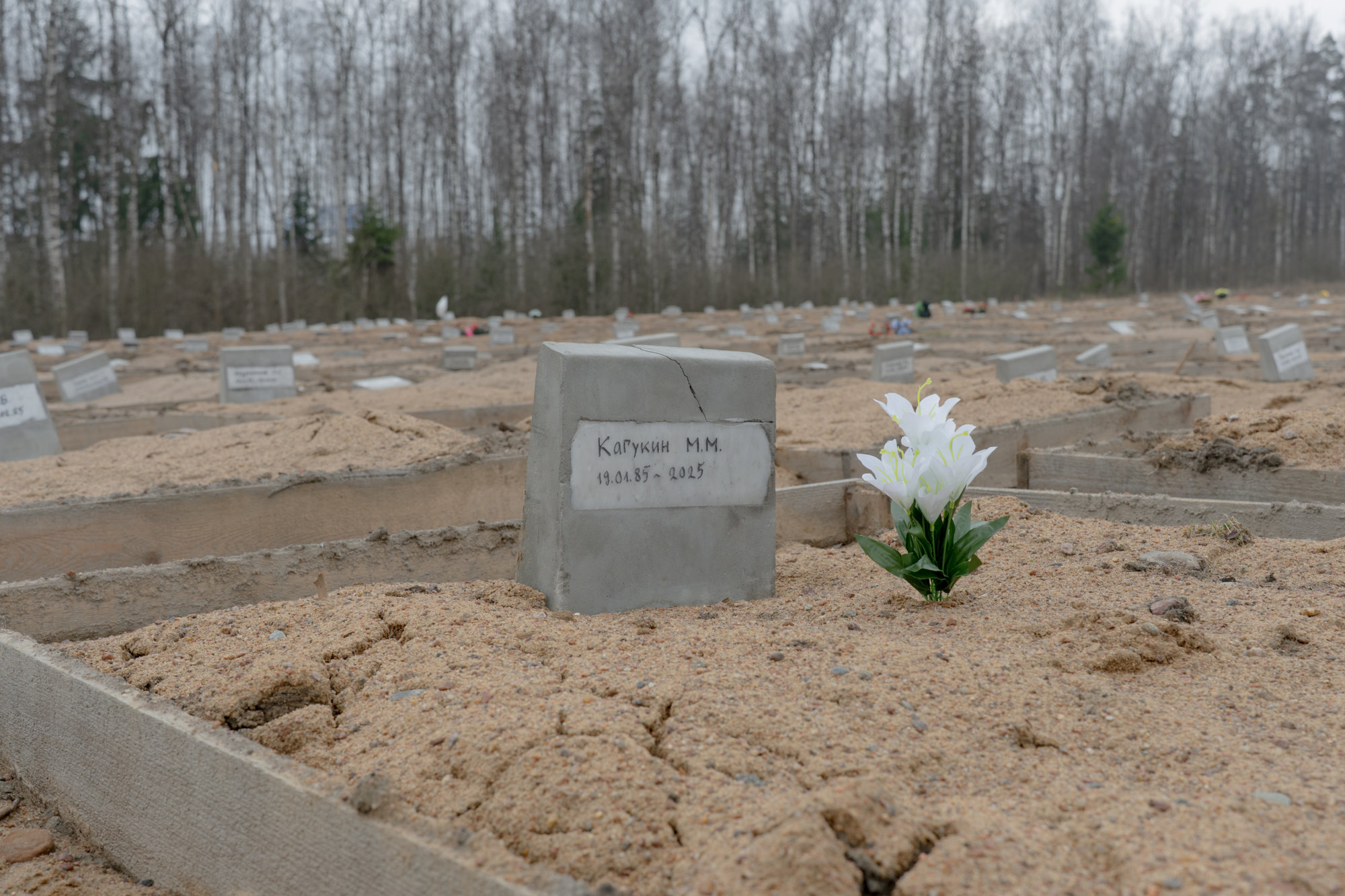
There are graves on the site labeled “n/m,” an unidentified man, or “n/f,” an unidentified woman, and an assigned number. This happens when a person simply falls on the street without documents and his identity cannot be established.
But most have names and dates of birth. These people were alone, or their loved ones refused to bury them for money.
Social funerals or cremation from the state are provided to the unemployed, pensioners and other categories of people - including those whom simply no one takes from the morgue. Unidentified people cannot be cremated - in case relatives appear and possible exhumation.
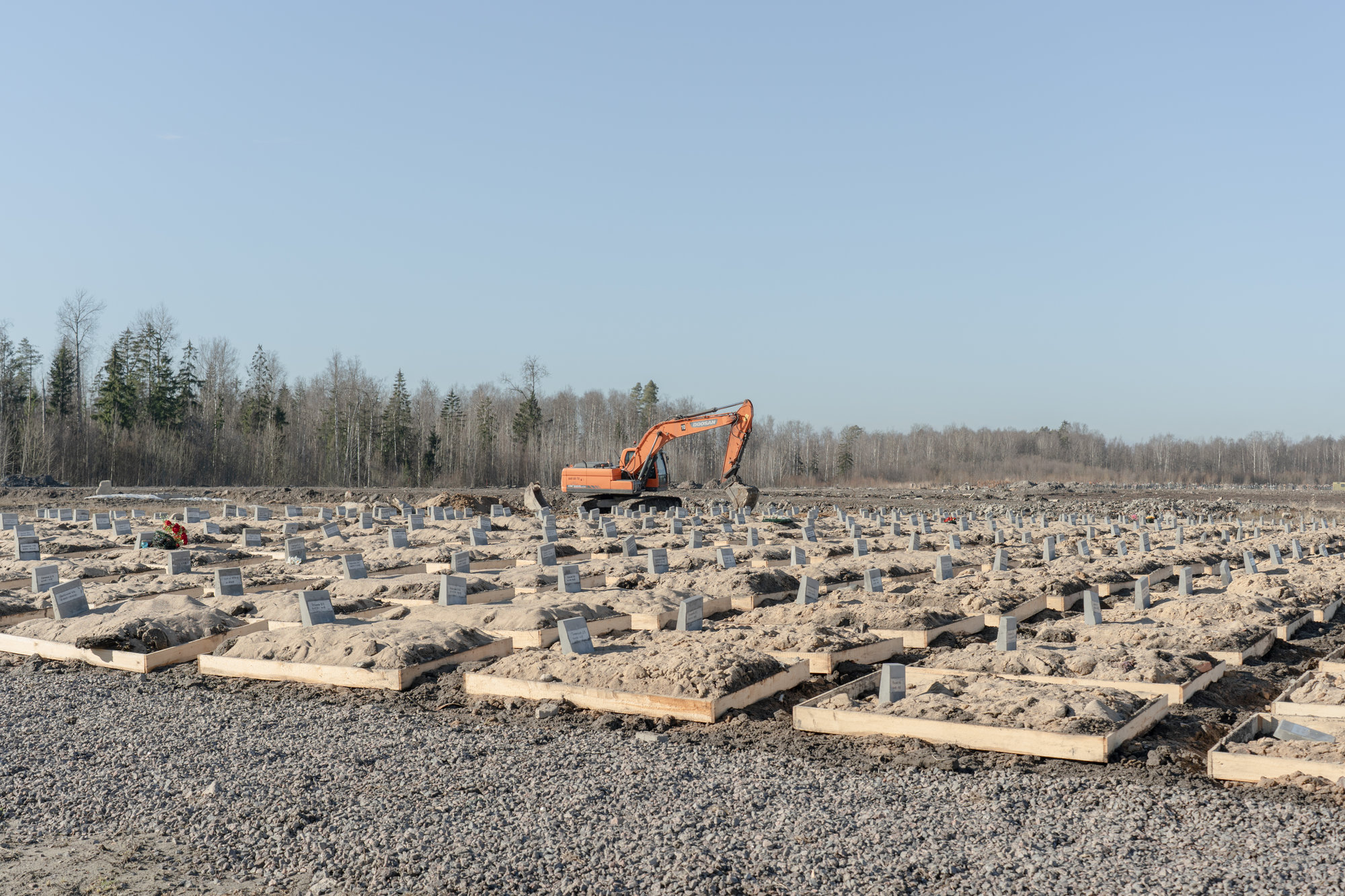
According to federal law, people, regardless of social status and registration, can only be buried in individual graves. A wooden coffin, a pit and a concrete column cost the state 10,500 rubles.
Konstantin Strugov believes that being “unclaimed” after death is scary. During his time working at the cemetery, he had to bury such people more than once, and he pays attention to a non-obvious detail.
“What are you digging for like this, an ordinary person, and what for this? We didn’t share. These are the same people, we tried to carry out a human burial. But the only thing that’s different is that the person is in a coffin, but it’s in a bag, there are no clothes,” says Konstantin. The clothing of the deceased is the responsibility of the relatives. Slippers and a blanket are provided by the state.
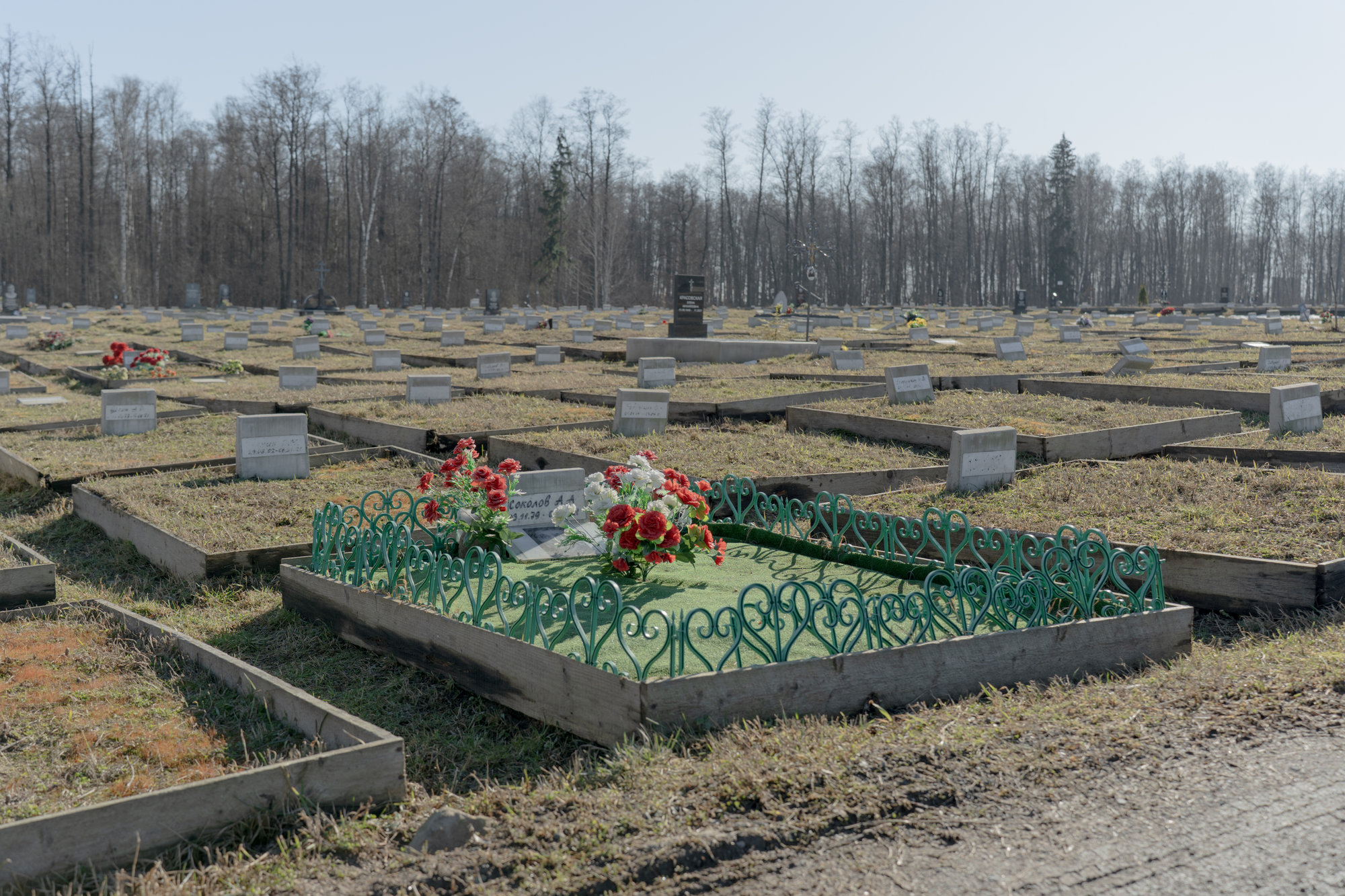
The authorities do not say how many such funerals take place in St. Petersburg. The funeral industry is managed by the Committee on Industrial Policy; they did not respond to Paper’s request . In 2021, according to the committee, 2,154 people were buried in social graves. Funeral agencies write about two to three thousand a year.
Why Maxim K., who has a family, was buried in a social plot, Konstantin was unable to find out. As well as the cause and circumstances of death: only the year was stamped on the plaque.
“We see Maxim’s name on the monument. That is, there was data, he had documents with him, ” says Konstantin. “ Why they didn’t immediately tell his wife and family, this remains a big question. There are some flaws in the system.”
According to the law , if a person has died and nothing is known about his relatives, the police must look for them. The police are checking the contacts on the phone and looking for a passport. “If they had some documents with them, then people can be found,” says Konstantin. For example, at the registration address.
14 days are allotted for the search - that’s how long the body can be stored in the morgue. There, the cause of death is determined and the clothing and characteristics of the deceased are described: eye color, hair, physique, fingerprints and a DNA sample are taken . Relatives of a missing person can submit DNA to the Ministry of Internal Affairs database to search for matches, but in practice, due to the high cost of DNA testing, DNA comparisons are only made when identifying victims of accidents, terrorist attacks and disasters.
After two weeks, if no relatives have been found, the body goes into unclaimed status. If the death was non-violent, the person is prepared for burial in one of the city's social plots.
During this time, relatives of the missing person may call hospitals, police departments and morgues without success.
If the deceased has already been buried and his identity has been established, information about him can be found in the archives of the “ Specialized Service of St. Petersburg for the Burial of the Dead,” an employee of the Northern Cemetery advised “Paper” . There, upon request, they must name the cemetery and the date of burial, and the cemetery administration will help with finding the plot. If relatives identified the deceased after the fact, from a photo of the corpse preserved in the database, the police should help find out the number under which he was buried.
Part of the search is available online. For example,the Grave Search service searches for burials in St. Petersburg and the Leningrad region using archival data and information from cemeteries. Now, in addition to the Northern cemetery, there are social plots at Kovalevsky and Yuzhny.
There are many such cases when, after a while, someone finds their loved ones here and decorates their graves. This is noticeable in the monuments and fences that stand out among the rows.
Unidentified man 522057 from the Southern Cemetery turned out to be Igor Burkov, who died in 1999.
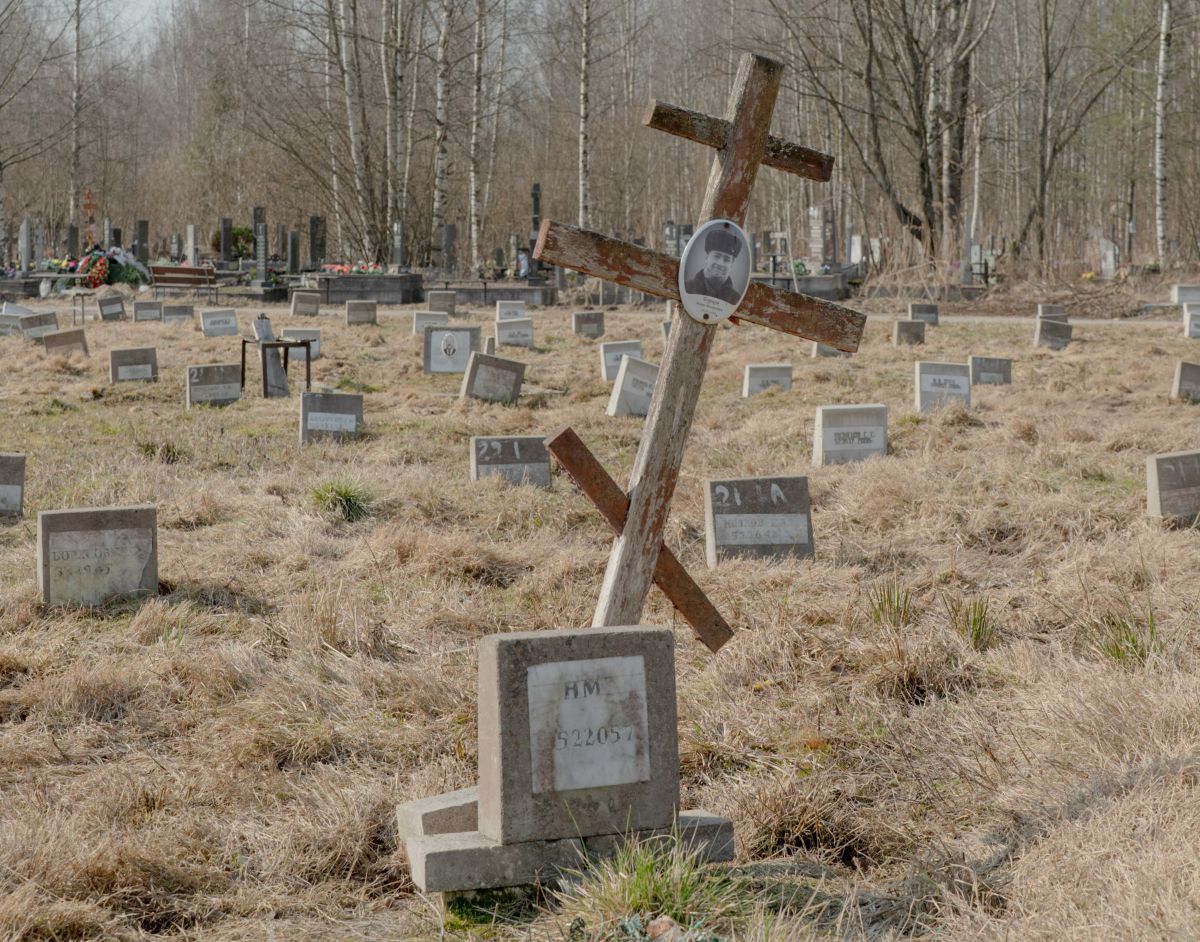
Yuzhnoye is the largest necropolis of St. Petersburg, it occupies more than 400 hectares. Social burials here look different than at the Northern Cemetery. Almost all graves are level with the ground, without wooden boxes. Part of it is heavily flooded. On some, the inscriptions have darkened and it is no longer possible to distinguish the numbers.
At the edge of the cemetery, areas were overgrown and concrete steles were falling apart. Only dry grass remembers that there are graves beneath it.
Maintenance of such burials lies with the administration of the cemeteries, and the same Specialized Service controls the order. An employee of the Southern Cemetery assured Paper that every year after winter they clean and replace damaged steles.
The oldest grave that can be dated in the Southern Cemetery is 29 years old. According to the worker, no one is looking for such old burials anymore: relatives, as a rule, apply in the first couple of years.
Having found Maxim’s grave, Konstantin shared this story on his Instagram blog . The video has collected almost six million views. And the blogger received requests for help finding relatives in St. Petersburg.
“They wrote from different cities, CIS countries: Belarus, Uzbekistan, that he also disappeared and we couldn’t find him, ” he says. “I understand that this is people’s pain. This hurts me, of course, but I am aware of my powerlessness.”
Konstantin plans to compile a list with the data of the missing and go with them to the archives of the Specialized Service.
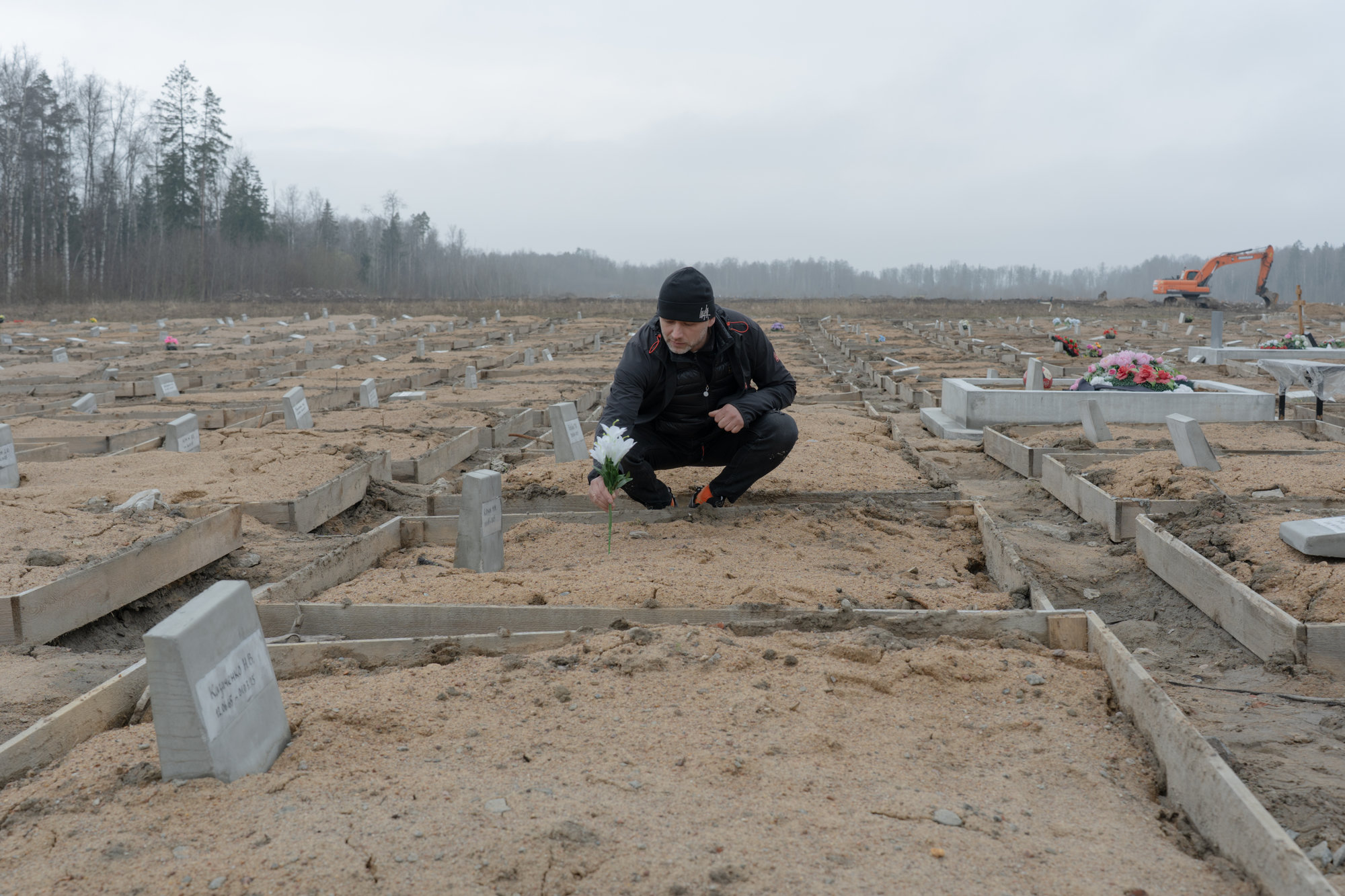
Plots with single dead people exist in most large cemeteries. To end up there, you don’t have to be homeless or undocumented—it’s enough to lose contact with loved ones or get lost in a big city. This happens to thousands of people a year, and only a few are found by their relatives.
What else to read:
- Homeless people have been living, working and dying at the landfill for decades . Big report from Paper.
- How the port and drone attacks on Ust-Luga change the life of the Vodi and Izhora - the indigenous peoples of the Leningrad region. Paper report.