
Translated material
“This project destroyed me”
In 2019, “Such Things” wrote about Polina Leonova from Naro-Fominsk near Moscow, the first girl in Russia with the rare genetic syndrome DDX3X. We recently talked again with her mother, Irina Leonova, and she talked about how she tried to improve the lives of families with special children in her city, but came to a feeling of complete hopelessness
Irina Leonova was born and raised in Naro-Fominsk. She received an economics education, before the birth of her daughter, she worked as a journalist in the Naro-Fominsk media, then as an administrator in a dental clinic and a photographer’s assistant, a PR agent, a proofreader for children’s literature in a publishing house... Polina’s husband and father, as often happens in such stories, disappeared from the life of the family immediately after the girl’s diagnosis became known. Irina divorced him in 2016, and in 2022 she achieved the deprivation of parental rights so that she could take her daughter for treatment without asking her father’s permission each time. Irina closed the alimony case when the debt exceeded two million rubles.
Polina Leonova is now eleven and a half, she is growing up in love and care. Irina got married for the second time and, together with her husband and parents, is trying to give her daughter everything that is possible. Polina has motor and intellectual impairments, vision problems, and does not speak. Doesn't dress on his own, but understands where his pants, jacket, hat, and jacket are. Sometimes the elevator in the house does not work, and the girl rises to the fourth floor, holding on to the railing or her mother’s hand. But it’s too difficult for her to walk long distances; she needs a stroller.
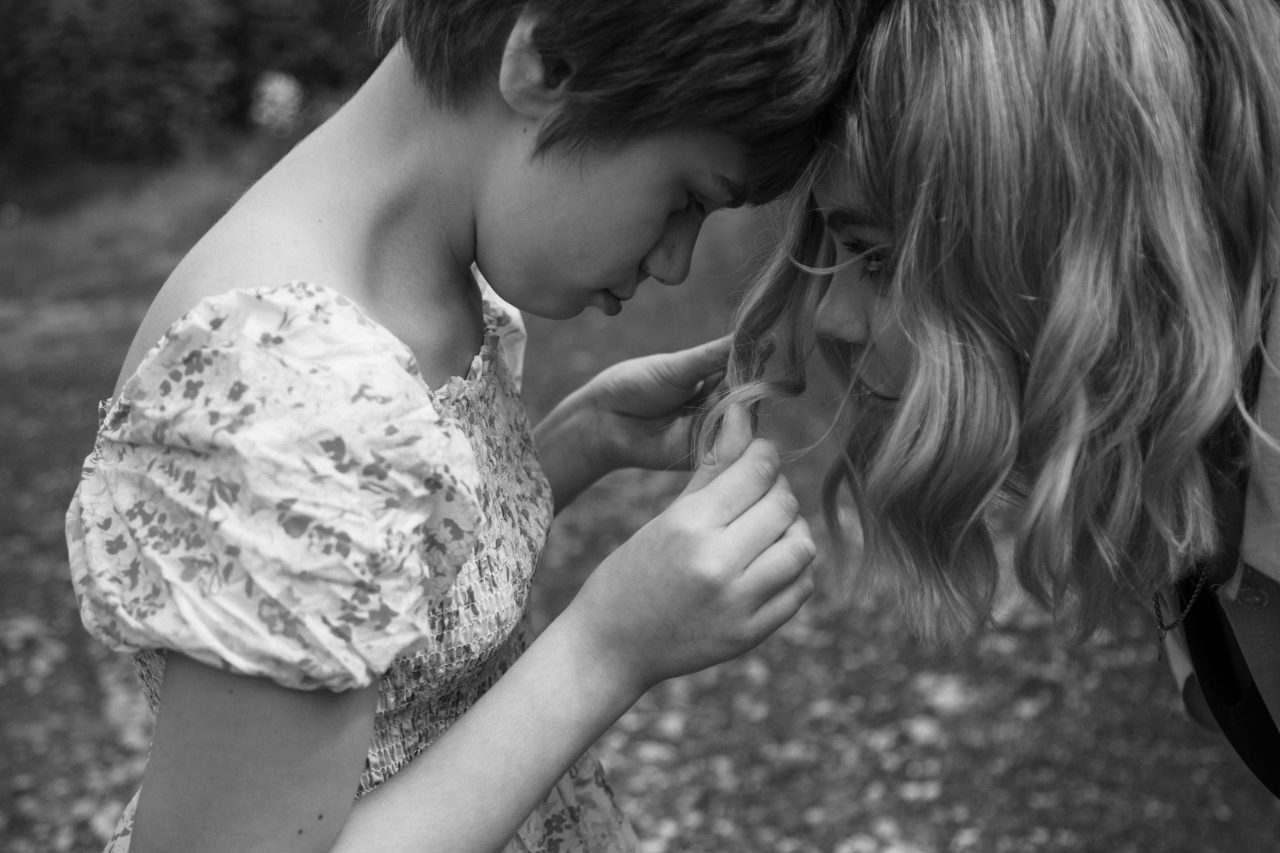 Irina and Polina on a walk along SNT Photo: Svetlana Noskova for TD
“It seems to me that she doesn’t worry about all this at all, and I no longer suffer from the fact that my daughter has many deviations,” says Irina Leonova. “We understand her, she can show what she wants, what she likes and what she doesn’t.” I will never know what her actual intelligence level is, but sometimes it seems to me that Polya is much smarter than the doctors say. She somehow knows that in 10-15 seconds the song or cartoon will end. Recognizes music by the first notes. How is this possible with such a list of her diagnoses?”
Once upon a time, Irina realized that she herself could not bear the costs associated with her daughter’s treatment, and began to turn to people with specific fees - for a special stroller, for a verticalizer, for a rehabilitation course. Over time, the young mother gradually learned to live in a new reality for herself and began to initiate charitable projects to help families with problems similar to hers.
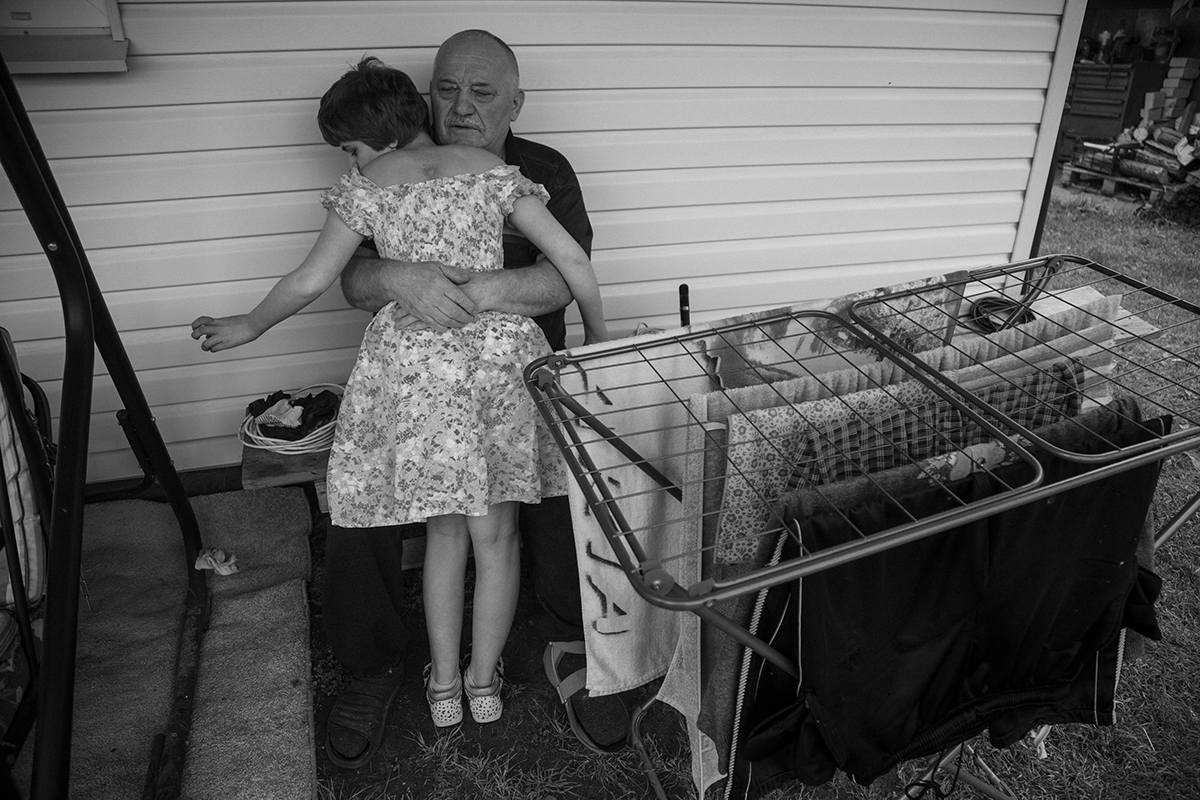 Polina with her grandfatherPhoto: Svetlana Noskova for TD
Box of Courage
“I wanted to show people that a small town is capable of big things,” says Irina. — It’s one thing to help a specific child, it’s another thing when you do more significant and large-scale things. The first such project was “Box of Courage”. The idea is simple - to collect toys for the children's departments of our Naro-Fominsk hospital, so that the kids who are in the hospital will receive some kind of nice gift for their exploits and patience. I wanted to support both the boys and their mothers. Initially, this is a story from European oncology departments, and in Moscow such an action is carried out by the “Gift of Life” foundation and Masha Subanta’s “Kindly Kind Club”. I liked the idea and decided to try it in our city.”
Irina agreed and placed plastic boxes in various institutions in the city where people could put toys, drawing kits and various little things that would be nice for children. The second important part of the project is the collection of hygiene products for intensive care units and children's departments. Children often end up in the hospital unexpectedly; parents get ready quickly and do not always take diapers, wet wipes and other consumables with them. Irina’s posts on social networks resonated with subscribers, many transferred money to the project.
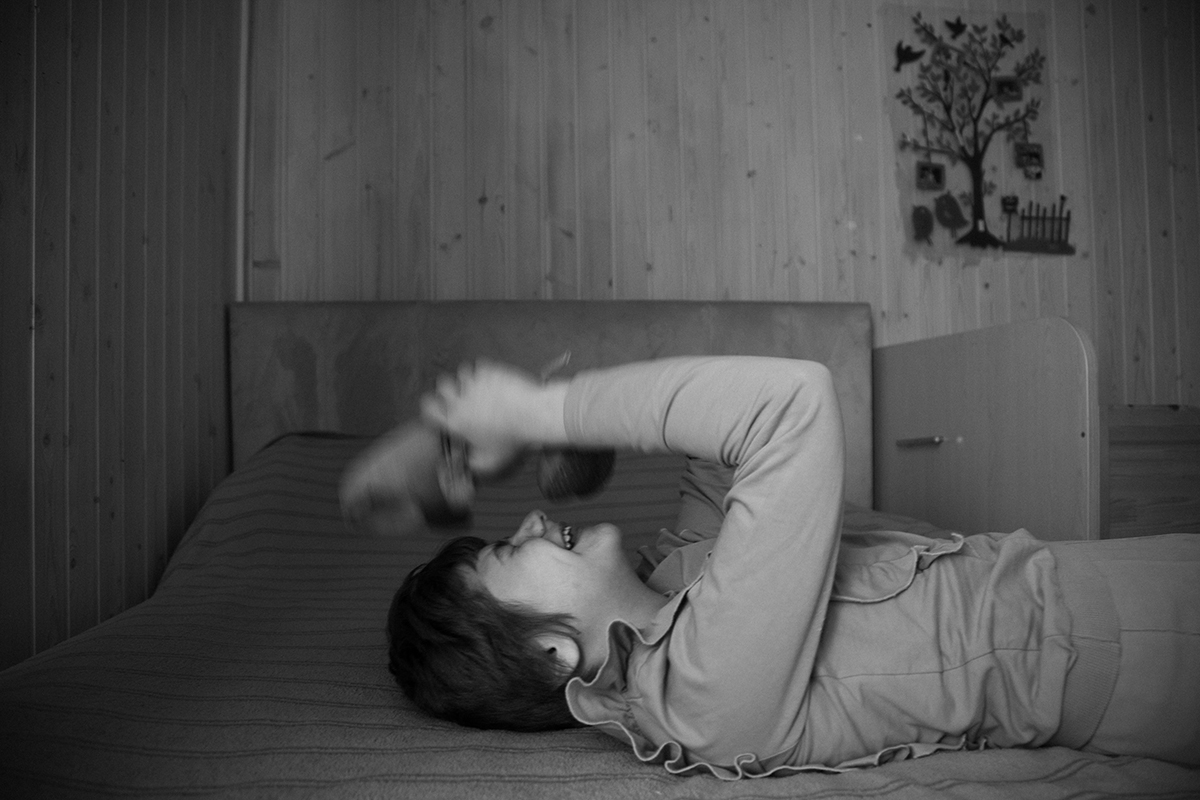 Polina on the bed with her favorite toyPhoto: Svetlana Noskova for TD
“We bought only toys approved by SanPiN - not soft, not sharp, and can be washed. Plus stationery, books, coloring books, board games. Then I collected it all at home, sorted it, signed it, and used the transferred money to buy hygiene products. On the appointed day, we took everything to the departments - the surgical, infectious diseases building, clinics in Naro-Fominsk, Selyatino and Aprelevka, the paramedic station in Novaya Olkhovka and the intensive care unit of the Selyatinskaya hospital. I have always said that this is all the merit of the people who joined the action. That being kind does not mean transferring billions. You can buy your child a book or a toy, and it won’t break the budget, but overall it will give results. One ruble is a lot when there are many of us.”
Irina worked on the project for several years, until the United Russia party launched the all-Russian “Box of Courage” campaign. The local branch also began to implement the project of the same name, connecting the MFC and government agencies for collection. In order not to compete with the state in the field of good deeds, Irina Leonova stepped aside. The action requires a lot of energy, but here a large structure with serious resources got involved...
“We delivered the last boxes in 2023,” continues Irina. “I didn’t argue with United Russia; I have nothing to share with them. We have official volunteer organizations, youth unions and so on - they began to do this. But, as far as I can see, the action is no longer continuing.”
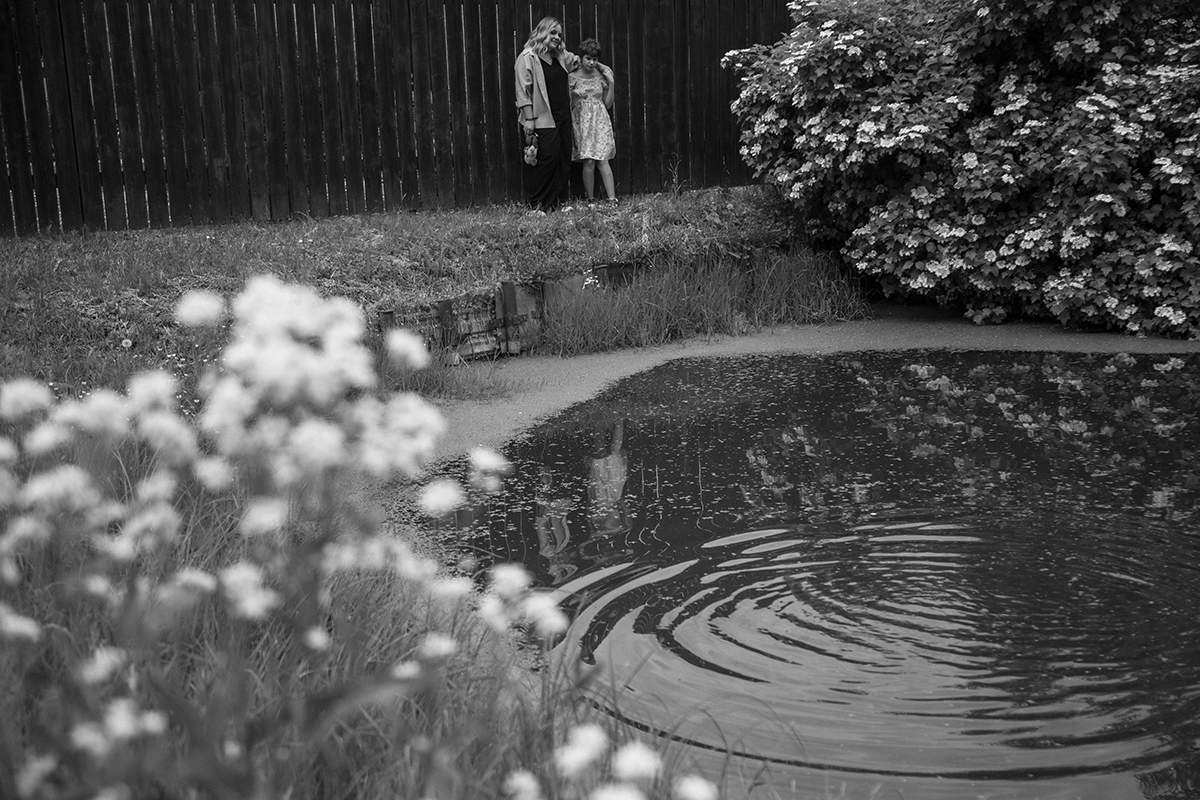 Irina and Polina on a walk along SNT Photo: Svetlana Noskova for TD
The sea inside
When an environmental disaster occurred with a fuel oil spill in the Black Sea in December 2024, Irina began to contact the response headquarters and try to help somehow. At first I bought food for volunteers. Now it’s simple: you can place an order at any Pyaterochka, and volunteers stop by and pick up the collected packages. In March, Irina decided to go and help in Anapa. At this time, Polina was looked after by her husband and her parents.
“My parents, of course, didn’t want to let me in - they say, you have a child, and you’re running somewhere to breathe in fuel oil fumes. But I always tell them: “You yourself raised me like this, what should I do now?” Actually, I've always been like this. Even during the flood in Krymsk in 2012, she worked at the volunteer headquarters in Moscow, helping to sort out humanitarian aid. And with the birth of Polina, she only strengthened her desire to help others. Because when you ask for help and complete strangers come to meet you halfway, you probably need to give something in return.”
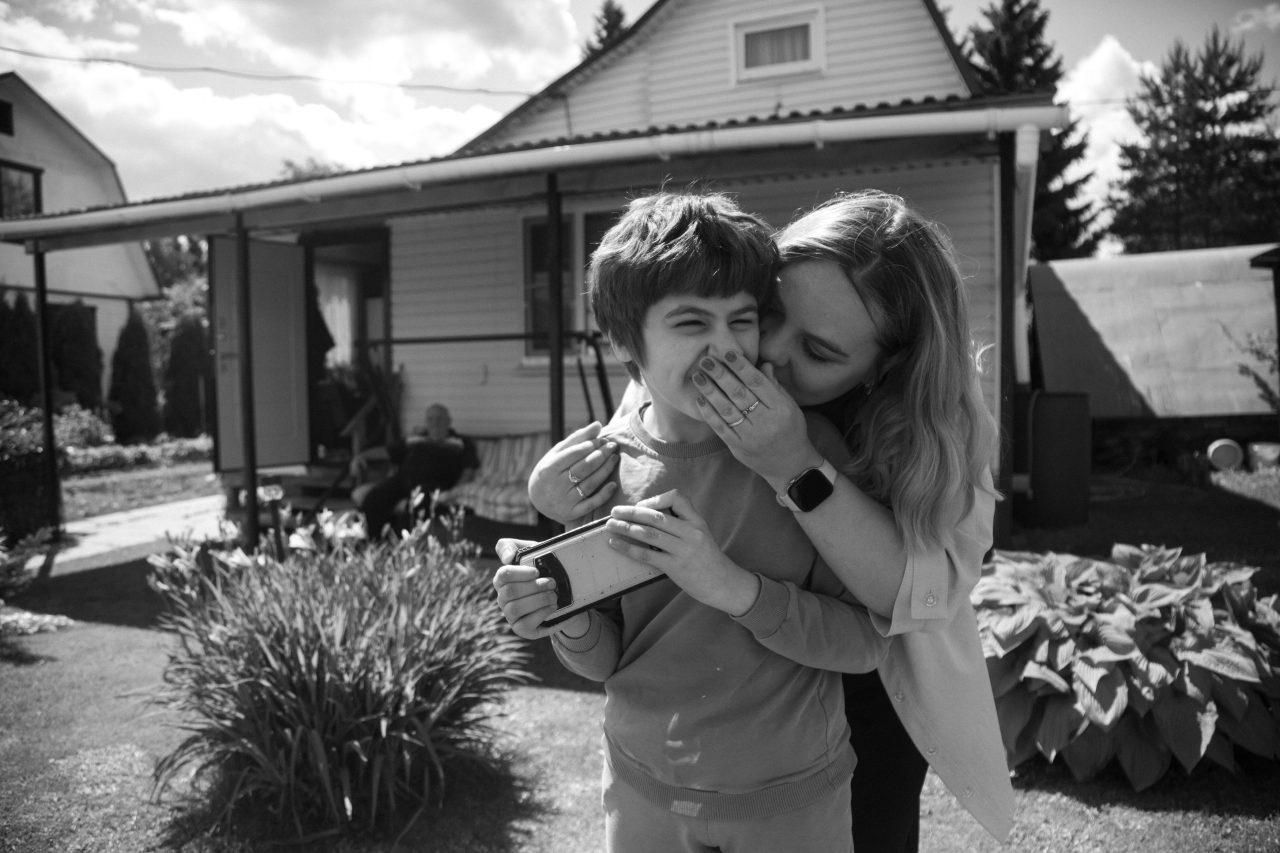 Polina and Irina at the dachaPhoto: Svetlana Noskova for TD
Irina then came to the headquarters, self-organized by volunteers from all over Russia. It was called “Barrier” - in honor of the barrier that limits entry to the Bugaz Spit. Before leaving, I made a call on social networks, inviting everyone to join and donate some kind of humanitarian aid for volunteers. Many responded then, and one mother of a special child, working at an ambulance station, donated several hundred protective suits that had been lying in a warehouse since Covid and had already been written off.
“When the tragedy happened in Anapa, I was, of course, very upset that this topic was completely knocked out of the information field,” recalls Irina Leonova. “I understood that I would see not what was shown on TV, but what the volunteers were talking about on the then already banned Instagram network. The scale was immediately visible on the spot. The Bugaz spit is quite long, there is a view for kilometers, and along this entire line there were huge black spots of fuel oil that was thrown out by the sea. Removing everything is a huge job that cannot be done by volunteers; it requires equipment. We just walked and passed the sand through a homemade sieve. The clean stuff was sifted, and the garbage and fuel oil were put into bags, which were then transported centrally.”
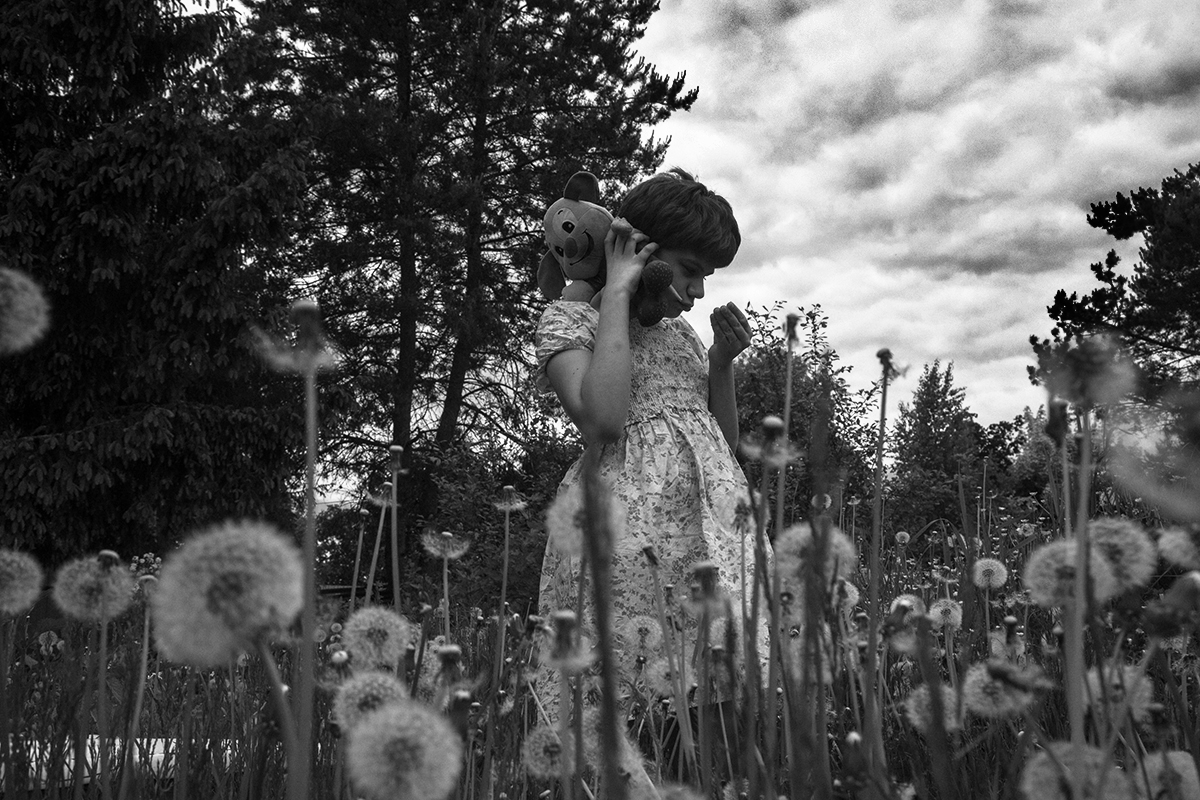 Polina in dandelionsPhoto: Svetlana Noskova for TD
 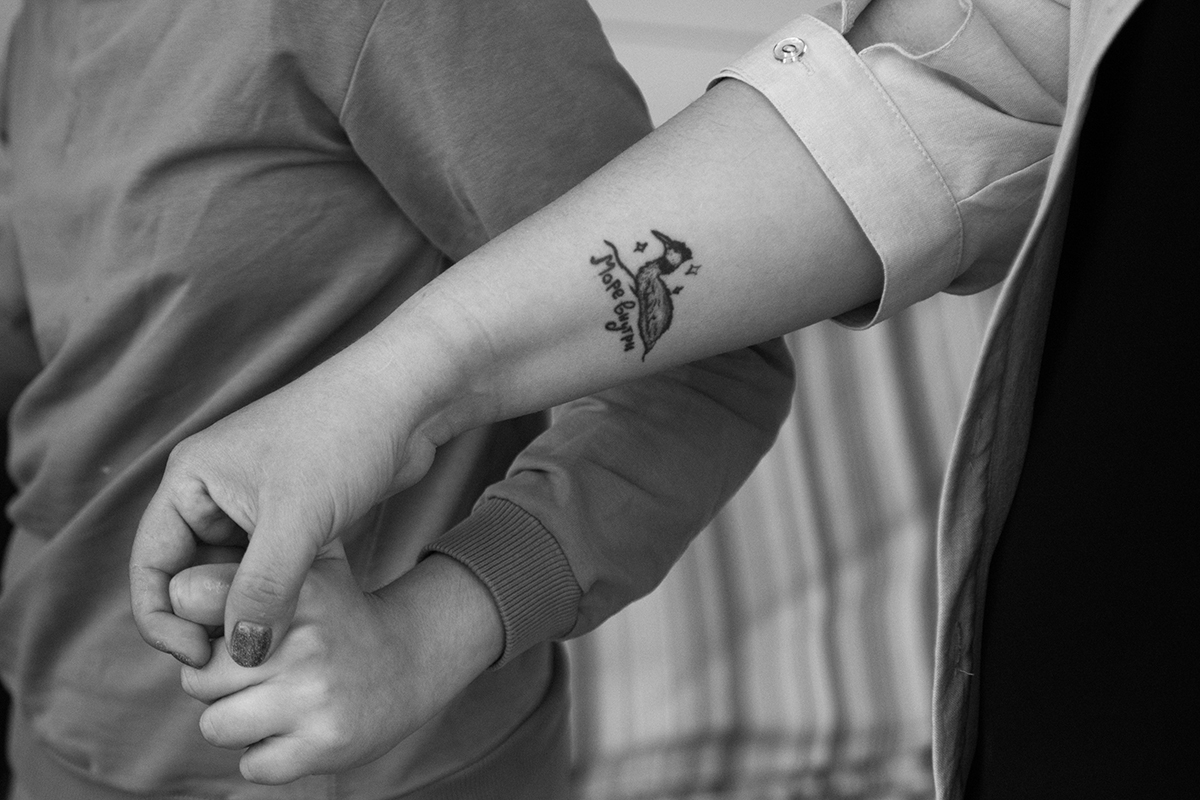 Polina and IrinaPhoto: Svetlana Noskova for TD
During the cleaning, volunteers wore protective suits, but it was still difficult to constantly breathe through a respirator. Somewhere you take off your mask, somewhere you unbutton your collar because of the heat. One day, Irina was poisoned by fuel oil fumes and felt a sudden loss of strength and nausea. She was removed from work on shore, and she remained at headquarters for the whole day - helping to wash dishes, clean rooms and clean protective equipment.
The day before leaving Anapa, Irina got a souvenir tattoo with a great grebe and the inscription: “The sea is inside.” The Great Grebe, also known as the Great Grebe, is a waterfowl somewhat similar to a duck, but slightly smaller and with bright plumage on its head. A lot of them died during that period.
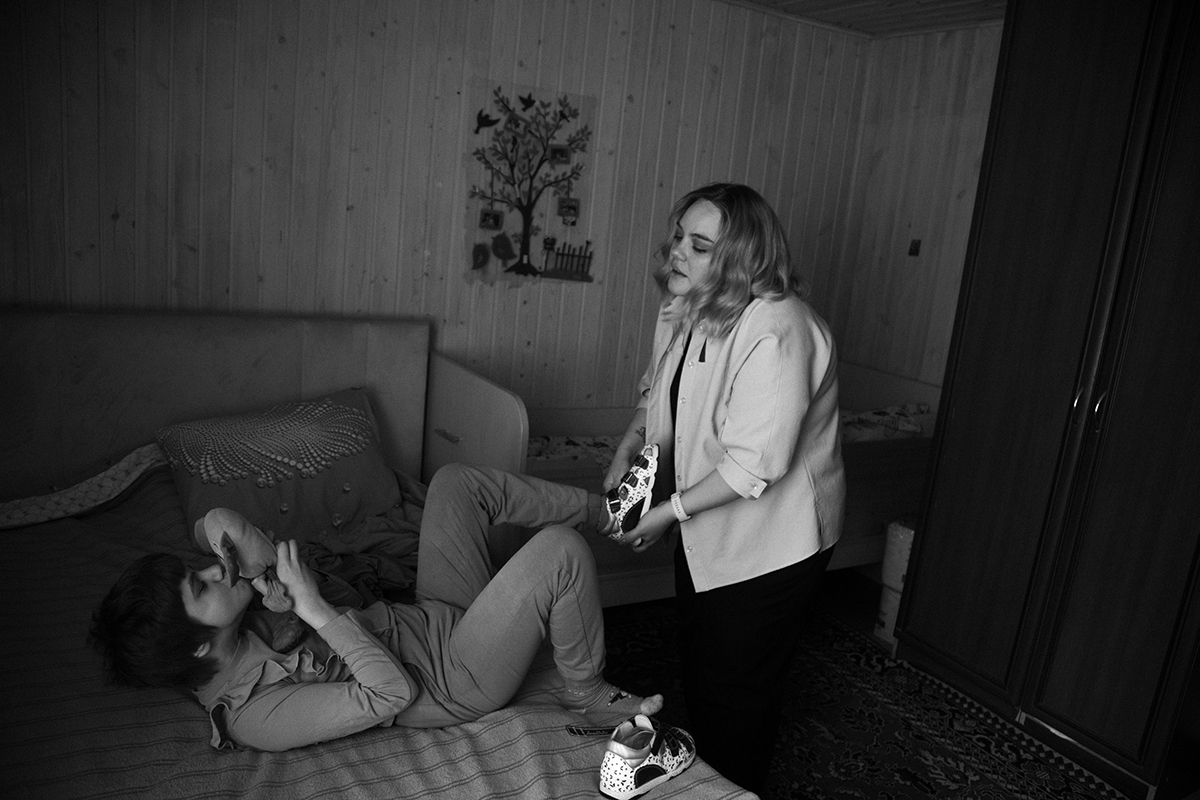 Irina changes Polina’s clothes to go out for a walk. Photo: Svetlana Noskova for TD
Special Wizard
For several years in a row, Irina has been organizing the “Special Wizard” event on New Year’s Eve. Children with disabilities make wishes, and Irina posts a list of these wishes on her social networks so that anyone who sees the post can choose a child and give him his dream. Subscribers write a number from the list in the comments, after which they receive a private message with a link to the marketplace and the address of the delivery point. During the campaign, Irina Leonova sends about four thousand messages; the campaign is an endless cycle of links and barcodes.
“If a child is able to choose something on his own, he chooses,” explains Irina. - If it’s heavy, then, naturally, mom chooses. This can be anything worth up to two thousand rubles, except for dietary supplements and pharmaceutical drugs. Usually toys, joysticks, headphones, some clothes or household items: a humidifier, a lamp, and so on.”
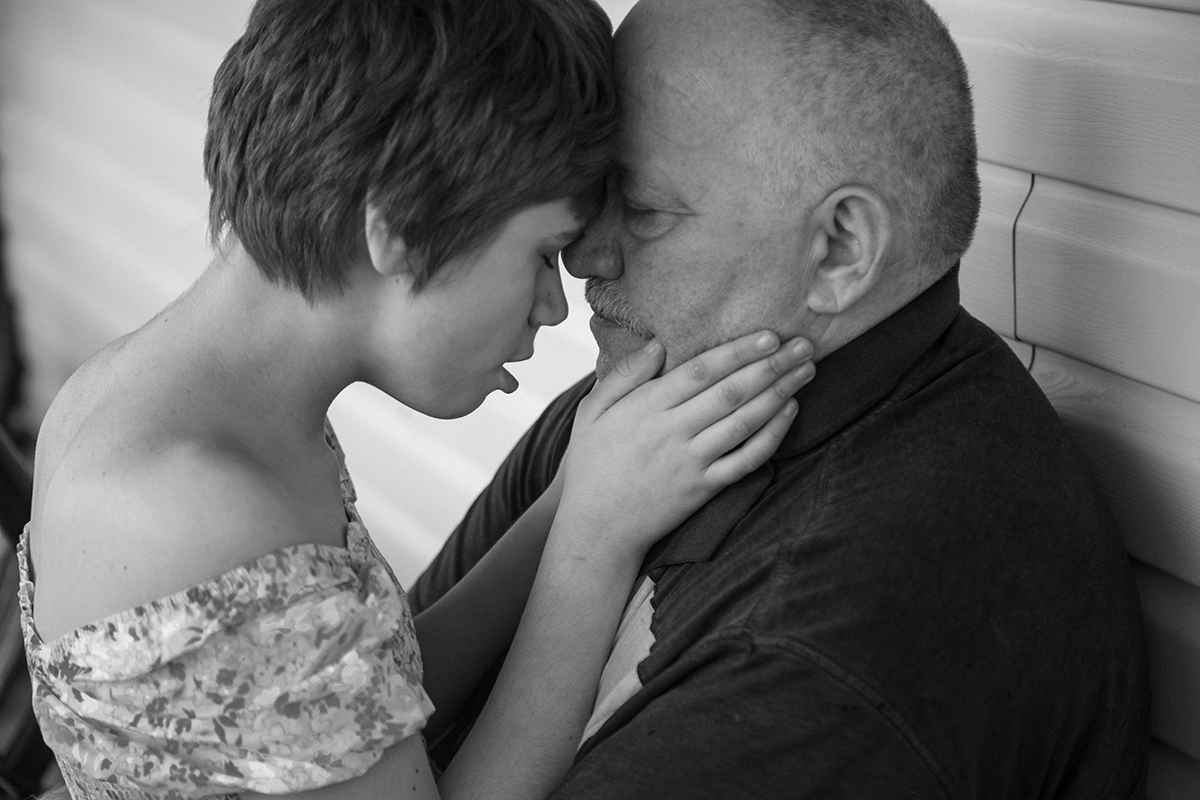 Polina with her grandfatherPhoto: Svetlana Noskova for TD
In the last two years, Irina has expanded the conditions: mothers of special children can make something for themselves. It is always difficult for a mother to make such a choice when the child needs so much. Women still asked: “Can I choose something better for the child?” To which Irina replied that they still needed to choose a gift for themselves. She herself regularly faces this choice, but she knows that making her mother happy is just as important as meeting the child’s needs. In the last promotion, 273 wishes were granted.
“I remember one family,” says Irina. - Two sisters. Their mother died, and their sister is caring for a girl with mental disabilities. And she asked for a set of cosmetics for herself. These girls are not from our city. Actually, I’m trying to do a promotion for local residents, but I ran out of applications from Naro-Fominsk, and those who wanted to fulfill their wishes remained, so I got them from other cities.”
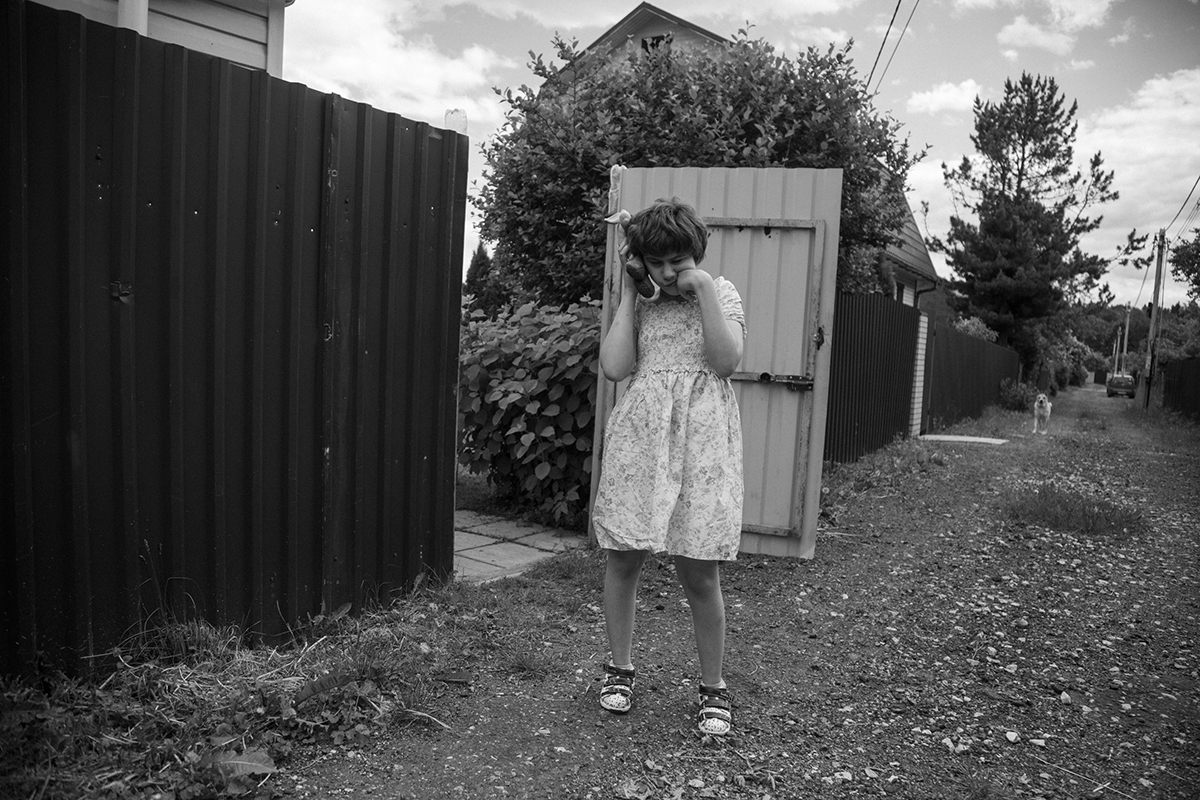 Polina on a walk near her summer cottagePhoto: Svetlana Noskova for TD
Talking behind your back
A year ago, Irina organized the “Special Spring” event - a meeting for mothers of special children. So that they can just come and relax, have a good time, wear dresses, feel free and beautiful for at least three or four hours. Listen to good music, eat delicious food, gain strength and communicate with like-minded parents.
“It turned out to be a very cool event,” recalls Irina. “It was difficult to raise funds for it, because not everyone understands why he should sponsor such a gathering. But still like-minded people were found. But after this party, I received a very strange message from one mother of a special child, with whom we communicated more often than with the others. She said they hate me. They think that I am looking for some kind of benefit in my projects and creating a name for myself through good deeds.”
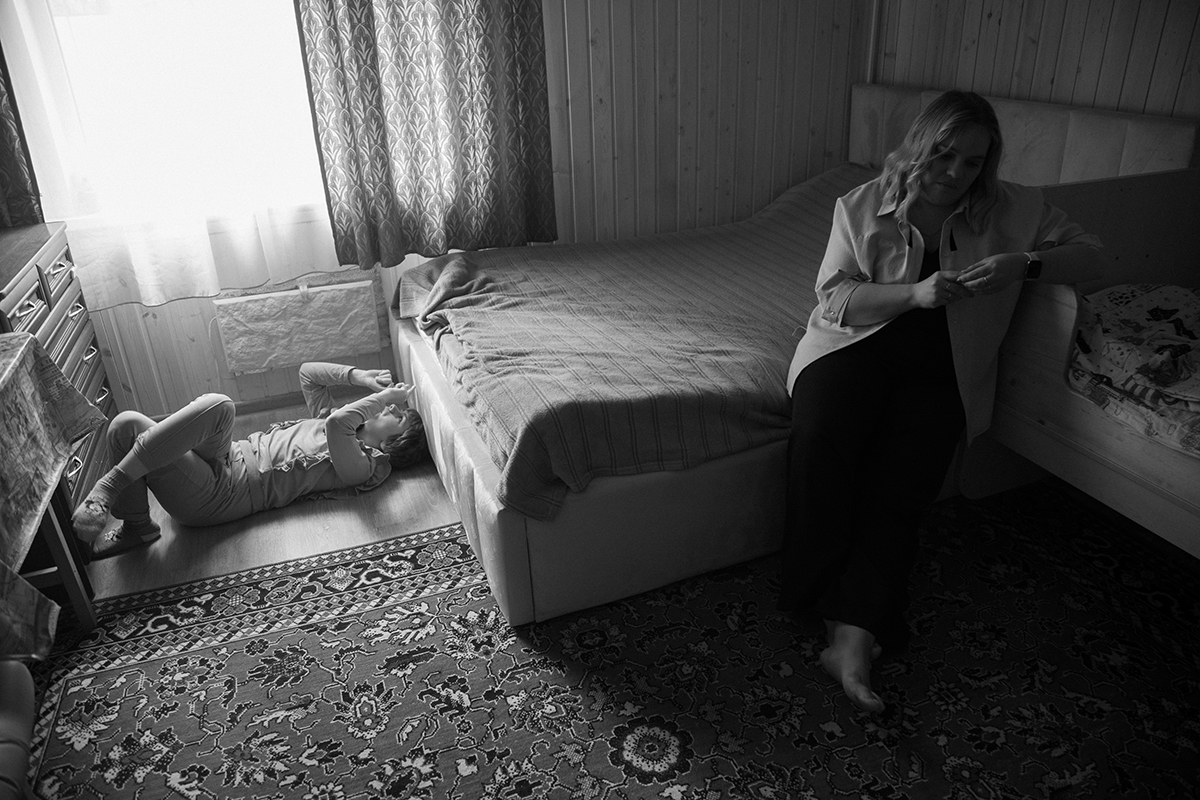 Polina and IrinaPhoto: Svetlana Noskova for TD
It turned out that there was a chat room led by two mothers of special children. Women collect dirt on Irina, believing that she is promoting herself through charitable activities and benefits from it. The claim was that other people chip in, buy gifts for children, sponsor a meeting of parents and otherwise pay for Irina’s projects, and she earns social capital from this.
“I kept trying to understand what I was accused of,” Irina is perplexed. “I didn’t take a single ruble from my parents for my projects—this is a principled position.” I just wanted parents who have disabled children to be able to find at least some support for themselves. And when I became one of the members of the public chamber of the Naro-Fominsk urban district, I gained more tools. When I found out that there was an alliance against me, it was terrible and unexpected. Now, when I collect money for some projects, I understand that I could simply be slandered. Despite the fact that I always accounted for the funds raised. In general, I realized that I had come up with a community that would meet and communicate. This turned out to be unnecessary. And I decided to move away, retreat. Think about whether people need this. Maybe I’m forcing it on them.”
“This project destroyed me mentally”
Irina Leonova has been nurturing the idea of the “Invisible” project ever since we wrote a text about her daughter Polina. This is a photo exhibition about people with disabilities and their relatives. The idea was to show such families as ordinary people who, by chance, found themselves in an extraordinary situation. The project involved special children, one adult with ALS, and even a wheelchair dog named Waltz from the Bereginya shelter.
“The exhibition took place in the foyer of the central palace of culture “Zvezda”. It turned out beautifully, but by the end of the project I was already completely exhausted emotionally,” says Irina. “We encountered incredible difficulties where they simply shouldn’t have existed. For example, we were offered to hold an exhibition on the second floor, where wheelchair users simply cannot enter. And I have five people - heroes of the exhibition in wheelchairs. They also proposed holding the opening without seats, so that guests could stand. In general, there was a series of all sorts of small troubles at the preparation stage, and this took a lot of energy, including emotional energy. There was a complete feeling that the management of the cultural center had absolutely no interest in the project. When I said that the head of the city would come to the opening, they laughed at me. The director of the Palace of Culture did not even stay for the opening and then urgently returned when she was informed that the head had arrived.”
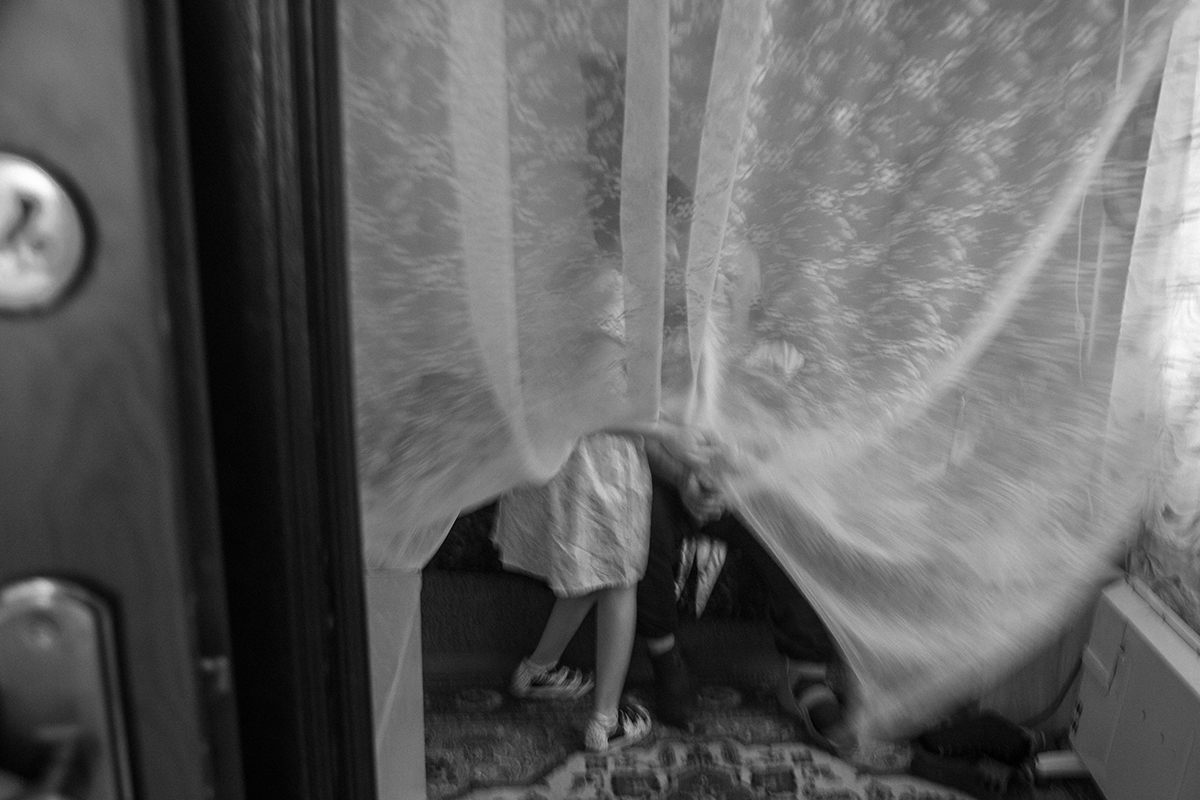 Polina in her grandfather’s room Photo: Svetlana Noskova for TD
There were 30 photographs in the exhibition, and each participant signed permission to use the image. Irina tried to do everything as correctly as possible so that the “Invisibles” project could be continued. There were plans to transport the exhibition to various cultural institutions and even make an exhibition in the State Duma.
“I thought that the exhibition would resonate with families like mine and would contribute to the formation of a community of families with children with disabilities,” says Irina in despair. — I was also thinking about creating a legal entity, because it’s easier to work as an NGO than when you’re just a “physicist.” She came to the exhibition and always said that she was open for communication and that you could ask me any questions. You must understand that hundreds of children and adults visit the foyer of the city palace of culture every day. There are clubs there and various events take place. But there was no interest in the exhibition. There was also no interest on the part of government officials in picking up this topic. Therefore, I saw no point in moving the exhibition further. I didn’t even have the technical ability to do this. I'm just a person, an ordinary resident of the city. In general, this project destroyed me mentally.”
Last straw
“The most painful thing for me was probably the Day of the Disabled, when this year it was returned to the calendar of events,” says Irina Leonova. “I spoke there and said that no one prepares for the birth of special children, no one chooses this path and in childhood, playing with dolls, does not play out this scenario. Disabled Persons Day is not a holiday, because we do not celebrate receiving a pink certificate, although we are forced to carry it around like a Victory flag in order to achieve at least something for our child. In the hall of the Palace of Culture I did not see any children with disabilities or their parents. They weren’t invited, or maybe they themselves don’t understand why they need such events. In our country, disability is now mainly associated with pensioners and combat veterans.
I realized that everything I had done all these years for the city and for the people had gone unnoticed. And the name of the exhibition - “Invisible” - turned out to be prophetic. I couldn't cope with emotional burnout, so I decided that I wouldn't do anything else. Bye. Maybe temporarily - I don’t know. I want to try to restore my strength, to find, perhaps, some place for myself where my ideas will be supported or at least shared.
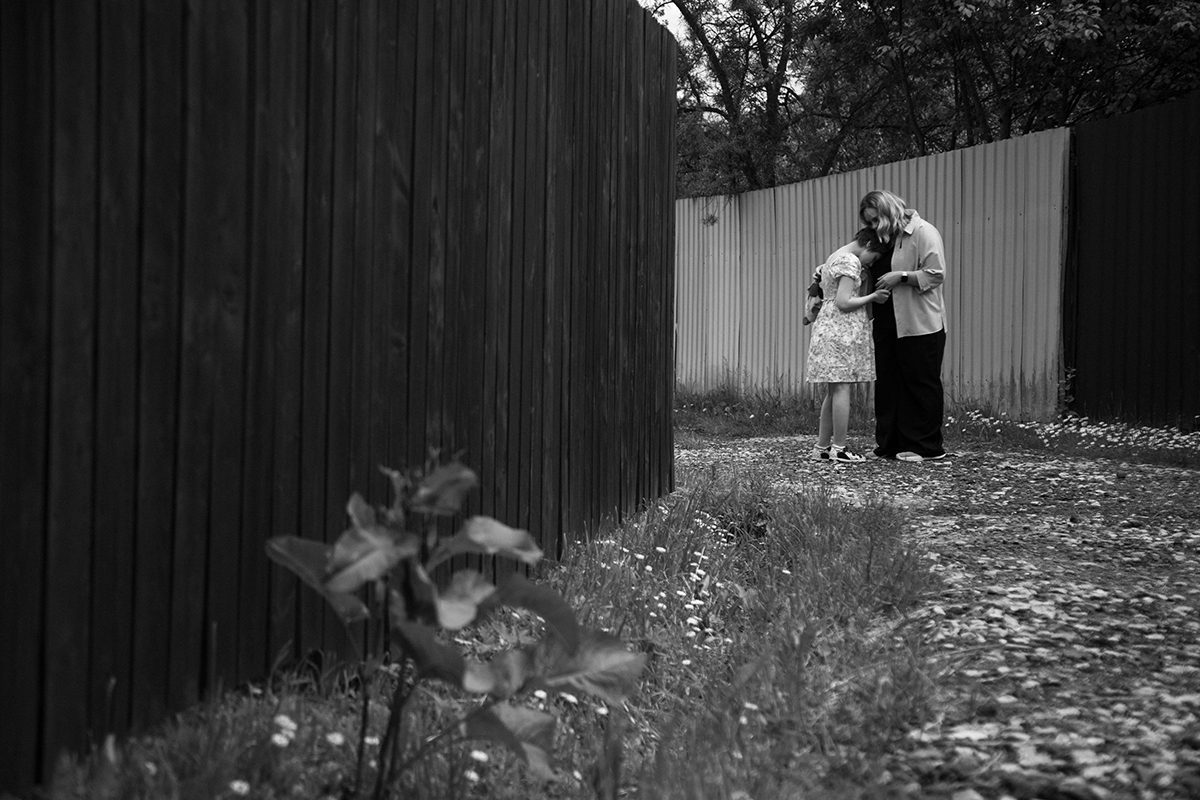 Irina and Polina on a walk along SNT Photo: Svetlana Noskova for TD
We're at the point where you have to choose your words to avoid consequences. But I see what is happening and it has already reached the charity sector. Maybe I’ll say it rudely, but now it’s fashionable to help the front. This is one of the areas of charitable activity that is actively supported by the state. When the active phase of the SVO ends, the second stage will begin - the rehabilitation of the military. There will be extensive work and good funding from the state.
Most of the charity will go in this direction, and children with disabilities, people with rare diseases and the elimination of the consequences of environmental disasters will be underfunded. The advantage becomes obvious. Уже сейчас многие фонды сократили свою работу, некоторые закрылись. В инфополе постоянно звучит повестка внешней политики, а внутри общества идет какой-то надлом. Но насколько и где это порвется, непонятно».
Самый большой страх
«Мой самый большой страх — будущее взрослой Полины. — Ирина не мигая смотрит в стол. — Я бы не хотела, чтобы она меня пережила. It sounds terrible, but it's true. Полина — мой любимый ребенок, мы стараемся сделать ее жизнь счастливой в каждом моменте. Я стою на страже ее здоровья и защищаю ее права. Но будущее таких детей, как Полина, при потере родственников — это психоневрологический интернат».
В России нет закона о распределенной опеке, когда можно назначить несколько опекунов для недееспособного человека. Проект этого закона был отклонен Государственной думой в феврале прошлого года. Закон должен был помочь людям с ментальной инвалидностью избежать попадания в психоневрологический интернат, где единственным опекуном становится директор учреждения, и вряд ли он будет выбирать для Полины удобную коляску, покупать ее любимые игрушки или гулять с ней столько, сколько нужно. В ПНИ действуют согласно регламенту — взрослому человеку положено три подгузника в день.
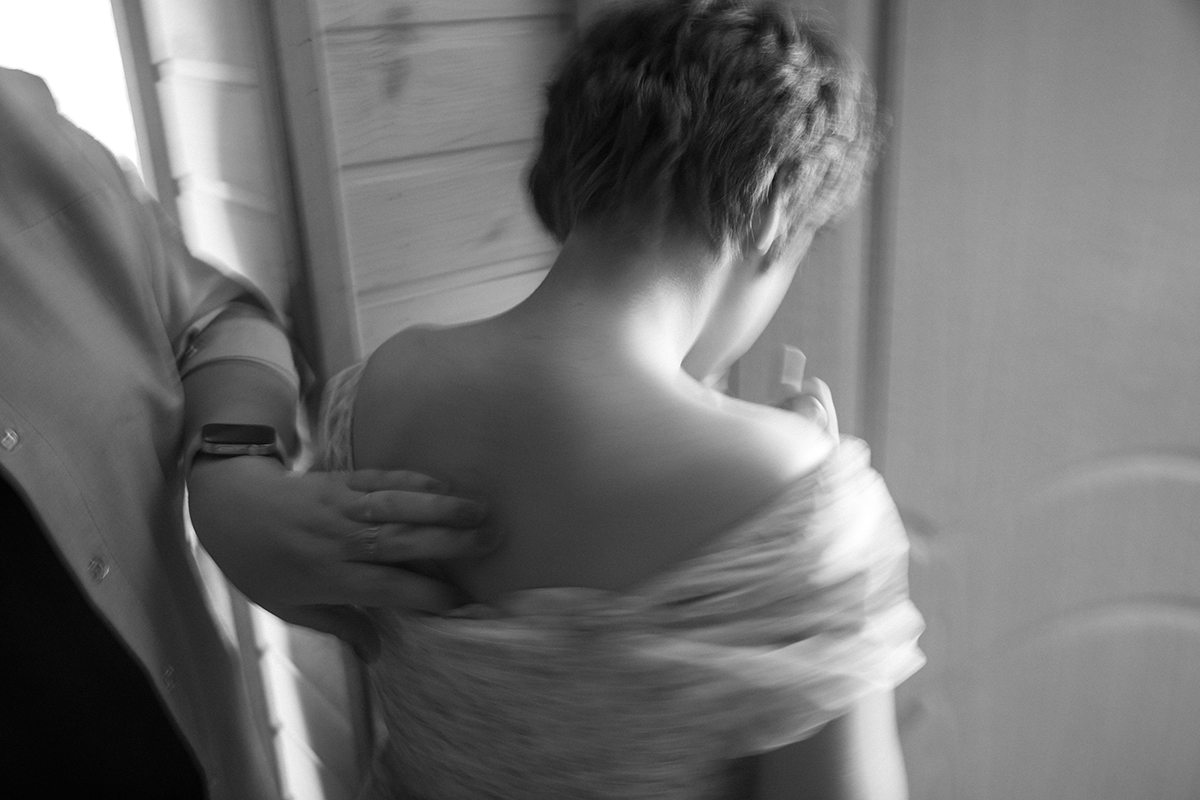 Полине нравятся поглаживанияФото: Светлана Носкова для ТД
«То, что сейчас происходит, дает ощущение падения в бездну. И ты ничего не можешь сделать, этот круг — полынья вокруг Серой Шейки — сжимается. Сначала одно отрезают, потом другое, и это бесконечно печально. Ты вынужден не просто подбирать слова, а контролировать себя ежедневно. Вдруг что-то не то скажешь. Я боюсь однажды проснуться с пустотой в душе и безразличием к событиям в стране. Но пока еще не хочу закрывать глаза, терпеть и молчать. Я буквально захлебываюсь в вопросах. Мне страшно потерять родину и веру в будущее».
The material uses links to publications on social networks Instagram and Facebook, and also mentions their names. These web resources are owned by Meta Platforms Inc. — it is recognized as an extremist organization in Russia and is banned.