
Translated material
They killed children and kept the whole region in fear
The Tsapka brothers created one of the most brutal and greedy gangs of modern Russia. She gained unlimited power over a large and prosperous region in the Krasnodar Territory and kept it at bay for more than 10 years. The bandits were captured after the brutal murder of 12 people in the house of local farmer Ametov. But the history of the criminal group and its “legacy” did not disappear with the imprisonment of the participants. How members of one of the most dangerous organized crime groups were finally caught and what’s happening to them now - in the material from Kholod .
It was the most high-profile case of the decade. What happened to the murderers and rapists that the whole country was talking about? 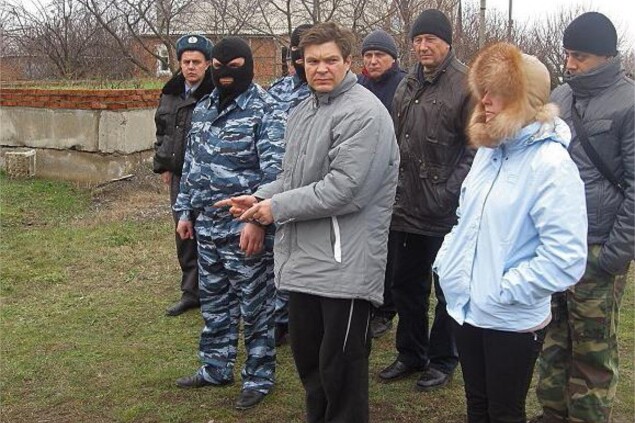
In 2018, two photographs appeared on the Internet. In the first, a man with a satisfied face turns over skewers with kebabs. In the second, he sits at the table and eats crabs. Nearby there is a bowl of red caviar.
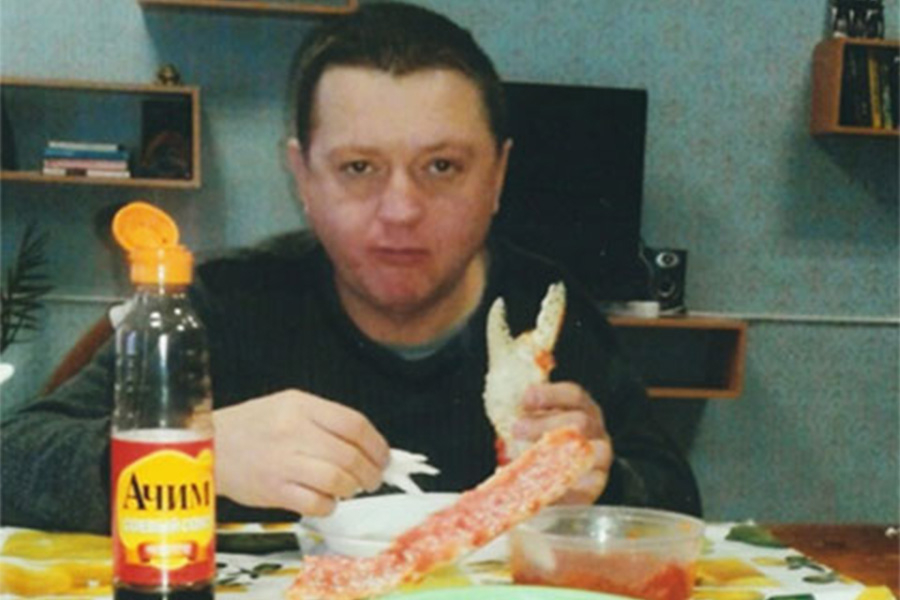
What's so interesting about this? But it turns out that these photographs were taken in the colony. They show prisoner Vyacheslav Tsepovyaz from the Tsapkov gang. Its members kept the residents of the village of Kushchevskaya in the Krasnodar Territory in fear for more than 10 years, and in the early 2010s they went to prison. They were caught after the brutal murder of 12 people, including children.
Publicity
In the 2000s, the village of Kushchevskaya, where there were almost 30 thousand residents, lived in fear: almost everyone could become a victim of the Tsapkov gang. They took away land and businesses from people, raped local students, and killed them. And no one could find control over them.
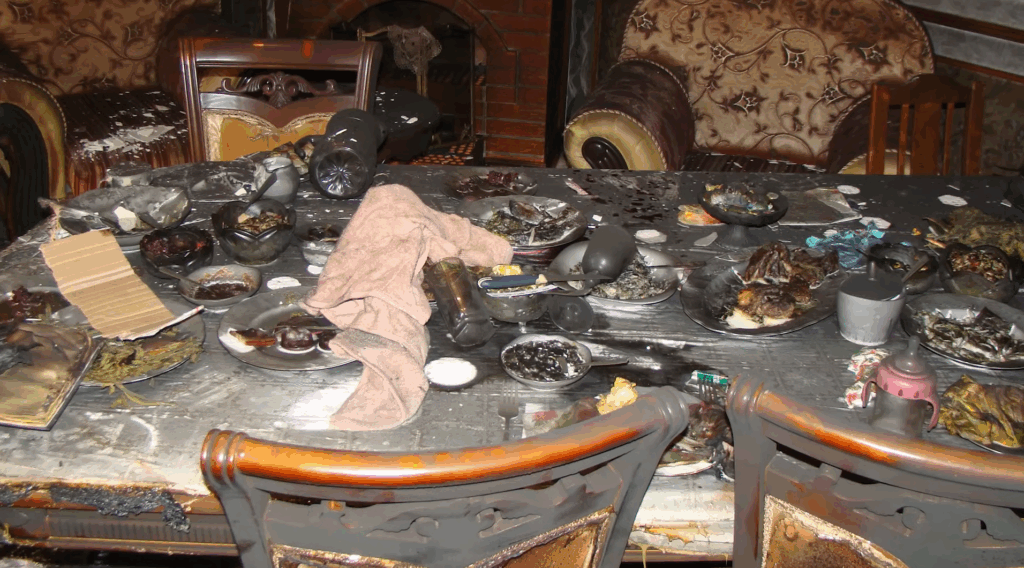
In November 2010, the Tsapki broke into the house of local farmer Server Ametov. He had a feast: family members and acquaintances gathered. They were all killed - even the children. Ametov's nine-month-old granddaughter Amira, still alive, was placed on top of the bodies of the dead, and then the house was set on fire.
We have already talked about why the farmer’s family was killed: the head of the group, Sergei Tsapok, suspected that Ametov ordered the murder of his brother.
The day after the tragedy, relatives discovered 12 bodies in a burnt house. Local residents were sure that the case could have been hushed up, as happened before - with other murders, rapes and raider takeovers committed by members of the group. But that morning a team from Channel One arrived in the village to film the program “Wait for Me” - there could be a missing child in the local orphanage. They learned about the fire and the murder of 12 people and passed the information on to their colleagues. There was an uproar. They started looking for Tsapkov.
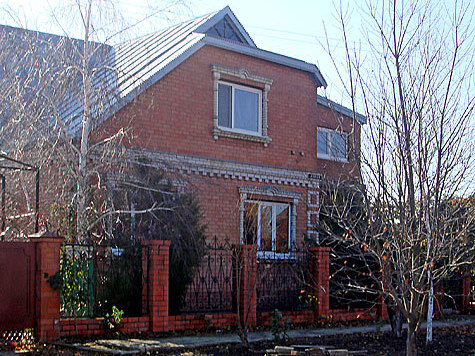
The investigation into the case was taken under control by the Prosecutor General of the Russian Federation, Yuri Chaika. Alexander Bastrykin, then Chaika’s first deputy, personally went to the crime scene. Together with him came the prosecutor of the Krasnodar region Leonid Korzhinek and the deputy chairman of the Investigative Committee for the North Caucasus and Southern Federal Districts Boris Karnaukhov. On November 8, 2010, they inspected the house where the massacre took place. Bastrykin then stated that he was amazed by the cruelty of the killers, and even decided to turn to local residents for help, asking them to tell about other crimes of the group.
Bastrykin and Karnaukhov began a personal reception of citizens, for which more than 180 people signed up . Some people willingly talked about the bandits to both the security forces and the media. But many were still afraid - they were ready to speak only when all the criminals were caught. As journalist Elena Kostyuchenko, who then went to the village, wrote : “The most common phrase in today’s Kushchevka: “We live here.”
These days - in November and December 2010 - the whole country learned about the lawlessness in the south of Russia. Journalists from major publications visited the village, and stories about the murder were shown on TV .
It became clear: the scarecrows about bandits from the 1990s are not a thing of the past. For more than 10 years, the Tsapkov gang kept tens of thousands of people in fear - the entire village and neighboring areas. They built their own state there, within a state that lived according to its own laws.
On November 9, the governor of the Krasnodar Territory, Alexander Tkachev, announced a payment of one million rubles for information about the murder of the Ametovs. Later, he also stated that press reports about “puddles of blood” and that residents were afraid to go out were untrue and an attempt to denigrate the region. After the arrest of the Tsapkov, he will say : “We are all shocked, because the main suspect is known as a philanthropist. Who would have thought that he was capable of such a thing?
In fact, not only as a philanthropist, but also as a former deputy. But more on that later.
Bandits are caught
Soon, several members of the group involved in the attack on the Ametovs were put on the international wanted list. Perhaps they then thought there was no point in hiding anymore. Some of them returned to Russia, where they were detained.
The search for this case was large-scale from the very beginning, and not only the “tsacs” themselves, but also many criminals associated with them fell into the hands of law enforcement officers.
Brothers Evgeny and Alexei Gurov - nicknamed Bober Jr. and Bober Sr. - were detained first. Investigators found drugs on them and came to the conclusion that Bober Sr. was the leader of a separate criminal group. Members of this gang were later convicted on other charges: acquisition and possession of drugs, causing harm to health, damage to property, rape, robbery and extortion. Evgeniy, the youngest, received 14.5 years in prison, Alexey, the eldest, received 17.5 years in a maximum security colony.
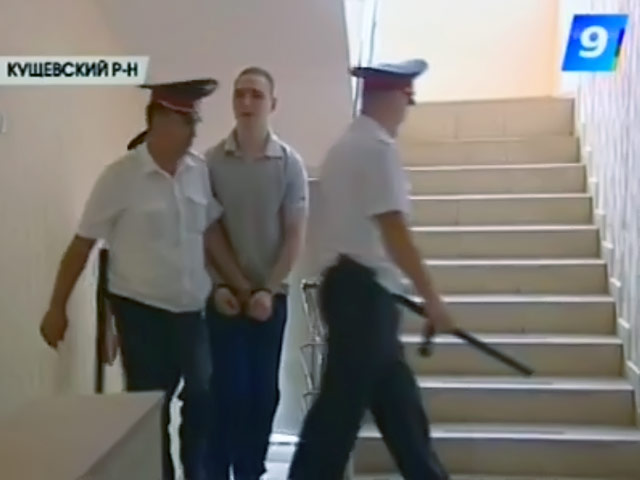
Subsequently, the chronology - at least the one that can be reconstructed from media news - was like this. On November 15, Sergei Tsepovyaz, a deputy from the Razdolnensky rural settlement, was detained (his charge was later reclassified from murder to “concealment of a crime”). The investigation had a version: on November 8, 2010, after killing the Ametovs, Tsepovyaz burned documents that confirmed that gang member Sergei Karpenko took fuel from a gas station. This fuel was then used to set fire to the Ametovs’ house. As a result, Tsepovyaz escaped with a fine of 150 thousand rubles.
During the interrogation he put on a real show. The head of the press service of the Central Internal Affairs Directorate of the Krasnodar Territory, Igor Zhelyabin, said that when Tsepovyaz was taken out of the police department building, he fell to his knees, cried and asked not to be killed (this is not the same Tsepovyaz with the description of whose prison banquet this text began - his namesake was there).
On the same day, November 15, Sergei Tsapok, the leader of the gang and the alleged organizer of the murder, was detained .
On November 17, 2010, the Essentuki City Court considered the petition for his arrest. He did not admit his guilt, but the court decided to take him into custody. Tsapok's defense stated that they would appeal the arrest, since there is no evidence in the case other than the testimony of the victim. We are talking about Server Ametov’s son Jalil, who was not in the house on the evening of the murder.
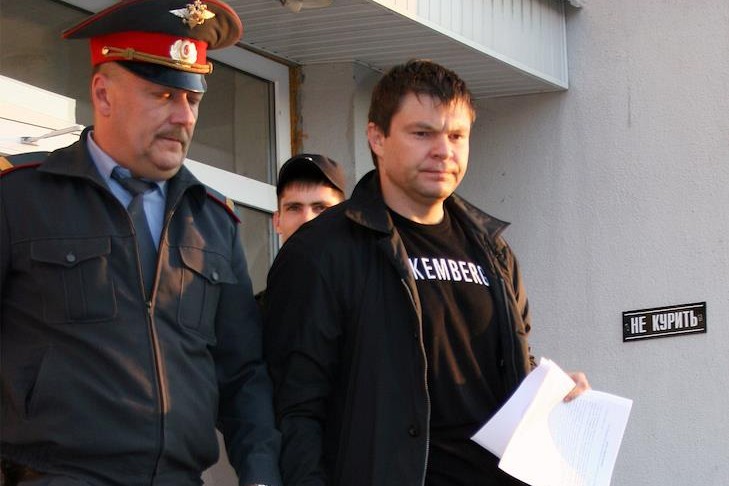
Five days after the arrest of Sergei Tsapok, his lawyer Alla Golovina stated that the investigation was hiding the whereabouts of her client and she did not know whether he was alive. Officials did not comment on information about his hospitalization that appeared in the media.
On November 20, Andrei Bykov (Byk) and Sergei Karpenko (Ris Jr.) were detained at the Rostov-on-Don airport. The latter is the direct perpetrator of the murder of 6 out of 12 people.
On November 24, at night, during a special operation, Igor Chernykh (Amur) was detained - then the investigation called him one of the most brutal co-perpetrators of the murder, who personally dealt with the children.
On December 8, 2010, in Rostov-on-Don, Nikolai Tsapok (Uncle Kolya) was detained and taken into custody - the uncle of Sergei Tsapok, suspected of complicity in the murder of two people in Rostov in June 2010 ( read more about him in the first part of the text).
On December 9, 2010, Vitaly Ivanov, the personal driver of Sergei Tsapok, was detained. He later confessed to the murder of the Bogachev farmers in 2003. On the same day, gang member Vladimir Zaporozhets, nicknamed Kamaz, was also detained.
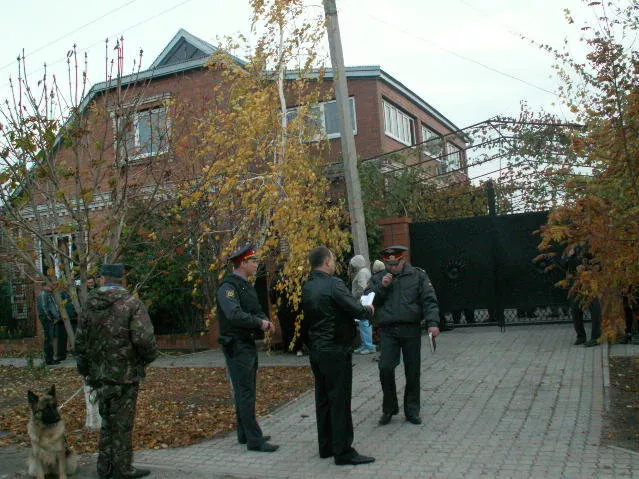
Also in December 2010, in Berdyansk, Zaporozhye region, Ukrainian police detained two participants in the Kushchev massacre who were put on the international wanted list: Vyacheslav Ryabtsev (Buba) and Vladimir Alekseev (Vova Bespredel). The first was extradited to Russia in February 2011, the second in March.
In January 2011, law enforcement agencies reached ex-deputy Vyacheslav Tsepovyaz (Zlodey) and took him into custody. This is the one that will then eat crabs in the colony.
"Purges" of officials
In parallel with the investigation of the new case, the investigators also raised old ones: about robbery, banditry, rape, murder. Immediately after Moscow commissions from the Prosecutor General’s Office, the Investigative Committee and the Ministry of Internal Affairs descended on the village, a large-scale cleansing of law enforcement agencies in the Kushchevsky district and Krasnodar region began. The central authorities finally noticed what local residents had been shouting about for years: the Kushchevsky police and prosecutor’s office existed in symbiosis with the gang.
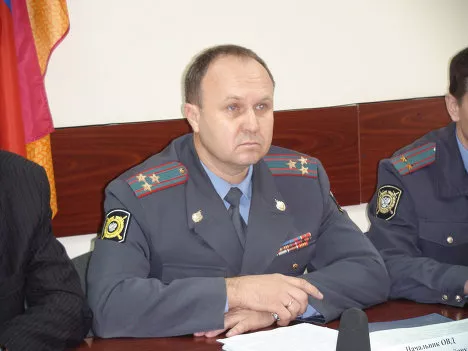
The first layoffs began in November 2010. The governor of the region, Alexander Tkachev, at a meeting of the regional Security Council announced the dismissal of Viktor Burnosov, the head of the Kushchevsky District Department of Internal Affairs (police colonel) and Nikolai Nalivaiko, the deputy head of the Kushchevsky district.
Viktor Burnosov held a press conference and announced that he himself had resigned. He also said that “there was no organized crime group in the area,” he called the situation stable, and the work of his subordinates selfless. “The idea that they keep the entire area in fear is far-fetched,” Burnosov said about the Tsapkov gang.
At the end of November, Russian President Dmitry Medvedev, in his message to the Federal Assembly, announced the dismissal of the highest police official in the region: Sergei Kucheruk, head of the Main Department of Internal Affairs for the Krasnodar Territory.
However, after Kucheruk’s dismissal, he was immediately assigned to the government-controlled Kraiinvestbank. Tkachev personally supported this appointment, saying that “such people do not lie on the road.” And in February 2011, the head of the Ministry of Internal Affairs, Nurgaliev, even awarded Kucheruk the medal “For Merit in Management Activities,” but after people began to be indignant and there was a resonance in the media, the medal was officially taken away in March 2011. However, the press service of the Ministry of Internal Affairs explained this with formal reasons: supposedly the personnel officers initially made a mistake, since this award is only for current employees.
"For personal gain"
But the most severe punishment among the government officials who fell into disgrace fell on Lieutenant Colonel Alexander Khodych, the “police godfather” of the gang (we talked about him in the first part), who was nicknamed “Mr. Million” in the village - since allegedly his bets for resolving issues began with this amount in rubles.
In fact, local residents later recalled that Khodych and his subordinates did not disdain smaller amounts (100–150 thousand each). He shared this money with the “tsacs”. Here’s how Elena Kostyuchenko wrote about it in Novaya Gazeta: “Khodych could promise the victim protection from Tsapka... They claim that Khodych gave 50% of the money he collected independently to Tsapka and, of course, provided security and legal support. Through Khodych, the Tsapkas gained access to criminal cases and, in general, “internal” information of the police department.”
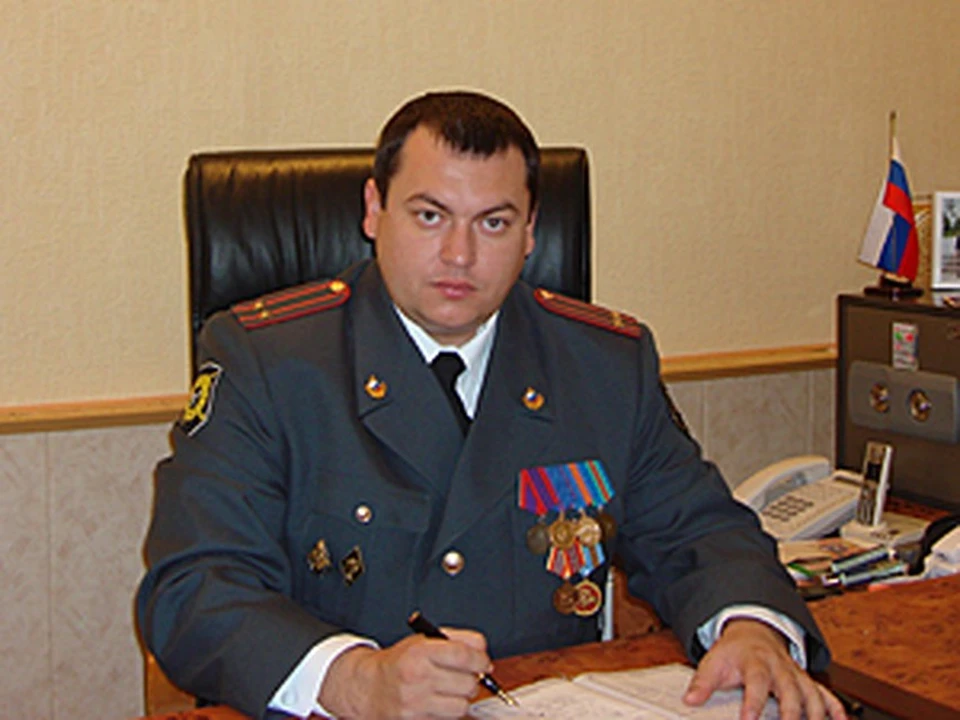
Sergei Tsapok did not remain in debt and regularly brought money and just gifts to Khodych. For example, as Novaya Gazeta wrote, he gave Khodych and his wife luxury Vertu phones worth half a million rubles each.
Here is a clear example of how their tandem worked. According to Novaya Gazeta, in 2008, local large businessman Nikolai Gordik refused the “offer” of Tsapok and Tsepovyaz to give them 51% of his successful agribusiness - the Agroyuginvest company.
The next day, Khodych’s group came to Gordik’s office as part of a criminal case initiated a year earlier, in 2007. Gordik was allegedly suspected of delaying employee salaries. In March 2008, the businessman was taken into custody.
In the pre-trial detention center, Khodych often visited him. As Novaya Gazeta writes , citing the case materials, he visited the businessman at least six times. Gordik later told what they talked about:
“He says: you see, the guys [tsapki] need your land. Their “North of Kuban” tactically needs your two squads. “Please,” I say, “but let them pay the money.” I worked, I invested, I have my own contractual obligations. And after 7 days he brings my wife to the pre-trial detention center. Khodych also talked to her - about me, about my daughter. She is shocked, a homely woman. Khodych tells me: you rewrite it, you go out the next day. Well, I’m writing a deed of gift to Polubat—Tsepovyaz’s six—for my entire share in Agroyuginvest. And waiting for me to come out. Then Khodych comes again. He says: we need another three million to let you out. But I no longer have anything, no property. I write him a receipt - why resist, everything has already been taken. Using this receipt, he took the car from my debtor, farmer Isyuk. And I came out, yes, with a suspended sentence of 2 years and 2.5 months after all the land was rewritten, the enterprise went bankrupt.”
Khodych tried to escape, but he was detained on November 24, 2010 and tried. He received eight years in a general regime colony - this was the most severe punishment among government officials associated with the gang. The trick is that Khodych’s connection with the “tsapki” was actually omitted from the official indictment. According to one version , it was considered “politically inexpedient.”
As a result, he was tried for fraud using his official position. He was charged with one episode: this is the case of Nikolai Gordik. The indictment stated that Khodych, using his official position, visited Gordik in the pre-trial detention center and lied to him that he could release him. Thus, he forced him to sign a paper, which he later used to fraudulently demand the property of Isyuk, Gordik’s counterparty.
According to the prosecution, he did all this for the sake of personal enrichment. Nothing was said about the raider takeover of the enterprise. No connection with crime was found in this case either. As a result, Khodych was sent to a special colony for former employees and was officially stripped of the rank of police lieutenant colonel.
He didn't even serve his full sentence. In October 2015, after serving a total of less than five years in prison, he applied for parole. The court of first instance rejected him, but the Sverdlovsk Regional Court in March 2016 overturned this decision and applied parole to Khodych, taking into account the ideal characteristics from the administration of the penal colony and the psychologist from the Federal Penitentiary Service. He was released two years and eight months early.
After his release in the spring of 2016, Khodych went into the shadows. He does not give interviews, does not appear in public and does not comment on the events of past years, leading an absolutely non-public lifestyle. According to databases, he returned to Kushchevka and became a businessman. Now he has a small enterprise that conducts “activities in the field of medicine.”
Other police officers were also tried. Alexander Romanchenko, an investigator at the Kushchevsky District Department of Internal Affairs, received 2.5 years in prison for extorting money from village residents. At the beginning of 2011, a criminal case was opened against Tatyana Remeskevich, the head of the juvenile affairs department of the Kushchevsky Department of Internal Affairs, for deliberately concealing the fact of the rape of a minor girl, which was committed by one of Tsapok’s closest associates, Vladimir Alekseev (Vova Bespredel). She was convicted and given a year and a half suspended sentence.
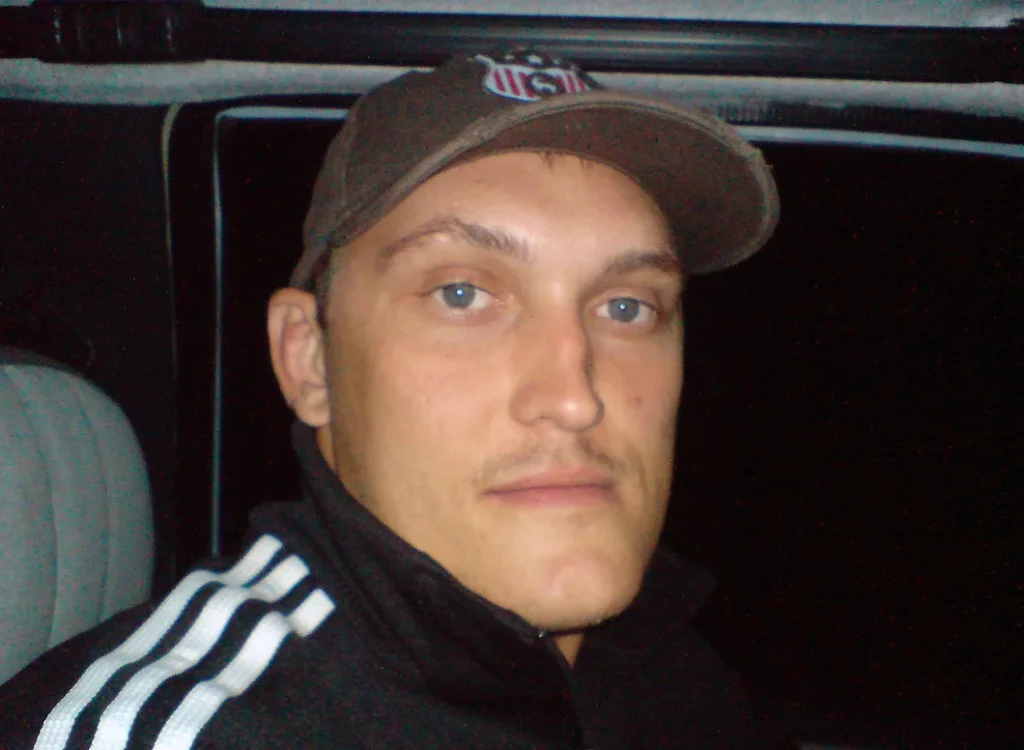
However, the public realized that these were not the same people who had been covering up the criminal organized crime group since the 1990s. On December 6, 2010, a young investigator of the Kushchevsky Department of Internal Affairs, Ekaterina Rogoza, recorded a loud video message to President Medvedev. She stated that the Moscow inspection is looking for scapegoats among ordinary employees, and shielding the top.
Who made it to court
The trial of gang members became one of the loudest, most complex and dramatic in the history of modern Russia. The volume of the criminal case about the murder in Ametov’s house amounted to 477 volumes. Another 37 criminal cases of grave and especially grave crimes committed in the Kushchevsky district were connected with him. Security forces conducted more than two thousand interrogations and 600 examinations. They had to prove not just the fact of the massacre in the Ametovs’ house, but the existence of a powerful organized crime group that terrorized the region from 1998 to 2010.
The investigation and trials lasted four years, from the end of 2010 to 2014. But not all members of the group reached the verdict.
Vitaly Ivanov, nicknamed Vitamin, was accused by investigators of murdering the father and son of the Bogachevs in 2003. In February 2011, he tried to open his veins and cut his neck with a blade right in his cell.
The suicide attempt failed: he was saved by doctors and transferred to the psychiatric ward of the prison hospital. But a few months later, Ivanov finally committed suicide. On June 30, 2011, he was found hanging in a noose made from a sheet torn into strips.
Sergei Karpenko (Rhys Jr.) was considered the most cruel, cold-blooded and “frostbitten” performer in the organized crime group. It was he, according to the case materials, who personally stabbed six of the twelve people in the house of farmer Server Ametov in November 2010.
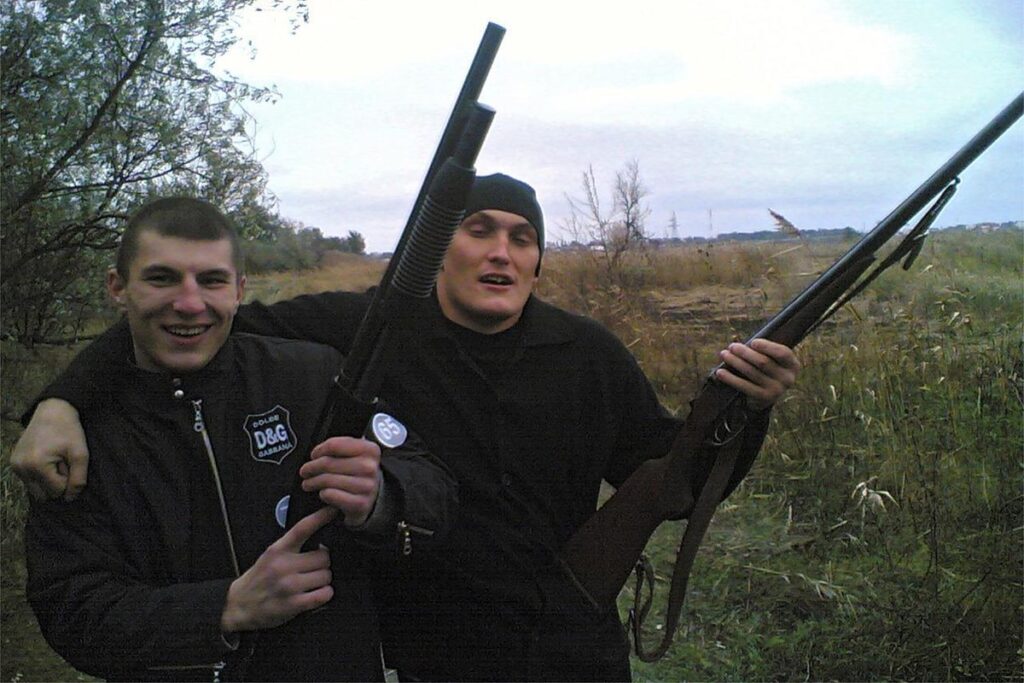
После ареста Карпенко, поняв, что ему грозит пожизненный срок, стал сотрудничать со следствием и давать подробнейшие признательные показания, сдавая схемы Цапка и места захоронения прошлых жертв группировки. После этого в июле 2011 года Карпенко попытался покончить с собой в СИЗО.
Его откачали и перевезли в клиническую больницу скорой помощи во Владикавказе под усиленный конвой. Но в итоге 1 августа он скончался — по официальной версии, «не приходя в сознание».
Жители станицы Кущевская не поверили в то, что это был суицид. В разговоре с журналистами некоторые высказывали мнение, что ему могли «помочь» свести счеты с жизнью. Но официальная проверка СКР подтвердила факт самоубийства.
Как писала «Новая газета», главарь банды Сергей Цапок тоже пытался покончить жизнь самоубийством. Но если такие попытки и были, они ни на что не повлияли — Цапка сочли вменяемым и способным принимать участие в процессе. В конце концов он предстал перед присяжными.
Вместе с ним на скамье подсудимых оказались другие члены группировки: Владимир Алексеев (Вова Беспредел), Игорь Черных (Амур), Вячеслав Цеповяз, Николай Цапок (Дядя Коля), Владимир Запорожец (Камаз).
Андрей Быков (Бык) и Вячеслав Рябцев (Буба) заключили досудебные соглашения: они сотрудничали со следствием, и их судили отдельно, без присяжных. Они оба получили 20 лет колонии, и оба вышли раньше назначенного срока. К их судьбе мы еще вернемся.
Court
Суда присяжных попросили сами члены группировки, но сформировать коллегию удалось только с четвертой попытки. Возможно, кандидаты боялись за свою жизнь. «Мы не заявляем отводов присяжным, но часть кандидатов берет самоотвод, ссылаясь на проблемы со здоровьем или занятость», — говорила представитель потерпевших, адвокат Екатерина Романова.
Ранее, когда шли допросы, многие из тех шести членов банды, которые оказались перед присяжными, поначалу давали показания. Сохранилось даже видео со следственного эксперимента, где Амур чуть ли не показывал, как убивал детей.
Но, оказавшись в суде, некоторые подсудимые отказались от признательных показаний. Сергей Цапок и Владимир Алексеев заявили, что их жестоко пытали током и избивали.
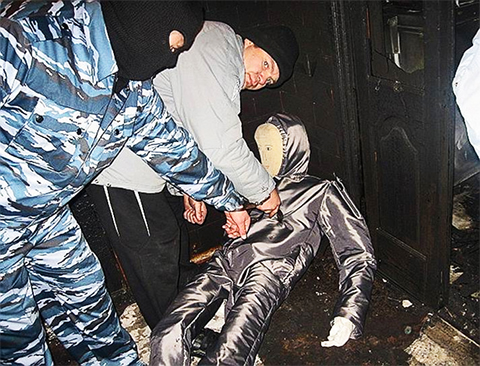
Подсудимые всеми способами пытались сорвать заседания. Сергей Цапок вел себя неадекватно: заговаривался, пускал слюни, кричал. А в какой-то момент — прямо в зале суда — попытался вскрыть себе вены. Сразу после этого другой подсудимый, Владимир Алексеев, вскочил со скамьи и стал кричать: «Посмотрите, до чего человека довели!»
Другие члены группировки не отставали. Черных (Амур) в последнем слове говорил , что содержится под стражей незаконно, вину не признает. Он утверждал, что всего лишь был охранником в фирме у «цапковских». Когда судья сделал ему замечание, он крикнул: «Я что, маньяк какой-то?»
Вячеслав Цеповяз вел себя спокойнее: говорил, что «с момента задержания доказывал свою невиновность».
«Я не мстил за брата Цапка и за чью-либо смерть. Не вступал ни в какую банду. Я работал с 1990 года, просто зарабатывал на достойную жизнь. Никому никогда не делал ничего плохого, хоть у кого спросите», — сказал он на суде.
В ноябре 2013 года присяжные сочли виновными всех участников группировки, а через полторы недели им огласили приговоры. Сам главарь банды — Сергей Цапок, а также ее самые беспощадные бандиты — Игорь Черных по кличке Амур и Владимир Алексеев, он же Вова Беспредел, получили пожизненное заключение. Финансист Вячеслав Цеповяз и дядя главаря Николай Цапок-старший получили по 20 лет колонии, Запорожец за бандитизм и убийство 1998 года — 19 лет.
Сергей Цапок до колонии так и не доехал. В июле 2014 года его нашли мертвым в медсанчасти краснодарского СИЗО. Официальная причина — оторвавшийся тромб закупорил легочную артерию.
Игорь Черных (Амур), который убил детей Аметовых, покончил с собой в камере за три дня до смерти Цапка.
Агроимперия Надежды Цапок
В этой истории есть еще один персонаж, которого мы упоминали в первой части текста. Надежда Цапок — мать Сергея Цапка. Ее тоже судили, но отдельно: за экономические преступления.
Надежда Алексеевна Цапок была экономическим фундаментом ОПГ. Пока остальные члены группировки убивали и грабили, Надежда Цапок строила легальную агроимперию, используя криминальный ресурс банды для рейдерских захватов лучших земель Краснодарского края.
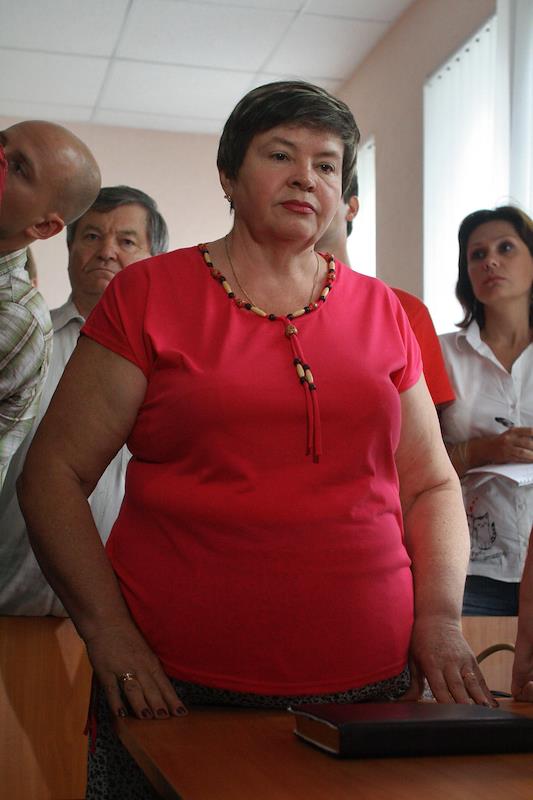
В 1999 году она вместе с мужем Виктором Цапком создала и возглавила компанию ООО «Артекс-Агро». Скоро фирма превратилась в одного из крупнейших сельхозпроизводителей Юга России. Под управлением фирмы находилось более 13 тысяч гектаров плодороднейшей земли.
«Артекс-Агро» входила в список 300 лучших предприятий АПК России. Надежда Цапок регулярно получала благодарственные грамоты от администрации Краснодарского края, а ее предприятие — многомиллионные государственные субсидии и льготные кредиты в рамках нацпроекта «Развитие АПК».
Но на деле земля доставалась Надежде Цапок через запугивание фермеров. Если кто-то отказывался сдавать паи ее фирме за бесценок, к нему приезжали цапковские. Людей избивали, сжигали их технику, а послушные ОПГ местные прокуроры и судьи закрывали на это глаза.
После резни в доме Аметовых и ареста Сергея Цапка следователи взялись за экономику ОПГ. Первое дело против Надежды Цапок — за мошенничество с бюджетными субсидиями — завели уже в декабре 2010 года. А всего она стала фигуранткой четырех дел: ее также судили за использование рабского труда, незаконное присвоение земли и подлог.
Подробнее об этих четырех делах Дело №1: Субсидии
Выяснилось, что в 2010 году Надежда Цапок предоставила в департамент сельского хозяйства края поддельную справку из налоговой об отсутствии задолженностей, что позволило незаконно получить из бюджета субсидию на сумму 15 млн рублей.
Приговор : 3 года колонии общего режима. Субсидию взыскали обратно в бюджет.
Дело №2: О «рабском труде»
В 2010 году на ферме Надежды Цапок обнаружили 10 граждан Украины, у которых отобрали паспорта и заставили бесплатно работать на зернотоке. Было возбуждено дело по статье «Использование рабского труда». Однако следствие решило, что схему организовали двое наемных управляющих, а сама владелица была «не в курсе».
По этому эпизоду ее полностью оправдали.
Дело №3: Присвоение 770 гектаров земли
Следователи выяснили, что в 2006–2007 годах Надежда, будучи гендиректором «Артекс-Агро», по подложным документам мошенническим путем оформила на подставных лиц, тем самым получив в собственность сельхозугодья в Кущевском районе площадью более 770 гектаров.
Приговор: 6,5 лет колонии общего режима с учетом неотбытой части прошлого срока и штраф.
Дело №4: Подлог в Росреестре
Третье дело касалось аферы периода 2005–2010 годов. Надежда Цапок по липовым бумагам зарегистрировала право собственности еще почти на 190 гектаров земли, нанеся Кущевскому сельскому поселению ущерб более чем в 3 миллиона рублей.
Приговор: Из-за частичного сложения сроков итоговое наказание составило 7 лет и 6 месяцев лишения свободы.
Пока Надежда Цапок сидела в Усть-Лабинской колонии, за деньги на ее банковском счете развернулась настоящая битва. У нее лежало 157 миллионов рублей в Россельхозбанке. В 2010 году суд арестовал их для возможных выплат потерпевшим.
Пользуясь тем, что деньги «зависли», бывшая судья Кущевского райсуда Светлана Мартынова разработала схему. Она по подложным документам выкупила у одной из пострадавших пайщиц, пенсионерки Анны Данько, право требования долга с Надежды Цапок на 92 миллиона рублей. Суд обязал судебных приставов взыскать деньги. Так 92 миллиона со счетов Надежды Цапок были похищены.
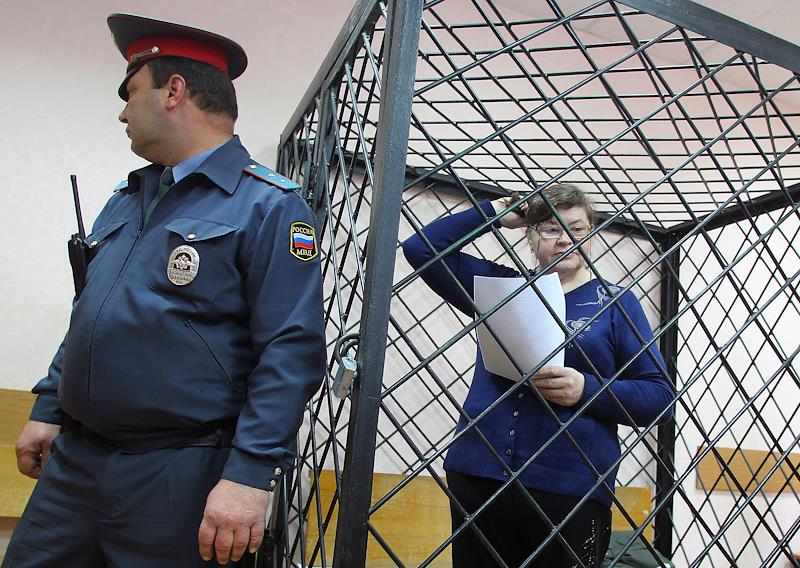
Цапок в этом деле была признана потерпевшей. Суд Волгограда признал экс-судью Мартынову виновной в этой краже и обязал ее полностью вернуть Цапок 92 миллиона рублей.
Оставшиеся на счетах Цапок 119 миллионов рублей судебные приставы официально списали и разделили между родственниками убитых бандой людей. Суд признал, что это были личные деньги ее сына Сергея, которые он просто прятал на счетах матери. А вот получить 130 миллионов со счетов вдовы главаря банды Анжелы-Марии Цапок не удалось: эти средства сочли ее личными.
СВО, Вагнер, икра и баня
Сейчас Надежда Цапок на свободе — она досрочно вышла из колонии в сентябре 2018 года и вернулась в станицу. Вину она так и не признала. В СМИ писали , что она живет в своем частном доме вместе с мужем. Осенью 2023 года 76-летний Виктор Цапок скончался.
Сейчас из осужденных все еще отбывают срок Владимир Алексеев, Вячеслав Цеповяз и Николай Цапок-старший. А Вячеслав Рябцев (Буба) и Андрей Быков (Бык), которых судили отдельно без присяжных, отправились на СВО.
Бык в сентябре 2023 года подписал годовой контракт с Минобороны РФ. Спустя два месяца он получил тяжелое ранение ноги, лечился в Донецке, где его лично навещала Надежда Цапок. После ранения Быков восстановился и вернулся на фронт. В апреле 2025 года он погиб во время штурма.
Второму — Бубе — повезло больше . В конце 2022 года он заключил контракт с ЧВК «Вагнер». Отправился на фронт, получил ранение и медаль. Летом 2023 года по окончании полугодового контракта он с помилованием вернулся в Краснодарский край, заново женился и устроился на работу.
Кстати, Владимир Алексеев — он же Вова Беспредел — в 2023 году якобы заявлял , что тоже просил зачислить его в ЧВК и отправить на фронт. Однако ему отказали: с июля 2023 года действует совместный приказ Минобороны, Минюста и МВД, запрещающий отправлять на войну заключенных с пожизненным наказанием. Алексеев остается в ИК-6 «Торбеево» в Мордовии.
Вячеслав Цеповяз сидит в амурской ИК-3. Это он в начале текста позирует с крабами. Фото были сделаны в 2015 году, но попали в интернет только спустя три года. After this, a scandal began.
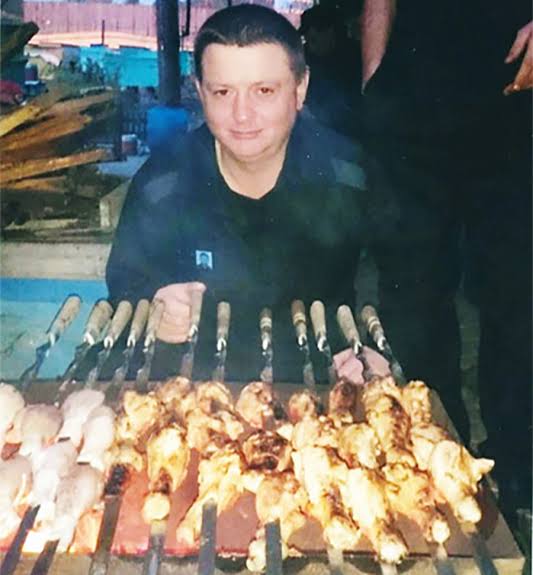
Бывшая жена Цеповяза рассказала , что на содержание заключенного тратили до трех миллионов рублей в год. Местный житель по заказу родственников привозил ему деликатесы пару раз в месяц на сумму от 30 до 60 тысяч рублей (норма питания заключенного в РФ в это время оценивалась в 72 рубля в сутки, то есть 2160 рублей в месяц). Сумки с едой весили более 30 килограммов при лимите в 20.
В Генпрокуратуре утверждали , что Цеповяз годами свободно перемещался вне контроля охраны, жарил мясо на мангале, пользовался душем и жил в отдельном усадебном вагончике с огородом и беседкой. Более того, колония принимала от его близких материальные ценности в обмен на незаконные длительные свидания.
По итогу проверок СК возбудил против работников колонии дело о превышении полномочий. В 2020 году перед судом предстали экс-начальник ИК-3 Сергей Картавцев и его зам Владимир Васильев, но все обошлось штрафом. Самого Цеповяза временно отправляли в ШИЗО за неявку на завтрак. Главе Амурского УФСИН объявили строгий выговор, а вся местная общественная наблюдательная комиссия сложила полномочия из-за своего руководителя.
Она назвала Цеповяза в соцсетях «меценатом и потомственным фермером, от действий которого не пострадал ни один человек»В 2024 году имя Цеповяза снова попало в заголовки СМИ. В августе 2024 года телеграм-канал Shot сообщил , что Цеповяз более двух лет провел в роскошных условиях в Ростовском СИЗО-1, куда его привозили на время рассмотрения апелляции по приговору.
Цеповяз якобы устроил себе курорт в ростовском изоляторе . Журналисты говорили, что в его камере стоял плазменный телевизор, на обед снова была красная икра, а сидел он в компании арестованного экс-министра ЖКХ Ростовской области Андрея Майера. Мало того, они вместе устроили себе VIP-график походов в баню — вместо положенного в СИЗО одного раза в неделю они ходили туда порой по пять раз. ФСИН информацию о VIP-камере официально опровергала : якобы все было в рамках закона.
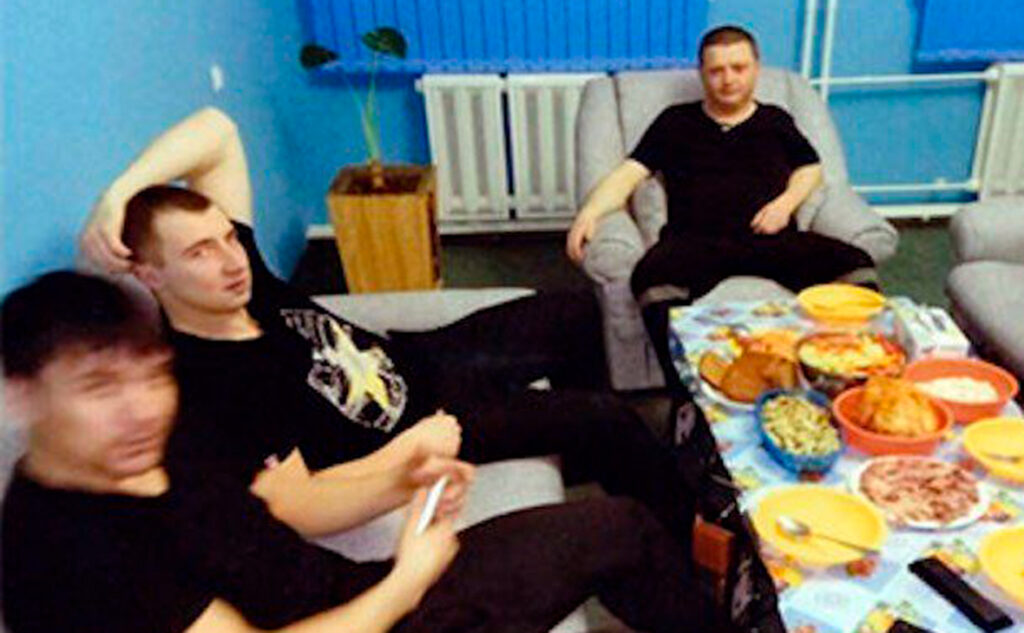
Однако в июне 2024 года сотрудников ростовского СИЗО захватили сторонники ИГИЛ. После штурма в СИЗО нагрянули с тотальными проверками, руководство полетело со своих мест, а Цеповяза спешно этапировали — в колонию Волгограда.
Что произошло в ростовском СИЗО? 16 июня в следственном изоляторе №1 в центре Ростова-на-Дону несколько заключенных выбрались из камеры и взяли в заложники начальника оперативного управления ФСИН по Ростовской области подполковника Александра Богму и младшего инспектора дежурной службы Виктора Кончакова. Преступники содержались там по «террористическим» или «экстремистским» статьям. Они потребовали предоставить им автомобиль и дать возможность свободно уехать. Спецназ взял здание штурмом, во время которого часть заключенных, взявших заложников, была убита. Заложников спасли.
Расследование Навального
В 2015 году команда Андрея Навального выпустила фильм-расследование про бывшего генпрокурора РФ Юрия Чайку. Именно он в 2011 году взял дело Цапков под свой личный контроль. Команда Навального утверждала: сыновья Чайки — в частности Артем Чайка — вели бизнес с хорошими знакомыми членов кущевской ОПГ.
Связи выстраивались через цепочку компаний и семейных уз. Главное звено: ООО «Сахар Кубани» , зарегистрированное в самой станице Кущевской. Офис этой компании находился в том же здании, где располагалась штаб-квартира ОПГ.
По данным ЕГРЮЛ (Единого госреестра юрлиц), состав учредителей этой фирмы выглядел следующим образом:
- По 25% — Анжела-Мария Цапок, гражданская жена лидера ОПГ Сергея Цапка (Анжела-Мария не состояла официально в браке с Сергеем Цапком, однако взяла фамилию гражданского мужа) , и Наталья Цеповяз, жена Вячеслава Цеповяза (в 2017 году они развелись) .
- 50% — фирма «Арлайн», которой в равных долях владели Ольга Лопатина и Надежда Староверова.
Ольга Лопатина на момент создания бизнеса в 2008 году была законной супругой Геннадия Лопатина, который в 2011 году стал заместителем Юрия Чайки. Лопатин считался влиятельнейшим силовиком, отвечавшим в ведомстве за внутреннюю безопасность и кадры.
Надежда Староверова — жена Алексея Староверова, какое-то время возглавлявшего Управление делами Генпрокуратуры и лишившегося своего поста незадолго до расследования Навального. Причиной стало то, что в записанном на его родственника подмосковном особняке, который сдавался в аренду, обнаружили базу и склад оружия « Банды ГТА ».
По данным команды Навального, Ольга Лопатина вела крупный совместный бизнес с Чайкой. Они вдвоем являлись совладельцами роскошного пятизвездочного отеля Pomegranate Wellness Spa в Греции (на полуострове Халкидики), в реконструкцию которого были вложены десятки миллионов евро. Кроме того, они вместе строили виллы на греческом побережье.
Сразу после публикации расследования Ольга Лопатина заявила , что никогда не слышала о фирме «Сахар Кубани», не знает жен Цапка и Цеповяза, а документы в реестре — «наглый подлог». Но источники газеты «Ведомости» в Федеральной налоговой службе (ФНС) подтверждали: данные Лопатиной в регистрационных документах «Сахара Кубани» указаны верно. Тогда появилась версия, что ООО существовало лишь на бумаге: мол, Цапки и Цеповязы хотели козырять тем, что ведут дела с людьми из Генпрокуратуры, и сами вписали Арлайн в уставные документы. Этот вариант устроил следствие, но не Навального.

Лопатина развелась с мужем в 2013 году, прямо перед учреждением совместной с Чайкой компании. В ФБК считают, что развод был фиктивным — исключительно для того, чтобы вывести из декларации топ-чиновника зарубежную недвижимость и отель, купленный Лопатиной в Греции.
Сам генпрокурор назвал расследование Навального лживым, заказным и не имеющим под собой никакой почвы, заявив, что за фильмом стоят зарубежные спецслужбы и британский финансист Уильям Браудер.
***
В октябре 2025 года 25-летняя девушка на «мерседесе» на огромной скорости не справилась с управлением и буквально влетела внутрь частного жилого дома в селе Николаевка под Таганрогом. За рулем находилась Анастасия Оделин Феррер, дочь покойного главаря банды Сергея Цапка.

В салоне с ней сидел молодой человек, кричавший, что он сын прокурора Таганрога. «Малышка, ты так классно ехала!» — первое, что сказал ее спутник после аварии.
И пассажир, и водитель были нетрезвыми и вели себя агрессивно по отношению к полицейским, обещая «поставить на колени» в случае проблем. Суд лишил Анастасию прав на год и восемь месяцев и выписал штраф в размере 45 тысяч рублей. Примечательно, что владелец разрушенного дома отозвал все претензии: семья Анастасии выплатила ему компенсацию.
Фото: предоставлено ГСУ СК РФ по СКФО / Коммерсантъ
Автор: Дарья Волошина