
Translated material
Sheva: Why Possession Made Sense
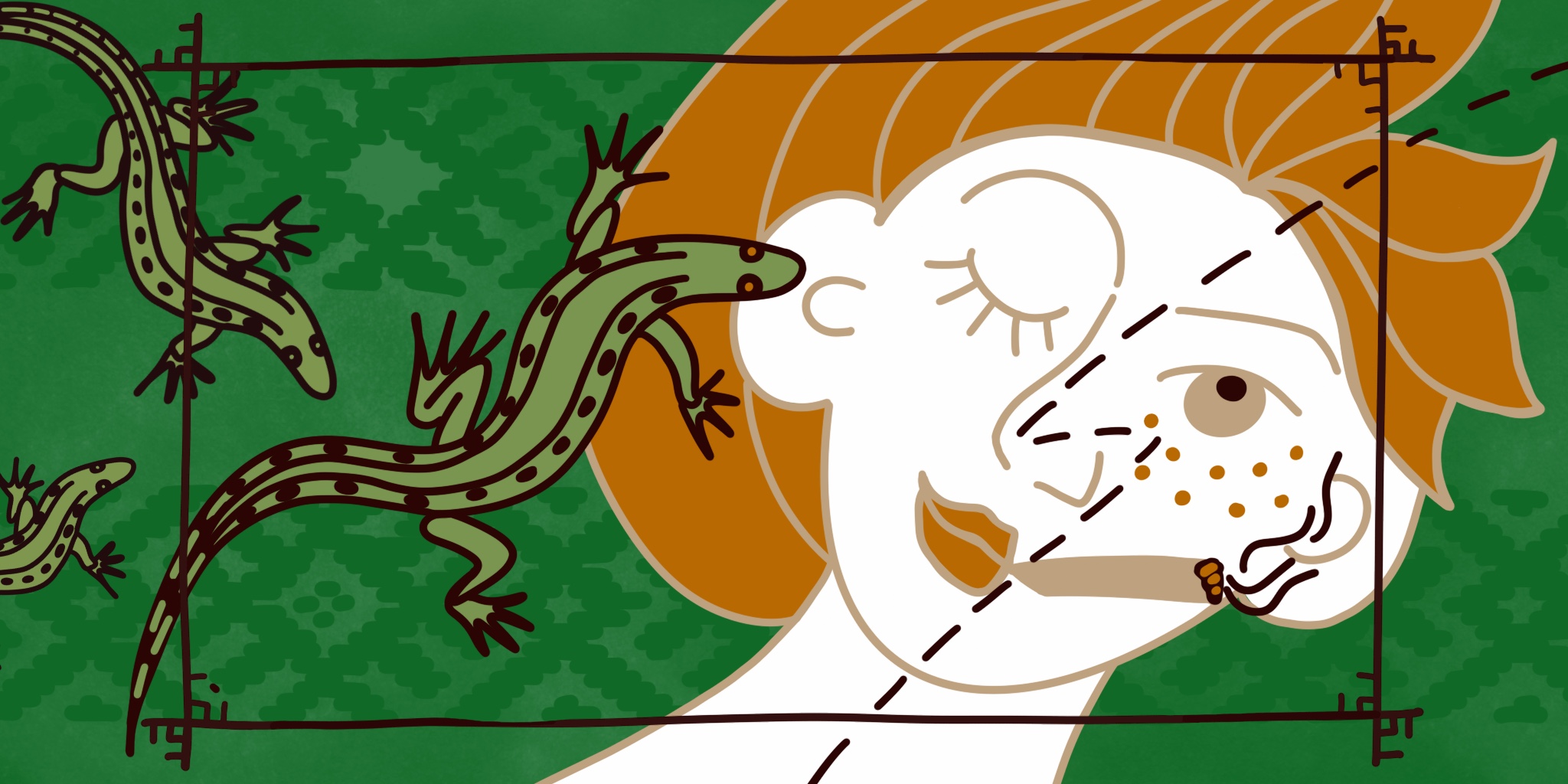
“Doctor Martynov cites a case when one Pechora woman had two shevas - one had a human appearance, the appearance of a man, and the other was just a “ crow.” When her consciousness was adjusted in accordance with the nature of the first creature, the woman felt like a man, “she dressed up in a man’s suit, put on a hat and went under the windows of those houses where girls gathered, and when she was a ‘crow’, she sat down in the middle of the street in a puddle or in the snow, clapped her hands and croaked like a crow.” Thus, the Komi scholar-folklorist Aleksey Sidorov, in his work “Witchcraft, Witchcraft and Damage among the Komi People,” described a phenomenon that in traditional culture was called “sheva” - a malicious spirit capable of speaking in a person’s voice and changing his behavior. But stories about sheva are not only scary or funny stories about “evil spirits”: through them, society articulated illnesses, prohibitions, inequality and hidden conflict around women’s roles and control over the body.
What is sheva ?
In short, sheva is a spirit that “settles” in a person’s body and from time to time replaces or coexists with his personality. In the European tradition, we would call this obsession, clique or “possession”; in popular culture we would remember “The Exorcist” or the mediums of spiritualist salons. But the Komi plot is structured differently - it is much more “physical” and everyday: sheva is not incorporeal, it is material, it can be “grown” and even transferred to another.
Etymology is also not easy. At the end of the 19th century, historian and ethnographer Georgy Lytkin suggested that the word “sheva” consists of two parts: “shy”, that is, sound, and “va”, water. As a result, it turned out that sheva is the sound of water. The folklorist Aleksey Sidorov, already mentioned by us, did not agree with this interpretation. He derived the word from the concept “ševkńitny”, which means “to wave with one’s hand”, and for Sidorov this is a gesture associated with witchcraft or protection against it. According to a later interpretation, the word “sheva” comes from the Proto-Perm “šóụa” and means something with a voice, sound, message. And this coincides with the main thing: sheva manifests itself through speech, through the “alien” voice in a person.
What it looks like and how it gets into the body
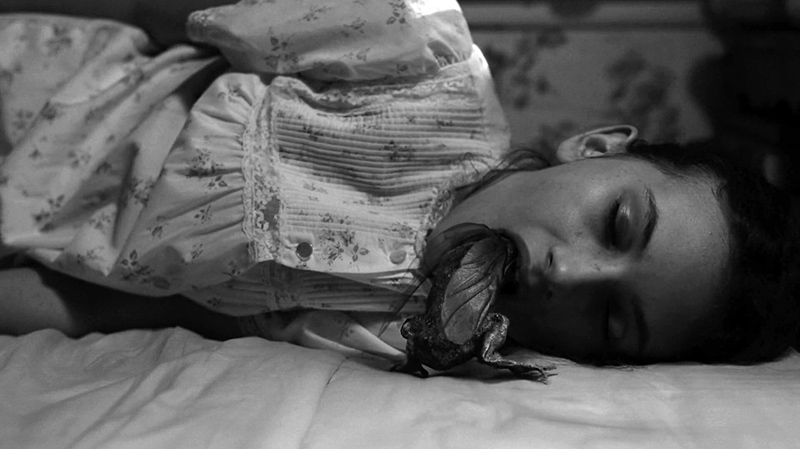
Sidorov records several “looks” of sheva among different groups of Komi. According to Udora stories, a shewa could be a lizard that crawls into a person who has fallen asleep on the ground. To penetrate unnoticed, it turns into a hair, a speck, a worm, a butterfly, a knot of thread, a small insect - and already begins to “grow” inside. The most frightening details are that it feeds on “the most delicious tissues,” and the white of the eye is considered a special delicacy. Among the Perm Komi it “grows” to the size of a shoe last; Izhemtsy may be “like a black cat.”
“Be that as it may, sheva most often has the appearance of a small animal, a worm, a butterfly, more often than not a lizard, a beetle, etc., these worms are usually stored somewhere in a cabbage, in a stable, or even outside the house, in beetroot or in birch bark baskets.”
Sheva was considered the cause of a variety of diseases, including mental ones. A typical “symptom” is seizures, unusual actions and conversations, a feeling that a second speaker has appeared in the person.
Oddly enough, the “talking sheva” could be not only a threat, but also a resource. If a woman was known to be possessed, people came to her to “talk to the one inside”: they asked about missing cattle, lost things, the future. Such practices came to life especially often during periods of general anxiety. Thus, according to the testimony of folklorists, during the Great Patriotic War in Komi villages, one of the women deliberately “added” a sheva to themselves. During the attack, the others learned news from the front from the spirit inside her. Sheva was also asked about the fate of her relatives, from whom there had been no news for a long time.
Home magic: how to “make” sheva
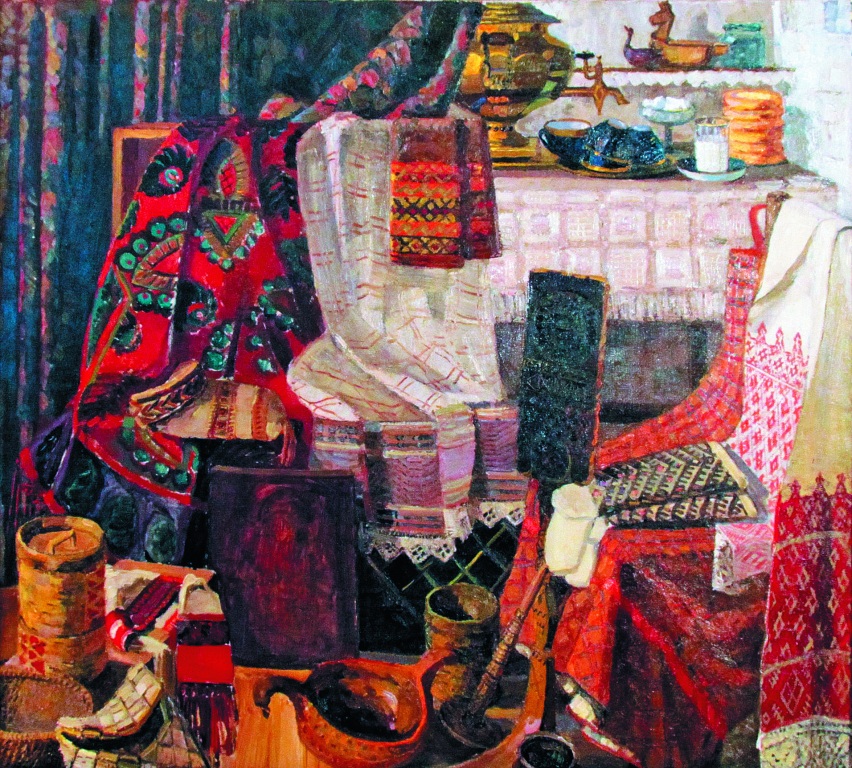
One of the most characteristic features of sheva is that it is not just a spirit, but “living rubbish” that can be made. To do this, according to the records, you do not have to be a great sorcerer. Sheva, it was believed, could be “assembled” from things that are in every home: from rubbish swept out of corners, ashes, crumbled needles of an old stove broom and bird cherry cores. In some stories, dried lizard powder was added to this mixture. Everything was put in a birch bark box - sheva-chuman - and put away out of sight, in a dark place like an underground or stable.
From this moment, according to the logic of belief, the life of the owner is “connected” with the box: if someone burns the sheva-chuman, the creator may also die.
Sheva needs to be “fed” and constantly occupied with work. It can also be conveyed - unnoticed by dropping it at an intersection, near a pothole, where a person stumbles and swears (swearing means “removing protection”), or through sharing food, dishes or a bathhouse. Sources even say that a sheva is capable of “traveling” far by clinging to the runners of a sleigh.
Against this background, the advice on “how not to get a rash” is similar to the rules of household hygiene: washing your face in the morning, being careful with other people’s dishes, controlling your tongue and prohibiting swearing.
This is how Sidorov describes it:
“If the Komi see a hair in someone’s mouth that has gotten in with the bread, they definitely warn about it and help each other pull it out of their mouth, assuming there is sheva in it. On the street they won’t put bread into their mouths without first blowing off the hairs that stick to it; Not a single Komi starts drinking without first blowing on the drink.”
Lizard, Sheva and “dark” deities
There is another important motif: the “talking shewa” is associated with the head of a lizard. Sidorov mentions that the sorcerer could “tie her tongue” with horsehair if he wanted to throw the sheva and harm her, but did not want her to say the name of the creator.
Here an association arises: the lizard as a borderline, “chthonic” image. One can recall the Perm animal style, where there are many images of goddesses standing on lizards or other animals that personified the lower world. Literary critic and writer Kallistrat Zhakov suggested that the lizard could belong to “a host of dark deities.” This directly leads us to the fact that sheva is not just a “disease” and not just a “spirit,” but a figure on the border: between body and voice, between norm and violation, between “us” and “stranger” within a person.
“In general, it is believed that there are mosquitoes on the street in the same number as there are mosquitoes flying there. Sheva, destined for someone, is forced to wait for a convenient time, often for years, since she cannot change her location arbitrarily, except for those cases when she ventures over a long distance. Sheva can hit a person, according to some, only at close range and only at the moment when the person’s mouth is open.”
Since the sheva is “brought out” in the form of sheva-chuman, a logic similar to that of a fairy tale appears: just as in Koshchei death is hidden separately, so here the sorcerer’s “vulnerability” is in his box. Sidorov cites a story where a husband found a sheva-chuman from his wife and threw it into the oven - after which the wife died. And the researcher himself carefully notes: general ideas about witchcraft allowed the narrator to describe his role as “more harmless” than it could actually be.
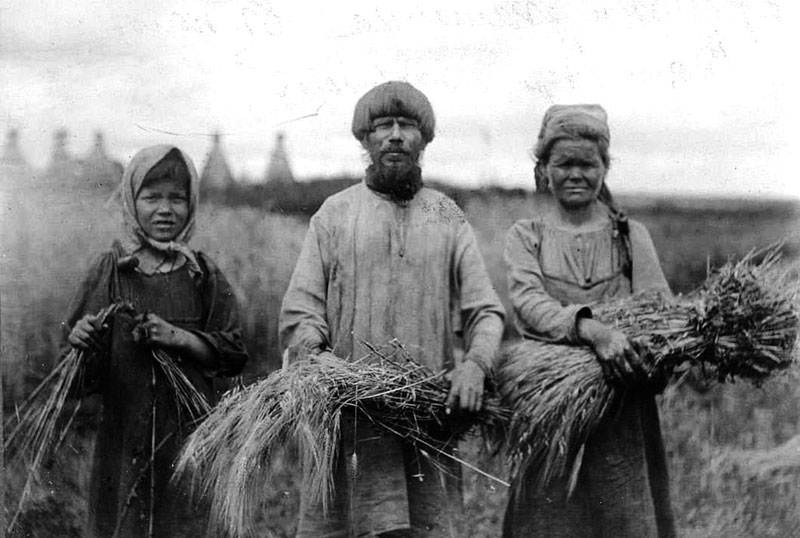
This detail is important: stories about sheva are not museum “mysticism,” but a living mechanism for explaining who is to blame, what to do, where the boundaries of acceptable violence are, and how actions within the community are justified.
Why did Sheva “more often choose women” ?
There is a distinct gender bias in traditional ideas about sheva. Women could live with a sheva for years, and a man, having received it, seemed to “burn out” in months. At key points in a woman’s life—marriage, pregnancy—the risk of “obsession” increased. This looks like a mythological description of social pressure: it was the female body and female behavior that were the zone of constant control.
Sidorov gives an example of a case where a woman is constantly irritated and loses her temper, but gets relief when she begins to behave like a man. He also notes cases of travesty: women obsessed with sheva called themselves male names, dressed like men, smoked, drank, cursed, and refused “female” duties.
“So in the same Vizinga there is a woman who cannot do the work that is considered purely female, for example, making bread, babysitting children, and so on. In such cases, she becomes irritated and has to quit her job. She gets some satisfaction when she lights a cigarette. At the same time, “like a man,” she becomes wildly violent, swears, beats children, and the like, demanding a red shirt and patent leather boots for herself.”
In Sidorov’s interpretation, this is due to difficult living conditions: in hunting areas, men went hunting for a long time, and women bore the brunt of housework and housework, including working with horses. Men could spend holidays drunk and idle, while women the next day traveled dozens of miles for firewood and hay.
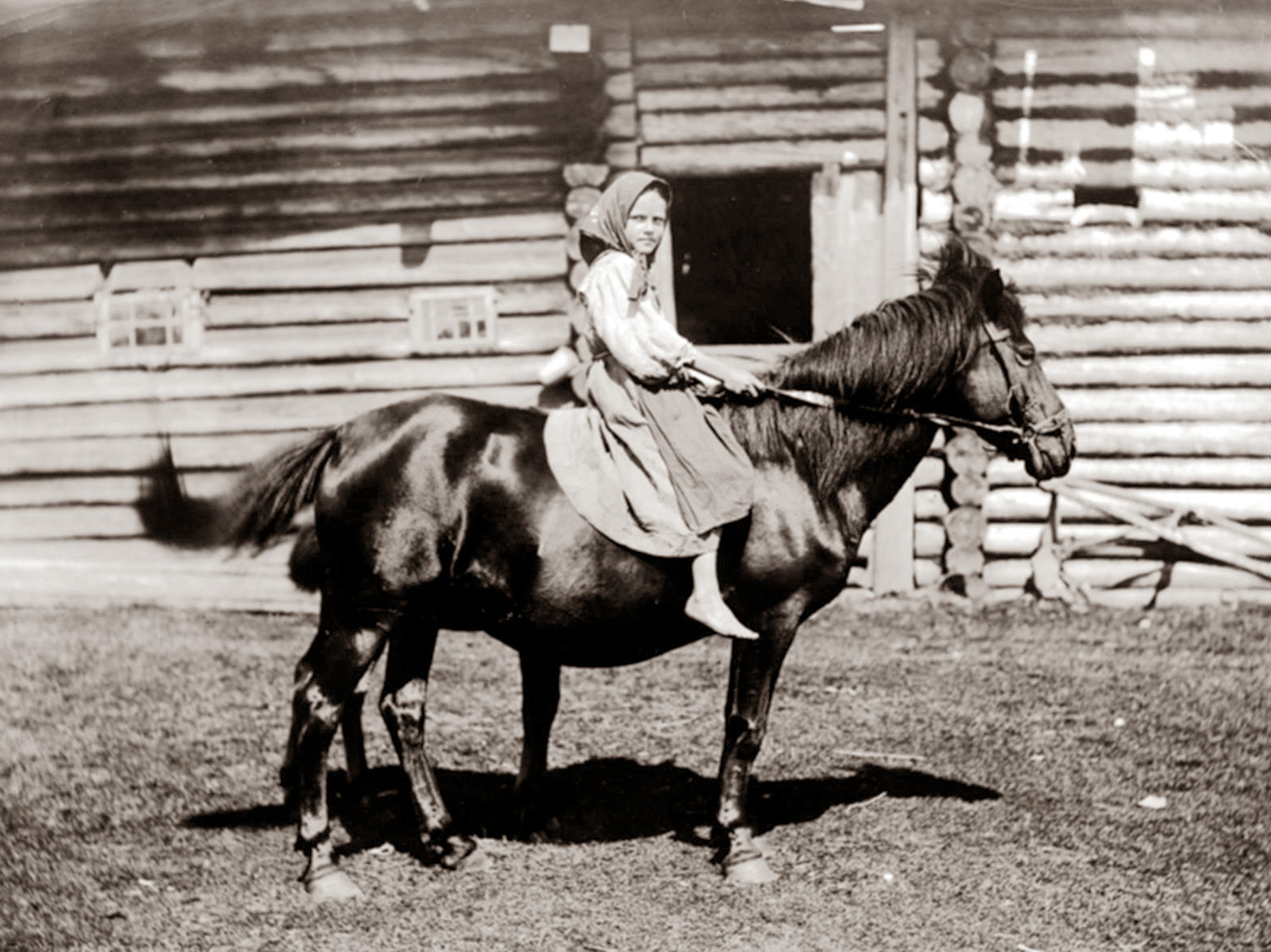
And then the sheva turns out to be a convenient “mask” and at the same time a channel of speech: it was not I who said it, it is she in me. This is how things are spoken out that cannot be said directly: anger, fatigue, the desire to act differently, refusal of the prescribed role.
But this freedom has a downside: sheva could destroy the life of the bearer. Sidorov records stories where “inner characters” demand alcohol and drive themselves to ruin; where several shev live in one person, and each pulls in its own direction.
“One woman in the village of Lopidin, according to Lokchim, received two sheva from one person. One called herself Katerina, and the other called himself Ivan. “Ivan,” when the woman spoke on his behalf, behaved obscenely all the time, used foul language, made threats, demanded wine for himself, and “Katerina” had an addiction to hemp seeds. “She” pounced on these seeds so greedily that she threw handfuls of them into her mouth. Another woman in Wiesing, who had served as a servant in rich houses for a long time, had a particular predilection for more refined varieties of wine: she demanded “cognac”, “Teneriffe” and was not satisfied with anything else. Thanks to the demanding “Ivan,” the Lopida woman drank away all her property.”
Is it possible to get rid of the sheva ?
In popular ideas - almost none: sheva remains in a person until death and then moves into another. Traditional medicine was considered ineffective and more often alleviated the condition during attacks. There are ways to “fix” the sheva, for example, by tracing a knot on the wall and a sore spot with coal, saying that it should “rot in one place” and not wander around the body. There are stories about attempts at exile in the church, with a carefully described white “mortuary” suit without knots and special sewing rules.
Sometimes the sheva seems to “come out” along with vomiting or “fall out” of the ear or mouth - like a bumblebee, a worm, an egg, a “half-lizard”. And it is emphasized that she is invulnerable to a knife; if you try to pierce her, she will only tinkle.
“At first there is still hope to “drive it out” with some potent substances that cause vomiting; in such cases, in addition to decoctions of the above-mentioned herbs, they give drink tobacco water, lye, drying oil, and bone tar. For a man, tar comes from the bones of an ox, and for a woman, from the bones of a cow.”
If the sheva “has not yet had time to take root,” according to legend, they could get rid of it with the help of a baby and a strong healer: the sheva gets scared of the innocent baby, jumps out of the body, is caught and burned. In another version, an old man is needed who whips the possessed woman with an alder rod ( lov pu - “tree with a soul,” turning red when cut like blood), and after that the creatures “come out of the person” and he becomes clean. Today it is read as a mixture of ritual and violence, and as another way of “bringing back to normal” the one who violated it.
Why does society need all this ?
Stories about sheva are not just stories about evil spirits. It is the language in which society used to talk about complex issues. On the one hand, there were things that were difficult to understand and explain, on the other, things for which there were not always direct words: illnesses, mental conditions, fears, inequality, hidden conflicts around labor and control.
Sheva is simultaneously a threat, an explanation, a mechanism of social regulation, and a form of “permitted” deviation. Are you tired of hardships and prohibitions? You have a legal way to give it all up, break the norms of society, and no one will judge you.
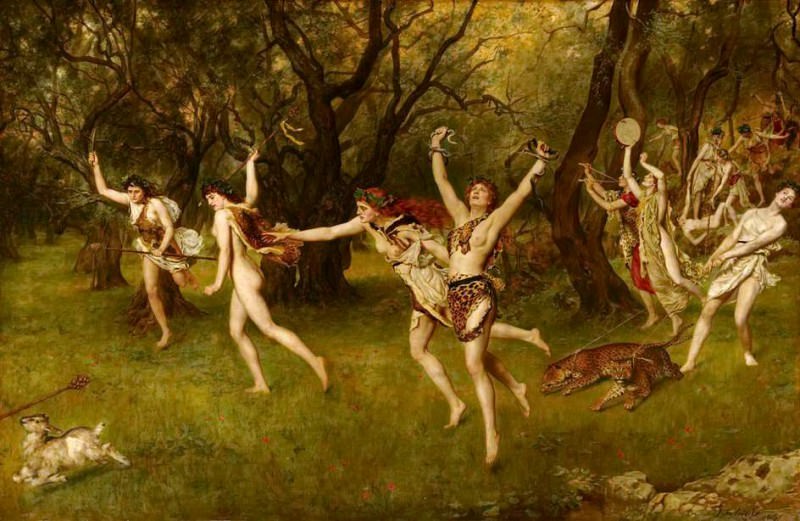
There are many parallels here. For example, in Ancient Greece, in some regions and policies, the situation of ordinary married women was so difficult that from time to time they were released to the mysteries. Usually locked in gyneceias, that is, special female halves of the house, women broke free, turned into crazy maenads and had a blast during the Dionysian Mysteries. During the time of the Eleusinian Mysteries, the rules were stricter, but after finishing the rituals, women could dance, eat and drink to their hearts’ content. If we talk about the history of Ancient Rome, then they had an analogue of the Dionysian Mysteries, known as the Bacchanalia. All because it was necessary to somehow relieve the tension that had been accumulating for months.
And the so-called “female hysteria”, which was intensively treated at the end of the 19th century, was nothing more than an attempt to break out of the many strict restrictions of the Victorian era.
Likewise, the culture of the Komi people, through the image of the “inner voice,” discussed the body and power, the boundaries of the norm and the opportunity to break out of them - albeit sometimes at a terrible cost.
