
Translated material
Central Bank asked for delayed Sberbank
The Bank of Russia asked to move the terms of transfer to the budget profit from the sale of his Sberbank package - a maximum of six months.
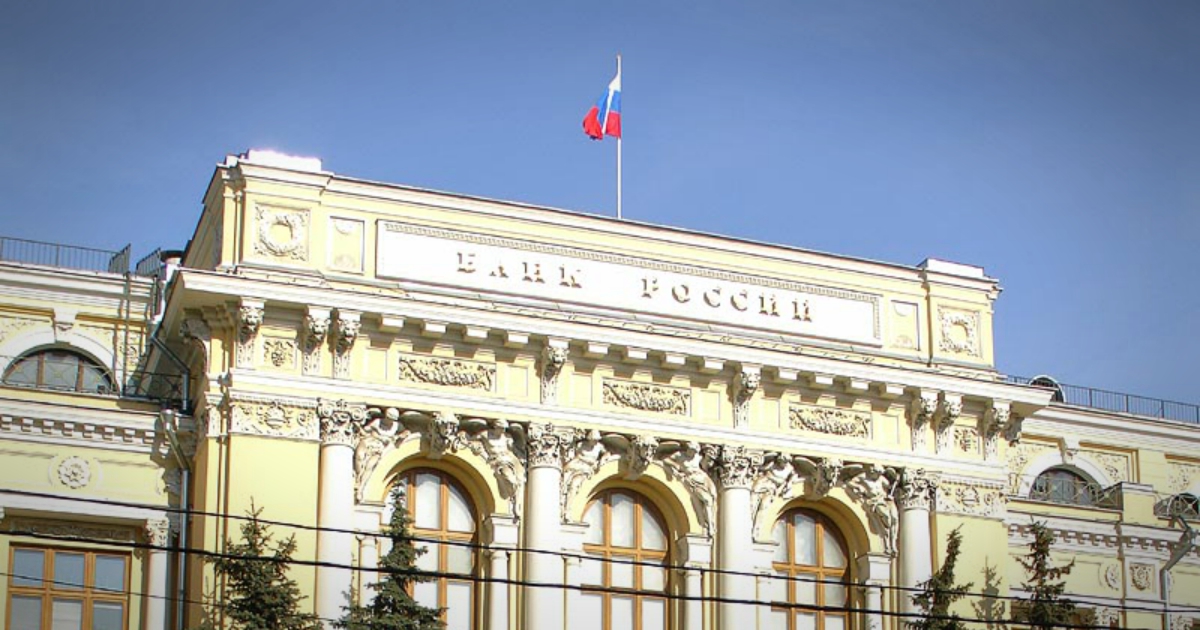
What happened
The Central Bank proposed to extend the term for transferring funds from June 1 to December 1. The reason is the volatility in the financial markets, the goal is to get “more opportunities to protect the interests of the budget,” said the first deputy chairman of the regulator Ksenia Yudaeva in the State Duma.
On this news, the quotes of the State Bank shares decreased by 6%, later the fall reduced to 2%.
Read alsothe markets have experienced the worst week in 11 years: what to do investors to do
What you need to know about the sale of a package of Sberbank Central Bank
The release of the Central Bank from the capital of Sberbankinvolves the redemption of the package at the expense of the National Welfare Fund (FNB) at the market price. The meaning of the transaction is the possibility of spending part of the FNB bypassing the usual mechanism: part of the funds will return to the budget in the form of the profit of the Central Bank, which it is obliged to transfer by law.
It is assumed that partially this money will go to finance social expenses announced in the message of President Putin, and partially to restructuring loans of the military-industrial complex. Only in 2020, the Central Bank should send 500 billion rubles from the transaction to the budget.
On the day of the announcement of the transaction-February 11-the transaction amount was 2.8 trillion rubles, but since then the quotes have decreased by about 10%, including due to coronavirus, Reuters writes. The transaction price will be calculated from the weighted average market value of shares over the past six months.
What's next
The transaction itself is not formally attached to the date of transfer of funds, but its shift for six months means increasing the flexibility of the start dates. According to the economist, Kirill Tremasov, the delay does not fundamentally change anything, but looks reasonable in current conditions.
The auditor of the joint venture Alexei Savatyugin told Interfax that the transaction price due to volatility could vary for several tens of billion rubles, but will critically depend on the (so far unknown) date of transferring funds.
The transaction transaction itself will depend on the volume of “redundant” funds of the Federal Tax Service: initially it was supposed to be carried out in several stages and complete in 2021. In 2020, the volume of the FNB will exceed 7% of GDP, after which the law allows you to spend excess. According to calculations, excesses in the current year are formed 1.8 trillion rubles - this is enough for about half a package.