
Translated material
To the United States of Europe
The European Parliament adopted the project of large -scale EU reform. The countries will almost disappear in countries, and Brussels will receive more authority. But wait for these changes at best for several years
Illustration: "New Gazeta Europe"
At the end of December, most of the deputies of the European Parliament voted to launch the reform of the fundamental principles of the European Union. The essence of the changes is to make the EU faster in decision -making and less depending on the position of one individual country.
The proposed amendments, in particular, will help get rid of situations that are constantly repeated on the latest EU summits. Hungarian Prime Minister Viktor Orban blackmail the rest of the countries and blocks the allocation of assistance to Ukraine and the beginning of negotiations on the entry of the country in the EU, using the right of veto on both issues. In the new EU reform draft, it is proposed to sharply reduce the number of issues that fall under the principle of “unanimity” of issues, as well as to appoint the Chairman of the European Commission in the European Parliament, reduce the number of European Commissioners and even create a pan -European army. Despite the fact that after the vote the process of reform can be considered neglected, he will have to go through at least six stages that will stretch for several years. But the main thing is that the reform should “survive” the elections to the European Parliament in 2024 and the new composition of the European Commission.
On November 22, the European Parliament by a majority vote adopted a draft reform of the EU basic agreements. It is proposed to change a noticeable share of the principles on the basis of which the European Union is now working. To get away from the right of veto when voting in the Council of EC, revise the functions of the European Parliament, change the scheme of the form of the European Commission and introduce additional forms of participation of European citizens in politics.
The latest changes in the entire architecture of the European Union were accepted in Lisbon in 2007. The Lisbon Agreement became the next milestone in strengthening the unity of Europe and the centralization of powers that previously remained at the level of member countries, and not the entire EU. The version of the reform proposed in this December actually continues the development of the EU in this direction.
And then and now the voices of both supporters and opponents of this movement are heard. The former see in the strengthening of the EU and its centralization a way to cope with internal crises, slowness and a slow pace of the necessary changes. The latter believe that the EU does not need to turn into the " United States of Europe " is a super -state where the opinion of small members will be ignored for the sake of what the majority wants and for what.
“Geopolitical pressure, migration and war at the threshold, pandemic, digitalization ... When the world is changing, the EU also needs to be updated,” the co-author of the current EU reform and one of the supporters of its further fortification, former Belgian Prime Minister Guy Verkhofstadt , said after voting in the European Parliament.
“A completely ill-conceived and disproportionate shift in making decisions towards centralized structures, slipping away from democratic control,” did not agree with him Yatsek Sarius-Volsky , the former vice-president of the European Parliament and the deputy from the Polish Right Party “Law and Sreda”, which was originally also a co-author of the amendments, but then left the working group.
Europe in hostages among autocrats
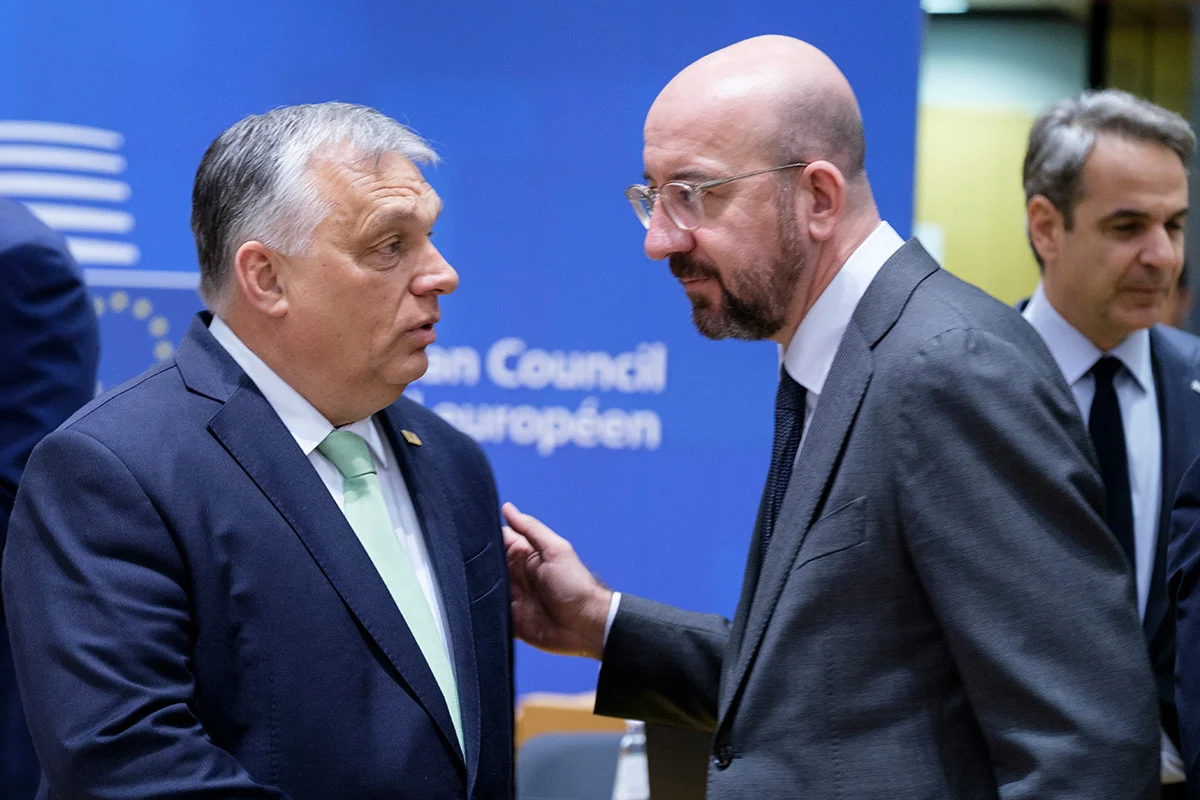
In Brussels, they insist on the reform right now, because the EU encountered the crisis of the supremacy of law, in the commentary of Novo-Europe, another of the co-authors of the draft amendments, Eurod. Daniel Froind . Despite the fact that in Poland in the last elections an authoritarian rollback was stopped , in Hungary the situation with human rights and the rule of law is still in a deplorable state. Moreover, Prime Minister Viktor Orban regularly “takes hostage” to the EU to Ukraine, using the right of the EU, and demanding concessions from Brussels.
Authoritarian trends in Hungary have already led to the fact that the EU froze part of the money that was due to the country from the European budget - including from the part that was intended to restore economies after Covid pandemia. On the one hand, this is a lever of Brussels pressure on Budapest - money from the EU comes as the situation with the rule of law in the country improves. On the other hand, the preservation of the right of the veto in the EU Council leaves the lever of influence on Brussels and in the hands of Victor Orban. The defrosting of the funds becomes the requirement of Budapest, in which he can support certain EU solutions - for example, for assistance to Ukraine.
A similar situation was observed in Poland: after the anti -democratic judicial reform, which was carried out by the ruling party “Law and Justice”, the EU froze in funds, which was supposed to Warsaw. At the same time, the right of the veto allowed Poland, for example, to effectively block a change in European migration policy. And although in Poland, as a result of victory in the elections of pro -European forces, a new government will soon be formed, the EU is not safe from such problems in the future.
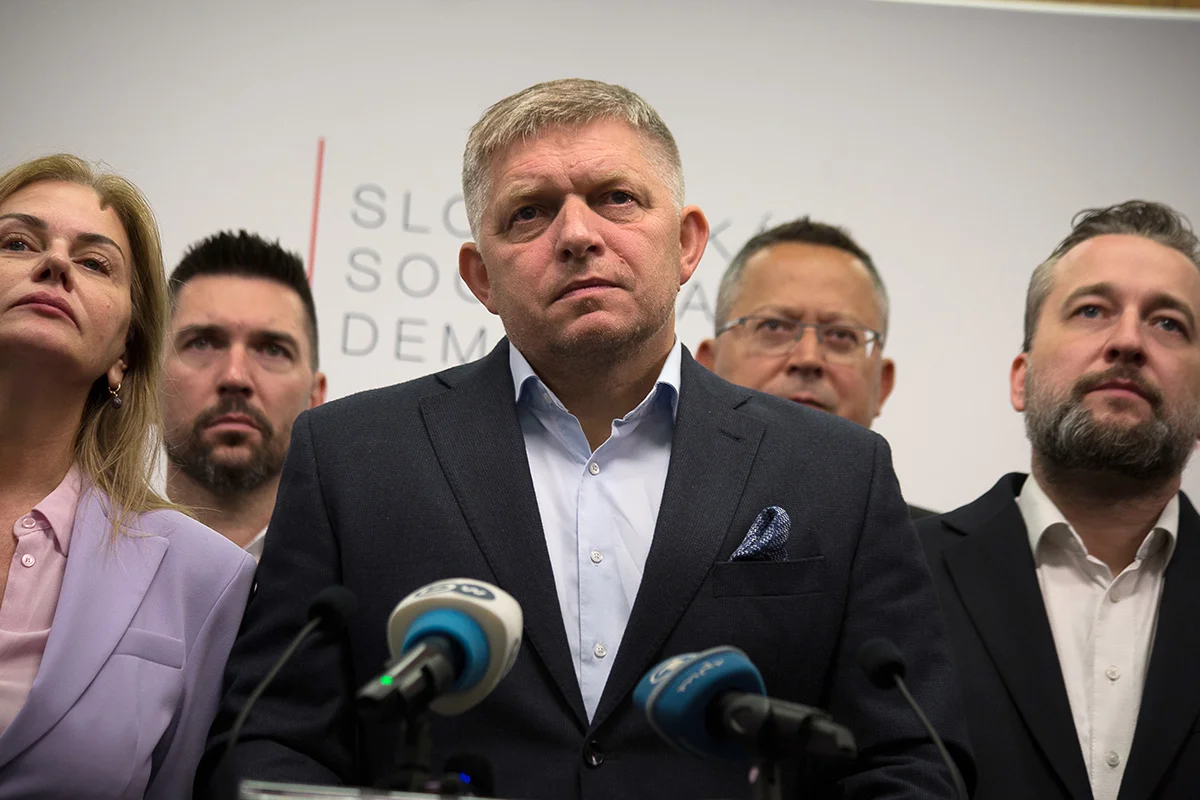
For example, in the fall, in the elections in Slovakia, the pro -Russian party of Robert Fitzo, who spoke out against the supply of European assistance to Ukraine, entered the leaders . And at the end of November, the Ultra -right Freedom Party, which was sharply against rapprochement with the EU and opposed, for example, the migration policy of the union, won the parliamentary elections in the Netherlands. And as Euroskeptics and ultra -right forces intensify in European countries, this systemic problem, probably, can only aggravate.
Expansion course
In addition, after the Russian invasion of Ukraine, the EU intensified negotiations on the entry into the unification of new members. Now five countries of Western Balkans have the status of a candidate: Bosnia and Herzegovina, Albania, Northern Macedonia, Serbia and Montenegro. This is the same by Moldova and Ukraine this year. And on November 8, the European Commission gave the “green light” of Georgia. Turkey has the status of an EU candidate for almost 25 years, and many other listed countries “hang” at this stage for not the first decade.
However, after February 24, the issue of real expansion of the EU began to be considered as a response to new geopolitical challenges that faced Europe. This, for example, in May of this year was spoke of French President Emmanuel Macron at the Supply Summit in Bratislava and the German Chancellor Olaf Scholz on plenary debate in the European Parliament.
In addition, in the Declaration , following the meeting of the heads of the EU state in Granade on October 6, it was recorded: “Expansion [EU] is a geostrategic investment in the world, safety, stability and prosperity.” And the meeting itself laid the foundation for the production of “ strategic agenda ” for 2024–2029. This document is being developed every five years, and it determines the main political priorities for the development of the European Union.
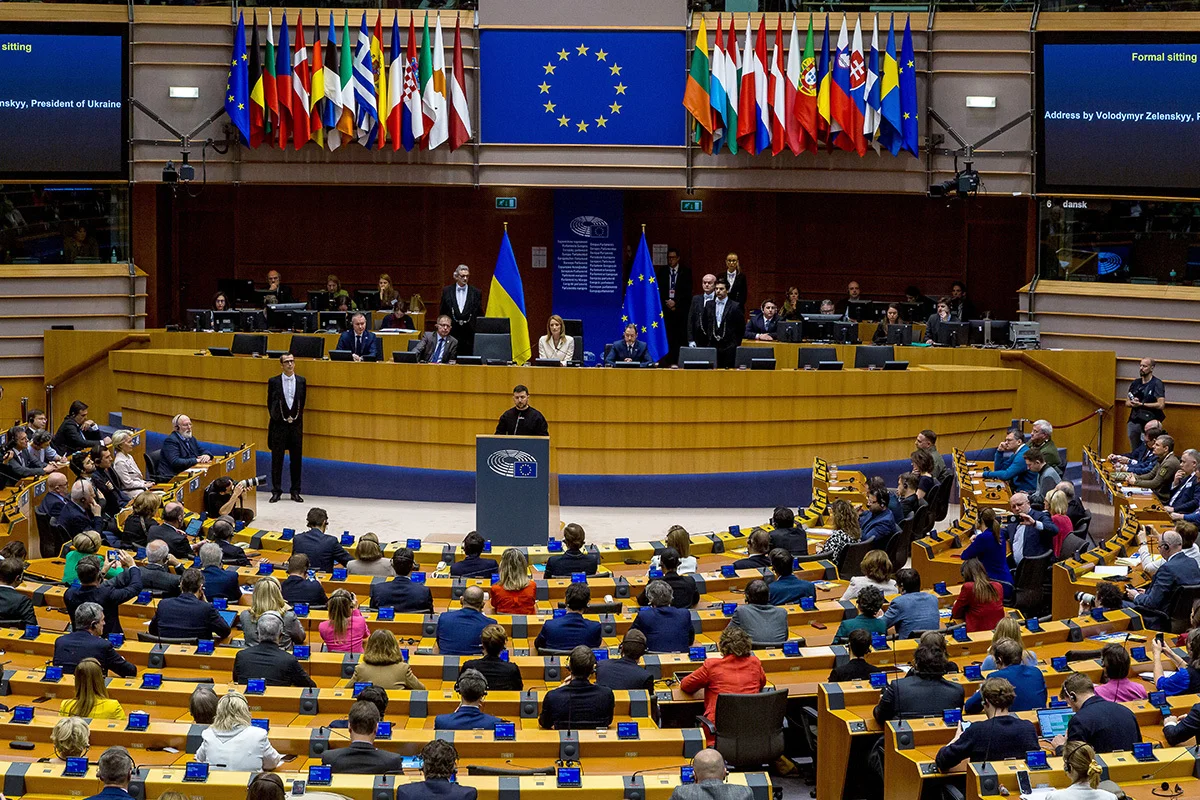
The problem is that the EU himself is not yet ready for such an extension - first of all, from the point of view of the internal device and the rules of the game. And the main stop on this path is the same right veto.
When only a few countries were at the dawn of unification in the EU, the principle of “unanimity” was quite appropriate. But now, when the number of participants has reached twenty -seven and can still increase, the EU risks becoming simply uncontrollable. There can always be a country that sabotages some decision, because it contradicts its current domestic political interests.
At the same time, the principle of “unanimity” has important ideological arguments “for”. From the very beginning, the European Union was created as the unification of equal independent states. Since no state can impose its policy to others, the principle of “unanimity” served as a guarantee that the opinion of all EU members as sovereign states, regardless of their size, power of economies and political significance, will always be taken into account. The departure from this principle can mean the transition from the confederate association, as the EU is now, to a federal protest education.
The veto’s right is also connected that after the outbreak of war in Ukraine, the EU turned out to be very slow in making emergency decisions. The association spends a lot of time to develop a consensus in relation to important steps - whether it is sanctions against Russia or the introduction of new tax or migration politicians . Although in other cases it is not possible to quickly react to calls and due to the fact that so far the existing powers are at the level of national governments, and not delegated to the pan-European level. Such powers, in particular , include issues of foreign policy, defense and security, energy and much more. In the conditions of war, however, a long coordination of the general politician puts the EU in a weak position.
Response to a request from citizens
Finally, the EU institutions themselves suffer from the crisis of their legitimacy. In many countries, EuroSceptics are strengthening that criticize Brussels just for not taking into account national interests, and in the upcoming elections in the European Parliament, these forces can suppress the pro -European parties that are dominant today.
Such trends are aggravated by the fact that trust in EU institutions among European citizens remains low. In the spring of 2023, the EU trusted 48% of Europeans. This is noticeably larger than in the last decade (in 2011 the support was 31%), but still not too much. The EU itself believes that the problem may be associated with a lack of democracy of European institutions. They are divorced from European citizens and are little accountable for them.
The expansion of citizens' participation in European policy, the greater inclusive of institutions and the creation of additional accountability mechanisms is said in the conclusions of the conference Future of Europe , which took place in 2021–2022. This large-scale experiment lasted more than a year and included a series of discussions in different EU countries about how the unification should look in the future. The main participants in the discussions were European citizens themselves - more than 700 thousand people took part in the event.
Formally, the entire draft reform proposed a week ago is precisely the answer to the request from the citizens received at the Future of Europe conference. The same fact that the European Parliament approached the reform only now, says only about the slowness of European institutions and the slowness of the entire system, political scientist Ivan Preobrazhensky notes in the commentary of Novo-Europe. The conference ended in May 2022 - it took a year and a half to prepare the reform project.
At the same time, according to Preobrazhensky, it is important to launch this process as quickly as possible - before the election of 2024. After the elections, the composition of both the European Parliament and the European Commission will change.
New Lisbon
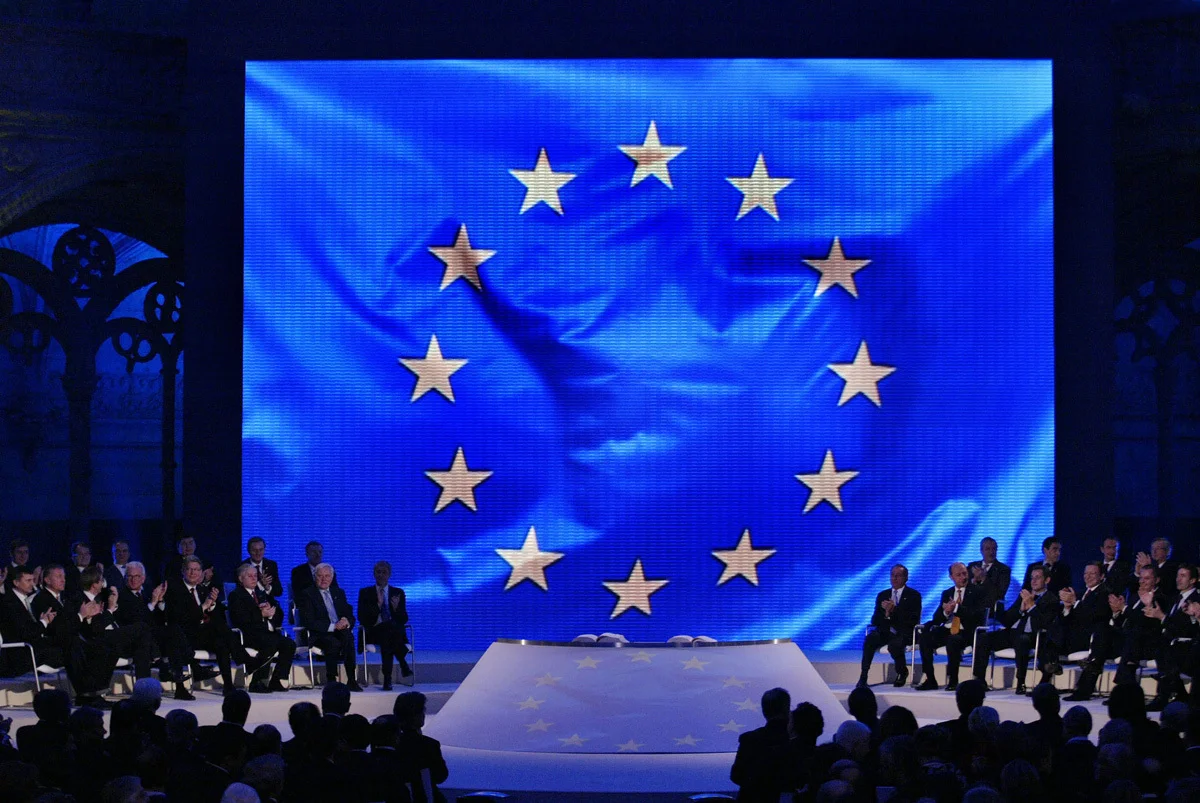
The past large reform of the EU agreements was carried out more than 15 years ago. Then, in 2007, he was signed , and two years after ratification in the national parliaments, the Lisbon Treaty entered into force. The decision on the need for reform was made against the background of the failure in the first half of the 2000s of the previous attempt to change the work of the Union with the help of the European Constitution-the text was agreed in the EU bodies, but did not undergo ratification in the Union members.
What did the Lisbon Treat change in the EU?
The new voting rules at the EU Council in the EU Council revised the voting rule with a qualified majority. Firstly, before different states had a different number of votes-depending on the size of the country. Now, in order to make a decision by the qualified majority, it is necessary to enlist the support of 55% of the council members (15 out of 27), in the territory of which at least 65% of the EU lives. Secondly, the number of areas increased by which, in order to make a decision of a sufficiently qualified majority of votes in the EU Council and it is not necessary to observe the principle of unanimity.
The expansion of the powers of the European Parliament The Treaty strengthened the European Parliament, expanding the number of spheres by which the lower house can adopt laws with the subsequent approval of the EU Council with a qualified majority of votes. If before there were 40 such areas, now their number has grown almost doubled and reached 73. In particular, the powers of the European Parliament included issues of migration legislation, a single market, and environmental protection. The European Parliament also began to coordinate the budget and international agreements of the EU. In addition, it is the Euro -deputies who got the opportunity to support or reject the candidacy of the chairman of the European Commission, which is proposed by the EU Council. That is how the current head of the European Commission, Ursula von der Layen, was appointed. Prior to this, the EU Council actually appointed the Chairman of the European Commission himself - the European Parliament only had advisory function and the ability to endure the veto with the entire composition of the European Commission.
The President and Foreign Minister Lisbon Treaty introduced two new official positions - the President of the European Council and the Supreme Representative of the Union for Foreign Affairs and Security Policy, or the head of European diplomacy. The President is elected by a qualified majority of members of the European Council for 30 months. His responsibilities include coordinating the work of the Council, as well as foreign policy functions - the EU representation abroad. Now this position is held by Charles Michelle. The head of European diplomacy is also appointed by a qualified majority of the European Council, but at once for five years and with the consent of the chairman of the European Commission. He is responsible for the coordination of the external and defense policy of the EU, and also has the right of legislative initiative. Now in this position is Josep Borrel.
The new competencies of the EU and the preservation of national control, the Lisbon Treaty expanded the competencies of the EU - they included, for example, the environmental protection policy, sports and tourism, space programs and intellectual property protection. But at the same time, measures were approved to control national parliaments for the activities of the EU. Within eight weeks after the nomination of the bill, national parliaments may be protested, and if the third parliament makes such a decision, the bill will be stopped and sent for revision.
The new reform proposed by the Euro -deputies now is actually developing the ideas of the Lisbon Treaty regarding the creation of the Unified political space of the EU. According to political scientist Ivan Preobrazhensky, the project offers fundamental changes in the functioning of the entire association and prepares a platform to expand the EU composition.
1. The power of the qualified majority
As conceived by the authors of the reform, the voting by the qualified majority in the EU Council should almost completely come to replace the principle of “unanimity”. Now, as proposed, even issues of foreign policy, defense and security, taxation and expansion of the EU should be accepted exclusively in the new procedure. This means, in particular, that national governments will lose the opportunity to block the introduction of new sanctions.
At the same time, the principle of “unanimity” will continue to operate on the issue of expansion of the EU, but not in the intermediate stages, for example, at the beginning of negotiations with the Candidate Candidate, but only on the final one.
2. Strengthening the parliament
In addition to the fact that the right of the national governments of the EU Council will almost completely cease to be an obstacle to decisions adopted by the European Parliament, the Lower Chamber itself will receive more power. Thus, the Euro -deputies propose to transfer to the parliament the right of the legislative initiative, which now belongs to the European Commission.
In addition, according to the current rules, the head of the European Commission puts forward the EU Council, and the European Parliament only approves it. The amendments offer to make the scheme reverse: the European Parliament nominates, and the EU Council approves the qualified majority.
3. European executive body
The European Commission itself is proposed to rename the European Executive (European Executive), and the number of European Commissioners is to fix at the level of 15 people. Now the number of European Commissioners is tied to the number of EU members. Thus, there are 27 of them, and in the previous convocation, until the UK did not leave the association, there were 28 candidates for European Commissioners nominated the elected chairman of the commission at their discretion, although the European Parliament may not agree with the proposed composition of the office.
Чтобы компенсировать утрату принципа «один еврокомиссар — одна страна», проект предлагает подчинить назначение на посты еврокомиссаров правилу ротации по национальному принципу — так, чтобы каждая из стран объединения была периодически представлена в исполнительном органе. Сейчас система ротации применяется при председательстве Совета ЕС, и этот подход, кажется, работает неплохо. В этом полугодии пост страны-председательницы занимает Испания, а в январе эта позиция перейдет Бельгии.
4. Новые компетенции ЕС
Евродепутаты предлагают включить в число совместных компетенций ЕС и стран-членов вопросы здравоохранения, гражданской обороны, промышленности и образования, которые раньше были задачами исключительно национальных правительств. Так ЕС сможет влиять на принятие решений в этих сферах и устанавливать стандарты для всего объединения.
Еще одним направлением централизации полномочий должен стать Европейский оборонительный союз. По замыслу поправок, у ЕС появится постоянный военный контингент и потенциал быстрого развертывания. Предполагается, что оборонительный союз будет финансироваться из общеевропейского бюджета.
5. Больше демократии
Наконец, чтобы повысить участие европейских граждан в делах ЕС, предлагается ввести институт общеевропейских референдумов «по вопросам, имеющим отношение к действиям и политике Союза (включая одобрение имеющихся предложений по реформе базовых соглашений)». Также реформа предполагает внедрение в процесс принятия решений других практик гражданского соучастия.
Тем самым евродепутаты планируют решить проблему недостатка демократичности и легитимности ЕС. По задумке, граждане станут больше участвовать в принятии решений ЕС, а значит, в большей степени будут считать, что политика ЕС хоть как-то соотносится с их интересами.
Раскол и смутные перспективы
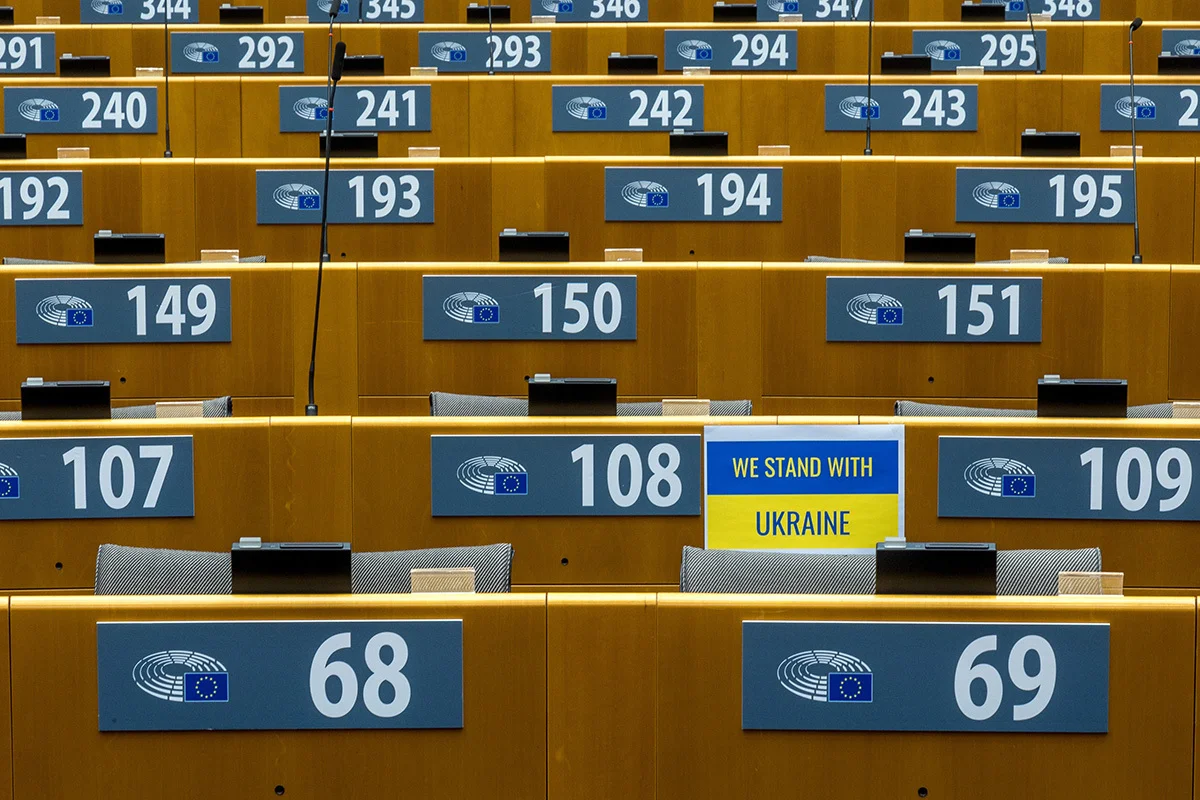
В разработке проекта реформы участвовали представители самых разных политических групп: Европейской народной партии (ЕНП, правоцентристы), Альянса социалистов и демократов (левоцентристы), группы «Обновляя Европу» (либералы), «зеленых» и левых. Но, несмотря на такую широкую коалицию в период подготовки, далеко не все евродепутаты проголосовали в поддержку проекта. В итоге за проект высказались 305 депутатов, против — 276, воздержались 29.
Больше трети — 99 — голосов «за» пришлось на социал-демократов, 73 голоса поступило от «Обновляя Европу», 63 — от «зеленых», 46 — от ЕНП, 13 — от левых, и еще 15 — от неаффилированных депутатов.
Фройнд, который как соавтор проекта голосовал «за», отмечает в комментарии «Новой-Европа», что главная цель реформы — демократизация ЕС, обеспечение его устойчивости и работоспособности, укрепление безопасности. В том числе это включает задачу «снизить восприимчивость к шантажу со стороны автократов», говорит Фройнд, намекая на Виктора Орбана. Именно отказ от права вето, по мнению евродепутата, является самой важной частью реформы. Также важно включение политики здравоохранения в компетенции ЕС — это поможет установить минимальные стандарты по здравоохранению и избежать, в частности, запрета на аборты, как это было в Польше, подытоживает он.
Другие важные потенциальные союзники для сторонников реформы — Париж и Берлин. Ни президент Франции Макрон, ни канцлер Германии Шольц публично не высказывались на тему проекта, но на их поддержку вполне можно рассчитывать — в сентябре обе страны представили свои предложения по реформе в Совете ЕС. И это ясный сигнал, что две главные страны ЕС открыты к реформированию объединения.
Но не все депутаты даже среди тех, кто принимал участие в подготовке реформы, в итоге поддержали ее. Так, Европейская народная партия — проевропейская группа, чей представитель был задействован в работе над проектом, — стала главным поставщиком голосов «против»: 83 ее депутата не поддержали реформу. К ним присоединились евроскептики из Альянса европейских консерваторов и реформистов — 63 голоса, ультраправая группа «Идентичность и демократия» — 52 голоса, и другие.
Одним из наиболее ярых противников реформы стал Чарли Веймерс, зампредседателя Альянса европейских консерваторов и реформистов и член ультраправой партии «Шведские демократы». По его мнению , если реформа будет осуществлена, ЕС превратится в «супергосударство» (шв. superstat ).
«Соединенные Штаты Европы. Именно за это проголосовали сегодня большинство членов Европейского парламента, — отметил Веймерс. — В такой Европе у Швеции будет так же мало власти, как у государства в Германии.
Мы будем налоговой провинцией на севере с символическими парламентскими выборами. Поверьте, “Шведские демократы” сделают всё возможное, чтобы защитить нашу демократию и независимость и остановить запланированный захват власти централистами».
Но, несмотря на существенные расхождения во мнениях относительно реформы, голосование состоялось и решение принято — процесс изменения соглашений запущен. Евродепутаты призвали «немедленно и без обсуждения представить предложения [...] Европейскому совету», который, в свою очередь, мог бы простым большинством голосов созвать Конвент. Конвент — это специальный орган, который рассматривает возможные изменения в базовые соглашения.
The process is launched. Когда результат?
Однако на деле формальный процесс внесения изменений в основополагающие документы ЕС куда сложнее. Он регулируется 48-й статьей Договора о Евросоюзе.
Существуют две процедуры внесения изменений в базовые соглашения: обычная и упрощенная. Упрощенная процедура используется в случае не самых важных изменений в соглашения и в данной ситуации вряд ли подходит. Вынесенные сейчас на рассмотрение изменения носят фундаментальный характер и предполагают перераспределение власти и между государствами и ЕС, и между европейскими институтами.
Обычная же процедура подразумевает, что правительство любого государства — члена ЕС, Европарламент или Еврокомиссия подают предложение о внесении изменений в Совет ЕС — и это та стадия, на которой сейчас находится рассмотрение проекта. Совет ЕС, в свою очередь, направляет проект предложений в Европейский совет. Европейский совет может простым большинством голосов (50%+1 голос, то есть 14 голосов) принять решение о рассмотрении поправок.
После этого созывается Конвент, в который входят представители национальных парламентов, главы государств и правительств, Европарламент и Еврокомиссия. Конвент, в свою очередь, может методом консенсуса рекомендовать созвать Межправительственную конференцию . В нее должны войти представители правительств всех стран — членов ЕС. Конференция финализирует поправки к базовым соглашениям и должна проголосовать за принятие изменений единогласно. Далее следует процесс ратификации всеми национальными парламентами стран-членов, и только после этого поправки вступят в силу.
Весь этот процесс — дело очень небыстрое. В случае с Лиссабонским договором он занял почти три года. В марте 2007 года Еврокомиссия начала работать над проектом реформы на основе предложений национальных правительств. К июню 2007 года проект был готов, и Европейский совет созвал Межправительственную конференцию, которая работала до октября. 13 декабря 2007 года договор был подписан, после чего процесс его ратификации занял еще почти два года. Последней в ноябре 2009 года ратифицировала договор Чехия, и он вступил в силу.
Дэниел Фройнд считает, что проект достигнет Евросовета уже в период председательства в ЕС Бельгии, то есть в первой половине 2024 года. Но пока что непонятно, наберутся ли необходимые 14 голосов из 27 для созыва Конвента. В начале сентября, когда черновой вариант проекта реформы был представлен в Европарламенте, источники Politico в европейской дипломатии сообщали , что среди членов ЕС нет большинства в поддержку изменения соглашений.
Очень многое будет зависеть от нового проевропейского правительства Польши, полагает Фройнд: поддержит ли оно поправки или в духе прошлого правительства будет противостоять ЕС. При этом в октябре 2023 года лидер будущей главной партии в правящей коалиции «Гражданская инициатива» Дональд Туск заявил , что объединению «революционные преобразования» не нужны.
Иван Преображенский тем не менее считает, что шансы на то, что большинство будет получено, всё-таки достаточно высоки. Принципиальная угроза сейчас исходит от стран, где власть находится в руках у евроскептиков, — Венгрии и, вероятно, Словакии. Новое правительство в Нидерландах, где на выборах победила ультраправая партия Вилдерса, пока не сформировано. Так что с учетом продолжающейся войны и очевидных проблем в ЕС шансы на достижение большинства в Европейском совете, по мнению эксперта, можно оценить в 75%.
Но в любом случае реформа не будет проведена до следующих выборов в Европарламент в июне 2024 года, после которых будет пересобрана и Еврокомиссия. Учитывая же растущую популярность евроскептиков и ультраправых сил в Европе, можно констатировать: после выборов провести реформу будет еще сложнее.