
Translated material
One year after Prigozhin’s mutiny, the Wagner Group’s tactical legacy still influences the battlefield in Ukraine
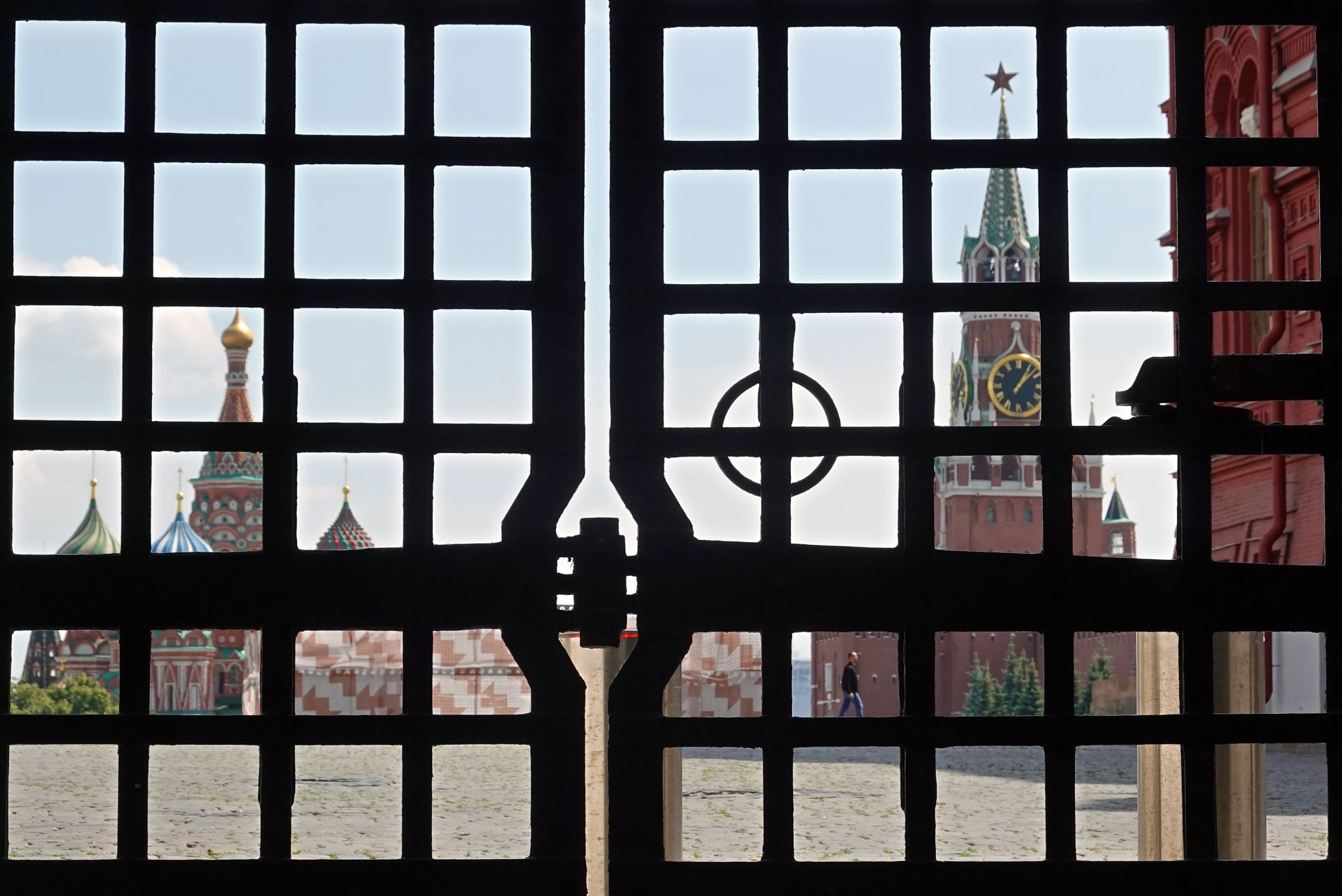
On June 23, 2023, Yevgeny Prigozhin led his Wagner Group mercenaries in an armed insurrection against the Russian Defense Ministry. Prigozhin would never reach Moscow; he abandoned the coup the next day and his “Wagnerites” were ordered to either enlist under the Russian Defense Ministry or leave Russia for good. A year later, Meduza looks back at the unsuccessful insurrection and sums up the Wagner Group’s tactical legacy on the battlefield in Ukraine.
A year ago, when Yevgeny Prigozhin embarked on his “march of justice” toward Moscow, his men encountered little resistance on the ground, apart from truck barricades on the main roads. The Russian military command only deployed aviation from nearby airfields against the Wagner Group fighters. After several skirmishes with government forces’ aircraft, Wagner mercenaries reached the village of Krasnoye in Russia’s Lipetsk region, where they set up camp. However, they never made it any further north.
Even though we’re outlawed in Russia, we continue to deliver exclusive reporting and analysis from inside the country.
Our journalists on the ground take risks to keep you informed about changes in Russia during its full-scale invasion of Ukraine. Support Meduza’s work today.
While much of the short-lived mutiny was captured on video, what happened next remains largely unknown. The details of Yevgeny Prigozhin’s negotiations with the Kremlin are known only through Belarusian President Alexander Lukashenko’s account, which can hardly be considered reliable. Whatever the particulars may be, by the evening of June 24, after negotiating directly with the Kremlin and through Lukashenko as a mediator, Prigozhin abandoned his rebellion, effectively signing a death sentence for himself and his private military company.
Now, Wagner Group no longer exists as such:
- Some of its mercenaries have signed contracts with the Defense Ministry to go fight in Ukraine as part of the regular Russian army;
- Wagner units continue to operate in Africa under the ministry’s control, although only units in the Central African Republic are still operating under the Wagner name;
- Other mercenaries, whom the Defense Ministry refused to accept, joined specially created National Guard units;
- Despite claims that thousands of former Wagner mercenaries were integrated into Chechnya’s Akhmat battalion, there’s no evidence that anywhere near that number joined.
When Prigozhin set off for Moscow, he was clearly counting on sympathy for his cause within the army. However, much of this support evaporated before the “march of justice” concluded. While many officers were dissatisfied with their commanders in the Defense Ministry and the General Staff, Prigozhin’s methods seemed inappropriate to them. And when Sergey Shoigu was removed from his post as defense minister almost a year after the rebellion, this seemed to quell internal opposition among the officers.
That said, the Wagner Group’s tactics have left a lasting legacy on the battlefield in Ukraine. The strategies it used to capture the cities of Soledar and Bakhmut have been adopted by the Russian and Ukrainian militaries alike:
- Both armies now increasingly rely on small infantry assault groups operating closely with artillery, rather than on armored vehicles, which are too vulnerable in drone-dominated skies.
- These tactics — often referred to as “meat assaults” — make it possible to capture fortified positions and disrupt enemy logistics and command. However, they’re also slow (as the advance is conducted on foot) and result in extremely heavy casualties for the assault groups.
- Wagner Group addressed the resulting manpower issues by recruiting inmates from Russian prisons. Both the Russian and Ukrainian armies have tried to replicate this recruitment method but haven’t reached the scale of Prigozhin’s campaign, which reportedly saw more than 50,000 prisoners recruited and deployed in one wave.
However, it’s important to recall that most of these former prisoners weren’t part of the June 2023 march on Moscow. Their contracts had expired, and they’d already left Prigozhin’s army. Only a few thousand mercenaries, who had been the core of the Wagner Group before the prison recruitments, joined him in the mutiny. It’s likely that the lack of forces and the absence of expected support from the army led Prigozhin’s rebellion to to its early end.