
Translated material
Five questions about "implanone"

It is not necessary to drink pills with it, and menstruation can become less painful. How does this work?
A few months ago, the user X (former Twitter) boasted that now she wears a contraceptive implant: “You make a thin stick in the forearm for three years <...> without risk to forget to drink/buy pills. I feel like a cyborg. " In the comments, many said that they first hear about this method of contraception. Indeed, although implants have existed for more than 20 years, in Russia they are more common than COC or intrauterine spirals. “Sick”, along with a gynecologist and sexologist, Sabina Utamuradova tells how “implanon” works, which are its pros and cons.
Subscribe to the “braid” in Telegram so as not to miss new texts .
What is a contraceptive implant?
This is a very small (about 4 cm) and a thin flexible rod made of biomocratal plastic. It is inserted into the woman’s shoulder through a tiny puncture on the skin and acts for several years. However, it can be extracted earlier if a woman decides to become pregnant - the fertility will recover in the near future.
How does it work?
Inside the rod, there are 68 mg of this day - this is the same hormone that is used in some other contraceptives. From the implant, the substance is gradually released into the bloodstream every day. It inhibits the growth of follicles, suppresses ovulation and the formation of a yellow body, and also thickens cervical mucus. This prevents the passage of sperm into the uterine cavity and prevents endometrium , in other words, prevents an unplanned pregnancy.
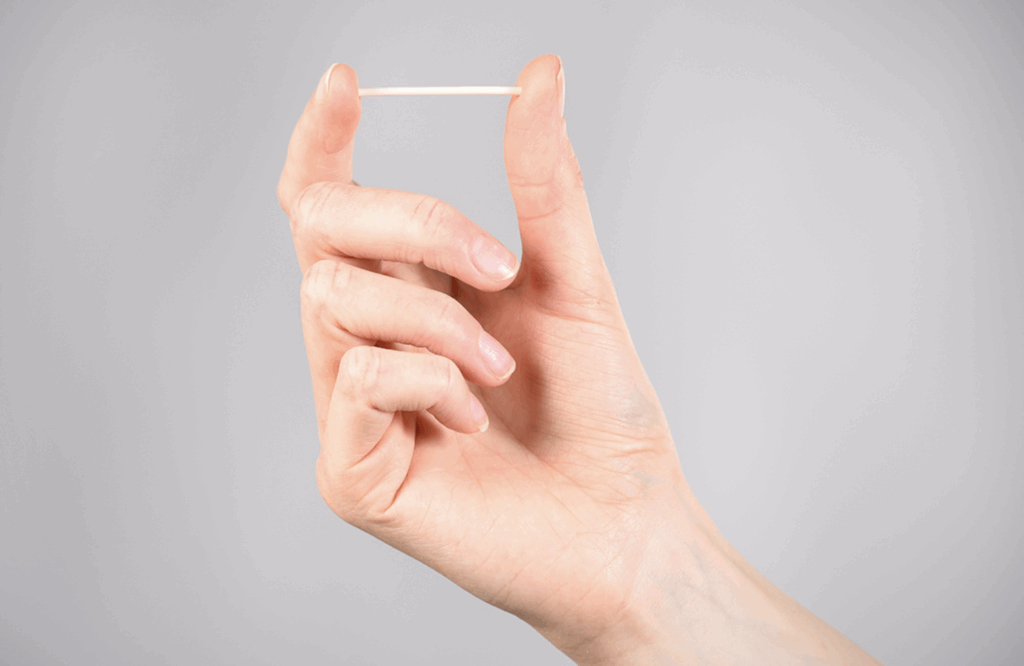
"Implanon" begins to act after installation. During the first seven days after the introduction of the implant, other methods of contraception (for example, condoms) will still need to be used - and after that it will be possible to refuse them. Another option is to install an implant in the interval on the first to the fifth day of the cycle, when ovulation is impossible. Then additional contraception is not required at all.
What are the pluses of this method?
Control over contraception. It is important for many women to take responsibility for protection themselves-in particular, in order to prevent pregnancy due to error or coercion from a man. The implant is one of the methods that allow you to control the situation.

Efficiency. This is one of the most reliable methods for preventing unwanted pregnancy - it protects by 99.8%. According to WHO, it works better than tablets or condoms.
Durability. The implant operates up to three years (by the end of the third year it must be removed).
Convenience. "Implanon" does not interfere with everyday life, it is designed to withstand everyday loads. With implant, you can go to the pool or to the bathhouse. It can be damaged with traumatic direct effects (for example, when impact), but the probability is small. If this happens, the doctor may recommend removing the damaged implant and installing a new one. In addition, unlike COCs, you do not need to remember the receipt of pills or regularly go to the store for them.
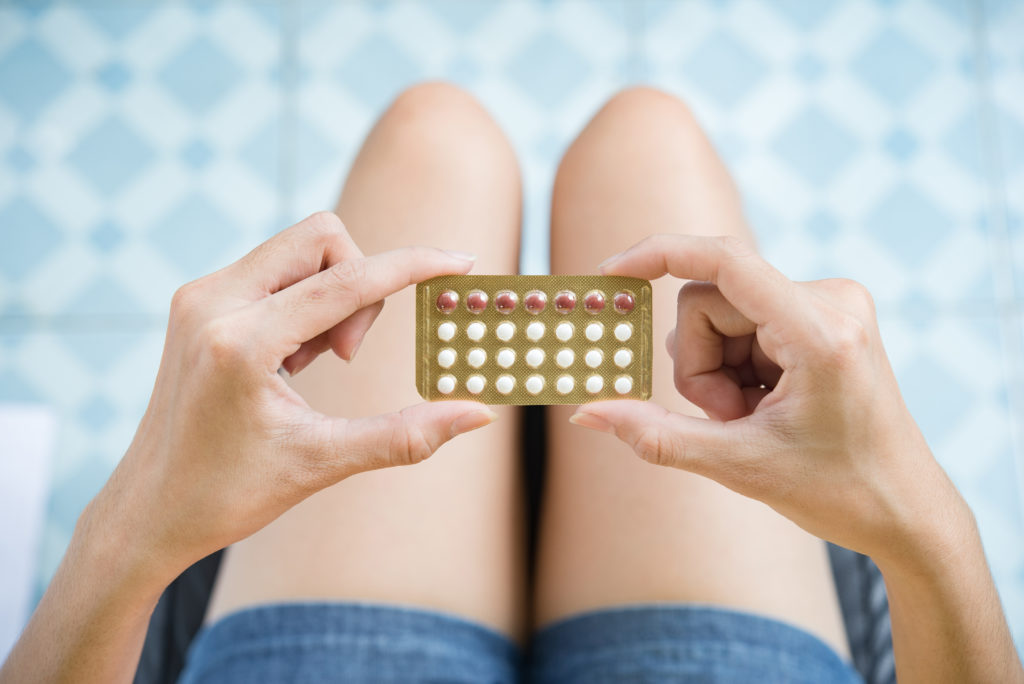
Suitable for nursing mothers. The implant can be installed already 3-6 weeks after childbirth (not feeding mothers should install it 21 days after childbirth, nursing-after 4-6 weeks).
Relief of menstruation. In many women, menstruation during the use of implant becomes less painful or almost stops. Therefore, the implant can be used to reduce the severity of dysmenorrhea (painful monthly) or to reduce symptoms of endometriosis - especially if the patient needs reliable contraception. But in order to use an implant to facilitate these conditions, you need to consult a doctor and evaluate individual evidence.
What are the minuses of the implant?
Not everyone is suitable. This tool is contraindicated in certain diseases of the liver (for example, with severe cirrhosis), as well as with breast cancer, some serious circulatory disorders and other conditions. Therefore, before installation, you need to consult a doctor and learn about contraindications. Someone can also be allergic to the components of the drug-but this happens extremely rarely.

There may be side effects. In some women, in the first year of implant use, long -lasting strokes appear, and menstrual bleeding can become irregular. It happens that patients are frightened by such a reaction of the body.
However, the gynecologist Sabina Utamuradova explains: this is a completely normal phenomenon that can occur when using any contraceptives only on the basis of progestogens (for example, an intrauterine spiral and some oral contraceptives).
Protection only from pregnancy. The implant does not protect against sexually transmitted infections. Therefore, it is recommended to use it with a regular partner if you trust him and both took tests for STD. Other hormonal drugs also work. To protect yourself from infections, you need to use barrier contraceptives - condoms.
Psychological barrier. The implant is introduced painlessly and is not felt in everyday life. But there are those who are emotionally difficult to install “foreign object” under the skin-because of this, some patients choose tablets or barrier contraception.
Why does so few people know about this method?
The first subcutaneous implant with this Non -Gestone - “Implanon” - appeared on the market in 1998. Now it is no longer for sale - instead of it, a more modern analogue of Nexplanon, known in Russia as “Implanne NCST”, has appeared.
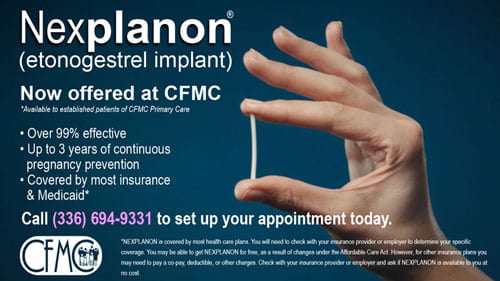
The active substance in it is the same, but the new generation implant is easier thanks to an improved applicator . In addition, it is X -ray -contrast, and therefore, if necessary, it is easier to visualize and remove in difficult cases.
According to the gynecologist Sabina Utamuradova, in many countries such a means of contraception is quite common - especially where the state actively provides women with information about implants. For example, in the UK Nexplanon can be installed for free - and many patients are used by this opportunity.
But in Russia, there are many myths and fears around the topic of hormonal contraception, so few are solved on implants. Utamuradova, referring to the stories of colleagues, says that in some clinics, these funds are not even purchased due to low demand. In addition, a gynecologist who has undergone special training should establish an implant - in all regions doctors have such an opportunity.
Another reason for low popularity is a rather high price (in Moscow, the drug most often costs about 17,000 rubles, and this is without payment for its installation) and the lack of information promotion.
The material does not contain advertising
Author: Kamila Ami