
Translated material
Influencers
European leaders are vying with each other to fly to the United States, competing for the title of chief negotiator with Trump on EU and Ukraine affairs. Who wins this difficult race?
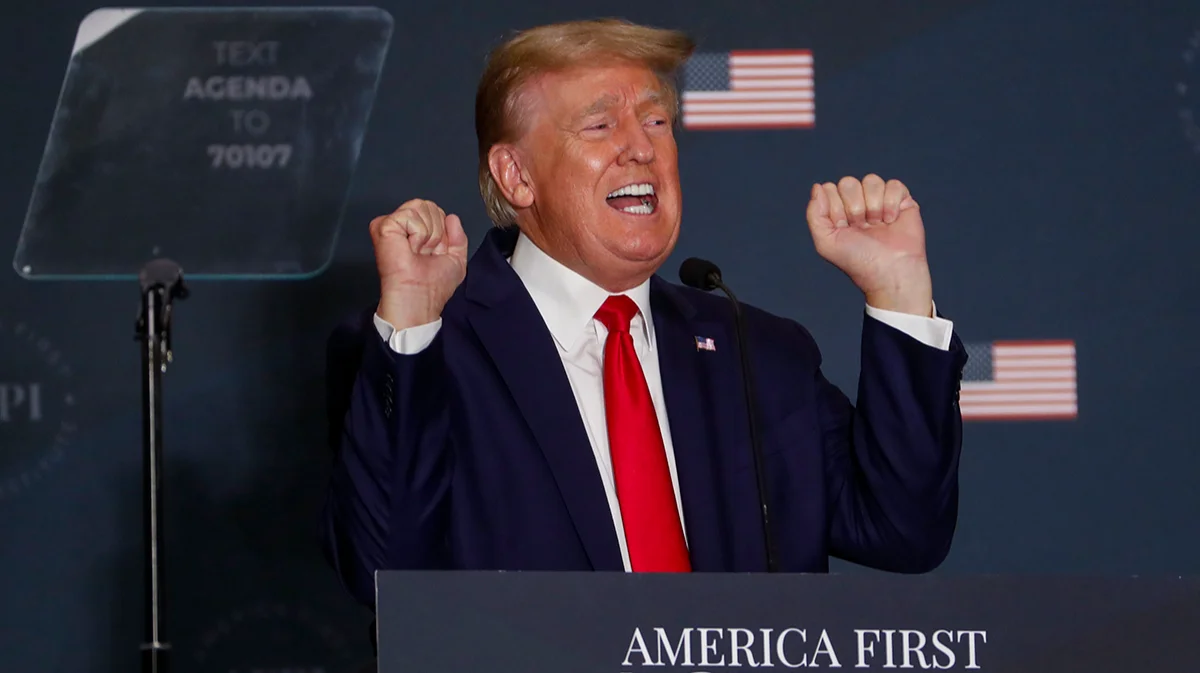
Donald Trump speaks at the America First Policy Institute's America First Summit, Washington, DC, July 26, 2022. Photo: Shawn Thew/EPA-EFE
The US authorities continue to call on Russia and Ukraine for an immediate ceasefire, but it seems that they have little faith in the feasibility of such a scenario. There are more and more signals about Donald Trump’s readiness to withdraw himself from the negotiation process, shifting responsibility to Russia and Ukraine, as well as to Europe.
Against this background, European leaders with redoubled force began to demonstrate to the head of the White House and the whole world that this matter could not be done without him. But the war in Ukraine is far from the only topic on which the leadership of the EU countries is seeking to reach mutual understanding with the American administration. There is a tariff war, the future of NATO, and many other issues. At the same time, there is an unspoken competition between European leaders: who will be the person who can convey a simple message to the 47th President of the United States: listening to the old continent is in Washington’s interests. Some rely on ideological closeness, others on the regularity of contacts, personal and by telephone. “New Europe” analyzed the tactics of the key contenders for the unofficial title of the main mediator between Europe and Washington and tried to understand what they are doing.
Donald Trump’s views on the world and the place of the United States in it were not formed yesterday. Back in 1987, in an open letter to the “American people,” the businessman argued that “Japan and other countries have benefited from the kindness and generosity of the United States for decades and it was time they paid for it.” And in 1990, in an interview with Playboy magazine, he regretted that his homeland was being “robbed dry by the so-called allies - Japan, West Germany, Saudi Arabia, South Korea.”
Having come to power for the first time, Trump immediately began to put his ideas into practice: he reduced contributions to UN structures, withdrew from the Paris Climate Agreement and the Trans-Pacific Partnership , and revised the terms of the North American Free Trade Agreement (NAFTA). That is, he acted in full accordance with his slogan “America First”.
He began his second term even more decisively, provoking a crisis in the transatlantic partnership with Europe. The tariff war, diametrically opposed approaches to Ukraine and other security issues, disagreements over gender and LGBT rights, and other ideological issues have all deepened the rift between Washington and Brussels.
Trump considers representatives of the European establishment to be comrades of his domestic American political opponents - the Democrats. And in general, he has a negative attitude towards the European Union - he even called the EU an “ enemy ” of America, “ worse than China .” Moreover, according to the views of the US President, the European Union was once invented to “deceive the United States.”
And so far nothing can convince Trump.
Nevertheless, since the Republican victory in the November 2024 elections, a number of European politicians have tried their hand at conveying one idea to the new president: Trump’s ideas may not be groundless, but Washington still needs to interact with Europe.
And each of those who made an attempt tried and continues to try to convince the whole world that it is he who can build a bridge between the two shores of the Atlantic Ocean.
Giorgia Meloni, Prime Minister of Italy
From the very beginning, it was clear that George Meloni would try to act as a “bridge builder” between the EU and the United States. This was indicated by both the ideological closeness of the Italian prime minister to Trump and her authority in Europe. Indeed, Meloni is actively working to ensure that Washington listens more sensitively to the EU position.
In December 2024, the Italian prime minister and the winner of the US presidential race, who had not yet moved into the White House, met in Paris at the opening ceremony of Notre Dame Cathedral. In early January, Meloni visited Trump at his Mar-a-Lago (Florida) residence. And then she became the only leader of an EU country invited to the inauguration. After that, Meloni and Trump met several more times: on April 17, they met at the White House, and on April 26, in Rome, where Trump came to the funeral of Pope Francis.
Meloni on Trump : "My goal is to make the West great again, and I think we can do it together [with Trump]."
Trump on Meloni : “She's fantastic! A fantastic leader and person."
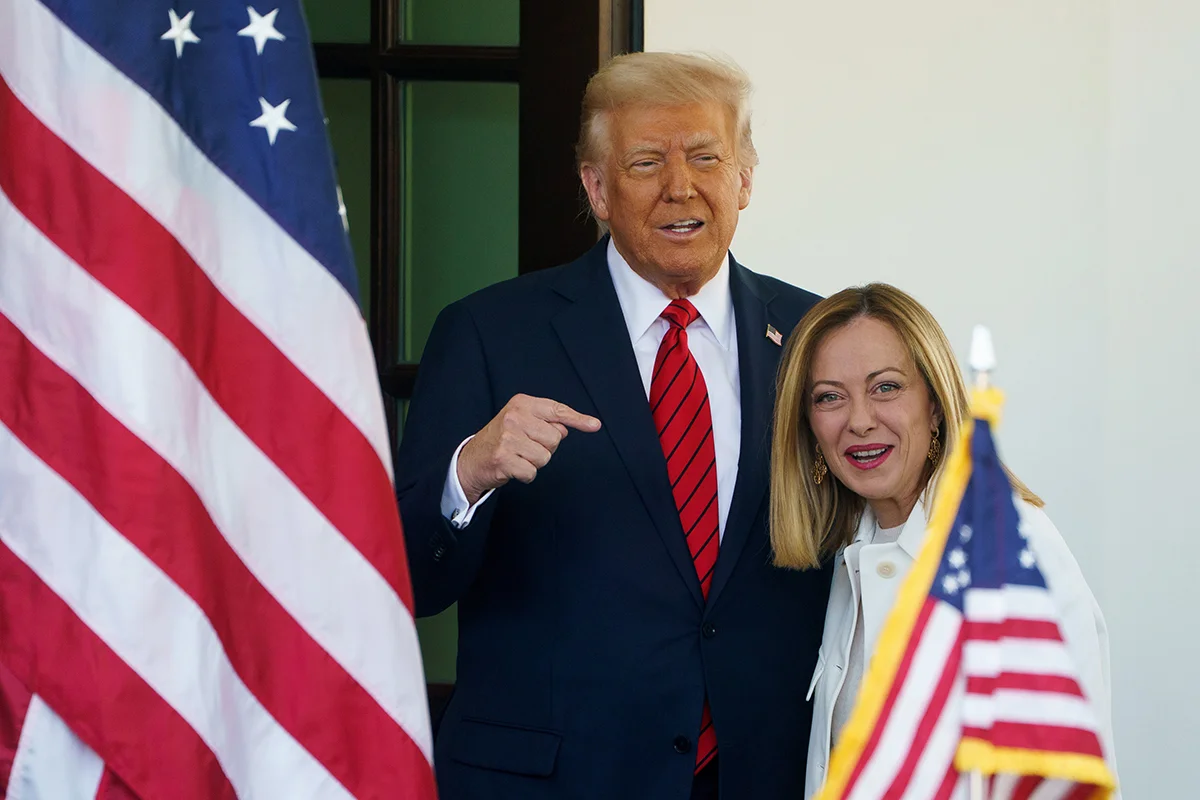
What is the basis of influence on Trump?
Ideological affinity . Meloni, leader of the far-right Brothers of Italy party, has conservative views similar to those of Trump. For example, they have the same attitude towards the problem of migration and what a family is, they are skeptical about international institutions and are ready to resist the “liberal mainstream” to the end.
Similarity of rhetoric. Western media have repeatedly emphasized that Meloni has perfectly mastered the “Trump” language: she supports his decisions on domestic policy, in particular the rejection of programs on diversity, equality and inclusion, criticizes the Democrats’ approaches to gender issues and creatively rethinks the slogans of the Republican president (including the already mentioned “Make America Great Again”).
Connections with Trump's entourage. Meloni maintains good relationships with Vice President J.D. Vance and billionaire Elon Musk, who admires her “outer and inner beauty.”
What do you expect from Trump?
Maintaining the transatlantic partnership. Meloni advocates restoring normal dialogue between partners on both sides of the Atlantic, and therefore, on February 28, she proposed holding an urgent EU-US summit. The purpose of the event was to eliminate the contradictions that emerged after Trump's inauguration.
End of the tariff war. Meloni is confident that the trade war between Europe and the United States “is not in anyone’s interests.” This topic was one of the key ones during all of Meloni’s recent contacts with Trump.
Continued support for Ukraine . Unlike the vast majority of the European far right , Meloni takes a clearly pro-Ukrainian position and therefore tries to convince Trump not to withdraw his support for Kiev.
What worked and what didn’t?
Meloni has become the main European channel of communication with Trump. The media regularly call the Italian prime minister a person who “knows how to approach Trump.” This strengthened her position both within Italy and at the European level, in particular her relationship with the head of the European Commission, Ursula von der Leyen.
Meanwhile, in practice, successes are small, and it is still unclear whether Meloni’s mediation will bring any tangible benefits to the European Union. The EU-US summit has not been remembered lately. The trade war has not yet ended, the parties have not reached a final agreement, and previously introduced tariffs have simply been postponed .
Viktor Orban, Prime Minister of Hungary
Viktor Orban is also closest to Trump from an ideological point of view. But he has a significant drawback compared to Meloni: the Hungarian prime minister is an “outcast” in the EU, undermining pan-European unity with his “special position” on the Russian-Ukrainian conflict and many other issues. The word “mediator” is the least suitable word for Orban: he does not represent the EU, but rather is trying to extract personal benefit from contacts with Trump.
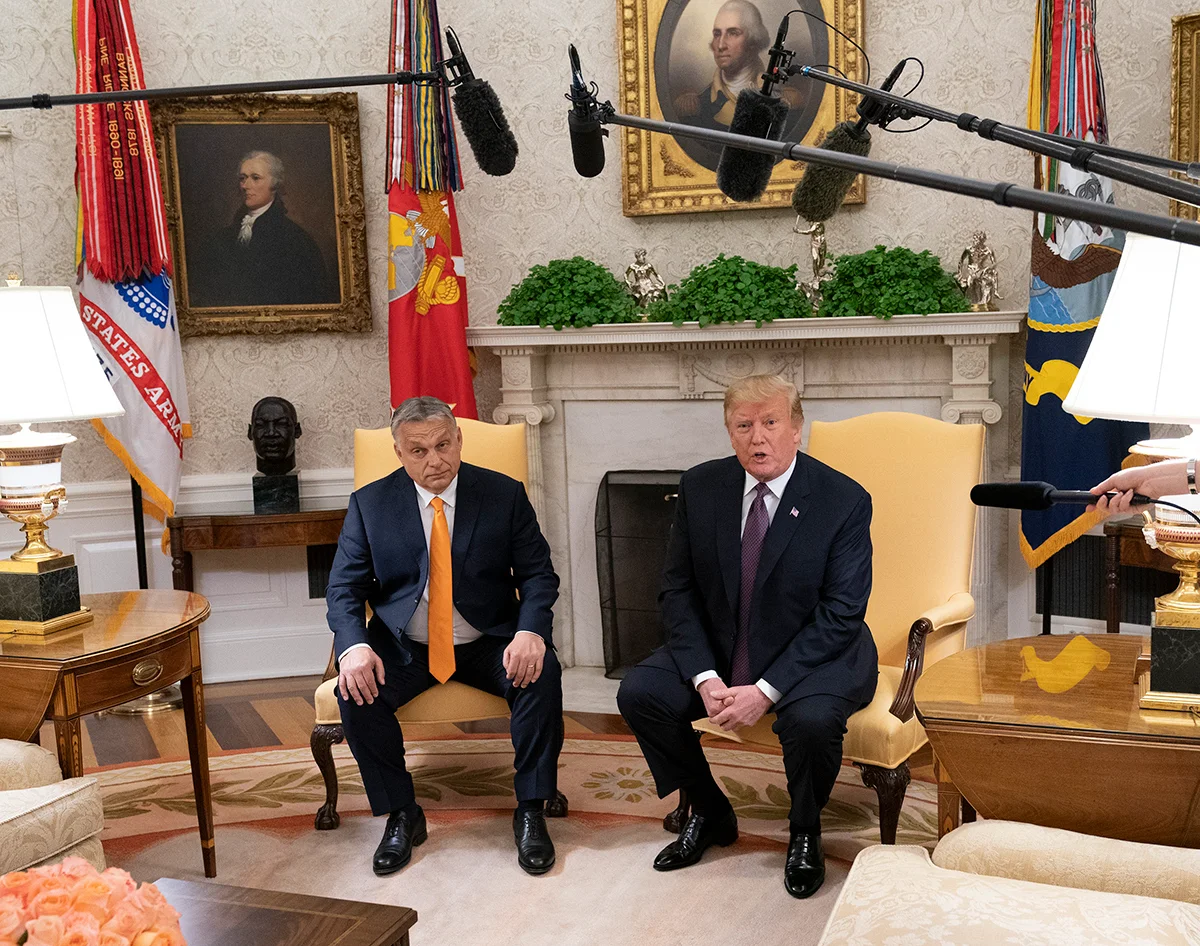
On election day in the United States, November 5, 2024, Viktor Orban was the first to congratulate Trump on his victory. He did not hold back his emotions: he called the results “the greatest comeback in US political history” and “a much-needed victory for the whole world.” Prior to this, in March and July 2024, Orban twice traveled to Trump’s Mar-a-Lago residence. The third meeting took place there in December 2024. After this, Orban said that Trump “frequently calls” him.
Orban on Trump : “I don’t see anyone today except him, neither in Europe nor in America, who would be a strong enough leader to stop the war. The world has a name - Donald Trump."
Trump on Orban : “In Europe there is a big man, a big leader - Viktor Orban, the Prime Minister of Hungary. A very wonderful leader, a very strong person.”
What is the basis of influence on Trump?
Similar views on the ideal structure of the state and society . During his 15 years in power, Orbán has subjugated Hungary's political system to his party, undermined checks and balances, and limited the work of independent media and NGOs. This model appeals to many Republicans and Trump personally. It is significant that experts close to Orban participated in the preparation of “Project 2025,” a program for restructuring the American political system and consolidating executive power in the hands of the president, prepared by the conservative Heritage Foundation. Formally, Trump had nothing to do with it, but during his first months in power he issued many executive orders that coincided with proposals from Project 2025.
Ideological affinity . “Gender madness in America is over, funding for Soros globalist organizations is over, illegal migration is over, support for the Russian-Ukrainian war is also over. In other words, everything that the bureaucrats in Brussels tried to impose on us in recent years is over,” Viktor Orban could not get enough of the first actions of the new Republican US administration in early February.
What do you expect from Trump?
The speedy end of the war in Ukraine. Orban believes that only Trump can achieve this, and he is not bothered by the fact that if this happens thanks to Trump, it will probably be on conditions close to Russian ones.
Support in Hungary's standoff with the EU , which criticizes Budapest for undermining democracy, has frozen some of Hungary's pan-European funds and is threatening to take away voting rights in the European Council and the Council of the EU.
Economic support - restoration of bilateral agreements canceled under the Democrats (for example, on the avoidance of double taxation), American investments in projects in Hungary.
What worked and what didn’t?
There is uncertainty regarding the Ukrainian issue. It is possible that Orban’s special position will remain marginal in the West.
There are no breakthroughs in the economic direction, and it is difficult to achieve them. In particular, because Orban works closely with China, the main rival of the United States. For example, he invites Chinese companies to build railways and automobile factories in Hungary, which Trump clearly does not like.
But the American-Hungarian interaction led to increased pressure on Brussels, as Orban wanted. He said that Trump allegedly asked: when will Hungary leave the EU? Such statements add nervousness to Brussels and force leaders of other countries to think more actively about whether it is still possible to save “united Europe” or whether it is time to finally give up on pan-European unity.
Andrzej Duda, President of Poland
Another predictable contender for the role of Trump's European confidant is Polish President Andrzej Duda, who, as Politico noted , is "as compatible with MAGA [Trump's Make America Great Again slogan and corresponding ideology] as can be."
True, Duda has several shortcomings. Firstly, he is not suitable for the role of EU representative in negotiations with Washington, if only because Poland is a parliamentary republic and the prime minister has more real powers than the president. Secondly, Duda's powers expire in August. His work can be continued by the director of the Institute of National Remembrance, Karol Nawrocki, who is ideologically close to him, but only if he wins the second round of the presidential election on June 1.
Duda on Trump : “He's doing a fantastic job. The people of Poland love him, really love him.”
Trump on Duda : “A fantastic man and a good friend of mine.”
What is the basis of influence on Trump?
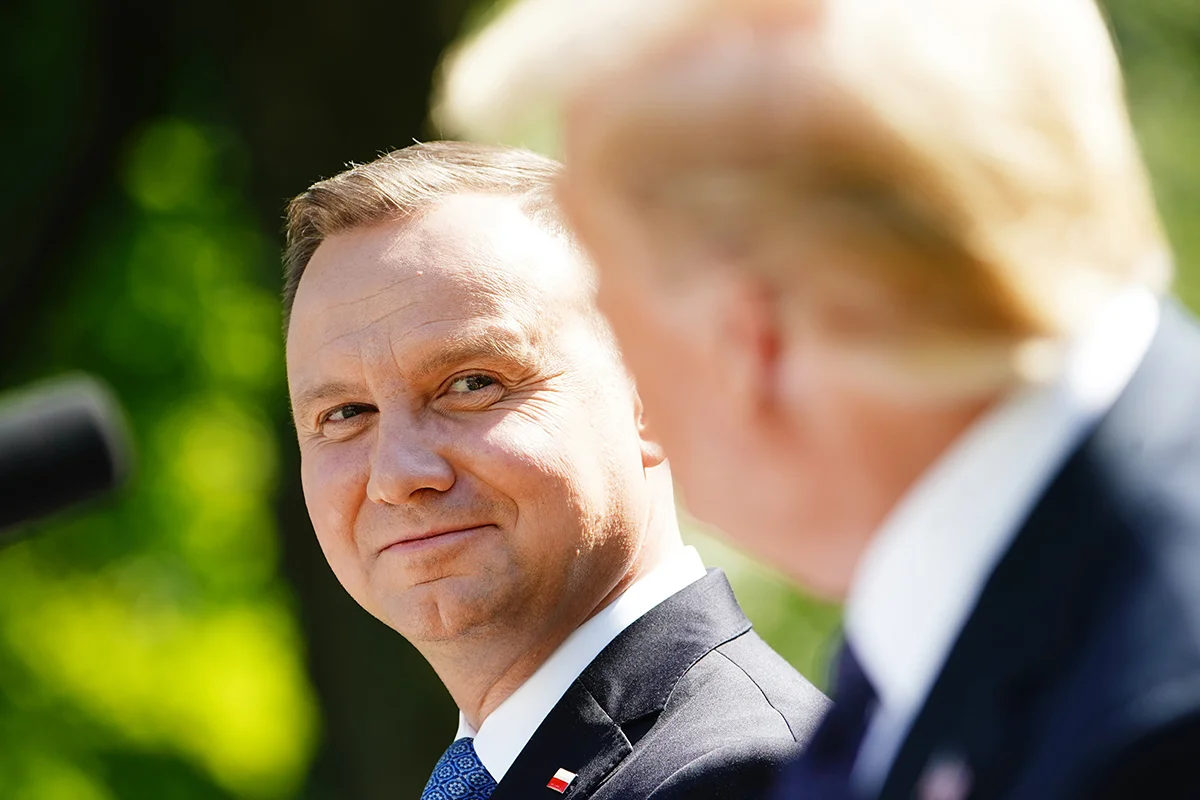
Personal relationships. Trump knows Duda well, having met with him several times during his first term. It is significant that the Polish president met with Trump in the midst of the American election campaign: the two politicians recalled “the time when they were both presidents.” And this, as explained in Duda’s office, was “a very good, fruitful time for Polish-American relations.”
Ideological similarities. Andrzej Duda adheres to conservative views, advocates traditional values, strengthening national sovereignty, strengthening the role of the state in the economy and strict migration policies. Just like Donald Trump.
The image of Poland as a key US ally. Poland, under Duda’s leadership, is positioning itself as one of America’s most loyal and strategically important partners in Europe, especially in security matters (an American missile defense base opened in the republic in November 2024).
What do you expect from Trump?
Strengthening sanctions against the Russian Federation. Duda is confident : “If anyone is capable of forcing Vladimir Putin to make peace, it is the President of the United States.” But, in his opinion, this must be done by increasing pressure on Moscow.
Support for Polish conservatives . Given the upcoming presidential elections in Poland in the coming days, it was important for Duda to gain support from the US President and use the “Trump factor” to help the conservative Law and Justice party, which recently lost the election , promote a presidential candidate close to them and thereby maintain control of at least this political post.
What worked and what didn’t?
Duda’s European colleagues, for example, Lithuanian President Gitanas Nausėda, admit that the Polish president has become one of the few European leaders who really influences Trump’s rhetoric on Russia, and after their meetings and telephone conversations, Trump begins to speak out more harshly regarding the Kremlin’s policies.
Despite all the pressure, Trump has not yet made a decision to introduce new tough sanctions against Russia. However, this can happen at any moment: the irritation of the head of the White House is clearly growing .
Poland has strengthened its image as the main US ally in Eastern Europe, which has strengthened its position in NATO and the EU. Among other things, this promises it considerable economic benefits, in particular thanks to the planned expansion of cooperation in the energy sector.
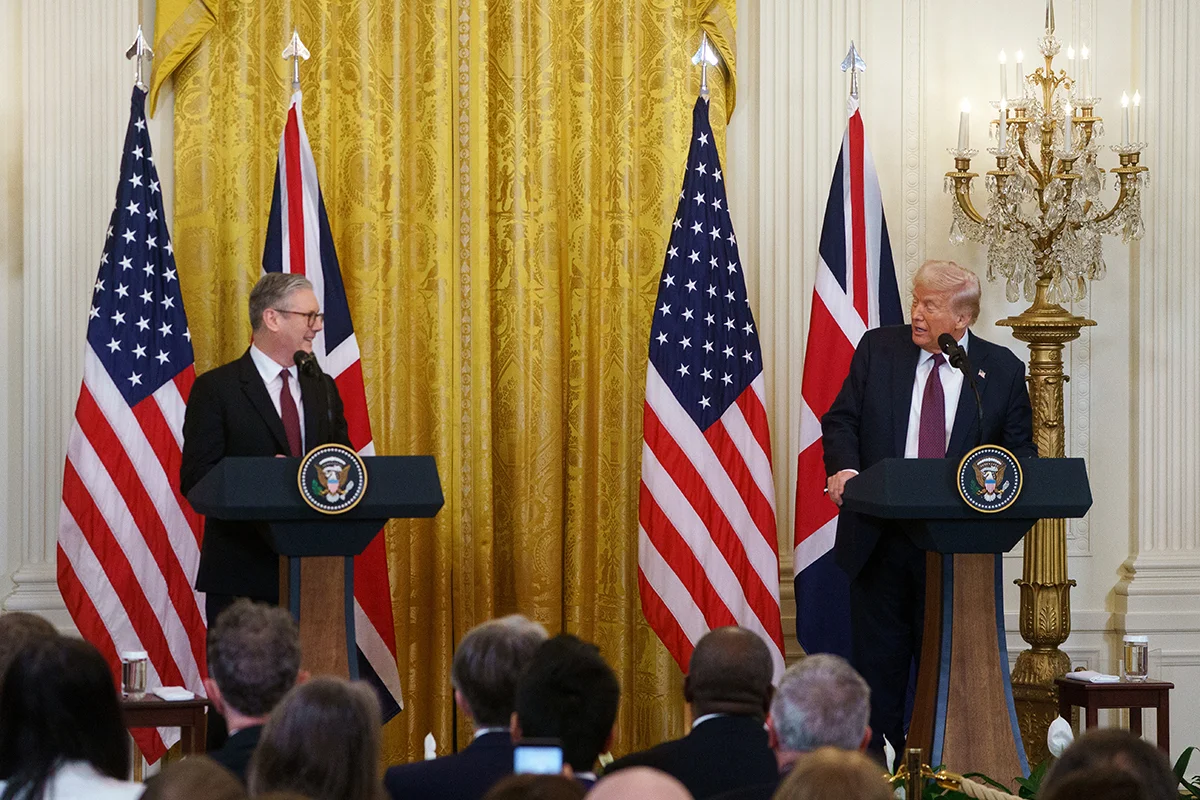
Keir Starmer, British Prime Minister
Keir Starmer has the most difficult history with Trump of all the mediation candidates. In 2019, as opposition leader, he wrote : “Donald Trump’s support tells you everything you need to know about what’s wrong with [then contender] Boris Johnson’s policies and why he’s unfit to be prime minister.” Senior members of Starmer's team also did not hold back in those years. For example, the current head of British diplomacy, David Lammy, in 2018 called Trump a tyrant and a “misogynistic neo-Nazi sympathizer.”
Yet in 2025, Starmer and his ministers are among those trying to influence Trump and his team. And there is a simple explanation for this: the exclusive nature of the relationship that developed decades ago between the UK and the US. It is possible to destroy a “special relationship,” but it is extremely difficult.
Starmer on Trump : “It’s no secret that we represent different political traditions. But we have a lot in common."
Trump on Starmer : “He's a liberal, and that's different from my views. But I think he is a very good person. I may not share his philosophy, but I have a very good relationship with him.”
What is the basis of influence on Trump?
A long-standing special relationship between London and Washington, which has gone through different times, but has always remained close and unique.
Diplomacy and respectful tone . There is no personal chemistry to speak of between Trump and Starmer. But the British prime minister avoids public confrontation with the American president and tries to show maximum flexibility and diplomacy, focusing on common values.
What do you expect from Trump?
Continuation of military and political support for Kiev . Starmerinsists that any peace agreement on Ukraine must be backed by security guarantees from the United States.
Strengthening Britain's status as a key US ally. Starmer is keen to maintain and strengthen the " special relationship " between London and Washington to ensure Britain remains the US's main partner in Europe.
Development of trade relations against the backdrop of a global tariff war.
What worked and what didn’t?
Despite ideological differences, Starmer has built a working and even warm personal relationship with Trump. Trump publicly praises Starmer for doing a "very good job". The “special relationship” between Britain and the United States appears to be in no danger.
In early May, the US and UK reached a trade deal that both Trump and Starmer called “incredible”. In particular, the United Kingdom agreed to reduce tariffs on American cars and agricultural goods, as well as eliminate taxes on American technology companies. It was the first such deal since Trump launched a tariff war against most countries in April.
Despite his diplomatic successes, Starmer—like everyone else—has been unable to secure firm, long-term guarantees from the United States for continued military support for Ukraine. The White House continues to avoid firm commitments, sending mixed signals.
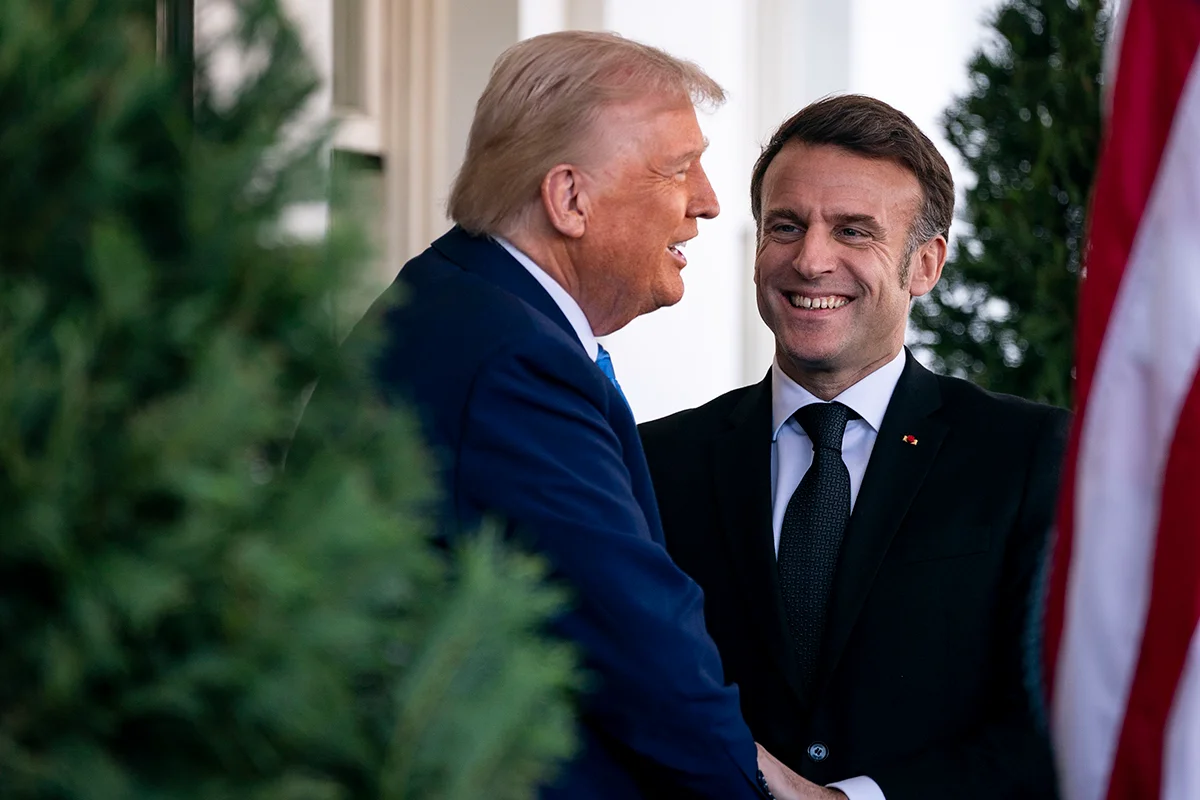
Emmanuel Macron, President of France
Macron was not invited to Trump's inauguration, but the Republican's decision to visit Paris as his first foreign trip since winning the election sent an important signal. Since then, Macron has played a special role in the establishment of US-European relations, although this is quite unexpected: he steps on shaky ground every time he shows firmness and contradicts Trump or publicly corrects him.
Macron, like Starmer, initially positioned himself as a mediator between Ukraine and the United States. The main task for him is to achieve peace conditions acceptable to Kyiv and to ensure that the Kremlin does not emerge victorious from this situation. As part of these efforts, Macron, for example, invited Vladimir Zelensky to the opening ceremony of Notre Dame Cathedral, where Trump was also present. And then the French leader tried, but unsuccessfully, to participate in a meeting of the leaders of the United States and Ukraine in the Vatican. The Ukrainian issue was also at the center of attention during Macron’s trip to Washington.
Macron on Trump : “We have again witnessed the wrath of Donald Trump. He is getting impatient [with the lack of progress on Ukraine]. All I want now is for him to take action [on Putin].”
Trump on Macron : “President Macron is a very special person to me.”
What is the basis of influence on Trump?
Strength and confidence. Trump perceives Macron as a strong opponent with a " strong grip " both literally and figuratively. Macron does not hesitate to correct Trump and argue in the presence of journalists - and, unlike Vladimir Zelensky, he gets away with it. “No world leader knows how to handle Trump like Macron. Friendly but firm; respectfully, but not afraid to object if he thinks he is wrong. And Trump respects him for this,” said Piers Morgan, a longtime friend of the US President.
The role of the representative of Europe. Macron positions himself not only and not so much as the President of France, but as the voice of a united Europe. This is especially true for negotiations on Ukrainian issues. Before contacts with Trump, Macron consults with other European leaders and voices the consolidated position of the EU, which gives him additional weight in the eyes of the head of the White House.
What do you expect from Trump?
- The leading role of Europe in the negotiations on Ukraine. Macron is trying to ensure that Europe not only participates in discussions on the Ukrainian settlement, but also determines, together with Kiev, the parameters of the deal. This format suggests that Russia’s interests should be taken into account last, in contrast to what Trump thinks about this.
What worked and what didn’t?
Macron is still unable to convince Trump to give firm guarantees on Ukraine or abandon the idea of negotiations with Russia without the participation of Kyiv and the EU.
Macron’s idea of the need for Europe’s “strategic autonomy” from the United States, which he has been actively promoting for many years, has now become commonplace in the thinking of European leaders. And Trump is clearly happy about this.
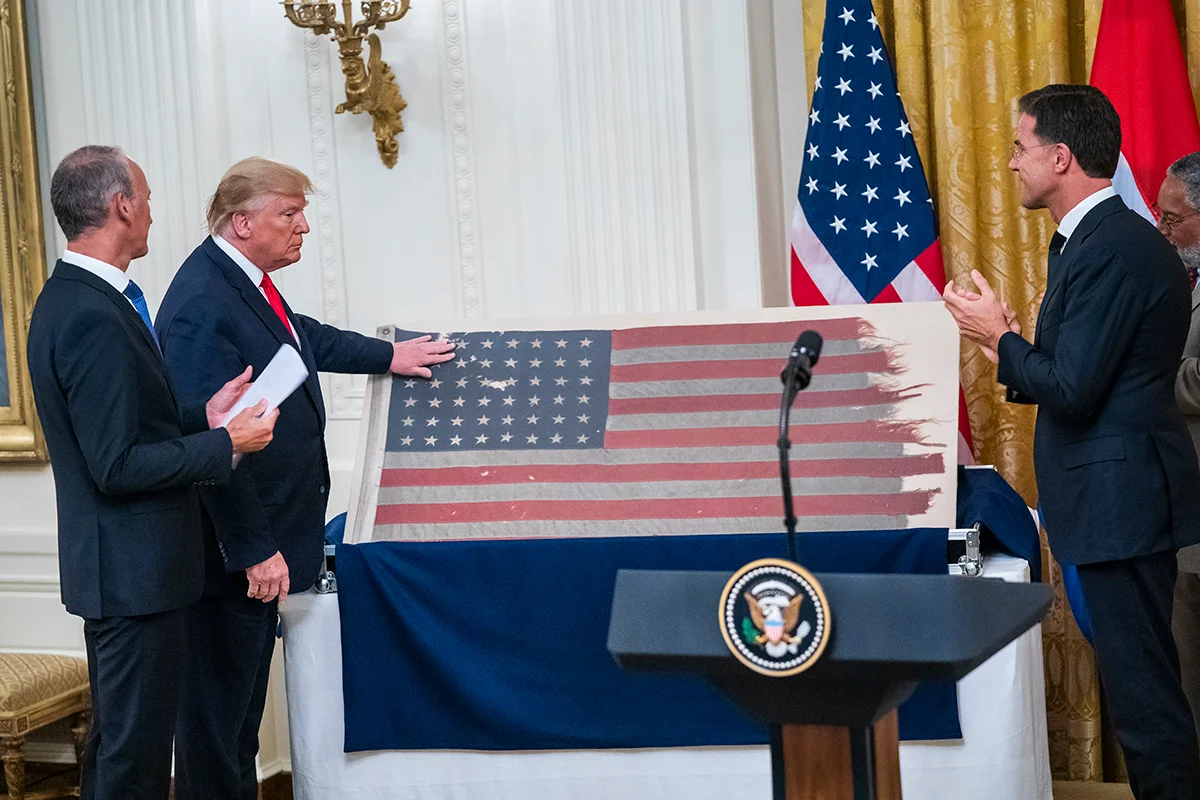
Mark Rutte, NATO Secretary General
Mark Rutte is in many ways a forced mediator in relations with Trump. Ideologically, the NATO Secretary General is not at all close to the US President: for 14 years, heading the government of the Netherlands, he proved himself to be an unconditional centrist. Nevertheless, an experienced politician, Rutte can play an important role in building relations between the United States and Europe. If only because he is the person Trump is counting on to force the Europeans to spend more money on defense and security.
Rutte on Trump : “I am very glad that Trump has taken a leadership role [in resolving the Ukrainian conflict]. Essentially, he broke the deadlock from the first day he took office.”
Trump on Rutte : “It's nice to be with my friend. We have always had a great relationship. Now, as NATO Secretary General, he is doing a fantastic job. Every report I receive says so.”
What is the basis of influence on Trump?
The position of NATO Secretary General. It is the Secretary General who is responsible for the overall coordination of the work of the North Atlantic Alliance. And his actions largely determine whether the 31 NATO countries will listen to the demands of the 32nd - the United States - and increase defense spending.
Old acquaintance. Even during his first term, President Trump actively and friendly communicated with Mark Rutte, then Prime Minister of the Netherlands. The conversations resulted in press releases with phrases like: “Both leaders note that the relationship between the United States and the Netherlands is the longest and most peaceful relationship between the United States and any other country.”
Diplomatic skills. Mark Rutte is looking for - and finding - common ground with Trump, leaving out of the conversation topics with him on which even the possibility of compromise is not visible. Thus, Rutte supports calls for all members of the Alliance to increase defense spending, but at any mention of Washington’s claims to Greenland, he refuses to comment, claiming that he “does not want to drag NATO into this.”
What do you expect from Trump?
Toughness towards Russia. Mark Rutte is trying to convey to Trump that everything necessary must be done to ensure that Putin, after peace is concluded, will no longer be able to invade Ukraine. The resolution of the conflict, the NATO Secretary General is confident, should not result in a unilateral concession to the Kremlin.
Preserving NATO unity . Rutte is convincing Trump that a strong NATO is in the interests of players on both sides of the Atlantic. In practical terms, Rutte, among other things, is seeking from the American president to maintain his financial obligations. The alliance would be at its most difficult without the United States: it now accounts for 15.9% of NATO's total direct funding, the largest share along with Germany's contribution.
What worked and what didn’t?
So far, neither Trump himself, who openly threatened this in December 2024, nor his entourage are talking about minimizing the US presence in NATO or even the country’s withdrawal from the Alliance.
Rutte does not hide : it was thanks to pressure from Trump that the remaining NATO members - the Europeans and Canada - began to spend much more on defense than before. And while Trump's demand that everyone spend 5% of their GDP on defense seems unrealistic , raising the target to at least 3% from the current 2% is effectively a done deal.
A month after Trump’s inauguration, Mark Rutte said that the Alliance and the Trump administration are “increasingly on the same page” on issues of supporting Ukraine, increasing military production and the need to achieve a peace beneficial to the West.
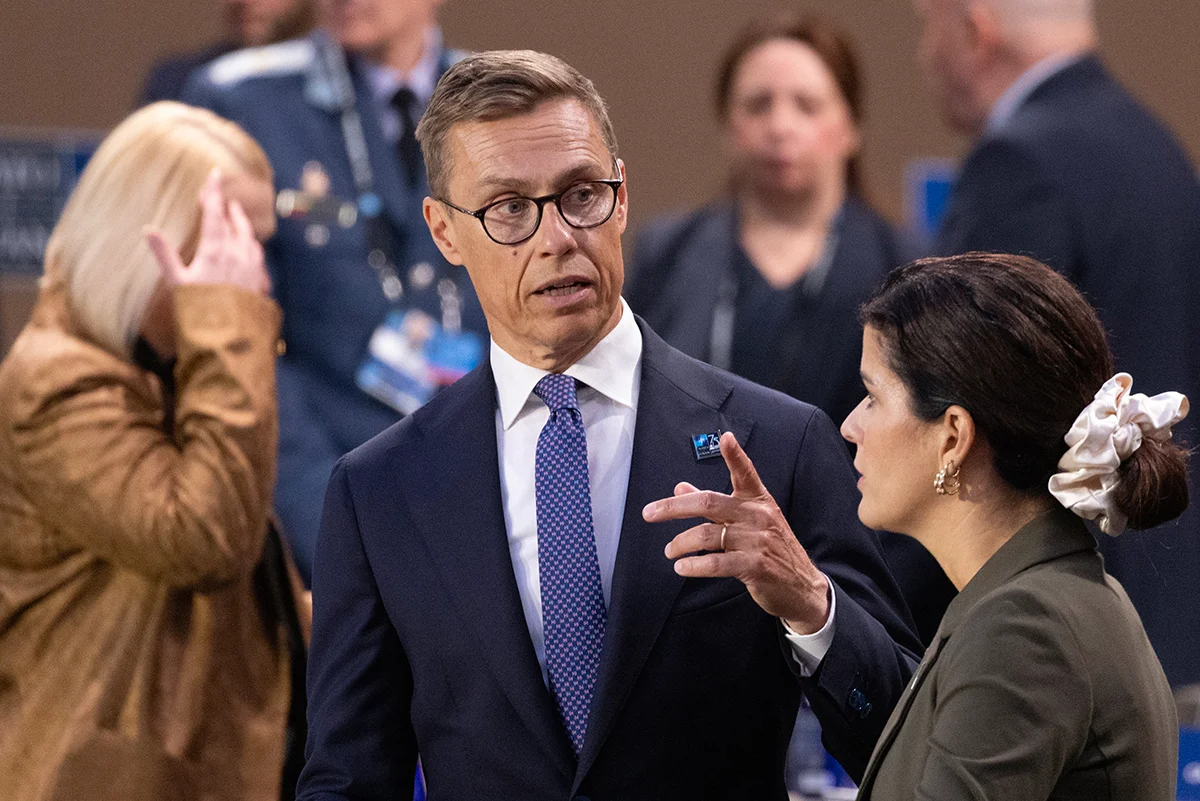
Alexander Stubb, President of Finland
Alexander Stubb did not appear on the lists of potential mediators in relations with Trump, but in the end he found his own unique approach to him and now stands out from the rest of the contenders. In March, Stubb, a former member of the Finnish national golf team and a participant in the European Championships, remembered his sports past, picked up a putter and went to Trump International Golf Club for a tournament. Together with Donald Trump himself, he took part in the competition - and together with him, as the head of the White House himself later said , he won.
Stubb on Trump : “In the first three months of his presidency, Donald Trump has done more to strengthen European security and defense than was done in the previous 30 years combined.”
Trump on Stubb: “I just played golf with Alexander Stubb, the president of Finland. He's a very good player."
What is the basis of influence on Trump?
- Personal contact. Playing golf together allowed the two leaders to discuss world problems in an informal setting and become, if not friends, then good partners. Judging by Donald Trump's high assessment of Stubb's skill, the matter will no longer be limited to one game.
What do you expect from Trump?
Modern views on geopolitics . Stubb believes that Trump's worldview is largely based on the concepts of the 19th century - the era of great powers and bilateral deals. The Finnish leader sees his task as conveying modern ideas to Trump - for example, that “free trade and general rules are better than deals based on the principle: you give me, I give you.”
Pressure on Russia. Stubb calls for stronger sanctions and the use of frozen Russian assets to support Ukraine. He also associates Trump’s unpreparedness for this with his outdated views: supposedly the US President did not understand that, unlike the 19th century, Russia can no longer be considered a great power.
Cooperation, not competition with Europe . Stubb strongly disagrees with Trump's notion that Europe is a geopolitical rival for the United States. In this regard, he not only conveys his position to Trump, but also calls on Europeans to show that they are “providers of security, not its consumers.”
Strengthening cooperation in the Arctic . The United States is now very interested in strengthening its position in the Arctic. And Finland, as an Arctic state, can play a significant role here.
What worked and what didn’t?
Despite some changes in rhetoric, Trump remains committed to bilateral deals and strongly questions the principles of free trade that have been fundamental to the entire Western world for decades.
On the issue of anti-Russian sanctions, the United States and the EU have been acting asynchronously since January 2025: while Brussels is developing and introducing more and more new packages of restrictive measures, in Washington they are talking about this seriously only at the Congress level.
Stubb's ideas for a Ukrainian settlement remain, for the most part, just ideas. Thus, earlier the Finnish president suggested that Trump call April 20 the deadline for “the start of a complete ceasefire without any conditions.” “Because we need a deadline. Because it's Easter. And because President Trump will be in office for three months,” he explained the choice of date. As a result, Vladimir Putin declared an Easter truce, but it did not become long-term: the fighting resumed.
Cooperation in the Arctic promises economic benefits for Finland: over a game of golf, Stubb and Trump discussed “the purchase and development of a large number of much-needed icebreakers for America.”