
Translated material
Hiding traces of receipt. Russian customs began to hide data on the import of sanctioned goods
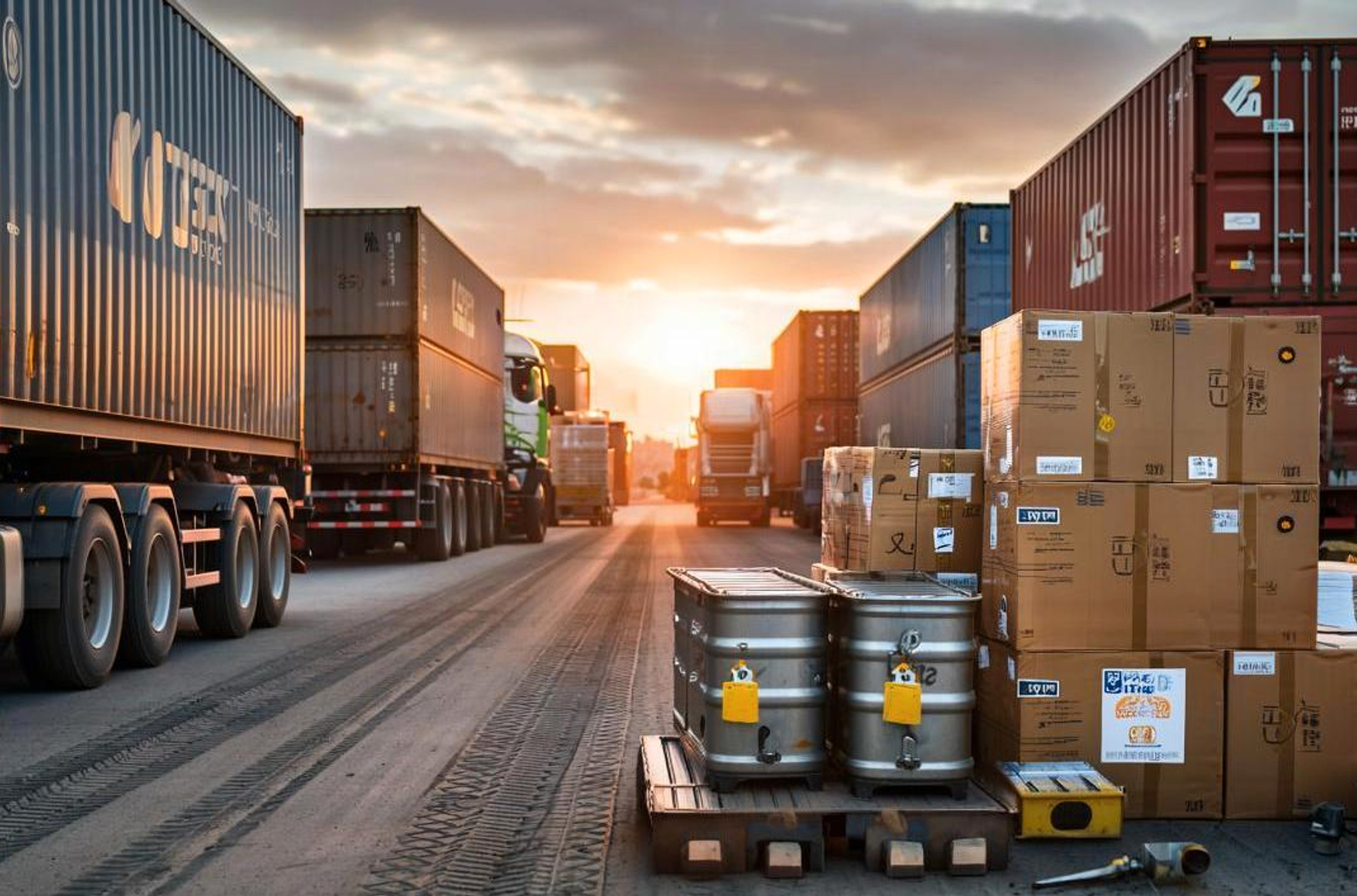
In Russian customs data for 2025, as The Insider found out, there is no information on deliveries for 180 categories of technically complex goods (mainly in the field of electronics and industrial production). Judging by the fact that importers did not stop their activities, data on deliveries simply stopped being entered into the customs database. In this way, the authorities are trying to hide information about “gray” imports and avoid new sanctions against suppliers of critical goods, primarily for the military-industrial complex. The downside of these frauds may be a problem in public administration and planning, since it will now become impossible to rely on Rosstat data.
Russian authorities have long learned to hide socially significant data: for example, the Unified State Register of Legal Entities has closed access to information about the owners of “strategically important” enterprises, Rosreestr has closed access to the property of corrupt officials, and the Russian State Library many years ago began to close access to the dissertations of some officials who were afraid that plagiarism would be revealed in them. It seems that for the first time the Russian state is beginning to directly delete data that significantly affects the adequacy of government statistics. As The Insider found out, in 2025, Russian customs stopped reflecting a significant number of categories of goods in a centralized database.
The full list of positions is published on Github The Insider .
Apparently, we are talking about the largest “damage to the registry” in Russian history
Earlier, The Insider wrote that, for example, “martyrs” supplied from Iran were designated as “boats,” but such cases were rather exceptions. Now, products are not renamed or reclassified into other categories - they simply cease to be visible.
This is shown by an analysis of the reporting of companies that previously specialized in a very narrow range of goods, for example, microchips. Instead of showing significant turnover in some other product (for example, they could register microchips as “matches” or “nails”), these firms disappeared from the customs radar altogether.
However, judging by data from the Federal Tax Service, there are no signs that these companies are closing, ceasing their activities or significantly reducing turnover.
In 2024, $22 billion worth of sanctioned products were imported into Russia in industries such as mechanical engineering, electronics and metallurgy.
The full list of positions is published on Github The Insider .
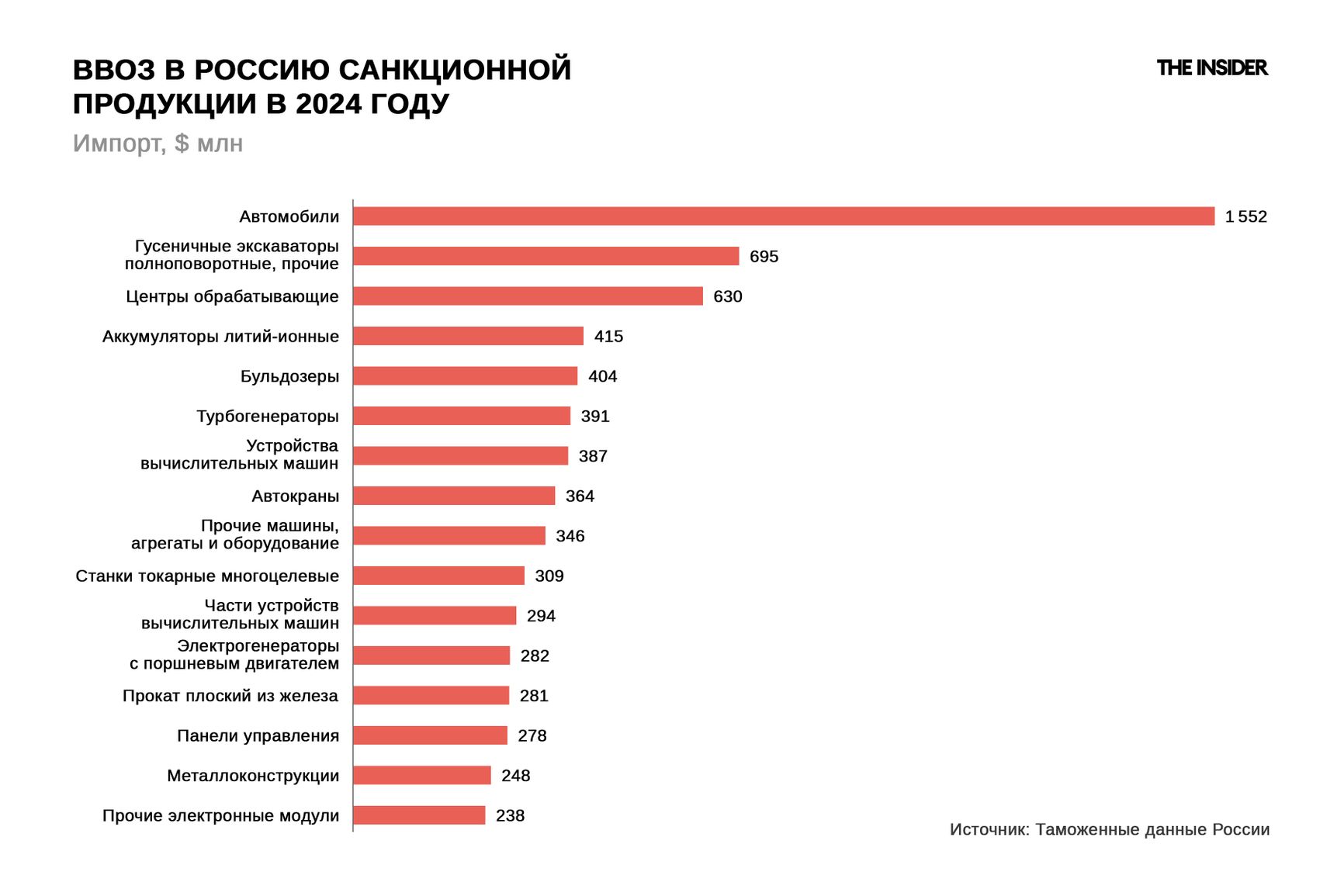
These products are used in both peaceful and military spheres. At the same time, as The Insider has repeatedly found out, in the current conditions, even seemingly peaceful goods go to war. For example, “lithium-ion batteries” is a key military commodity, as batteries are primarily needed for drones. Machining centers and lathes, as shown by The Insider series of materials , are also primarily in demand by Russian military-industrial enterprises.
In 2025, the structure of leading import items among goods in these industries, which were subject to EU and US restrictions, changed. This year, computer hardware units, routers, integrated circuits, video cameras, radio components, frequency generators, radar equipment, navigation equipment, electric motors, equipment for the manufacture of integrated circuits and many other electronics items have completely disappeared from Russian imports. Also missing were drilling machines, industrial furnaces and some other equipment - about 180 items in total. Supplies for them are now zero. In all cases, we are talking about equipment restricted for delivery to Russia by decisions of the EU or the USA.
The full list of positions is published on Github The Insider .
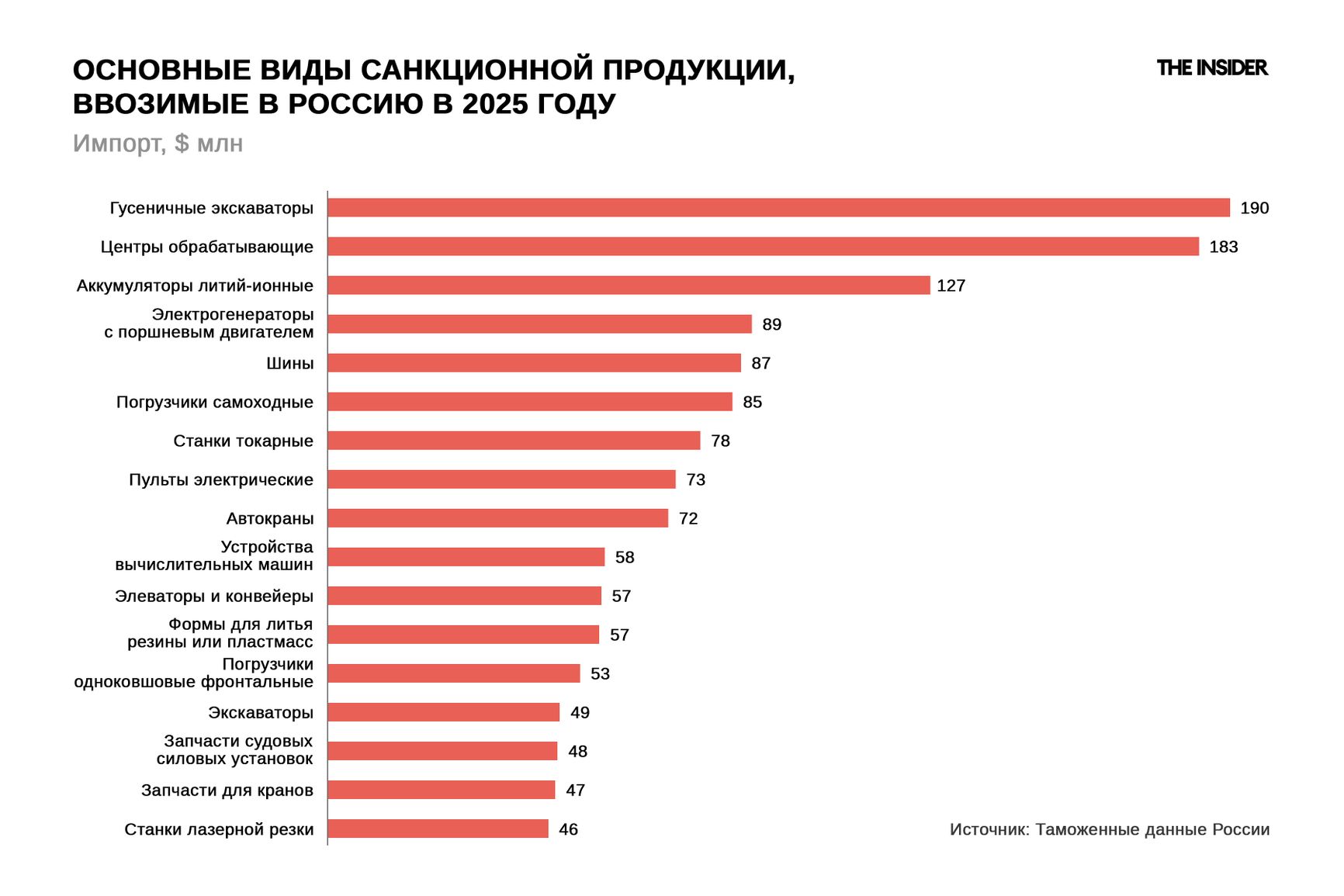
In total, in the first three months of 2025, sanctioned goods worth more than $5.7 billion were imported into Russia.
An analysis of the monthly reports of Russian customs made it possible to establish that the codes stopped being reflected in the “mirror” at the end of 2024. In addition, The Insider noticed three important signs. First, these changes happened simultaneously. Secondly, companies, in particular highly specialized ones, that imported any one type of goods, continued to be active in the market. And third, transactions for these types of goods in 2025 are strictly zero. All together, this allows us to talk about large-scale “damage to the register” in the customs sphere.
The infographic below compares the import turnover of highly specialized firms that were previously involved in the supply of chips. If they had simply labeled their goods differently (with permission or on the direct instructions of the customs officer), then the turnover would have approximately maintained its volume (given that the consumption of these goods has not decreased catastrophically).
The full list of positions is published on Github The Insider .
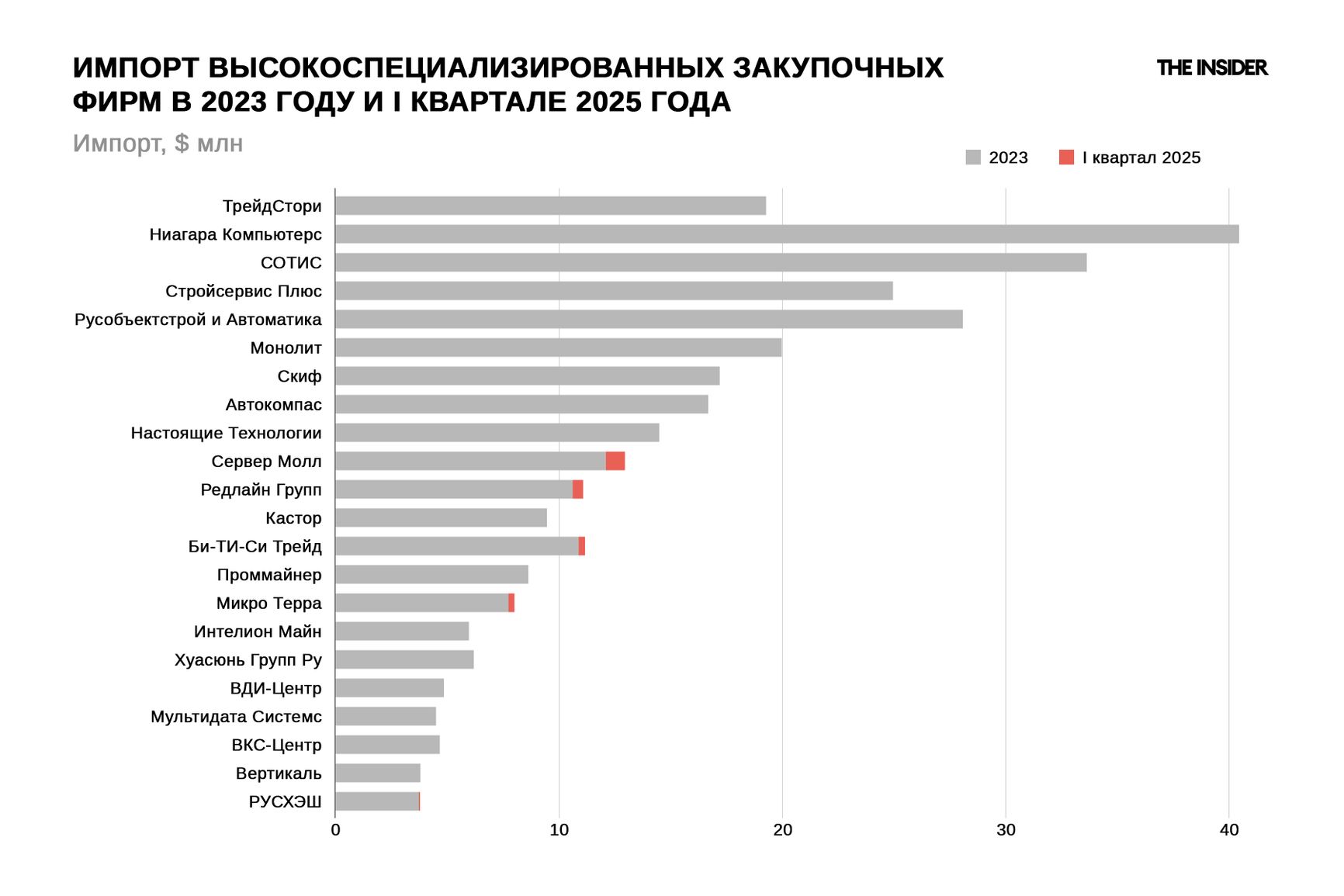
Apparently, when customs documents are filled out for goods with these codes, information about them is not stored on the central customs servers. At the same time, products with other positions in the database continue to appear regularly.
This secrecy can lead to the fact that it will be impossible to reasonably analyze and predict economic activity in the real production sector. Therefore, indirectly, Rosstat (which will be subject to the usual accusations of lying), academic institutions involved in the national economy, as well as government departments responsible for planning and analytics will suffer from such an “anti-sanctions” policy.
The full list of positions is published on Github The Insider .
ARTICLES ON THE TOPIC
Some people are not allowed, others go through customs. The Insider has identified the main brokers of sanctioned imports to Russia
Take it by the bottleneck: 9 vulnerable spots where Russian industry is critically dependent on imports
Home front workers. Contrary to statements, Taiwan has become the main supplier of machine tools for the Russian military-industrial complex
We really need your help
Sign up for regular donations