
Translated material
In theory: how colonialism splits consciousness
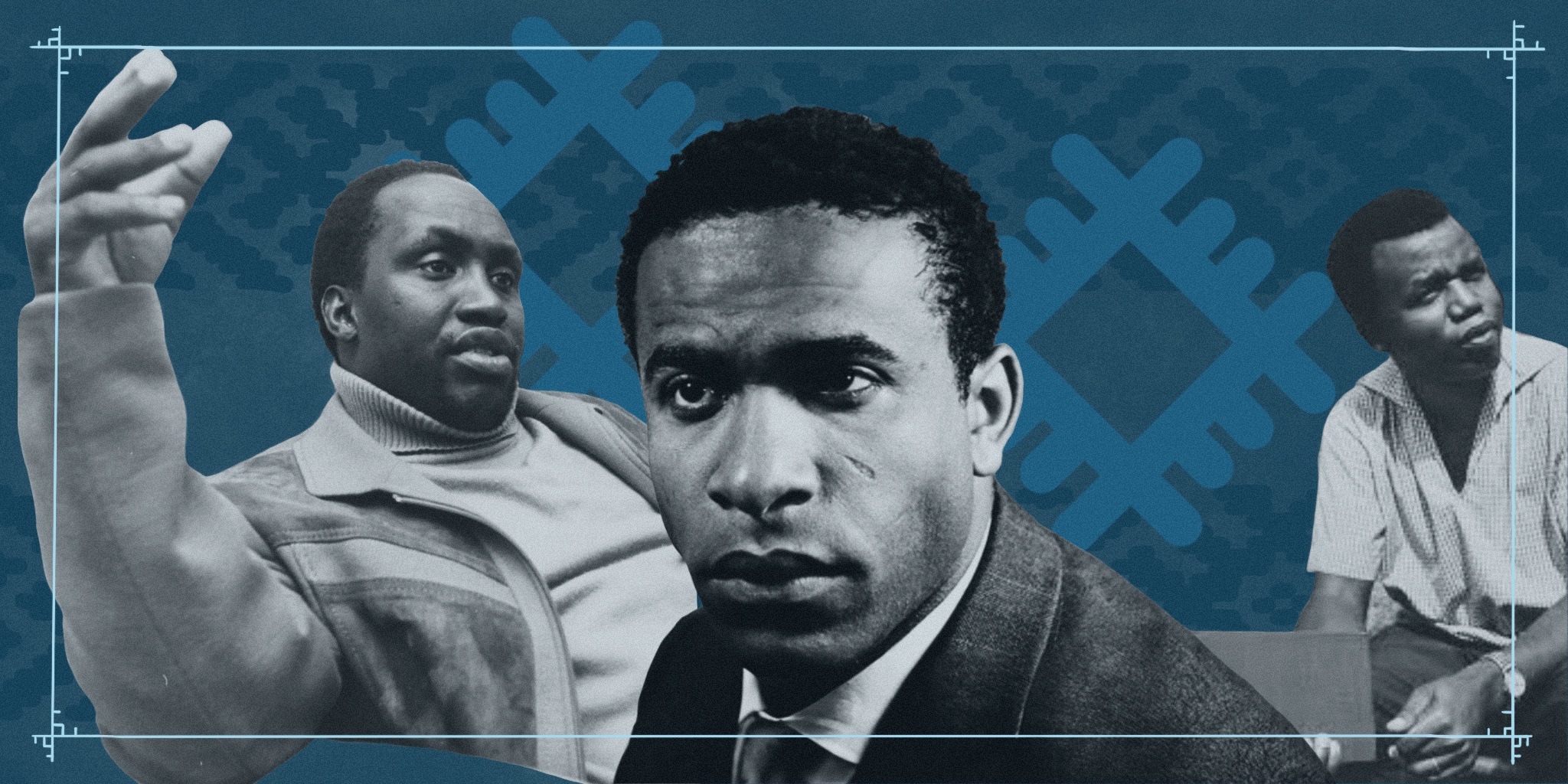
Komi Daily has written extensively about Russian colonial policy. Continuing this editorial line, we are launching a new section. In it we will talk about the people and ideas that have influenced contemporary discussions of colonialism. These people, as a rule, lived in different historical conditions and geographical coordinates. Therefore, their ideas do not fit seamlessly into Russian and Komi realities. Hence the title of the section – “In Theory”. We invite you to relate them to your own experience and understanding of Russian colonialism. The first article is about black intellectuals who conceptualized colonial alienation and assimilation.
The article contains words that are considered unacceptable today. We do not approve of their use, but we did not dare to censor black authors and preserved them in the above quotations.
Veil and double consciousness
1870s Massachusetts. A group of elementary school children buys a pack of business cards for the game. The exchange of them brings joy to everyone, until one girl, new, flatly refuses to take the business card from her classmate’s hands. At this moment he realizes that he is different from other children. It seems to him that a huge veil separates him from their world. The boy's name is William Edward Burkhardt Dubois (WEB du Bois, 1868–1963, American pronunciation - Dubois). His ancestors include enslaved Africans and white slaveholders, Dutch colonists and French Huguenots. Growing up, the boy would become one of the founders of American sociology, a famous fighter for the rights of blacks and the first black with a Harvard PhD.
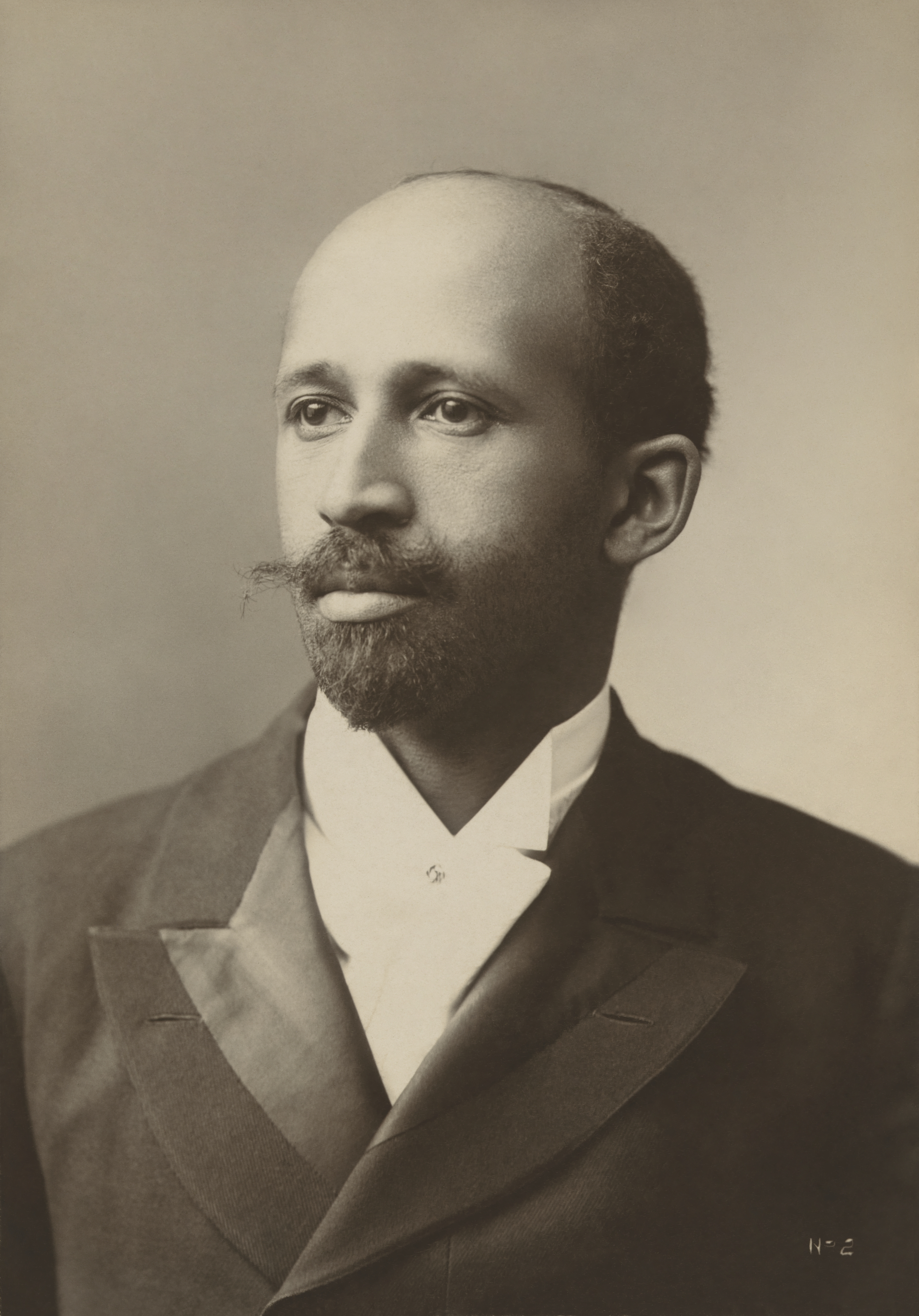
Du Bois recalled this episode from his childhood in an article first published in The Atlantic Monthly and then in the book The Souls of Black Folk (1903), a classic of African-American literature.
After the Egyptians and Indians, the Greeks and Romans, the Germans and the Mongols, the black man is a kind of seventh son, born with a veil and endowed with the gift of a second sight in this American world - a world that does not give him true self-awareness, but allows him to see himself only through the revelation of another world. This is a special feeling, this double consciousness, this feeling as if you are always looking at yourself through the eyes of others, measuring your soul by the yardstick of a world that looks at you with mocking contempt and pity. A person constantly feels his duality: American and black; two souls, two thoughts, two irreconcilable aspirations; two warring ideals in one dark body, which only thanks to its stubborn strength is not torn apart.
William DuBois, The Souls of Black Folk , 1903
The veil and double consciousness are two metaphors that run like a leitmotif throughout the book. The veil is both segregation and racial stereotypes that prevent us from seeing a black person as a full-fledged subject. It splits him in two. Du Bois captures with this metaphor an important aspect of racial oppression - alienation from oneself: the “veil” forces the black to look at himself through the eyes of the white. He believed that civil and political equality and access to education would help overcome it. He pinned his hopes on the "Talented Tenth" , the talented tenth of the black population of the United States. The development of education will help it become a full-fledged intellectual elite, which, on the one hand, will refute racial stereotypes, and on the other, will defend the interests of all African Americans.
Du Bois did not propose to choose between the parts of a divided consciousness. He relied on their synthesis: you need to become a full-fledged American and a full-fledged black man. His book combines the conviction of the need to form a nation of African Americans with the hope that black culture will be recognized as part of world culture. Later, he will reconsider his views, become interested in Marxism and see the path to overcoming the “veil” in the class struggle. Du Bois would visit the Soviet Union several times, and in November 1958 he would meet with Nikita Khrushchev. Two years later, another black activist, psychiatrist and member of the Algerian National Liberation Front, Frantz Fanon, would fly to Moscow. His visit will take place without a formal reception. Fanon, 35, but already dying of leukemia, will come for a medical examination. The doctors will throw up their hands, and he will return to Tunisia to finish writing his book “Marked with a Curse” ( Les Damnés de la terre ), which will be published a few days before his death in 1961. But we will talk about his other work, “Black skin, white masks” ( Peau noir, masques blancs , 1952).
Psychopathology of colonialism
Frantz Fanon was born in 1925 in Martinique, one of the old French colonies of the Caribbean. Unlike the inhabitants of the African territories of France, Martinicans were not subjects, but citizens. Fanon was raised in the traditions of French patriotism and at the age of 18 volunteered to fight Nazi Germany on the side of the Gaullist Free French Forces. In the war, along with injury and awards, disappointment awaited him: it turned out that there was racism on both sides of the barricades. Many Martinicans did not consider themselves black. From their - French citizens - point of view, blacks lived in Africa. But the command thought differently and included the Antilles along with African soldiers in the colonial units. For a white European, the differences between them were blurred.
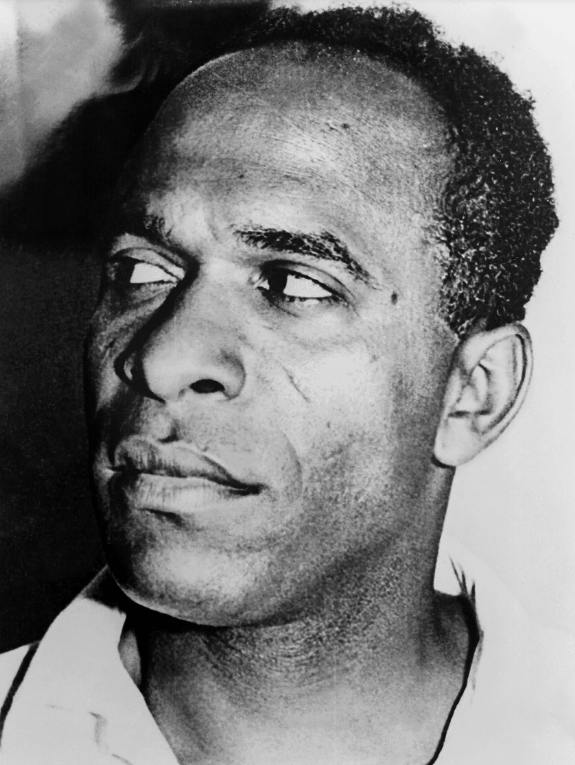
After the war, Fanon returned to Martinique, where he became close with the famous poet and politician Aimé Cesaire, one of the founders of Negritude, a movement that advocated the value and originality of black culture and identity. In 1946 he went to Lyon, where he studied medicine and took courses in philosophy. There a new experience of racialization awaited him. One day, while walking with a white girlfriend, he was arrested and interrogated for a long time by Lyon police, suspecting him of being a pimp.
- Look, black!.. Mom, look, black!.. Oh! Look, he's angry...
“Don’t pay attention, monsieur, he doesn’t understand that you are brought up and educated no worse than us.”
My body was returned to me crushed, mutilated, quartered, immersed in the melancholy of a white winter day. The Negro is a beast, the Negro is bad, the Negro is evil, the Negro is a freak; look, Negro, it’s cold outside, the Negro is shaking, the Negro is shaking because he’s cold, the little boy is shaking because he’s afraid of the Negro, the Negro is shaking from the cold that penetrates his body to the bones, the cute little boy is shaking with fear, he thinks that the Negro is shaking with rage, the little white boy wants to be held by his mother: “Mom, this Negro wants to eat me!”
Frantz Fanon, Black Skin, White Masks, 1952
After his studies, Fanon met the Catalan psychiatrist François Tosqueyes and worked for some time at the experimental clinic of Saint Alban. Tosqueyes believed that therapy is primarily a form of shared life. So St Alban's blurred the line between patients and staff. Later, already in the Algerian city of Blida, Fanon will equip a football field on the territory of the clinic and will adapt the conditions of detention to the cultural attitudes of Arab patients.
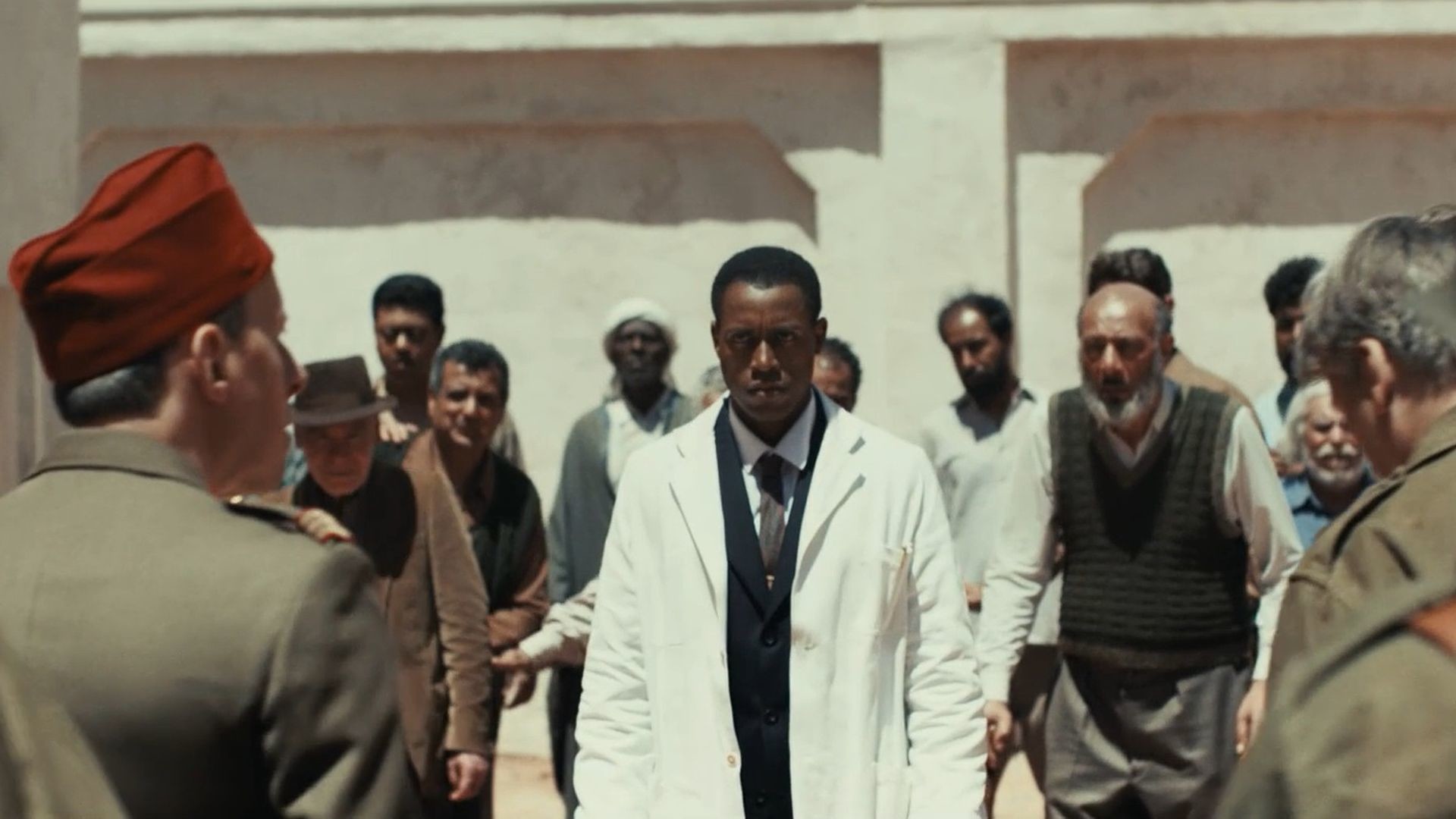
In 1952, armed with personal and clinical experience, he published a book on colonial racism. “Black skin, white masks” is an analysis of the very duality that Du Bois wrote about. From Fanon's point of view, colonial alienation gives rise to neurotic states. European psychoanalysts looked for the causes of neuroses in the family. The neuroses of the Antilles are a product of a social environment that is saturated with racist stereotypes by colonial education, literature and popular culture. Cannibalism, huge penises, bestial sexuality – a racist myth associates black skin color with a pre-human state. A black man brought up in such an environment looks at himself through someone else's eyes. He seeks to whitewash himself - and gets stuck in a kind of “limbo”, having rejected his blackness and rejected by whites. Fanon's merit lies in his analysis of the structure of this inferiority complex.
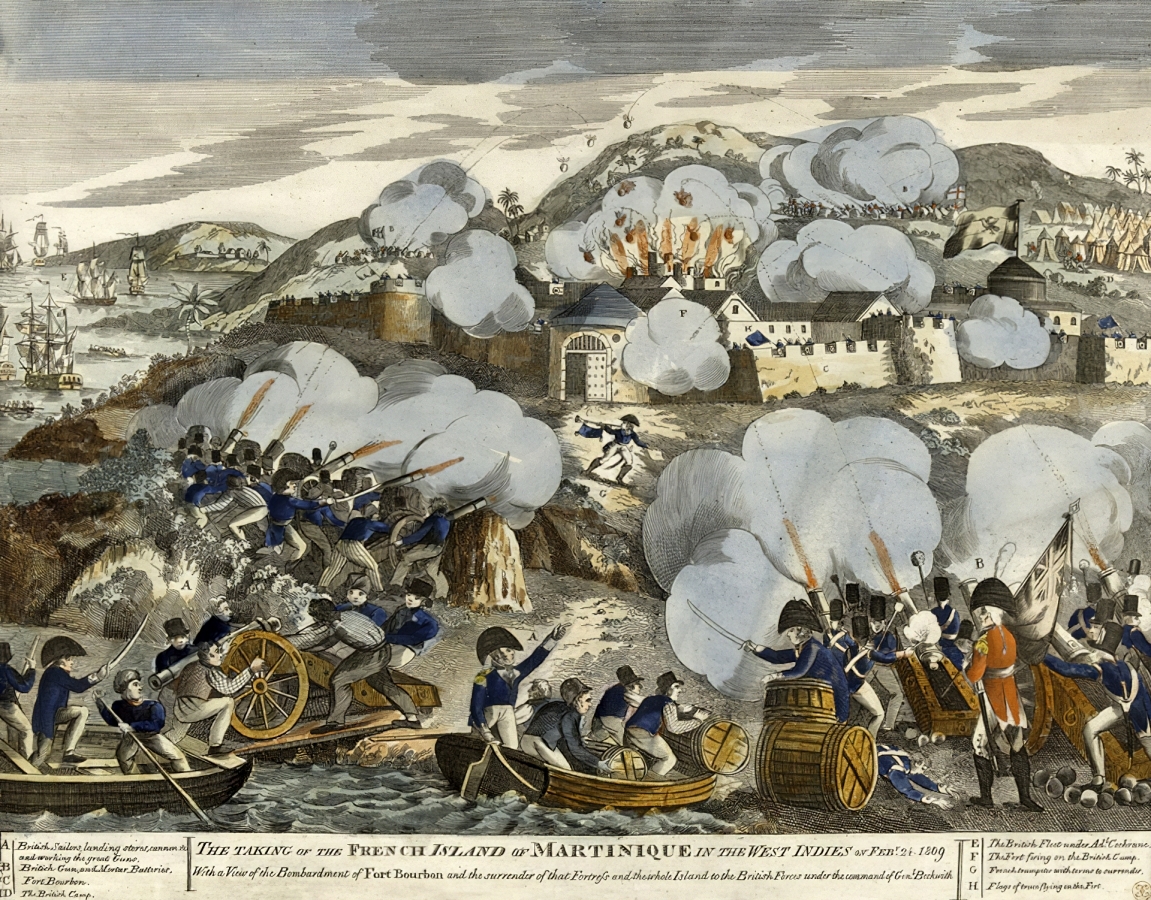
Frantz Fanon argued that colonialism enslaves both blacks and whites themselves (“The white is locked in his whiteness. The black is locked in his blackness”). Unlike the leaders of Negritude, he did not rely on a “return to the roots.” Rather, he saw the way out of this neurotic impasse in the breakdown—or dialectical removal—of the system itself, which drives people into the cages of “black” and “white” identities.
As a person of color, I only want one thing.
So that the instrument is never owned by a person. So that the enslavement of some people by others stops once and for all. That's right - one people by another. So that I can discover and accept a person wherever they are.
There is no such thing as a black man. There is no one more than white. Both of them must drive away the inhuman voices - the voices of our ancestors - in order to make true communication possible. But before we can find a positive voice, we need to overcome alienation at the request of freedom.
Frantz Fanon, "Black Skin, White Masks"
Later, having joined the fighters for Algerian independence from the French metropolis, Fanon began to justify revolutionary violence as an inevitable response to the violence of colonialism.
“Black Skin, White Masks” resonates with the experiences of many who have faced discrimination and exclusion. Even in the texts of Kallistrat Zhakov, one can discern the features of the inferiority complex described by Fanon: the Komi philosopher called himself a “savage” who left his native forests, but never joined “culture.” However, today this book is often criticized for sexism, especially noticeable in those passages where the author, echoing the classics of psychoanalysis, talks about white women who allegedly secretly want to be raped by a black man. Defenders of the Martinican psychiatrist note that in his last book he advocated equal rights for men and women.
More importantly, Fanon's work, like Du Bois's book, examines discrimination based on skin color. Arguing with Sartre, the future author of the preface to Branded with a Curse, Fanon writes: “Jean-Paul Sartre forgot that the physical suffering of blacks differs significantly from the physical suffering of whites.” Moreover, he repeatedly stipulates that his conclusions are relevant primarily for Martinicans and other Antilles.
However, there is something in Black Skin, White Masks that can be expanded into other geographic and cultural contexts. This is an analysis of linguistic assimilation.
Language as a tool of colonialism
In The Souls of Black Folk, Du Bois, who grew up in an English-speaking environment, only briefly touches on the issue of language loss. In the final chapter, he writes about the African American song tradition that commemorates the suffering of enslaved blacks (“Songs of Sorrow”). It also contains songs written in words that have long lost their meaning:
The child sang it to his children, and they - to the children of their children, and so it came to us two hundred years later, and we sing it to our children, knowing as little as our fathers what its words mean, but well understanding the meaning of its melody.
William DuBois, The Souls of Black Folk
Frantz Fanon analyzes in detail the process of linguistic assimilation and devotes the first chapter of his book to it. The Antillean bourgeoisie, he writes, almost never speaks the dialect, preferring the “state” French language. And in Martinican schools, children are taught to despise “creolisms.” Language policy is one of the key elements of the machine that produces the colonial inferiority complex. Good command of French allows an Antillean to become “whiter”, “closer to a full-fledged person”:
Every colonized people - that is, every people whose original local culture was suppressed and buried, a people to whom an inferiority complex was imposed - finds itself in a situation of direct contact with the language of civilization, with the culture of the mother country. The better the colonized person assimilates the cultural norms of the mother country, the more he moves away from his jungle. By renouncing his blackness, his jungle identity, he becomes whiter.
Frantz Fanon, "Black Skin, White Masks"
Fanon, like Aimé Césaire, wrote in French. French and English were also the languages of African literature at that time. In the 1960s and 1970s, the question of whether the languages of the former metropoles should continue to be used was a controversial issue among African writers.
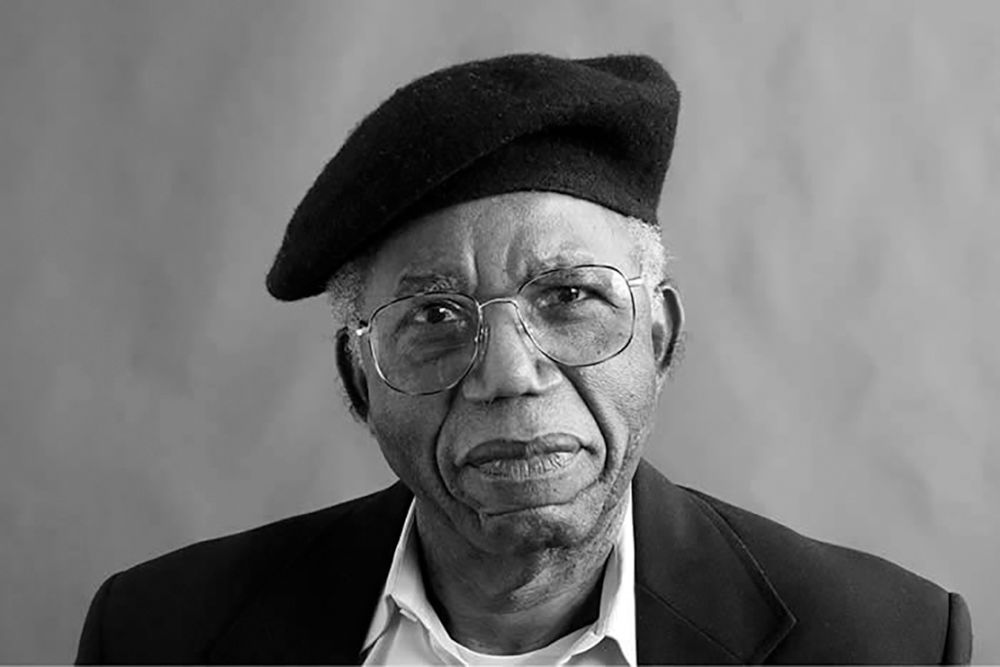
The Nigerian Chinua Achebe (1930–2013) claimed that he was ready to continue to write without shame in the English language that “was bestowed upon him.” Well aware of its connections with colonialism, Achebe saw English as a common means of communication for African literati, whose native languages were often dissimilar and unsuitable for communication on a continental scale. At the same time, he emphasized that Africans must adapt and change this language to express their own experiences in it:
... my answer to the question “Can an African learn English well enough to write literary works in it?” – definitely “yes”. If they ask me: “Can he ever learn to use it like a native speaker?”, I will answer: “I hope not.” […] The price that a world language must be willing to pay is submission to many different uses. The African writer must strive […] to create an English that is both universal and capable of conveying his particular experience.
Chinua Achebe, The African Writer and the English Language , 1965
The Kenyan writer Ngugi Wa Thiong'o (1938–2025) argued with Achebe. Describing the lost idyll of communicating in his native Kikuyu and the school trauma of excommunication (including through corporal punishment), he attributed English to the arsenal of psychological violence of imperialism.
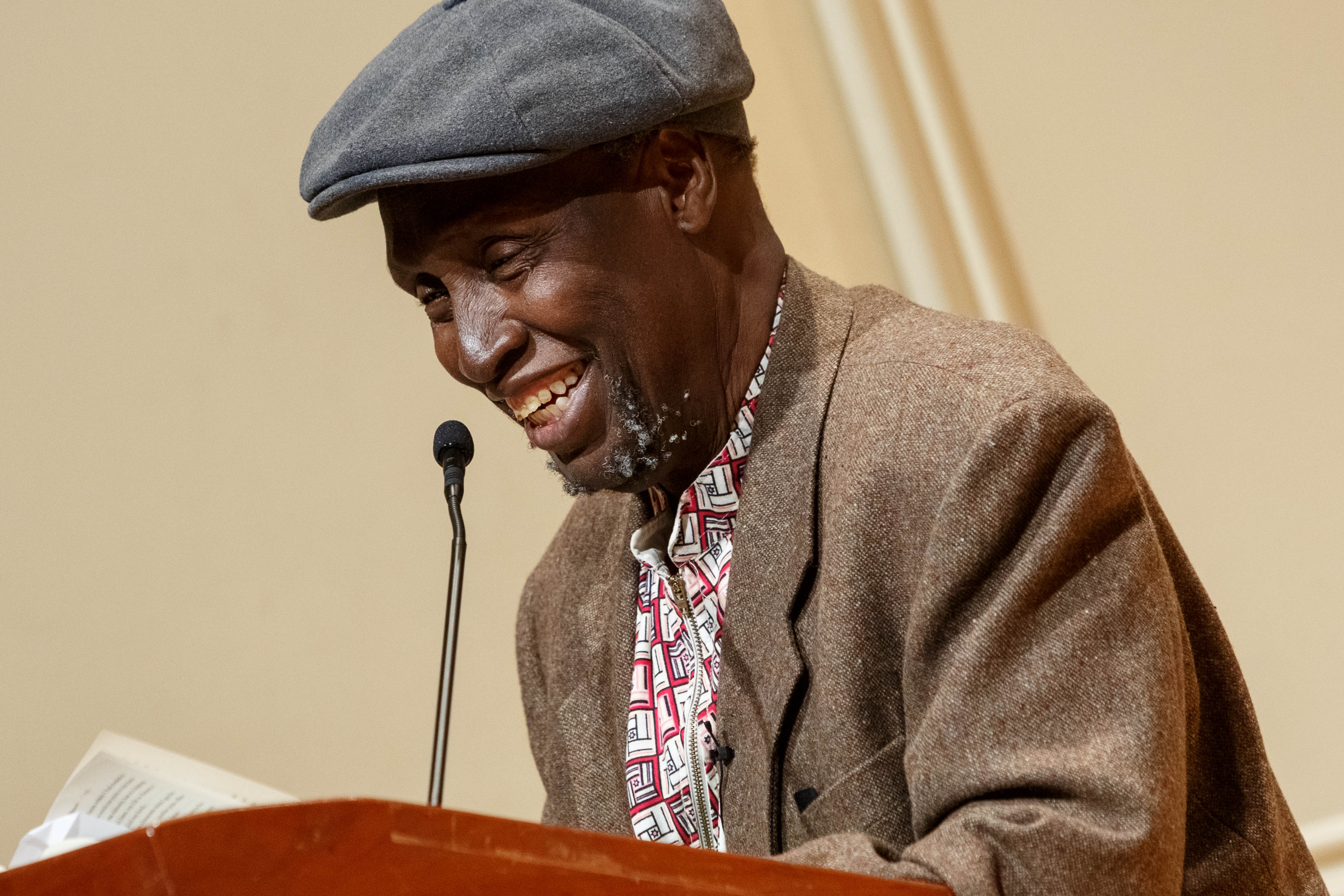
By controlling the culture of a people, the colonialist controls their mind. Proficiency in the language of the mother country was imposed as the main measure of the intellectual development of the Kenyan child. The native language contained the experience of the people, and by losing it, the Kenyan became alienated from himself. Ngugi associated overcoming the colonial legacy with the development of literature in the indigenous languages of Africa.
Since culture not only reflects the world in images, but actually, through these very images, shapes the child's ability to see this world, the colonial child was forced to perceive the world and his place in it as it was seen, defined or reflected in the culture of the language imposed on him. And since these images are mainly transmitted through oral creativity and literature, this meant that the child would henceforth see the world only as it was presented in the literature of his adopted language.
From the point of view of alienation, that is, seeing yourself from the outside, as if you are another “I,” it does not matter that imported literature carried the great humanistic tradition of the best works of Shakespeare, Goethe, Balzac, Tolstoy, Gorky, Brecht, Sholokhov, Dickens. This great mirror of the imagination was inevitably located in Europe, in its history and culture, and the rest of the world was seen from this center.
Ngugi Wa Thiong'o, Decolonising the Mind , 1986
The myth of the purity of language
Ray Chau draws attention to the fact that in Fanon, racialization also occurs at the level of language. The whiteness of the skin correlates with the purity of the French. The myth of purity appears to be an integral part of linguistic oppression in other cultural and geographical contexts. It is precisely this that is brought to the fore by Russia’s current language policy . And the situation of French in the Canadian province of Quebec in the 20th century shows that racist tropes can easily be applied to whites. The language of the French colonists, which had displaced the indigenous languages of Canada, was itself pushed to the periphery by English, the language of the politically, economically and culturally dominant Anglophone minority. Back in the mid-20th century, a French-speaking resident of Quebec could often hear the contemptuous Speak white! (Speak white!). Ironically, Quebec French was - and still is - perceived as inferior by some speakers of "correct" French, français de France .

In the debate between African writers, Ray Chau rather takes the side of Chinua Achebe. She does not share the ideas of Ngugi Wa Thiong'o and questions the possibility of returning to the "harmony" that preceded the trauma of the encounter with (colonial) modernity. Instead, she proposes to rethink the figure of the “native speaker” - the one who can supposedly use the language “correctly” and “without an accent.” In reality, language is an almost endless variation of accents and ways of using it. From this point of view, the “carrier” turns out to be a figure of the same order as “white” for the black Antillean. Forgetting about him is a completely Fanon gesture. And isn’t it more correct, instead of falling into one or another type of nationalism, to dismantle the colonial matrix itself?
If you've read this far, please share your opinion. Have you experienced dual consciousness? Whose position is closer to you - Achebe or Ngugi? Is it necessary to completely switch to the Komi language or is Russian quite suitable for expressing your experience? Можете написать об этом в наших аккаунтах в Telegram и Instagram . Но не забывайте об опасности: российские власти считают Komi Daily «террористической организацией».
