Translated material
Contract, escape, search and corpse. How the military persecuted the family of a seriously ill deserter in the Voronezh region for almost a year
How does the search for deserters work in Russia?

Referrals to Viktor Ryasnyansky, a 22-year-old guy with glasses, were hanging all over the Voronezh region when the editors of Vorstka began following this story.
In order not to miss new texts from “Layout”, subscribe to our telegram channel
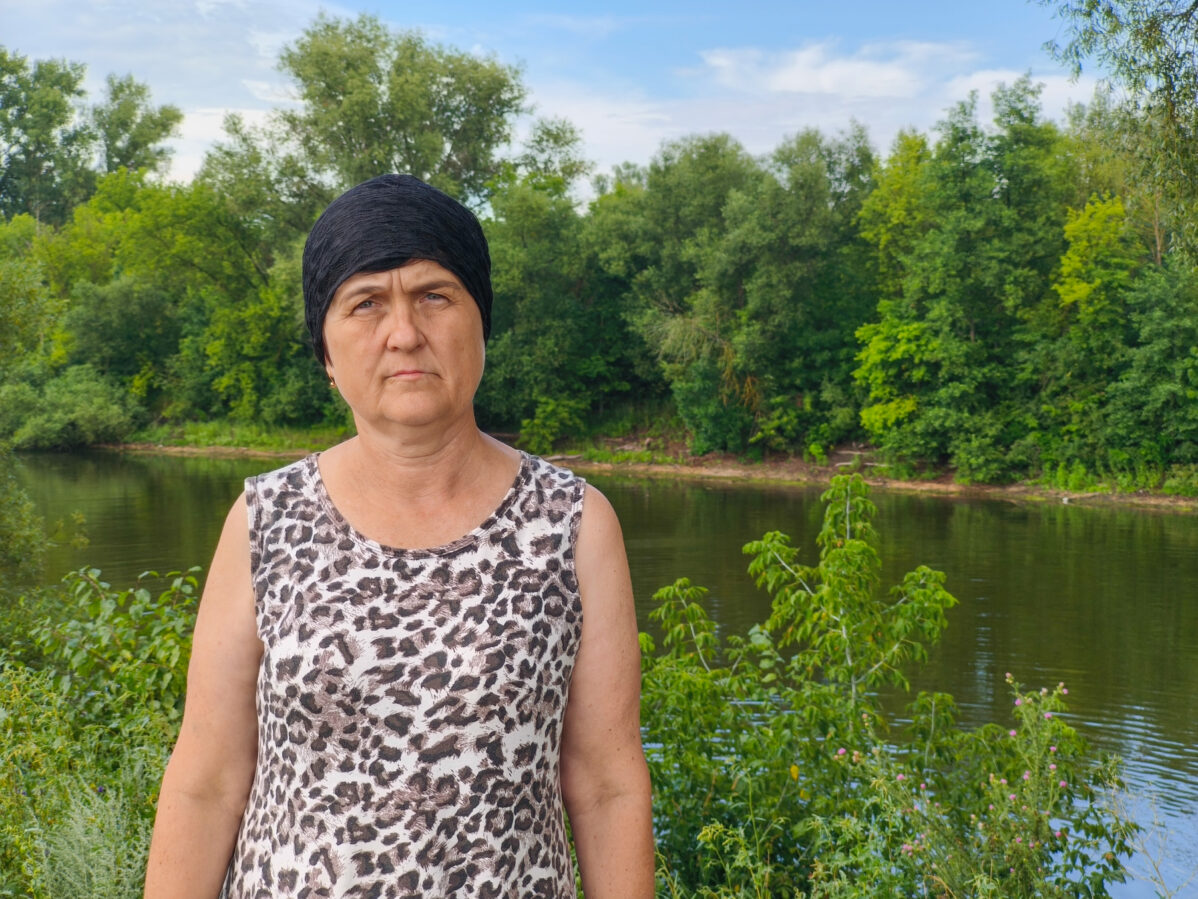
A non-combat soldier with neurological diagnoses escapes from the rear and ends up on the federal wanted list. His family has been watched by the military for almost a year - the surveillance ends with the funeral of his father, who drowns in the river under strange circumstances. Victor returns and surrenders to his unit - and now he is in mortal danger. “Layout” tells how a family from the small town of Liski - a train conductor, a driver and an animal science student - found themselves in the center of dramatic and not always explainable events.
"I just had to catch it"
End of September 2024. Galina Ryasnyanskaya, a resident of the city of Liski in the Voronezh region, first notices a suspicious car near her house. The black Granta has already caught her eye several times: an unknown man is sitting inside and, as it seems to her, is watching the entrance to the entrance. .
Galina will meet the same people not only at home, but also on minibuses, buses, and even on the train where she works as a conductor - she will begin to recognize them by sight.
Galina's relatives from the neighboring villages of Kolybelka and Vtoroy Storozhevoye will also suspect that they are being followed. Without hiding much, the men will travel between populated areas, pursuing Galina’s husband, mother, sister and even 12-year-old niece. The Ryasnyanskys will start photographing car license plates.
“Open it harder,” Galina comes closer and knocks on the window of the gray sedan. - On what basis?
-Who are you?
-Who am I? Yes, you have been following me for four months.
All these men are from the Liskinsky military unit 14500, where Galina’s son, Victor, went to serve under a contract in June 2024. A 22-year-old guy with a cyst in his head, who stutters and has been registered with a neurologist since childhood, ran away after humiliation and threats of being sent to a “ meat assault .”
“The military unit is seven years old, and this is the first case. The only person who escaped - both before the SVO and after the SVO,” the head of the unit, Colonel Medvedev, will explain to Vorstka.
“I just had to catch it. They ask for everyone. We have a rear unit, no one escapes, this is an exception,” says the warrant officer who participated in the surveillance.
"A very soft man"
“You will be the driver, they are worth their weight in gold,” they promised Victor at the local military unit.
He thought about the service, looking at his friend Dmitry Antipov, who signed a contract, but, according to him, remained in the rear: “he only reached the ribbon and immediately returned.”
Victor studied to become a livestock technician at the Liskinsky Agricultural and Technological College and was scheduled to graduate in the summer of 2024. Then he could be drafted into the army, and he decided to “replace” his military service with contract service - at the same time helping his parents with money.
The Ryasnyanskys have a small apartment in Liski and a house in Kolybelka, a neighboring village an hour away by car. Mom is a conductor on a train, dad is a driver, a former military man, a veteran of Chechnya, a senior sergeant. In their free time, the family raised bees. Salaries were not always enough for simple household needs and even food; we had to take out loans.
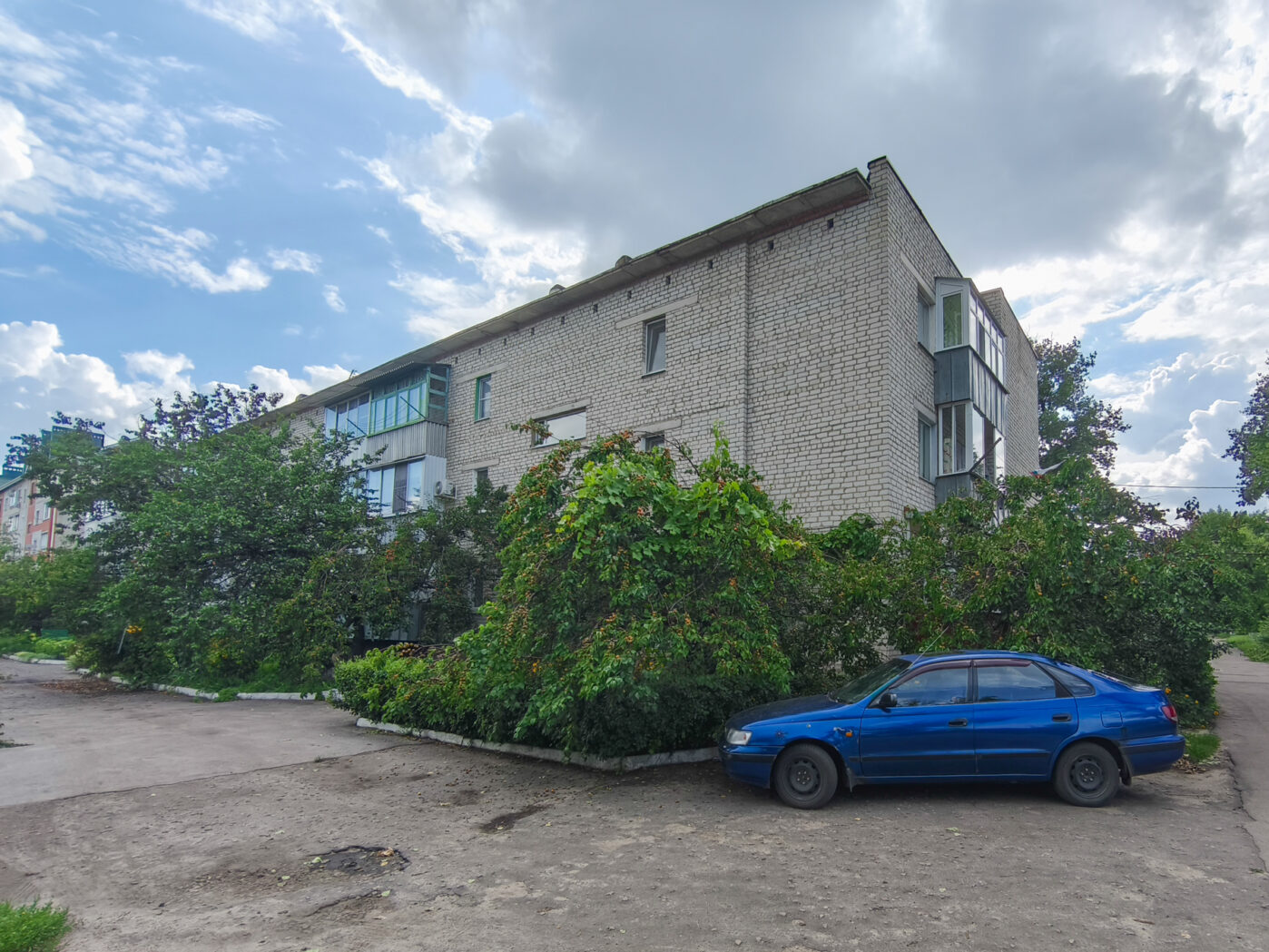
“We live simply, modestly, like beggars,” Galina describes her life.
Victor has had health problems since childhood. He has poor eyesight, has motor impairments that are aggravated by stress: his hands shake, he sometimes twitches his shoulder and stutters severely. This affected his character - and the attitude towards him from his peers and acquaintances.
“A very gentle person. So vulnerable. Any scandal or fight - he immediately goes hysterical,” recalls his older brother Sergei, who now lives in Noyabrsk, in the Yamalo-Nenets Autonomous Okrug, in a conversation with Vorstka. “I went to a nightclub with him, and there I got into a fight with some guys who were also drunk. Everyone had already forgotten that we were going to fight, and he started shaking.”
Victor was about to sign a contract after defending his diploma, but at military unit 14500 in Liski, where he applied, they hurried him: they said that the position of driver could only be obtained through Samara and in the next three days.
“I say: “Why are you going to sign it?” Galina recounts the conversation with her son. “And he replies: “Yes, mom, everything will be fine.” Dimka drives and everything is fine.”
"Let's hurry up, you won't need it"
On June 3, 2024, Victor and, according to his mother, three other men from Liski were brought to Syzran and in one day were employed at the Tyazhmash machine-building plant.
The non-standard route for recruits - a trip from the Voronezh region to the Samara region - could be associated with local KPIs for recruitment and recruiter bonuses.
“Last year, all large enterprises in the region were given targets for the number of signed contracts for water supply systems ,” an employee of the Samara administration explains to Vorstka on condition of anonymity. — The plant, naturally, resorted to intermediaries. Those who brought candidates to us received 100–200 thousand rubles for each contract. The candidates were brought in mainly by the military themselves.”
Galina believes that the son, although he really wanted to help the family with money, did not make the decision about the contract himself: Victor’s acquaintance from the Liskinsky unit, Dmitry Antipov, did not just talk about his successful service in the rear, but literally persuaded him for about three months - with the expectation of his own benefit.
Antipov could have made money from a referral recruiting program that operates throughout the country, but Vorstka was unable to find any convincing evidence. Dmitry refused to talk to the editors, threatening him with “an article about making false statements.” And then he passed on the journalist’s contacts to his father, who began to prove to Vorstka that there was no recruitment.
Victor - already as an employee of the plant - was brought to the Samara military registration and enlistment office the next day after the fictitious employment. There he signed a contract, but, according to his relatives, he did not have time to fill out all the fields, did not understand what payments he was entitled to, and did not pass the medical examination.
“We began to fill it,” he said, “a man in uniform jumped out and said: ‘Let’s hurry up, you won’t need it,’” Galina recalls her son’s words. She shows “Verstka” a scan of the contract: it is indeed not completely filled out, several lines are impossible to make out, and one signature is missing.
The commander of the Liskinsky military unit, Alexander Medvedev, will later convince his relatives that Victor did undergo a military medical commission, and will promise to show its results along with the original contract. But they will never see these documents.
“Either I’ll run away, or I’ll do something to myself.”
On June 5, a guy returned from Samara to the Liskin military unit, as other employees recall, “on his own wavelength,” “seemingly normal,” “small puny,” “mama’s boy.”
When Victor got in touch, he complained to Galina about bullying and beatings - both from contract soldiers and from conscripts with whom he was placed in the barracks. The men who served with him in the Liskinsky unit deny this.
“They beat me with a wet towel,” recalls Victor.
“No one laid a finger on him,” a colleague tells Vorstka.
“My ear was almost torn off, I still can’t hear well,” says Ryasnyansky.
“At most they took him by the ear, because he was just screwing around when everyone else was working,” says another military man from the same unit.
They began to move Victor: first, to study in the neighboring village of Mitrofanovka, where the bullying, according to his relatives, continued. Next - to the Belgorod region, where, according to relatives, he stayed for about a month . Due to nervousness, Victor’s condition worsened and new neurological symptoms appeared.
“His legs are giving out. He calls me and says: “Mom, I can’t walk with my legs, they’re taking me to the hospital,” Galina retells the events of those days.
The son was returned to the Voronezh region for examination. On September 7, an MRI revealed a cyst in the brain, and Victor had to undergo treatment while in the Liskin military unit. But on September 16 he was sent again - to military unit 19612 in Naro-Fominsk, where the 4th Guards Tank Division was based. There, according to Galina, he encountered servicemen who were being prepared to be sent back to the front - “without arms, without legs, and drug addicts, and all sorts of old guys from prison.”
When everyone was lined up on the parade ground and promised to form troops for the assault - “some to Kursk, some to Ukraine,” Victor felt that he had been deceived.
“He calls me and says: “Mom, I’m not ready to go there, to the assault. I signed with the driver as promised. Well, this is where the deception began. I’ll either run away or do something to myself,” Galina retells his words.
On September 18, Victor escaped from his unit and went into hiding for eight months.
“We are being watched, literally”
January 2025. A black car is parked near Victor’s grandmother’s house in the village of Kolybelka. A young man is driving. He sits with the window slightly open and reluctantly answers Galina, resting his chin on his hand.
- How long do you have to stand here?
- Until it appears.
- And the foundation?
- The fact that a criminal case has been opened against him.
Galina asks the driver questions and films him on her phone. She walks around the car from all sides and notes the license plates and the inscription on the rear window: “The Holy Temple does not carry whores.” On the front seat of the man there is an A4 piece of paper with a photo of Vitya - a wanted reference.
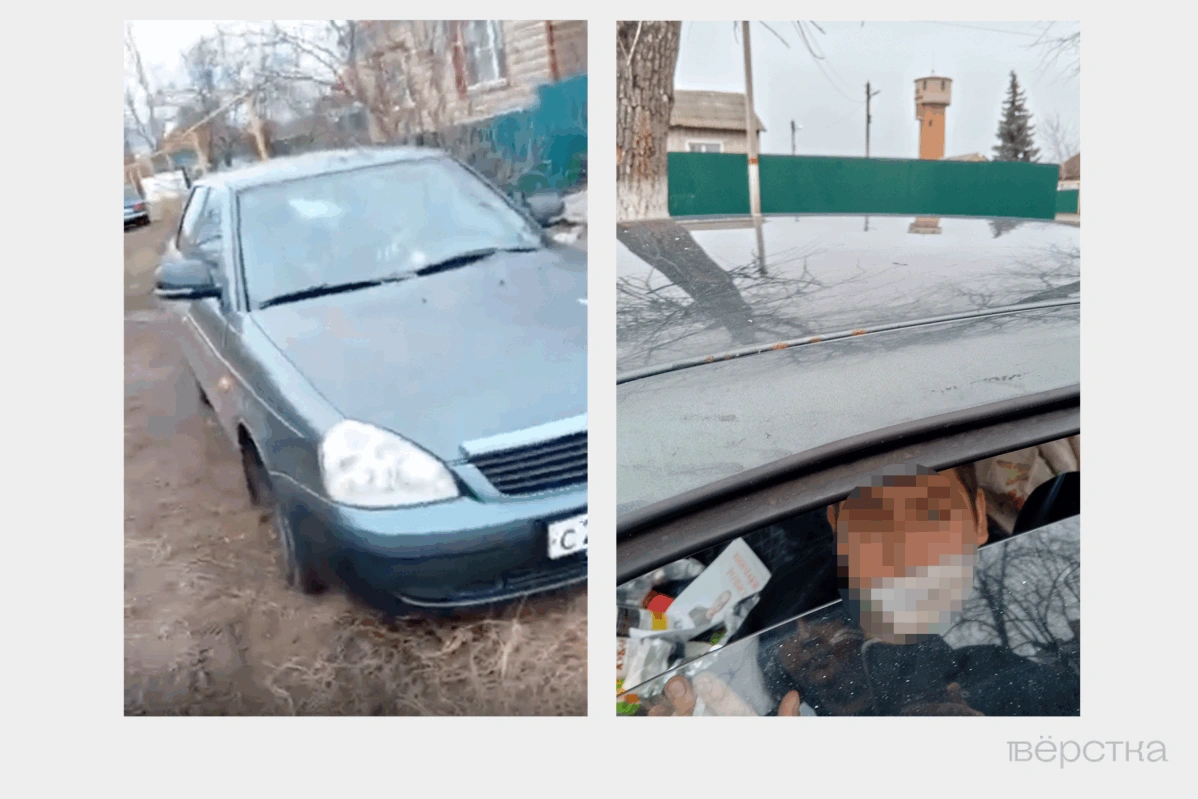
The search for Victor began in October 2024 by military forces from the Liskinsky unit. Formally, the recruit was put on the wanted list only at the end of December, at the request of a military investigator from Naro-Fominsk (he refused to give a comment to Vorstka) as part of a criminal case about unauthorized abandonment of the unit.
This practice does exist, experts and military personnel from other units confirmed to Vorstka. The command is trying to find the fugitive on its own, so as not to spoil the reputation and not to put the fugitive on the wanted list.
“Many military units that participate in hostilities in Ukraine organize their own search groups. They do not transfer information about the deserter to the military investigation department, because otherwise there will be an inquiry and trial. The command is not very interested in this,” one of the military lawyers told Vorstka on condition of anonymity. The search for SOC, he notes, is practically not regulated: the number of such search teams has not been established.
“Photographs of (Vitya) were hung on poles,” says Galina. — In Kolybelka, right next to our house. I'll tear it up and leave. Five minutes later I go out - it’s stuck. There are two or three cars standing opposite.”
At least seven people took part in the external surveillance of the deserter’s family: “Verstka” identified them by photographs and car license plates. They monitored all family members - including Victor's 12-year-old niece and his older brother Sergei, who lives in Noyabrsk. Being 4,000 thousand kilometers from Liski, he also noticed surveillance.
“The neighbors sit on the bench in the evenings and tell me: “Seryozha, there’s some guy rubbing himself every day, he’s incomprehensible, well, not local,” says the brother. - Something is spinning, looking. I come up and say: “Listen, who are you, what did you want?” He replies: “They just sent me [to look for] your brother to see if he’s with you.” I say: “Why would I have it?” After this conversation, the spy did not appear near Sergei’s house
Evgeny Vostreikin, mobilized from the Liskinsky unit, turned out to be unknown.
Sergei says that the person watching was apparently not happy with the long business trip and wanted to go back home. The man refused to talk to Vorstka, blocking the journalist.
In order to “protect themselves from a psychological attack,” the Ryasnyanskys tried to contact the police and the FSB.
“I say we are being watched, literally. For the whole family, anywhere and everywhere. And they hit me on the shoulder like this and said: “What are you, a woman, who needs you? And who needs your son? They don’t have that much money to keep an eye on you.” I say: “You won’t believe it, they even picked me up on the train, they bought tickets and went.”
Galina has a case when among the passengers she saw two guys whom she had already noticed in surveillance. On the way, they drank too much and fell asleep, stretched out right on the benches (the photo is at the disposal of “Vestka”). Galina’s partner, in a conversation with Vorstka, confirmed that she had repeatedly seen these men on the train - one of them was recognized from a photograph by the head of the Liskinsky military unit, Alexander Medvedev.
Those who were watching asked questions about Victor, pasted his portrait on poles and showed it to passers-by, and also tried to conduct searches several times. Gennady, Victor’s father, let them into the house in Kolybelka himself, but the door to Galina’s apartment had to be broken down.
Even major media outlets, including Gazeta.ru and Lenta.ru, published information about Ryasnyansky, a deserter who escaped from a unit in the Moscow region.
“Anyone who has information about the whereabouts of the serviceman is asked to contact him by phone,” writes RIA Voronezh.
“So that this living miracle comes home, and not in zinc”
The scale of the search forced the Ryasnyanskys to build theories and look for explanations for individual phrases that they heard fragmentarily from the military. For example, one of the trackers mentioned stolen millions when interviewing locals about a deserter. Could Victor be sought because of a money conflict?
“They periodically had such conversations when they went to Kolybelka. He stole 3 million, he took 3 million and, like, ran away,” says Galina. .
According to Victor himself, on the contrary, he did not receive the entire amount for signing the contract - only 700 thousand , and the rest could go “into their pocket.”
One of the men who participated in the surveillance and agreed to talk to Vorstka anonymously linked questions about money with attempts to “scare” Victor’s relatives so that they would reveal the soldier’s location. And he explained the activity of the search by the command’s fears of losing their positions.
“Do you understand the scale of people who could fly away because the military fucked up? All senior management,” he explains. — Since he was seconded, Naro-Fominsk disowned him - like your man, look for it yourself. We could have lost our status and, as it were, become idiots in the eyes of the command. Because of one thing. We did not want harm either to him or to our parents. We just wanted to help so that this living miracle could come home. And not in zinc."
For eight months, both the Ryasnyanskys and those who were assigned this task had become accustomed to surveillance. Sometimes they even communicated with each other.
Gennady once got into a military man’s car to get home.
-Where are you going? To the Cradle? - the person watching asked him. - Get in, I’ll give you a ride, I still have to go pick you up.
In order not to miss new texts from “Layout”, subscribe to our telegram channel
"Lies face down"
The military offered to give Gennady a ride home after not seeing him for three weeks. In June 2025, they lost sight of him: they could not find him for 20 days either in Liski or in Kolybelka - and began to suspect that the father was spending time with his fugitive son.
Gennady went to work as a driver on shift in the Leningrad region, Galina claims. And when he returned, he had to answer questions about Victor again: “Maybe you know something? Don’t contact him at all?” The surveillance resumed.
On June 23, the Ryasnyanskys worked in the morning on a site in Kolybelka: Gennady was mowing the grass, managed to mow only half of the site, and planned to continue the next day. Then we gathered at Galina’s mother’s place: we swam in the inflatable pool with our little grandchildren and nephews, had dinner, and drank. In the evening, Galina went to her home, but her husband wanted to stay longer. He was not very drunk that evening, Galina and her sister Valentina told Vorstka, and he only had “a small bottle of vodka” with him.
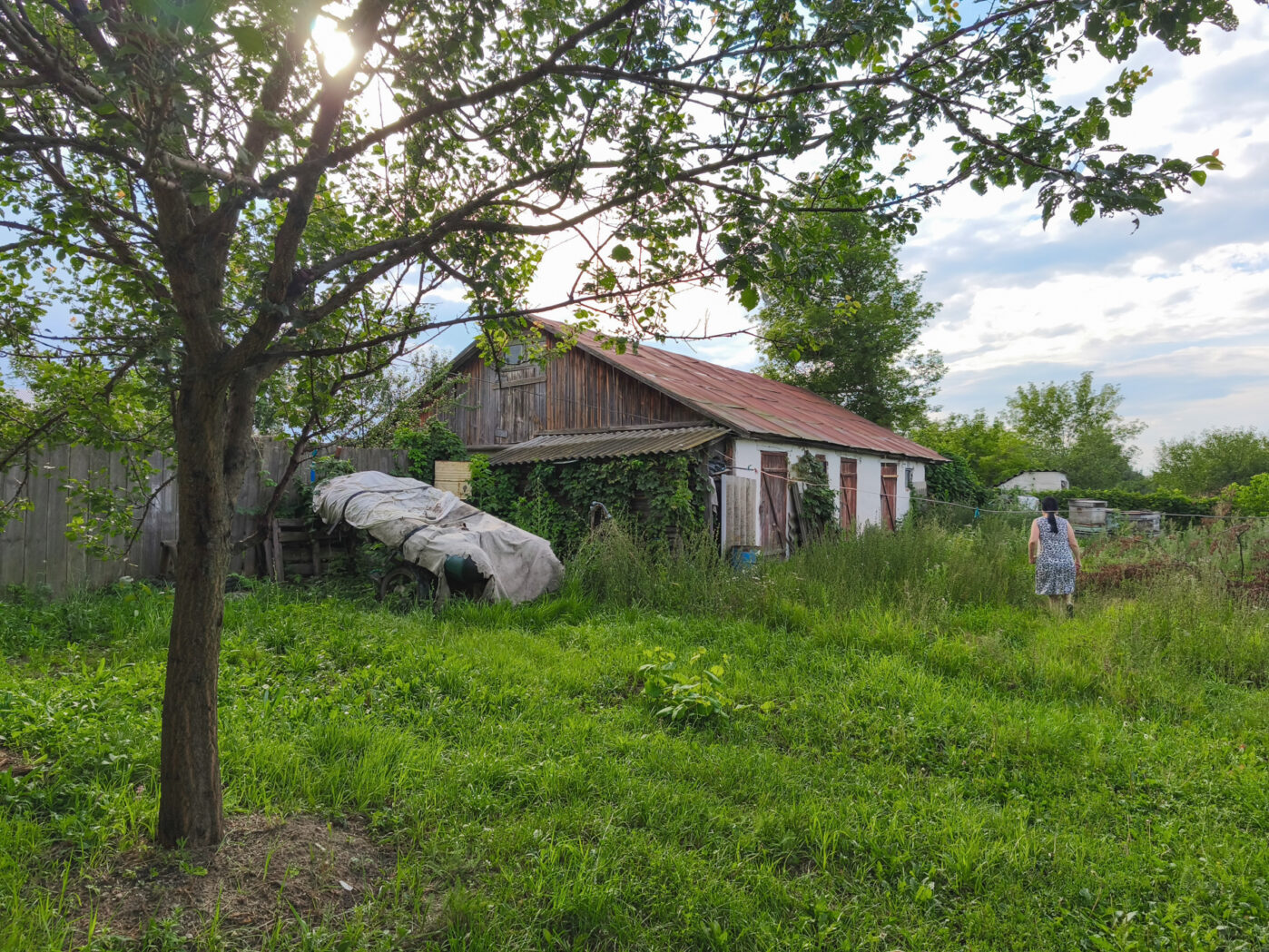
At the beginning of eleven the woman became worried. She called her family and found out that her husband had already gone out towards the house - at about 21:40. But he never returned. Gennady didn’t pick up the phone.
“Well, I waited, I waited, no. I get on the scooter and ride... - Galina recalls. — I went to the club, I think, maybe at the bus stop? Maybe you met someone? Maybe on the site somewhere? Nowhere. Maybe he's already back? I came home - no. I went to my mother. There is no one on the road. I drive up, it’s already dark there. What should I do? I think I’ll go to the river and go. You never know, maybe I went there with someone.”
Galina found herself near the river after midnight, stood on a hillock and again tried to call her husband. The beeps began to ring and the ringtone began to play - the smartphone was lying in the grass next to her.
“I pick it up and put it in my bag,” says Galina. “I turn on the flashlight and off I go.” I went down there, to the shore, along the water, just like that, driving a flashlight, shouting “Gen, Gene, Gene!” No".
After exploring the shore, Galina got on a scooter and went to her mother’s house. For some time they searched for the man together, but to no avail. Around half past three in the morning they decided to wake up the rest of the relatives - the sister and her husband. We spread out along the shore, shined flashlights, but found nothing.
My sister's husband suggested returning to shore at dawn. Подходя к реке около четырёх часов утра, Галина увидели следы автомобиля, которые, по её словам, можно было чётко увидеть на мокрой от росы траве, и опять вернулась к месту, где нашла телефон. В воде плавало тело.
«Лежит лицом вниз, с поднятыми руками, — говорит Галина. — Я как заорала, выскочила сначала наверх, потом думаю: „Чё, может, он живой?“ Туда, в воду кинулась, — и тянуть его. Когда я взялась за его руки, он был тёплый. Рука в кулаке. Я разжимаю так ему пальчики, и они разжались. И я ему давай искусственное дыхание делать. В рот дую — думаю, ну, вода сейчас польётся. Перевернула его, а воды никакой не вылилось даже. Никак, ничего».
Через 40 минут приехала скорая. По словам родных, девушка-фельдшер сразу сказала, что это не утопление и мужчине «помогли». Говорить с «Вёрсткой» она отказалась: «Я только констатирую смерть, всё остальное меня не касается».
Экспертиза установила, что мужчина утонул на фоне алкогольного опьянения — в крови нашли 3,51 промилле. Это очень высокий уровень интоксикации, опасный для жизни.
«Смерть гр-на Комзарева Геннадия Викторовича наступила в результате утопления в воде, на фоне алкогольной интоксикации, усложнившегося развитием асфиксии, — сказано в заключении. — Данный вывод основан на обнаружении кровоизлияний под легочной плеврой, стойкой мелкопузырчатой пены в просвете трахеи и крупных бронхов, переполнения правых отделов сердца кровью (60 мл), жидкого состояния крови, полнокровия внутренних органов, наличия жидкости в пазухе основной кости».
Несмотря на результаты экспертизы, родные не перестают анализировать странные обстоятельства той ночи, которые ставят под вопрос версию о непричастности других людей.
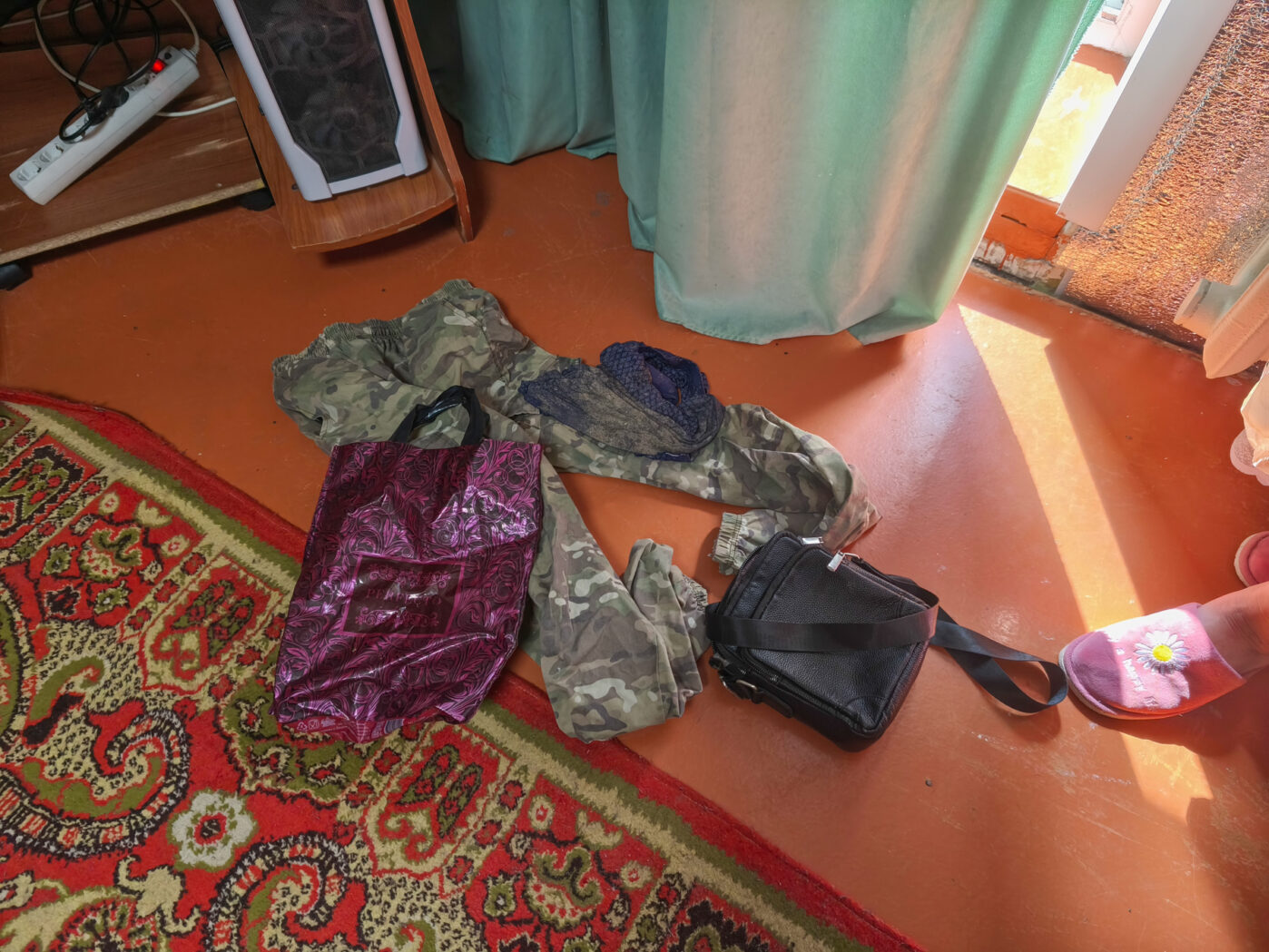
Одежда Геннадия выглядела так, как будто его тащили по земле. Даже трусы оказались запачканы чернозёмом.
В воде Геннадий оказался в тапочках и со своей поясной сумкой. В сумке лежал паспорт, и за то время, что тело находилось в воде, даже печати не успели расплыться.
В мобильном телефоне мужа Галина обнаружила три фотографии, сделанные уже в темноте. На двух из них ничего не различить, а на третьей виден свет, как предполагают родственники, от фар автомобиля.
Судмедэксперт не стал указывать в заключении время смерти, хотя родственники делали запрос на установление давности гибели. i .
На берегу возле места гибели Геннадия нашли помидор, зажигалку и не прикуренную сигарету.
В то же самое время, когда мужчина выходил из дома тёщи, красная «Ока» — машина одного из следящих за Ряснянскими военных — появилась на записях с уличных камер и могла свернуть в сторону реки. До утра машины не было видно, а после 7:30 она приехала на место обнаружения трупа.
Там же на следующий день после гибели глава села заметила неизвестных мужчин в камуфляжной одежде, которые «ели, пили и закусывали». «Вёрстке» глава села сказала, что видела много людей и машин, пока искали Виктора, но машину этих мужчин «она видела в первый раз».
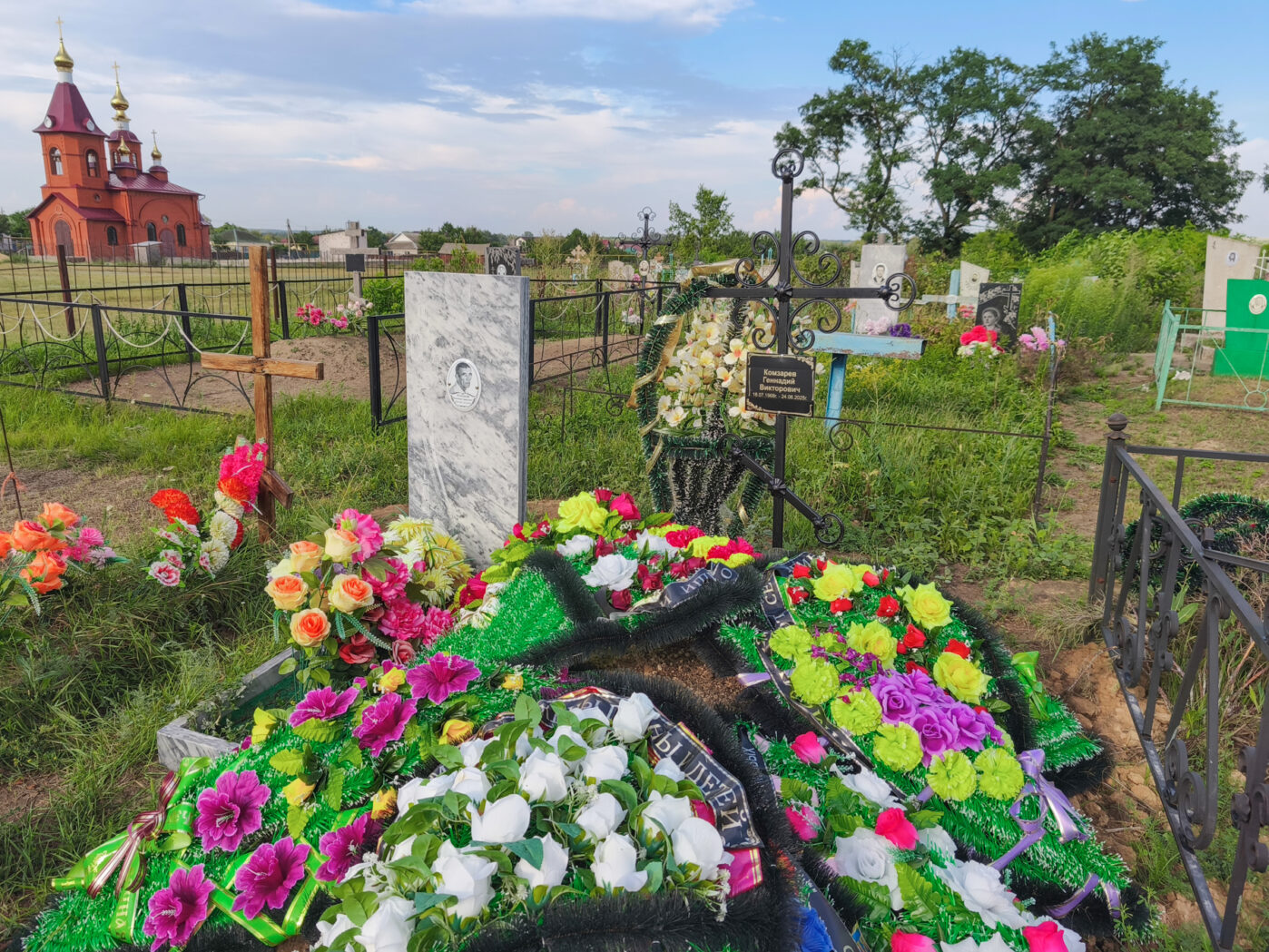
В день похорон к месту прощания с Геннадием, по словам членов семьи, приехали 12 машин из лискинской военной части — включая те, что почти год следили за всей семьёй Ряснянских.
«Стоят ждут над могилкой»
— Похороны, 12 машин, это уму непостижимо. Вы что думаете, он [Витя] вылезет откуда-то?
— Галина Владимировна, я от себя ставлю задачи им [подчинённым] — они их выполняют. Кто-то, может, перегибает, но это уже другой вопрос.
Галина разговаривает с начальником лискинской военной части 14500, в которой служил Виктор до побега. Полковник Александр Медведев предложил ей встретиться после похорон, и их разговор длится три часа. Полная диктофонная запись есть в распоряжении «Вёрстки».
— У меня просто слов нет, почему так Господь дал, что мы встретились, когда уже нету Гены, когда его убили? Who? Вы говорите: «Нет, не мои», — спрашивает Галина.
— Не мои точно, у меня есть списки техники личного состава.
Медведев не исключает, что Геннадия могли именно убить. Сначала перекладывает подозрения на ещё одну воронежскую в/ч, где «алкоголики, наркоманы, судимые» — относящуюся к полигону Погоново. И даже подъезжает к одному из военных, которых видели с едой и спиртным на месте гибели, и опрашивает его: «Ты давай это, дурака не включай, а нормально, взросло отвечай, с какой задачей, какого хера ты там находился, на этом берегу?»
Потом объясняет Галине, что у военных — даже если они «бухали» на месте гибели — нет умысла «кого-то душить». Медведев обещает разобраться и на своей же машине повезти Галину опрашивать соседей.
При этом наблюдение за родственниками беглеца — логичная мера, если за уголовное дело на солдата в СОЧ i командиров «вызовут на ковёр» и они «получат по шее».
«Просто каждый день [спрашивают]: „Что ты сделал по поиску? Ты долбаный командир, у тебя ушли, у тебя убежали, идиот, скотина“, — говорит Медведев. — Люди за свои деньги катаются. Идите, ищите. Чем быстрее решится, тем быстрее все выдохнут».
Если беглец найдётся, полковник обещает помочь ему комиссоваться — добиться рассмотрения его медицинских документов, чтобы он мог вернуться к гражданской жизни и заниматься «работой, семьёй, детьми».
Галина говорит, что служба сына разрушила её семью.
— Как мне дальше жить, что мне делать? It's just terrible. Я не думала, что у нас в России можно дожить до такого, до убийства. За то, что не сдал сына? А теперь стоят, ждут над могилкой, как будто он туда придет.
30 июня, через три дня после похорон отца, Витя действительно придёт домой и сдастся военным.
«Увидел в Одноклассниках, что папы уже нет. Дальше сдался»
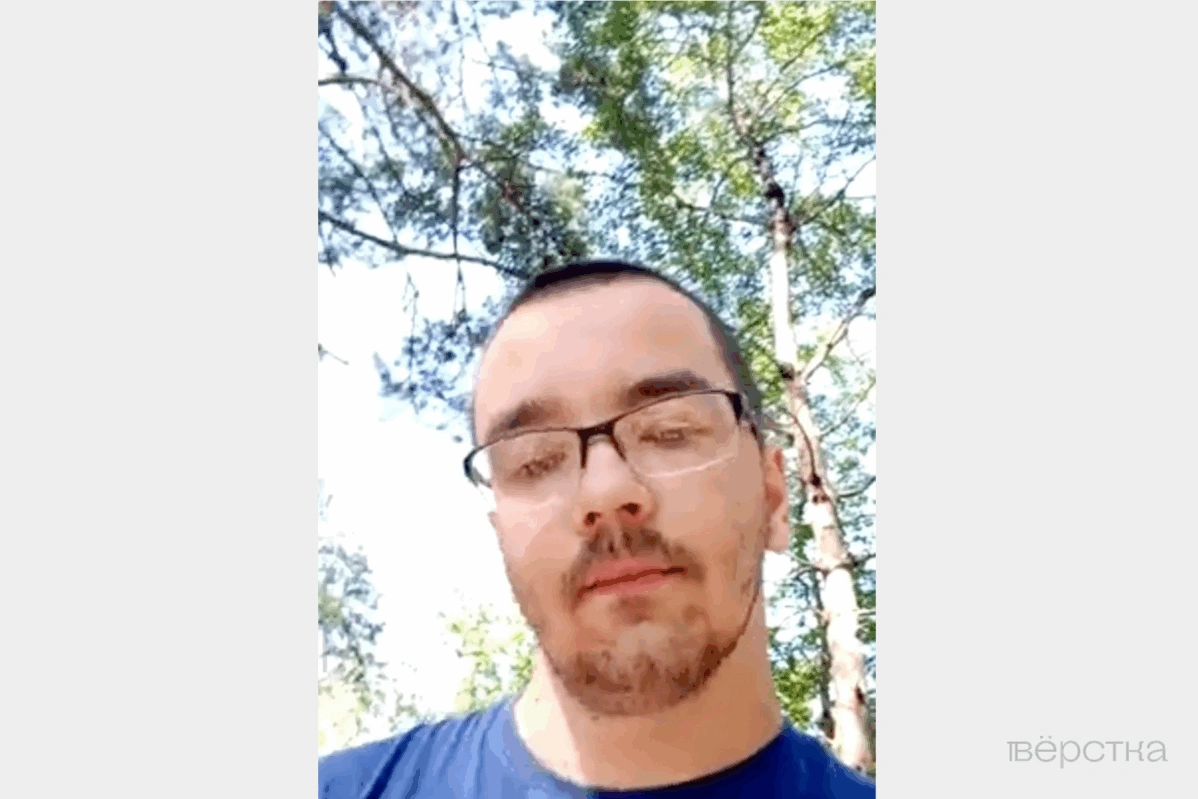
Виктор отвечает на видеозвонок корреспондента «Вёрстки» из дворика воронежской психиатрической больницы через два месяца после возвращения. На фоне стресса у него усилились моторные нарушения и начали отниматься ноги.
Он пытается описать то, что с ним происходило, но подробно не получается: говорит медленно, сильно заикается и с трудом выговаривает некоторые слова.
«Вёрстка» спрашивает его о побеге из Наро-Фоминска. Военные убеждены, что скрываться Виктору помогала семья — и всё это время знала, где он находится.
Солдат даёт свою версию: испугался штурмов, покинул часть, потом то ли потерял сознание, то ли заснул на автобусной остановке, где его разбудили незнакомые дедушка и бабушка. Они помогли с жильём и едой, и всё это время Виктор оставался у них. Только один раз позвонил родным сказать, что у него «всё хорошо».
«После смерти отца я решил приехать. Увидел, в Одноклассниках выложили пост, что моего папы нет уже. Дальше я сдался. […] Командир части пообещал это всё заладить и чтобы расторгнуть контракт. Но наврал мне, и ничего такого нету».
Когда Виктор вернулся домой, командиры войсковой части, по словам матери, пообещали «снять охрану», если он поедет в Воронеж и даст подписку о невыезде.
«Нас завели в военный этот следственный комитет, вышел следователь, ну, и начал всячески песочить. «Ты знаешь, сколько тебе грозит?», — рассказывает Галина.
«Его било в истерике, звал папу»
Виктора отправили в воинскую часть в Воронеже, где расквартирован 24‑й отдельный батальон радиоэлектронной борьбы. Там собирают «СОЧей» со всей области, утверждают Галина и один из сослуживцев Виктора, Артём (прим. имя изменено), который находился там одновременно с ним. По его словам, для нескольких десятков человек сделали импровизированную казарму в старом спортзале; условия там оставляют желать лучшего: стены покрыты черной плесенью, бегают крысы и тараканы. Здание обнесено забором с колючей проволокой.
«Служба» пойманных дезертиров в этой части проходит практически без дел. Изредка их вызывают на построения, проводят проверки военной полиции, вызывают к врачам. Они регулярно выслушивают угрозы отправки в «мясо», говорит мужчина.
У Виктора снова резко ухудшилось физическое состояние.
«Когда приехал, он еще был более-менее, — рассказывает Артём. — Ну, трясся. Ему угрожали, я склоняюсь к тому, что его били. Конечно, многие думали, что он это специально. Но ты ж не можешь постоянно [специально] головой трясти. Ну, день бы он потрясся. Ну, два, три… А потом он уже вообще весь дергался, конкретно. Ему нужна была трость. Я ему дал сначала палочку металлическую, потом получилось через людей купить ему трость».
Первая попытка госпитализировать Виктора не удалась: в приёмном покое психбольницы ему отказали из-за высокой температуры. Обратно его привезли на коляске. Дойти до казармы ему помогли двое мужчин.
«Он дёргался, его било в истерике. Звал папу. Это было ужасно, вот честно. Мне хотелось плакать. Эмоционально такое убивает, если ты не мудак, конечно», — вспоминает сослуживец. Офицеры части же, с его слов, называли проблемы Ряснянского «брехней», а его самого — «придурочным».
Сам Виктор в разговоре с «Вёрсткой» рассказывает об этом периоде так:
«Нас содержали как скот. Мы были под надзором ВПшников i . По любым якобы косякам к нам направляли бойцов ОМОНа и там избивали.Мне чудилась вода и как папа мне говорит, что что-то нужно найти. Мне очень плохо стало, и ноги отказали… А потом меня направили сюда в психбольницу».
Ряснянский сильно экономит слова из-за заикания и тиков.
В октябре 2025 года Виктора всё-таки госпитализировали на месяц в психиатрическую больницу в Тенистом, где он прошёл военно-врачебную комиссию и получил категорию «В», «ограниченно годен». У него зафиксированы диссоциативные двигательные расстройства с болезненными проявлениями, близорукость 5 диоптрий и сложный близорукий астигматизм. Согласно заключению психиатра, «разрешения на владение оружием» не имеет.
Затем юношу перевели в его «домашнюю» лискинскую часть.
После того, как Виктор вернулся, вопрос о его комиссовании подвис: в один день ему обещали увольнение и даже отпускали домой на выходные, в другой — угрожали отправкой в штурмы.
Обстоятельств гибели Геннадия с тех пор не прояснились. Опрос соседей никаких новых свидетельств не дал. 8 сентября 2025 года следователь Татьяна Гостева в возбуждении уголовного дела окончательно отказала; материалы доследственной проверки семье Комзарева не предоставила. Разговаривать с «Вёрсткой» она тоже не стала.
Опираясь на судмедэкспертизу, начальник части Медведев больше не поддерживает Ряснянских в попытках разобраться, могли ли военные быть причастны к смерти.
«Никаких кровоподтеков, ни удушения, ничего. Этот человек на 300% из ста возможных утонул. Вот она [Галина] там [говорит]: штаны у него спущены. Она не рассматривает, что он пьяный просто начал раздеваться? А если упадёшь в воду, грубо говоря, метр глубиной, попробуй встать со спущенными штанами, у тебя же ноги как связаны. Всё», — сказал он «Вёрстке».
Зимой контрактнику предлагали написать рапорт о приостановлении его уголовного дела по СОЧ «в связи с выполнением задач в ходе специальной военной операции» — и дали ему лист А4 с готовым текстом. Виктор не стал его подписывать. i
Все эти месяцы Галина держала связь с командирами Виктора, обивала порог КПП воинской части и добивалась комиссования сына по медицинским причинам.
«Отпустите его, пожалуйста, оттудова»
В начале мая, две недели назад, Виктора увезли из Лисок. По словам Медведева, приказ о переводе пришёл от командующего войсками округа.
Его отвезли сначала в распределительную часть в Богучаре, далее — в Луганскую область: в Новобелую, а затем на базу в Рогове. Впервые с момента подписания контракта он оказался в «зоне СВО».
Галина переживает, что Виктору перестанут колоть назначенную неврологом терапию — уколы кортексина и мексидола. Она уже купила другие недостающие препараты, но как и куда передать эту аптечку, не знает.
Где именно будет проходить служба Виктора, неизвестно.
25 мая он рассказывал матери, что его обещают перебросить на лиманское направление, в инженерную саперную роту — впрочем, в тыл «кем-то типа писаря». При этом бывший замполитрука лискинской части Вадим Тетерин, разговаривая с Галиной 17 мая, говорил о переводе Виктора в зенитно-ракетную батарею.
Галина отправляет жалобы в военную прокуратуру, в СК и в ЛДПР. Тетерин призывает её «не кусать руку, которая её кормит», чтобы сын остался в безопасности.
— Что значит семья у вас разрушена? Ничего у вас не разрушено. Вы сами себя накручиваете. Вы делаете всё так, чтобы я сделал наоборот. Мы с вами договорились?
- Agreed.
— С Виктором всё будет хорошо. Я не могу с вами разговаривать, вы постоянно плачете и отвлекаете меня, если честно. Вы будете со мной на связи?
— Хорошо, да, буду.
— Вы свои заявления будете отзывать или нет?
— Если с Витей ничего не будет. Отпустите его, пожалуйста, оттудова.
— Нет, оттуда его не отпустят уже.
Разговор длится уже 20 минут. Галина не может ничего ответить и только громко рыдает.
Подполковник теряет терпение и кладёт трубку.
Обложка: Дмитрий Осинников
You can support “Layout” from any country in the world - it is still safe and very important. We really need your support now
How to help us