
Translated material
Blatant heresy or inconvenient truth: films that made Russia shudder
Fedor Polyakov
Why was “The Death of Stalin” banned, “Leviathan” called Russophobic, and “Mr. Nobody against Putin” caused a variety of reactions - from fierce debate on the Internet to demonstrative ignorance at home? These and other films about Russia rarely became commercial hits: the path to success was hindered by box office refusals, harassment in the press, and public criticism—often from people who up front declared them “enemy propaganda.” Through parable, satire, documentary evidence or personal history, they raised topics that are scary to discuss publicly in Russia: state violence, oblivion of history and destruction of memory, corruption, war, patriarchal remnants and responsibility for the future.
Following the controversy about the “political agenda” of the Cannes Grand Prix and the new film of “Russophobe” Andrei Zvyagintsev, philosopher and publicist Fyodor Polyakov has compiled a selection of films about Russia, through which one can trace the fate of “inconvenient” cinema. The material includes paintings that caused a painful reaction in some and became the beginning of an important dialogue for others. It is at these points of tension that art becomes a space for talking about questions that society is not yet ready to answer.
Films about Stalinism and repressions
“The Death of Stalin”, “Captain Volkonogov fled”, “Two Prosecutors”
Not only archives and historical research, but also art help to expose the justification of dictatorial methods. The stories of Shalamov and Solzhenitsyn, the work of historians, the opening of Soviet archives, the rethinking of the myth of the “bright era” of communism - all this is gradually returning to society the memory of Stalin’s terror. The millions of dead can no longer be brought back or justified by any talk about an “effective state” and “order.”
The USSR, and after it modern Russia, never had a full conversation about the violence, fear and lack of freedom of that era. Therefore, cinema about repression today inevitably becomes a conversation not only about the past, but also about the present.
In 2025, more than ten new monuments to Stalin were opened in Russia. In total there were more than a hundred of them. And in the passage between the Taganskaya metro stations of the Circle and Violet lines in the center of Moscow, a bas-relief “Gratitude of the People to the Leader-Commander” was unveiled, on which a sculpture of Joseph Stalin is located in the center. This lyrical introduction to the film that opens the selection slightly illustrates the essence of the problem.
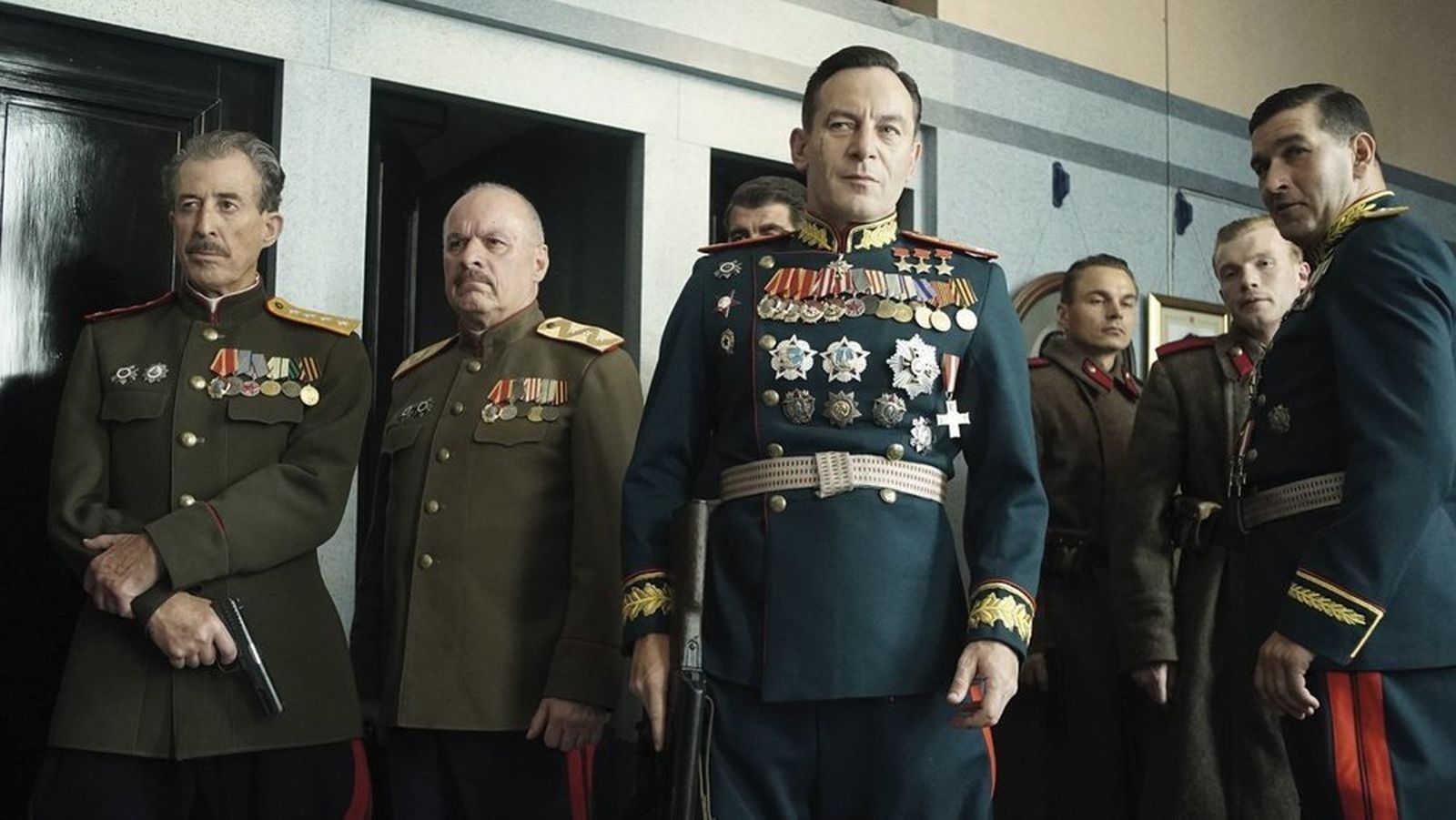
In 2018, the Russian government rejected the distribution of Armando Iannucci's film The Death of Stalin . Ministers and deputies decided that the film offends the Soviet heritage and the great exploits of commander Stalin, and also discredits the foundations of the state. Of course, among Dzhugashvili’s “exploits” there is no mention of the 700 thousand citizens who died in the camps and the construction of a terrible totalitarian system in the USSR.
The film "The Death of Stalin" is cheerful and harmless, but still grotesque: it depicts Soviet executioners in stupid uniforms. Fear can be overcome with laughter: reducing it to the level of a joke, making a molehill out of an elephant.
This is what the filmmakers succeeded in doing. But laughing at one's sins proved too difficult for many Russian viewers of The Death of Stalin. A jealous attitude towards the past does not allow it to be rethought, suggesting that the skeletons of the post-Soviet Stockholm syndrome should be kept in the closet.
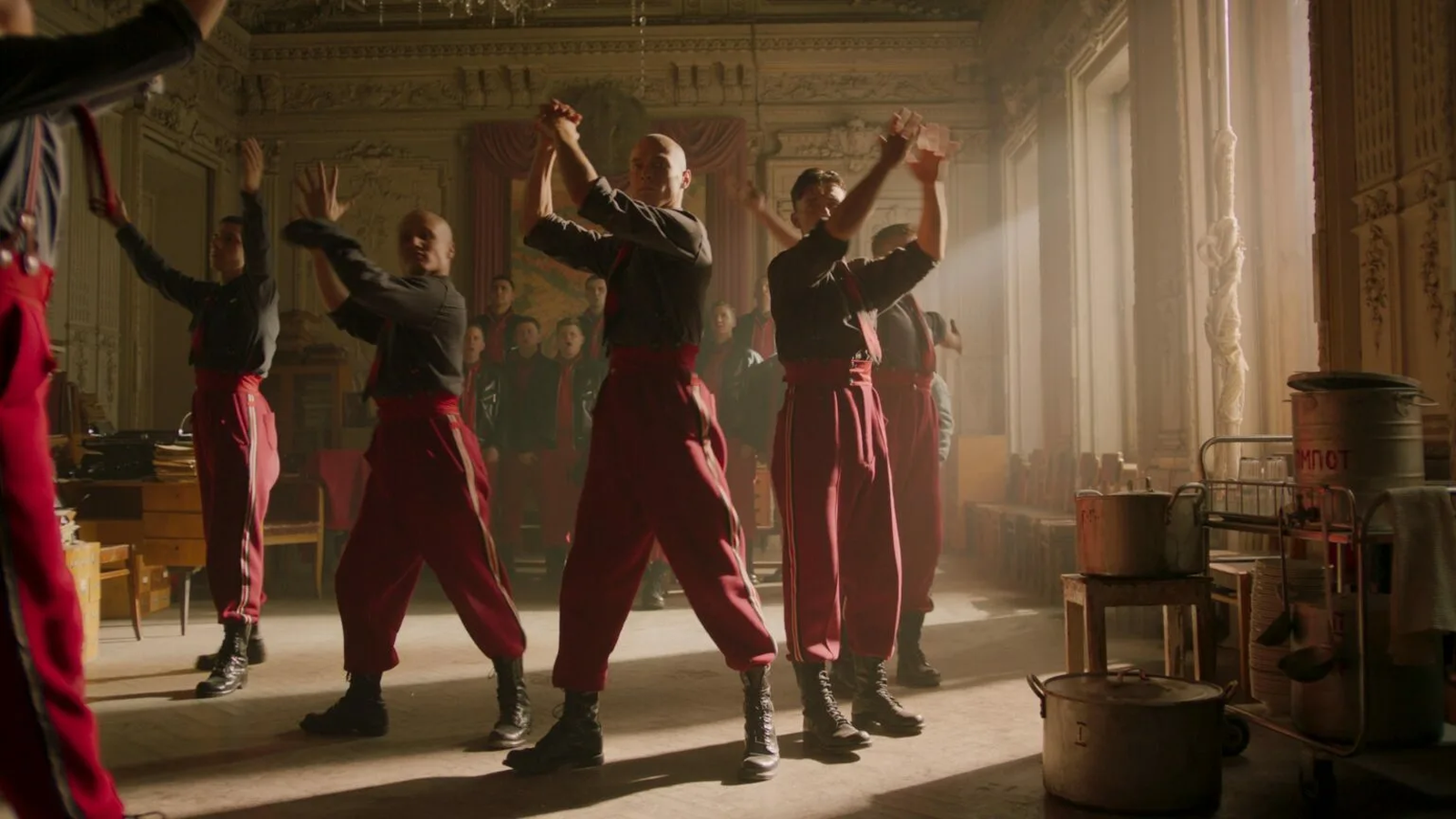
The next film, the 2021 film “Captain Volkonogov Fled” by Natasha Merkulova and Alexei Chupov , was often accused of an excessive abundance of allegories, Aesopian language, and the fact that it does not directly name the perpetrators of the era of Stalinist terror.
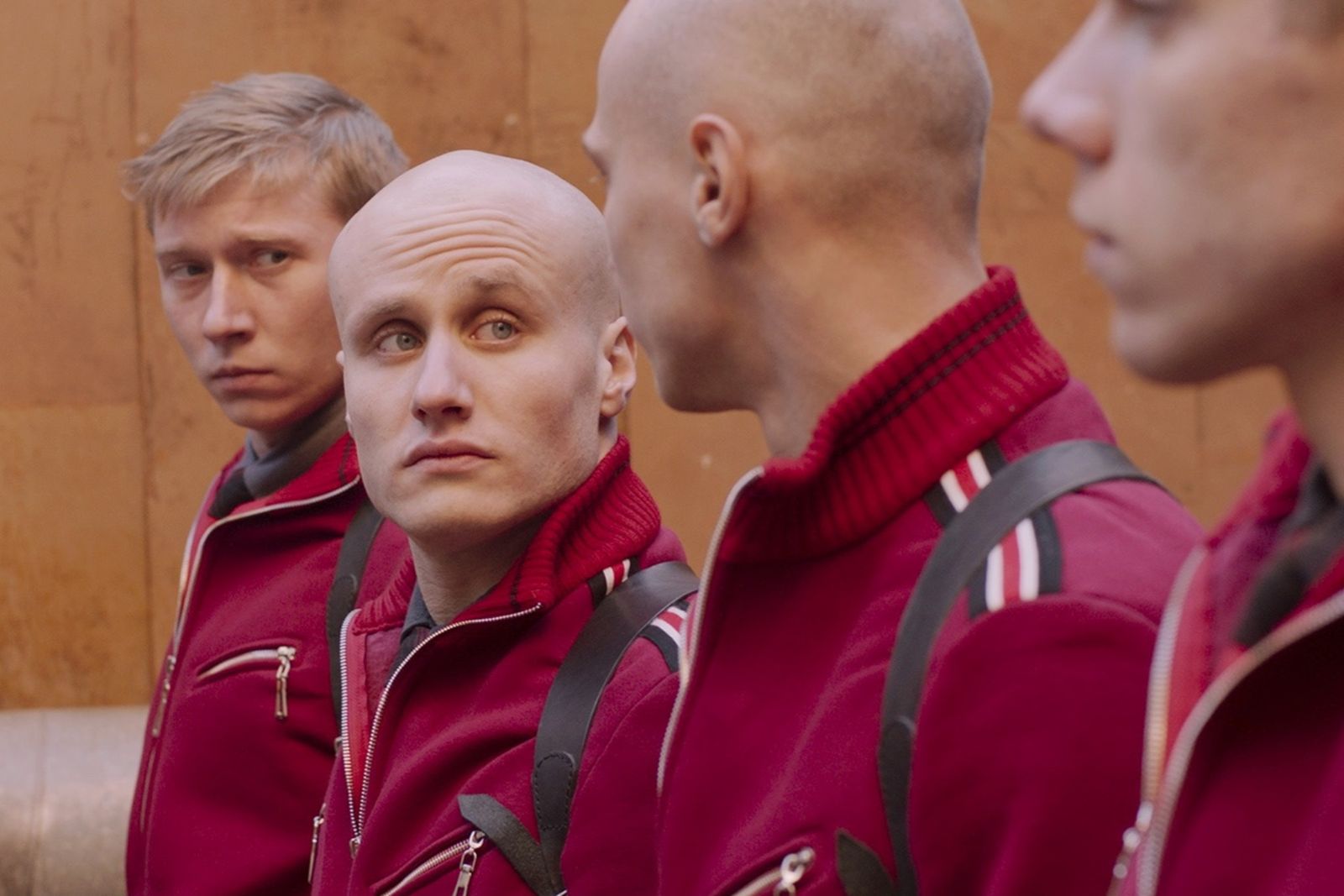
However, it is difficult not to note that the picture became prophetic, because six months after its release the war against Ukraine began, and the security forces and repressions from this retro-dystopia seemed to descend straight onto our streets, except perhaps forgetting to grab unique costume images.
Everything here is a little “too much”: the scenery is too theatrical, the clothes are too bright, the idea of repentance for real criminals is too hidden.
“Still, aesthetics is somehow connected with ethics, this is an ethical decision: should the viewer be doomed to sympathize with the guardsmen in red pants?” - asks film critic Vasily Stepanov.
Setting out to rethink the cruelty of the Soviet system, the authors of “Captain Volkonogov” rather timidly mock it. But even such a subtle mockery of history caused consternation among the Russian leadership, and the film was not allowed to be released.
The trio of daring films about Stalinism is completed by Sergei Loznitsa’s film “Two Prosecutors,” shown at Cannes in 2025 and awarded the Francois Chalet Prize, which is awarded to politically and socially significant films. The Ukrainian director has been recognized for many years as a specialist in documentary films of the USSR and Ukraine, dissecting in his works the most important moments of history: Stalin’s funeral, Babi Yar, the Siege of Leningrad and Maidan - events that are difficult to analyze and perceive.
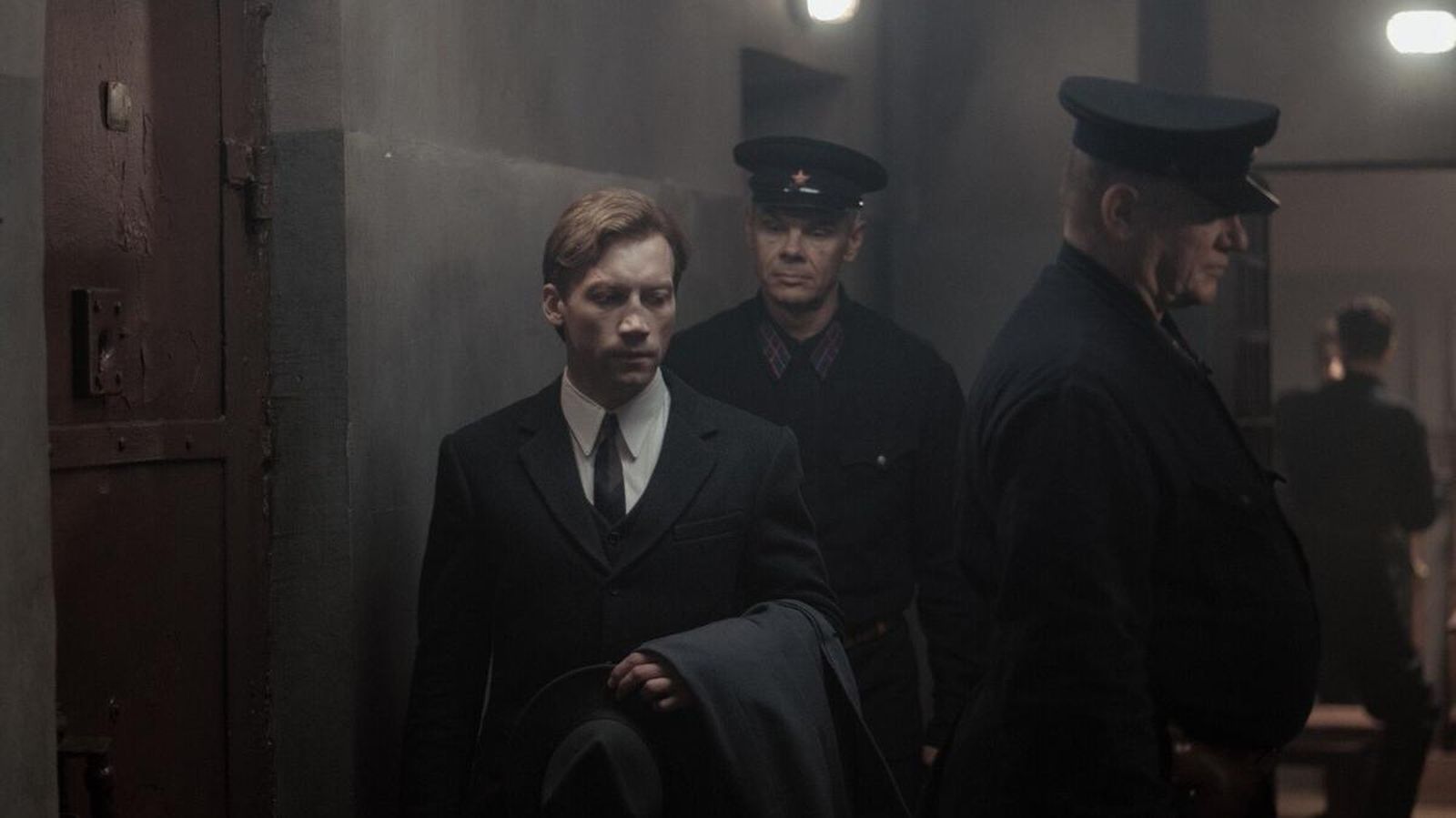
Stalinist repressions have always remained no less difficult to reflect in cinema. And a new film about a young prosecutor who decided to resist the bloodthirsty regime would be a completely ordinary historical film - if such films existed. However, the gloomy and claustrophobic horror in the corridors of Stalin’s prisons looks scarier than any horror films. And at a time when a similar human rights situation is flourishing in Russia, this picture looks almost synonymous with our unbearable reality.
Films about invisible Russia
"Cargo 200", "Leviathan", "Unclenching Fists"
People often talk about Russia and its political reality without paying attention to the outback. But tens of millions of people live outside Moscow and regional centers. They daily face violence, lawlessness, communal disasters and a general state of hopelessness unheard of in large cities. Local traditions of crime, clans of officials, gangs and tyranny - all this fits into the concept of the banality of evil according to Hannah Arendt. The most ordinary people can do terrible things, and the full scope of their atrocities results in global themes - poverty, corruption, mortality, infringement of the rights of minorities. Over the past thirty years, many wonderful films have been made about the hectic life of an unnoticed province, and Cargo 200, Leviathan and Unclenching Fists at one time hit where it hurts the most.
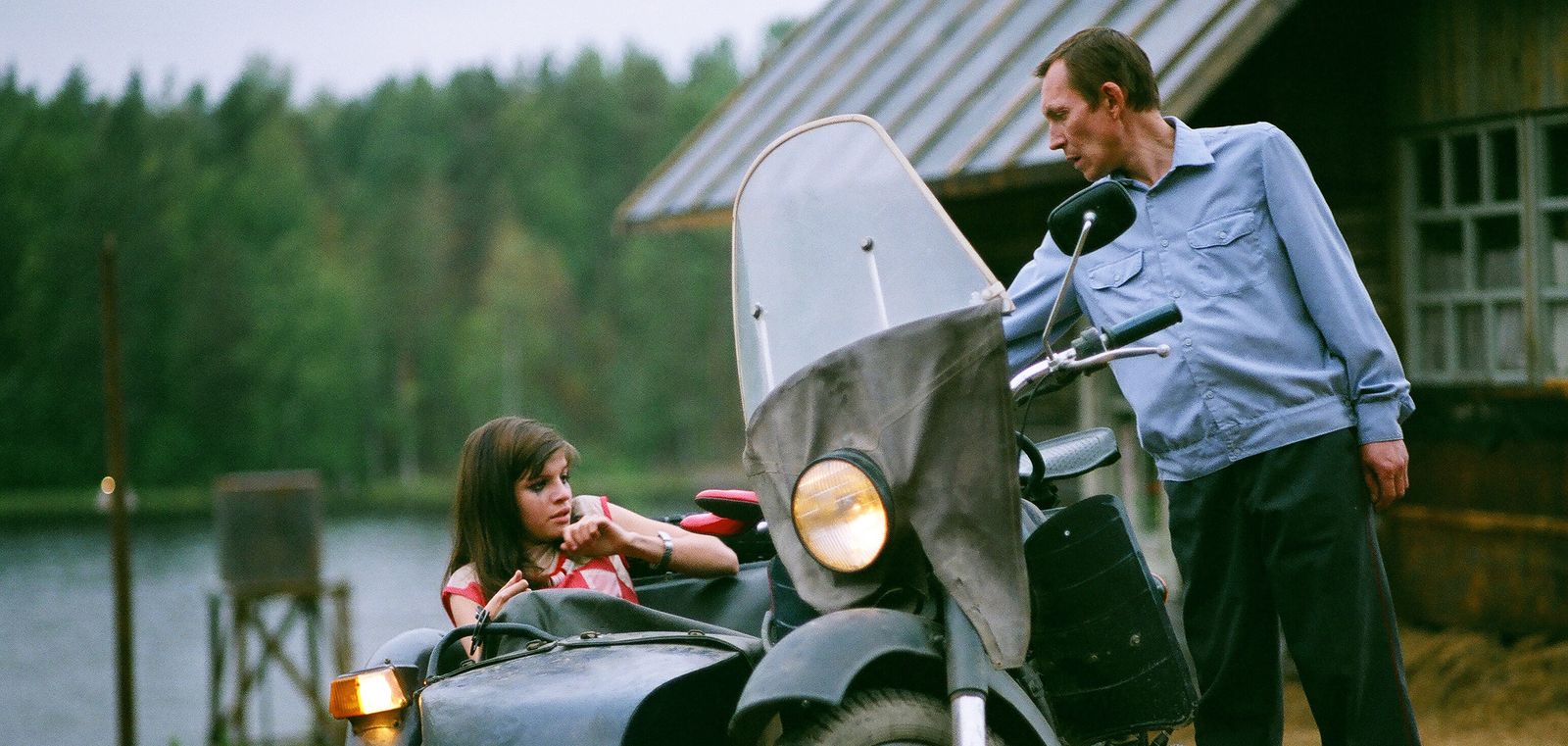
Nostalgia for the USSR, “it was better before,” communism, stability, sanatoriums and ice cream. All this is not present in the terrible parable about the cruelty of law enforcement agencies in the film by Alexei Balabanov “Cargo 200”. The director admitted that he drew inspiration from the stories of his friends. The plot of the film may not have existed, but the phenomena embedded in it occurred in reality in the late USSR. A terrible horror about inhumane and unpunished police officers - the atmosphere of this picture accurately conveys the social state. We are not afraid of the security forces in vain. Intimidation has been part of the policy of the leadership of Russia, the USSR and the Empire for many years.
Excessive cruelty here is taken to the point of absurdity: the film could be called a comedy, a fairy tale, a fable, without believing in the reality of the events filmed. But isn’t that the beauty of the fable, that it is a metaphor for life, a picturesque hyperbole that gives the viewer a direct blow of doubt.
Balabanov reflected the highest degree of human immorality, making an accurate diagnosis of the relationship between the little man and the state.
“Large companies and networks immediately abandoned Balabanov’s “tin” approach. Balabanov’s extreme, politically incorrect cinema aroused a long-unprecedented intensity of passions among “sleeping” politicians, well-fed government officials, and within the glamorized cultural elite. Cinema is terribly criticized. ...The eleventh film by Alexei Balabanov is a punch in the gut to those nostalgic for the doctor’s sausage and inspired senile unanimity,” says film critic Larisa Malyukova.
Coincidence or not, Zvyagintsev’s subversive film “Leviathan” was released in the same year, 2014, when the Russian regime decided to aggressively strengthen its position in the eyes of society by annexing Crimea.
Andrei Petrovich’s film does not talk about the seizure of territories or the status of Ukraine, but he asks synonymous questions to society. What is a state? What are power and faith?
Giving them uncomfortable answers along the way about corruption, vanity and lawlessness, as well as the powerlessness of ordinary people to protect themselves and their property. The picture indirectly reflected all the tragedies of that time.
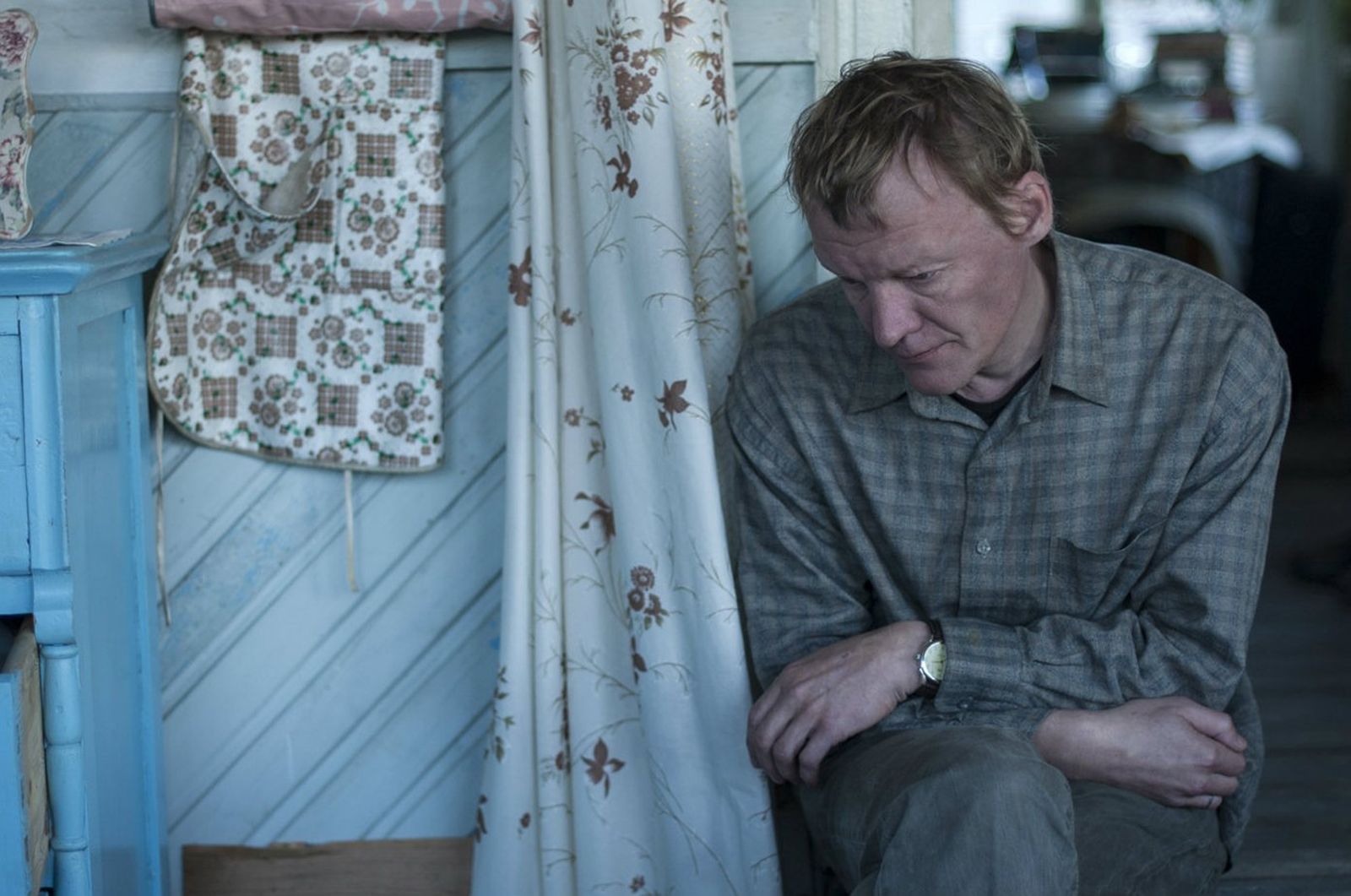
Russian viewers massively accused Zvyagintsev of chernukha and desecration of the spirituality of Russia. But as critic Andrei Plakhov rightly noted then, “modern Russian reality is actually quite dark.”
Zvyagintsev created a universal parable about the outback of Russia, which was perfectly understood in the West and was even given an Oscar for best foreign film. You can feel whatever way you like about the award, about the left-wing conjuncture, but it’s hard not to agree with the fact that they are offended by the truth. Both the Ministry of Culture and Kirill Frolov, head of the Association of Orthodox Experts, expressed their dissatisfaction. However, the film was eventually released late.
Those debating whether the film truthfully reflects reality have been thrown into disarray by a terrible incident. On March 25, 2009, in the administration building of the city of Kirovsk, Murmansk region, where Leviathan was filmed 6 years later, local 62-year-old businessman Ivan Ankushev shot the head of the administration Ilya Kelmanzon and the director of the local housing and communal services department Sergei Maksimov, after which he committed suicide.
The Caucasian issue is one of the inconvenient ones for the Russian authorities. Being within the borders of the Russian Federation, the mountain republics continue to lead their own special lives - religious, traditional and family. Film cameras generally rarely come to visit remote regions of the country, considering them closed societies with their own inviolable principles.
“Dare to attack the very heart of the domestic patriarchy - the North Caucasus?” - film critic Anton Dolin is surprised with admiration.
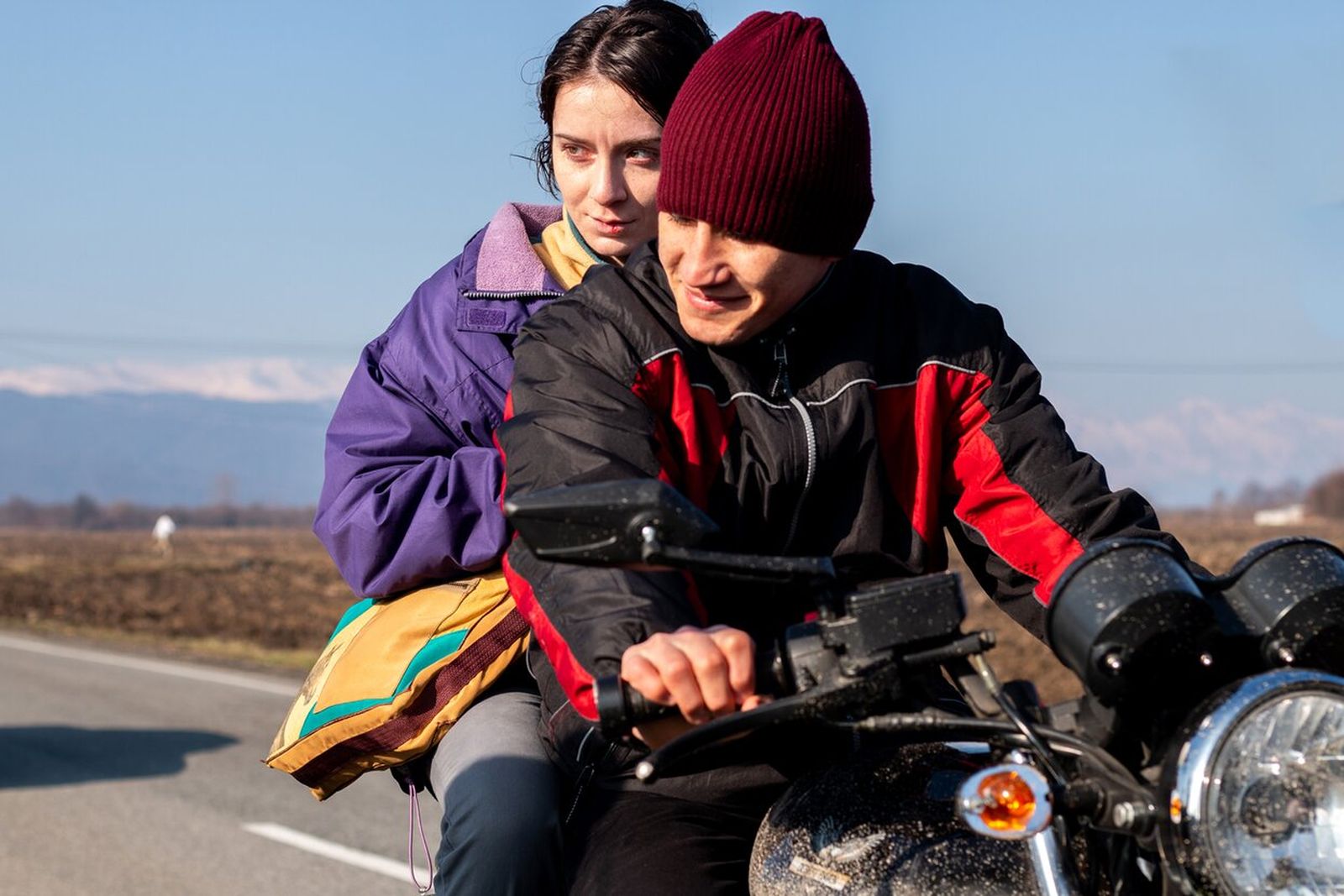
Young director Kira Kovalenko, a graduate of the course Alexandra Sokurova, decided not to stand on ceremony with traditions and make an honest, harsh film “Unclenching Fists” about toxic family relationships in a village in North Ossetia. Poverty, violence and hopelessness. Young people in these regions live in this paradigm, and especially women, whom society has not given a chance to show their will. Unlike many indie films, this one received government support and performed successfully at the Cannes Film Festival. The authors of the film sincerely worry about their native peoples, without at all trying to denigrate them. However, its representatives were hardly happy to be diagnosed as cruel brothers and fathers who held their relatives captive.
National myths and documentary evidence
“Tchaikovsky’s Wife”, “Navalny”, “20 days in Mariupol”, “Mr. Nobody against Putin”
The title of the topic can be confusing, because myth and document are opposites. But this is precisely the task of the document, artistic or realistic, to debunk the harmful myth behind which awkward situations are hidden: the homosexuality of a great composer, the murder of an oppositionist, the occupation of a peaceful city, the degradation of education against the backdrop of war.
The state always needs to create a fake reality and replace the real nightmare with it. Cinema is one of the most powerful elements of mythology in the mass media, which are designed to create the image of the enemy, aestheticize wars and sacralize authorities. But only when hard and truthful pictures appear does the ideology of myth stop working.
“Kirill Serebrennikov, at the Cannes festival, encroached on one of the “links” of Russian culture,” this is how film critic Denis Strelkov begins his review of “Tchaikovsky’s Wife.”
Peter the Great, Stalin, Yeltsin. Gogol, Dostoevsky, Chekhov. Which of the major historical figures cannot be accused of complex characters, intrigues in the secret corners of their family rooms, in which something went wrong? Many had difficult destinies, conflicts, mysterious deaths. But the nuances of the biographies of historical stars are timidly criticized and the skeletons are rarely taken out of the closets. Ideology and propaganda are based on idols and symbols.
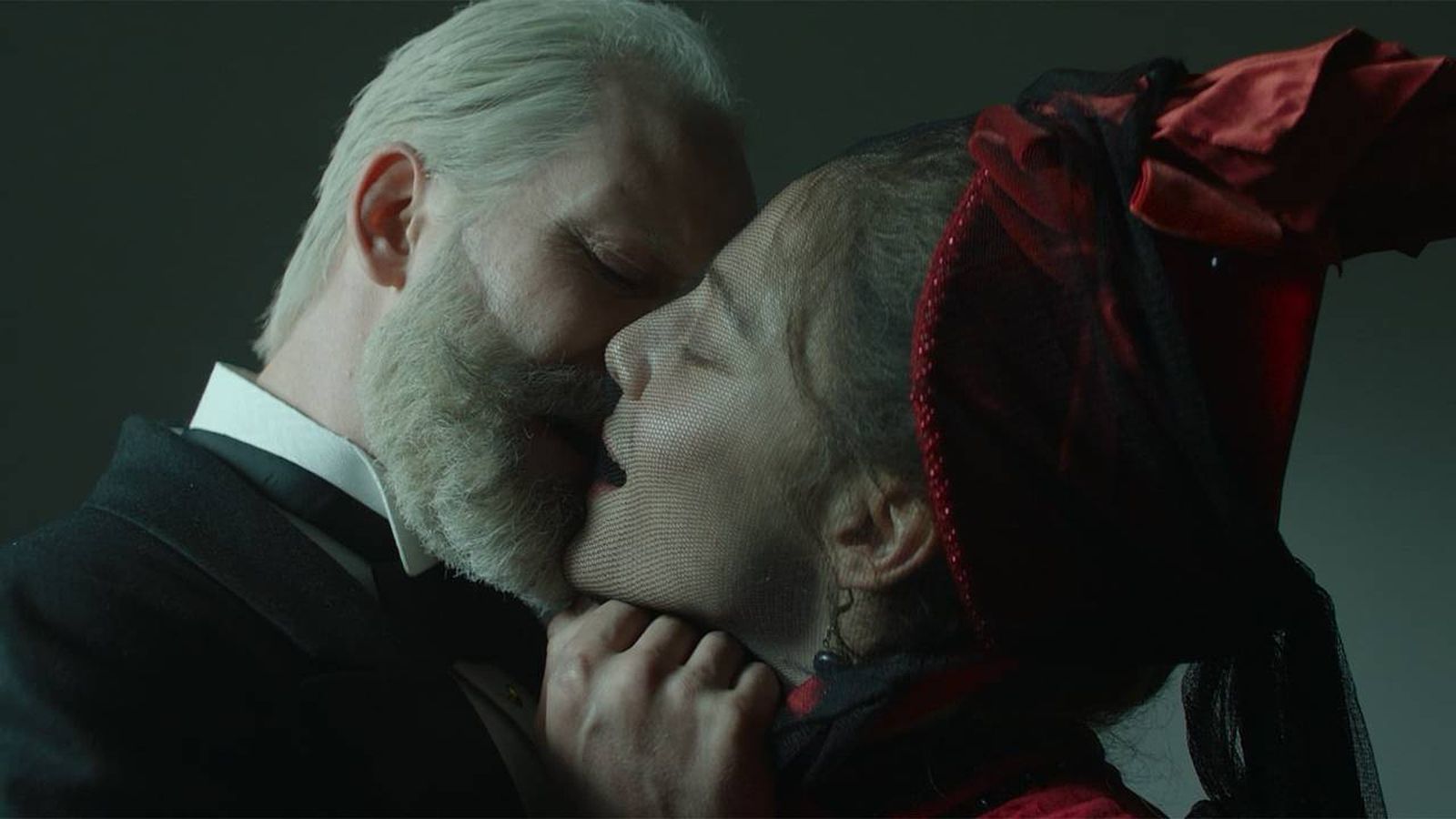
How can you insult the luminary of Russian classical music, who presented “The Nutcracker” and “Swan Lake”? In the film “Tchaikovsky’s Wife” Serebrennikov does this, perhaps not in the most objective and reliable way. He places in the center an inconspicuous, unhappy wife who painfully loves the brilliant composer, he hates her and marries out of despair and for the sake of conspiracy of his homosexual inclinations.
Heavy, gloomy and slow cinema demolishes all the chic and gloss of Russian bohemia into gloomy, neurotic scenes. Critics and audiences were divided into two sides of defense and defense of this controversial historical work. Isn’t this the essence of a political statement? It is necessary to constantly revise history, bring back real heroes and remythologize dubious protagonists.
Stable oppression of the weak within a small family can turn into a big war against neighbors and their own citizens.
“A Russian film today can qualify for an Oscar as a foreign language film only if it somehow humiliates its country,” said Mikhalkov, apparently harboring a grudge against Zvyagintsev’s Leviathan.
And at the 2023 Oscars , Daniel Roher's Navalny won best documentary. It tells about the terrible circumstances of the life of the opposition leader, about the atrocities of the Russian dictator and his special services.
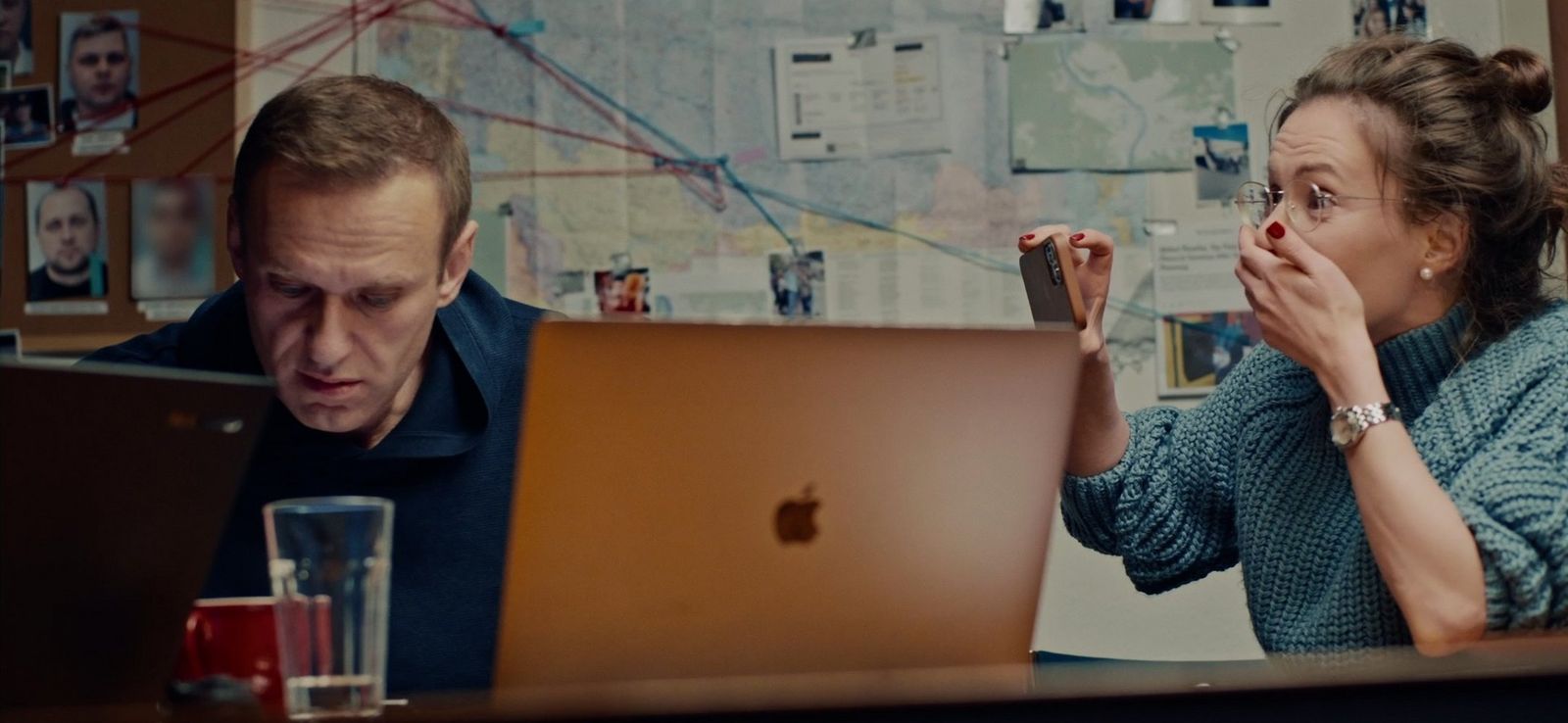
Whether you agree with Mikhalkov or not, Oscars are most often given for quality cinema in the first place, and secondly for its political overtones. In the press, and especially in the Ukrainian public, debate flared up about how relevant and fair it is to present an award to a film about Russia at a time when it is destroying Ukraine.
Officials were indignant; spectators considered Navalny an imperialist and an FSB agent. But the film tells the Western world, shouts to it that Russia is not only Putin and war. This is a country where brave people live, dedicated to the values of peace and justice, who want to stop corruption, bloodshed and power grabs.
“The film will convey to the audience the meaning of everything that is happening in Ukraine much better than any news agencies and statements of politicians who will meander and, within the framework of the rules of political correctness, make some very restrained speeches. The camera records what it sees in front of it,” says Ukrainian film critic Andrey Alferov about the documentary “20 days in Mariupol” .
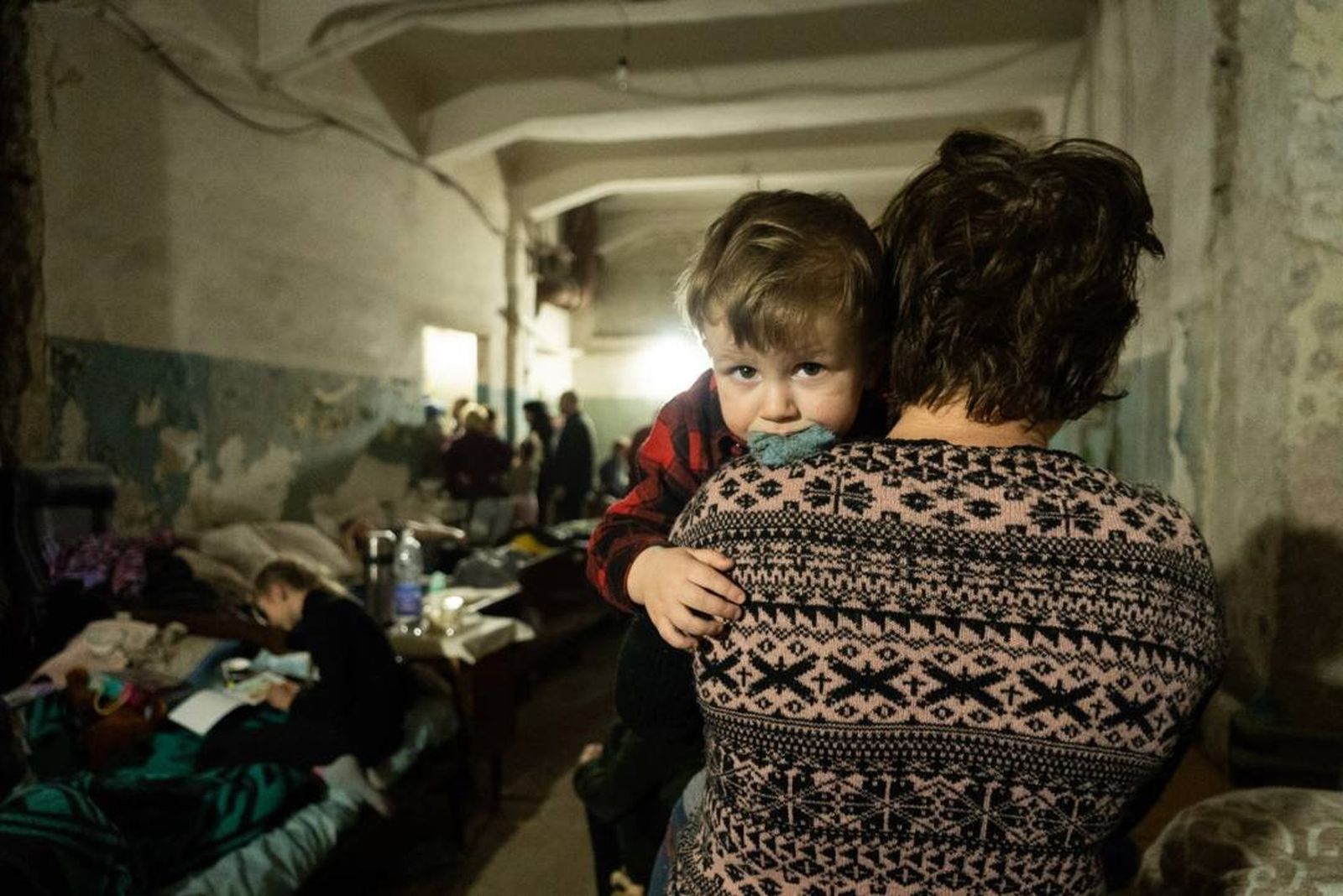
Mstislav Chernov won the Oscar for Best Documentary in 2024.
“I would say that the Russian news showed no less footage of the bombing of the Mariupol maternity hospital than the Ukrainian ones. But the text was completely different, you know? There is a struggle for interpretation."
The short and concise interpretation offered by the author of the film gives me slight chills. Viewers of Russian television watch almost the same thing, but do not understand the root cause of what is happening. They refuse to admit that anyone is guilty, including themselves, of ignorance. The reaction of the West is almost unanimous - high marks from critics, an Oscar and a British BAFTA award. The silence of the Russian authorities about the film speaks for itself.
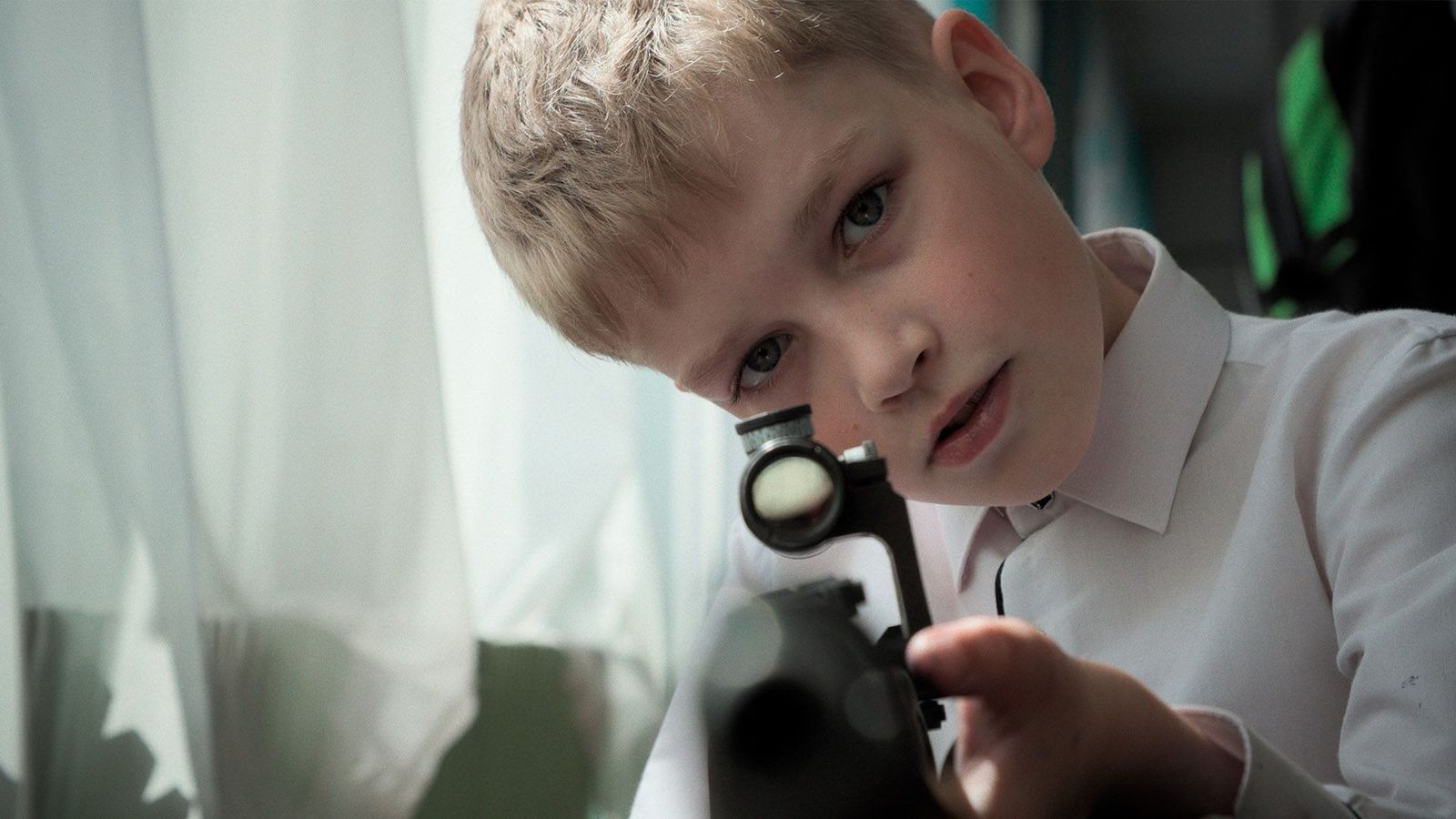
The 2026 Oscar winner in the “Best Documentary Film” section is “Mr. Nobody vs. Putin.” Director David Borenstein, his co-author Pavel Talankin, a teacher from the town of Karabash in the Chelyabinsk region and producers from the BBC created the most controversial and notable documentary of the past year. It divided viewers and critics into two sides. Some accused the authors of manipulating characters, music, and staging the text. Others emphasized the importance of the film - to demonstrate the collapse and indoctrination of the Russian Federation at the hands of a totalitarian regime. It seems that a small man from a tiny town has no will and subjectivity, he can only obey the orders of the Ministry of Education, go to the lines during the Russian anthem, conduct propaganda “lessons about what is important,” and distort the facts in history classes. But Pavel Talankin decided to argue with this and film how children and teachers live in school during the war and dictatorship.
Touching photographs of innocent and defenseless children evoke the greatest empathy for the victims and hostages of the Russian regime, and Pavel’s own work makes us believe that there are a lot of strong and caring authors living inside Russia.
The list of these films does not reflect any objective reality. This is just a set of stories about how important it is to look at yourself from the outside, to restructure the memories of your family and society, and to evaluate social moods. The listed directors and films have caused and will continue to generate discussions - and dissatisfied cries of propagandists. The task of social cinema is to ask uncomfortable, unpleasant, but necessary questions.
As Robert De Niro said: “We fight like hell for democracy. Art brings people together and seeks truth. Art is a problem for autocrats and fascists.”
Read also about cinema- Who's the monster here? Why Lanthimos' Bugonia is the premier film about male identity crisis
- "Antichrist" by Lars von Trier How one of the most terrible horror films became a ruthless expose of a person
- “The Shock of Freedom” Siegfried Kracauer on Expressionism as the Political Unconscious