
Translated material
Russian Ferrari crash
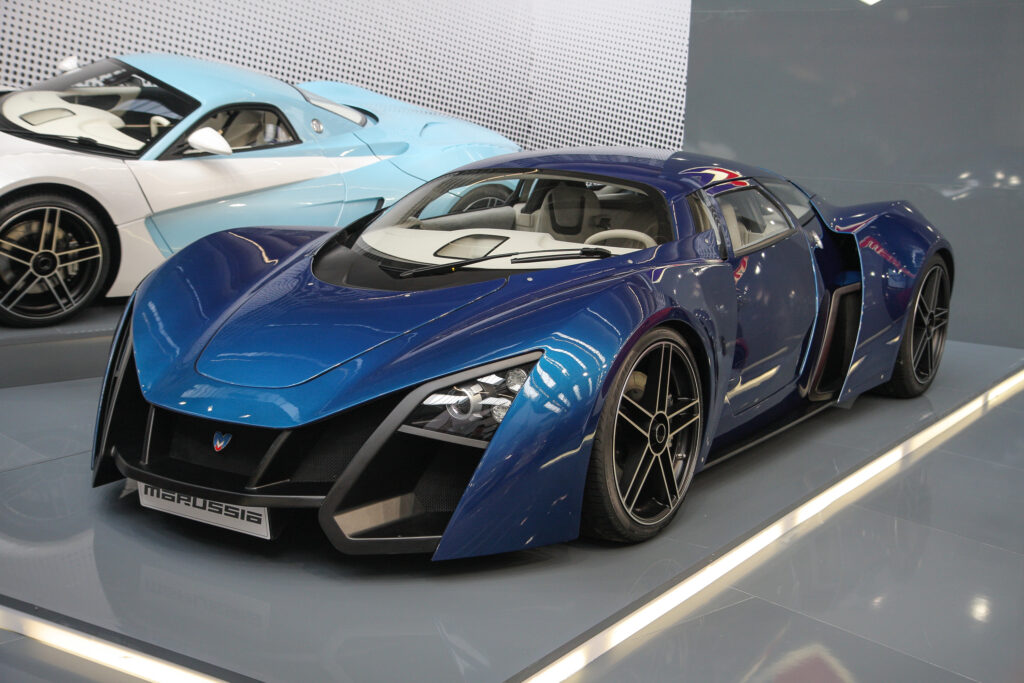
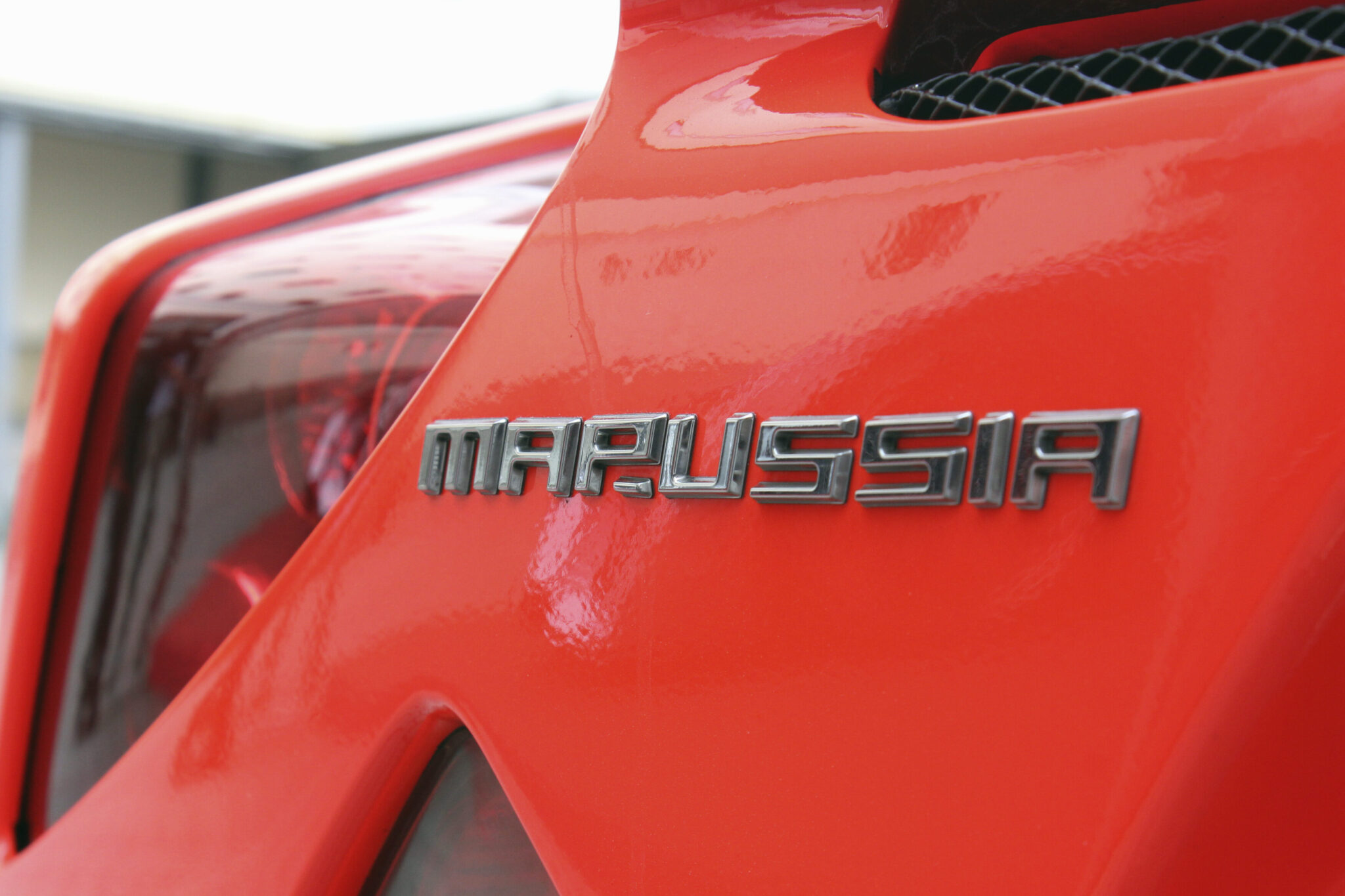
Marussia Motors was supposed to become the pride of the Russian automobile industry - a compact sports car with a carbon body, six video cameras and Skype on board. The founder of the project, showman Nikolai Fomenko, promised to compete with Ferrari and Lamborghini, the company’s showroom was opened by the Prince of Monaco, and more than $100 million was invested in the development of the “Russian supercar.” However, during the seven years of the brand’s existence, the company did not sell a single car and misled everyone. The story of the big failure is in the material from “Cold”.
We put people at the center of our journalism and talk about people who face injustice, but do not lose spirit and continue to fight for their rights and freedoms. To continue covering people's stories, we need the support of readers - thanks to your donations, we continue to work, despite government pressure.The annual exhibition of exclusive cars and luxury goods in Monaco, called Top Marques Monaco, usually presents new products from world brands - from Bugatti and Rolls-Royce to Koenigsegg and Pagani. Next to the supercars there are stands with luxury watches, jewelry, as well as advertisements for yachts and private jets. Among this luxury, in 2011, the Russian Virgin MVR-02 from Marussia Motors was demonstrated - a new “royal racing” car.
The Marusya stand, as it was called in Russia, was located right on the central alley - opposite the Audi and McLaren sites. The pavilion of the Russian brand was decorated in the style of a Formula 1 garage, and all company representatives were dressed in branded merch, creating the image of technical staff. In addition to the bright racing model, there was also a “civilian” sports car Marussia B1 nearby.
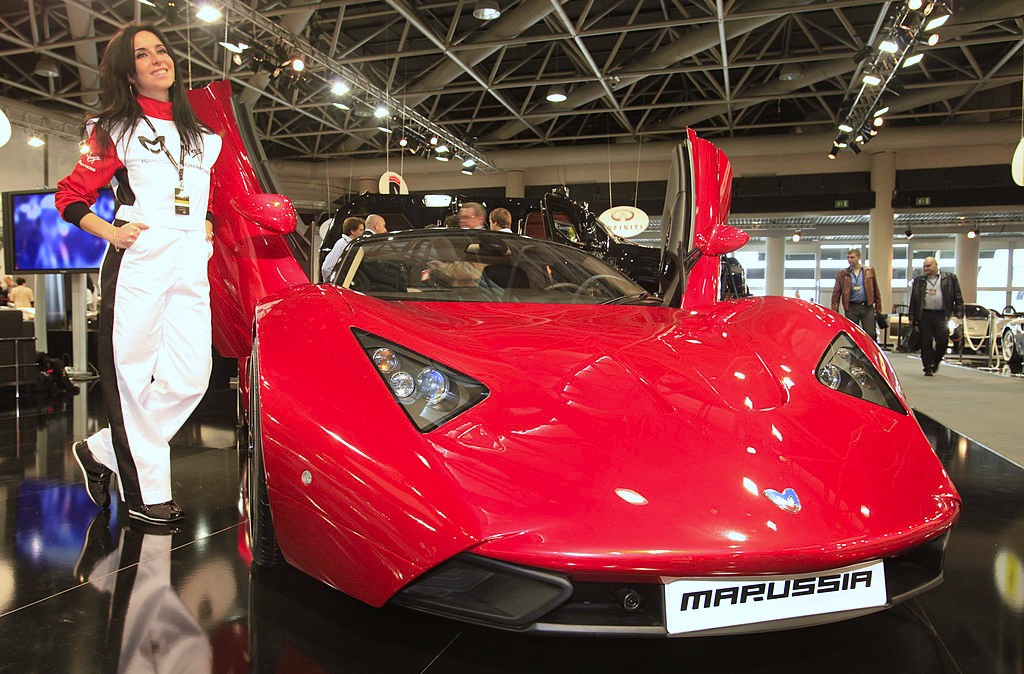
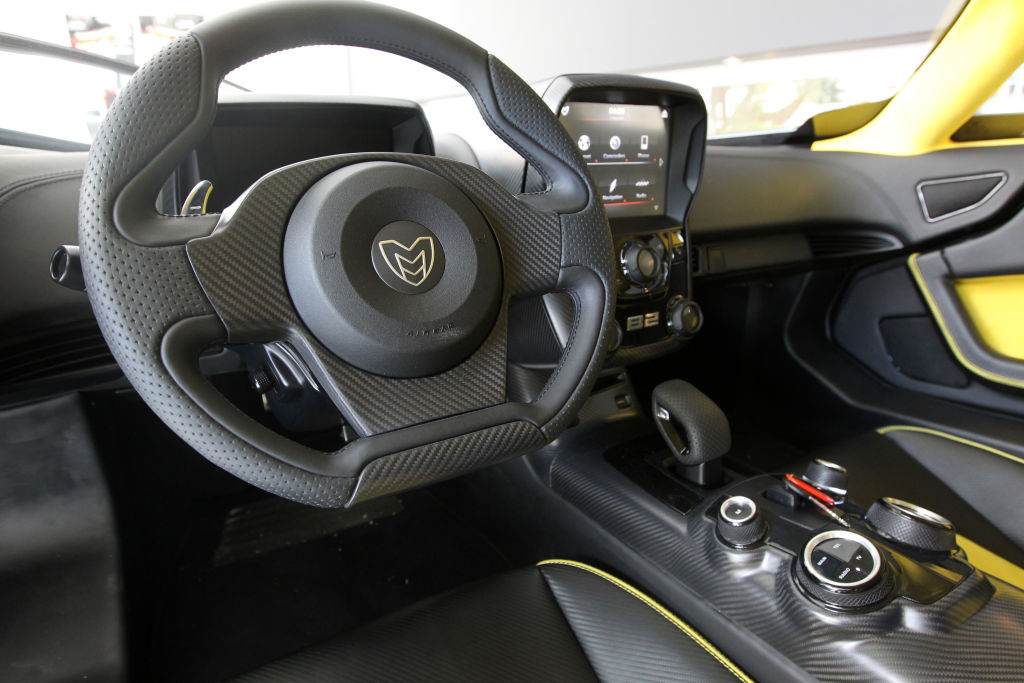
A year earlier, the company announced that it would enter the European market and begin selling Marusya in the UK at a price of about 110 thousand pounds sterling (more than five million rubles at the exchange rate of that year). As stated by the manufacturers, the car was equipped with a carbon body - in the B1 or B2 versions, a 420-horsepower engine in the most expensive configuration and a six-speed automatic transmission. The Russian sports car accelerated to 100 km/h in 4.2 seconds, and the top speed was electronically limited to 250 km/h.
 Shares of the “vegan” company grew by 1300% The largest producer of plant-based meat, Beyond Meat, was one step away from bankruptcy. He was saved by the mysterious Dmitry from Dubai Economics 13 min read
Management announced hundreds of pre-orders and claimed that mass production had already started in Moscow and would soon begin in Finland. A year later, the company opened its own showroom in Monaco - the second after Moscow on Tverskaya. Plans also included launching production lines in Belgium and Germany.
“People came, we gave them brochures, they with square eyes, not understanding what it was, asked us the question: “What kind of car is this?” And we said, “This is a Russian sports car,” recalls one of the former Marusya employees.
But behind the shiny façade and bright advertising were hidden endless problems. Even the cars shown to the public drove with difficulty: the air conditioning did not work , the speedometer could overestimate the speed by almost 100 km/h, and instead of a spring that returned the brake pedal, according to test driver Roman Rusinov, they even had to attach a condom .
 The main mystery of Wildberries' success An English teacher built the country's largest online store, but her husband believes that this is not her merit. What is it really like? Economics 35 minute read
While the European public was admiring the first Russian supercar, Marusya engineers and mechanics spent nights polishing and repainting the same few cars - just to create the illusion that production was in full swing.
From ZIL to Monaco
The history of “Marusya” began in 2007 at the Dmitrovsky Automotive Test Site. Showman and racing driver Nikolai Fomenko came there to meet an old acquaintance - engineer Igor Ermilin, with whom he had been friends since the mid-1990s. By that time, Fomenko was already famous: actor, musician, TV presenter, Honored Artist of Russia. Almost everything he touched - from theater to television shows - turned into a successful project.
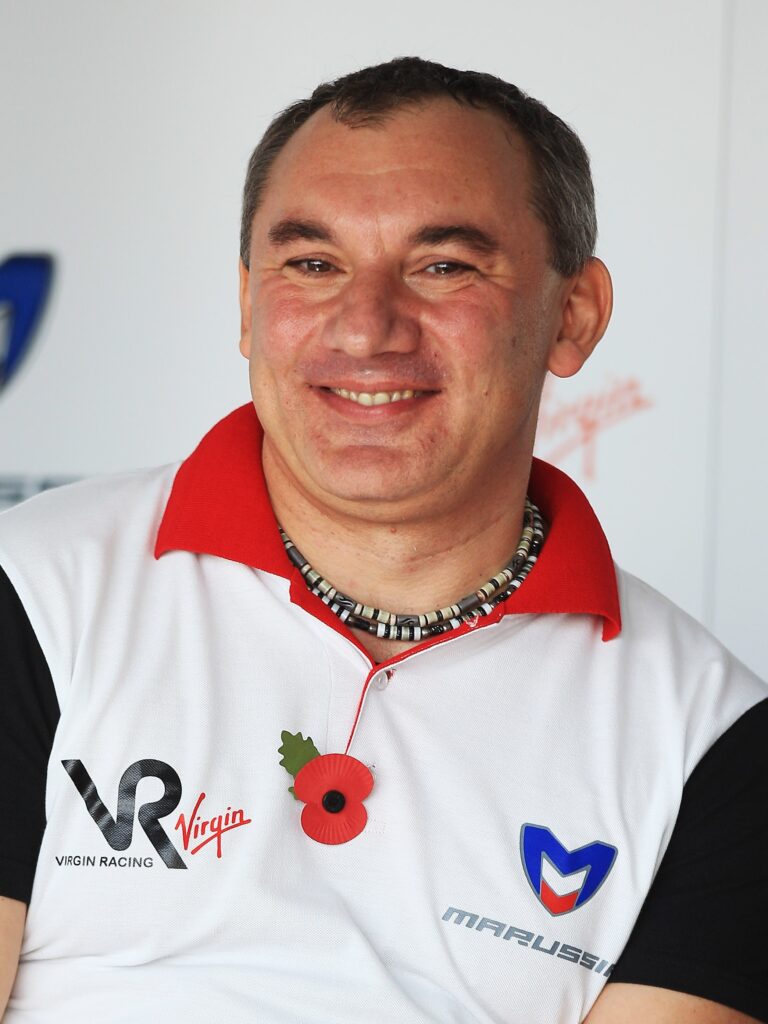
Cars were his personal passion. While still at the institute, Fomenko began karting, later participated in circuit racing and even became the champion of Russia. Therefore, that meeting with Ermilin, a veteran of Soviet motorsport, was fateful for him. Ermilin once built Soviet Formula racing cars, and by that time he was developing the open racing sports prototype "Phoenix", which he created together with designer Gleb Vizel. The car was just being tested in a wind tunnel, but there was not enough money to continue the project, which Ermilin shared with an old acquaintance.
Fomenko looked at the Phoenix and was inspired by a new idea - to build his own sports car. Just two months after the meeting, he found his first investor - political strategist and adviser to the presidential representative in the Volga Federal District, Efim Ostrovsky. The author of the slogan “Be Russian - buy Russian” agreed to finance the first stage of the project - the creation of the concept of the future Marussia B1 model.
For a company where “everything was needed yesterday,” this was unacceptableFrom the very beginning, Fomenko wanted to make not an elite supercar, but a car that people could actually buy. He used Lotus as a reference, a company with a legendary racing history but a democratic approach to supercars. It was their Lotus Elise model, which appeared in the 1990s, that proved that a sports car could be affordable.
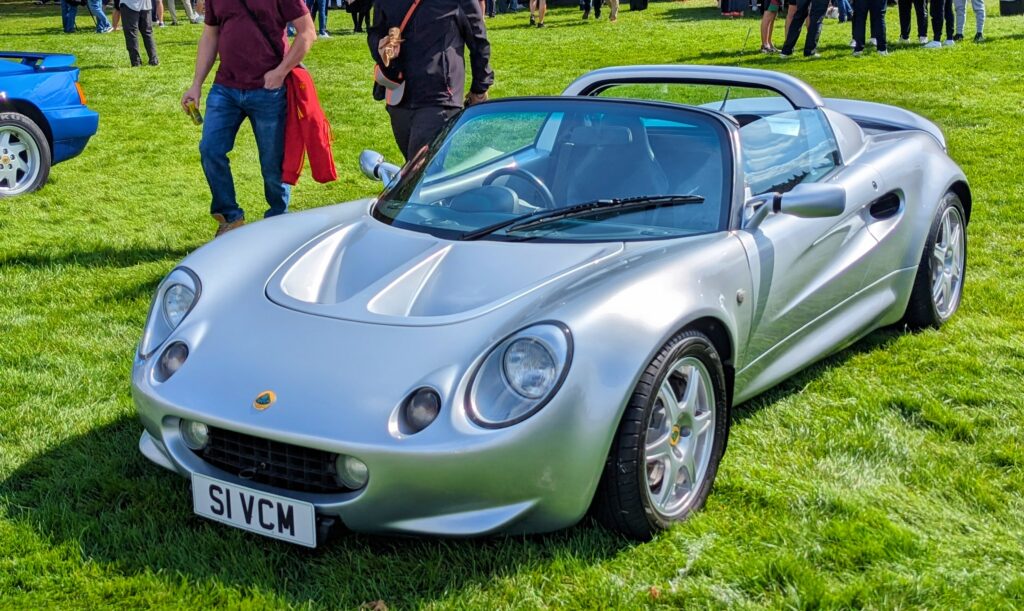
According to designer Gleb Vizel, whose team was responsible for the appearance of the car, at the first discussions they talked about a price of 35–40 thousand euros. This was noticeably higher than the average cost of foreign cars of that time, which cost about 27 thousand dollars per car.
 My mother committed suicide in front of my eyes. I was 7 years old. I couldn’t save her and my whole life I blamed myself for her death Society 15 minute read
Already in November 2007, the development of “Marusya” started under the name “E.M.M”. In a few months, in February-March 2008, the team managed to assemble a team of engineers, rent a workshop at ZIL and purchase a minimum set of equipment, and already in August the Marusya chassis, still without a body, drove through the territory of ZIL, recalls Igor Ermilin.
Madness and Courage
For a car that was planned to be put into production, the development time frame was almost insane. The Marusya team was told that the finished car needed to be presented on December 16, 2008 - the date was allegedly chosen by Ostrovsky based on an astrological forecast. But the company was confident that nothing was impossible, especially when the young team of engineers and designers worked with enthusiasm.
“There was a very good feeling of a startup,” recalls Marusya chief designer Yaroslav Rassadin.
They managed to assemble the car and showed it at the New Manege on the appointed day. At the same time, Fomenko proposed a new name for the brand - Marussia or simply “Marusya”. According to rumors, he was suggested by the showman’s wife Maria Golubkina. At the presentation, where journalists and potential buyers were invited, the Marussia B1 model debuted - a compact sports car with aggressive lines and carbon panels, drawn by Stroganovka student Maxim Shershnev, who now works as a designer at the Romanian automaker Dacia.
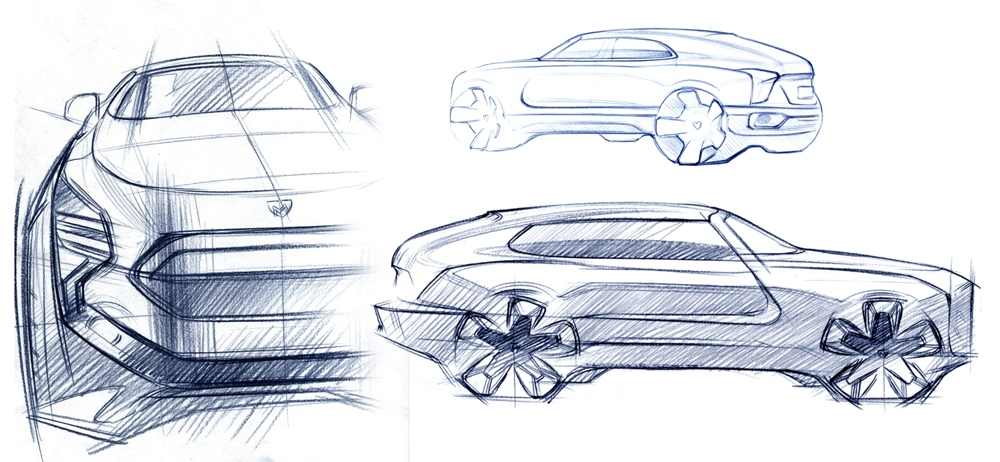
The initial price of 40 thousand euros for a Russian sports car eventually more than doubled - to 95 thousand. Fomenko said that now Marusya will compete with such industry pillars as Ferrari and Lamborghini. As designer Gleb Vizel recalled , already during the show more than 10 people expressed a desire to buy a car.
 A barn on the outskirts Young girls disappeared one after another. What happened to them was found out only 10 years later, when they discovered a basement under an old barn Crime 21 minute read
Among the guests was entrepreneur Andrei Cheglakov, the former founder of the Stipler company, which introduced the Dendy game console to the Russian market. Impressed by the presentation, he decided to invest in Marusya. According to the magazine "Secret of the Firm", Cheglakov invested $70–100 million in the company from his personal funds.
Production could no longer huddle in a small room at the ZIL plant, so in April 2009 they moved to a larger space - the building of the former Snezhinka household chemicals plant. Already during the May holidays the first full-fledged machine was assembled. And a few more months later, the company received a Russian vehicle approval certificate for the Marussia B1.
Overheating at start
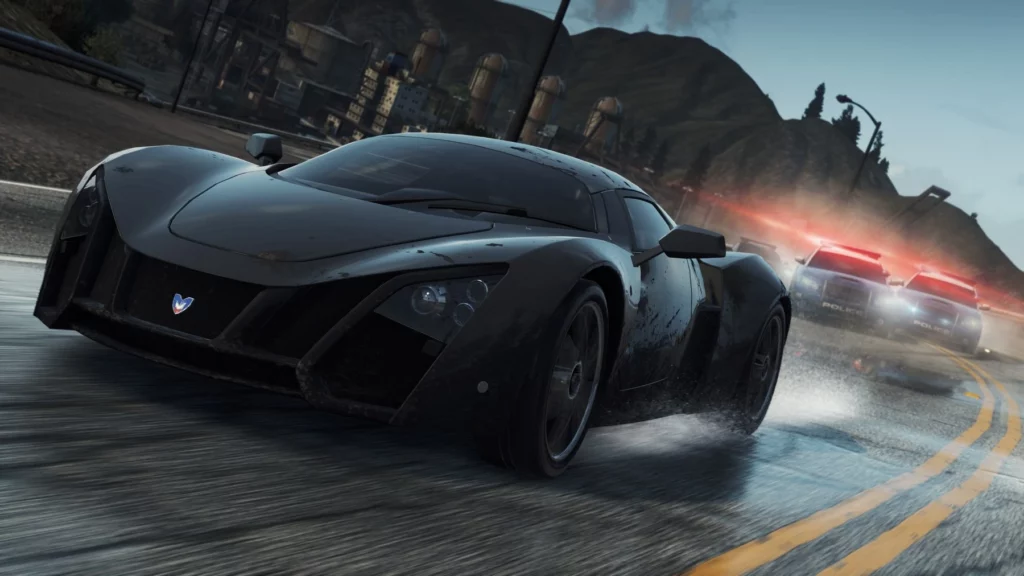
The first year and a half of Marusya's existence seemed like a success. There is constant excitement and advertising on TV - not only in Russia, but also on Russian-language channels in France, Italy, and the USA. The telephones in the sales offices did not stop ringing with calls from potential buyers. Even the popular racing video game series Need for Speed included the Marusya prototype in its game.
 An online group forced children to mutilate and kill themselves The death of a 13-year-old was considered a suicide until parents were sent a shocking video Society 15 minute read
This was largely due to the assembled team. According to former employees of the company, the average age of its workers in those years was 22–25 years. “We gathered from all over the country and selected the best. Even the most fantastic ideas were realized there very quickly,” says Pavel Akimochkin, head of the group of engineers working on the chassis. “The result is an amazing story of endless freedom, endless talent of these guys,” adds chief designer Yaroslav Rassadin.
“Marusya” was really ahead of all Russian manufacturers of that time. By 2010, the car had a built-in navigator , six cameras, 320 gigabytes of memory for audio and video, and even an on-board computer with the Internet and Skype .
“It always seemed to me that Marusya is a symbol of the 2000s in Russia, an era when everything was developing very rapidly and everyone thought that they could change the world,” says autoblogger Igor Asanov.
In September 2009, an international motor show took place in Frankfurt, Germany. There, in addition to the Ferrari 458 Italia, Mercedes SLS AMG and the new Porsche 911, three Russian cars were shown : two Marusi B1s and one prototype of the new B2 model. The new product was very different from its predecessor. In addition to the fact that many technical problems were solved, the model looked completely different in appearance.
 Steep dive This aircraft giant was considered the standard of reliability, but the greed of top managers led to a series of tragedies. Government connections saved the company from collapse Economics 31 minute read
The team tried to make the car more original and “Russian”. If the B1, according to Yaroslav Rassadin, was associated with lightness and southern European style - a kind of “car for traveling along the Cote d'Azur” - then the B2 was conceived as the embodiment of the Russian avant-garde. Brutality, clear lines and rigor appeared in it. Project participants recalled that when they saw the finished car, “they realized that this was it.”
According to Igor Ermilin, it was B2 that Fomenko perceived as his personal, author’s project - unlike B1, which, according to his colleague, he was a little “jealous”.
“When we first tested the B1 chassis on ZIL territory, Kolya did not know about it. It was a purely working moment - just to see how it would go. But when I told him, he said that he should have been the first to drive. And it seemed to me that from that moment on he developed something like jealousy - in a good way. Perhaps he began to perceive B1 as more of my project and wanted to do something completely his own,” Ermilin recalled .
 “Bloody Rector” The girls went to apply to the university and disappeared one after another. The killer was found only 25 years later Crime 21 minute read
However, despite its impressive appearance, the new model had serious technical shortcomings. According to Igor Asanov, the Nissan VQ engine turned out to be too powerful for Marusya - its small air intakes did not provide sufficient cooling and the car overheated critically. Fomenko did not listen to the engineers.
“Nikolai always took the position that if a designer drew it, it means it’s beautiful and the way it should be, and the designers should already decide how to do it conveniently,” recalls Pavel Akimochkin.
As a result, while Marusya was conquering Europe - traveling to exhibitions and offering potential buyers a test drive in Monaco, company employees were coming up with all sorts of tricks on the fly to hide technical problems.
 The first nuclear disaster of the USSR It happened 30 years before Chernobyl, but it was hidden for decades. Schoolchildren were sent to liquidate, and the consequences still affect today Society 16 min read
Test driver Roman Rusinov says : “The car overheated during one or two test drives, and we did it differently. I took the guys who, at the right moment, drove out in front of the Marusya car and drove very slowly. Accordingly, we had special people who spoiled the test drive during car rentals.”
For all the hares
By mid-2011, the enterprise occupied about 80% of the territory of the Snezhinka complex and had six workshops. The production facilities were constantly being renovated and modern equipment was purchased, including Japanese machining centers capable of milling large parts. Two autoclaves were installed : a three-meter one and a six-meter one, brought from Spain, in which it was possible to “bake” the entire base of the car body.
By that time, the company already employed about 450 people, including the sales department. The team was actively updated: new specialists arrived , who were promised development and large-scale projects. Production capabilities made it possible to produce up to 50 cars per year, but this was not destined to happen.
Having received approval for the production of a limited batch of B1 and B2, the company began preparing for export sales. However, Russian certification did not meet European standards. To enter the international market, it was necessary to confirm the tests and re -certify each component of the car.
The company developed some components, such as the steering, itself. But it was impossible to use such parts abroad: certified production was required . As a result, Marus was forced to purchase ready-made foreign solutions and implement them into an already designed car. According to Pavel Akimochkin, this led to technical compromises and deterioration of the design.
They haven't sold a single car in all this time.The main problem remained the engines. At first, the Marusya company planned to use Renault-Nissan alliance engines in mass production, which were installed in exhibition units, but deliveries, according to Igor Ermilin, fell through after Russian management refused to pay for the components necessary for assembly. In Russia there were no suitable replacement engines - only outdated units like those that were installed on GAZ-53 trucks.
Attempts to reach an agreement with foreign manufacturers also failed . European companies did not want to just sell engines: they offered long-term plans to develop them specifically for Marusya at a great cost. For a company where “everything was needed yesterday,” this was unacceptable.
 An exemplary capitalist He was born to a schoolgirl, a Gagarin fan and a McDonald's chef, and became the richest in the world thanks to the Internet. Why does he piss everyone off? Economics 38 min read
As a result, it was proposed to buy motors unofficially, as spare parts, and adapt them manually. This, in turn, did not make it possible to establish stable mass production and maintenance of cars. In addition, constant problems for the company's employees came from management. Fomenko demanded the impossible from engineers and did not accept criticism.
“Nikolai reacted quite aggressively to all sorts of comments and suggestions regarding the design. That is, if he wanted to do this, then there was no need to convince him,” recalls Pavel Akimochkin.
At the same time, Fomenko had Napoleonic plans - production of up to 10 thousand cars per year. For comparison: the British Lotus, which Marusya initially looked up to, has only recently reached the level of seven thousand cars per year for more than 70 years of history, and the Italian sports car brand Pagani, next to which the Russian sports car stood in Monaco, produces only 50 units per year.
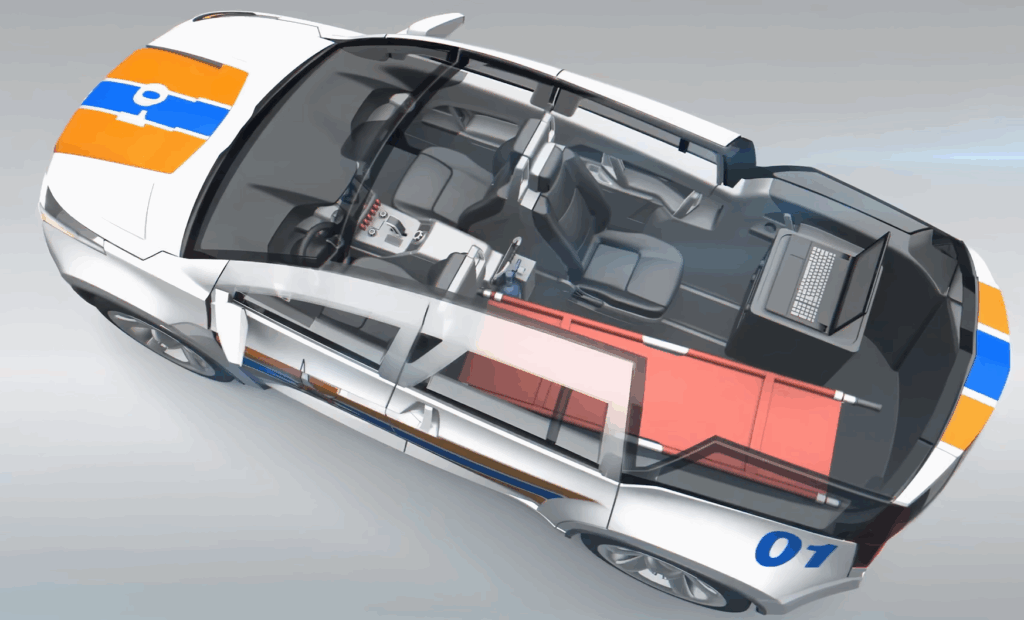
Fomenko constantly changed the company's strategy. Even without releasing a single fully finished model, Marusya continued to develop new concepts. After the B1 and B2, plans included the F1 and F2 SUVs , the B3 sedan, the front-engine B4, and the L1 limousine . Some projects existed only in the form of mock-ups or 3D models, others reached running prototypes - for example, the F2 based on the SsangYong chassis. Even hydraulically driven versions for the military were discussed .
Unfinished cars were constantly being modified , adding new systems - airbags, additional control units, electronics. The designers admit that the car “was never finished”: each improvement gave rise to new tasks.
 A dubious rebranding has put the legendary Jaguar at risk. It was once admired by Enzo Ferrari, and now the entire Internet is mocking it. Will Barbiemobile return the company to its former greatness? Economics 22 min read
The constant change of directions led to chaos. The company was almost always in a hurry, it was necessary to produce more and more cars, although there were not enough components. Parts arrived with delays, and engineers could not keep up with the designers. Employees often had to live without leaving the production floor. “It was all like running after a train and loading it while moving,” said designer Mikhail Trenikhin.
On one of these days, the direction of the company changed dramatically again. Returning from the next tests, the team heard from Nikolai Fomenko: “That’s it, we won’t do this, we now have Formula 1.”
Embrace the immensity
Marussia Motors became the official sponsor of the Virgin Formula 1 team at the end of 2009, before the start of the new season. And already in November 2010, the main investor of Marusya, Andrei Cheglakov, bought a controlling stake in the Virgin Racing team. Fomenko headed its engineering department.
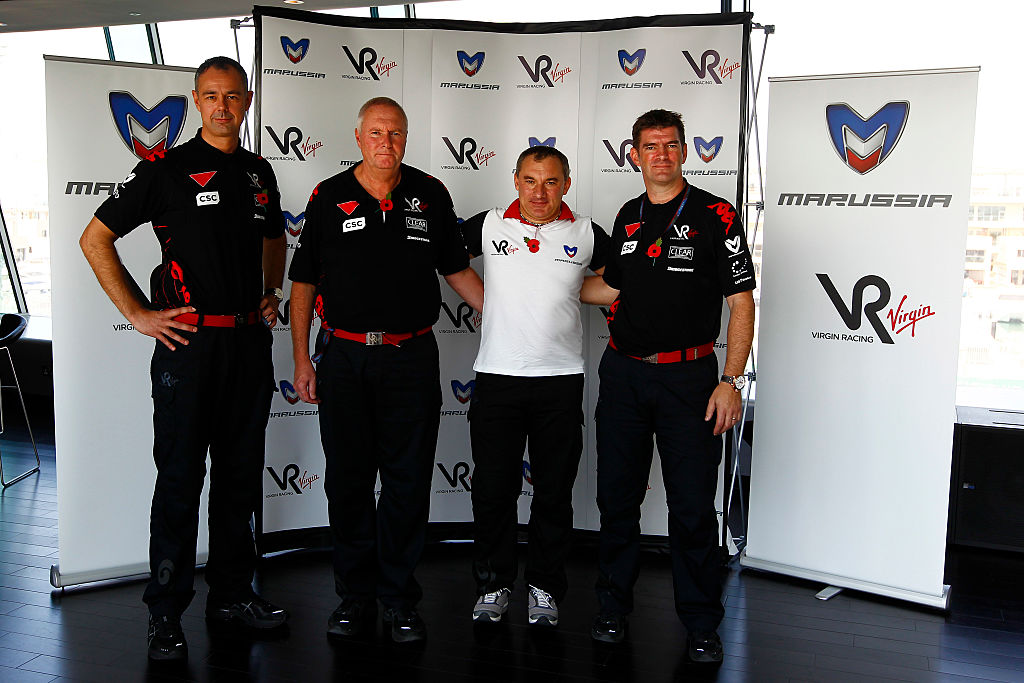
It would seem that participation in the world's most expensive auto racing series seemed like a logical next step - another way to show that Russian automakers can compete with the best. But for the company, this step was the beginning of the end: from that moment, already dwindling resources began to go to racing.
The deal cost about $12 million - not much by motorsport standards, but the further maintenance of the team became unaffordable for Cheglakov: after all, the budget of even the weakest championship teams ranged from $60 to $100 million. Sponsors usually cover a significant portion of team expenses. Marussia Virgin Racing also had them: the Malaysian Qnet, the Russian Betting League - but their contribution was symbolic, and the majority of all expenses of 38 million dollars per season fell on the owner.
 From hand to hand, the Killer spent two years finding victims through newspaper advertisements. He was detained during another transaction Crime 21 minute read
By this time, over $100 million had already been invested in Marusya sports cars, and the investor’s funds were rapidly melting away. As a result, Cheglakov decided to cut funding and at the end of 2012 sharply reduced expenses. More than half of the 300 employees left the company. In the summer of 2013, a second round of layoffs followed , leaving about 50 people on staff. Salaries stopped being paid—delays reached three months. The Formula team, which was supposed to become the pride of the brand and help it grow even stronger, only absorbed the remaining money.
“On the last day at work, we took a photo with the Marusya B2, this dark green serial one that was shown to all investors, shook hands and went our separate ways. We went to all sorts of courts,” recalls former designer Artem Stepanov.
According to Ermilin, Fomenko was the last to leave the “sinking ship”. He tried to save the company and obtain government funding by involving it in 2013 in the “Cortege” project - the development of a presidential limousine and escort vehicles for the FSO.
“Marusya” actually participated in the competition together with the state NAMI (Research Automobile and Automotive Engine Institute, which later created the Aurus brand of luxury cars - Putin drives them today). Marusya even won the tender, beating GAZ, but in the end only NAMI received funding in the amount of about 12 billion rubles. By the way, almost the entire Marussia design department moved there in the spring of 2014.
 Thousands of citizens of the USSR witnessed a mass execution. The authorities used the army and tanks against peaceful protest. Dozens of people died, but they hid it for 27 years Society 21 minute read
Other Marusya projects were also denied government funding. Production stopped, remaining employees quit, and funding for the Formula One team, whose drivers had only finished in the top 10 in four seasons in F1, ceased and it was put under external management. In 2014, following the racing team, the sports car companies Marusya Engineering and E.M.M. officially declared bankrupt. For all this time, they have not sold a single car, and their total debts exceeded 100 million rubles.
“I really regret that everything happened like this. I think that with significantly less funding from Marussia, the project could be implemented in the form of a very successful small-scale production of sports cars in the amount of up to 100 cars per year. Based on what we had, it is quite possible to make a car at the Koenigsegg level with a price of up to a million dollars. But everything turned out the way it often happens in Russia: big money came, and with it a lot of unprofessional, but “close” people,” says Ermilin.
Despite plans for tens of thousands of cars, only about 30 were produced. According to Igor Ermilin, some of them remained in the engineering centers of partners - Continental, Bosch and others. One car was given to the British racing team Status GP, another one is still in the showroom in Monaco.
 Under the snow of Soldatskaya Mountain, the body of a 15-year-old girl was found in a snowdrift on the ski slope. The police did not immediately understand why no one was looking for the missing woman Crime 17 min read
Four cars were crash-tested, and four with license plates remained with former employees. The rest - about 10 copies - were simply cut into scrap metal: the company could not afford to pay for their storage. After bankruptcy was declared, several surviving sports cars went on sale - each at a price of about 16 million rubles. This year, one of the Marussia B1 copies, supposedly completed after the company’s bankruptcy in 2015, was put up for sale for 30 million rubles.
Resurrection of "Marusya"
Even years after the completion of the project, Nikolai Fomenko said that he did not consider “Marusya” a failure. “The amount of things we did for the money we had is something few people can achieve. I am proud of this to this day. And at the same time, I didn’t take a penny from the state. We have trained almost 200 amazing engineers who have never done anything like this, and now continue to work in the industry,” he said in an interview with Championship.
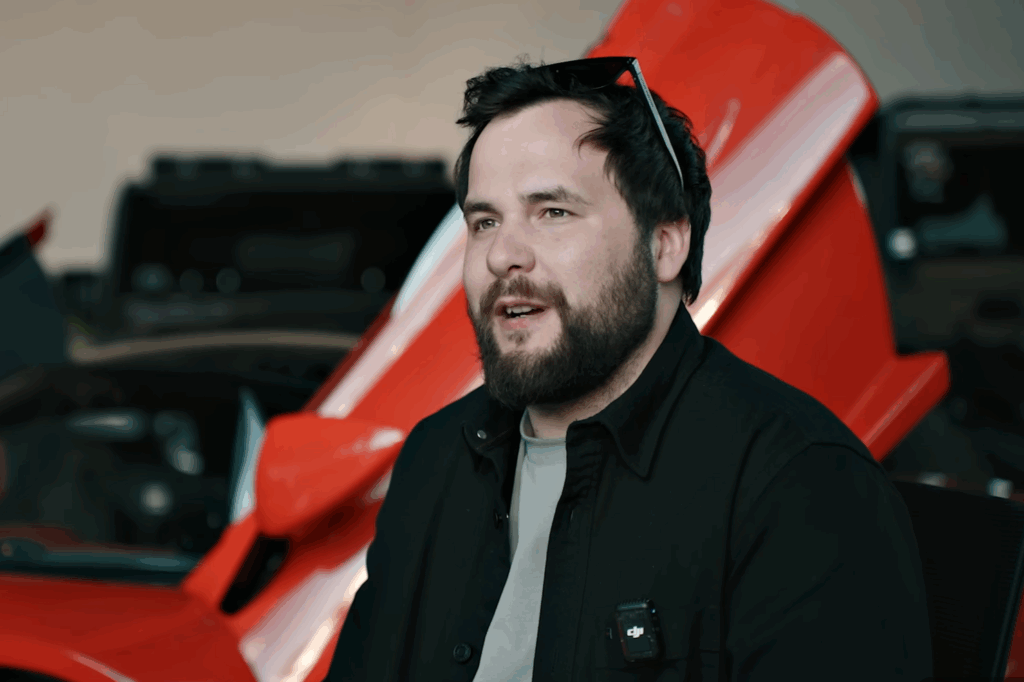
In addition, despite the official death, “Marusya” continued to live in the hearts of fans. 10 years after the company’s bankruptcy, autoblogger Grigory Zavozin set himself the goal of reviving this auto production. He is confident that the creation of the first Russian supercar using private funds was an achievement in itself. Now his goal is to continue the history of the brand and show what this car could be with modern technology.
 They fled from Peter I and returned to the USSR. These Cossacks challenged the emperor and settled in Turkey. Centuries later, they returned to their homeland and lost everything they cared for Society 11 minute read
To do this, Zavozin bought an original Marussia B1 - an exhibition copy, which once stood in the company’s showrooms on Tverskaya and Monaco, and also participated in the filming of advertising. This car is one of the first examples produced, with original numbers and documents. According to Zavozin himself, he purchased it “through the bankruptcy case” of the previous owner for about 10 million rubles.
Now the autoblogger is reviving the project at the Kifato plant in the Moscow region, where he and his team of engineers and designers assemble several Marusya cars at the same time. The team has at its disposal original spare parts and hard drives with design documentation, preserved after the company closed. Based on them, specialists recreate models in computer programs, correct old solutions and adapt them to modern technologies.
Some elements are created anew: metal frames, suspension parts and body elements are made at the factory, and some small components are printed from carbon fiber on 3D printers. In the design of the new version of the car, the team uses a combination of modern materials - in addition to carbon fiber, it contains fiberglass and polymers, as well as adhesive and riveted joint technologies. The main idea of the project is to create a restomod car, that is, an updated version of the original Marusya, built from modern components, but preserving the appearance of the first Russian supercar.
 The worst car market in the world right now Hundreds of thousands of Russians risk being left without work, and the Russian budget is at risk of losing a trillion rubles in taxes Economics 11 min read
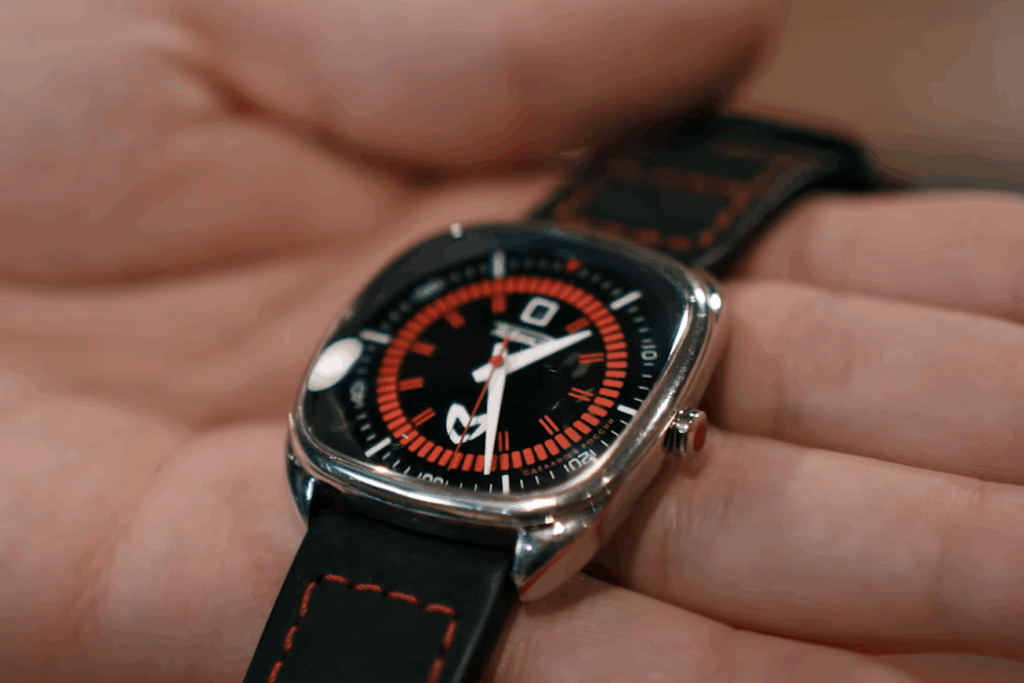
In addition to restoring cars, Zavozin collects original artifacts associated with Marussia Motors: company badges, booklets, business cards, advertising discs and souvenir watches. One of the most valuable items in the collection, according to him , was the Raketa brand watch, produced specifically for the Marussia company.
Zavozin says that he bought them from a former top manager of the company, although before the meeting he didn’t even know who it was. When he told the seller that he was working on reviving the brand, he could not contain his emotions. “I can’t believe it,” he said , bursting into tears, according to Zavozin’s recollections. The autoblogger calls this project his life’s work and emphasizes that he does not consider “Marusya” as a product or an investment: for him it is a goal and a symbol of overcoming. According to him , he wants to “put a comma, not a full stop” in the history of the brand, proving that Marusya is a part of Russian engineering history that deserves to be continued.
In order not to miss the main materials of “Cold”, subscribe to our social networks! Telegram
  Instagram
  Facebook
  TikTok
  X We put people at the center of our journalism and talk about people who face injustice, but do not lose spirit and continue to fight for their rights and freedoms. To continue covering people's stories, we need the support of readers - thanks to your donations, we continue to work, despite government pressure.